menu

Wet Carpet & Padding in Atlanta – Expert Diagnosis and Safe Removal Before Mold Takes Over

Victory Water Damage Restoration Atlanta identifies hidden saturation in wet carpet & padding, removes contaminated materials safely, and restores your floors before mold spreads through your Buckhead, Midtown, or Decatur property.

Slider Image 1
Slider Image 2
Slider Image 3
Slider Image 4
Slider Image 5
Slider Image 7
Slider Image 8
Slider Image 9
Slider Image 10
Slider Image 11

Why Soaked Carpeting and Underlay Becomes a Health Hazard in Atlanta Homes

You step onto your carpet and feel the squish. You think it will dry on its own. It will not.

Atlanta's humid subtropical climate creates the perfect breeding ground for mold in saturated carpet and cushion. When water seeps into carpet fibers, it does not stop at the surface. It migrates downward into the underpad and sometimes into the subfloor. The padding acts like a sponge, holding moisture against wood or concrete for days. With Atlanta's average humidity hovering around seventy percent, that moisture does not evaporate. It ferments.

Within twenty-four to forty-eight hours, mold spores begin colonizing the water damaged carpet and pad. You might not see it immediately because the contamination starts underneath, in the flooded carpet and underpad where air cannot circulate. The musty smell comes next. Then respiratory issues, especially for children and older adults.

The problem is worse in older homes across Inman Park, Virginia-Highland, and Grant Park, where crawl spaces and slab foundations trap humidity beneath the flooring. Wet carpet underlayment in these structures can stay damp for weeks, even if the surface feels dry. The moisture wicks upward, feeding mold growth and weakening adhesives.

Homeowners often try fans and dehumidifiers. Those tools help with surface moisture but cannot extract water trapped deep in padding or subfloors. The result is a false sense of security. The carpet feels dry, but the damage continues below. By the time you notice buckling, discoloration, or odor, the contamination has spread beyond the carpet into walls and HVAC ducts.

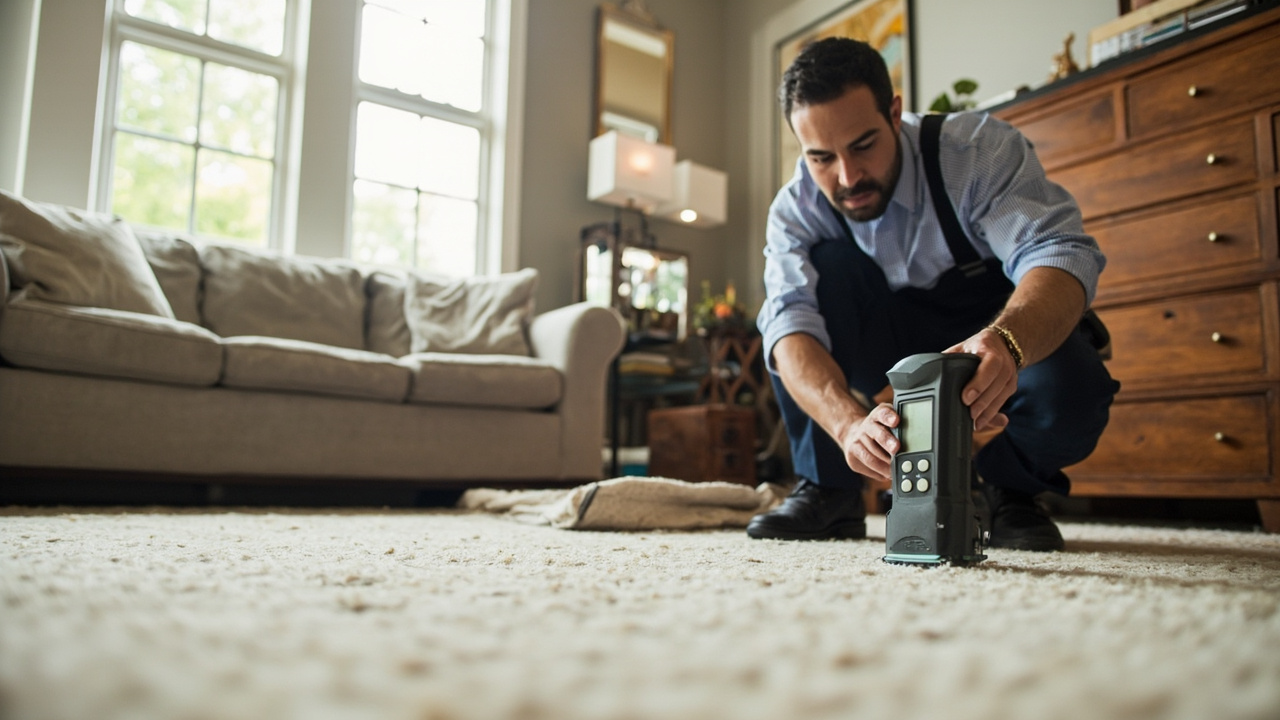
Victory Water Damage Restoration Atlanta uses moisture meters and thermal imaging to find hidden saturation in soaked carpeting and underlay before it becomes a health crisis.

Why Soaked Carpeting and Underlay Becomes a Health Hazard in Atlanta Homes
How We Extract Water, Remove Contaminated Materials, and Protect Your Subfloors

How We Extract Water, Remove Contaminated Materials, and Protect Your Subfloors

We do not rely on surface-level drying. Our process starts with identifying the full scope of saturation, including areas that appear dry to the touch.

We use calibrated moisture meters to test the carpet, cushion, and subfloor at multiple points. This tells us whether the water damaged carpet and pad can be salvaged or if removal is necessary. In most cases involving clean water from a broken supply line, we attempt extraction and drying. If the water is contaminated from a toilet overflow, washing machine discharge, or storm surge, the flooded carpet and underpad must be removed immediately to prevent bacterial growth.

For extraction, we use truck-mounted water extraction units that pull moisture from deep within the carpet fibers and padding. These systems generate far more suction than portable shop vacuums. We follow extraction with air movers positioned at strategic angles to create airflow beneath the carpet, lifting it slightly to allow the wet carpet underlayment to dry from both sides.

We monitor drying progress with hygrometers that measure relative humidity in the air and within the materials. If readings do not drop within forty-eight hours, we remove the carpet and padding to prevent mold colonization. This is common in Atlanta basements and lower-level rooms where groundwater seepage saturates materials beyond recovery.

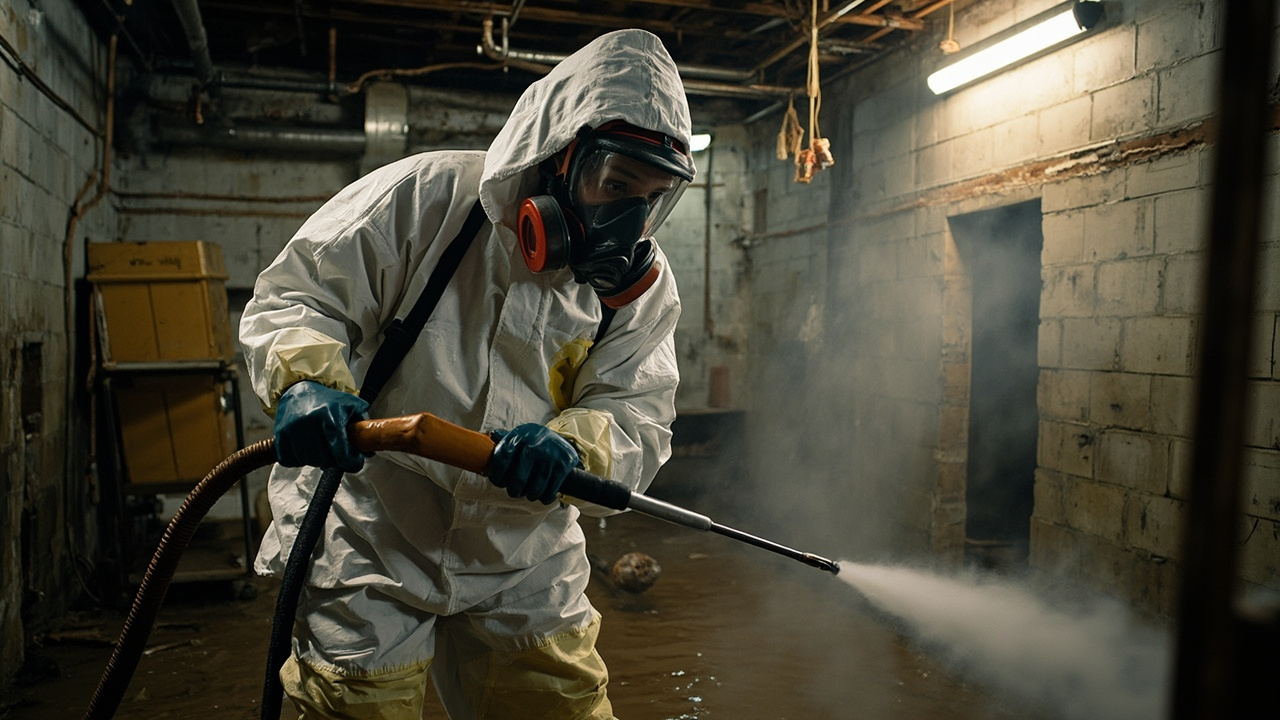
When removal is required, we detach the carpet from tack strips, roll the saturated carpet and cushion separately, and dispose of contaminated materials according to local waste management guidelines. We inspect the subfloor for signs of delamination, warping, or mold growth. If the subfloor is compromised, we treat it with antimicrobial agents and allow it to dry completely before new flooring installation.

This methodical approach prevents the most common mistake homeowners make: reinstalling carpet over damp padding.

What Happens When You Call Us for Soaked Carpeting

Wet Carpet & Padding in Atlanta – Expert Diagnosis and Safe Removal Before Mold Takes Over
01

On-Site Moisture Assessment

We arrive with thermal imaging cameras and pin-type moisture meters to map the saturation pattern across your carpet, padding, and subfloor. This diagnostic step reveals hidden water migration into baseboards, wall cavities, and adjacent rooms. We document moisture levels with readings, not guesses, so you understand the scope before we begin extraction or removal.
02

Extraction or Controlled Removal

If the water is clean and the padding shows moisture levels below critical thresholds, we extract standing water and begin forced-air drying. If the padding is oversaturated or the water is contaminated, we remove the carpet and underpad in sections, rolling and bagging materials to prevent cross-contamination. We expose the subfloor for inspection and treatment.
03

Subfloor Drying and Verification

We place air movers and dehumidifiers to dry the subfloor to industry-standard moisture levels, typically below fifteen percent for wood and below three percent for concrete. We retest every twenty-four hours until readings stabilize. Once verified, we provide documentation for insurance claims and prepare the surface for new carpet or alternative flooring installation.

Why Atlanta Homeowners Trust Victory Water Damage Restoration for Wet Carpet Emergencies

Water damage does not wait for business hours. We respond to calls in Brookhaven, Sandy Springs, and East Atlanta twenty-four hours a day because mold does not sleep.

Our technicians understand the unique challenges of Atlanta's housing stock. Many homes in historic neighborhoods like Druid Hills and Candler Park were built on crawl spaces with limited vapor barriers. When water saturates carpet in these homes, the moisture migrates downward into the crawl space, where it evaporates back upward in a cycle that keeps padding damp for weeks. We address this by coordinating carpet removal with crawl space moisture control, something general carpet cleaners do not consider.

We also navigate the insurance process. Homeowners policies in Georgia typically cover sudden water damage from burst pipes, appliance failures, and storm-related intrusion, but they exclude gradual leaks and poor maintenance. We document the source of water intrusion, photograph the damage, and provide moisture readings that insurers require to approve claims. This prevents the common scenario where a homeowner pays out of pocket because the adjuster disputes the timeline of damage.

Our equipment is commercial-grade, not consumer-rental. The difference matters. A box-store carpet cleaner extracts surface water. Our truck-mounted systems pull moisture from the backing and padding at pressures that prevent wicking and secondary damage. We pair extraction with thermal drying that raises material temperature slightly, accelerating evaporation without damaging fibers.

We do not upsell unnecessary services. If your carpet and padding can be saved, we save them. If removal is the only safe option, we explain why and show you the moisture data. You make the final decision, but we give you the information to make it correctly.

This transparency has earned us referrals from property managers, insurance adjusters, and homeowners across Fulton and DeKalb counties.

What to Expect When You Hire Us for Saturated Carpet and Cushion Removal

Rapid Response and Initial Arrival

We dispatch a crew within two hours of your call, often sooner for emergency flood situations. Our technician arrives with moisture detection equipment, extraction tools, and containment supplies. The initial visit includes a visual inspection, moisture mapping, and a written scope of work. You receive a clear explanation of what needs to happen, how long it will take, and what the drying or removal process involves. We prioritize stopping the water source first, then mitigating damage to prevent further loss.

Detailed Moisture Mapping and Diagnosis

We test moisture levels at the carpet surface, within the padding, and at the subfloor using pin-type and non-invasive meters. This tri-level assessment reveals the depth of saturation and guides our decision to extract or remove. We photograph readings and document the affected square footage for insurance claims. You see the data in real time, which eliminates guesswork. If the padding shows moisture content above forty percent or the subfloor shows signs of delamination, we recommend removal. If levels are manageable, we proceed with extraction and controlled drying.

Complete Drying or Safe Material Removal

If we extract and dry, we place air movers and dehumidifiers strategically to create cross-ventilation and reduce humidity below fifty percent. Drying typically takes seventy-two to ninety-six hours, depending on saturation depth and ambient conditions. We monitor progress daily and adjust equipment placement as needed. If we remove carpet and padding, we detach materials carefully to preserve tack strips and protect baseboards. We roll and bag contaminated padding separately from the carpet to prevent odor transfer. The subfloor is cleaned, treated with antimicrobial solution, and dried to verified safe levels before we leave.

Post-Restoration Verification and Documentation

We do not consider the job complete until moisture readings confirm the subfloor and remaining materials are dry. We provide a final moisture report with before-and-after readings, photographs, and notes on any secondary damage discovered during the process. This documentation supports your insurance claim and serves as proof of professional remediation. If new carpet installation is required, we coordinate with local flooring contractors and provide subfloor prep recommendations. We do not install carpet ourselves, but we ensure the surface is ready for installation and free of mold risk.

Frequently Asked Questions

You Have Questions,
We Have Answers

Is carpet padding ruined if it gets wet? +

Yes, carpet padding is usually ruined once it gets wet. Padding absorbs water like a sponge and holds moisture against the subfloor. Most padding types, especially foam and rebond, break down when saturated. They lose structural integrity and become breeding grounds for bacteria and mold. In Atlanta's humid climate, wet padding rarely dries completely on its own. Even if the surface feels dry, moisture trapped underneath continues to cause damage. Professional extraction and assessment are needed within 24 hours. In most water damage cases, padding must be removed and replaced to prevent ongoing issues.

How to dry out wet carpet padding? +

Drying wet carpet padding requires immediate action and professional equipment. Pull back the carpet to expose the padding. Use industrial air movers and dehumidifiers to create airflow and reduce humidity levels. Atlanta's high humidity makes air drying ineffective without mechanical help. Extract standing water first using a wet vacuum or truck-mounted extractor. Remove baseboards to allow air circulation at wall edges. Monitor moisture levels with meters to confirm drying progress. If padding stays wet longer than 48 hours, bacteria and mold growth begin. Most professionals recommend removing and replacing padding rather than attempting to dry it.

Is carpet ruined if it gets wet? +

Carpet can be ruined by water, but it depends on the water source and response time. Clean water from a supply line offers the best chance for recovery if addressed within 24 hours. Dirty water from sewage or flooding usually ruins carpet permanently due to contamination. Carpet fibers can handle moisture better than padding, but Atlanta's humidity slows drying. Delamination occurs when backing separates from fibers. Color bleeding and shrinkage are common. Professional extraction, antimicrobial treatment, and controlled drying can save carpet in many cases, but padding replacement is almost always required.

How long can carpet stay wet before mold? +

Carpet can stay wet for 24 to 48 hours before mold growth begins. Atlanta's warm temperatures and high humidity accelerate this timeline. Mold spores are always present in the air and need only moisture and organic material to colonize. Carpet fibers and padding provide the perfect environment. Within 72 hours, mold colonies become established and spread rapidly. The subfloor underneath also absorbs moisture, creating additional mold risks. Quick action is critical. Professional water extraction and drying must begin immediately to prevent microbial growth and permanent damage to your flooring and indoor air quality.

Can mold grow under carpet padding? +

Yes, mold grows easily under carpet padding. Padding sits directly on the subfloor, trapping moisture in a dark, enclosed space with zero air circulation. This creates ideal conditions for mold colonization. Atlanta's humidity compounds the problem because moisture does not evaporate naturally. You cannot see mold growing underneath until you pull back the carpet. By then, colonies have often spread to the subfloor and wall cavities. Musty odors and respiratory symptoms are warning signs. Once mold establishes under padding, removal is the only solution. Cleaning or drying attempts fail because spores remain embedded in porous materials.

Can carpet be saved after water damage? +

Carpet can be saved after water damage if you act within 24 hours and the water is clean. Professional extraction removes standing water quickly. Controlled drying using air movers and dehumidifiers prevents mold growth. Antimicrobial treatments kill bacteria. The carpet must be lifted to remove and replace the padding underneath, which rarely survives saturation. Atlanta's climate requires aggressive drying protocols. Contaminated water from sewage or flooding means immediate disposal. Synthetic carpets recover better than natural fibers like wool. Age and quality matter. Professional assessment determines if restoration is cost-effective compared to replacement.

How Atlanta's High Humidity and Sudden Storms Make Wet Carpet a Year-Round Threat

Atlanta averages over fifty inches of rain annually, with intense summer thunderstorms that overwhelm gutters and cause basement seepage. When water enters a home through foundation cracks, window wells, or failed sump pumps, it pools on carpet first. The city's clay soil does not absorb water quickly, which means prolonged saturation around foundations and increased hydrostatic pressure against basement walls. This forces groundwater upward through slab edges and into carpeted lower levels. Homes in Buckhead, Druid Hills, and Decatur built on hillsides face additional runoff challenges during heavy rain. Wet carpet underlayment in these properties stays damp longer because the surrounding soil remains saturated for days after storms pass.

Georgia does not require state-level licensing for water damage restoration, but reputable companies follow Institute of Inspection, Cleaning and Restoration Certification standards for moisture remediation. Victory Water Damage Restoration Atlanta adheres to these protocols and works closely with local insurance adjusters who understand Atlanta's unique water damage patterns. We also coordinate with Fulton and DeKalb County building inspectors when subfloor damage requires structural repairs. Choosing a local provider who understands Atlanta's climate, housing stock, and insurance requirements ensures your flooded carpet and underpad is handled correctly the first time, preventing mold lawsuits and failed claims.
Water Damage Restoration Services in The Atlanta Area

While we provide rapid mobile water damage restoration services directly to your doorstep throughout the Atlanta metropolitan area, you can also view our primary service location on the map below. This helps visualize our operational reach and assures you that expert assistance is always within your vicinity. We are always ready to deploy our dedicated teams to your precise location, ensuring swift and effective service whenever you need us, guaranteeing peace of mind.

Address:
Victory Water Damage Restoration Atlanta, 1055 Howell Ml Rd, Atlanta, GA, 30318

Additional Services We Offer

Our news updates

Latest Articles & News from The Blogs

Risks of Buying a House with Water Damage in Mableton and How to Protect Your Investment Buying a house represents…

Risks of Buying a House with Water Damage in Mableton and How to Protect Your Investment

Risks of Buying a House with Water Damage in Mableton and How to Protect Your Investment Buying a house represents…

Getting the right City of Atlanta building permits for major water damage repairs

Getting the right City of Atlanta building permits for major water damage repairsMajor water damage in your Atlanta home often…

Identifying chimney water leaks in Candler Park homes before they ruin your walls

Living in the historic Candler Park neighborhood offers unique architectural charm but the older masonry systems require constant attention. In…

Contact Us

Your carpet is not drying on its own. Call (678) 397-3666 for immediate moisture assessment and professional water extraction. We respond to Atlanta homes and businesses twenty-four hours a day.