


Marietta sits in the humid subtropical zone where heavy rainfall, aging infrastructure, and Georgia red clay create perfect conditions for water intrusion. The city receives over 52 inches of rain annually, with severe thunderstorms and flash flooding common from March through September. Older neighborhoods around the Marietta Square feature homes built on clay soil that shifts with moisture, cracking foundations and creating pathways for water entry.
The Chattahoochee River watershed means properties in areas like Riverside and near Noses Creek face elevated flood risk during heavy rain events. Homes in East Cobb and Sandy Plains often have finished basements vulnerable to groundwater seepage when the water table rises. Winter freeze-thaw cycles stress plumbing systems, leading to burst pipes that flood attics and crawl spaces.
Marietta's mix of historic homes and newer construction means varying levels of waterproofing and drainage systems. Properties near Kennesaw Mountain experience runoff issues during storms. The combination of high humidity, sudden temperature swings, and aging building materials means water damage can escalate from minor leak to major mold problem within 48 hours if not addressed immediately.
When water invades your Marietta home, you need a team that understands both the urgency and the local conditions that made it happen. Victory Water Damage Restoration Atlanta has spent years working across Cobb County, from historic bungalows near the Square to modern estates in East Cobb. We know how Georgia clay affects foundation drainage, which neighborhoods flood first during storms, and how Marietta's humidity accelerates mold growth.
Our technicians live and work in this community. We've extracted water from basements along Noses Creek, dried out attics after ice dam failures, and rebuilt bathrooms destroyed by supply line bursts. This experience matters because water damage in a 1950s ranch in Riverside requires different solutions than a flooded finished basement in Sandy Plains.
We maintain relationships with local insurance adjusters, which means faster claims processing and less stress for you. Our equipment stays staged in Marietta, not shipped from distant warehouses. When you call at 2 AM because a pipe burst, we dispatch from minutes away, not hours.
Speed determines whether you face a cleanup job or a reconstruction project. Our average response time across Marietta is under 60 minutes because we keep crews and equipment positioned throughout the service area. We extract standing water immediately, set up industrial dehumidifiers within hours, and monitor moisture levels until your property returns to normal. Every delay allows more water absorption into drywall, flooring, and framing. We don't allow that to happen.

Our teams stage equipment across Marietta, allowing rapid dispatch to any neighborhood. When water is flooding your home, an hour can mean the difference between drying carpets and replacing subfloors. We arrive fast, assess damage immediately, and start water extraction within minutes of walking through your door.

We work directly with your insurance carrier, handling documentation, estimates, and claims coordination. You won't chase paperwork or argue with adjusters. Our experience with Cobb County claims means we know what documentation insurers require and how to get your claim processed without delays that extend your displacement.
Every technician holds Institute of Inspection, Cleaning and Restoration Certification for water damage restoration. This means proper moisture mapping, correct drying protocols, and microbial remediation when needed. We follow science-based standards that prevent secondary damage and protect your property value through proper restoration.
Water damage takes many forms, from catastrophic flooding that fills basements to slow leaks that rot framing over months. Victory Water Damage Restoration Atlanta handles the full spectrum of water intrusion problems facing Marietta properties. Our services cover emergency water removal, structural drying, content restoration, and complete reconstruction when damage extends beyond surface materials.
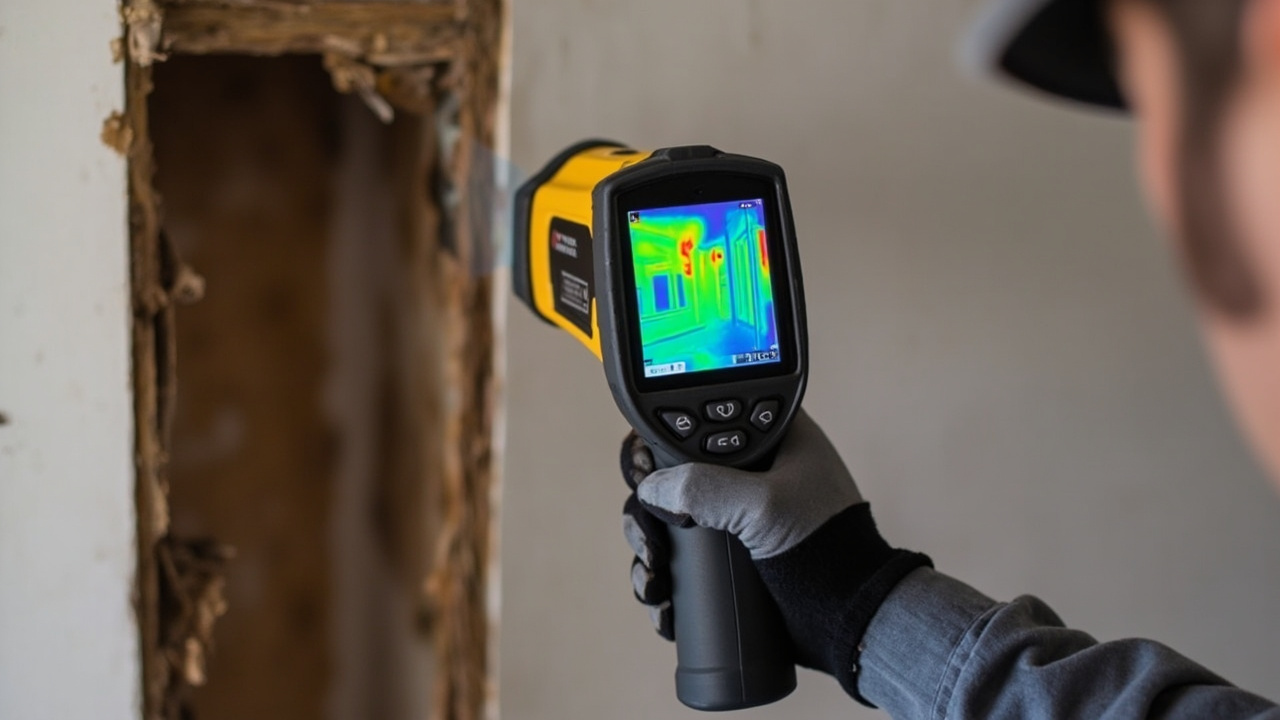
We deploy truck-mounted extraction units for major flooding events, removing thousands of gallons from finished basements and crawl spaces. Our industrial dehumidification systems pull moisture from building materials before it causes permanent damage. Thermal imaging cameras map hidden water in wall cavities and under flooring that visual inspection misses.
The scope of work depends on water category, affected materials, and how long moisture sat before mitigation started. Clean water from supply line breaks requires different protocols than sewage backups. We assess every job individually, test moisture levels throughout the structure, and create restoration plans that address both visible damage and hidden threats like saturated insulation or compromised subflooring.
When flooding occurs, immediate water removal prevents damage escalation. We deploy truck-mounted extractors and submersible pumps to remove standing water from all affected areas. Our teams work around the clock during emergency situations, extracting water from basements, crawl spaces, and living areas while documenting damage for insurance claims. Speed matters because every hour allows more absorption into walls, flooring, and furnishings that may require replacement instead of restoration.
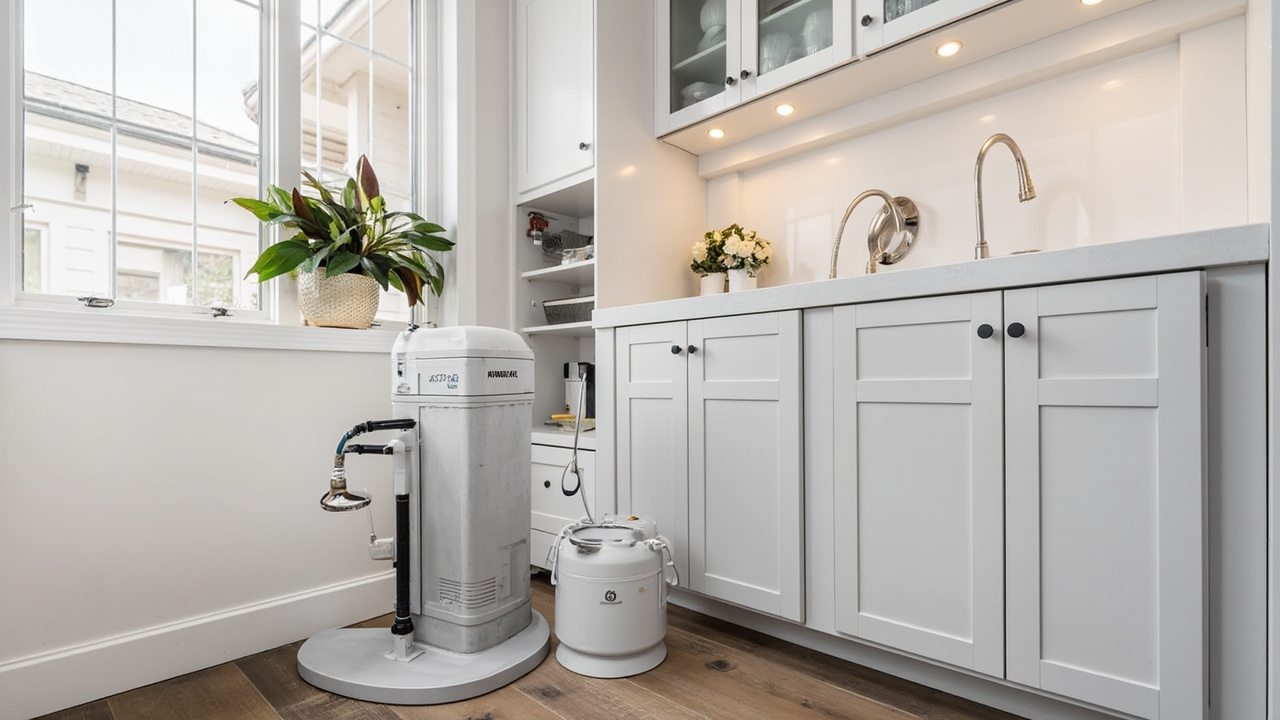
Removing standing water is just the first step. Moisture absorbed into drywall, insulation, framing, and subfloors requires controlled drying to prevent mold growth and structural compromise. We position commercial-grade dehumidifiers and air movers strategically throughout affected areas, creating airflow patterns that accelerate evaporation. Daily moisture readings track progress until all materials return to normal levels. This process typically runs three to seven days depending on saturation extent and building materials involved.
Water damage often requires removing drywall, flooring, and other finish materials to properly dry structural components. Once moisture levels normalize, we handle complete reconstruction to return your property to pre-loss condition. This includes drywall replacement, flooring installation, painting, and finish carpentry. Managing the entire process from initial water extraction through final reconstruction eliminates coordination headaches and ensures quality control throughout every restoration phase.
Marietta's climate, soil conditions, and housing stock create predictable patterns of water intrusion. Understanding these common problems helps property owners recognize warning signs before minor issues become major damage events. High humidity means even small leaks can trigger rapid mold growth. Clay soil causes foundation movement that stresses plumbing connections. Aging infrastructure in older neighborhoods means increased risk of supply line failures and sewer backups.
Storm-related flooding affects low-lying areas near Noses Creek and properties with inadequate drainage around foundations. HVAC condensate line clogs flood attics and finished spaces below. Water heater failures dump 40 to 50 gallons into living spaces. Recognizing vulnerability points specific to your property type and location allows proactive maintenance that prevents catastrophic damage.
Heavy rain overwhelms perimeter drainage systems, forcing groundwater through foundation cracks and failed waterproofing. Finished basements in East Cobb and Sandy Plains suffer extensive damage when water rises above slab level. Crawl space flooding saturates insulation, rots floor joists, and creates conditions for mold growth that affects indoor air quality throughout the home.
Aging copper and galvanized supply lines fail without warning, releasing water under pressure that floods multiple rooms within minutes. Winter freezes burst exposed pipes in attics and crawl spaces. Corroded connections behind washing machines and under sinks spray water for hours before discovery. The volume released during supply line failures requires immediate professional extraction to prevent structural damage.
Severe thunderstorms with high winds damage roofing materials, allowing rain penetration into attics and wall cavities. Missing shingles, damaged flashing around chimneys, and clogged gutters direct water into structures where it saturates insulation and drywall. Slow roof leaks often go undetected until ceiling stains appear, by which point significant hidden damage exists in roof decking and framing.
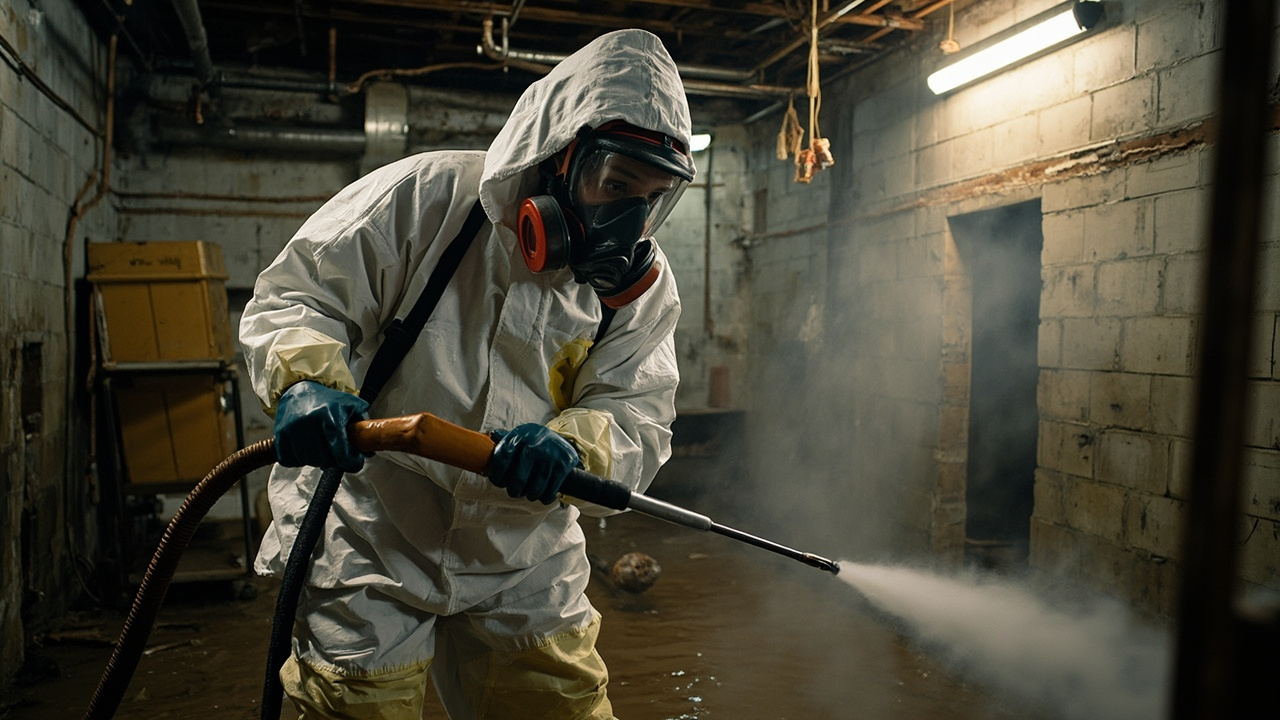
Main sewer line clogs force sewage backward through floor drains and toilets, contaminating finished spaces with category three water containing pathogens and chemicals. Tree root intrusion into aging clay sewer pipes causes repeated backup events. These situations require specialized cleaning protocols, antimicrobial treatment, and often complete removal of contaminated porous materials that cannot be adequately sanitized.
Water damage creates chaos and stress. You need clear answers about what happens next, how long restoration takes, and what the process involves. From the moment you call our emergency line, we focus on reducing uncertainty and regaining control of the situation. You'll speak with an experienced technician who asks specific questions about water source, affected areas, and safety concerns.
We provide realistic timelines based on damage extent and property type. Emergency water extraction begins within an hour of dispatch. Initial assessment identifies all affected areas, including hidden moisture that requires investigation. You receive a detailed scope of work explaining each restoration phase, expected duration, and what access we need to your property.
Communication continues throughout the project. Daily updates track drying progress through moisture readings we share with you. Questions get answered promptly because you work directly with the project manager overseeing your restoration. We explain insurance documentation requirements and handle carrier communication to streamline claims processing. The goal is complete restoration with minimal disruption to your life.
Our emergency line connects you directly with dispatch, not an answering service. We gather essential information about your situation and send the nearest available crew immediately. Upon arrival, technicians perform complete damage assessment using moisture meters and thermal imaging to map all affected areas, including hidden water in walls and subfloors. You receive a detailed explanation of findings, recommended actions, and timeline for each restoration phase before work begins.
You'll never wonder what's happening with your property. Daily moisture readings track drying progress with specific data points we review with you. Your project manager remains accessible via phone for questions or concerns that arise. We explain why certain materials require removal, how long drying takes, and when reconstruction can begin. Insurance documentation stays current so claims processing moves forward without delays caused by incomplete paperwork.
Water damage restoration doesn't end when materials dry. We manage the complete process through final reconstruction, matching finishes to existing conditions and ensuring quality workmanship throughout. Final walkthrough confirms every detail meets your approval before we consider the job complete. Our work comes with guarantees on both drying effectiveness and reconstruction quality, protecting your investment and giving you confidence the problem is truly solved.
Every water damage situation follows the same scientific principles for effective restoration. We've refined our process through thousands of Marietta projects to maximize speed while ensuring thorough moisture removal that prevents secondary damage.
Call our 24/7 emergency line at (678) 397-3666. Our dispatcher gathers critical information about your water damage situation, safety concerns, and property access. The nearest available crew receives immediate dispatch to your Marietta location with appropriate equipment for your specific emergency. Average arrival time runs under 60 minutes across our service area. While our team travels, we provide guidance on immediate safety steps and damage mitigation actions you can take.
Technicians extract standing water using truck-mounted vacuums and portable extractors, removing thousands of gallons from affected areas. We then position commercial dehumidifiers and air movers to create controlled drying conditions. Moisture mapping identifies all wet materials requiring attention. Daily monitoring tracks moisture levels in walls, floors, and structural components. Drying continues until readings return to normal ranges, typically three to seven days depending on saturation extent and materials involved.
Once moisture levels normalize, reconstruction begins. We replace removed drywall, install new flooring, and complete finish work to return your property to pre-loss condition. All work meets building codes and manufacturer specifications. Final walkthrough ensures every detail meets your approval. We provide documentation of all work completed, moisture readings throughout the process, and warranties on restoration work. Your property is ready for normal use with confidence the water damage has been completely resolved.
Professional water damage restoration follows scientific protocols established by the Institute of Inspection, Cleaning and Restoration Certification. These standards exist because improper drying creates long-term problems that surface months or years after the initial damage event. Mold growth begins within 48 hours when moisture levels remain elevated. Structural wood loses strength when moisture content exceeds 19 percent. Drywall develops permanent damage above 17 percent moisture content.
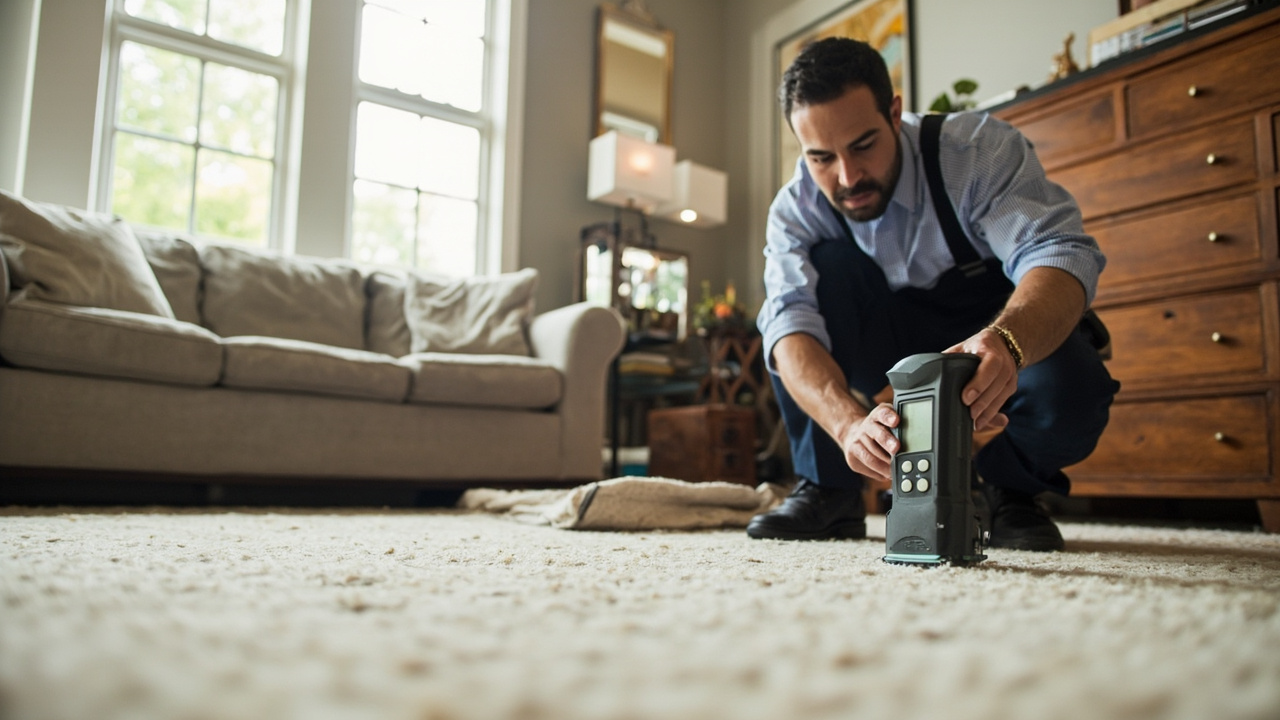
We measure moisture using both invasive pin meters that penetrate materials and non-invasive sensors that detect moisture through surfaces. Psychrometers measure ambient humidity and temperature to calculate vapor pressure and evaporation rates. This data determines equipment placement, tracks drying progress, and confirms when materials return to normal moisture levels.
Water damage falls into three categories based on contamination level. Category one involves clean water from supply lines or rainwater. Category two contains significant contamination from sources like washing machine overflows or toilet tanks. Category three is grossly contaminated water from sewage backups or flooding from rivers and streams. Category determines what materials can be dried versus what requires removal and disposal.
Drying protocols vary based on water category, affected materials, and structure type. Hardwood flooring requires different treatment than carpet over concrete. Finished drywall dries differently than bare studs. Our technicians adjust equipment, airflow patterns, and monitoring frequency based on specific conditions encountered in your property. Cookie-cutter approaches fail because every water damage situation involves unique variables affecting restoration success.
Georgia's humid climate complicates drying because high ambient moisture slows evaporation. We compensate by using refrigerant dehumidifiers that remove moisture from air while maintaining temperature ranges that maximize evaporation from building materials. Air movers create circulation that prevents stratification and moves moisture-laden air to dehumidifiers. The combination creates controlled drying conditions regardless of outside weather.
The IICRC S500 Standard provides detailed protocols for water damage restoration, including moisture measurement techniques, drying system design, and antimicrobial treatment when required. Following these standards ensures complete moisture removal and prevents secondary damage like mold growth or structural wood decay. Our technicians maintain current IICRC certification requiring ongoing education in restoration science and updated protocols.
Water damage restoration costs depend on water volume, affected area size, contamination category, and materials requiring replacement. Emergency water extraction and drying typically cost less than reconstruction of removed materials. Category three sewage damage requires specialized cleaning and often complete removal of porous materials, increasing costs significantly. Insurance coverage varies by policy and damage cause, making carrier communication essential for understanding out-of-pocket exposure.
Emergency water extraction begins within hours of your call. Structural drying runs three to seven days for most projects, though extensive saturation or unfavorable conditions may extend timelines. Reconstruction scheduling depends on material availability and project scope but typically begins immediately after drying completion. Complete restoration from initial flooding to final walkthrough averages two to four weeks for moderate damage scenarios.
Successful insurance claims require thorough documentation of damage extent, mitigation actions taken, and restoration work performed. We photograph all affected areas before beginning work, maintain detailed moisture logs throughout drying, and provide itemized estimates matching insurance industry standard formats. This documentation supports your claim and accelerates adjuster approval, reducing delays in restoration timeline and payment processing.
Victory Water Damage Restoration Atlanta maintains rapid response capability throughout Marietta and the greater Cobb County area. Our service territory extends from the historic Marietta Square through East Cobb's established neighborhoods and west to properties near Kennesaw Mountain. We've handled water damage emergencies in every section of the city, giving us detailed knowledge of local construction types, common problem areas, and neighborhood-specific challenges.
Properties in Riverside and along Noses Creek face elevated flood risk during heavy rain events when waterways overflow banks and overwhelm stormwater systems. These areas require immediate response during severe weather to extract water before it saturates finished basements and ground-level living spaces. East Cobb homes often feature finished basements vulnerable to groundwater seepage when the water table rises after prolonged rain. The clay soil common throughout this area shifts with moisture changes, stressing foundation waterproofing and creating entry points for water intrusion.
Historic neighborhoods near the Square contain older homes with aging plumbing systems prone to supply line failures and drain clogs. These properties often lack modern waterproofing, making them vulnerable to roof leaks and foundation seepage. Sandy Plains and the northern sections of Marietta include newer construction with finished lower levels that suffer extensive damage when sump pumps fail or drainage systems become overwhelmed.
We also serve surrounding communities including Smyrna, Kennesaw, and Acworth where similar water damage challenges affect residential and commercial properties. Our response times remain consistent across the entire service area because we position equipment and crews strategically rather than operating from a single central location. When you call from anywhere in Cobb County, you receive the same rapid dispatch and professional service that has built our reputation throughout the Marietta area.
Properties along major corridors like Roswell Road, Powder Springs Road, and Johnson Ferry Road benefit from our proximity to transportation routes that enable fast emergency response. We understand how traffic patterns affect arrival times and route crews accordingly. Whether you're dealing with a burst pipe in a Canton Road business or basement flooding in a Whitlock Avenue home, our local knowledge and staged resources ensure help arrives fast when water damage threatens your property.
While we provide rapid mobile water damage restoration services directly to your doorstep throughout the Atlanta metropolitan area, you can also view our primary service location on the map below. This helps visualize our operational reach and assures you that expert assistance is always within your vicinity. We are always ready to deploy our dedicated teams to your precise location, ensuring swift and effective service whenever you need us, guaranteeing peace of mind.
Address:
Marietta, GA, 30008
Water damage happens quickly and often without warning in the Atlanta metro area. Whether a pipe burst in a Buckhead high-rise or a basement flooded after a heavy storm in Decatur, the resulting mess is…
Alpharetta Water Damage Specialists for Fast Mold Prevention and Drying in North FultonWater emergencies in…
Professional Sewage Backup Cleanup and Restoration in Atlanta GeorgiaA sewage backup in your Atlanta home…
Water damage in an Edgewood home creates an immediate crisis that requires fast decision making.…
Every minute of delay allows more water absorption into your property's structure. Victory Water Damage Restoration Atlanta operates 24/7 with crews ready to dispatch immediately across Marietta. Call (678) 397-3666 now for emergency water extraction and professional restoration that stops damage and protects your investment.