menu

24/7 Emergency Water Removal in Atlanta – Technicians Dispatched in Under 60 Minutes

When water invades your property, every minute counts. Our rapid-response crews arrive fast with industrial extraction equipment, stopping damage before it spreads through your floors, walls, and belongings.

Slider Image 1
Slider Image 2
Slider Image 3
Slider Image 4
Slider Image 5
Slider Image 7
Slider Image 8
Slider Image 9
Slider Image 10
Slider Image 11

Why Water Emergencies in Atlanta Escalate Fast

Water does not wait. In Atlanta's humid climate, a burst pipe or flooded basement creates the perfect breeding ground for mold within 24 to 48 hours. The combination of high humidity and warm temperatures accelerates microbial growth, turning a manageable water issue into a biohazard nightmare.

Atlanta homes built on red clay soil face unique challenges. Clay expands when saturated, shifting foundations and cracking slab floors. When water floods a basement or crawl space, it does not just sit there. It seeps into porous concrete, wicks up drywall, and saturates insulation. The longer water sits, the more structural damage occurs.

Storm surges from summer thunderstorms overwhelm outdated drainage systems in older neighborhoods like Grant Park and Druid Hills. Sudden flooding can dump hundreds of gallons into basements in minutes. Sewage backups from overloaded city lines compound the risk, introducing bacteria and pathogens.

You need immediate water removal, not a callback tomorrow. Emergency water extraction services stop the clock on damage. Every hour of delay means more drywall replacement, more flooring demolition, and higher restoration costs. Urgent water mitigation begins the moment our crew arrives. We extract standing water, position air movers, and deploy dehumidifiers to halt secondary damage.

24 hour water damage cleanup is not a luxury. It is the difference between drying out and tearing out. If you are standing in water right now, the repair bill is climbing. Stop it.

Why Water Emergencies in Atlanta Escalate Fast
How Professional Water Extraction Works

How Professional Water Extraction Works

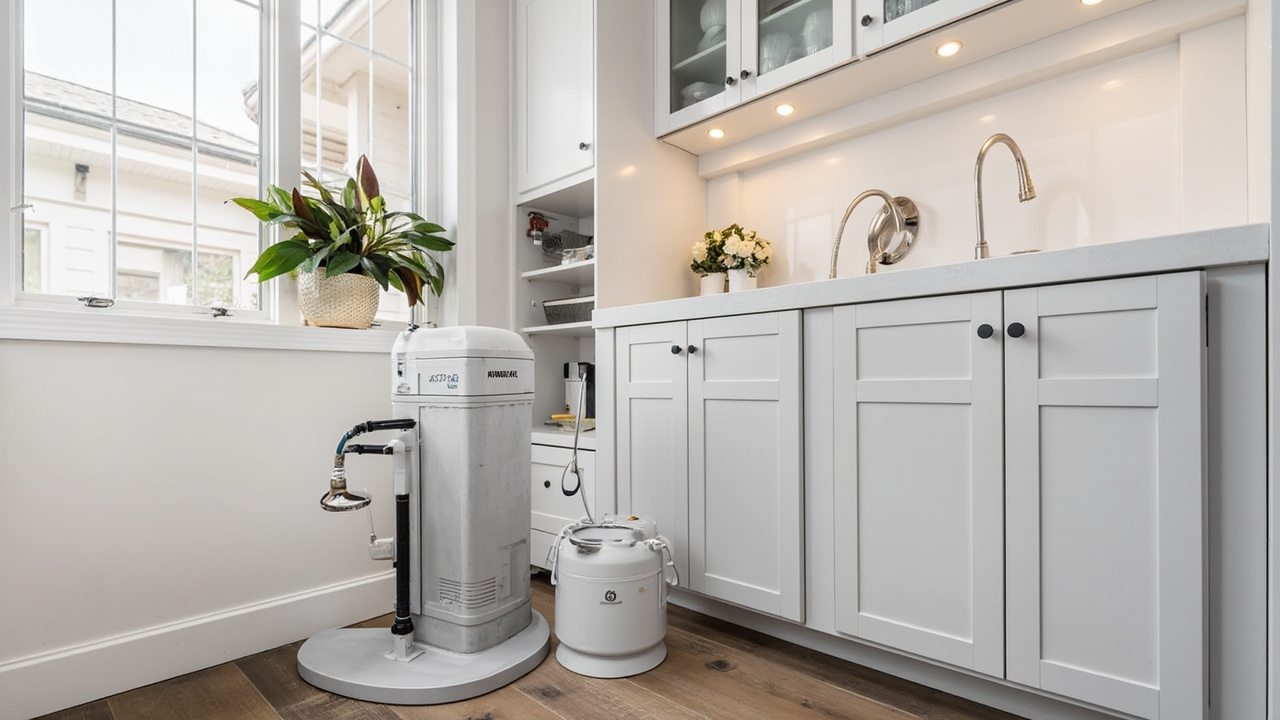
You cannot shop-vac your way out of a flood. Professional 24/7 flood extraction uses truck-mounted extractors that pull thousands of gallons per hour. These systems create negative pressure, yanking water from carpet padding, subfloors, and even between wall cavities.

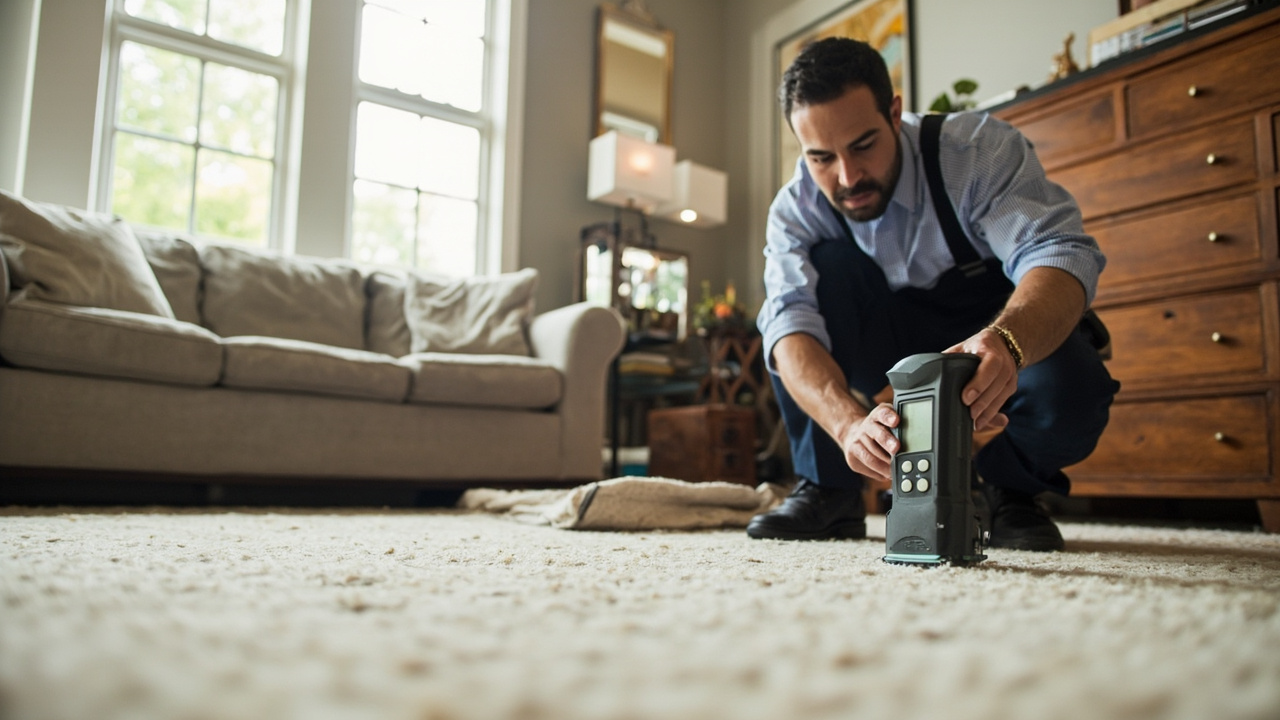
We start with a moisture assessment using thermal imaging cameras and penetrating moisture meters. This is not guesswork. We identify hidden saturation behind baseboards, under vinyl flooring, and inside wall assemblies. Water migrates through capillary action, spreading far beyond the visible puddle.

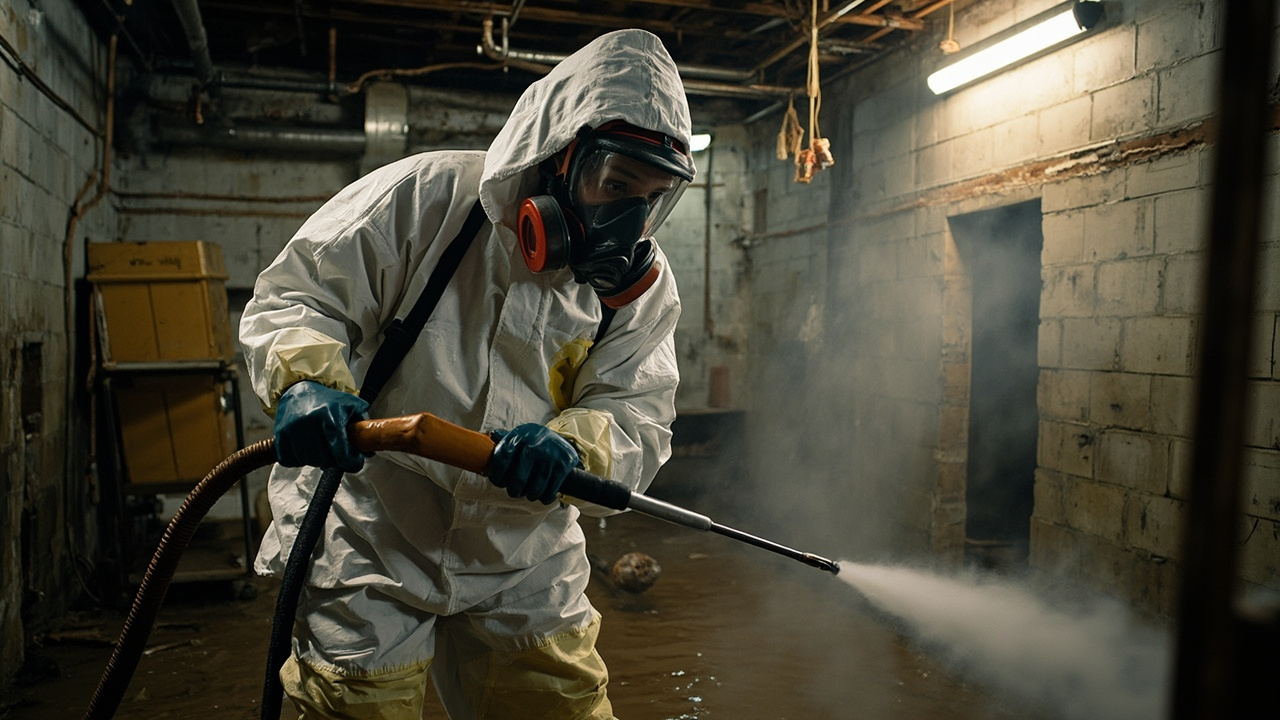
Our extraction process follows IICRC S500 standards. We categorize the water source (clean water from supply lines, gray water from appliances, or black water from sewage) and apply the appropriate containment protocol. Cross-contamination is a real risk. We do not use the same equipment on a toilet overflow that we use on a dishwasher leak.

After extraction, we measure ambient and material moisture levels. Drywall should read below 15 percent moisture content. Hardwood flooring has different thresholds depending on species. We document everything with psychrometric readings, tracking vapor pressure and grains per pound.

Air movers are positioned in a vortex pattern to maximize evaporation. Dehumidifiers are sized based on cubic footage and saturation class. A 2,000-square-foot basement with Category 3 water requires different equipment than a 500-square-foot kitchen with a supply line break. We do not bring the same setup to every job. We engineer the drying environment based on the science of psychrometrics, not a one-size-fits-all checklist.

What Happens When You Call for Emergency Water Removal

24/7 Emergency Water Removal in Atlanta – Technicians Dispatched in Under 60 Minutes
01

Immediate Dispatch and Arrival

You call. We dispatch within minutes. Our crews operate 24/7, including holidays. We arrive in under 60 minutes for most Atlanta metro locations. Upon arrival, we assess the source, stop active water flow if possible, and begin extraction immediately. No waiting for estimates or approval. We stabilize the emergency first, document second.
02

Water Extraction and Assessment

We deploy truck-mounted extractors and portable pumps to remove standing water. Thermal cameras scan for hidden moisture behind walls and under floors. Moisture meters measure saturation depth in structural materials. We classify the water category and contamination level, then establish containment zones to prevent cross-contamination. Every affected area is mapped and documented with photos and moisture readings.
03

Drying and Monitoring

We position air movers and dehumidifiers based on the drying chamber design. Equipment runs continuously, monitored daily with psychrometric instruments. We adjust airflow and humidity extraction as materials release moisture. Drying takes 3 to 5 days depending on saturation class. We do not pull equipment until materials meet dry standards. You get documentation showing moisture levels returned to normal.

Why Atlanta Properties Require Local Water Damage Expertise

Atlanta is not Phoenix. You cannot just open windows and wait for arid air to dry your home. Our 70 percent average humidity means moisture lingers. Generic drying advice from national chains does not account for local climate realities. You need crews who understand how humidity affects drying times and equipment placement.

Older Atlanta homes in neighborhoods like Inman Park and Virginia-Highland have unique vulnerabilities. Pier and beam foundations create crawl spaces where water pools unnoticed. Knob-and-tube wiring in walls means we cannot flood cavities with drying air without understanding electrical risks. Historic homes with plaster walls require different techniques than modern drywall construction.

We work directly with Atlanta-area insurance adjusters daily. We know what Allstate, State Farm, and local carriers require for documentation. We provide the psychrometric data, moisture mapping, and photo evidence your claim needs. Most homeowners do not know that insurance covers emergency mitigation even before the adjuster arrives. We do. We document everything in real time so your claim does not get delayed or denied over missing paperwork.

Our crews know Atlanta building codes. We understand the city's requirements for mold remediation protocols and the permits required for structural drying in multi-unit buildings. We coordinate with Fulton County inspectors when needed. When your property needs post-mitigation reconstruction, we know which local contractors meet code and which cut corners.

You are not hiring a call center in another state. You are hiring a local crew that will be at your property in under an hour, not tomorrow afternoon.

What to Expect During Emergency Water Removal

Response Time and Availability

We dispatch crews 24/7, 365 days a year. Most Atlanta metro properties get service within 60 minutes of your call. We do not schedule you for the next business day. Water damage is a now problem. Our trucks are staged throughout the metro area to minimize drive time. You get a callback within 5 minutes of your initial call with an estimated arrival time. If we say 45 minutes, we mean it. Nights, weekends, and holidays have the same response standard. We do not charge emergency premiums for after-hours service. The rate is the rate.

Initial Assessment and Source Control

Our first priority is stopping the water source. If it is a supply line, we shut off the valve or main. If it is storm flooding, we identify entry points and establish temporary barriers. We perform a visual inspection to categorize water type and contamination risk. Thermal imaging scans walls and ceilings for hidden moisture. Moisture meters probe structural materials to measure saturation depth. We explain findings in plain language, not jargon designed to upsell unnecessary services. You get a written scope of what needs to happen and why.

Extraction and Drying Results

You will see standing water gone within hours. Floors go from soaked to damp within the first day. Air movers and dehumidifiers run continuously, monitored daily. We provide daily moisture readings so you can track progress. Materials dry to industry standards within 3 to 5 days for typical residential losses. We do not guess when it is dry. We measure. You get a final report showing all moisture readings returned to normal. This documentation is critical for insurance claims and future property sales. No shortcuts.

Post-Mitigation Support and Reconstruction

After drying, you need repairs. We coordinate directly with reconstruction contractors or work with your chosen builder. We provide detailed photo documentation and moisture logs for insurance claims. If mold is discovered during drying, we refer certified remediators and can supervise the containment process. We follow up 30 days after equipment removal to verify no moisture returned. If you experience any issues related to our drying process, we return to reassess at no charge. Most claims close smoothly because we front-load the documentation work.

Frequently Asked Questions

You Have Questions,
We Have Answers

What would be considered a water emergency? +

A water emergency is any situation where water enters your home and threatens structural damage, health hazards, or mold growth within hours. This includes burst pipes, sewer backups, flooded basements, roof leaks during Atlanta's heavy rainstorms, and appliance failures like water heater ruptures. If standing water is more than an inch deep, spreading to multiple rooms, or contaminated with sewage, you need immediate professional help. Atlanta's high humidity accelerates mold growth, making time critical. Water emergencies require 24/7 response because damage compounds every hour. Stop the water source if safe, shut off power to affected areas, and call emergency water removal specialists immediately.

Who can I call to get water out of my basement? +

Call a certified water damage restoration company that offers 24/7 emergency water removal in Atlanta. Look for IICRC-certified technicians who respond within 60 minutes and carry commercial-grade extraction equipment. These professionals use submersible pumps, truck-mounted extractors, and industrial dehumidifiers to remove water fast and prevent structural damage. Do not wait for your regular plumber unless they specialize in flood restoration. Atlanta's clay soil and high water table make basement flooding common, especially in older neighborhoods like Kirkwood and Grant Park. Immediate extraction prevents foundation damage and mold colonization. Verify the company works directly with insurance adjusters to streamline your claim process.

What should I do immediately after water damage? +

Stop the water source immediately if safe. Shut off the main water valve for pipe bursts or turn off appliances causing the leak. Cut power to flooded areas at the breaker box to prevent electrocution. Move valuables, furniture, and electronics to dry areas. Document everything with photos and video for insurance claims before touching anything. Contact your insurance company and a 24/7 water damage restoration service simultaneously. Do not use household vacuums on standing water. Open windows if weather permits to increase airflow, but avoid using fans if you suspect mold. Remove standing water quickly because Atlanta's humidity creates mold conditions within 24 to 48 hours.

How long does SERVPRO take for water damage? +

Response times vary by location and availability, but most restoration companies in Atlanta aim to arrive within one to four hours of your call. The actual water removal process depends on the volume of water and square footage affected. A small basement might take four to six hours for extraction, while whole-home flooding can take days. After extraction, drying equipment runs for three to five days minimum. Atlanta's humidity extends drying times compared to drier climates. Do not wait to compare timelines during an emergency. Every hour counts. Call the first available certified company offering immediate dispatch. Ask about arrival time when you call, not average project duration.

What to stockpile for 72 hours? +

This question does not relate to emergency water removal services. However, if you are preparing for water service disruptions during emergencies common to Atlanta like ice storms or infrastructure failures, stockpile one gallon of water per person per day for three days. Include non-perishable food, flashlights, batteries, first aid supplies, and important documents in waterproof containers. For water damage emergencies, keep your insurance policy accessible, take photos of your property before damage occurs, and save contact information for 24/7 restoration services. Preparation reduces panic when pipes burst or basements flood. Focus on quick action, not supplies, during active water emergencies.

Is it against the law to live in a house with no water? +

Georgia does not have a specific state law prohibiting occupancy of homes without running water, but local Atlanta housing codes require functional plumbing for habitable dwellings. Properties without water can be condemned as uninhabitable by code enforcement. If water damage has compromised your plumbing or created unsanitary conditions, authorities can issue violations and force evacuation until repairs are completed. This applies especially to rental properties where landlords must maintain basic utilities. After water damage, do not assume you can continue living in affected areas. Standing water, sewage contamination, and mold present serious health risks. Temporary relocation during restoration protects your family and maintains compliance with housing standards.

How much does it cost to have water removed from a basement? +

Basement water removal costs depend on water volume, contamination level, and affected square footage. Emergency extraction for clean water from a pipe burst typically starts around several hundred dollars for small volumes. Sewage backups or flooding affecting finished basements cost significantly more due to contamination protocols and material disposal. Most Atlanta restoration companies charge for equipment deployment, labor hours, and disposal fees. Insurance usually covers sudden water damage like pipe bursts, but not gradual seepage or maintenance neglect. Get a detailed estimate before work begins. Delaying removal to save money backfires when mold remediation adds thousands. Focus on immediate extraction, then discuss costs with your insurance adjuster.

How to get water out of basement fast? +

Use a submersible pump for deep standing water or a wet/dry vacuum for shallow flooding. Rent commercial equipment from local Atlanta suppliers if professionals cannot arrive immediately, but understand this is temporary. Push water toward floor drains using squeegees. Remove soaked materials like rugs and cardboard boxes that hold moisture. Open windows and doors to increase ventilation if outdoor humidity is lower than indoor levels. Run dehumidifiers and fans after water extraction. Do not use standard household vacuums on standing water. For basements larger than 500 square feet or water deeper than two inches, professional extraction with truck-mounted systems works faster and prevents hidden moisture pockets that cause mold.

Who to call when water is coming in the basement? +

Call a 24/7 emergency water damage restoration company in Atlanta immediately. These specialists arrive faster than general contractors and carry equipment specifically designed for flood extraction and structural drying. Do not call a regular plumber unless they offer comprehensive water damage services. Contact your homeowners insurance company simultaneously to start your claim. If water is pouring in from external flooding during severe weather, call both restoration services and your local emergency management office if evacuation appears necessary. For basements in neighborhoods like Buckhead or Druid Hills with high water tables, experienced local restoration teams understand Atlanta's unique drainage challenges and respond with appropriate equipment and methods.

How likely is mold after water damage? +

Mold growth becomes highly likely within 24 to 48 hours after water damage if materials remain wet. Atlanta's average humidity above 70 percent accelerates colonization compared to drier climates. Porous materials like drywall, insulation, carpet, and wood provide perfect growth conditions. Visible mold appears within three to five days, but microscopic growth starts much sooner. Category 3 water (sewage) carries mold spores that colonize immediately. Professional water removal includes moisture detection with thermal imaging and controlled drying with dehumidifiers to keep humidity below 60 percent. Even if surfaces look dry, hidden moisture in wall cavities and subfloors creates mold. Professional drying verification prevents future mold problems and protects your investment.

How Atlanta's Humidity and Clay Soil Complicate Water Damage

Atlanta's 70 percent average humidity slows evaporation. Water does not just disappear when you run a fan. Moisture in the air competes with moisture leaving saturated materials, creating equilibrium that stalls drying. Professional dehumidification is not optional here. It is required. Clay soil under foundations shifts when saturated, cracking slabs and creating pathways for water intrusion. Homes in Buckhead and Midtown built on sloped lots face hydrostatic pressure during heavy rain, forcing groundwater up through basement floors. Emergency water extraction services must account for these realities, not just pump and hope.

We have worked with Atlanta properties for years. We know the difference between a 1920s bungalow in Candler Park and a 2015 subdivision home in Sandy Springs. Each requires different equipment placement, drying duration, and contamination protocols. Local building inspectors recognize our documentation standards. Insurance adjusters in this market know our reports meet claim requirements. Choosing a local water damage company means faster response, better local knowledge, and crews who understand Atlanta's unique mix of old housing stock, humid climate, and shifting soil conditions.
Water Damage Restoration Services in The Atlanta Area

While we provide rapid mobile water damage restoration services directly to your doorstep throughout the Atlanta metropolitan area, you can also view our primary service location on the map below. This helps visualize our operational reach and assures you that expert assistance is always within your vicinity. We are always ready to deploy our dedicated teams to your precise location, ensuring swift and effective service whenever you need us, guaranteeing peace of mind.

Address:
Victory Water Damage Restoration Atlanta, 1055 Howell Ml Rd, Atlanta, GA, 30318

Additional Services We Offer

Our news updates

Latest Articles & News from The Blogs

Risks of Buying a House with Water Damage in Mableton and How to Protect Your Investment Buying a house represents…

Risks of Buying a House with Water Damage in Mableton and How to Protect Your Investment

Risks of Buying a House with Water Damage in Mableton and How to Protect Your Investment Buying a house represents…

Getting the right City of Atlanta building permits for major water damage repairs

Getting the right City of Atlanta building permits for major water damage repairsMajor water damage in your Atlanta home often…

Identifying chimney water leaks in Candler Park homes before they ruin your walls

Living in the historic Candler Park neighborhood offers unique architectural charm but the older masonry systems require constant attention. In…

Contact Us

Every minute water sits in your property, damage spreads. Call (678) 397-3666 now for immediate dispatch. Our crews are standing by 24/7 with truck-mounted extraction equipment. We arrive fast, stop the damage, and document everything for your insurance claim.