menu

Fire Sprinkler Water Cleanup in Atlanta – Same-Day Emergency Response Available 24/7

When an accidental sprinkler discharge floods your property, Victory Water Damage Restoration Atlanta arrives within 60 minutes to stop secondary damage, extract standing water, and restore your space before mold takes hold.

Slider Image 1
Slider Image 2
Slider Image 3
Slider Image 4
Slider Image 5
Slider Image 7
Slider Image 8
Slider Image 9
Slider Image 10
Slider Image 11

Accidental Sprinkler Discharge Creates Immediate Flooding Risk

A single fire sprinkler head releases approximately 25 gallons of water per minute. When triggered accidentally by heat, impact, or mechanical failure, that volume floods commercial buildings and residential properties fast. You may see water pouring through ceilings, soaking insulation, saturating drywall, and pooling across flooring in minutes.

In Atlanta's humid climate, standing water from fire suppression system water extraction incidents creates mold growth conditions within 24 to 48 hours. Humidity levels already hover between 65% and 85% year-round. Add gallons of sprinkler water to enclosed spaces, and fungal spores activate quickly. Wood framing swells. Ceiling tiles disintegrate. Electrical systems face short-circuit risk.

Commercial properties in Midtown, Buckhead, and Downtown Atlanta often have older fire suppression systems installed in the 1980s and 1990s. Corrosion weakens pipe threads. Thermal expansion from HVAC cycling stresses fittings. A small leak becomes a catastrophic discharge without warning.

Residential sprinkler systems in newer developments like Atlantic Station or West Midtown use quick-response heads rated at 155°F activation temperature. Accidental bumps during furniture moving or renovation work can trigger full discharge. Emergency sprinkler water removal must begin immediately to prevent structural compromise.

The clock starts when water hits your floors. Every hour of delay increases restoration complexity and secondary damage. Fire sprinkler water damage restoration requires industrial extraction equipment, dehumidification, and moisture mapping to verify complete dryness. This is not a wet-vacuum job.

Accidental Sprinkler Discharge Creates Immediate Flooding Risk
How Professional Fire Sprinkler Water Damage Restoration Works

How Professional Fire Sprinkler Water Damage Restoration Works

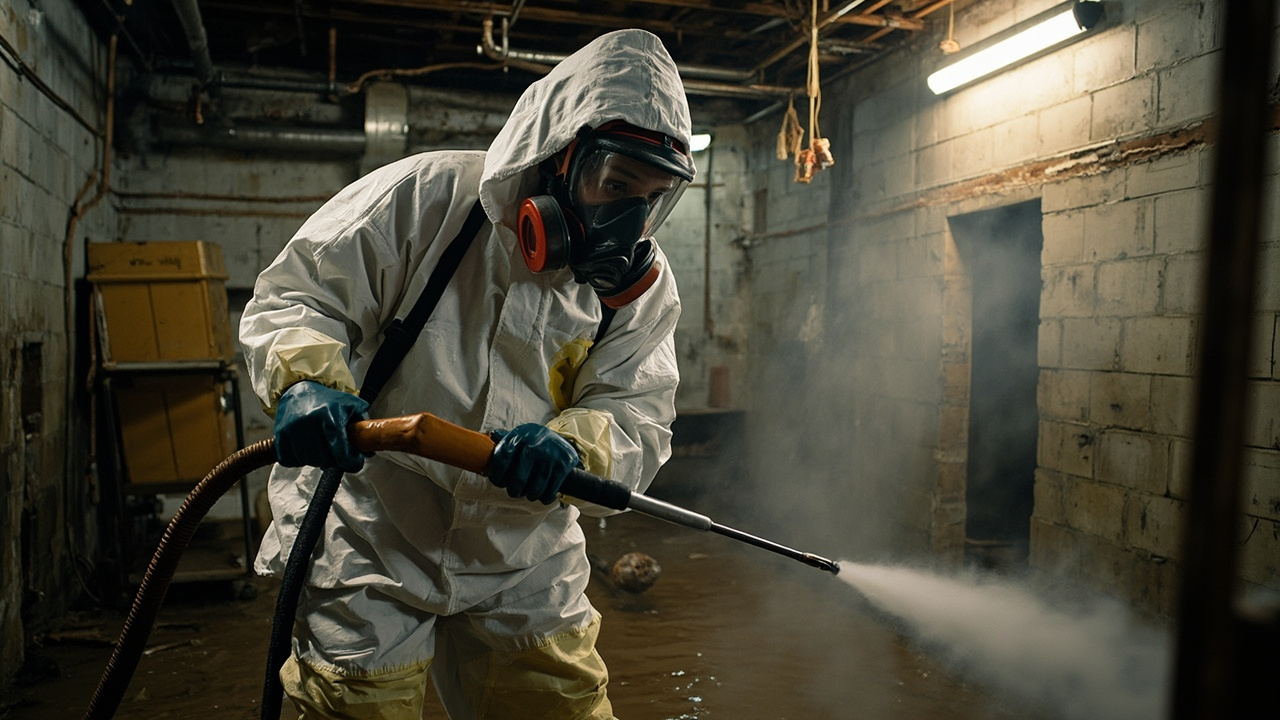
Burst fire sprinkler flood remediation follows a strict protocol to prevent permanent damage. The first step involves shutting down the water source. Many property owners do not know where the sprinkler system control valve is located. Our technicians identify the riser room or valve location and stop the flow within minutes of arrival.

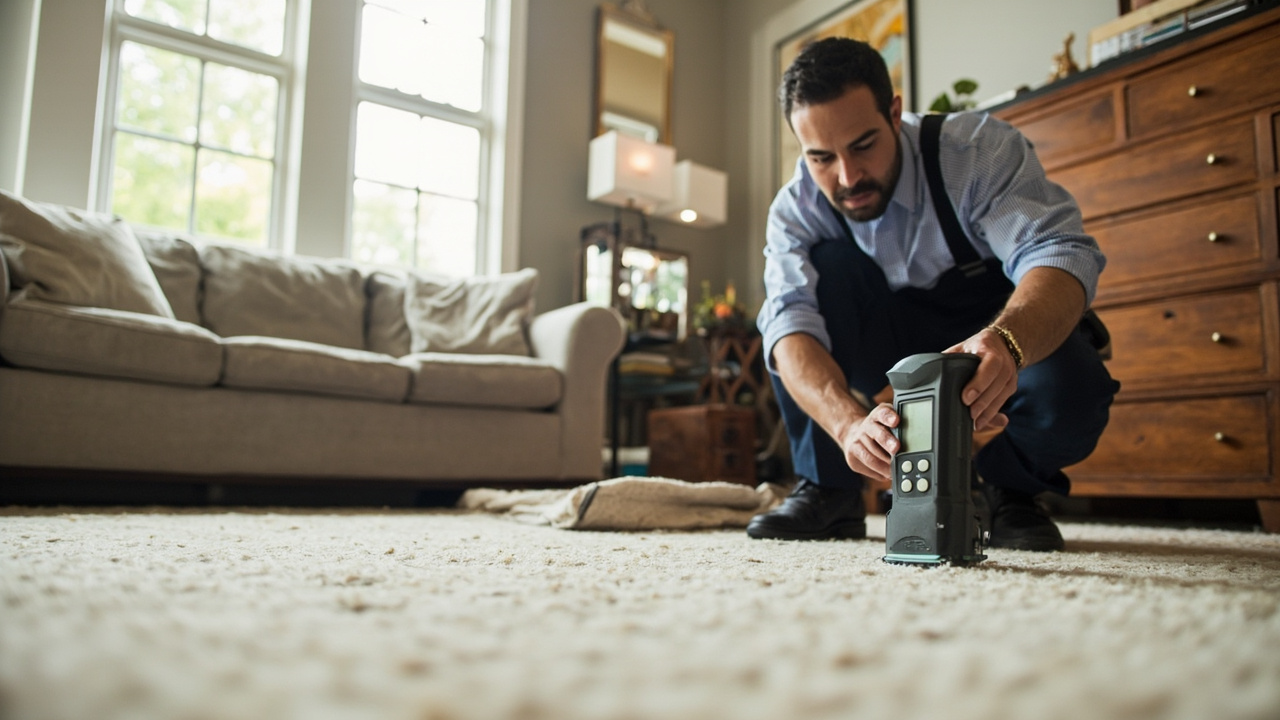
Next, we perform moisture mapping using thermal imaging cameras and penetrating moisture meters. These tools detect water trapped inside wall cavities, beneath flooring, and above ceiling planes. Visual inspection alone misses 40% to 60% of affected areas. We measure moisture content in wood framing, drywall, and subfloors to establish extraction targets.

Commercial-grade truck-mounted extractors remove standing water at rates exceeding 100 gallons per minute. Portable extractors reach areas where truck units cannot access. We pull water from carpet padding, concrete slabs, and crawl spaces. Surface mopping does not remove water from porous materials.

After extraction, we deploy low-grain refrigerant dehumidifiers and axial air movers. Dehumidifiers remove moisture from the air while air movers create evaporation across wet surfaces. We monitor humidity levels and material moisture content daily until readings reach dry standards per IICRC S500 guidelines.

Atlanta's clay soil and high water table create unique challenges. Crawl spaces flood easily when sprinkler water saturates the ground. We inspect foundation vents, vapor barriers, and drainage systems to prevent recurrent moisture intrusion. Accidental sprinkler discharge cleanup is not complete until subsurface moisture is addressed.

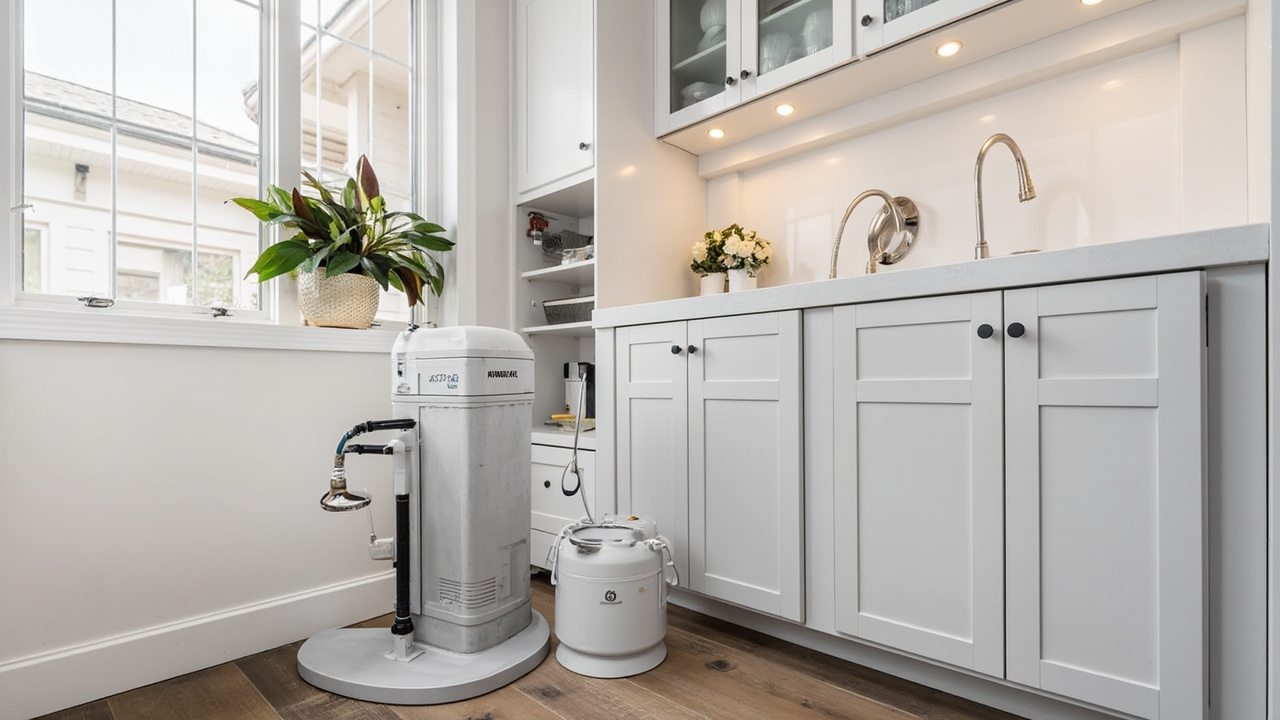
Victory Water Damage Restoration Atlanta uses hydroxyl generators and HEPA air scrubbers to control airborne contaminants during drying. This protects indoor air quality and prevents cross-contamination between affected and unaffected spaces.

What Happens During Emergency Sprinkler Water Removal

Fire Sprinkler Water Cleanup in Atlanta – Same-Day Emergency Response Available 24/7
01

Immediate Water Shutoff

We locate and close the fire sprinkler system control valve to stop active water flow. Many systems have OS&Y valves in mechanical rooms or exterior risers. We document valve position, system pressure, and affected sprinkler heads for insurance documentation. Stopping the source prevents additional gallons from compounding damage while extraction equipment is staged.
02

Water Extraction and Mapping

Truck-mounted extractors and portable units remove standing water from all affected surfaces. We use thermal imaging to map moisture intrusion into walls, ceilings, and subfloors. Moisture meters measure material saturation levels to guide equipment placement. This step prevents hidden water pockets that cause delayed mold growth and structural decay in Atlanta's humid conditions.
03

Drying and Verification

Industrial dehumidifiers and air movers run continuously until moisture readings meet dry standards. We monitor progress with daily moisture checks and adjust equipment as materials dry. Final verification involves testing all previously wet materials to confirm moisture content below 15% for wood and 1% for concrete. This prevents callbacks and ensures complete fire sprinkler water damage restoration.

Why Atlanta Properties Need Local Fire Sprinkler Flood Experts

Fire suppression systems in Atlanta follow NFPA 13 and Georgia state amendments to the International Building Code. Compliance with these standards matters during restoration. Improper drying or incomplete documentation creates liability issues when inspectors review the incident. Victory Water Damage Restoration Atlanta knows the local code requirements and documentation standards that satisfy building officials and insurance adjusters.

Our technicians train specifically on Atlanta's building types. The historic mills converted to loft apartments in Old Fourth Ward have timber framing that absorbs water differently than modern steel-frame construction in Sandy Springs. We adjust drying strategies based on building age, construction materials, and HVAC system design.

Insurance claims for accidental sprinkler discharge cleanup require detailed moisture logs, photographic evidence, and equipment placement records. We provide this documentation in formats that align with Atlanta-based adjusters' expectations. Many national chains use generic templates that delay claim approvals. We speak the local language.

Response time matters. Our crews stage equipment throughout the metro Atlanta area. We reach properties in Decatur, East Point, and Marietta faster than companies dispatching from distant suburbs or out-of-state locations. Faster arrival means less water migration and lower restoration costs.

Atlanta's commercial corridor along the I-85 and I-75 interchange contains thousands of warehouses, distribution centers, and light industrial facilities. Many have fire suppression systems with aging components. We handle large-loss commercial incidents with the same urgency as residential calls. Our equipment inventory includes trailer-mounted desiccant dehumidifiers capable of drying 50,000 square feet or more.

Local relationships with plumbing contractors, fire sprinkler service companies, and building engineers create faster coordination when system repairs are needed after water extraction. We are not isolated vendors. We are part of the Atlanta commercial service ecosystem.

What to Expect When You Call for Emergency Fire Sprinkler Water Cleanup

60-Minute Emergency Response Time

When you call (678) 397-3666, our dispatch center activates the nearest crew immediately. We arrive within 60 minutes for most Atlanta metro locations. Crews carry extraction equipment, moisture detection tools, and containment barriers on every truck. You do not wait for secondary trips to retrieve equipment. Emergency sprinkler water removal begins the moment we enter your property. We work 24 hours a day, seven days a week, including holidays. Sprinkler malfunctions do not follow business hours, and neither do we.

Comprehensive Moisture Assessment

Initial assessment includes thermal imaging of all affected and adjacent spaces. We check walls, ceilings, and floors for moisture intrusion beyond the visible water line. Sprinkler water travels along floor joists, behind baseboards, and through HVAC chases. Our technicians use penetrating and non-invasive moisture meters to quantify saturation levels. You receive a written assessment that identifies all wet materials, moisture percentages, and recommended drying strategy. This document supports your insurance claim and guides the restoration timeline.

Verified Dry Results

Drying is not complete when surfaces feel dry to the touch. Materials hold moisture internally for days or weeks. We monitor humidity levels and material moisture content daily until readings confirm complete dryness. You receive a final moisture report showing before and after readings for every affected material. This verification prevents mold growth, warping, and odor development after we leave. Burst fire sprinkler flood remediation is finished only when your property meets industry dry standards, not when equipment is removed.

Post-Restoration Monitoring Options

We offer optional follow-up moisture checks at 30 and 60 days after equipment removal. Atlanta's humidity can cause residual moisture issues in buildings with poor ventilation or compromised vapor barriers. Follow-up visits verify that no new moisture intrusion has occurred and that materials remain stable. For commercial properties, we provide maintenance agreements that include quarterly inspections of fire suppression systems, drainage systems, and high-risk moisture areas. Preventive monitoring reduces the likelihood of recurrent water damage incidents.

Frequently Asked Questions

You Have Questions,
We Have Answers

Is fire sprinkler water clean? +

No. Fire sprinkler water sits stagnant in pipes for months or years, becoming heavily contaminated. Expect black, foul-smelling water filled with rust, biofilm, bacteria, and sediment. Atlanta's humid climate accelerates microbial growth inside pipes. When a sprinkler discharges, this water floods your property. It contains pathogens requiring immediate professional cleanup. Do not touch contaminated materials without gloves. Standing sprinkler water damages drywall, flooring, and furnishings within hours. Quick extraction prevents mold growth. Contact a certified restoration company immediately to assess contamination levels and prevent health risks.

How to drain water from a fire sprinkler system? +

Stop. Do not attempt draining yourself during an emergency sprinkler discharge. Commercial fire sprinkler systems require a licensed fire protection contractor to safely drain and reset. After discharge, call your building's sprinkler maintenance company to close valves and depressurize lines. Meanwhile, focus on water extraction. Use wet vacuums for small areas or call restoration professionals for commercial flooding. Atlanta's high humidity means standing water spreads mold fast. Your priority is protecting property and documenting damage for insurance. Leave system restoration to licensed technicians who understand backflow prevention and code compliance.

What is the 3x rule for sprinklers? +

The 3x rule means you must maintain three times the pipe diameter as clearance around sprinkler heads. For a half-inch sprinkler, you need 1.5 inches of space. This ensures proper spray pattern and activation. In Atlanta commercial buildings, this applies to hanging signs, decorations, and inventory storage. Blocked sprinklers fail during fires. After accidental discharge, check if obstructions caused the issue. During water cleanup, restoration teams inspect for code violations that may have contributed. Your insurance adjuster may require photographic evidence. Maintaining clearance protects your building and avoids liability.

What are the flushing requirements for NFPA 13? +

NFPA 13 requires flushing new or modified fire sprinkler systems at 10 feet per second velocity until water runs clear. This removes installation debris, welding slag, and sediment. For existing systems after discharge, flushing requirements depend on contamination level. Atlanta commercial properties must follow NFPA standards during system restoration. Your licensed fire sprinkler contractor handles flushing after repairs. Meanwhile, focus on water damage mitigation. Restoration professionals extract contaminated water while contractors address the sprinkler system. Both processes happen simultaneously to minimize business downtime. Document everything for insurance and code compliance.

Does sprinkler water have bacteria? +

Yes. Stagnant sprinkler water harbors bacteria, including Legionella and other pathogens. Pipes create warm, oxygen-deprived environments where biofilm thrives. Atlanta's humid climate and warm temperatures accelerate bacterial growth. When sprinklers discharge, bacteria-laden water contaminates floors, walls, and furnishings. This requires Category 2 water damage protocols at minimum. Do not handle contaminated materials without protection. Professional restoration teams use antimicrobial treatments and hospital-grade disinfectants. Porous materials like drywall and insulation often require removal. Quick response prevents bacterial spread and mold colonization. Call certified technicians who understand contamination protocols.

What is the 3 times rule for sprinklers? +

The 3 times rule means you must maintain three times the pipe diameter as clearance around sprinkler heads. For a half-inch sprinkler, you need 1.5 inches of space. This ensures proper spray pattern and activation. In Atlanta commercial buildings, this applies to hanging signs, decorations, and inventory storage. Blocked sprinklers fail during fires. After accidental discharge, check if obstructions caused the issue. During water cleanup, restoration teams inspect for code violations that may have contributed. Your insurance adjuster may require photographic evidence. Maintaining clearance protects your building and avoids liability.

How to clear water out of a sprinkler system? +

After a sprinkler discharge, focus on water extraction, not system clearing. That requires licensed fire protection contractors. For property water removal, use commercial wet vacuums for small areas. For extensive flooding, call restoration professionals immediately. Atlanta's humidity causes secondary damage within 24 hours. Professional teams use truck-mounted extractors, industrial dehumidifiers, and air movers to dry structures fast. They monitor moisture levels in walls and subfloors. Meanwhile, your sprinkler contractor handles system depressurization and refilling. Both services work together. Document damage for insurance. Speed prevents mold growth and business interruption.

What happens if you don't drain the sprinkler system? +

Undrained fire sprinkler systems freeze during Atlanta's occasional hard freezes, causing catastrophic pipe bursts. Frozen pipes expand and crack, flooding your building when temperatures rise. Outdoor or attic-mounted sprinkler lines face highest risk. Stagnant water also corrodes pipes from inside, weakening fittings and increasing discharge risk. Regular maintenance prevents these failures. After any discharge, proper draining and system reset by licensed contractors prevents refreezing. If your system discharged accidentally, drain it immediately to prevent compounding damage. Atlanta's freeze-thaw cycles stress unprotected systems. Professional inspection after winter prevents surprises.

Do you need to flush a fire sprinkler system? +

Yes. New installations require flushing per NFPA 13 to remove debris. Existing systems need periodic flushing to prevent sediment buildup and microbiologically influenced corrosion. After accidental discharge in Atlanta commercial buildings, your licensed contractor determines if flushing is necessary based on contamination. Flushing removes rust, biofilm, and debris that could clog heads or damage components. This happens separately from water damage cleanup. Your restoration team handles property drying while sprinkler contractors flush and test the system. Both processes protect your investment. Neglecting system flushing increases future discharge risk and compromises fire protection.

What is the 18 rule for fire sprinklers? +

The 18-inch rule requires sprinklers to be at least 18 inches away from walls or obstructions unless specifically designed for sidewall mounting. This ensures proper water distribution during fires. Atlanta commercial buildings must comply during construction and renovations. After accidental discharge, check if improper spacing contributed to the incident. Your insurance adjuster may investigate code violations. During cleanup, restoration professionals document spatial violations that caused uneven water distribution or property damage. Proper spacing protects your building and limits liability. Licensed fire protection contractors verify compliance during system restoration.

Why Atlanta's Humidity Makes Fire Sprinkler Water Cleanup Time-Sensitive

Atlanta's average relative humidity exceeds 70% during summer months. When fire suppression system water extraction incidents occur, ambient humidity slows evaporation and accelerates mold colonization. Aspergillus and Penicillium spores activate within 24 hours in wet drywall and insulation. The city's dense tree canopy and proximity to the Chattahoochee River create microclimates where humidity remains elevated even during dry weather. Professional dehumidification is not optional in this climate. Air drying alone will not prevent fungal growth or material degradation after accidental sprinkler discharge cleanup.

Victory Water Damage Restoration Atlanta has served the metro area since our founding. We understand the building stock, from pre-1950s masonry structures in Grant Park to modern mixed-use developments in Atlantic Station. Our technicians know which buildings have crawl spaces prone to flooding, which HVAC systems create condensation issues, and which fire suppression installations have higher failure rates. This local knowledge reduces diagnostic time and improves restoration outcomes. National franchises lack this hyper-local expertise.
Water Damage Restoration Services in The Atlanta Area

While we provide rapid mobile water damage restoration services directly to your doorstep throughout the Atlanta metropolitan area, you can also view our primary service location on the map below. This helps visualize our operational reach and assures you that expert assistance is always within your vicinity. We are always ready to deploy our dedicated teams to your precise location, ensuring swift and effective service whenever you need us, guaranteeing peace of mind.

Address:
Victory Water Damage Restoration Atlanta, 1055 Howell Ml Rd, Atlanta, GA, 30318

Additional Services We Offer

Our news updates

Latest Articles & News from The Blogs

Risks of Buying a House with Water Damage in Mableton and How to Protect Your Investment Buying a house represents…

Risks of Buying a House with Water Damage in Mableton and How to Protect Your Investment

Risks of Buying a House with Water Damage in Mableton and How to Protect Your Investment Buying a house represents…

Getting the right City of Atlanta building permits for major water damage repairs

Getting the right City of Atlanta building permits for major water damage repairsMajor water damage in your Atlanta home often…

Identifying chimney water leaks in Candler Park homes before they ruin your walls

Living in the historic Candler Park neighborhood offers unique architectural charm but the older masonry systems require constant attention. In…

Contact Us

Call (678) 397-3666 now for same-day emergency fire sprinkler water cleanup in Atlanta. Our crews are dispatched immediately, and extraction begins within 60 minutes. Do not wait for secondary damage to multiply your restoration costs.