
Professional Sewage Backup Cleanup and Restoration in Atlanta Georgia
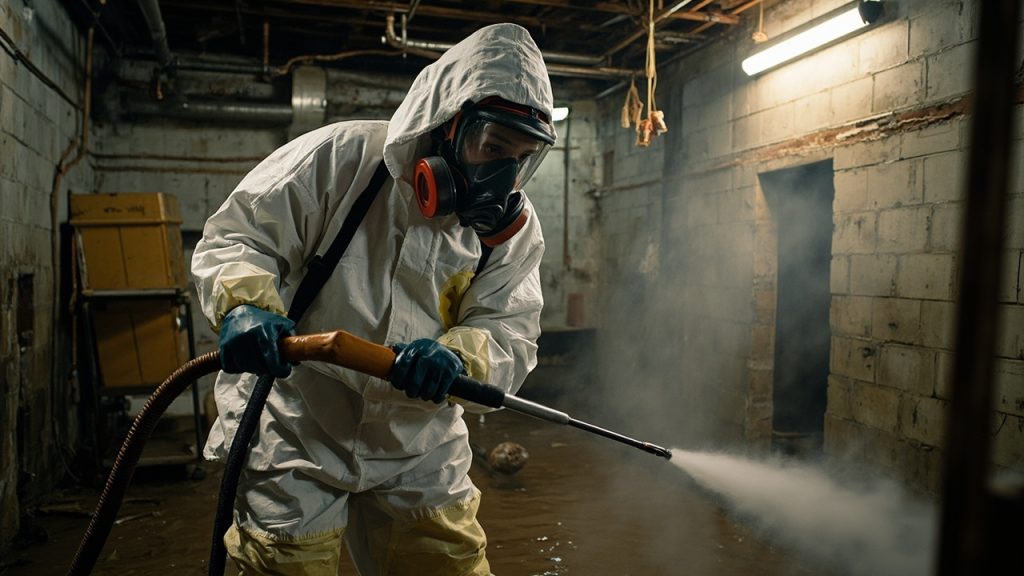
A sewage backup in your Atlanta home or business is a serious biohazard emergency. This is not standard water damage. Sewage is classified as Category 3 water, or black water, which contains pathogens, bacteria, and viruses that pose significant health risks. You must avoid contact with the water and the surrounding air to prevent illness. Our team provides emergency response across the Metro Atlanta area, including neighborhoods from Buckhead to the West End. We handle the dangerous work of extraction, decontamination, and structural drying to return your property to a safe condition.
Atlanta residents often face sewage issues due to the aging infrastructure of the City of Atlanta Department of Watershed Management. Older neighborhoods like Virginia Highland and Inman Park frequently experience sewer line collapses or tree root intrusions. When heavy Georgia rains hit, these systems can become overwhelmed, forcing raw sewage back through your floor drains or toilets. You need a team that understands local plumbing codes and the specific challenges of the local clay soil that affects sewer line stability.
[IMAGE_PLACE_HOLDER_1]
Immediate Safety Steps During a Sewage Emergency
If you discover sewage in your basement or bathroom, your first priority is safety. Do not walk through the water. Do not attempt to clean the mess with a standard shop vacuum or household mop. These actions spread contaminants into the air and onto clean surfaces. If your electrical panel is in a dry area, turn off the power to the affected rooms. This prevents electrical shock if the water reaches outlets or appliances.
Evacuate children, pets, and seniors immediately. Individuals with compromised immune systems are at high risk when exposed to airborne pathogens from raw sewage. Close the doors to the affected area and turn off your HVAC system. Running your furnace or air conditioner can pull contaminated air through your ductwork and spread bacteria throughout the entire house. For professional help with the mitigation phase, you can learn about the difference between water mitigation vs restoration to understand the first steps we take.
Health Risks and Why Sewage is Dangerous
Raw sewage carries a variety of harmful microorganisms. Exposure can occur through skin contact, accidental ingestion, or inhalation of microscopic droplets. According to the Centers for Disease Control and Prevention, contact with sewage can lead to serious conditions like Hepatitis A, E. coli, and Salmonella. Parasites such as Giardia and Cryptosporidium also thrive in Category 3 water.
The risk of infection remains even after the standing water is gone. Bacteria can survive on porous surfaces like drywall, carpet, and wood framing for long periods. If these materials are not professionally treated, they become breeding grounds for mold and long term pathogens. You can find more details on the dangers of categories of water to see why sewage is the most hazardous level of damage.
Professional Decontamination and Sanitization Methods
Our restoration process follows the IICRC S500 standards for professional water damage restoration. We begin with a thorough inspection of the property to determine the extent of the migration. Sewage travels quickly through floorboards and into wall cavities. We use moisture meters and thermal imaging to find hidden pockets of contamination. Once the assessment is complete, we perform rapid flood cleanup and extraction using specialized pumps.
Cleaning sewage requires industrial strength antimicrobials. We apply these solutions to all affected surfaces to kill bacteria on contact. For items that cannot be saved, we follow a strict disposal protocol. This typically includes removing saturated carpet, padding, and the bottom portions of drywall. This process, often called a flood cut, ensures that no trapped sewage remains behind your walls. After the physical contaminants are removed, we focus on sanitization and odor removal to eliminate the persistent smell of sewer gas.
| Service Component | Action Taken | Purpose of Step |
|---|---|---|
| Extraction | Industrial vacuuming | Remove standing liquid waste |
| Demolition | Flood cuts and removal | Discard unsalvageable porous materials |
| Sanitization | Antimicrobial application | Eliminate bacteria and viruses |
| Deodorization | Hydroxyl generation | Neutralize airborne odors |
| Drying | LGR Dehumidification | Prevent mold and structural rot |
Atlanta Infrastructure Challenges and Sewer Backups
Atlanta has a unique sewer system that combines rainwater and wastewater in some older districts. This is known as a combined sewer overflow system. Areas like Old Fourth Ward and parts of Downtown are particularly susceptible to backups during the intense thunderstorms common in the summer. The weight of the water in the system can create immense pressure, blowing out the seals on residential sewer traps. If you live in an area with many large oak trees, like Decatur or Brookhaven, root intrusion is another major cause of line blockages. For residents in these areas, we offer specialized water damage restoration Decatur services and support for water damage restoration Brookhaven properties.
The soil in Georgia is primarily heavy red clay. This soil expands and contracts significantly based on moisture levels. During dry spells, the clay shrinks and can cause older sewer pipes to crack. When the rain returns, these cracks allow soil and water to enter the pipe, creating a blockage. Once the blockage is complete, the waste has nowhere to go but back into your home. This is why many Atlanta homeowners invest in backwater valves to prevent these occurrences.
[IMAGE_PLACE_HOLDER_2]
Structural Drying and Humidity Control
After the sewage is extracted and the area is sanitized, the structure must be dried. Atlanta humidity levels are notoriously high, often reaching above 80 percent during the humid summer months. This high ambient humidity makes it very difficult for building materials to dry on their own. We use Low Grain Refrigerant dehumidifiers to pull moisture out of the air, creating an environment that encourages evaporation from wet studs and subfloors. We also utilize industrial drying services to handle large scale commercial backups.
Without professional drying equipment, the moisture left behind by a sewage backup will cause secondary damage. This includes the warping of hardwood floors and the growth of toxic mold. We monitor the drying progress daily, taking readings of the air temperature and relative humidity. We do not stop until the materials reach their dry standard. For specific information on timelines, you can check how long does drying take to understand the variables involved.
| Material Type | Drying Potential | Restoration Method |
|---|---|---|
| Drywall | Low | Removal and replacement recommended |
| Hardwood | Medium | Specialized floor drying systems |
| Concrete | High | Cleaning and industrial dehumidification |
| Carpet Padding | None | Immediate disposal required |
| Framing Lumber | High | Sanding and antimicrobial sealing |
Insurance and Documentation for Sewage Claims
Navigating an insurance claim for a sewage backup can be complicated. Many standard homeowners insurance policies require a specific rider for sewer and drain backup coverage. We help you document every aspect of the loss to assist with your claim. This includes taking photos of the damage, listing destroyed personal property, and providing detailed moisture logs. Our team has experience working with major carriers across the Atlanta metro area to ensure the cleanup meets their requirements. For more guidance, read our guide on how to handle insurance claims effectively.
Documentation is especially important for commercial properties in Midtown or Sandy Springs. Business interruption can be costly, and having a professional record of the sanitization process is necessary for health department clearances. We provide the paperwork you need to prove the property is safe for employees and customers to return. If you are a business owner in the northern suburbs, we provide targeted water damage restoration Sandy Springs services to get you back in operation quickly.
The Professional Restoration Process
Once the area is dry and safe, the restoration phase begins. This involves replacing the materials that were removed during the cleanup. This may include installing new drywall, painting, and laying new flooring. Because sewage is a biohazard, we ensure that every replacement material is installed over a surface that has been verified as clean and dry. Our goal is to make it look like the backup never happened.
- Initial 24/7 emergency response and site stabilization.
- Containment of the affected area to prevent cross contamination.
- Removal of all standing sewage and solid waste.
- Application of hospital grade disinfectants and antimicrobials.
- Controlled removal of contaminated building materials.
- Air filtration using HEPA air scrubbers.
- Complete structural drying using LGR dehumidifiers.
- Final inspection and moisture clearance testing.
Attempting to handle this process yourself is dangerous. Without professional grade Personal Protective Equipment, you risk serious illness. Furthermore, household cleaning products like bleach are often insufficient for porous materials saturated with sewage. You might kill the bacteria on the surface, but the pathogens deep inside the wood or concrete will remain. To avoid these pitfalls, review the risks of DIY water cleanup before you pick up a mop.
Preventing Future Sewage Backups in your Atlanta Home
While some backups are caused by city line issues, there are steps you can take to protect your property. Regular maintenance of your lateral sewer line is essential, especially if you have older trees on your lot. We recommend a video camera inspection of your sewer line every few years to check for cracks or root blockages. If you have a basement, ensure your floor drains are clear and consider installing a sump pump with a battery backup. You can find more information in our sump pump maintenance guide.
Be mindful of what goes down your drains. Grease, oil, and flushable wipes are major contributors to residential backups. Even if a product is labeled as flushable, it often does not break down quickly enough for older Atlanta plumbing systems. These items snag on imperfections in the pipes and create a dam that eventually causes a backup. For those in newer developments like Johns Creek or Peachtree Corners, these preventative measures are still vital to maintain system integrity. We serve those areas with water damage restoration Johns Creek and water damage restoration Peachtree Corners expertise.
[IMAGE_PLACE_HOLDER_3]
Contact Atlanta Sewage Cleanup Experts
If you are currently dealing with a sewage backup, time is your enemy. The longer the waste sits in your home, the more damage it causes and the higher the risk of mold growth. Our team is available 24/7 to respond to emergencies throughout the Atlanta area, from Marietta to East Point. We have the training, equipment, and experience to handle even the most severe Category 3 water losses. We also offer water damage restoration Marietta and water damage restoration East Point services for local residents. Contact us today to start the professional cleanup process and protect your property from further damage.
{
“@context”: “https://schema.org”,
“@type”: “BlogPosting”,
“headline”: “Safe and Professional Sewage Backup Cleanup in Atlanta (Don’t Handle This Alone)”,
“description”: “Facing a sewage emergency in Atlanta? Professional Category 3 water cleanup for Buckhead, Midtown, and Metro residents. Safe biohazard removal and sanitization.”,
“wordCount”: 1738,
“datePublished”: “2026-05-01T12:53:00.000Z”,
“dateModified”: “2026-05-01T12:53:00.000Z”,
“inLanguage”: “en-US”,
“mainEntityOfPage”: {
“@type”: “WebPage”,
“@id”: “https://victorywaterdamagerestorationatlanta.com”
},
“publisher”: {
“@type”: “LocalBusiness”,
“name”: “Victory Water Damage Restoration Atlanta”,
“url”: “https://victorywaterdamagerestorationatlanta.com”
},
“author”: {
“@type”: “Organization”,
“name”: “Victory Water Damage Restoration Atlanta”,
“url”: “https://victorywaterdamagerestorationatlanta.com”
},
“image”: {
“@type”: “ImageObject”,
“url”: “https://victorywaterdamagerestorationatlanta.com/wp-content/uploads/2026/03/safe-and-professional-sewage-backup-cleanup-in-atl-1.jpg”
}
}
{
“@context”: “https://schema.org”,
“@type”: “LocalBusiness”,
“name”: “Victory Water Damage Restoration Atlanta”,
“url”: “https://victorywaterdamagerestorationatlanta.com”,
“address”: {
“@type”: “PostalAddress”,
“addressLocality”: “Atlanta”
},
“areaServed”: {
“@type”: “City”,
“name”: “Atlanta”
}
}
{
“@context”: “https://schema.org”,
“@type”: “BreadcrumbList”,
“itemListElement”: [
{
“@type”: “ListItem”,
“position”: 1,
“name”: “Home”,
“item”: “https://victorywaterdamagerestorationatlanta.com”
},
{
“@type”: “ListItem”,
“position”: 2,
“name”: “Blog”,
“item”: “https://victorywaterdamagerestorationatlanta.com/blog”
},
{
“@type”: “ListItem”,
“position”: 3,
“name”: “Safe and Professional Sewage Backup Cleanup in Atlanta (Don’t Handle This Alone)”
}
]
}
{
“@context”: “https://schema.org”,
“@type”: “Service”,
“serviceType”: “Water Damage Restoration”,
“provider”: {
“@type”: “LocalBusiness”,
“name”: “Victory Water Damage Restoration Atlanta”,
“url”: “https://victorywaterdamagerestorationatlanta.com”
},
“areaServed”: {
“@type”: “City”,
“name”: “Atlanta”
},
“description”: “Facing a sewage emergency in Atlanta? Professional Category 3 water cleanup for Buckhead, Midtown, and Metro residents. Safe biohazard removal and sanitization.”
}