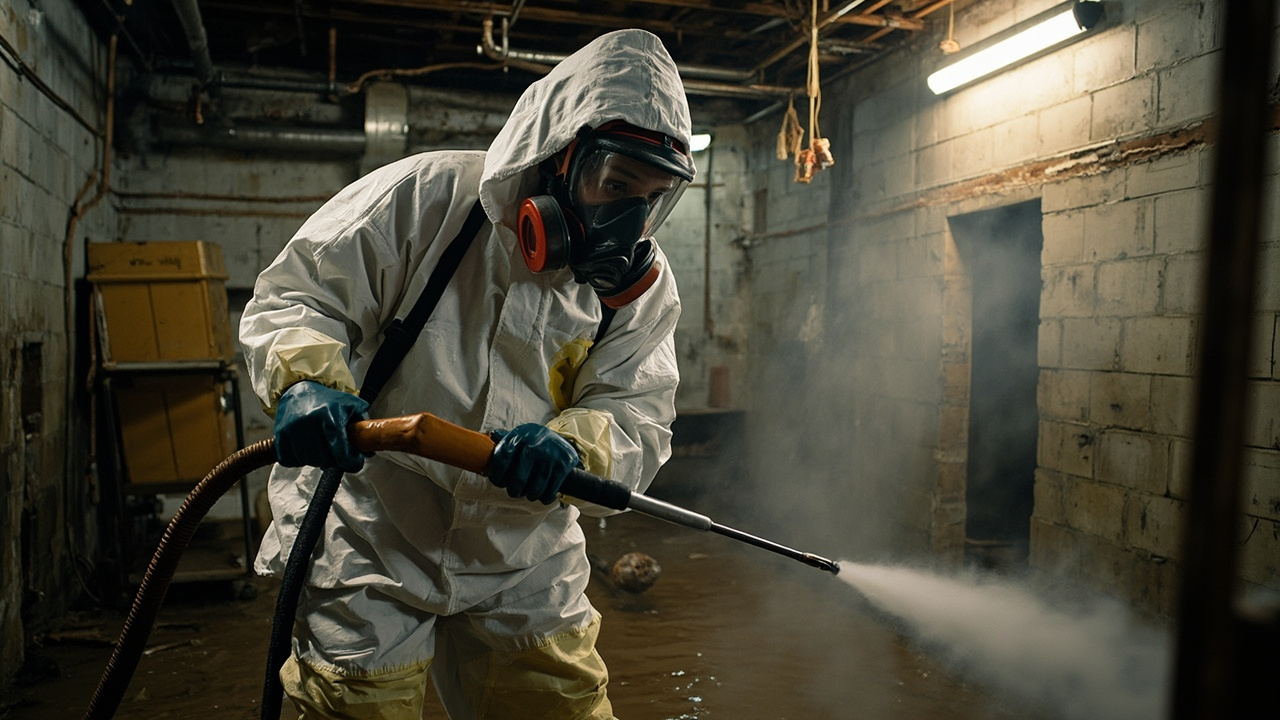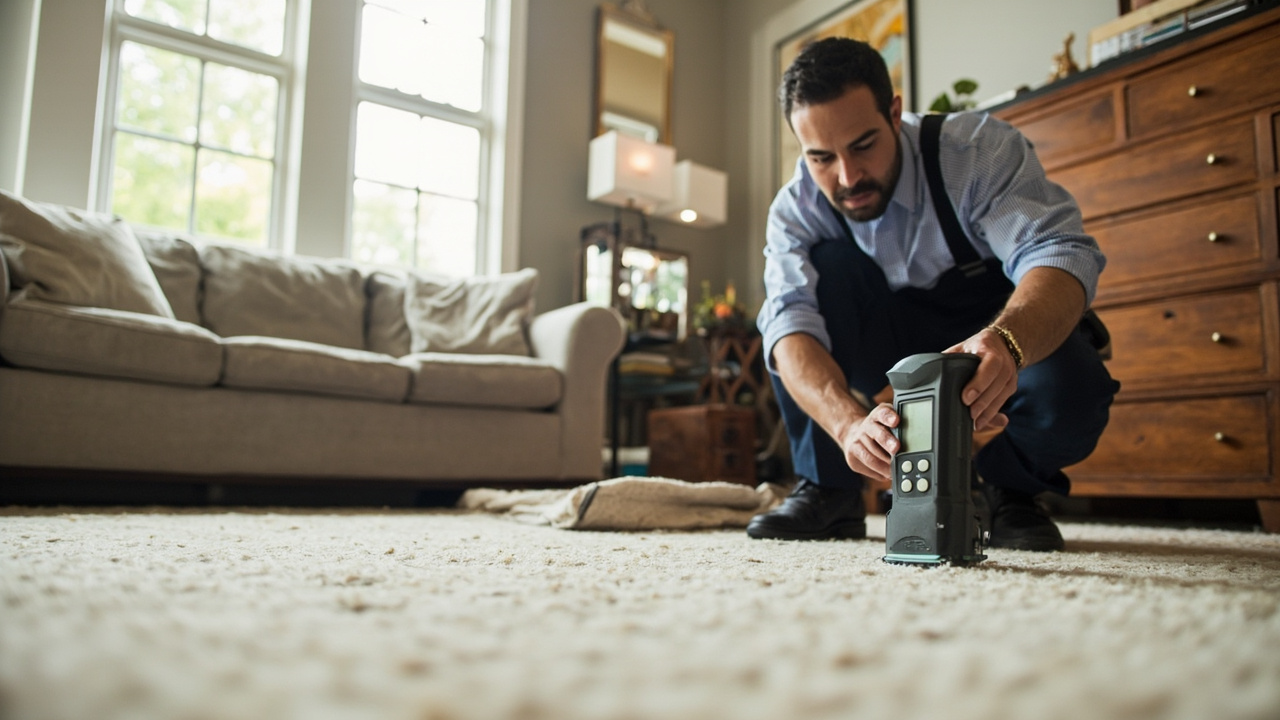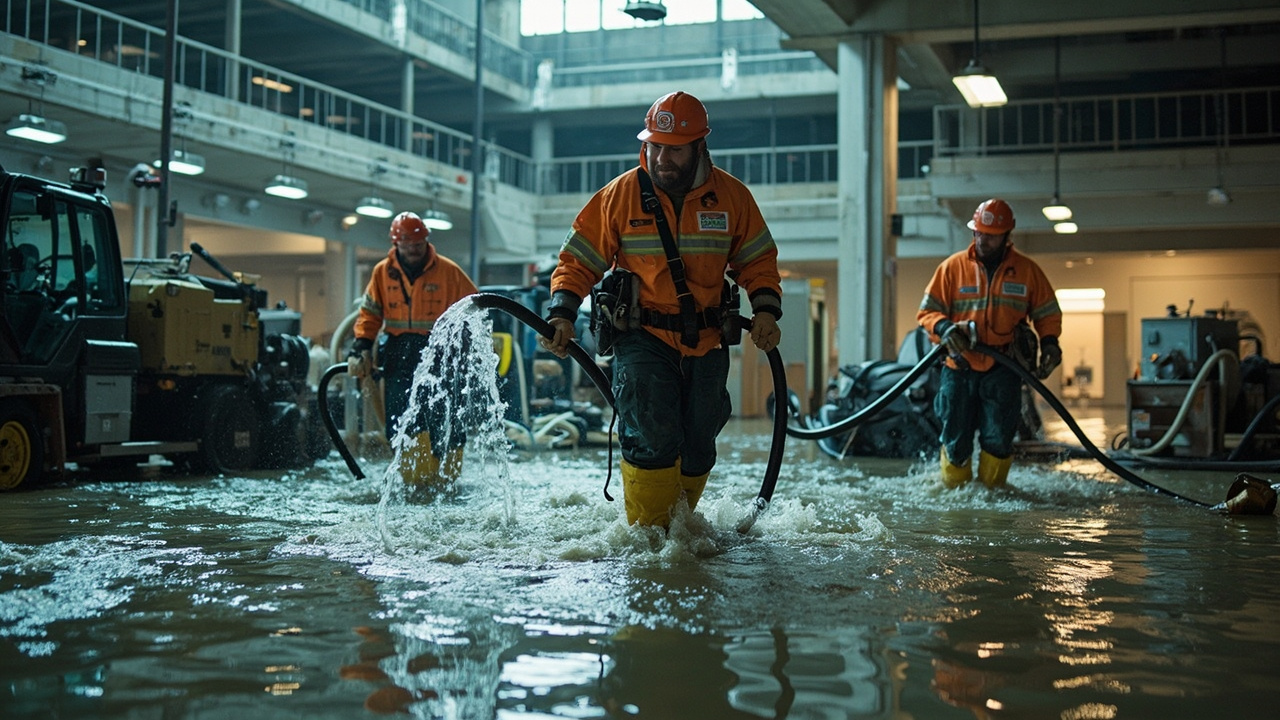


Atlanta averages 52 inches of annual rainfall with peak storm intensity during spring and summer months. When severe weather dumps three inches in an hour, commercial drainage systems designed to 1980s standards cannot keep pace. The result is surface flooding that finds every loading dock, window well, and foundation penetration. High ambient humidity during warm months slows evaporation rates, extending drying times and increasing mold risk. Effective industrial water extraction must account for these environmental factors, using dehumidification equipment sized for Atlanta's climate, not generic formulas. Bulk water removal services require continuous adjustment as outdoor humidity fluctuates between morning and afternoon, affecting the vapor pressure gradient that drives drying.
Commercial property managers in Buckhead, Midtown, and the Perimeter Center corridor face unique challenges from aging infrastructure layered with new construction. A building owner operating a 1970s office tower deals with original cast iron plumbing that corrodes from the inside, while the tenant improvements include modern data centers with strict environmental controls. Large loss water mitigation in these mixed-use environments requires technicians who understand both legacy building systems and current code requirements. Local expertise matters because a contractor unfamiliar with Atlanta's commercial real estate market will not anticipate the coordination required between property management, tenant operations, and municipal inspectors when water damage crosses multiple tenant spaces or affects fire suppression systems.