menu

Swollen Baseboards & Trim in Atlanta – Expert Diagnosis and Permanent Moisture Solutions

Victory Water Damage Restoration Atlanta identifies hidden moisture sources causing swollen baseboards and warped molding, then eliminates the water intrusion permanently before replacing damaged trim.

Slider Image 1
Slider Image 2
Slider Image 3
Slider Image 4
Slider Image 5
Slider Image 7
Slider Image 8
Slider Image 9
Slider Image 10
Slider Image 11

Why Atlanta Homes Experience Persistent Baseboard Swelling

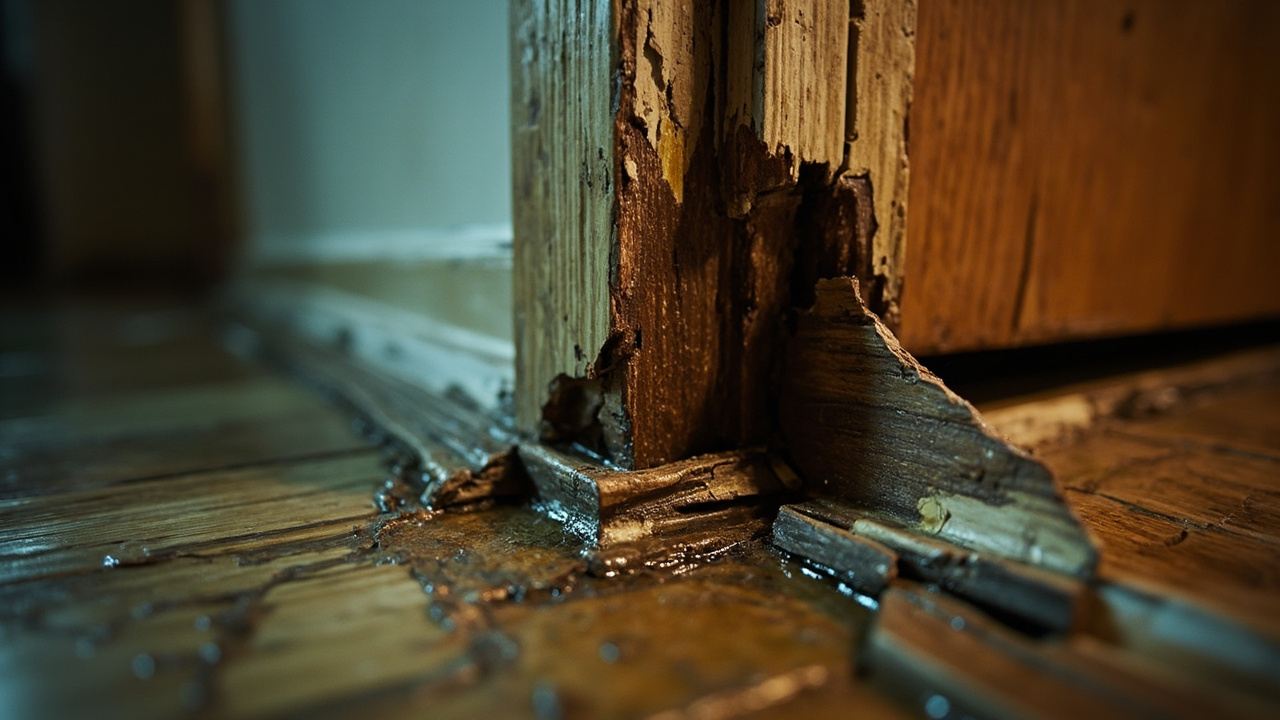
You walk into your living room and notice the baseboards pulling away from the wall. The paint is bubbling. The trim feels spongy when you press on it. This is not cosmetic damage. Swollen baseboards signal active moisture intrusion, and in Atlanta, the problem compounds fast.

Atlanta sits in a humid subtropical climate zone. Summer humidity regularly hits 70 to 90 percent. When exterior moisture combines with poor foundation grading or clogged gutters, water migrates into crawl spaces and seeps through concrete slab edges. The water wicks up into your baseboards through capillary action. MDF baseboards absorb moisture like a sponge, expanding and warping within days.

Many Atlanta homes were built on red clay soil, which shrinks during dry months and swells during rainy periods. This cyclical movement creates foundation micro-cracks. Water enters through these hairline fractures and saturates the bottom plate of your wall framing. Your baseboards sit directly against this moisture source, absorbing water continuously.

Water damaged baseboards also appear after plumbing failures. A pinhole leak in a supply line hidden behind drywall can run undetected for weeks. The water spreads horizontally along the subfloor, saturating baseboard molding from behind. You see bloated wood trim and peeling paint, but the real problem is the soaked framing lumber and potential mold growth inside your wall cavity.

Expanded MDF trim is particularly vulnerable. Unlike solid wood, MDF has no grain structure to resist water. Once saturated, it loses structural integrity permanently. You cannot dry out moisture swollen baseboards and expect them to return to their original shape. Replacement is mandatory, but only after the moisture source is eliminated.

Why Atlanta Homes Experience Persistent Baseboard Swelling
How We Diagnose and Eliminate the Moisture Source

How We Diagnose and Eliminate the Moisture Source

Most contractors see warped baseboard molding and immediately quote you for trim replacement. They rip out the damaged material, install new boards, paint, and leave. Three months later, the new baseboards swell again. You wasted money treating a symptom while the moisture source continued feeding the problem.

Victory Water Damage Restoration Atlanta approaches swollen baseboards as a diagnostic challenge. We use thermal imaging cameras to scan your exterior walls and identify temperature differentials that indicate moisture intrusion. Cold spots on an interior wall often reveal water evaporating behind the drywall. We map these areas and correlate them with exterior drainage patterns, roof conditions, and plumbing fixture locations.

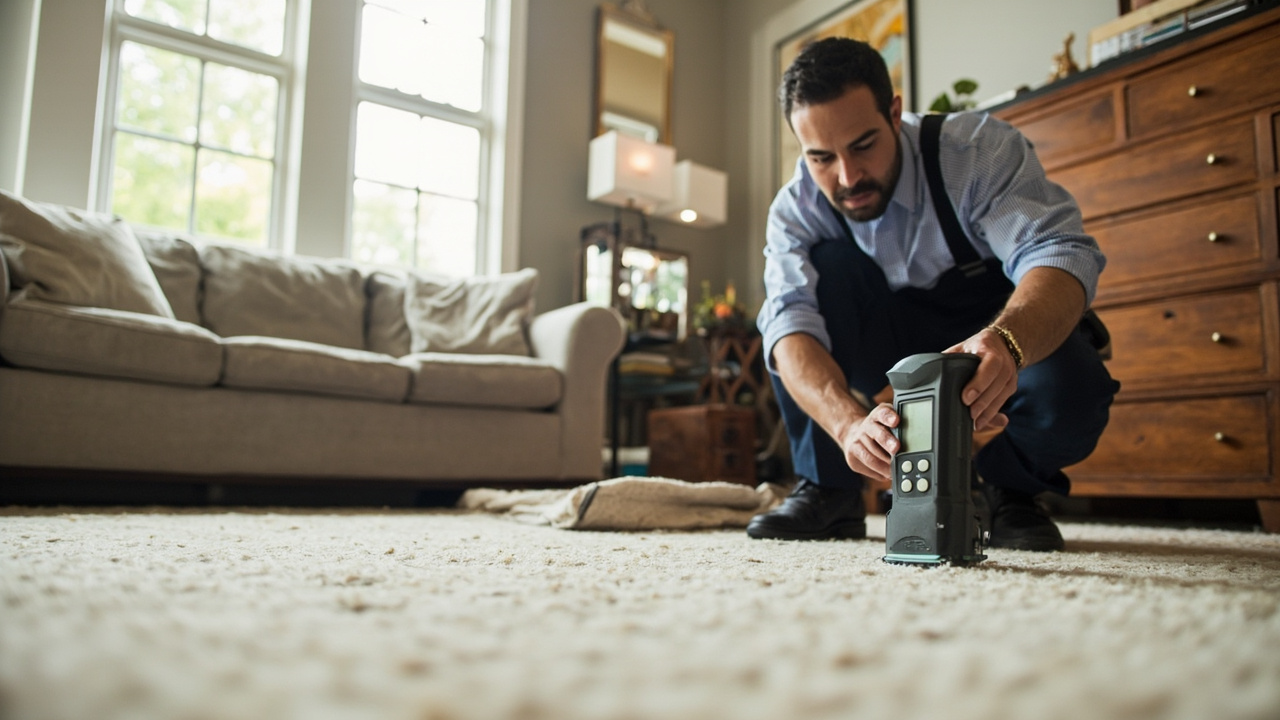
We deploy pin-type and pinless moisture meters to measure water content in your baseboards, drywall, and subfloor. These readings tell us whether the moisture is localized or systemic. A single wet spot near a bathroom suggests a plumbing leak. Consistent moisture along an entire exterior wall points to foundation water intrusion or failed exterior cladding.

Once we identify the source, we eliminate it. If the problem is exterior grading, we recommend regrading or installing a French drain system to divert water away from your foundation. If the issue is a plumbing leak, we coordinate with licensed plumbers to repair the failed line before we begin drying. If the moisture originates from crawl space humidity, we install vapor barriers and dehumidification systems to create a controlled environment.

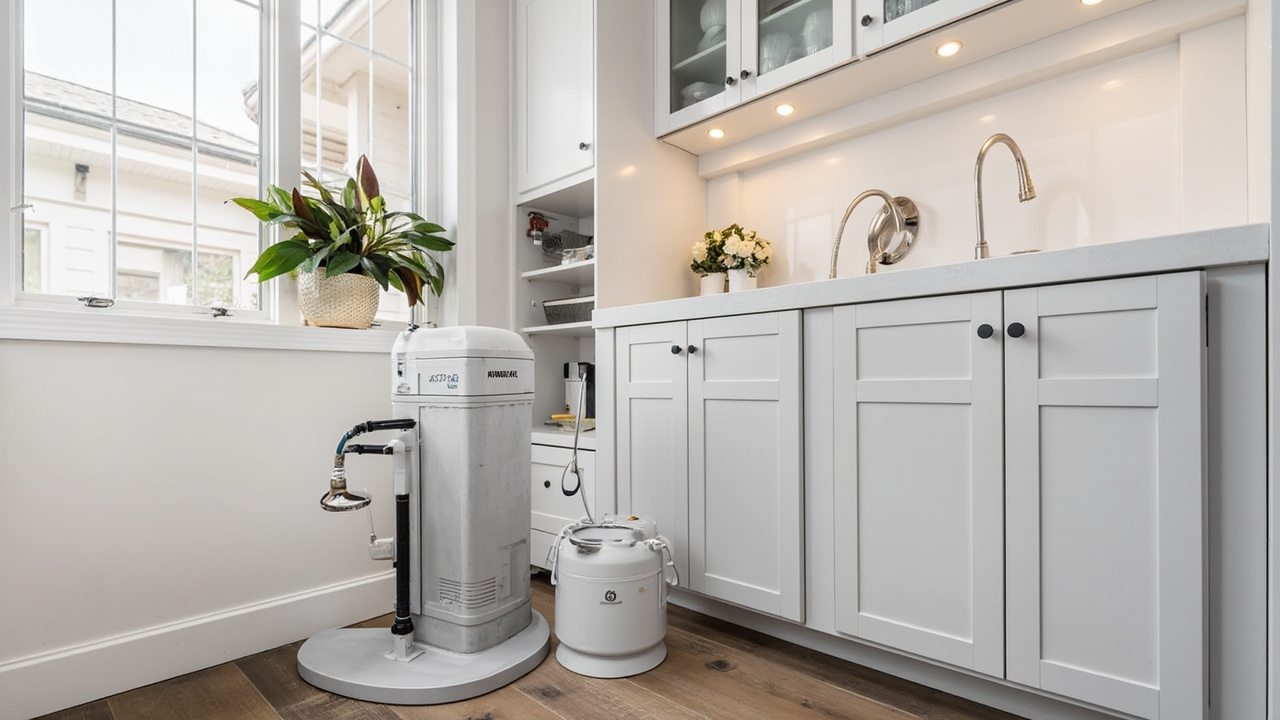
After source elimination, we extract standing water using truck-mounted pumps, then deploy commercial air movers and dehumidifiers to dry the affected structure. We monitor moisture levels daily until all materials reach equilibrium moisture content. Only then do we remove damaged baseboards and prepare the area for reconstruction. This sequence prevents recurring damage.

What Happens When You Call About Swollen Trim

Swollen Baseboards & Trim in Atlanta – Expert Diagnosis and Permanent Moisture Solutions
01

Immediate Moisture Assessment

We arrive with calibrated moisture detection equipment and conduct a room-by-room scan. Thermal imaging reveals hidden water patterns behind walls and under flooring. Moisture meters quantify saturation levels in your baseboards, subfloor, and wall framing. We photograph all affected areas and document moisture readings to establish a baseline for the drying process. This data guides our remediation strategy and helps you understand the scope of hidden damage.
02

Source Identification and Containment

We trace the moisture back to its origin. This may involve removing sections of baseboard to inspect the bottom plate and subfloor, or cutting small inspection holes in drywall to check for plumbing leaks. We correlate interior damage with exterior conditions like clogged gutters, missing flashing, or improper grading. Once identified, we stop the water source immediately. If plumbing repairs are needed, we coordinate with licensed plumbers to complete the work before drying begins.
03

Controlled Drying and Replacement

We install industrial dehumidifiers and air movers to extract moisture from building materials. Drying typically takes three to five days, depending on saturation levels. We monitor progress daily and adjust equipment placement to optimize airflow. Once moisture levels stabilize below 12 percent, we remove all damaged baseboards and trim. We install moisture-resistant materials where appropriate and finish with paint-grade or stain-grade trim matching your existing profiles.

Why Atlanta Homeowners Choose Local Water Damage Specialists

Swollen baseboards are not a handyman project. You need specialists who understand building science, moisture dynamics, and Atlanta's unique environmental challenges. Victory Water Damage Restoration Atlanta operates exclusively in the metro Atlanta area. We know how humidity interacts with local construction methods, and we know which foundation types are vulnerable to water intrusion.

Many Atlanta homes built in the 1980s and 1990s used particle board or MDF baseboards because they were inexpensive and easy to install. These materials absorb water rapidly and fail catastrophically when exposed to prolonged moisture. We stock solid wood and moisture-resistant composite baseboards that perform better in humid conditions. We also understand that homes in historic neighborhoods like Virginia-Highland or Inman Park require period-appropriate trim profiles. We source materials that match original architectural details.

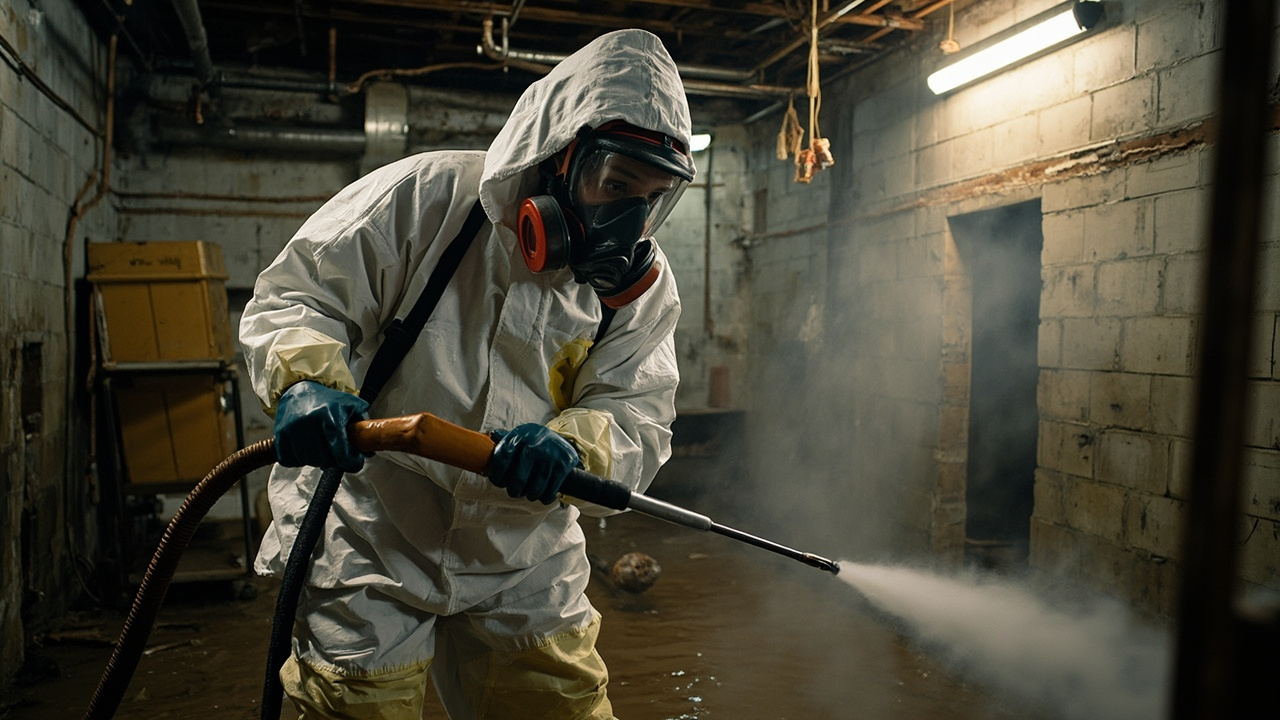
Our technicians are IICRC-certified in water damage restoration. This certification requires rigorous training in psychrometrics, structural drying, and contamination control. We apply this knowledge to every project. When we remove swollen baseboards, we inspect the wall cavity for mold growth. If we find microbial colonization, we follow EPA and IICRC remediation protocols to remove contaminated materials safely and prevent cross-contamination to unaffected areas.

We coordinate directly with your insurance company. Water damage claims often involve complex coverage questions, especially when the damage results from long-term seepage rather than a sudden plumbing failure. We provide detailed documentation, moisture mapping, and photographic evidence to support your claim. Our goal is to streamline the process and reduce your out-of-pocket costs.

Choosing a local company also means faster response times. We dispatch crews from our Atlanta facility, not a regional hub in another state. When you call about water damaged baseboards, we can typically arrive within two hours during business hours.

What to Expect During Baseboard Restoration

Rapid Response and Scheduling

We understand that moisture swollen baseboards often indicate active water intrusion, which can worsen quickly. When you call our office, we prioritize your assessment based on the severity of visible damage. If you report standing water or severe warping, we treat it as an emergency and dispatch a crew immediately. For less urgent cases, we schedule an inspection within 24 hours. Our initial assessment typically takes 60 to 90 minutes. We provide a written scope of work and cost estimate before beginning any remediation. You make the final decision about how to proceed.

Thorough Moisture Detection and Documentation

Our assessment includes thermal imaging of all exterior walls and moisture meter readings at multiple points along your baseboards and adjacent flooring. We check behind appliances, under sinks, and near HVAC equipment. We document everything with photographs and moisture maps. This documentation serves two purposes. First, it gives you a clear picture of the problem's extent. Second, it provides the evidence your insurance adjuster needs to evaluate your claim. We explain our findings in plain language and answer all your questions before moving forward with drying or removal.

Complete Structural Drying and Replacement

Drying is the most critical phase. We do not rush this process. Industrial dehumidifiers run continuously, pulling moisture from the air and creating a low-humidity environment that accelerates evaporation from saturated materials. Air movers direct high-velocity airflow across wet surfaces. We take moisture readings every 24 hours and adjust equipment placement based on drying progress. Once all affected materials reach safe moisture levels, we remove damaged baseboards and inspect the wall cavity. If mold is present, we remediate before reconstruction. We install new trim and finish with caulk and paint to match your existing interior.

Prevention Guidance and Ongoing Monitoring

After we complete restoration, we provide specific recommendations to prevent recurrence. This may include gutter cleaning schedules, landscaping adjustments to improve drainage, or installation of a crawl space dehumidifier. We explain exactly why the moisture intrusion occurred and what you can do to eliminate future risk. If the problem originated from a plumbing failure, we recommend annual plumbing inspections to catch leaks early. If exterior drainage was the culprit, we explain how to monitor grading and downspout extensions. Our goal is to equip you with the knowledge to protect your home long-term.

Frequently Asked Questions

You Have Questions,
We Have Answers

How to fix a swollen baseboard? +

First, identify and stop the water source. Remove the swollen baseboard carefully with a pry bar. Dry the wall cavity and subfloor completely using fans and dehumidifiers. Atlanta's humidity slows drying, so professional moisture meters help confirm the area is dry. Inspect for mold growth behind the trim, common in Georgia's damp climate. Replace the baseboard with new material rather than trying to salvage swollen wood. Prime and paint before installation. If multiple baseboards are affected, you likely have a larger moisture problem requiring professional water damage assessment.

What is the 7 rule for baseboards? +

The 7 rule states baseboards should be approximately seven percent of the wall height to maintain proper visual proportion. For standard eight-foot ceilings common in Atlanta homes, this means baseboards around five to seven inches tall. Older homes in historic Atlanta neighborhoods often feature taller baseboards, while newer construction uses shorter profiles. The rule provides a guideline, not a requirement. Your choice depends on architectural style, ceiling height, and personal preference. Taller baseboards can make rooms feel more formal, while shorter profiles suit modern aesthetics.

Why do baseboards swell? +

Baseboards swell when wood fibers absorb moisture and expand. Common causes include pipe leaks, foundation seepage, slab leaks, appliance malfunctions, and high indoor humidity. Atlanta's clay soil shifts with moisture changes, creating foundation cracks that allow water intrusion. Poor exterior grading pushes rainwater against foundations. HVAC condensate line failures are frequent in Georgia homes. Bathrooms and kitchens see swelling from splashing and steam. Wood is hygroscopic, meaning it constantly exchanges moisture with surrounding air. Without proper vapor barriers and ventilation, Atlanta's humid summers cause chronic baseboard swelling.

What does water damage on baseboards look like? +

Water-damaged baseboards show several telltale signs. Look for visible swelling where the wood bulges outward or pulls away from the wall. Discoloration appears as dark stains, yellow patches, or white mineral deposits. Paint bubbles, peels, or cracks as moisture pushes through. The baseboard feels soft or spongy when pressed. Warping creates gaps between the trim and floor or wall. Black or green mold spots indicate prolonged moisture exposure. Atlanta homes often show damage at corners where water pools. A musty odor near baseboards signals hidden moisture problems requiring immediate attention.

How to shrink swollen wood? +

You cannot reliably shrink swollen wood back to original dimensions. Once wood fibers expand from water absorption, they rarely return to pre-damage condition. Attempting to dry swollen wood usually results in warping, cracking, splitting, and cupping as moisture leaves unevenly. The wood structure is permanently compromised. In Atlanta's humidity, partially dried wood often reabsorbs moisture and swells again. Professional restoration focuses on complete drying to prevent mold, followed by replacement. Save your time and money by installing new baseboards rather than trying to salvage damaged trim.

Should I caulk or silicone baseboards? +

Use caulk for baseboards, not silicone. Latex caulk adheres better to painted surfaces, accepts paint, and allows minor movement without cracking. Apply caulk where baseboards meet walls to create clean lines and seal gaps. Silicone repels paint and yellows over time. It belongs in wet areas like tub surrounds, not trim work. In Atlanta homes, caulking prevents humid air from reaching wall cavities behind baseboards. Choose paintable acrylic latex caulk with mildew resistance. Do not caulk where baseboards meet flooring. This gap allows wood floors to expand with humidity changes.

What is the new trend for baseboards? +

Taller baseboards are trending in Atlanta new construction and renovations. Six to eight-inch profiles create contemporary elegance and handle the visual weight of higher ceilings in modern homes. Simple, clean lines replace ornate detailing. Flat-profile baseboards suit minimalist aesthetics. Dark or bold-colored baseboards contrast with white walls for dramatic effect. Some homeowners match baseboard color to flooring for seamless transitions. Waterproof PVC and MDF baseboards gain popularity in bathrooms and basements as Atlanta residents seek moisture-resistant alternatives to wood. Thicker baseboards provide better protection against vacuum cleaner damage.

What are common baseboard installation mistakes? +

Common mistakes include nailing too close to edges, causing splits. Installers forget to prime cut ends, allowing moisture absorption in Atlanta's humidity. Improper miter cuts create gaps at corners. Forcing warped boards creates stress that pulls nails loose over time. Nailing into drywall instead of studs leads to loose baseboards. Installers skip caulking, leaving gaps that collect dust. Using finish nails that are too short fails to secure boards properly. Not accounting for flooring thickness results in baseboards sitting too high. Painting before installation rather than after creates visible seams and gaps.

Should baseboards be flush with the floor? +

Baseboards should sit slightly above flooring, not flush. Leave a small gap, typically the thickness of a credit card, to allow wood floors to expand with humidity changes. Atlanta's seasonal humidity swings cause hardwood floors to expand in summer and contract in winter. A flush baseboard prevents this movement, causing floor buckling. The gap also prevents damage when mopping. For carpet, baseboards can sit closer but should not compress the padding. If your baseboards touch flooring directly, you may see finish wear, moisture wicking, or floor damage over time.

Will a swollen wood floor go back to normal? +

Swollen wood floors rarely return to normal after water damage. While surface drying may reduce visible cupping, the wood structure remains compromised. Subfloor moisture, common in Atlanta slab foundations, causes recurring swelling. Hardwood floors may flatten slightly but often develop permanent warping, gaps, or cracking. Engineered flooring delaminates and cannot be saved. Professional moisture testing determines if floors are salvageable. Quick response within 24 to 48 hours improves outcomes. Prolonged exposure guarantees replacement. If baseboards are swollen, your flooring likely absorbed water too. Professional assessment prevents future mold growth beneath flooring.

How Atlanta's High Humidity Accelerates Baseboard Water Damage

Atlanta's summer humidity creates a constant moisture load on building materials. When outdoor humidity exceeds 70 percent and indoor air conditioning runs continuously, condensation forms on cold surfaces inside wall cavities. This is particularly common in homes with poor vapor barrier installation or inadequate crawl space ventilation. Water vapor migrates through drywall and condenses on the cooler backside of exterior sheathing. This moisture drips down onto the bottom plate and wicks into baseboard molding. Expanded MDF trim and bloated wood trim are early warning signs of this process. Addressing the humidity differential through proper ventilation and vapor barriers prevents the cycle from repeating.

Atlanta building codes require proper flashing and moisture barriers on all exterior penetrations, but enforcement varies across jurisdictions. Many older homes in Buckhead, Decatur, and East Atlanta were built before modern moisture management standards. These homes are vulnerable to water intrusion around windows, doors, and foundation transitions. Victory Water Damage Restoration Atlanta works with local building inspectors and understands current code requirements for moisture barrier installation and crawl space encapsulation. When we restore water damaged baseboards, we ensure all repairs meet or exceed current Atlanta building code standards. This protects your investment and prevents future moisture problems.
Water Damage Restoration Services in The Atlanta Area

While we provide rapid mobile water damage restoration services directly to your doorstep throughout the Atlanta metropolitan area, you can also view our primary service location on the map below. This helps visualize our operational reach and assures you that expert assistance is always within your vicinity. We are always ready to deploy our dedicated teams to your precise location, ensuring swift and effective service whenever you need us, guaranteeing peace of mind.

Address:
Victory Water Damage Restoration Atlanta, 1055 Howell Ml Rd, Atlanta, GA, 30318

Additional Services We Offer

Our news updates

Latest Articles & News from The Blogs

Alpharetta Water Damage Specialists for Fast Mold Prevention and Drying in North FultonWater emergencies in Alpharetta require immediate professional intervention…

Alpharetta Water Damage Specialists for Fast Mold Prevention and Drying in North Fulton

Alpharetta Water Damage Specialists for Fast Mold Prevention and Drying in North FultonWater emergencies in Alpharetta require immediate professional intervention…

Safe and Professional Sewage Backup Cleanup in Atlanta (Don't Handle This Alone)

Professional Sewage Backup Cleanup and Restoration in Atlanta GeorgiaA sewage backup in your Atlanta home or business is a serious…

Deciding to Clean or Replace Water Damaged Carpet in Your Edgewood Home

Water damage in an Edgewood home creates an immediate crisis that requires fast decision making. If you walk into your…

Contact Us

Swollen baseboards indicate active water intrusion that can compromise your wall structure and create mold growth. Call Victory Water Damage Restoration Atlanta at (678) 397-3666 for immediate moisture assessment. We identify the source, eliminate it, and restore your home properly.