menu

Mold Remediation & Removal in Atlanta – Expert Abatement That Protects Your Property and Health

Professional mold mitigation and decontamination services that address Atlanta's high-humidity mold risks with EPA-compliant protocols, HEPA filtration, and permanent solutions that prevent regrowth.

Slider Image 1
Slider Image 2
Slider Image 3
Slider Image 4
Slider Image 5
Slider Image 7
Slider Image 8
Slider Image 9
Slider Image 10
Slider Image 11

Why Atlanta Properties Face Constant Mold Threats

Atlanta's subtropical climate creates perfect mold breeding conditions year-round. With average humidity levels exceeding 70 percent from May through September and frequent thunderstorms dumping over 50 inches of rain annually, moisture intrusion is inevitable. The problem compounds in older neighborhoods like Inman Park and Druid Hills, where pre-1980s construction often lacks proper vapor barriers and modern HVAC dehumidification.

Mold spores colonize within 24 to 48 hours of water exposure. What starts as a small leak from storm damage or a failed sump pump quickly escalates into visible growth behind drywall, under flooring, and inside duct systems. Atlanta's clay soil retains moisture and expands during wet seasons, creating foundation cracks that invite groundwater seepage into crawl spaces and basements.

You cannot paint over mold or bleach it away. Surface-level mold cleanup removes visible growth but fails to address the root contamination within porous materials like insulation, subflooring, and wood framing. Without proper mold abatement following IICRC S520 standards, colonies return within weeks. Professional mold decontamination targets both active growth and dormant spores, while addressing the moisture source that triggered colonization.

The health risks are real. Prolonged exposure triggers respiratory issues, allergic reactions, and aggravates asthma. Stachybotrys chartarum produces mycotoxins linked to severe health complications. Professional mold removal protects your family and preserves your property value before contamination spreads through HVAC systems to unaffected areas.

Why Atlanta Properties Face Constant Mold Threats
How Professional Mold Mitigation Eliminates Contamination at the Source

How Professional Mold Mitigation Eliminates Contamination at the Source

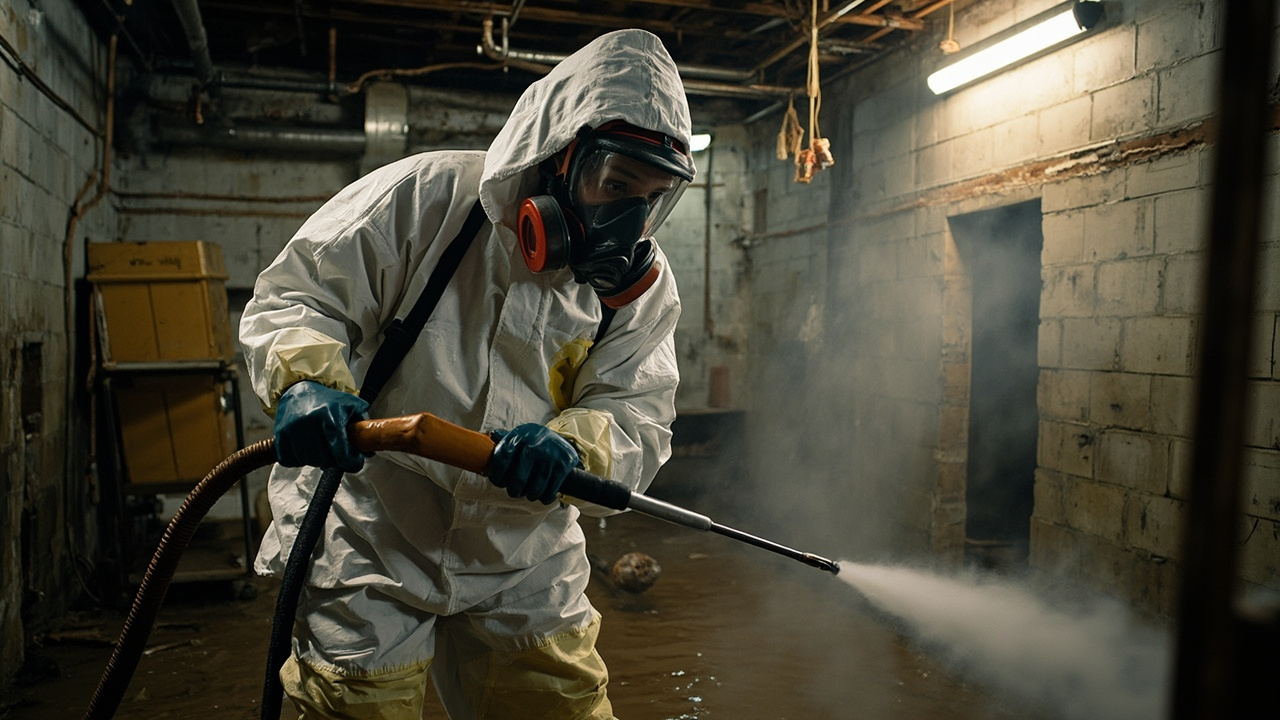
Effective mold remediation starts with containment engineering, not scrubbing visible patches. We establish negative air pressure chambers using polyethylene sheeting and commercial air scrubbers equipped with HEPA filters rated to capture 99.97 percent of particles down to 0.3 microns. This prevents cross-contamination during demolition and removal phases.

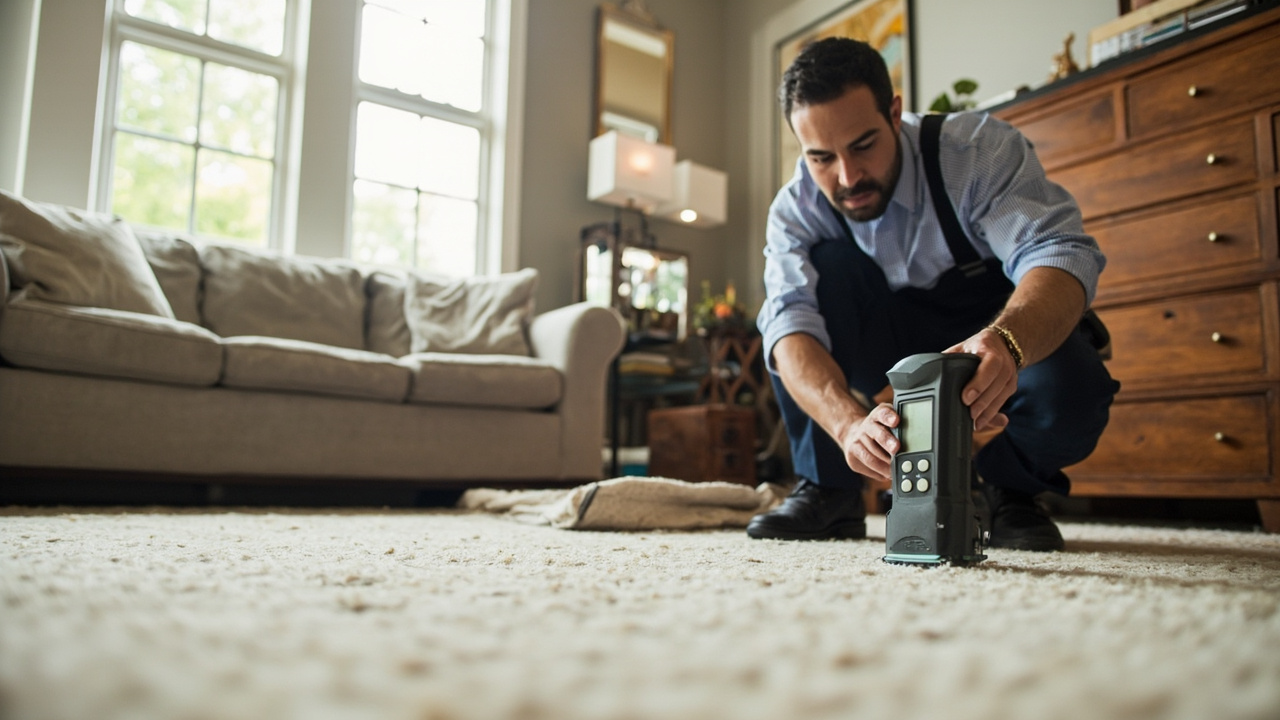
Moisture mapping with thermal imaging cameras and pin-type meters identifies hidden saturation behind walls and beneath flooring. We document moisture levels in wood framing, drywall, and concrete substrates to determine contamination depth. If readings exceed 16 percent moisture content in wood or show elevated levels in concrete, we remove affected materials rather than attempt surface treatment.

Antimicrobial application follows complete removal of contaminated porous materials. Non-porous surfaces like metal ductwork and concrete receive HEPA vacuuming followed by EPA-registered disinfectants that kill residual spores. We remove carpet, padding, insulation, and drywall when mold penetrates beyond surface layers. Attempting to salvage heavily contaminated materials guarantees regrowth.

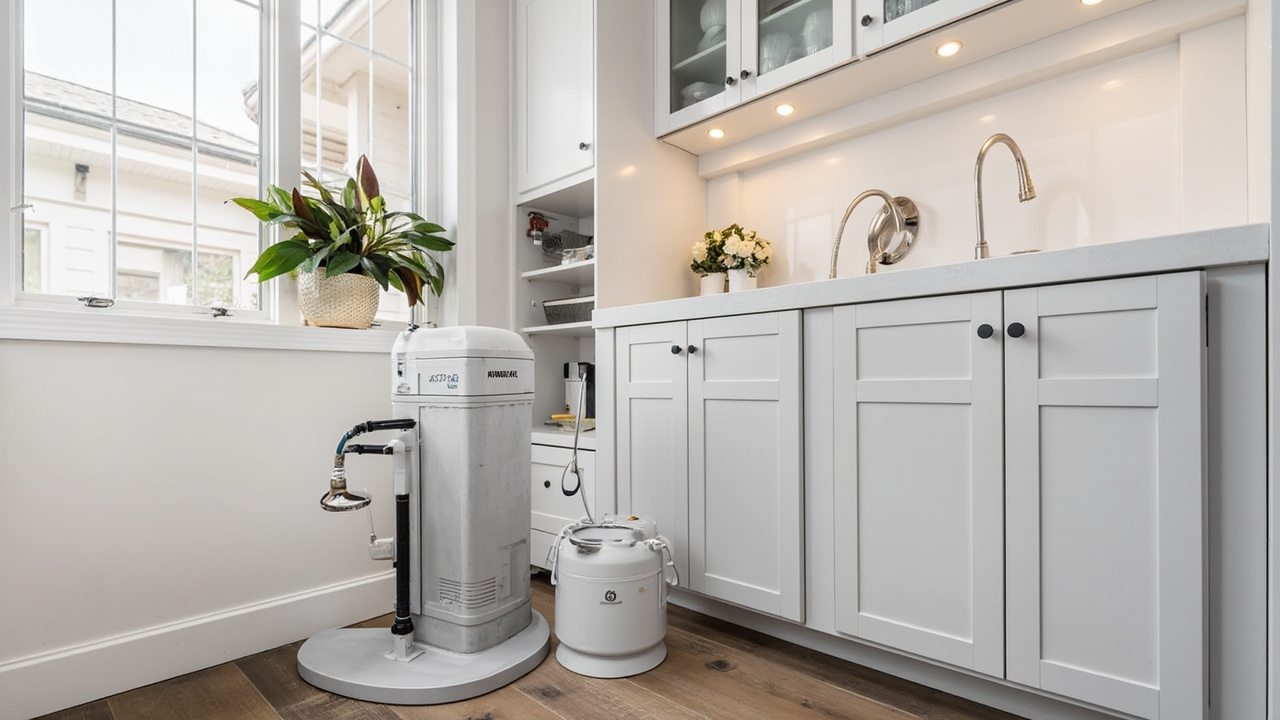
Air filtration continues for 72 hours post-removal using hydroxyl generators and HEPA air scrubbers that cycle room air 15 to 20 times per hour. This captures airborne spores released during demolition. We conduct post-remediation verification testing, collecting air samples and surface swabs to confirm spore counts return to normal ambient levels before reconstruction begins.

The final phase addresses the moisture source. We repair plumbing leaks, seal foundation cracks, install vapor barriers in crawl spaces, and recommend dehumidification systems to maintain indoor humidity below 50 percent. Mold mitigation fails without correcting the water intrusion that caused initial growth.

What Happens During Your Mold Remediation Project

Mold Remediation & Removal in Atlanta – Expert Abatement That Protects Your Property and Health
01

Initial Assessment and Testing

We inspect the entire property with moisture detection equipment and thermal imaging to map contamination extent. Air quality samples and surface swabs identify mold species and concentration levels. You receive a detailed scope of work outlining affected areas, required demolition, and containment protocols before work begins. This assessment typically takes 90 to 120 minutes depending on property size.
02

Containment and Removal

Technicians seal off contaminated zones with 6-mil polyethylene barriers and establish negative air pressure using HEPA-filtered air scrubbers. Contaminated materials get bagged at the source and removed through dedicated exit routes to prevent spore spread. We remove drywall, insulation, flooring, and any porous materials with embedded growth. HEPA vacuuming and antimicrobial treatment follow complete demolition of affected substrates.
03

Verification and Prevention

Post-remediation air sampling confirms spore counts return to acceptable levels before containment barriers come down. We provide a clearance certificate documenting successful decontamination. The moisture source gets repaired and you receive recommendations for humidity control, ventilation improvements, and monitoring protocols. Most projects clear verification testing within 48 hours of completing removal work, allowing reconstruction to proceed immediately.

Why Atlanta Property Owners Choose Local Mold Remediation Experts

Atlanta's building stock presents unique mold challenges that require local expertise. Historic homes in Grant Park and Virginia Highland feature pier-and-beam foundations with ventilated crawl spaces. While this design worked in the pre-air conditioning era, modern HVAC systems create humidity differentials that draw moisture into crawl spaces, triggering mold growth on floor joists and subflooring. We understand these architectural vulnerabilities and adjust remediation protocols accordingly.

Local knowledge extends to Atlanta's microclimates. Properties near the Chattahoochee River or in low-lying areas like Peoplestown experience higher groundwater tables and seasonal flooding risks. Basement waterproofing and crawl space encapsulation become critical prevention measures in these zones. We work with the terrain-specific challenges your property faces.

Insurance coordination matters when filing mold claims. Georgia follows specific causation requirements for mold coverage. Most policies cover mold resulting from sudden water damage like pipe bursts but exclude gradual leaks or maintenance issues. We document contamination thoroughly, photograph moisture intrusion sources, and provide detailed remediation scopes that support your claim. Our familiarity with local adjusters and Georgia insurance regulations streamlines the approval process.

Response time determines damage extent. Mold colonies double in size every 24 to 48 hours under ideal conditions. Atlanta's summer humidity provides those ideal conditions. We dispatch crews within two hours for emergency calls and begin containment immediately to prevent spread. National franchises route calls through distant corporate centers and schedule service days later. That delay allows contamination to expand from a single room into multiple zones, multiplying remediation costs.

Victory Water Damage Restoration Atlanta maintains ongoing relationships with Atlanta-area contractors, making reconstruction coordination seamless after mold abatement completes.

What to Expect During Mold Remediation Service

Rapid Response and Containment

We dispatch technicians within two hours of your call for emergency mold situations. Initial containment begins immediately upon arrival to prevent spore migration to unaffected areas. The assessment phase typically completes within 90 minutes, followed by same-day containment setup for active projects. Most residential remediation projects finish within three to five days depending on contamination extent and required demolition. Commercial projects require custom timelines based on square footage and business operation schedules. You receive daily progress updates and photo documentation throughout the project.

Comprehensive Property Assessment

The initial evaluation includes thermal imaging scans, moisture meter readings at multiple depths, and visual inspection of all potentially affected areas including attics, crawl spaces, and HVAC systems. We collect air quality samples and surface swabs for laboratory analysis to identify mold species and concentration levels. You receive a written assessment detailing contamination extent, required removal scope, and moisture source identification. This diagnostic process ensures we address the complete problem rather than treating visible symptoms. The assessment fee applies toward remediation costs if you proceed with our services.

Certified Clearance and Documentation

Post-remediation verification testing confirms successful decontamination before we remove containment barriers. Independent laboratory analysis of final air samples must show spore counts at or below normal ambient levels for your geographic area. You receive a clearance certificate documenting test results, remediation protocols followed, and materials removed. This certification satisfies insurance requirements and provides documentation for future property transactions. We also photograph all phases of work for your records. The clearance process typically adds 24 to 48 hours to project timelines while awaiting laboratory results.

Prevention Planning and Monitoring

Successful remediation requires addressing the moisture source that triggered mold growth. We repair immediate water intrusion points and provide recommendations for long-term humidity control, including dehumidifier sizing, ventilation improvements, and crawl space encapsulation. You receive a moisture management plan specific to your property's construction type and Atlanta's climate challenges. We recommend monitoring protocols and inspection schedules to catch future moisture issues before mold colonizes. Follow-up inspections are available at six-month intervals to verify conditions remain favorable and prevention measures perform as intended.

Frequently Asked Questions

You Have Questions,
We Have Answers

How much does it cost to remove mold? +

Mold removal cost varies based on the extent of contamination, location, and materials affected. Small projects under 10 square feet may run a few hundred dollars, while larger infestations affecting structural components or HVAC systems cost significantly more. Atlanta's high humidity accelerates mold growth in crawl spaces and attics, often expanding the scope. Costs include containment setup, air filtration, material disposal, antimicrobial treatment, and moisture control repairs. Insurance sometimes covers remediation if mold resulted from a covered peril like burst pipes. Get a detailed inspection first to understand the true scope before committing.

What is the difference between mold removal and mold remediation? +

Mold removal means physically scrubbing or wiping away visible mold. Mold remediation is the complete process of returning contamination to normal fungal levels through containment, air filtration, removal of affected materials, antimicrobial application, and moisture source correction. Removal alone does not address airborne spores or the underlying water problem. Atlanta homes face persistent humidity issues due to subtropical climate conditions, making moisture correction critical. Remediation focuses on prevention and environmental control, not just surface cleaning. Professionals use HEPA filtration and negative air pressure during remediation to prevent cross-contamination to unaffected areas.

How much should it cost to remove mold? +

Small mold patches under 10 square feet may cost a few hundred dollars for DIY materials or minor professional treatment. Moderate contamination affecting multiple rooms or structural elements typically ranges into the low thousands. Extensive infestations requiring wall removal, HVAC cleaning, or crawl space encapsulation cost significantly more. Atlanta properties with recurring moisture problems from clay soil drainage issues or humidity often need comprehensive solutions beyond surface treatment. Factors include square footage affected, material types, containment complexity, and post-remediation testing. Always prioritize moisture source repair over cosmetic fixes to prevent recurrence.

Is professional mold removal worth it? +

Professional mold remediation is worth it when contamination exceeds 10 square feet, affects HVAC systems, or involves toxic species like black mold. Atlanta's humidity creates ideal conditions for rapid spread, and improper DIY attempts often worsen contamination by releasing spores during disturbance. Professionals use containment barriers, HEPA filtration, and proper disposal methods that protect unaffected areas. They identify hidden moisture sources behind walls or in crawl spaces that homeowners miss. Insurance claims often require professional documentation. Health risks from exposure, especially for children or immunocompromised individuals, justify the investment in proper remediation.

What kills mold permanently? +

Nothing kills mold permanently if moisture remains. Effective mold control requires eliminating the water source first, then treating contaminated surfaces with EPA-registered antimicrobial solutions or removing affected materials entirely. Bleach only lightens surface stains and does not penetrate porous materials like drywall or wood. Atlanta homes must address high humidity through dehumidification, proper ventilation, and drainage improvements around foundations. HEPA air scrubbers remove airborne spores during treatment. Encapsulation products seal treated surfaces to prevent regrowth. Without controlling moisture from leaks, condensation, or inadequate ventilation, mold will return regardless of treatment method.

What are signs of mold exposure? +

Mold exposure symptoms include persistent coughing, wheezing, throat irritation, nasal congestion, skin rashes, and eye irritation. Some people experience headaches, fatigue, or difficulty concentrating. Individuals with asthma or allergies face more severe reactions. You may notice a musty odor before seeing visible growth. Atlanta's humid climate allows mold to thrive in hidden areas like crawl spaces, attics, and behind walls, causing symptoms without obvious sources. If symptoms improve when you leave home and worsen upon return, suspect mold contamination. Infants, elderly individuals, and those with compromised immune systems face heightened risks.

Can I remediate mold myself? +

You can remediate small areas under 10 square feet if mold has not penetrated porous materials and you have no health conditions. Wear N95 respirators, gloves, and eye protection. Contain the area with plastic sheeting and use HEPA vacuums to capture disturbed spores. However, Atlanta's humidity complicates DIY efforts because moisture problems often extend beyond visible growth. Hidden contamination in wall cavities, HVAC ducts, or crawl spaces requires professional equipment and expertise. If mold returns after cleaning or affects structural materials, call professionals. Improper DIY attempts spread spores and worsen contamination.

Why is mold remediation so expensive? +

Mold remediation costs reflect specialized equipment, safety protocols, and labor intensity. Professionals use HEPA air scrubbers, negative air machines, containment barriers, antimicrobial treatments, and moisture meters. Technicians need training in proper containment to prevent cross-contamination. Atlanta properties often require crawl space encapsulation, dehumidification systems, or drainage repairs to address root moisture problems, adding to costs. Disposal of contaminated materials follows strict regulations. Post-remediation testing verifies air quality. Insurance documentation and project management add administrative costs. Cutting corners risks incomplete remediation, health hazards, and recurring growth that costs more long-term.

How long should you stay out of house after mold remediation? +

You can typically return home immediately after professional mold remediation if air quality testing confirms spore levels returned to normal. Most projects allow same-day re-entry once containment barriers come down and HEPA filtration completes. Sensitive individuals may wait 24 hours for any residual antimicrobial odors to dissipate. Extensive projects requiring structural drying or encapsulation may need longer. Atlanta's humidity means dehumidifiers often run for days post-remediation to stabilize moisture levels. Your remediation company provides specific guidance based on project scope, treatments used, and air quality results. Never re-enter during active remediation when containment is sealed.

Can a house full of mold be saved? +

Most mold-damaged homes can be saved with proper remediation, even severe cases. The key is addressing the moisture source and removing contaminated materials before structural integrity fails. Atlanta homes with long-term water intrusion may need extensive repairs including subfloor replacement, wall cavity treatment, or foundation waterproofing. Wood framing can often be treated and sealed rather than replaced if structurally sound. Abandon the home only if contamination compromised structural safety or costs exceed property value. Professional inspection determines salvageability. Quick action prevents escalation. Delayed response allows mold to penetrate deeper, increasing restoration complexity and cost.

How Atlanta's Climate and Construction Create Year-Round Mold Risks

Atlanta receives over 50 inches of annual rainfall with summer humidity regularly exceeding 70 percent. This subtropical climate combined with inadequate attic ventilation in pre-1990s construction creates ideal mold conditions. Older neighborhoods feature homes built before modern building codes required proper vapor barriers and mechanical ventilation. The clay soil common throughout metro Atlanta retains moisture and expands during wet seasons, creating foundation movement that cracks slabs and allows groundwater seepage. Air conditioning systems run continuously from May through September, but poorly maintained units fail to adequately dehumidify indoor air. These converging factors make professional mold decontamination services essential rather than optional for Atlanta property owners.

Georgia does not require state-level mold remediation licensing, making contractor selection critical. Reputable providers follow IICRC S520 standards and EPA mold remediation guidelines voluntarily. We maintain relationships with Atlanta building inspectors and understand local code requirements for post-remediation reconstruction. Our familiarity with Georgia insurance claim procedures helps property owners navigate coverage questions and documentation requirements. Choosing local mold abatement specialists means working with technicians who understand Atlanta's specific moisture challenges, from Buckhead high-rises with HVAC condensation issues to Decatur bungalows with crawl space humidity problems. Local expertise translates to faster diagnosis, appropriate solutions, and prevention strategies that account for regional climate realities.
Water Damage Restoration Services in The Atlanta Area

While we provide rapid mobile water damage restoration services directly to your doorstep throughout the Atlanta metropolitan area, you can also view our primary service location on the map below. This helps visualize our operational reach and assures you that expert assistance is always within your vicinity. We are always ready to deploy our dedicated teams to your precise location, ensuring swift and effective service whenever you need us, guaranteeing peace of mind.

Address:
Victory Water Damage Restoration Atlanta, 1055 Howell Ml Rd, Atlanta, GA, 30318

Additional Services We Offer

Our news updates

Latest Articles & News from The Blogs

Risks of Buying a House with Water Damage in Mableton and How to Protect Your Investment Buying a house represents…

Risks of Buying a House with Water Damage in Mableton and How to Protect Your Investment

Risks of Buying a House with Water Damage in Mableton and How to Protect Your Investment Buying a house represents…

Getting the right City of Atlanta building permits for major water damage repairs

Getting the right City of Atlanta building permits for major water damage repairsMajor water damage in your Atlanta home often…

Identifying chimney water leaks in Candler Park homes before they ruin your walls

Living in the historic Candler Park neighborhood offers unique architectural charm but the older masonry systems require constant attention. In…

Contact Us

Mold damage worsens every day you wait. Call Victory Water Damage Restoration Atlanta at (678) 397-3666 for immediate assessment and containment. We respond within two hours and provide detailed remediation plans that address contamination at the source.