menu

Cupping or Buckling Wood Floors in Atlanta – Expert Diagnosis and Moisture Correction Before Permanent Damage Sets In

When your hardwood floors start warping, you need more than surface repair. Victory Water Damage Restoration Atlanta identifies the moisture source, stabilizes the subfloor, and prevents recurring cupping or buckling wood floors before the damage becomes irreversible.

Slider Image 1
Slider Image 2
Slider Image 3
Slider Image 4
Slider Image 5
Slider Image 7
Slider Image 8
Slider Image 9
Slider Image 10
Slider Image 11

Why Atlanta's Humidity and Clay Soil Cause Hardwood Floors to Warp

You walk across your hardwood floor and feel the edges lift under your feet. The planks have ridges running down the center. Some boards are crowned in the middle, others dip like shallow bowls. This is not normal wear. This is structural failure caused by moisture infiltration.

Atlanta's humid subtropical climate creates the perfect conditions for warped hardwood flooring. Relative humidity spikes above 70 percent from May through September, and when wood absorbs moisture faster than it releases it, the cells expand. The edges swell first, creating cupped profiles. If the moisture source is beneath the floor, the center of the plank swells, causing buckling or peaking hardwood joints.

The clay soil common throughout Fulton, DeKalb, and Cobb counties shifts with moisture content. When heavy rain saturates the ground, hydrostatic pressure forces water through basement slabs and crawl spaces. This bottom-up moisture attack causes lifting floorboards and raised wood floor edges, especially in homes built before vapor barriers became standard in the 1990s.

Swollen wood planks are not cosmetic issues. They signal active water intrusion. Ignoring the symptom lets mold colonize the subfloor, rots floor joists, and accelerates wood decay. Once the lignin structure breaks down, the floor cannot return to its original shape, even after drying. The window for reversal is short. You are looking at replacement, not restoration, if you wait too long.

Why Atlanta's Humidity and Clay Soil Cause Hardwood Floors to Warp
How We Stop the Moisture and Stabilize the Floor System

How We Stop the Moisture and Stabilize the Floor System

Most contractors look at the floor. We look at the entire moisture system. Cupping or buckling wood floors are symptoms, not the disease. The disease is uncontrolled water migration, and if we do not eliminate the source, the problem will return within months.

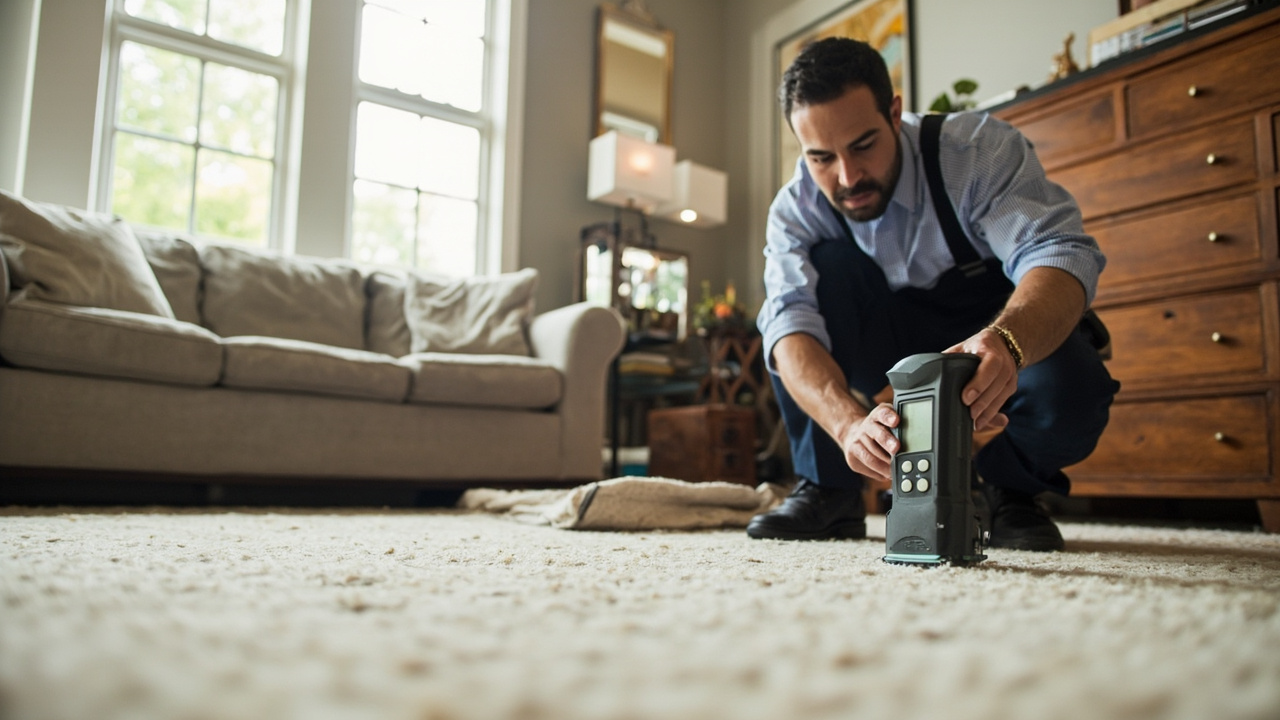
We start with thermal imaging and moisture mapping. Infrared cameras show us temperature differentials that indicate hidden water reservoirs. We use pin-type and non-invasive moisture meters to measure the moisture content of the hardwood, subfloor, and joists. Hardwood should sit between 6 and 9 percent moisture content in Atlanta's climate. Anything above 12 percent means active absorption. Anything above 16 percent means microbial growth is likely.

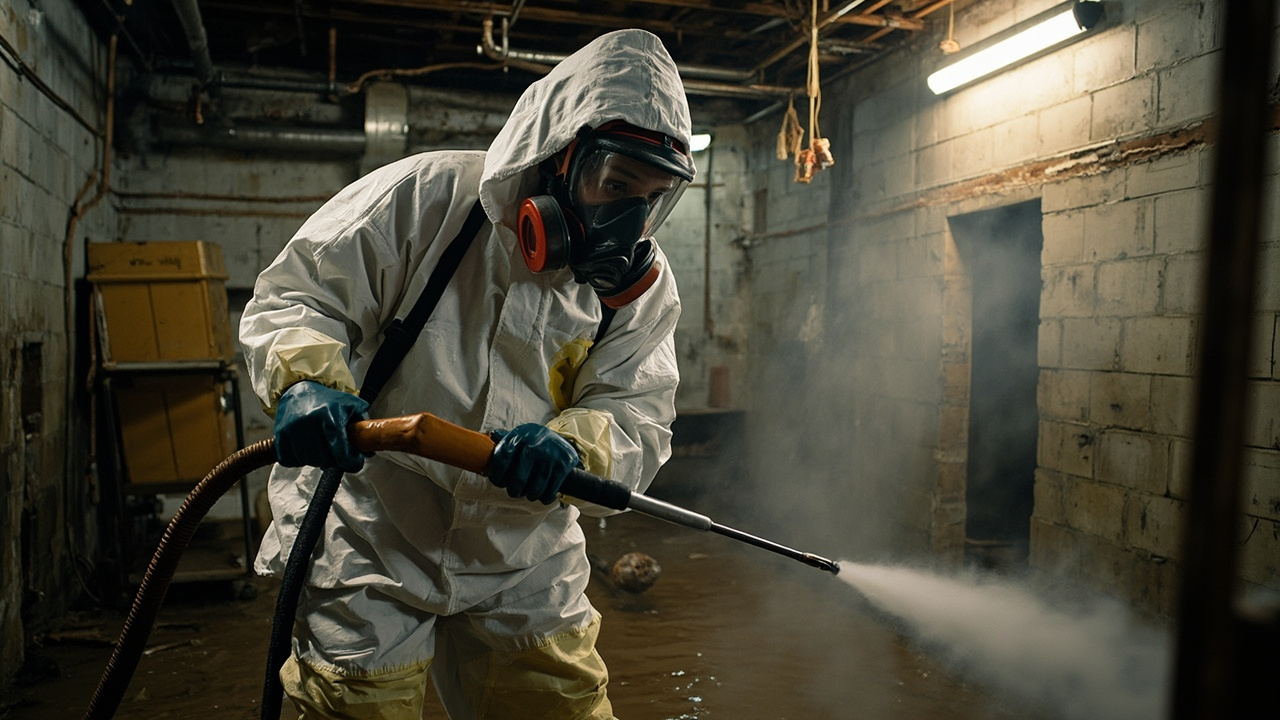
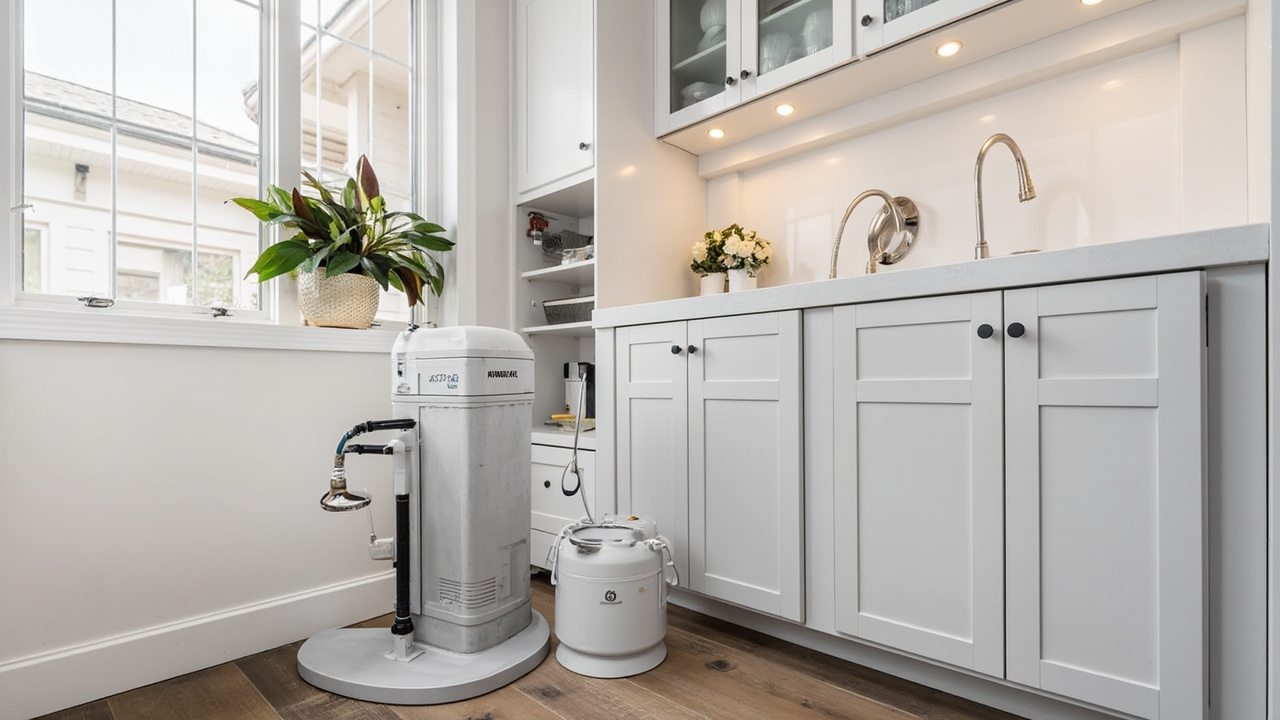
Once we locate the source, whether it is a slab leak, failing HVAC condensate line, or crawl space flooding from poor drainage, we stop the water. Then we control the environment. We deploy commercial-grade dehumidifiers calibrated to remove specific grains of moisture per day, not generic box-store units. We use air movers to create cross-ventilation and accelerate evaporation without over-drying, which can cause checking and splitting.

We monitor moisture levels daily with data loggers. Wood dries slowly. Forcing it to dry too fast causes new damage. We dry the floor system in phases, bringing moisture content down in controlled increments. When the readings stabilize below 10 percent for three consecutive days, the floor is ready for evaluation. Some planks will self-correct. Others will need sanding or replacement. We document everything for insurance claims, including pre-loss moisture baselines and drying logs.

What Happens When You Call Us About Warped Hardwood

Cupping or Buckling Wood Floors in Atlanta – Expert Diagnosis and Moisture Correction Before Permanent Damage Sets In
01

Emergency Moisture Assessment

We arrive within hours, not days. Our technician maps the affected area with moisture meters and thermal imaging, identifying the water source and measuring moisture content in the wood, subfloor, and framing. You get a written scope within 24 hours, detailing the cause, extent of damage, and drying plan. We document everything with photos and moisture readings for your insurance claim.
02

Controlled Drying Protocol

We install commercial dehumidifiers and air movers positioned to create laminar airflow across the floor surface. We do not blast the floor with heat, which causes surface case-hardening and traps moisture inside the planks. We dry in phases, reducing moisture content gradually over 5 to 10 days depending on saturation levels. Data loggers track progress hourly. You receive daily updates with new moisture readings.
03

Post-Drying Floor Evaluation

Once moisture levels stabilize below 9 percent, we assess which planks recovered and which need replacement. Minor cupping often self-corrects during drying. Severe buckling or peaking joints require plank replacement or sanding. We provide a final report with moisture documentation, photos, and recommended next steps. If the subfloor or joists show rot, we flag it immediately. You make no decisions without full transparency.

Why Atlanta Homeowners Trust Us With Hardwood Floor Failures

Most restoration companies dry the floor and leave. They do not trace the water source. They do not test the subfloor. They do not account for Atlanta's specific moisture load, which fluctuates 30 percentage points between summer and winter. This is why floors cup again six months later.

Victory Water Damage Restoration Atlanta does not treat symptoms. We eliminate causes. Our technicians are trained in building science and psychrometrics. They understand vapor drive, dew point depression, and equilibrium moisture content. They know that drying hardwood in Atlanta requires different protocols than drying it in Phoenix or Seattle because the ambient moisture load is higher.

We work directly with your insurance adjuster. We know what documentation carriers require for hardwood floor claims. We provide moisture logs, thermal images, and drying certificates that meet IICRC S500 standards. You do not fight the claim process alone. We handle the technical justification while you focus on your home.

Atlanta's housing stock ranges from 1920s Craftsman bungalows in Virginia-Highland to 1980s ranch homes in Dunwoody. Each construction type responds differently to moisture. Older homes often lack vapor barriers and have knob-and-tube plumbing prone to pinhole leaks. Newer homes have OSB subfloors that delaminate faster than plywood when wet. We have worked on both. We know the failure points, the hidden cavities, and the construction shortcuts common to each era.

We do not guess. We measure. We document. We solve the problem correctly the first time so you do not pay twice.

What You Can Expect From Start to Finish

Response Time and Availability

We dispatch a technician within two hours of your call, 24 hours a day, seven days a week. Water damage accelerates quickly in Atlanta's humidity. Waiting 48 hours for an appointment turns reversible cupping into permanent buckling. We do not make you wait. Our trucks carry thermal cameras, moisture meters, and drying equipment so we can begin mitigation on the first visit. You receive a written assessment with moisture readings and photos within 24 hours, followed by a detailed scope of work for your insurance claim.

Comprehensive Moisture Mapping

We do not guess where the water is coming from. Our technicians use FLIR thermal imaging cameras to detect temperature anomalies that indicate hidden moisture in walls, subfloors, and joists. We take moisture readings at multiple points across the affected area, mapping the gradient from wet to dry. This tells us whether the water is coming from above, below, or laterally through the slab. You get a color-coded moisture map showing exactly where the problem is and how far it extends. No surprises, no hidden damage discovered halfway through the job.

Documented Results and Dry Standard

We dry your floor system to IICRC S500 standards, which means moisture content below 9 percent for hardwood and below 12 percent for subfloors. We do not pull equipment early to move to the next job. We monitor moisture levels daily with data loggers and do not sign off until readings stabilize for three consecutive days. You receive a final drying certificate with before-and-after moisture readings, timestamped photos, and equipment logs. This documentation protects you if your insurance company questions the claim and proves the floor was dried correctly if issues arise later.

Post-Restoration Guidance and Monitoring

Once the floor is dry, we walk you through what to expect during the acclimation period. Some planks may continue to flatten for several weeks as internal moisture redistributes. We provide guidance on when to sand, refinish, or replace planks based on the severity of the cupping. If the source was a plumbing leak or slab intrusion, we refer you to trusted contractors who can make permanent repairs. We do not disappear after the drying phase. You can call us with questions or concerns for 90 days after project completion. If moisture readings spike again, we investigate at no additional diagnostic fee.

Frequently Asked Questions

You Have Questions,
We Have Answers

Will cupped hardwood floors flatten out? +

Cupped hardwood floors can flatten out if you address the moisture source quickly. The wood absorbs excess moisture through the bottom, causing edges to rise higher than the center. In Atlanta's humid climate, this happens often after plumbing leaks or high indoor humidity. Once you fix the leak and dry the subfloor completely, the planks may return to their original shape. This process takes weeks or months. If cupping persists after drying, you may need professional sanding and refinishing. Do not sand cupped floors while they are still wet. You risk creating crowned floors when the wood dries.

What is the difference between cupping and buckling floors? +

Cupping and buckling are two different moisture problems. Cupping occurs when moisture enters the wood from below, causing board edges to curl upward while the center stays lower. You see a concave shape across each plank. Buckling is more severe. The entire floor lifts away from the subfloor, creating visible gaps or raised sections. Buckling happens when extreme moisture causes the wood to expand beyond its nailed or glued attachment points. In Atlanta homes, cupping usually follows minor leaks or high humidity. Buckling typically requires major water damage like flooding or prolonged plumbing failures. Both need immediate attention.

Will buckled hardwood floors go back to normal? +

Buckled hardwood floors rarely go back to normal without professional intervention. Buckling means the wood expanded so much it broke free from the subfloor. Even after drying, the planks often remain warped or loose. In Atlanta, buckling typically follows slab leaks, flooding, or severe foundation moisture problems. You must remove the moisture source first, then assess the damage. Some buckled sections may need complete replacement. Others might reattach after controlled drying and re-nailing. Do not assume the floor will self-correct. Waiting makes the problem worse. Get a professional assessment within 24 hours to limit replacement costs.

Is it normal for hardwood floors to cup? +

No. Hardwood floor cupping is not normal. It signals a moisture imbalance. Properly installed floors in climate-controlled Atlanta homes should remain flat. Cupping happens when humidity rises above 60 percent for extended periods, or when water infiltrates from below. Common causes include crawl space moisture, slab condensation, plumbing leaks, or poor ventilation. Atlanta's humid summers can contribute if you do not run air conditioning consistently. If you notice cupping, find the moisture source immediately. Check under sinks, around water heaters, and in crawl spaces. Ignoring cupping leads to permanent damage, mold growth, and costly replacements.

Why Atlanta's Crawl Space Humidity Causes Repeat Hardwood Floor Cupping

Most Atlanta homes built before 2000 sit on crawl spaces, not slabs. These crawl spaces are vented, which sounds logical but actually pumps humid outdoor air under your home all summer. When 80-degree air at 75 percent relative humidity enters a 65-degree crawl space, the moisture condenses on cool surfaces, including floor joists and subfloors. This bottom-up moisture causes chronic cupping and swollen wood planks, even when there is no active leak. We see this in Decatur, Brookhaven, and Marietta every summer. The fix is not drying the floor. The fix is encapsulating the crawl space and controlling the vapor drive.

Water Damage Restoration Services in The Atlanta Area

While we provide rapid mobile water damage restoration services directly to your doorstep throughout the Atlanta metropolitan area, you can also view our primary service location on the map below. This helps visualize our operational reach and assures you that expert assistance is always within your vicinity. We are always ready to deploy our dedicated teams to your precise location, ensuring swift and effective service whenever you need us, guaranteeing peace of mind.

Address:
Victory Water Damage Restoration Atlanta, 1055 Howell Ml Rd, Atlanta, GA, 30318

Additional Services We Offer

Our news updates

Latest Articles & News from The Blogs

Risks of Buying a House with Water Damage in Mableton and How to Protect Your Investment Buying a house represents…

Risks of Buying a House with Water Damage in Mableton and How to Protect Your Investment

Risks of Buying a House with Water Damage in Mableton and How to Protect Your Investment Buying a house represents…

Getting the right City of Atlanta building permits for major water damage repairs

Getting the right City of Atlanta building permits for major water damage repairsMajor water damage in your Atlanta home often…

Identifying chimney water leaks in Candler Park homes before they ruin your walls

Living in the historic Candler Park neighborhood offers unique architectural charm but the older masonry systems require constant attention. In…

Contact Us

Warped hardwood does not fix itself. The longer water sits in the wood, the less likely the floor will recover. Call Victory Water Damage Restoration Atlanta now at (678) 397-3666. We will be at your home within hours with the equipment and expertise to stop the damage and dry the floor system correctly.