


Decatur sits in DeKalb County where red Georgia clay creates poor drainage around foundations, and the city's historic neighborhoods feature aging cast iron pipes prone to sudden failure. The area receives 52 inches of annual rainfall, well above the national average, which stresses older roofing systems common in Oakhurst and Winnona Park. Decatur's tree canopy, while beautiful, drops debris that clogs gutters and creates ice dams during winter freezes. The city's sewer infrastructure dates back decades in areas like Scottdale and North Decatur, making backflow events more frequent during heavy storms.
Spring thunderstorms roll through rapidly, dumping 2-3 inches in under an hour and overwhelming Decatur's stormwater system. Homes near Peavine Creek and Shoal Creek face flood risks when these waterways crest. The humidity here stays high year-round, which means wet building materials develop mold within 24-48 hours if not properly dried. Decatur's mix of crawl space foundations and basement homes creates different moisture migration patterns that require local knowledge to address properly.
Victory Water Damage Restoration Atlanta operates from our DeKalb County location, which puts us minutes from every Decatur neighborhood when disaster strikes. Our technicians train on the specific challenges of Decatur's housing stock, from the Craftsman bungalows in Oakhurst to the mid-century ranches in Westchester. We understand how water behaves in homes with pier and beam foundations versus slab construction, and we know which local plumbing companies installed systems in different decades.
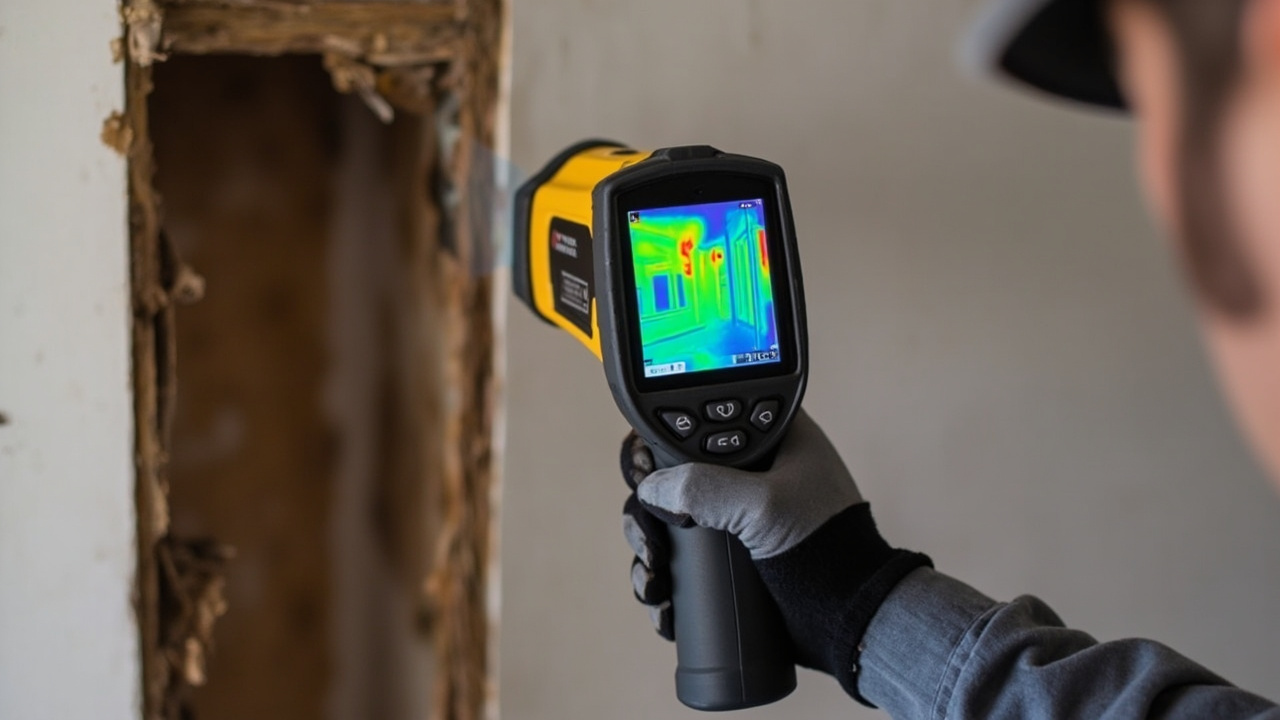
We maintain relationships with Decatur's insurance adjusters and public adjusters, which speeds your claims process when you need emergency board-up or contents pack-out services. Our equipment staging includes truck-mounted extraction units that pull thousands of gallons per hour, not the small shop-vacs that leave moisture behind. We use FLIR thermal cameras to map water intrusion through walls and ceilings, finding hidden damage that leads to mold growth if missed.
Our restoration process follows IICRC S500 standards for water damage and S520 standards for mold remediation. We document everything with photo evidence and moisture readings that insurance companies accept without argument. You get a project manager assigned to your job who coordinates directly with your adjuster, handles the paperwork, and keeps you updated through completion. We pull permits when needed for structural repairs and work with Decatur's building inspectors who know our reputation for quality work. Our crews arrive in marked vehicles, wear company uniforms, and treat your home with respect during a stressful time.

Our crews stage equipment across DeKalb County to reach Decatur homes within 90 minutes of your call. We dispatch immediately, not when we finish another job. Fast response stops water from spreading through drywall and insulation, which saves you thousands in additional repairs and prevents secondary mold damage.

We bill your insurance company directly and handle all claim documentation with photos, moisture logs, and equipment tracking. You pay only your deductible while we manage the adjuster relationship, supplemental estimates, and approval process. No out-of-pocket expenses while waiting for reimbursement checks.
Every technician holds current IICRC Water Restoration Technician certification and ongoing training in structural drying science. We follow industry protocols for equipment placement, airflow management, and moisture monitoring. Our work meets insurance standards and passes third-party testing when required for claim approval.
We restore homes across every Decatur neighborhood and understand the construction differences between historic districts and newer developments. Our crews know how water travels through pier and beam crawl spaces versus concrete slabs, and we adjust drying strategies based on your home's specific foundation and framing type.
Water damage restoration requires coordinated emergency response, precision drying technology, and skilled reconstruction to return your property to pre-loss condition. Victory Water Damage Restoration Atlanta provides complete water removal services from initial extraction through final repairs. We handle supply line failures, sewer backups, storm flooding, and appliance malfunctions with the same urgency and attention to detail.
Our service range covers emergency water extraction, structural drying, mold remediation, content restoration, and rebuild construction. We coordinate every phase under one contract, which simplifies your insurance claim and eliminates gaps between trades. You work with a single project manager from the midnight emergency call through the final walkthrough inspection. Our teams use truck-mounted extraction units, industrial dehumidifiers, air movers, and thermal imaging to locate and eliminate moisture before it causes permanent damage. We follow IICRC drying standards and document progress with daily moisture readings that satisfy insurance requirements.
We deploy within 90 minutes with truck-mounted extraction equipment that removes standing water from carpets, padding, hardwood, and subflooring. Our crews identify the water source, stop active leaks, and contain spread to unaffected areas. We remove wet contents, pull baseboards, and create drainage channels to extract water trapped in wall cavities. Emergency board-up and tarp services protect your property from additional weather damage while extraction continues.
After extraction, we install commercial dehumidifiers and air movers to dry wall cavities, insulation, framing, and subflooring to industry standards. Thermal imaging locates hidden moisture that leads to mold growth if left untreated. We monitor drying progress twice daily with moisture meters and adjust equipment placement based on readings. Drying typically takes 3-5 days depending on materials affected and humidity levels. Complete documentation satisfies insurance drying requirements.
Once structures dry completely, our licensed contractors rebuild damaged areas to match existing finishes. We replace drywall, insulation, flooring, baseboards, and paint to restore your home's original appearance. Our reconstruction division handles everything from minor drywall repairs to full kitchen rebuilds after major flooding events. We match paint colors, flooring materials, and trim profiles so repairs blend seamlessly. All work includes warranties and passes city inspections.
Decatur's climate and infrastructure create specific water damage patterns we see repeatedly across different neighborhoods. The city's aging water mains and sewer laterals fail without warning, while heavy rainfall overwhelms drainage systems designed decades ago. Understanding these common problems helps you spot early warning signs before minor leaks become major disasters.
Red clay soil holds water against foundations, creating hydrostatic pressure that forces moisture through basement walls and crawl spaces. The area's mature trees look beautiful but drop leaves that clog gutters and create ice dams during winter. Decatur's humidity stays high year-round, which means wet materials develop mold quickly if not dried properly. Storm systems move through rapidly, dumping several inches in short periods that test even well-maintained properties.
Decatur's freeze-thaw cycles stress aging copper and galvanized pipes, causing sudden failures that flood homes in minutes. Pipes in exterior walls, crawl spaces, and unheated attics face the highest risk. A single burst pipe can release hundreds of gallons before you locate the shutoff valve, soaking insulation, drywall, and flooring throughout multiple rooms.
Heavy rains overwhelm Decatur's combined sewer system in older neighborhoods, causing raw sewage backups through floor drains and toilets. Tree roots infiltrate aging clay sewer laterals, creating blockages that send waste water into basements and crawl spaces. Contaminated water requires specialized cleaning protocols and disposal procedures beyond standard water damage restoration.
Water heaters, washing machines, and dishwashers fail after years of service, releasing water across finished floors. Supply line connections deteriorate and burst during normal operation. These failures often happen when homeowners are away, allowing water to run for hours before discovery. Hardwood floors, cabinets, and drywall absorb moisture quickly, requiring immediate extraction and drying.
Flash flooding from Peavine Creek and Shoal Creek sends water into homes near these waterways during heavy rainfall. Roof leaks during severe weather soak attic insulation and drip through ceilings into living spaces. Failed sump pumps allow groundwater to fill basements and crawl spaces. Wind-driven rain finds gaps around windows and doors, creating interior water damage during storms.
Water damage creates panic, but our process eliminates uncertainty from the first phone call through final inspection. You get immediate dispatch, transparent communication, and a structured restoration plan that insurance companies approve without argument. We handle emergency mitigation and full reconstruction under one contract, which means you work with a single point of contact instead of coordinating multiple contractors.
Our project managers answer calls 24/7 and gather information about your situation while dispatching the nearest crew. We confirm your insurance coverage, explain what to expect during mitigation, and walk you through the claims process before technicians arrive. You receive updates at every phase with photos, moisture readings, and timeline projections. We protect your property, respect your space, and complete work on schedule while keeping disruption to a minimum.
Call (678) 397-3666 any time, day or night, and a project manager answers within three rings. We dispatch a crew immediately with extraction equipment, not when we finish another job. You get a 90-minute response time across Decatur with technicians who assess damage, stop water intrusion, and begin emergency mitigation on arrival. We document everything for insurance and provide a detailed mitigation plan before starting work.
Your assigned project manager coordinates with your insurance adjuster, schedules all work, and provides daily updates on drying progress and reconstruction timelines. We send photos and moisture readings that show exactly what we find and how restoration progresses. You approve all work before we proceed, and we explain costs, timelines, and insurance coverage in plain language. No surprises, no hidden fees, no gaps in communication.
All restoration work meets IICRC standards and passes third-party testing when required by your insurance company. We guarantee materials dry to industry specifications before reconstruction begins. Our licensed contractors match existing finishes and follow manufacturer installation requirements. Work includes warranties and passes city inspections. We perform final walkthroughs and address any concerns before closing your project.
We follow a proven three-phase approach that prioritizes damage control, complete drying, and quality restoration. This structure satisfies insurance requirements and delivers results that meet industry standards.
Technicians arrive within 90 minutes to assess damage scope, identify water sources, and categorize contamination level. We photograph all affected areas, document pre-existing conditions, and create moisture maps using thermal imaging. Truck-mounted extraction units remove standing water from carpets, padding, and hard surfaces. We remove wet contents, pull baseboards, and create drainage access to wall cavities. Emergency board-up protects your property if needed.
Industrial dehumidifiers and air movers run continuously to dry framing, insulation, subflooring, and wall cavities to IICRC specifications. We monitor moisture levels twice daily and adjust equipment based on readings. Antimicrobial treatments prevent mold growth during the drying process. We provide daily updates with moisture logs and photos. Drying takes 3-5 days depending on materials and humidity. Structures must reach industry-standard dryness before reconstruction begins.
Once drying is complete and verified, our reconstruction crews replace damaged materials to match existing finishes. We install new drywall, insulation, flooring, baseboards, and paint. Our contractors match colors, textures, and materials so repairs blend seamlessly. All work follows manufacturer specifications and passes city inspections. Final walkthrough ensures you approve all work before project closure. We provide warranties and handle any adjustments needed.
The Institute of Inspection Cleaning and Restoration Certification establishes industry protocols that govern proper water damage restoration. IICRC S500 Standard for Water Damage Restoration defines three contamination categories that determine handling procedures and safety requirements. Category 1 water comes from sanitary sources like supply lines and poses minimal health risks. Category 2 water contains contaminants from appliances, toilet overflow, or washing machine discharge. Category 3 water includes sewage, flooding, or any water that contacted contaminated surfaces and requires specialized handling with personal protective equipment.
Georgia's humidity complicates structural drying because moisture evaporates slowly when ambient humidity stays high. We calculate grain depression, which measures the difference between air moisture content and material moisture content, to determine drying potential. Dehumidifiers must run continuously to lower humidity below 40% relative humidity, which creates the vapor pressure differential needed to pull moisture from building materials. Air movers create airflow across wet surfaces to accelerate evaporation, but placement matters. We follow psychrometric principles to position equipment for maximum efficiency based on temperature, humidity, and material density.
Thermal imaging cameras detect hidden moisture that traditional meters miss. Water wicks up drywall through capillary action and travels horizontally through wall cavities. We scan entire rooms to map wet areas and verify complete drying before reconstruction. Insurance companies require documentation showing materials reached industry-standard dryness, typically 12-15% moisture content for wood framing and less than 1% for concrete. We provide certified moisture logs with readings taken at consistent intervals throughout the drying process.
IICRC S500 establishes specific moisture content targets for different building materials. Wood framing must reach 12-15% moisture content, drywall must fall below 1%, and concrete slabs must dry to manufacturers' flooring installation specifications. We document compliance with daily moisture readings using calibrated meters. Insurance companies reject claims when contractors skip proper drying verification.
Water damage restoration costs depend on contamination category, affected square footage, materials impacted, and drying time required. Category 3 sewage cleanup costs more than clean water extraction because of disposal and safety requirements. Hardwood floor drying costs more than carpet extraction. Insurance typically covers sudden and accidental water damage but excludes gradual leaks and maintenance issues.
Proper structural drying takes 3-5 days minimum for most residential water damage. Humidity levels, material density, and airflow determine actual drying time. Contractors who promise same-day drying leave hidden moisture that causes mold growth and structural damage. We verify complete drying with moisture meters and thermal imaging before removing equipment, which protects your investment and satisfies insurance requirements.
Georgia requires contractors performing restoration work over $2,500 to hold active licenses through the State Licensing Board for Residential and General Contractors. We maintain current licensing, liability insurance, and workers compensation coverage. Our technicians hold IICRC certifications in Water Restoration, Applied Structural Drying, and Mold Remediation. Verify licensing before hiring any restoration contractor.
Victory Water Damage Restoration Atlanta serves every neighborhood across Decatur and the greater DeKalb County area. Our central location puts us minutes from Oakhurst's historic bungalows, where pier and beam foundations require different drying strategies than the slab homes common in Westchester and Medlock Park. We respond quickly to Winnona Park's tree-lined streets where mature oaks drop debris that clogs gutters and creates ice dam problems during winter weather.
North Decatur and Druid Hills feature a mix of mid-century ranches and newer construction with different plumbing systems and drainage challenges. The older cast iron drains in Scottdale neighborhoods fail more frequently than PVC systems in recent developments. We understand these differences and adjust our restoration approach based on your home's age and construction type. Our crews know the flood-prone areas near Peavine Creek and Shoal Creek where heavy rainfall creates recurring problems for properties in low-lying locations.
We extend service throughout DeKalb County to Avondale Estates, where brick homes on crawl spaces face moisture intrusion during Georgia's humid summers. Our response area includes Tucker, Stone Mountain, and Lithonia where we maintain the same 90-minute response time that Decatur residents expect. Whether you face a burst pipe emergency on Commerce Drive, sewer backup near downtown Decatur Square, or storm damage in the Winnona Park Historic District, our crews arrive quickly with the right equipment and local knowledge to handle your specific situation. We work with property managers across the city's apartment complexes and serve commercial clients along the Ponce de Leon corridor. Our familiarity with Decatur's building departments streamlines permit processes when reconstruction requires inspections.
While we provide rapid mobile water damage restoration services directly to your doorstep throughout the Atlanta metropolitan area, you can also view our primary service location on the map below. This helps visualize our operational reach and assures you that expert assistance is always within your vicinity. We are always ready to deploy our dedicated teams to your precise location, ensuring swift and effective service whenever you need us, guaranteeing peace of mind.
Address:
Decatur, GA, 30030
Water damage happens quickly and often without warning in the Atlanta metro area. Whether a pipe burst in a Buckhead high-rise or a basement flooded after a heavy storm in Decatur, the resulting mess is…
Alpharetta Water Damage Specialists for Fast Mold Prevention and Drying in North FultonWater emergencies in…
Professional Sewage Backup Cleanup and Restoration in Atlanta GeorgiaA sewage backup in your Atlanta home…
Water damage in an Edgewood home creates an immediate crisis that requires fast decision making.…
Every minute counts when water invades your home. Call Victory Water Damage Restoration Atlanta now at (678) 397-3666 for immediate dispatch. Our crews arrive within 90 minutes with industrial extraction equipment to stop damage and begin drying your property. We handle insurance paperwork and restore your home to pre-loss condition.