


Kennesaw sits in the humid subtropical climate zone where summer humidity averages 70 percent and annual rainfall exceeds 50 inches. The red Georgia clay soil common throughout Cobb County does not absorb water well. It expands when wet and contracts when dry, which stresses foundations and creates basement seepage points. Neighborhoods like Legacy Park and Brookwood near Noonday Creek see seasonal flooding after heavy rains. The older homes in the historic downtown district were built before modern waterproofing standards, making crawl spaces and basements vulnerable.
North Cobb Regional Library area and properties near Ben Robertson Community Center face runoff challenges from slope grading. When storms dump two to three inches of rain in an hour, gutters overflow and water finds entry points through window wells, foundation cracks, and poorly sealed garage doors. Inside, aging supply lines in homes built during the 1980s and 1990s housing boom fail without warning. HVAC condensate lines in attics clog and overflow, soaking insulation and drywall below. The combination of climate, soil, and aging infrastructure makes rapid water removal and structural drying essential to prevent secondary damage and mold colonization within 24 to 48 hours.
Water damage creates chaos. You need a team that responds immediately, works methodically, and finishes completely. Victory Water Damage Restoration Atlanta serves Kennesaw with certified technicians trained in IICRC water damage restoration protocols and equipped with commercial-grade extraction and drying equipment. We understand how water moves through structures built on Georgia clay and how Cobb County humidity affects drying times.
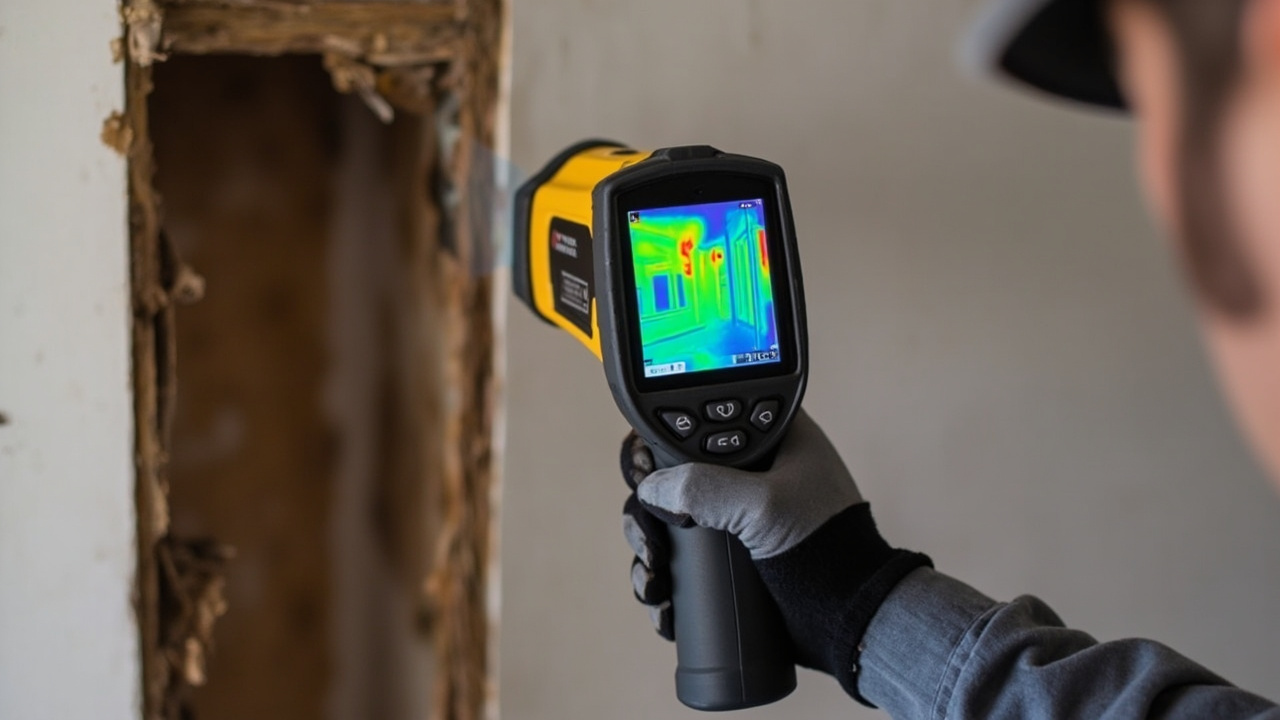
When you call our emergency line, a live person answers and dispatches a crew to your property within 60 minutes, any hour of the day or night. We arrive with truck-mounted extraction units, industrial air movers, commercial dehumidifiers, and moisture detection equipment. Our technicians map moisture levels in walls, floors, and ceilings using thermal imaging and moisture meters, then create a drying plan specific to your property's construction and the extent of water intrusion.
We document everything with photos and moisture readings for insurance claims. Most homeowners in Kennesaw carry policies through State Farm, Allstate, or Nationwide, and we work directly with adjusters to ensure coverage applies correctly. We handle the paperwork, provide detailed estimates, and advocate for complete restoration, not quick patches.
Our restoration process prevents mold growth by achieving structural drying within 72 hours. We monitor daily, adjust equipment placement, and do not leave until moisture levels return to normal ranges. Properties throughout Town Park, Shiloh Hills, and the neighborhoods around Swift Cantrell Park require different approaches based on construction type, and our crews adapt protocols to match your home's specific needs. You get thorough work, clear communication, and a property returned to pre-loss condition.

We answer emergency calls 24 hours a day and dispatch crews to Kennesaw properties within one hour. Every minute water sits increases damage and restoration costs. Our rapid response stops water intrusion, begins extraction immediately, and prevents secondary damage that develops when properties stay wet overnight or through weekends.

We work directly with insurance adjusters to document damage, provide detailed estimates, and ensure your claim covers complete restoration. Most Kennesaw homeowners carry replacement cost policies that cover water damage mitigation when response is immediate. We handle the paperwork and advocate for thorough repairs, not minimal fixes.
Our crews hold Institute of Inspection Cleaning and Restoration Certification credentials in water damage restoration. They follow established protocols for extraction, drying, and moisture monitoring. You get technicians trained in structural drying science, not laborers with shop vacs. We use thermal imaging and moisture meters to verify complete drying before closing any project.
We understand how homes built on Georgia clay respond to water intrusion and how Cobb County humidity affects drying times. Properties in Kennesaw range from 1980s ranch homes to new construction in subdivisions like Legacy Park. Each requires different extraction and drying approaches. Our crews adapt protocols based on your property's age, construction type, and extent of water damage.
Water damage takes many forms and requires different response strategies. A burst supply line floods a finished basement with clean water that must be extracted within hours. A sewage backup contaminates living spaces with category three water requiring specialized cleaning and disinfection. A slow roof leak goes unnoticed for weeks until ceiling stains appear and mold begins growing in wall cavities. Victory Water Damage Restoration Atlanta handles all categories of water intrusion across Kennesaw properties.
Our emergency water removal services deploy immediately when active flooding threatens your property. We extract standing water, remove saturated materials, and begin structural drying before secondary damage develops. Our water damage cleanup and remediation services address contamination from sewage backups, storm flooding, or long-term leaks where microbial growth has started. Our water damage mitigation services work with properties where damage is contained but requires professional drying and monitoring to prevent mold colonization. Each service category uses specialized equipment and follows protocols matched to the water source, contamination level, and affected materials.
When water is actively flooding your property from burst pipes, appliance failures, or storm intrusion, we dispatch within 60 minutes with truck-mounted extraction equipment. Our crews remove standing water, pull saturated carpet padding and insulation, and set up industrial air movers and dehumidifiers to begin structural drying. We stop water at the source, extract completely, and establish drying conditions before secondary damage develops. This service prevents the progression from simple water cleanup to mold remediation.
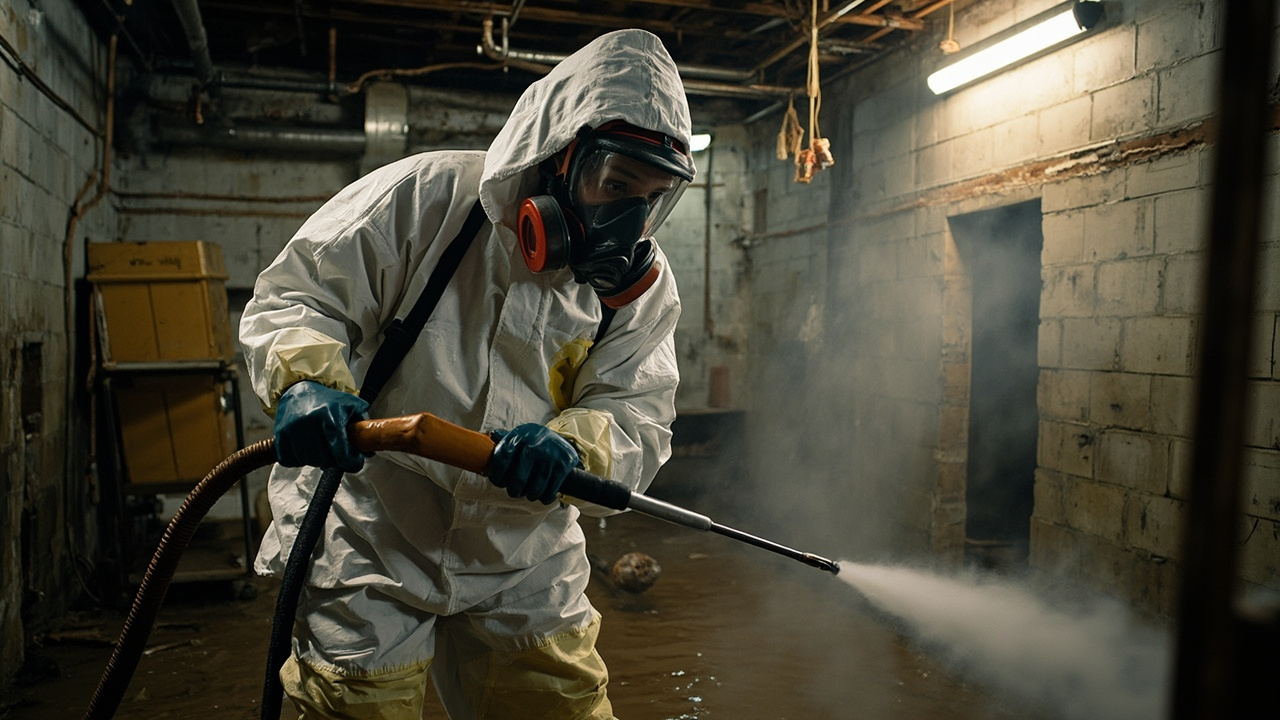
Sewage backups and contaminated floodwater require specialized handling beyond standard water extraction. Our crews wear protective equipment, remove contaminated materials according to EPA guidelines, and apply antimicrobial treatments to affected surfaces. We contain work areas to prevent cross contamination, dispose of unsalvageable materials properly, and disinfect salvageable structures. This service addresses health hazards and restores safe living conditions after contaminated water events that occur during heavy storms or sewer line failures.
Water absorbed into wall cavities, subflooring, and framing requires controlled drying to prevent mold growth and structural damage. We use thermal imaging to map moisture intrusion, place equipment strategically based on construction type, and monitor daily with moisture meters. Our crews document drying progress, adjust equipment as needed, and verify that all materials return to normal moisture content before removal. This methodical approach prevents mold colonization and ensures insurance documentation shows complete mitigation.
Kennesaw properties encounter water damage from multiple sources throughout the year. Summer thunderstorms dump intense rainfall that overwhelms gutters and finds entry through foundation cracks and window wells. Winter freezes crack supply lines in crawl spaces and attics when temperatures drop below 25 degrees for extended periods. Aging homes in established neighborhoods like Shiloh Hills and near downtown Kennesaw have original plumbing from the 1980s and 1990s that fails without warning.
The red clay soil throughout Cobb County creates drainage challenges that manifest as basement seepage and foundation leaks after heavy rains. Properties near Noonday Creek and the greenspaces around Swift Cantrell Park see seasonal flooding when waterways exceed capacity. HVAC systems in attics develop condensate line clogs that overflow and saturate insulation and ceiling drywall below. Water heaters in garages fail and flood finished spaces. Each scenario requires immediate response to prevent the progression from water intrusion to mold growth, which begins within 24 to 48 hours in Georgia's humid climate.
Georgia red clay does not absorb water efficiently. After heavy rains, groundwater accumulates around foundations and seeps through cracks, control joints, and foundation walls. Basements in older Kennesaw homes flood seasonally when gutters overflow or grading directs runoff toward the structure. Standing water damages flooring, drywall, and stored belongings. Rapid extraction and structural drying prevent permanent damage and mold growth in finished basement spaces.
When Kennesaw temperatures drop below freezing for extended periods, water in supply lines expands and cracks pipes. Breaks occur in crawl spaces, attics, and exterior walls. When temperatures rise, water flows freely and floods rooms before homeowners discover the failure. Burst pipe events release hundreds of gallons per hour, saturating insulation, drywall, and flooring. Immediate shutoff and professional extraction prevent catastrophic damage.
Air conditioning systems in attics produce condensation that drains through dedicated lines. When lines clog with algae or debris, drip pans overflow and water soaks attic insulation and ceiling drywall below. Homeowners notice brown stains on ceilings or water dripping into living spaces. The moisture saturates insulation and creates conditions for mold growth within 48 hours. Professional drying and insulation replacement restore the affected areas.
Water heaters, washing machines, and dishwashers fail and flood surrounding spaces. Supply lines crack or pull loose from connections. Failures happen without warning, often when homeowners are away or asleep. A single supply line break releases water continuously until someone shuts off the main valve. Flooded laundry rooms, garages, and kitchens require immediate extraction to prevent water migration into adjacent rooms and subflooring damage.
Water damage creates stress and uncertainty. You need clear answers and immediate action. When you contact Victory Water Damage Restoration Atlanta for emergency service in Kennesaw, a live person answers your call any hour and dispatches a crew to your property within 60 minutes. Our technicians arrive with commercial extraction and drying equipment, assess the extent of damage, and begin mitigation work immediately.
We explain what needs to happen, provide an honest timeline, and answer questions about insurance coverage. Our crews work methodically through extraction, material removal, and equipment placement while documenting everything for claims. You receive daily updates on drying progress and clear communication about when equipment can be removed. We do not disappear after the first day or leave you managing the process alone. You get professional service from emergency call through final verification that your property has returned to normal moisture levels.
Our emergency line connects you to a real person who takes information about your water damage situation and dispatches a crew immediately. Technicians arrive within 60 minutes with extraction equipment and moisture detection tools. They assess affected areas, identify the water source, and explain what needs to happen. You receive an honest evaluation of damage severity, estimated timeline, and equipment requirements. We answer questions about insurance coverage and begin work as soon as you approve the plan.
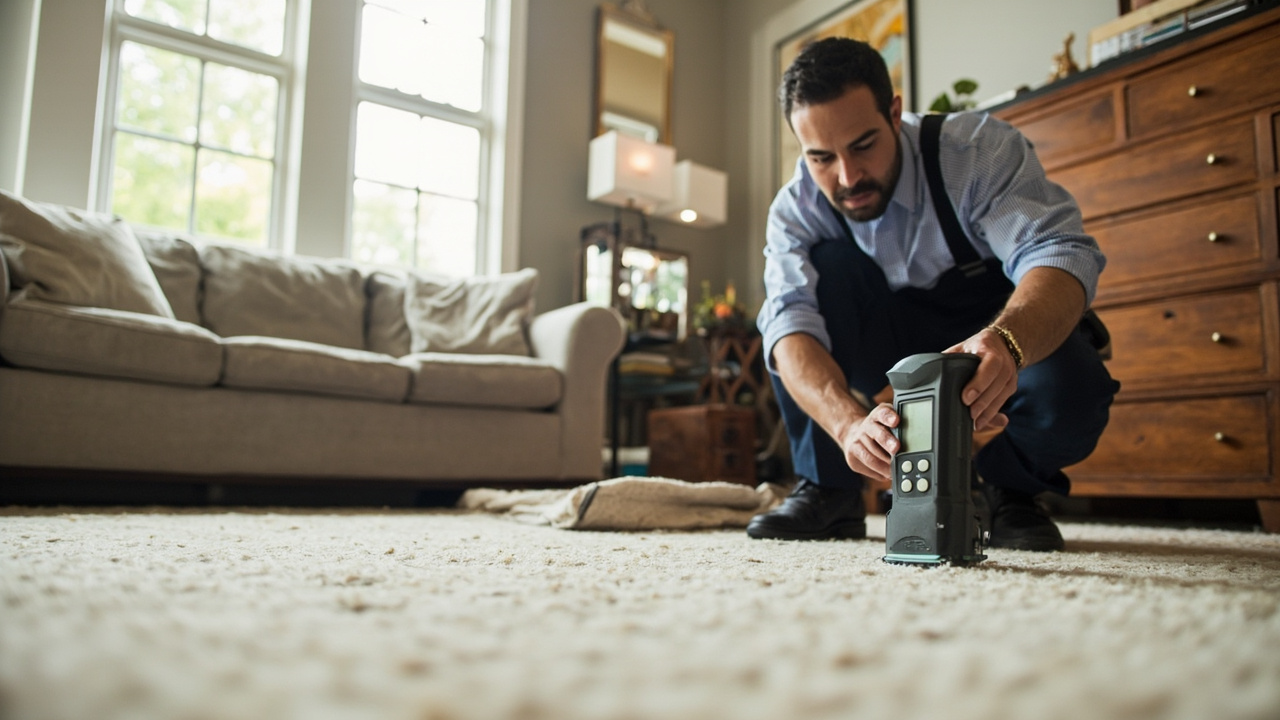
Structural drying requires three to five days depending on materials affected and moisture levels. Our technicians return daily to take moisture readings, adjust air mover and dehumidifier placement, and document progress. You receive updates on drying status and realistic projections for equipment removal. We do not pull equipment prematurely or extend timelines unnecessarily. Monitoring continues until moisture meters confirm all affected materials have returned to normal ranges for Georgia climate conditions.
Insurance requires documentation showing damage extent, mitigation efforts, and verification of complete drying. We photograph affected areas before and after, log daily moisture readings, and provide detailed estimates that align with Xactimate pricing used by adjusters. Our reports show equipment placement, drying protocols followed, and confirmation that all work meets IICRC standards. This documentation supports your claim and demonstrates professional mitigation that prevents secondary damage. We communicate directly with adjusters when needed to answer questions and advocate for complete restoration coverage.
Water damage restoration follows a proven sequence that stops damage progression and returns properties to pre-loss condition. Our process moves through emergency response, structural drying, and final verification to ensure complete restoration.
We respond within 60 minutes, locate and stop the water source, then extract all standing water using truck-mounted pumps and portable extractors. Crews remove saturated materials like carpet padding and insulation that cannot be dried effectively. We pull baseboards to allow airflow into wall cavities and document initial moisture levels in floors, walls, and ceilings. This phase stabilizes the property and prevents water migration to unaffected areas.
Industrial air movers and commercial dehumidifiers run continuously to remove moisture from building materials. We position equipment based on thermal imaging that shows moisture patterns in walls and floors. Technicians return daily to take moisture readings, adjust equipment placement, and document drying progress. This phase continues until moisture meters confirm all materials have reached normal levels, which prevents mold growth and structural damage.
We perform final moisture testing across all affected areas to verify complete drying. Equipment is removed only after readings confirm materials are within normal ranges. We provide complete documentation showing initial damage, drying protocols, daily readings, and final verification for insurance claims. Any reconstruction needs are coordinated, and your property is returned to pre-loss condition with all work meeting current building codes.
Professional water damage restoration follows established protocols that ensure complete mitigation and prevent secondary damage. The Institute of Inspection Cleaning and Restoration Certification sets industry standards through the IICRC S500 Standard and Reference Guide for Professional Water Damage Restoration. This document defines water categories, establishes drying goals, and outlines equipment requirements based on affected materials.
Category one water from supply lines and appliance failures contains no contamination but requires rapid extraction to prevent category two progression when organic materials stay wet beyond 48 hours. Category two water from washing machine overflows or toilet tanks contains some contamination and requires antimicrobial treatment. Category three water from sewage backups and outdoor flooding contains harmful bacteria and requires specialized handling, protective equipment, and disposal of porous materials.
Structural drying follows psychrometric principles that measure temperature, humidity, and moisture content. Kennesaw's average indoor humidity of 45 to 55 percent requires dehumidification equipment capable of removing moisture from the air while air movers accelerate evaporation from wet materials. We calculate grain depression, which measures the difference between indoor and outdoor moisture levels, to determine equipment needs and drying efficiency.
Georgia's humid subtropical climate affects drying times compared to arid regions. Hardwood floors, drywall, and framing lumber contain higher baseline moisture content in Cobb County than in drier climates. Our moisture meters are calibrated for these regional differences, and we establish drying goals based on normal moisture content for materials in Georgia, not universal standards that do not account for climate variations. This regional knowledge prevents over-drying that damages materials or premature equipment removal that allows mold colonization.
Insurance restoration requires documentation that proves mitigation efforts followed industry standards. We photograph affected areas before extraction, log daily moisture readings in floors, walls, and ceilings, and provide thermal imaging that shows moisture patterns. Final verification includes moisture readings confirming all materials have reached normal ranges. This documentation satisfies insurance requirements and protects homeowners from claim disputes about whether restoration was complete or necessary.
The IICRC S500 establishes water damage restoration protocols including response time requirements, moisture measurement techniques, and equipment placement strategies. We follow these standards for extraction, drying, and verification. Technicians hold IICRC certification in water damage restoration and apply protocols specific to affected material types. This ensures consistent quality and meets insurance documentation requirements for professional mitigation.
Water damage restoration costs depend on water volume, affected square footage, material types, and contamination category. Clean water extraction and drying costs less than sewage cleanup requiring disposal and disinfection. Hardwood floor drying requires specialized equipment and extended timelines compared to concrete slab drying. Insurance typically covers sudden failures like burst pipes but may exclude gradual damage from slow leaks. We provide detailed estimates that align with Xactimate pricing used by adjusters.
Structural drying requires three to five days for most residential water damage in Kennesaw's climate. Hardwood floors may need seven to ten days to release moisture without warping. Drywall dries within 72 hours if air movers and dehumidifiers run continuously. We monitor daily and adjust equipment based on moisture readings, not arbitrary timelines. Equipment stays in place until verification confirms complete drying, which prevents mold growth and satisfies insurance documentation requirements.
Homeowner policies require immediate action to prevent secondary damage after water intrusion. Failure to mitigate promptly can result in claim denials for mold or structural damage that develops from delayed response. We document initial damage, mitigation efforts, and complete drying to satisfy carrier requirements. Most policies cover sudden water damage from burst pipes, appliance failures, and storm intrusion but exclude flood damage requiring separate flood insurance through FEMA.
Victory Water Damage Restoration Atlanta serves properties throughout Kennesaw and surrounding Cobb County areas. Our emergency response reaches the established neighborhoods around downtown Kennesaw where homes built in the 1980s and 1990s face aging plumbing and foundation challenges from Georgia clay soil. We respond to properties in Legacy Park and the subdivisions near Ben Robertson Community Center where newer construction still encounters water damage from burst supply lines and appliance failures.
The residential areas surrounding Swift Cantrell Park and along Jiles Road see seasonal flooding when Noonday Creek exceeds capacity during heavy storms. These properties require rapid extraction and structural drying to prevent mold growth in finished basements and crawl spaces. We serve the neighborhoods near North Cobb Regional Library where homes built on sloped lots face drainage challenges that manifest as foundation seepage and basement water intrusion.
Properties in the Shiloh Hills area and neighborhoods extending toward Town Center at Cobb face water damage from aging infrastructure and storm-related flooding. Our crews understand how different construction types throughout Kennesaw respond to water intrusion. Ranch homes with crawl spaces require different drying approaches than two-story homes with finished basements. Homes built on slab foundations dry faster than properties with pier and beam construction common in older sections of Kennesaw.
We extend service throughout Cobb County to areas near Acworth, Marietta, and the communities along Barrett Parkway. Water damage does not respect city boundaries, and our 60-minute response time covers properties throughout the greater Kennesaw metro area. Whether your property sits in an established neighborhood near Kennesaw Mountain National Battlefield Park or in newer developments along Cobb Parkway, our crews arrive equipped to handle emergency water extraction, structural drying, and complete restoration. We maintain relationships with local adjusters, understand regional building practices, and adapt protocols to match construction types specific to Cobb County properties.
While we provide rapid mobile water damage restoration services directly to your doorstep throughout the Atlanta metropolitan area, you can also view our primary service location on the map below. This helps visualize our operational reach and assures you that expert assistance is always within your vicinity. We are always ready to deploy our dedicated teams to your precise location, ensuring swift and effective service whenever you need us, guaranteeing peace of mind.
Address:
Kennesaw, GA, 30144
Water damage happens quickly and often without warning in the Atlanta metro area. Whether a pipe burst in a Buckhead high-rise or a basement flooded after a heavy storm in Decatur, the resulting mess is…
Alpharetta Water Damage Specialists for Fast Mold Prevention and Drying in North FultonWater emergencies in…
Professional Sewage Backup Cleanup and Restoration in Atlanta GeorgiaA sewage backup in your Atlanta home…
Water damage in an Edgewood home creates an immediate crisis that requires fast decision making.…
Every hour water sits in your Kennesaw property increases damage and restoration costs. Victory Water Damage Restoration Atlanta responds within 60 minutes, 24 hours a day. Call (678) 397-3666 now for emergency water extraction and professional structural drying.