menu

Does Insurance Cover Mold in Atlanta? Get Clear Answers on Your Policy Coverage

Understanding homeowners insurance mold coverage in Atlanta can save you thousands. We decode your policy language, clarify what triggers coverage, and explain the exact documentation insurers require for mold remediation claims.

Slider Image 1
Slider Image 2
Slider Image 3
Slider Image 4
Slider Image 5
Slider Image 7
Slider Image 8
Slider Image 9
Slider Image 10
Slider Image 11

Why Mold Coverage Confusion Costs Atlanta Homeowners Thousands

You discovered mold in your Buckhead basement or Decatur crawlspace, and now you are staring at your homeowner's policy wondering what is actually covered. Most Atlanta residents assume their insurance pays for mold removal, but the reality is far more complicated.

Atlanta's humid subtropical climate creates the perfect breeding ground for mold. Our average humidity hovers around 69 percent year-round, and when combined with older homes in neighborhoods like Virginia Highland or Grant Park, moisture intrusion becomes inevitable. The problem is not whether mold will grow. The problem is whether your insurance company will pay when it does.

Most standard homeowners insurance mold coverage in Georgia includes significant exclusions. Policies typically cover mold only when it results from a sudden, accidental water event like a burst pipe or storm damage. Gradual moisture problems, like a slow roof leak or chronic condensation, usually trigger denial letters.

The distinction matters because is mold damage covered by insurance depends entirely on what caused the moisture. A washing machine supply line that ruptures and floods your laundry room? Covered. A window seal that has been leaking for six months? Denied.

Georgia law does not mandate mold coverage. Insurers can cap payouts at $10,000 or exclude it entirely. Some policies offer endorsements for additional mold protection, but most homeowners never realize they need to purchase this coverage separately until they file a claim.

When Victory Water Damage Restoration Atlanta responds to water damage calls, we document everything because we know how mold remediation insurance claims get evaluated. The difference between a $15,000 payout and a claim denial often comes down to proving the timeline and source of water intrusion.

Why Mold Coverage Confusion Costs Atlanta Homeowners Thousands
How Insurance Companies Actually Evaluate Mold Claims in Georgia

How Insurance Companies Actually Evaluate Mold Claims in Georgia

Insurance adjusters look for three things when evaluating whether property insurance mold coverage applies to your situation. First, they establish the moisture source. Second, they determine the timeline. Third, they assess whether you took reasonable steps to prevent mold growth after discovering water damage.

The peril that caused water intrusion dictates everything. Covered perils under Georgia homeowners policies typically include sudden pipe bursts, appliance malfunctions, storm damage, and fire suppression water. Excluded perils include flood (requires separate coverage), earth movement, neglect, and gradual deterioration.

Here is where Atlanta homeowners get caught. You notice a ceiling stain in your Midtown condo. You assume it is minor and wait two weeks before calling someone. By then, mold has colonized the drywall. The insurer argues you failed to mitigate damage promptly. Your claim gets reduced or denied based on your response timeline, not the water source.

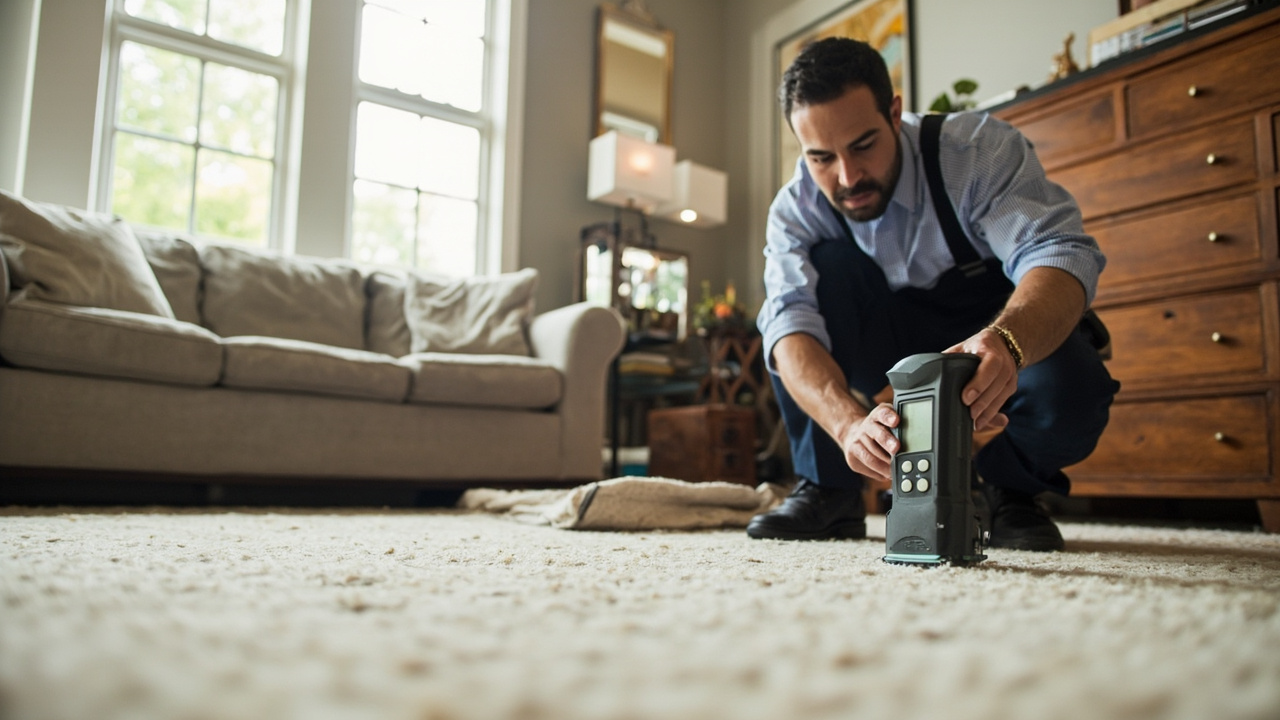
Victory Water Damage Restoration Atlanta works directly with adjusters because we understand their evaluation criteria. We photograph moisture readings, document affected materials, and create thermal imaging reports that establish the moisture timeline. This evidence matters when insurers question whether mold resulted from a covered peril.

Does home insurance pay for mold removal? Only when you can prove three elements. You must show the water source qualifies as a covered peril. You must demonstrate the timeline proves sudden damage, not gradual neglect. You must provide documentation showing you acted reasonably to stop further damage.

Professional remediation companies create the paper trail adjusters need. Moisture meters, hygrometers, and infrared cameras generate objective data. We measure humidity levels, identify hidden moisture pockets, and map the extent of contamination. This technical documentation transforms your claim from subjective description into measurable fact.

What Actually Happens When You File a Mold Insurance Claim

Does Insurance Cover Mold in Atlanta? Get Clear Answers on Your Policy Coverage
01

Initial Documentation Phase

You contact your insurer within 24 hours of discovering mold or water damage. The carrier assigns an adjuster and opens a claim file. You photograph all visible damage, note the discovery date, and identify the suspected moisture source. Professional water damage companies provide detailed loss documentation including moisture mapping, thermal imaging, and material testing results. This evidence package establishes the baseline for your mold remediation insurance claims process.
02

Adjuster Evaluation Process

The insurance adjuster inspects your property to verify the moisture source and assess damage extent. They compare your documentation against policy exclusions and coverage limits. Adjusters often hire third-party environmental consultants to test air quality and surface samples. Your claim hinges on proving the mold resulted from a sudden covered peril rather than long-term maintenance neglect. Professional remediation contractors provide technical reports that support your timeline and causation arguments.
03

Coverage Determination and Payout

The insurer issues a coverage determination letter explaining what portions of your claim qualify for payment. Approved claims receive payment for remediation, affected materials replacement, and temporary housing if needed. Denied claims include explanation of which policy exclusions apply. Partial approvals cover some damage while excluding other areas based on causation disputes. You can appeal denials by providing additional technical documentation or hiring a public adjuster to re-evaluate your homeowners insurance mold coverage claim.

Why Atlanta Homeowners Need Local Mold Coverage Expertise

Georgia insurance law treats mold differently than most states. We operate under contributory negligence rules, meaning if the insurer proves you contributed to mold growth through neglect, they can reduce or deny your entire claim. This makes local documentation expertise critical.

Atlanta's building stock compounds the problem. Homes in Inman Park, Candler Park, and other historic districts feature pier and beam foundations, uninsulated crawlspaces, and outdated moisture barriers. These older construction methods create chronic humidity problems that insurers classify as maintenance issues rather than covered losses.

Victory Water Damage Restoration Atlanta understands how Georgia adjusters evaluate claims because we work with them weekly. We know they scrutinize HVAC maintenance records, looking for evidence you maintained proper humidity control. We know they check for previous water damage claims, searching for patterns of neglect. We document everything to counter these standard objections.

The thermal imaging technology we deploy reveals moisture sources invisible to standard inspection. We can prove whether that wall cavity moisture came from last week's pipe leak or six months of condensation. This distinction determines whether your claim gets approved or denied.

Local code knowledge matters too. Atlanta amended its building code in 2020 to require enhanced moisture protection in new construction. Adjusters sometimes argue that older homes need similar upgrades before mold claims qualify for full coverage. We provide technical documentation showing your home met applicable code standards when built, protecting you from arbitrary upgrade demands.

Insurance carriers also evaluate regional claim patterns. Atlanta's high mold claim frequency makes adjusters particularly skeptical. They assume exaggeration or fraud. Professional documentation from established local contractors carries more weight than homeowner photographs and descriptions.

We also understand Georgia's specific policy endorsements. Many Atlanta insurers offer mold limitation endorsements capping coverage at specific dollar amounts. Knowing your exact coverage limits before remediation begins prevents surprise denials when costs exceed your cap.

What to Expect When Navigating Mold Insurance Claims

Claim Timeline and Response Speed

Georgia insurers must acknowledge your claim within 15 business days and issue a coverage decision within 30 days of receiving all requested documentation. The actual timeline depends on how quickly you provide evidence and whether the adjuster needs third-party testing. Emergency water extraction and stabilization happens immediately to prevent additional damage. Full mold remediation waits for adjuster approval unless you pay out of pocket. Most Atlanta claims resolve within 45 to 60 days when documentation is thorough and the moisture source is clear.

Assessment and Testing Requirements

Professional mold assessment includes visual inspection, moisture mapping with calibrated meters, thermal imaging to locate hidden water, and sometimes air quality testing to measure spore concentrations. Adjusters want to see moisture content readings below 15 percent in wood and below 2 percent in drywall to verify materials have dried adequately. Surface sampling identifies mold species, which matters because some policies cover toxic mold differently than common molds. Assessment reports must document the affected square footage because Georgia policies often cap coverage at specific remediation sizes.

Remediation Quality and Scope

Proper mold remediation follows IICRC S520 standards, which specify containment procedures, air filtration requirements, and material removal protocols. Adjusters expect to see negative air pressure containment for areas larger than 10 square feet, HEPA filtration during demolition, and antimicrobial treatment of affected surfaces. The scope of work must match the documented contamination extent. Over-remediation beyond tested areas triggers claim disputes. Under-remediation leaves mold behind and voids insurance coverage if it spreads later. Professional contractors balance thorough cleanup with defensible scope documentation that satisfies adjuster requirements while protecting your health.

Post Remediation Verification and Documentation

Clearance testing verifies successful remediation before reconstruction begins. Third-party environmental consultants collect post-remediation air samples and compare spore counts to outdoor baseline levels. Insurers require passing clearance results before approving reconstruction costs. Documentation includes final moisture readings proving all materials dried below threshold levels, photographs showing removed materials, and chain of custody records for disposed contaminated items. This final evidence package closes your claim file and protects you from future disputes if mold recurs in different areas. Keep all remediation records for at least seven years in case of coverage questions on future claims.

Frequently Asked Questions

You Have Questions,
We Have Answers

Should I tell my insurance company about mold? +

Yes, you should notify your insurer about mold, but timing matters. Review your policy first to understand your coverage and exclusions. Document the mold with photos and identify the source. If the mold resulted from a covered peril like a sudden pipe burst, you have a stronger claim. If it stems from long-term neglect or Atlanta's high humidity without proper ventilation, coverage is unlikely. Report the incident promptly, as delayed notification can jeopardize your claim. Get a professional assessment before filing to determine if the damage meets your deductible and whether filing makes financial sense.

Can you claim for mold on house insurance? +

You can claim mold damage only if it resulted from a covered peril. Most homeowners policies cover mold caused by sudden, accidental water damage like burst pipes or appliance malfunctions. They exclude mold from flooding, prolonged leaks, poor ventilation, or Atlanta's chronic humidity issues. Check your policy declarations for mold coverage limits, often capped at $5,000 to $10,000. Some insurers offer mold endorsements for higher limits. Document the water source, timeline, and visible damage. Your claim will fail if the insurer determines the mold stems from deferred maintenance or gradual moisture intrusion.

How long does it take for mold to spread in walls? +

Mold can begin spreading within 24 to 48 hours after water exposure, especially in Atlanta's humid climate. Inside walls, mold grows undetected, feeding on drywall, insulation, and framing. Slow leaks or condensation create perfect conditions. Within a week, colonies establish deep root systems that penetrate porous materials. By two weeks, spores spread through HVAC systems to other rooms. The speed depends on moisture levels, temperature, and airflow. Once mold reaches structural cavities, remediation becomes costly and invasive. Early detection through moisture meters and thermal imaging prevents severe contamination.

Is mold exposure covered by insurance? +

Mold exposure itself is not covered by homeowners insurance. Standard policies cover property damage from mold, not health claims or medical expenses related to exposure. If you suffer respiratory issues, allergic reactions, or other health problems from mold, those fall under health insurance, not homeowners coverage. Liability coverage may apply if a guest becomes ill from mold in your home, but proving causation is difficult. Workers' compensation covers employees exposed to mold in commercial settings. For Atlanta residents, addressing mold quickly prevents both health risks and coverage disputes.

How expensive is mold removal? +

Mold removal costs vary widely based on contamination extent and location. Small, surface-level jobs run a few hundred dollars. Extensive remediation involving wall removal, HVAC cleaning, and structural drying in Atlanta homes can reach thousands. Factors include square footage affected, mold type, accessibility, and whether you need temporary relocation. Black mold remediation costs more due to safety protocols. Crawl space mold in Atlanta's clay soil areas requires encapsulation and drainage work. Get multiple quotes from licensed remediators. Costs are not standardized, so prices reflect scope, not market rate.

Will my rates go up if I file a mold claim? +

Filing a mold claim can increase your rates, though it depends on your insurer, claims history, and policy terms. Insurers view mold claims as high-risk because they signal potential maintenance issues or water damage patterns. A single claim may not trigger a rate hike, but multiple water-related claims within three to five years will. Some carriers non-renew policies after mold claims. In Atlanta's competitive insurance market, shopping for new coverage after a claim can be difficult and expensive. Weigh the claim payout against your deductible and potential premium increases before filing.

What to do if you can't afford mold removal? +

If you cannot afford professional mold removal, start by stopping the moisture source. Fix leaks, improve ventilation, and use dehumidifiers to lower humidity below 50 percent. For small surface areas under 10 square feet, you can clean with detergent and water, then dry thoroughly. Do not disturb large mold colonies, as this releases spores. Contact local Atlanta health departments or housing assistance programs for resources. Some nonprofits offer remediation help for low-income homeowners. Payment plans or financing through remediation companies may be available. Ignoring mold worsens structural damage and health risks.

What are the signs of mold in a house? +

Visible mold appears as black, green, or white patches on walls, ceilings, or grout. You may notice a musty, earthy odor even without visible growth. Water stains, discoloration, or peeling paint signal moisture problems that lead to mold. Warped baseboards or buckling floors indicate hidden leaks. Increased allergy symptoms, coughing, or respiratory issues when indoors suggest airborne spores. In Atlanta homes, check crawl spaces, attics, and HVAC systems after heavy rains or humidity spikes. Condensation on windows or persistent dampness in bathrooms are red flags requiring immediate attention.

What are my rights if my insurance denies a mold claim? +

If your insurer denies a mold claim, request a written explanation citing specific policy language. Review your policy to verify their reasoning. You can dispute the denial by providing additional documentation, such as plumber reports proving sudden water damage or moisture readings showing the timeline. Hire a public adjuster to reassess the claim or an attorney specializing in insurance disputes if the denial seems unjust. Georgia law requires insurers to handle claims in good faith. File a complaint with the Georgia Insurance Commissioner if you suspect bad faith practices. Do not accept the first denial without challenge.

Will mold go away if it dries out? +

Mold does not disappear when it dries out. Dormant mold spores remain viable and reactivate when moisture returns. Dried mold is still allergenic and can release spores when disturbed during cleaning or demolition. The root structure, called hyphae, penetrates porous materials like drywall and wood, surviving indefinitely without water. In Atlanta's humid climate, dried mold quickly recolonizes after rain or seasonal humidity increases. Proper remediation requires physical removal of contaminated materials and treating surfaces with antimicrobial solutions. Simply drying the area does not eliminate the health risk or structural damage mold causes.

Why Atlanta's Humidity and Older Housing Stock Complicate Mold Insurance Claims

Atlanta averages 51 inches of rainfall annually, 11 inches above the national average, and our summer dew points regularly exceed 70 degrees. This constant moisture load means homes in East Atlanta, Old Fourth Ward, and West End neighborhoods battle condensation even when no active leaks exist. Insurance adjusters know this. They scrutinize whether your mold resulted from Atlanta's ambient humidity, which they classify as a maintenance issue requiring dehumidification, or from a sudden covered water event. The distinction determines whether homeowners insurance mold coverage applies or whether you pay out of pocket. Victory Water Damage Restoration Atlanta uses calibrated hygrometers and moisture mapping to prove your mold came from acute water intrusion, not chronic humidity neglect.

Georgia does not license mold remediation contractors, which means anyone can claim expertise without proving competency. This regulatory gap makes insurance companies skeptical of remediation estimates and technical reports from unknown contractors. Victory Water Damage Restoration Atlanta carries full documentation showing IICRC certification, EPA Lead-Safe certification, and ongoing technical training. We provide adjusters with the third-party credentials they need to approve claims without dispute. Our familiarity with Atlanta-area adjusters and their specific documentation requirements accelerates approvals and reduces claim denials. When your financial outcome depends on technical credibility, local expertise and established adjuster relationships matter more than the lowest bid.

Water Damage Restoration Services in The Atlanta Area

While we provide rapid mobile water damage restoration services directly to your doorstep throughout the Atlanta metropolitan area, you can also view our primary service location on the map below. This helps visualize our operational reach and assures you that expert assistance is always within your vicinity. We are always ready to deploy our dedicated teams to your precise location, ensuring swift and effective service whenever you need us, guaranteeing peace of mind.

Address:
Victory Water Damage Restoration Atlanta, 1055 Howell Ml Rd, Atlanta, GA, 30318

Additional Services We Offer

Our news updates

Latest Articles & News from The Blogs

Risks of Buying a House with Water Damage in Mableton and How to Protect Your Investment Buying a house represents…

Risks of Buying a House with Water Damage in Mableton and How to Protect Your Investment

Risks of Buying a House with Water Damage in Mableton and How to Protect Your Investment Buying a house represents…

Getting the right City of Atlanta building permits for major water damage repairs

Getting the right City of Atlanta building permits for major water damage repairsMajor water damage in your Atlanta home often…

Identifying chimney water leaks in Candler Park homes before they ruin your walls

Living in the historic Candler Park neighborhood offers unique architectural charm but the older masonry systems require constant attention. In…

Contact Us

Stop guessing whether your policy covers mold damage. Victory Water Damage Restoration Atlanta provides free insurance coverage consultations and can review your policy language before you file a claim. Call (678) 397-3666 now to speak with a certified water damage specialist who understands Georgia mold coverage rules.