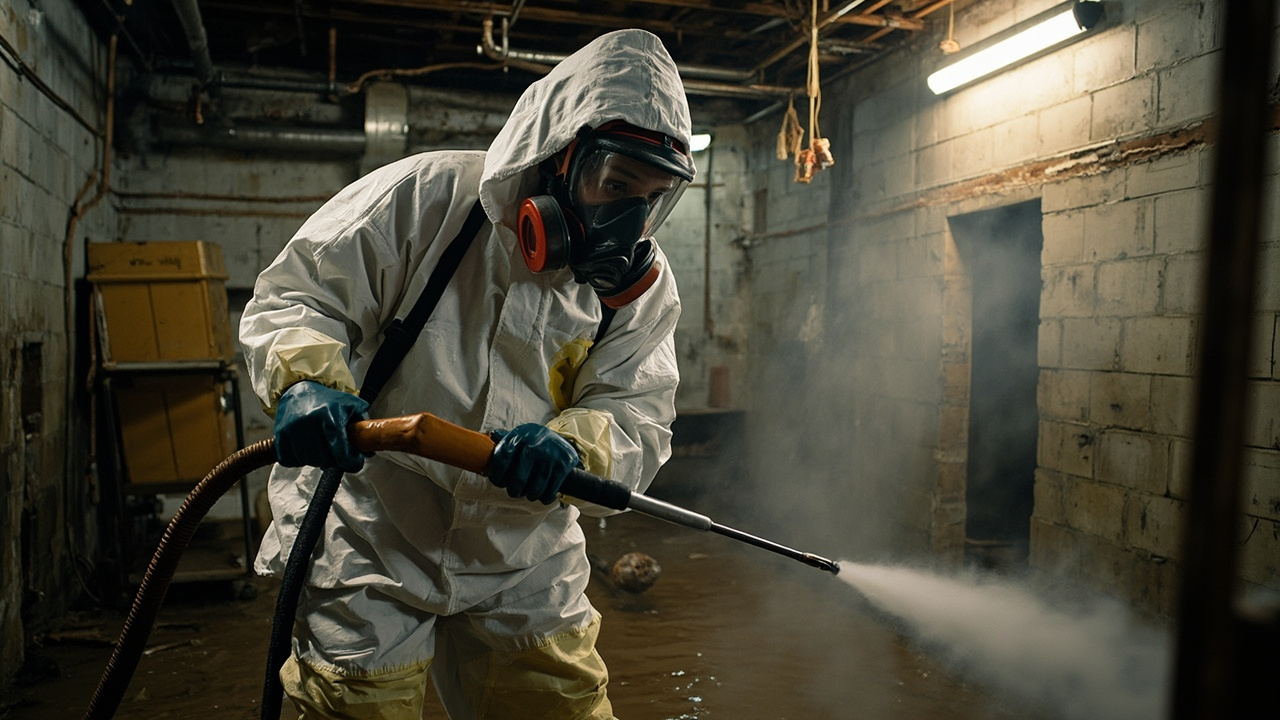
Atlanta Fire Rescue responds quickly within city limits, but the speed of firefighting creates a paradox for property owners. Aggressive fire suppression floods structures with thousands of gallons of water in minutes, saturating everything flames did not touch. This necessary lifesaving tactic creates immediate secondary damage risks in Atlanta's humid climate. Within 24 hours, wet insulation and drywall begin supporting mold growth. Atlanta's clay soil beneath homes in neighborhoods like Morningside and Candler Park prevents moisture from draining naturally, trapping water against foundation walls. Fire cleanup services must address both fire damage and water intrusion simultaneously, using commercial extraction equipment and dehumidification systems that residential fans cannot match. The combination of smoke contamination and water saturation demands coordinated remediation, not separate contractors working in sequence.
Victory Water Damage Restoration Atlanta maintains relationships with fire marshals and inspectors throughout Fulton, DeKalb, and Cobb counties, understanding each jurisdiction's specific documentation requirements for reoccupancy permits. We know which fires trigger mandatory electrical inspections versus which allow expedited restoration. This local knowledge prevents the permit delays that leave families in extended hotel stays while contractors wait for approval to begin work. Our familiarity with Atlanta's historic district requirements means properties in conservation zones receive restorations using approved materials and methods from the start, not after preservation boards reject initial work. When you hire local fire restoration specialists, you benefit from relationships built over years of code-compliant work, not learning curves paid for with your timeline.