


Alpharetta sits in North Fulton County where clay-heavy soil and rolling terrain create water migration problems year-round. Properties near Big Creek and the Chattahoochee River corridor face elevated flood risk during Georgia's intense spring thunderstorms. The clay soil common throughout neighborhoods like Haynes Bridge and Cogburn Woods swells when saturated, pushing water toward foundations and into crawl spaces.
Alpharetta's aging housing stock in areas like Brookfield and Crabapple compounds these issues. Many homes built in the 1980s and 1990s have original plumbing that fails without warning. When PEX lines burst inside walls or supply lines crack under pressure, water floods finished spaces before homeowners notice. The city's rapid development also means newer construction in zones like Windward faces grading issues that direct stormwater toward structures instead of away.
Georgia's humidity keeps relative moisture levels high even after extraction. Without proper dehumidification and air movement, wet drywall and insulation breed mold within 24 to 48 hours. Alpharetta's warm summers accelerate microbial growth, turning water damage into a health hazard fast. This climate demands aggressive drying protocols and monitoring equipment to verify spaces return to safe moisture levels. Delayed response or incomplete drying leads to secondary damage that costs more than the original flood.
Victory Water Damage Restoration Atlanta operates from our North Fulton facility with crews that reach every Alpharetta neighborhood in under an hour. We maintain staging equipment specifically for this service area because we know how fast water damage escalates in Georgia's climate. When you call our emergency line, you reach a local dispatcher who knows whether you're in Old Milton or Windward, not a national call center reading from a script.
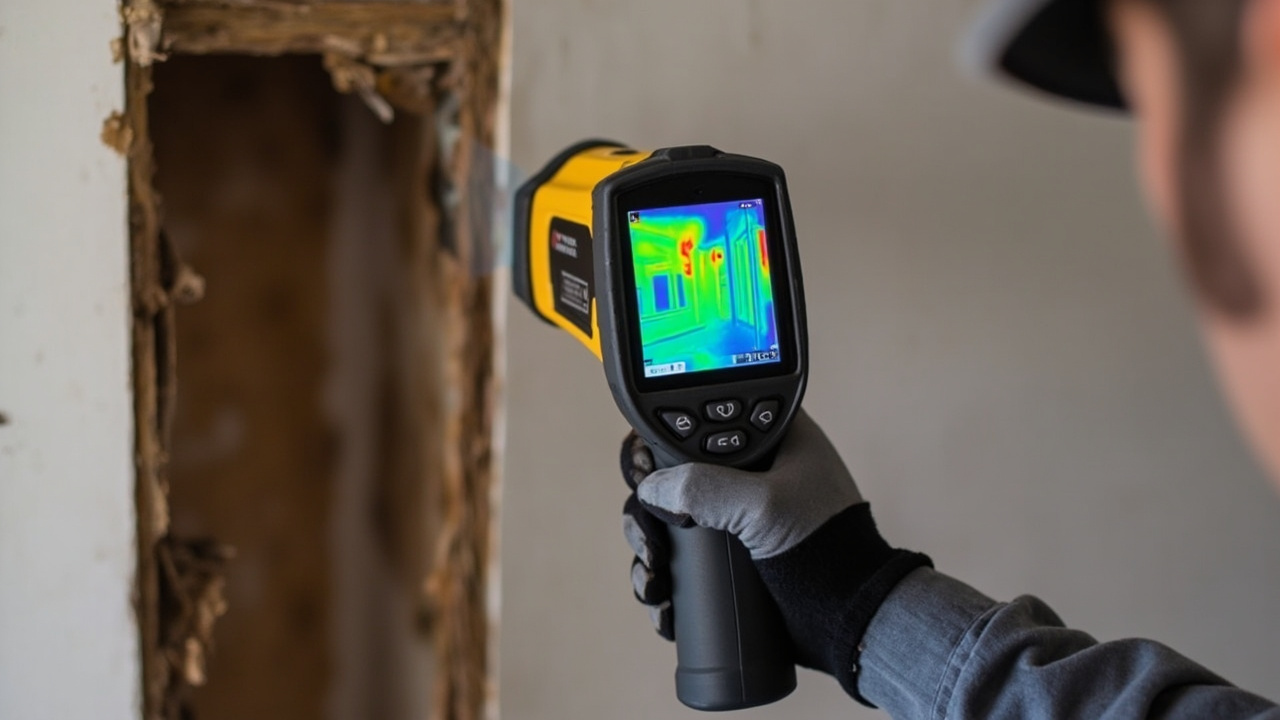
Our technicians hold IICRC Water Damage Restoration certifications and Applied Structural Drying credentials. These certifications require ongoing education about moisture science, psychrometry, and building materials. We use thermal imaging cameras to find hidden moisture in wall cavities and ceilings that standard meters miss. Our truck-mounted extraction units pull thousands of gallons per hour, and our commercial dehumidifiers process air at rates small portable units cannot match.
We document everything for insurance purposes. Our crews photograph damage patterns, measure moisture levels in multiple materials, and create drying logs that satisfy even the strictest adjusters. We communicate directly with carriers like State Farm and Allstate to streamline your claim. Most Alpharetta homeowners never pay out of pocket beyond their deductible when we handle both the restoration and the paperwork.
Victory Water Damage Restoration Atlanta operates 24/7 because floods do not wait for business hours. We answer emergency calls at 2 AM on Christmas morning with the same response speed as Tuesday afternoon. Our reputation in Alpharetta comes from showing up fast, working clean, and finishing jobs completely so families return to dry, safe homes.

Our North Fulton staging location puts crews on site across Alpharetta in under 60 minutes from your call. We dispatch immediately with truck-mounted extraction units and commercial drying equipment already loaded. Fast response stops water from spreading into unaffected rooms and prevents secondary damage that multiplies costs. When you need help now, we are already moving.

Every Victory technician holds current IICRC Water Damage Restoration and Applied Structural Drying certifications. These credentials require testing on moisture science, building materials, and drying protocols. We use thermal imaging and moisture mapping to find hidden water that causes mold weeks later. Certification means we follow industry standards that protect your property and satisfy insurance requirements.
We work directly with your insurance carrier from first contact through final invoice. Our crews document damage with photos, moisture readings, and drying logs that adjusters require for claim approval. We communicate with carriers like State Farm and Allstate to expedite processing so you receive payment faster. Most Alpharetta homeowners pay only their deductible when we manage the claim paperwork.
Our crews know how Alpharetta's clay soil and terrain affect water damage patterns. We understand which neighborhoods near Big Creek face flood risk and where aging plumbing systems fail most often. This local knowledge lets us anticipate problems and implement drying strategies that work specifically in North Fulton's climate. We have restored hundreds of Alpharetta properties and know what works here.
Victory Water Damage Restoration Atlanta handles every type of water intrusion event in Alpharetta from burst pipes to storm flooding. Our service range covers emergency water removal, structural drying, mold remediation, and complete reconstruction. We respond to residential and commercial properties with equipment scaled to match the damage scope.
Water damage repair requires different approaches depending on water source, contamination level, and affected materials. Clean water from supply lines demands different protocols than sewage backups or river flooding. Our technicians assess contamination category and material damage to design extraction and drying plans that meet IICRC S500 standards.
We categorize our services into three core areas based on urgency and damage type. Emergency water removal stops active flooding and extracts standing water before it spreads. Structural drying uses commercial dehumidifiers and air movers to return building materials to safe moisture levels. Water damage mitigation includes content protection, antimicrobial treatment, and reconstruction coordination to restore your property completely. Each service area requires specialized equipment and expertise to protect your Alpharetta property from total loss.
Emergency extraction services stop active flooding and remove standing water from your Alpharetta property within the first critical hours. Our truck-mounted extraction units pull thousands of gallons per hour from flooded basements, saturated carpets, and standing water on hard surfaces. We deploy submersible pumps for deep water and portable extractors for tight spaces. Crews remove soaked contents to prevent permanent damage and pull saturated padding and insulation that cannot be saved. Fast extraction limits water migration into walls and subfloors, reducing overall restoration costs and preventing structural damage.
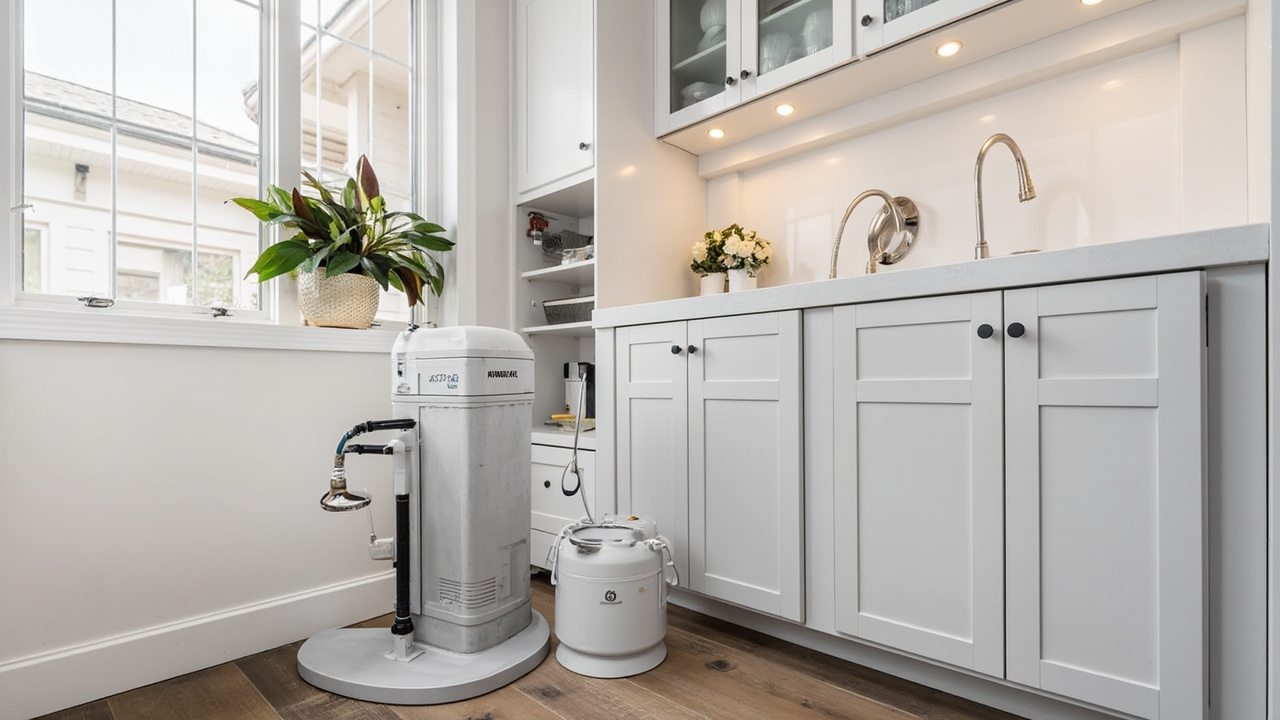
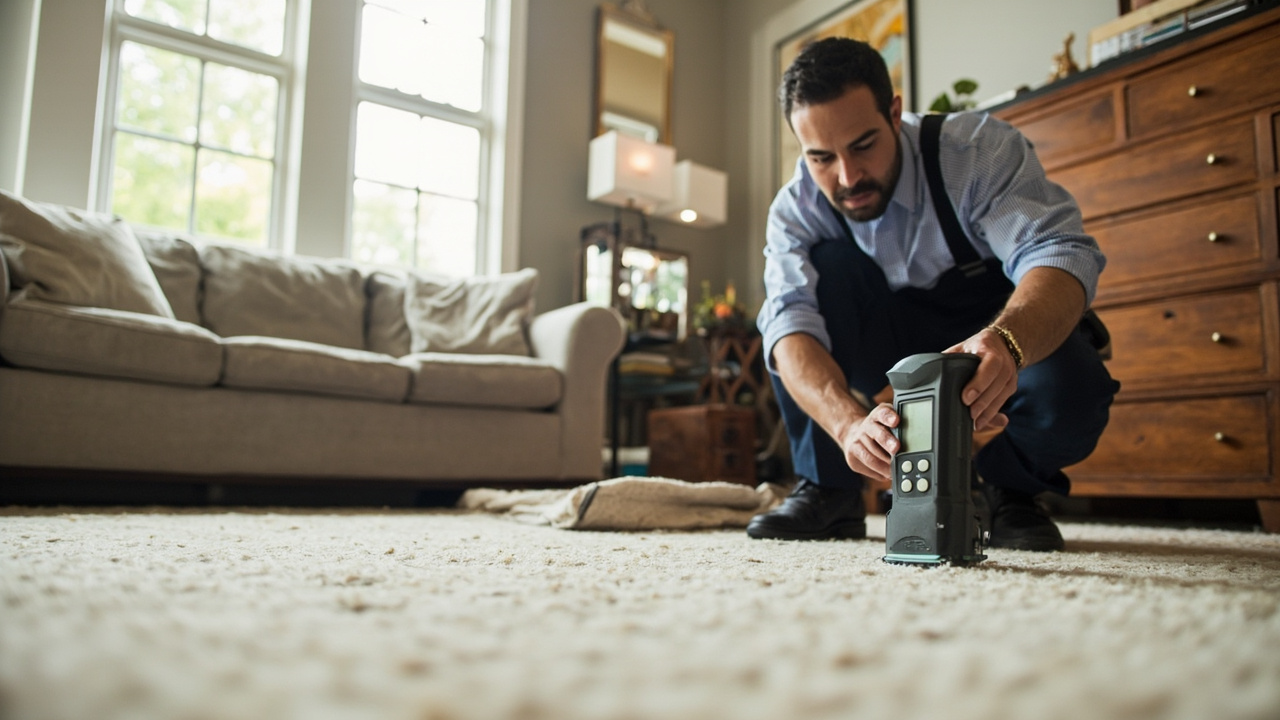
Structural drying uses commercial dehumidifiers and air movement equipment to remove moisture trapped in building materials after water extraction. Our technicians place moisture meters in walls, floors, and ceilings to map wet areas and track drying progress. We position high-velocity air movers to create airflow patterns that accelerate evaporation from saturated drywall and framing. Commercial dehumidifiers process humid air and remove moisture before it condenses on cool surfaces. We monitor equipment daily and adjust placement based on moisture readings to achieve complete drying in three to five days depending on material type and saturation levels.
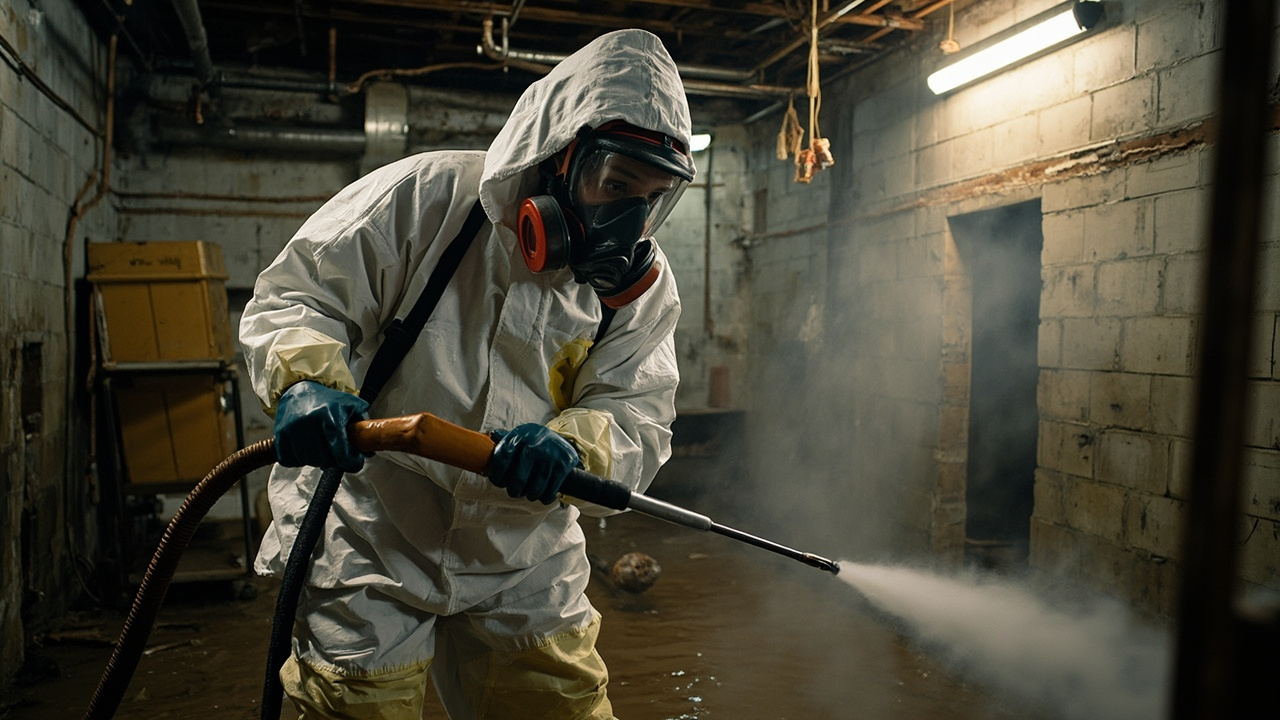
Mold remediation addresses microbial growth that develops when water damage goes untreated or drying happens too slowly. Our crews contain affected areas with plastic barriers and negative air pressure to prevent spore spread during removal. We remove contaminated drywall, insulation, and porous materials that cannot be salvaged. HEPA filtration equipment captures airborne spores during demolition. We treat framing and structural materials with antimicrobial solutions and verify moisture levels drop below thresholds that support growth. Remediation protects indoor air quality and prevents health problems caused by mold exposure in Alpharetta's humid climate.
Alpharetta's combination of clay soil, aging infrastructure, and severe weather creates specific water damage risks that affect properties throughout the city. Homes in established neighborhoods like Brookfield and Crabapple face plumbing failures as original supply lines and drain systems reach the end of their service life. Properties near Big Creek and tributaries in the Chattahoochee River watershed experience flooding during heavy spring storms when rainfall overwhelms drainage systems.
The clay soil prevalent across North Fulton County causes foundation problems that lead to water intrusion. Clay swells when wet and shrinks when dry, creating movement that cracks basement walls and separates foundation seams. Water follows these cracks into finished basements and crawl spaces. Poor lot grading in newer developments like Windward directs stormwater toward structures instead of away, pooling against foundations and seeping through below-grade walls.
Alpharetta's warm, humid climate accelerates secondary damage after water events. Wet building materials breed mold within 24 to 48 hours when temperatures stay above 70 degrees. Hardwood floors cup and buckle as moisture content rises. Drywall loses structural integrity and requires replacement even after drying. These problems compound when property owners delay calling professionals or attempt DIY cleanup with inadequate equipment. The following issues represent the most common water damage scenarios we see across Alpharetta.
Supply line failures dump hundreds of gallons into homes within minutes. Aging PEX connections behind walls and under slabs crack without warning. Winter freezes burst exposed pipes in crawl spaces and attics. Water floods finished spaces and saturates drywall, insulation, and flooring before shutoffs stop the flow. Burst pipes require immediate extraction and structural drying to prevent mold and permanent material damage.
Blocked sewer lines cause contaminated water to back up through drains and toilets. Tree roots infiltrate aging clay sewer pipes common in older Alpharetta neighborhoods. Heavy rain overwhelms municipal systems and forces sewage into homes through floor drains. Category 3 contamination requires specialized cleanup protocols, antimicrobial treatment, and disposal of porous materials that absorb bacteria and pathogens.
Georgia's severe thunderstorms dump inches of rain in hours. Properties near Big Creek and low-lying areas flood when drainage systems cannot handle volume. Roof leaks during wind-driven rain saturate attics and ceilings. Poor grading directs stormwater against foundations where it seeps into basements. Storm damage requires extraction, structural drying, and often reconstruction of wet building materials.
Water heaters, washing machines, and dishwashers fail and leak without warning. Supply hoses burst under pressure and flood laundry rooms and kitchens. Hot water heater tanks crack and dump 40 to 80 gallons across finished floors. Refrigerator ice maker lines develop pinhole leaks inside walls that go unnoticed for weeks. Appliance failures require water removal, subfloor inspection, and cabinet drying to prevent hidden mold growth.
When you contact Victory Water Damage Restoration Atlanta for water damage help, you reach our emergency dispatch line that operates 24 hours a day. Our dispatcher asks about your situation to determine equipment needs and dispatch the right crew configuration. We provide an estimated arrival time and confirm your Alpharetta location to ensure crews reach you quickly.
Our technicians arrive in clearly marked vehicles with extraction and drying equipment already loaded. The crew leader introduces the team and walks through your property to assess damage scope. We explain what we find in plain language and outline the work plan before starting any services. You receive a written estimate that breaks down costs by service category so you understand what insurance should cover.
During restoration work, our project manager contacts you daily with progress updates and moisture readings that show drying advancement. We take photos throughout the process to document conditions for your insurance claim. If reconstruction becomes necessary after drying completes, we coordinate with licensed contractors who work directly with your insurance carrier. You should expect clear communication, professional conduct, and complete restoration that returns your Alpharetta property to pre-loss condition.
Our crews arrive at your Alpharetta property within 60 minutes of your emergency call. The team leader conducts a complete damage assessment using moisture meters and thermal imaging to map wet areas throughout your home. We identify water source, contamination level, and affected materials. You receive a verbal explanation of findings and a written scope of work that outlines extraction, drying, and restoration steps. We answer your questions and address concerns before starting any work so you understand the process completely.
Our project manager contacts you daily while equipment runs on your property. We provide moisture readings that show drying progress and explain what the numbers mean for your timeline. If we discover additional damage during demolition or drying, we contact you immediately with photos and revised estimates. We coordinate directly with your insurance adjuster and copy you on all communications so you stay informed. You receive copies of all documentation including moisture logs, equipment placement diagrams, and final completion certificates.
After drying equipment comes off site, we verify all materials meet industry-standard moisture levels using penetrating and non-penetrating meters. We provide final documentation that proves your Alpharetta property returned to safe, dry conditions. If reconstruction is needed, we coordinate with licensed contractors who handle insurance billing directly. We follow up 30 days after project completion to confirm no new moisture issues developed. Our work comes with documentation that protects you if future problems arise from incomplete drying.
Victory Water Damage Restoration Atlanta follows IICRC S500 standards for every water damage project in Alpharetta. Our process divides into three phases that progress from emergency response through complete restoration. This structured approach ensures we address immediate threats first, then thoroughly dry structures, and finally restore your property to pre-loss condition.
Our crews arrive with truck-mounted extractors and submersible pumps to remove standing water immediately. We extract water from carpets, hard surfaces, and flooded spaces using high-volume equipment. Technicians remove soaked contents and cut away saturated materials that cannot be saved. We document damage with photos and moisture readings for your insurance claim. This phase typically completes within the first four to eight hours depending on water volume and property size.
After extraction, we place commercial dehumidifiers and air movers throughout affected areas to remove moisture trapped in building materials. Our technicians monitor equipment daily and take moisture readings in walls, floors, and ceilings. We adjust equipment placement based on drying progress to maximize efficiency. This phase runs three to five days for most properties. We continue monitoring until all materials reach acceptable moisture levels that prevent mold growth and secondary damage.
Once drying completes and materials pass final moisture testing, we coordinate reconstruction services. Licensed contractors replace drywall, flooring, and other materials removed during water removal. We work directly with your insurance carrier to handle billing and approvals. Our project manager oversees reconstruction to ensure work meets code requirements and matches existing finishes. You receive final documentation that verifies complete restoration and moisture levels that meet industry standards.
Water damage restoration follows specific scientific principles governed by psychrometry and building science. The IICRC S500 Standard and Reference Guide for Professional Water Damage Restoration establishes protocols that all certified technicians must follow. These standards address water categories, material classifications, and drying goals based on moisture science.
Water falls into three contamination categories that determine handling protocols. Category 1 water comes from sanitary sources like supply lines and poses minimal health risk. Category 2 water contains biological contamination from sources like washing machine discharge and requires antimicrobial treatment. Category 3 water includes sewage and flood water that carries pathogens requiring specialized disposal and decontamination protocols.
Building materials fall into four classes based on porosity and water absorption rates. Class 1 materials like concrete have low porosity and dry quickly. Class 2 materials include carpet and drywall with moderate absorption. Class 3 materials like insulation saturate completely and dry slowly. Class 4 materials such as hardwood and plaster require specialty drying techniques. Understanding material classes lets technicians predict drying times and place equipment effectively.
Psychrometry measures the relationship between temperature, humidity, and air moisture content. Commercial dehumidifiers work by cooling air below its dew point, causing water vapor to condense and collect in holding tanks. Air movers create circulation that moves humid air away from wet surfaces toward dehumidifiers. This process accelerates evaporation from building materials. Our technicians calculate vapor pressure and specific humidity to determine equipment needs and monitor drying progress.
Georgia's climate affects drying timelines significantly. High outdoor humidity in summer means dehumidifiers work harder to maintain proper indoor conditions. We seal affected areas and condition air artificially to create optimal drying environments regardless of outside weather. Thermal imaging cameras detect moisture hidden in wall cavities and ceiling spaces where visual inspection cannot reach. This technology prevents incomplete drying that leads to mold growth weeks after restoration appears complete.
The IICRC S500 Standard establishes protocols for water damage restoration based on moisture science and building material properties. Compliance requires technicians to classify water contamination levels, assess material damage categories, and document drying progress with moisture readings. Victory Water Damage Restoration Atlanta follows S500 standards on every Alpharetta project to ensure complete restoration and provide documentation that satisfies insurance requirements and protects property owners from future liability.
Water damage restoration costs vary based on water volume, contamination category, affected materials, and property size. Category 3 sewage backups cost more than clean water extraction because of specialized disposal and decontamination requirements. Hardwood floors and plaster require longer drying times than carpet and drywall. Properties with extensive hidden moisture in wall cavities need more equipment and monitoring. Insurance typically covers costs beyond your deductible when damage results from sudden, accidental events rather than gradual maintenance failures.
Most water damage restoration projects in Alpharetta complete within five to seven days from emergency call to final equipment removal. Emergency extraction happens within hours of arrival. Structural drying takes three to five days depending on material saturation and weather conditions. If reconstruction becomes necessary, that phase adds one to three weeks depending on scope. Our crews work efficiently while following protocols that ensure complete drying. Rushing the process leads to mold growth and secondary damage that costs more than the original flood.
Georgia does not require specific water damage restoration licensing, but contractors performing reconstruction work must hold valid state licenses. Victory Water Damage Restoration Atlanta maintains general liability insurance and workers compensation coverage that protects property owners from liability if technicians suffer injuries on site. We coordinate with licensed contractors for reconstruction work that requires electrical, plumbing, or structural permits. Our insurance documentation provides proof of coverage that satisfies mortgage company and insurance carrier requirements.
Victory Water Damage Restoration Atlanta maintains rapid response capability throughout Alpharetta and the greater North Fulton County area. Our crews serve established neighborhoods like Brookfield where homes built in the 1980s face aging plumbing failures and foundation cracks that let water intrude during storms. We respond to properties in Crabapple and Hopewell where clay soil causes foundation movement and basement seepage. Residents of Windward and surrounding developments call us when new construction reveals grading problems that direct stormwater toward structures instead of away.
Properties along the Big Creek corridor from Wills Park north to the Forsyth County line face elevated flood risk during severe weather events. We have restored dozens of homes near Big Creek Greenway where heavy spring rains overwhelm drainage systems and water backs into yards and lower levels. The Chattahoochee River watershed defines Alpharetta's western boundary, and properties in that zone call us after river flooding and tributary overflow during Georgia's intense thunderstorm season.
Our North Fulton staging location puts crews close to Milton, Roswell, and Johns Creek for customers who need help in adjacent communities. We reach properties along Highway 9 from downtown Alpharetta north toward Crabapple in under 30 minutes. Homes east of GA-400 near Webb Bridge Road and Haynes Bridge receive the same rapid response as properties in Old Milton Parkway neighborhoods. Our technicians know local geography well enough to avoid traffic bottlenecks during peak hours and reach you faster than competitors dispatching from metro Atlanta locations.
Commercial properties throughout Alpharetta's business districts along North Point Parkway and Westside Parkway trust us for after-hours emergency response. We have restored office buildings, retail spaces, and medical facilities where water damage threatens operations and revenue. Our crews understand that commercial projects demand faster completion and coordinate with business owners to minimize disruption.
We serve surrounding communities including Cumming to the north, Sandy Springs to the south, and Duluth to the east. Fulton County properties throughout North Fulton receive the same 24/7 emergency response and professional restoration services that have built our reputation across the region. Whether you need help in downtown Alpharetta near City Hall or in residential areas along Bethany Bend, Victory Water Damage Restoration Atlanta responds fast with the equipment and expertise to stop damage and restore your property completely.
While we provide rapid mobile water damage restoration services directly to your doorstep throughout the Atlanta metropolitan area, you can also view our primary service location on the map below. This helps visualize our operational reach and assures you that expert assistance is always within your vicinity. We are always ready to deploy our dedicated teams to your precise location, ensuring swift and effective service whenever you need us, guaranteeing peace of mind.
Address:
Alpharetta, GA, 30009
Water damage happens quickly and often without warning in the Atlanta metro area. Whether a pipe burst in a Buckhead high-rise or a basement flooded after a heavy storm in Decatur, the resulting mess is…
Alpharetta Water Damage Specialists for Fast Mold Prevention and Drying in North FultonWater emergencies in…
Professional Sewage Backup Cleanup and Restoration in Atlanta GeorgiaA sewage backup in your Atlanta home…
Water damage in an Edgewood home creates an immediate crisis that requires fast decision making.…
Water damage gets worse every hour you wait. Call Victory Water Damage Restoration Atlanta at (678) 397-3666 right now for immediate dispatch to your Alpharetta property. Our crews arrive in under 60 minutes with extraction equipment and drying systems that stop damage fast. We work directly with your insurance carrier to expedite claims and get you back home.