menu

Sump Pump Failure Cleanup in Atlanta – 60-Minute Emergency Response 24/7

When your sump pump fails and water floods your basement, Victory Water Damage Restoration Atlanta deploys certified technicians to your property within 60 minutes to stop flooding, extract standing water, and prevent permanent structural damage.

Slider Image 1
Slider Image 2
Slider Image 3
Slider Image 4
Slider Image 5
Slider Image 7
Slider Image 8
Slider Image 9
Slider Image 10
Slider Image 11

Atlanta's Heavy Rainfall and Clay Soil Make Sump Pump Failures a Critical Emergency

Your sump pump just failed. Water is rising in your basement. You need help now.

Atlanta receives over 50 inches of rainfall annually, concentrated in intense thunderstorms that dump water faster than soil can absorb it. The region's dense red clay soil has almost zero permeability. When rain hits, it runs straight to your foundation instead of soaking into the ground. Your sump pump is the only thing standing between your basement and catastrophic flooding.

When that pump stops working due to mechanical failure, power outage, or overwhelmed capacity, you have minutes before water reaches floor joists, drywall, electrical panels, and HVAC equipment. Sump pump backup water removal cannot wait until morning. The first 24 hours determine whether you face a cleanup job or a complete basement rebuild.

Neighborhoods across Buckhead, Druid Hills, and East Atlanta see sump pump overflow cleanup calls surge during spring storm season. The combination of aging pumps, outdated discharge systems, and Atlanta's increasingly severe weather patterns creates perfect conditions for basement flooding. Many homeowners discover their pump failed only after hearing water sloshing across their basement floor.

Broken sump pump water damage restoration requires immediate professional intervention. Standing water wicks into porous materials like drywall and insulation within hours. Mold colonization begins in 24 to 48 hours. Structural wood absorbs moisture and begins degrading. Your basement transforms from a storage area or living space into a biohazard zone.

Emergency sump pump cleanup services must address both the flooding and the root cause. Pumping out water without fixing the failed equipment or drainage system guarantees the problem returns with the next rain.

Atlanta's Heavy Rainfall and Clay Soil Make Sump Pump Failures a Critical Emergency
Our Sump Pump Failure Water Extraction Protocol Stops Damage Progression

Our Sump Pump Failure Water Extraction Protocol Stops Damage Progression

Victory Water Damage Restoration Atlanta uses a coordinated extraction and mitigation approach that addresses flooding while identifying why your pump failed.

We arrive with truck-mounted extraction units capable of removing thousands of gallons per hour. Portable submersible pumps handle standing water while our team inspects your sump basin, float switch mechanism, check valve, and discharge line. Most failures trace to one of five causes: stuck float switches, failed motors, clogged discharge lines, inadequate pump capacity, or power supply interruption.

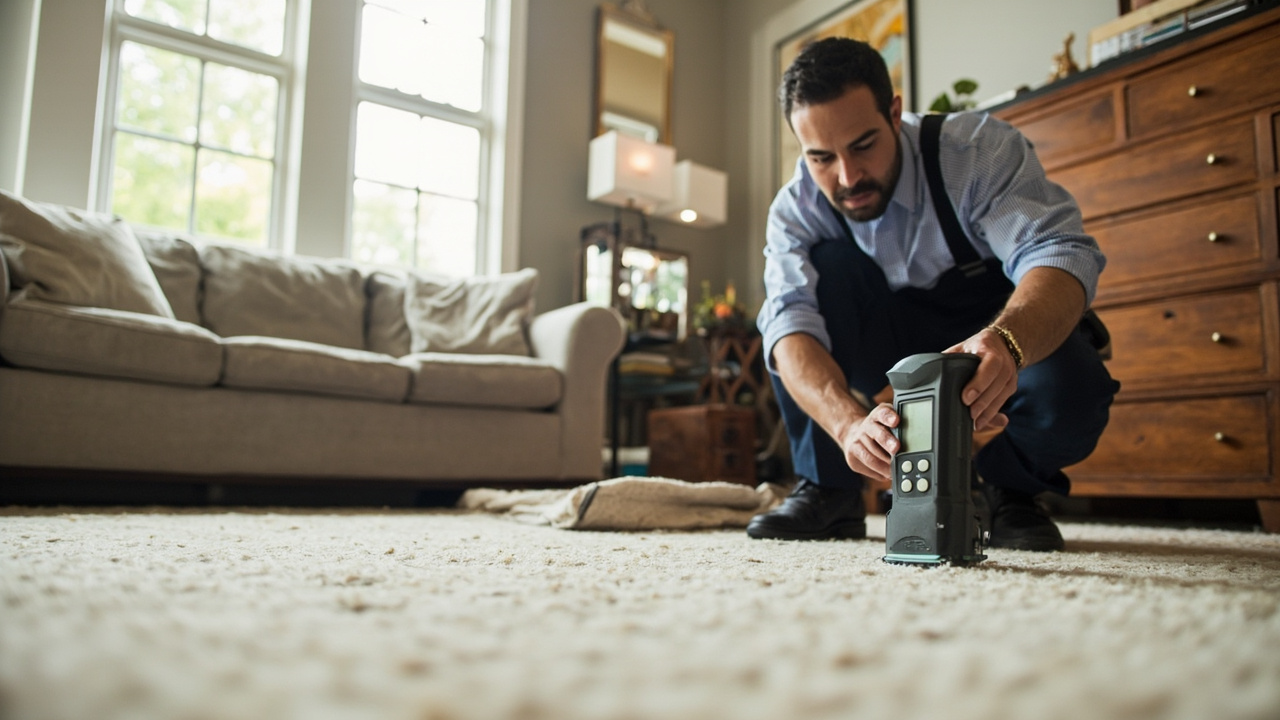
Our technicians use thermal imaging cameras to map moisture migration through your basement. Water does not stay where it lands. It travels through concrete cracks, seeps under baseboards, and saturates wall cavities. Standard visual inspection misses 60 percent of affected areas. Thermal imaging reveals temperature differentials that indicate hidden moisture, allowing us to target extraction and drying equipment precisely.

We deploy commercial dehumidifiers rated for basement environments, typically 130-pint capacity units that can process the high humidity levels Atlanta basements experience. Air movers create directional airflow that pulls moisture from building materials into the air stream where dehumidifiers capture it. This is not pointing fans at wet spots. This is engineered airflow that uses psychrometric principles to drive moisture from materials faster than natural evaporation.

Sump pump failure water extraction requires attention to contamination level. If your pump failed during heavy rain, you are dealing with Category 2 water (gray water) containing soil, bacteria, and organic matter. If sewage backup occurred simultaneously, it escalates to Category 3 (black water). Our protocol adjusts based on contamination, using appropriate antimicrobial treatments and following IICRC S500 standards for each category.

What Happens When You Call for Emergency Sump Pump Cleanup

Sump Pump Failure Cleanup in Atlanta – 60-Minute Emergency Response 24/7
01

Immediate Dispatch and Assessment

Within 60 minutes of your call, our crew arrives with extraction equipment and moisture detection tools. We perform a rapid damage assessment to classify water category, measure affected square footage, and identify immediate safety hazards like electrical exposure or structural instability. You receive a verbal action plan before we begin work. We document conditions with photo and video evidence for your insurance claim.
02

Water Extraction and Source Control

Our team removes standing water using truck-mounted extractors while simultaneously diagnosing your sump pump failure. We inspect the pump mechanism, test power supply, check discharge routing, and verify basin capacity. If your pump is repairable, we implement temporary fixes to prevent additional flooding. If replacement is necessary, we provide equipment recommendations based on your basement size and local water table depth.
03

Structural Drying and Monitoring

We position dehumidifiers and air movers based on thermal imaging data and moisture meter readings. Equipment runs continuously with daily monitoring visits to track drying progress. We measure moisture content in flooring, walls, and structural elements until readings return to normal dry standards. This typically requires three to five days depending on saturation depth. You receive daily progress reports and final documentation showing your basement has returned to pre-loss moisture levels.

Why Atlanta Homeowners Choose Victory Water Damage Restoration for Sump Pump Emergencies

We understand Atlanta basements because we work in them every day. We know that homes built before 1980 in neighborhoods like Virginia Highland and Inman Park often have undersized sump basins that cannot handle modern rainfall intensity. We know that Fulton County's high water table in areas near the Chattahoochee River requires more robust pump systems than drier regions. We know that homes on the slopes near Piedmont Park experience sheet flow during storms that overwhelms standard residential pumps.

This local knowledge shapes how we approach sump pump failure cleanup. We do not just dry your basement and leave. We identify why the failure happened and what upgrades prevent recurrence. That might mean recommending a battery backup system for areas prone to power outages. It might mean suggesting a larger capacity pump for properties with known drainage issues. It might mean improving your discharge line routing to move water further from your foundation.

Victory Water Damage Restoration Atlanta maintains relationships with structural engineers and foundation specialists throughout the metro area. If your sump pump failure revealed foundation cracks, grading problems, or structural concerns, we connect you with qualified professionals who understand Atlanta construction methods and soil conditions. We coordinate our drying timeline with any necessary repairs to ensure work proceeds in the correct sequence.

Our team holds IICRC Water Damage Restoration certification and receives ongoing training in advanced drying techniques and moisture science. When we deploy equipment in your basement, placement follows calculated air exchange rates and vapor pressure gradients. We are not guessing where to put fans. We are engineering a drying environment based on measurable atmospheric conditions.

We work directly with insurance carriers and understand claim documentation requirements. You receive detailed moisture logs, equipment placement diagrams, and photographic evidence that adjusters need to process your claim efficiently. We can communicate directly with your insurance company to explain scope and methodology.

What to Expect During Emergency Sump Pump Failure Cleanup

60-Minute Response Time

We dispatch crews 24 hours a day, 365 days a year. When you call, you reach a live person who can immediately send a technician to your location. Our average response time is 60 minutes for Atlanta metro addresses. We do not operate on business hours. Sump pump failures happen at 2 AM during thunderstorms. We arrive when you need us, not when it is convenient. Our trucks carry full extraction and drying equipment, so we start mitigation the moment we assess your situation. You do not wait days for equipment delivery while water continues damaging your property.

Comprehensive Damage Assessment

Our initial assessment uses moisture meters, thermal imaging, and visual inspection to map the full extent of water intrusion. We measure moisture content in flooring, baseboards, drywall, and structural framing. We identify hidden moisture in wall cavities and under flooring materials. You receive a written scope of damage that details affected materials, contamination category, and recommended mitigation steps. This assessment serves as the foundation for your insurance claim and ensures we address all damaged areas, not just visible water. We update the assessment if additional damage appears during the drying process.

Complete Structural Drying

We do not remove equipment when surfaces feel dry. We continue drying until moisture meters confirm that all building materials have returned to normal dry standards as defined by IICRC guidelines. Wood framing must read below 16 percent moisture content. Concrete must reach equilibrium with ambient conditions. Drywall must return to baseline levels. We document these readings and provide you with a completion certificate showing your basement meets industry drying standards. This documentation protects you if mold or secondary damage appears later. Our drying protocol prevents long-term problems that occur when crews pull equipment too early.

Preventive Recommendations and Follow-Up

After we complete drying, we provide a written report detailing the cause of your sump pump failure and specific recommendations to prevent future incidents. This might include pump capacity upgrades, battery backup installation, discharge line improvements, or drainage system modifications. We explain each recommendation in clear terms with no pressure to purchase additional services. Many homeowners use our report to make informed decisions about basement waterproofing and pump system improvements. We offer optional six-month follow-up inspections to verify your basement remains dry and your pump system functions correctly. This follow-up catches developing problems before they cause another emergency.

Frequently Asked Questions

You Have Questions,
We Have Answers

How to clean up after sump pump failure? +

Stop the water first. Unplug the failed pump and verify the main water shutoff if needed. Remove standing water using a wet-dry vacuum or pump. Pull out soaked items like boxes and furniture. Document everything with photos for your insurance claim. Wear gloves and boots because basement water carries bacteria. Dry the space fast using fans and dehumidifiers to prevent mold. Atlanta's humidity makes mold grow within 24 to 48 hours. If water spread beyond the sump pit or soaked drywall, call a restoration company immediately. Time matters.

How much does it cost to have a sump pump cleaned? +

Routine sump pump cleaning typically costs between professional service visit rates, but emergency cleanup after a sump pump failure is different. You are paying for water extraction, structural drying, mold prevention, and debris removal. Atlanta restoration companies assess damage severity first. A minor backup affecting only the sump pit costs less than flooding that spreads across your basement. Most companies offer free inspections and work directly with your insurance. Do not delay cleanup to save money. Water damage compounds fast in our humid climate.

What to do when a sump pump fails? +

Act fast. Unplug the sump pump to prevent electrical hazards. Stop additional water from entering if possible. Remove standing water immediately using a wet-dry vacuum or submersible pump. Move valuables and furniture to dry areas. Take photos and video for insurance documentation. Open windows and run fans to start drying. If water spread beyond the sump basin or reached finished areas, call a professional restoration team now. Atlanta basements stay damp naturally. Waiting even 24 hours invites mold growth and structural damage. Speed prevents bigger problems.

How do you clean sludge out of a sump pump? +

Disconnect power first. Remove the pump from the basin. Scoop out solid debris and sludge using a small bucket or scoop. Flush the pit with clean water and vacuum it out. Wipe down the basin walls. Use a garden hose to rinse accumulated sediment off the pump components. Atlanta's clay soil creates thick sludge that clogs impellers and float switches. Clean the discharge line by flushing it with water. Check the check valve for buildup. Replace the pump in the pit and test it before reconnecting power. Clean your sump twice yearly.

Can I put a chlorine tablet in my sump pump? +

No. Chlorine tablets damage sump pump components. The corrosive chemicals degrade rubber seals, plastic parts, and metal impellers. They also create toxic fumes in confined basement spaces. If you smell sump odors, the fix is proper cleaning and ventilation, not chemicals. Bacteria grow in stagnant sump water common in Atlanta basements. Instead, mix a vinegar and water solution to clean the basin or use a pump-safe enzymatic cleaner. If odors persist or you see mold, call a professional. Band-aid solutions fail when the real problem is moisture control.

How long does it take for mold to grow after flooding? +

Mold spores germinate within 24 to 48 hours after flooding. Visible growth appears within 48 to 72 hours under the right conditions. Atlanta's heat and humidity accelerate this timeline. Basements hit 70 percent relative humidity fast after water intrusion. Mold grows on drywall, wood framing, insulation, carpet, and cardboard. You cannot stop it by waiting. Professional drying equipment pulls moisture out before mold takes hold. If you see discoloration or smell musty odors, mold is already growing. Speed is everything. Dry the space within 24 hours or call help.

What is the most common reason for sump pump failure? +

Power failure. Sump pumps cannot run without electricity. Atlanta storms knock out power frequently during spring and summer. Heavy rains overwhelm your sump the exact moment it loses power. Other common failures include stuck float switches from debris, clogged discharge lines, worn impellers, and pumps that simply age out. Lack of maintenance causes most mechanical failures. Silt from Georgia clay soil clogs components fast. A backup battery system prevents power-related failures. Annual pump inspections catch wear before failure happens. Do not wait for an emergency to test your system.

How to clean out a sump pump without removing it? +

You can clean surface debris without full removal. Unplug the pump first. Use a wet-dry vacuum to suck out loose sediment and sludge from around the pump while it sits in the basin. Wipe down the pump housing with a damp cloth. Clear debris from the float switch. Flush the basin with water and vacuum again. This works for light maintenance but does not clean the impeller or check valve. For heavy sludge common in Atlanta basements, you must pull the pump. Partial cleaning skips the parts that fail most often.

Does insurance cover sump pump failure? +

Maybe. Standard homeowners insurance excludes sump pump failure unless you purchased specific sump pump backup coverage or water backup endorsement. Policies vary widely. If the failure caused sudden internal water damage, some carriers cover it under dwelling protection. Gradual seepage or lack of maintenance gets denied. Atlanta homeowners with finished basements should add this rider. It costs little compared to replacement costs for drywall, flooring, and belongings. Review your policy now and photograph your system. Document the failure immediately if it happens. Call your agent before starting repairs.

What is the #1 cause of pump failure? +

Lack of maintenance. Pumps fail because homeowners never test or clean them until disaster strikes. Sludge clogs the impeller. Debris jams the float switch. Discharge lines freeze or clog. The pump runs dry and burns out. Atlanta clay soil accelerates buildup inside the sump basin. Secondary causes include power outages, switch failures, and aging motors. Most sump pumps last seven to ten years with proper care. Test your pump quarterly by pouring water into the basin. Clean it twice yearly. Install a backup battery system. Prevention is cheaper than emergency cleanup.

How Atlanta's Red Clay Soil and Storm Patterns Increase Sump Pump Failure Risk

Atlanta sits on dense Piedmont clay soil that sheds water instead of absorbing it. When thunderstorms drop two inches of rain in 30 minutes, that water runs directly to foundation drains and sump basins. Your sump pump must evacuate hundreds of gallons in a short window. Pumps sized for gradual groundwater seepage cannot handle Atlanta's intense rainfall events. Add the region's humid climate, which keeps soil moisture levels elevated year-round, and your sump pump operates under constant demand. Mechanical components wear faster. Motors burn out. Float switches stick. The combination of clay soil impermeability and concentrated rainfall creates the perfect environment for sump pump overflow cleanup emergencies across metro Atlanta neighborhoods.

Victory Water Damage Restoration Atlanta has responded to hundreds of sump pump failures in Buckhead, Midtown, Decatur, and surrounding communities. We understand how Atlanta's building stock affects flood risk. Many homes built during the 1960s and 1970s expansion have original sump systems that cannot handle modern storm intensity. We work with local building codes and know Atlanta inspection requirements for water damage repairs. Our relationships with Fulton County, DeKalb County, and Cobb County inspectors ensure your restoration meets code requirements. When you choose a local provider, you get someone who understands the specific challenges Atlanta homeowners face, from soil conditions to aging infrastructure to insurance requirements common in this market.
Water Damage Restoration Services in The Atlanta Area

While we provide rapid mobile water damage restoration services directly to your doorstep throughout the Atlanta metropolitan area, you can also view our primary service location on the map below. This helps visualize our operational reach and assures you that expert assistance is always within your vicinity. We are always ready to deploy our dedicated teams to your precise location, ensuring swift and effective service whenever you need us, guaranteeing peace of mind.

Address:
Victory Water Damage Restoration Atlanta, 1055 Howell Ml Rd, Atlanta, GA, 30318

Additional Services We Offer

Our news updates

Latest Articles & News from The Blogs

Alpharetta Water Damage Specialists for Fast Mold Prevention and Drying in North FultonWater emergencies in Alpharetta require immediate professional intervention…

Alpharetta Water Damage Specialists for Fast Mold Prevention and Drying in North Fulton

Alpharetta Water Damage Specialists for Fast Mold Prevention and Drying in North FultonWater emergencies in Alpharetta require immediate professional intervention…

Safe and Professional Sewage Backup Cleanup in Atlanta (Don't Handle This Alone)

Professional Sewage Backup Cleanup and Restoration in Atlanta GeorgiaA sewage backup in your Atlanta home or business is a serious…

Deciding to Clean or Replace Water Damaged Carpet in Your Edgewood Home

Water damage in an Edgewood home creates an immediate crisis that requires fast decision making. If you walk into your…

Contact Us

Every minute counts when your sump pump fails and water floods your basement. Call Victory Water Damage Restoration Atlanta at (678) 397-3666 for immediate dispatch. Our crews respond 24/7 with professional extraction equipment and decades of experience stopping water damage in Atlanta homes.