menu

Soggy Insulation in Atlanta – Expert Diagnosis and Complete Restoration

Victory Water Damage Restoration Atlanta provides professional soggy insulation assessment, removal, and replacement services. We identify the source of moisture intrusion, prevent mold growth, and restore your home's thermal efficiency.

Slider Image 1
Slider Image 2
Slider Image 3
Slider Image 4
Slider Image 5
Slider Image 7
Slider Image 8
Slider Image 9
Slider Image 10
Slider Image 11

Why Atlanta Homes Struggle with Wet Insulation

Atlanta's humid subtropical climate creates perfect conditions for insulation saturation. When you combine our 50-inch annual rainfall with poor attic ventilation and aging roof systems, you get water damaged insulation that silently destroys your home's energy efficiency.

Soggy insulation does not dry out on its own. The moment fiberglass or cellulose gets wet, it loses its R-value. You are paying to heat and cool your home while saturated insulation sits in your attic doing nothing. Worse, damp insulation becomes a breeding ground for mold spores within 24 to 48 hours.

Most Atlanta homeowners discover soaked insulation after noticing ceiling stains, musty odors, or unexplained spikes in utility bills. By that point, the damage extends beyond the insulation itself. You might have compromised ceiling joists, rotted roof decking, or active mold colonies spreading through your HVAC system.

The clay soil common throughout metro Atlanta expands and contracts with moisture changes. This shifting stresses your foundation and roof structure, creating gaps where water enters. A roof leak you cannot see from the ground allows rainwater to drip onto insulation for months before you spot the telltale brown ring on your ceiling.

Atlanta's summer humidity levels regularly exceed 70 percent. When humid air meets cool surfaces in your attic, condensation forms. This moisture accumulates in insulation batts, creating wet insulation that never fully dries. You need professionals who understand how Atlanta's climate accelerates insulation failure.

Why Atlanta Homes Struggle with Wet Insulation
How We Fix Saturated Insulation the Right Way

How We Fix Saturated Insulation the Right Way

Victory Water Damage Restoration Atlanta does not just pull out wet insulation and call it fixed. We trace the moisture to its source because replacing soaked insulation without stopping the water is worthless.

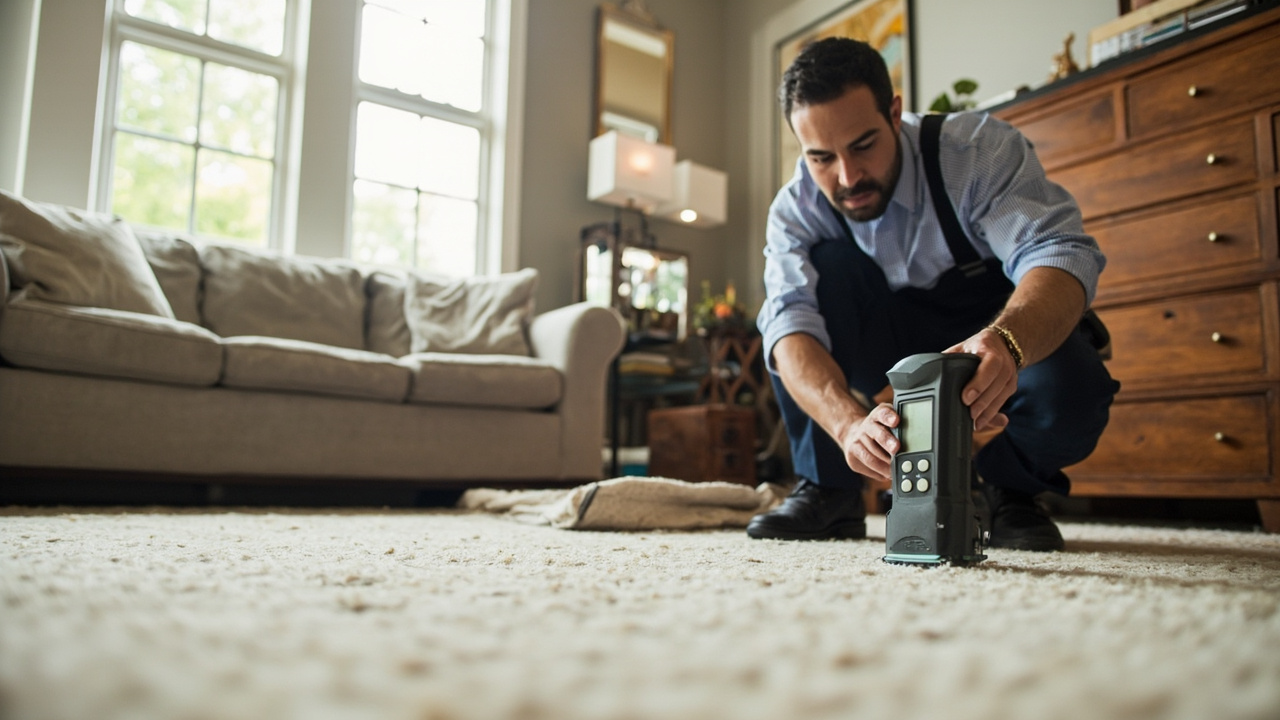
We start with thermal imaging cameras that reveal temperature differentials in your attic space. Cold spots indicate where wet insulation has lost its thermal resistance. Moisture meters give us exact readings of water content in both the insulation and the structural materials surrounding it.

Once we map the damage, we identify the entry point. Is it a failed roof penetration around a vent pipe? Missing kick-out flashing where your roof meets a sidewall? Ice dam damage from last winter's freeze? Condensation from inadequate attic ventilation? We find it before we remove a single batt of damp insulation.

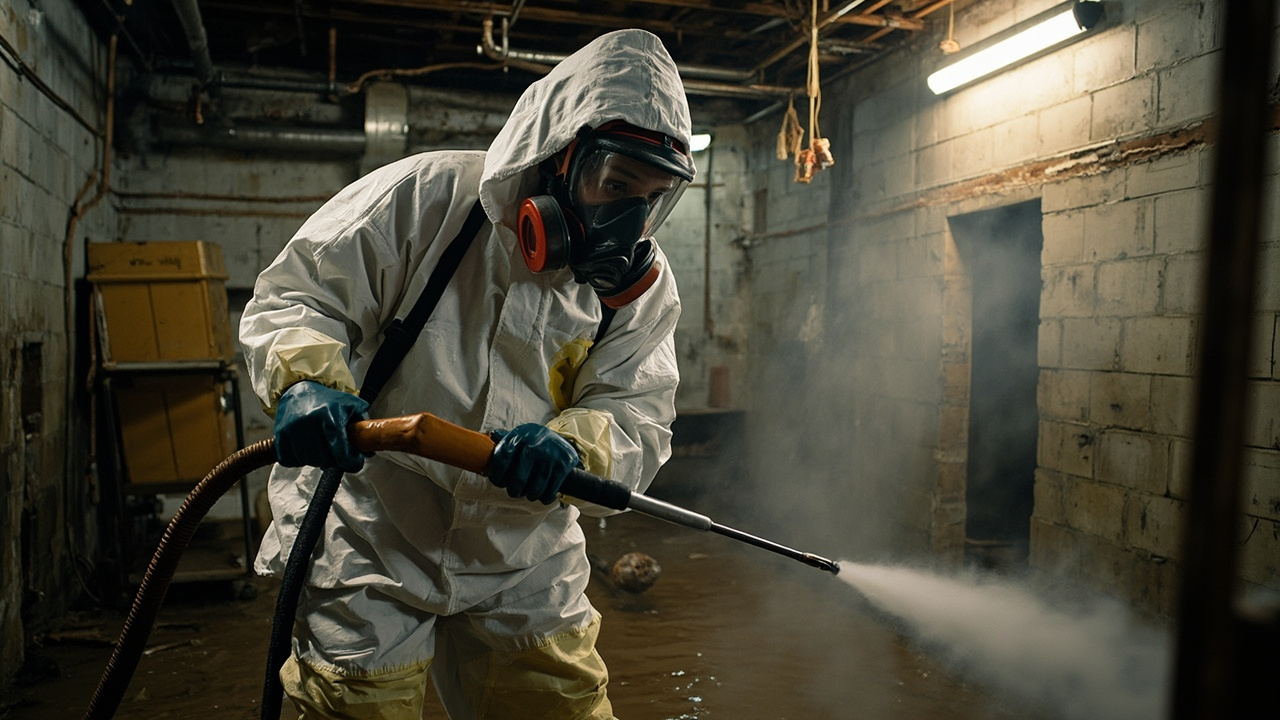
Removal happens in contained sections. We use negative air machines with HEPA filtration to prevent mold spores from spreading into your living space. Wet insulation is heavy. A standard attic with saturated fiberglass can hold hundreds of pounds of water weight that stresses ceiling joists.

After removal, we dry the structural elements. Wood framing must reach below 20 percent moisture content before new insulation goes in. We treat any mold-affected areas with antimicrobial solutions, then verify complete drying with calibrated meters.

New insulation gets installed to current energy code specifications. We seal air leaks, ensure proper ventilation pathways, and install baffles that maintain airflow from soffit vents to ridge vents. Your attic becomes a system that resists future moisture problems.

What Happens During Your Insulation Restoration

Soggy Insulation in Atlanta – Expert Diagnosis and Complete Restoration
01

Emergency Assessment and Containment

We arrive within hours of your call to evaluate the extent of water damaged insulation. Our technicians photograph the damage, measure moisture levels in affected areas, and establish containment barriers to prevent cross-contamination. You receive a detailed scope of work that explains what needs removal, what can be salvaged, and the timeline for complete restoration.
02

Source Mitigation and Material Removal

Before removing one square foot of soggy insulation, we stop the water intrusion. This might mean emergency roof tarping, plumbing repairs, or HVAC condensate line fixes. Once the source is controlled, we extract all saturated insulation using commercial vacuum systems and sealed disposal bags. Structural drying equipment runs continuously until moisture readings meet industry standards for safe re-insulation.
03

Restoration and Prevention Upgrades

New insulation installation includes air sealing, proper ventilation baffles, and moisture barrier placement. We document the R-value of installed materials and provide ventilation calculations that meet Georgia energy code requirements. You receive photos of the completed work, moisture readings confirming dry conditions, and recommendations for preventing future saturation issues in your specific home configuration.

Why Atlanta Homeowners Choose Victory Water Damage Restoration

Generic water damage companies pull wet insulation and move on. We understand that damp insulation is a symptom, not the problem. Victory Water Damage Restoration Atlanta has restored insulation in homes from Grant Park to Buckhead, and we know the difference between a one-time roof leak and a systemic ventilation failure.

Atlanta's building stock includes everything from 1920s bungalows with no attic ventilation to 1980s subdivisions with inadequate soffit vents. We have worked in cramped crawlspaces under Inman Park cottages and sprawling attics in Alpharetta estates. This experience matters when diagnosing why your insulation keeps getting wet.

We carry commercial-grade moisture detection equipment that most restoration companies skip. Our thermal imaging identifies hidden wet spots that visual inspection misses. Our hygrometers measure ambient humidity levels that indicate whether your attic ventilation system actually works. These tools prevent the expensive mistake of re-insulating over moisture that will destroy your new materials.

Our technicians understand Georgia's energy code requirements for attic insulation R-values and ventilation ratios. When we restore your insulation, it meets or exceeds current standards. This matters for resale value and energy efficiency.

We coordinate with your insurance adjuster. Wet insulation claims involve documentation of the water source, scope of damage, and necessary repairs. We provide the detailed estimates and photo evidence that support your claim. Many Atlanta homeowners get initial claim denials because they lack proper documentation. We prevent that.

You get a local team that responds fast. We know that soggy insulation often comes with active leaks. Our average response time in metro Atlanta is under two hours.

What to Expect from Our Insulation Restoration Service

Rapid Response for Active Water Intrusion

When you have saturated insulation, time determines whether you are dealing with a restoration project or a mold remediation disaster. We dispatch teams seven days a week, including evenings and weekends. Emergency tarping and water extraction start the same day you call. For planned insulation replacement after you have stopped the leak, we typically begin work within 48 hours. The complete process from assessment to final installation takes three to seven days, depending on drying time requirements and the extent of structural repairs needed before re-insulation.

Comprehensive Moisture and Structural Assessment

Our initial evaluation includes thermal imaging of the entire affected area, moisture content readings of all building materials, and visual inspection of roof decking, rafters, and ceiling joists. We test your attic ventilation system to determine if inadequate airflow contributed to the problem. You receive a written report with photos, moisture readings, and our diagnosis of the water source. This assessment identifies whether you need just insulation replacement or additional repairs to framing, roof decking, or ventilation components before new insulation goes in.

Code-Compliant Installation and Energy Efficiency

We install insulation that meets current Georgia energy code requirements for your climate zone. This means R-38 minimum in attics for most Atlanta homes, properly installed with no compression or gaps. You get air sealing around penetrations, ventilation baffles that maintain airflow channels, and a vapor barrier if your specific application requires one. The result is insulation that actually performs at its rated R-value, reducing your heating and cooling costs and eliminating the cold spots or hot spots you experienced with your old, wet insulation.

Documentation and Prevention Guidance

You receive completion photos showing the installed insulation, final moisture readings confirming dry conditions, and documentation of R-values and square footage for your records. We provide specific recommendations for preventing future moisture problems, whether that means annual roof inspections, gutter maintenance, or humidity control strategies. If we identified ventilation deficiencies during our assessment, we explain the upgrades that will prevent condensation and extend the life of your new insulation. This documentation supports insurance claims and adds value if you sell your home.

Frequently Asked Questions

You Have Questions,
We Have Answers

Will wet insulation ever dry out? +

Wet insulation rarely dries properly on its own. Fiberglass and cellulose insulation absorb water like a sponge and trap moisture against wood framing and drywall. In Atlanta's humid climate, this creates perfect conditions for mold growth and structural rot. Even if the surface feels dry, moisture can remain trapped inside for weeks or months. Spray foam insulation may dry out better, but you still risk hidden mold behind it. The safest approach is professional inspection and removal. Leaving wet insulation in place compromises your home's energy efficiency and indoor air quality long-term.

Will mold grow in wet insulation? +

Yes. Mold grows aggressively in wet insulation. Atlanta's warm temperatures and high humidity accelerate mold colonization. Fiberglass and cellulose provide organic material and trapped moisture that mold spores need to thrive. Once mold establishes itself in insulation, it spreads to surrounding wood framing, drywall, and ductwork. You may not see visible mold on surfaces, but spores circulate through your HVAC system and compromise indoor air quality. Musty odors often indicate hidden mold growth inside wall cavities or attic spaces. Professional remediation requires removing contaminated insulation completely, treating structural materials, and installing dry replacement insulation.

What does water damaged insulation look like? +

Water damaged insulation shows several warning signs. Fiberglass insulation sags, compresses, and turns darker when saturated. You may see visible staining, discoloration, or brown patches. Cellulose insulation clumps together and loses its fluffy texture. It may appear matted or cake-like. Spray foam insulation can develop soft spots or separation from framing. Look for water stains on surrounding drywall or ceiling tiles. Musty smells indicate moisture problems even when damage is not visible. In Atlanta attics, check for wet spots after heavy rain or during humid summer months. Contaminated insulation loses R-value and must be replaced.

How long does it take for mold to grow on wet insulation? +

Mold can begin growing on wet insulation within 24 to 48 hours. Atlanta's warm climate and high humidity create ideal conditions for rapid mold colonization. Fiberglass and cellulose insulation provide organic material and moisture retention that mold spores need. Once growth starts, it spreads quickly through wall cavities and attic spaces. The longer wet insulation remains in place, the more extensive the contamination becomes. You may not see visible mold immediately, but microscopic growth is already underway. Fast response prevents structural damage and costly remediation. Professional inspection within the first 24 hours stops mold before it spreads.

How Atlanta's Humidity and Clay Soil Create Insulation Problems

Atlanta sits in IECC Climate Zone 3, which means hot, humid summers and mild winters with occasional hard freezes. Your attic temperature can hit 150 degrees in July while outdoor humidity hovers at 75 percent. This creates massive temperature differentials that drive moisture into your attic space through air leaks. The expansive clay soil throughout Fulton, DeKalb, and Cobb counties shifts with seasonal moisture changes, stressing your home's structure and creating gaps where conditioned air escapes and humid outdoor air enters. These conditions make Atlanta homes particularly vulnerable to wet insulation problems that homeowners in drier climates never experience.

Victory Water Damage Restoration Atlanta has worked with insurance adjusters from every major carrier operating in the metro area. We know which documentation State Farm requires versus what Allstate needs for soggy insulation claims. We understand that many Atlanta area adjusters initially classify wet insulation as maintenance rather than covered damage, and we provide the evidence that proves sudden water intrusion caused your loss. Our familiarity with local building inspectors and code requirements means your restoration passes inspection the first time, avoiding the delays that come with failed inspections and required rework.
Water Damage Restoration Services in The Atlanta Area

While we provide rapid mobile water damage restoration services directly to your doorstep throughout the Atlanta metropolitan area, you can also view our primary service location on the map below. This helps visualize our operational reach and assures you that expert assistance is always within your vicinity. We are always ready to deploy our dedicated teams to your precise location, ensuring swift and effective service whenever you need us, guaranteeing peace of mind.

Address:
Victory Water Damage Restoration Atlanta, 1055 Howell Ml Rd, Atlanta, GA, 30318

Additional Services We Offer

Our news updates

Latest Articles & News from The Blogs

Risks of Buying a House with Water Damage in Mableton and How to Protect Your Investment Buying a house represents…

Risks of Buying a House with Water Damage in Mableton and How to Protect Your Investment

Risks of Buying a House with Water Damage in Mableton and How to Protect Your Investment Buying a house represents…

Getting the right City of Atlanta building permits for major water damage repairs

Getting the right City of Atlanta building permits for major water damage repairsMajor water damage in your Atlanta home often…

Identifying chimney water leaks in Candler Park homes before they ruin your walls

Living in the historic Candler Park neighborhood offers unique architectural charm but the older masonry systems require constant attention. In…

Contact Us

Soggy insulation destroys energy efficiency and creates health hazards. Call Victory Water Damage Restoration Atlanta at (678) 397-3666 for same-day assessment. We stop the water, remove the damaged materials, and restore your home's thermal barrier the right way.