menu

Condensation on Windows & Walls in Atlanta – Expert Diagnosis and Permanent Solutions

Victory Water Damage Restoration Atlanta identifies the root cause of condensation on windows and walls, stopping moisture buildup before it triggers mold growth, structural rot, or indoor air quality problems in your home or business.

Slider Image 1
Slider Image 2
Slider Image 3
Slider Image 4
Slider Image 5
Slider Image 7
Slider Image 8
Slider Image 9
Slider Image 10
Slider Image 11

Why Atlanta Homes Battle Interior Glass Condensation Year-Round

Window sweating and moisture buildup on walls are not cosmetic annoyances. They signal a broken equilibrium between indoor humidity, surface temperature, and ventilation. In Atlanta, the problem intensifies because of the region's humid subtropical climate. Summer dew points regularly climb into the mid-70s, saturating outdoor air with moisture. When air conditioning cools interior surfaces, warm humid air inside the home condenses on cold window panes and exterior walls, creating weeping window panes and damp drywall patches.

Atlanta's clay soil also plays a role. The soil expands when wet and contracts when dry, shifting foundations and cracking slab-on-grade construction. These small shifts create gaps in building envelopes, allowing humid outdoor air to infiltrate wall cavities. The result is interior glass condensation and hidden moisture accumulation behind drywall, where it feeds mold colonies and softens framing lumber.

Many homeowners mistake condensation for a minor problem and wipe it away. That fixes nothing. The moisture source remains active. Over time, window frames rot, drywall delaminates, and black mold appears along baseboards and ceiling corners. The longer you wait, the more expensive the fix becomes. Condensation is a diagnostic clue, not the problem itself. The real issue is moisture control, ventilation failure, or thermal bridging in the building envelope.

Why Atlanta Homes Battle Interior Glass Condensation Year-Round
How We Diagnose and Resolve Moisture Buildup on Walls

How We Diagnose and Resolve Moisture Buildup on Walls

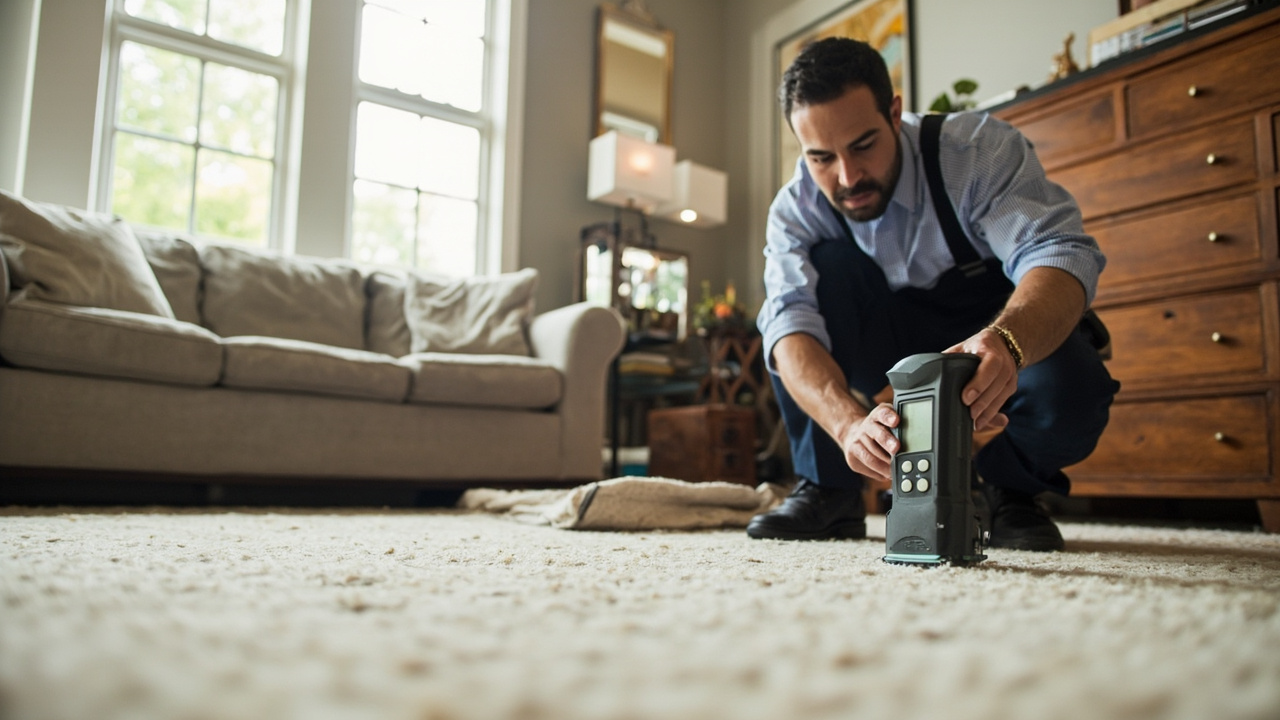
Victory Water Damage Restoration Atlanta does not sell you a dehumidifier and leave. We perform a full moisture audit. We measure indoor relative humidity with calibrated hygrometers, map surface temperatures with infrared cameras, and inspect wall cavities with borescopes to locate hidden moisture reservoirs. This diagnostic phase reveals whether the condensation stems from HVAC imbalance, poor insulation, air leakage, or plumbing failure.

Once we identify the moisture source, we eliminate it. If the problem is infiltration through foundation cracks, we seal entry points and redirect drainage. If the issue is thermal bridging at window frames, we improve insulation and upgrade weatherstripping. If the cause is excessive indoor humidity from cooking, showering, or poor ventilation, we install exhaust fans or balance HVAC supply and return airflow. We also remove wet drywall, insulation, and framing lumber that has been compromised by prolonged moisture exposure.

We do not mask symptoms. We eliminate root causes. After moisture control measures are in place, we verify results with follow-up humidity readings and thermal imaging. We also treat affected areas with antimicrobial agents to prevent mold reactivation. The goal is a permanently dry interior, not a temporary fix. Our work complies with IICRC S500 water damage restoration standards, which means you get a documented process, not guesswork.

What Happens During a Condensation Investigation

Condensation on Windows & Walls in Atlanta – Expert Diagnosis and Permanent Solutions
01

Initial Assessment

We arrive within hours of your call and inspect every room for visible condensation, damp drywall patches, and musty odors. We use thermal imaging to locate temperature differentials on walls and ceilings, revealing cold spots where condensation is most likely. We measure indoor relative humidity and compare it to outdoor conditions to calculate dew point and condensation risk. This data tells us whether the problem is localized or systemic.
02

Moisture Source Identification

We inspect HVAC ductwork for air leakage, check crawl spaces and attics for ventilation failures, and examine plumbing penetrations for hidden leaks. We use moisture meters to probe drywall and framing lumber, documenting moisture content percentages. We also evaluate window flashing, sill pans, and exterior cladding for water intrusion paths. This forensic approach separates condensation symptoms from their underlying causes, which may include poor vapor barriers, missing insulation, or overactive humidifiers.
03

Corrective Action and Verification

We implement targeted moisture control measures, which may include sealing air leaks, upgrading insulation, repairing HVAC imbalances, or removing wet building materials. After corrections are in place, we monitor indoor humidity for 48 to 72 hours to confirm condensation has stopped. We document pre-repair and post-repair moisture readings, providing you with a record of the work performed. If mold growth is present, we apply EPA-registered antimicrobials and perform controlled demolition of contaminated materials.

Why Atlanta Property Owners Choose Victory Water Damage Restoration

Condensation problems in Atlanta require local expertise. We understand how the region's red clay soil shifts foundations, how summer humidity interacts with air conditioning, and how older homes in neighborhoods like Druid Hills and Virginia-Highland were built with minimal insulation and poor vapor barriers. We have worked in homes with pier-and-beam construction, slab-on-grade foundations, and crawl spaces vented directly to humid outdoor air. We know the failure points.

We also understand Atlanta's building code evolution. Homes built before 1980 often lack continuous vapor barriers in wall cavities, which allows interior moisture to condense on cold sheathing during summer months. Homes built after 2000 may have spray foam insulation that traps moisture if installed incorrectly. We tailor our solutions to the age, construction type, and specific moisture pathology of your property.

Victory Water Damage Restoration Atlanta does not subcontract the work. Our technicians are trained in psychrometrics, building science, and IICRC water damage restoration protocols. We carry calibrated diagnostic equipment, not opinion-based guesses. We also coordinate with HVAC contractors, insulation specialists, and structural engineers when repairs require cross-disciplinary expertise. You get a comprehensive solution, not a patchwork fix. We have worked with insurance adjusters on condensation-related claims and can document findings to support coverage determinations if moisture damage is present.

What to Expect When You Call Us

Rapid Response

We dispatch a technician to your property within 2 to 4 hours of your call during business hours, and within 6 hours after-hours or on weekends. Condensation problems escalate quickly in Atlanta's humid climate, and early intervention prevents mold colonization and structural decay. We arrive with thermal imaging cameras, moisture meters, and hygrometers to begin the diagnostic process immediately. You will have preliminary findings within the first hour of our inspection, along with a written scope of work outlining recommended corrective actions.

Detailed Moisture Mapping

We do not assume the visible condensation is the only problem. We inspect wall cavities, attics, crawl spaces, and HVAC plenums for hidden moisture reservoirs. We document moisture content percentages in framing lumber and drywall using pin-type and non-invasive moisture meters. We map temperature gradients with infrared cameras to locate thermal bridging and insulation voids. This data-driven approach eliminates guesswork and ensures we address every moisture source. You receive a written report with photos, moisture readings, and thermal images.

Permanent Results

We do not sell you a quick fix. We engineer a permanent solution based on building science principles. This may involve air sealing, insulation upgrades, HVAC rebalancing, or installing mechanical ventilation to control indoor humidity. We remove and replace wet drywall, insulation, and framing lumber that cannot be dried in place. After corrective work is complete, we verify indoor humidity levels are within the recommended range of 30 to 50 percent relative humidity. You will not see condensation return if the root cause is eliminated.

Post-Repair Monitoring

We provide a follow-up inspection 30 days after corrective work is complete. We re-measure indoor humidity, re-scan surfaces with thermal imaging, and inspect previously affected areas for signs of recurring condensation. If humidity levels remain elevated or condensation reappears, we investigate additional contributing factors at no extra charge. We also provide written recommendations for maintaining optimal indoor humidity year-round, including HVAC filter replacement schedules, exhaust fan usage guidelines, and seasonal ventilation strategies. This ensures long-term moisture control.

Frequently Asked Questions

You Have Questions,
We Have Answers

How to stop condensation on windows and walls? +

Reduce indoor humidity first. Run exhaust fans in bathrooms and kitchens during use. Use a dehumidifier in basements and high-moisture areas. Crack a window when cooking or showering to let moisture escape. Ensure your HVAC system runs efficiently. Atlanta's humid climate makes this harder in summer, so maintain consistent indoor temperatures. Check weather stripping around windows and doors. Avoid overwatering indoor plants. Vent your dryer outside. If condensation persists after controlling humidity, inspect for hidden leaks or poor insulation that create cold surfaces where moisture collects.

Does condensation always indicate a problem? +

Not always. Light condensation on windows during cold mornings is normal when warm indoor air meets cold glass. It typically evaporates as temperatures equalize. However, persistent condensation, water pooling on sills, or moisture on interior walls signals a problem. Excessive humidity, poor ventilation, or hidden water intrusion may be at play. Atlanta homes often see seasonal condensation during winter cold snaps or summer humidity spikes. If you notice mold growth, musty odors, or damp walls alongside condensation, you need professional assessment to prevent structural damage and health risks.

Does condensation on windows mean the house is too cold? +

Not necessarily. Condensation forms when warm, humid indoor air contacts a cold surface. Your house temperature matters less than the temperature difference between indoor air and window glass. Single-pane windows in Atlanta homes condense more because the glass stays colder. If you keep your home at 68 degrees but humidity runs high, condensation will still form on cold glass. The issue is usually poor insulation at the window itself or excessive indoor humidity, not your thermostat setting. Address humidity levels and upgrade to double-pane windows to reduce occurrence.

Should you wipe condensation off windows? +

Yes, wipe it away daily. Standing water on sills damages wood, promotes mold growth, and can stain paint or drywall. Use an absorbent cloth or squeegee. Dry the sill completely to prevent rot. Wiping treats the symptom, not the cause. You must also reduce indoor humidity and improve ventilation to stop condensation from recurring. In Atlanta's humid climate, consistent wiping paired with dehumidifier use helps prevent long-term damage. If condensation returns within hours of wiping, you have a ventilation or insulation problem that requires professional diagnosis and correction.

What to put on walls to stop condensation? +

Apply mold-resistant paint with anti-condensation properties. These paints contain insulating additives that keep wall surfaces warmer, reducing moisture buildup. Install foam board insulation behind drywall in chronic problem areas like exterior walls. Use vapor barriers during construction or remodeling. For existing walls, improve ventilation with exhaust fans or air circulation. Address the root cause by controlling indoor humidity with dehumidifiers. Atlanta's clay soil and humid summers make basements and crawl spaces prone to condensation. Encapsulate crawl spaces and ensure proper grading around your foundation to keep exterior moisture from migrating through walls.

What are signs of excessive condensation? +

Water pooling on windowsills or floors. Damp spots or discoloration on walls and ceilings. Musty odors that worsen in closed rooms. Visible mold growth on walls, corners, or window frames. Peeling paint or wallpaper. Warped wood trim or baseboards. Foggy windows that stay wet even after wiping. High indoor humidity readings above 60 percent. Atlanta's summer humidity can push indoor levels dangerously high without dehumidification. If you see multiple signs, moisture is overwhelming your home's ability to ventilate. Professional moisture testing identifies hidden problems before structural damage occurs.

Does condensation on windows mean poor insulation? +

Often, yes. Poor insulation allows exterior cold to penetrate, creating cold spots on interior glass and walls where condensation forms. Single-pane windows lack thermal barriers, so glass temperature matches outdoor air. Atlanta homes built before 1980 often have minimal wall insulation and outdated windows. Upgrading to double-pane, low-E windows reduces condensation significantly. Add insulation to exterior walls and attics. Check for gaps around window frames where cold air infiltrates. If condensation appears only on certain windows or walls, those areas likely have insulation voids or air leaks requiring targeted repair.

What are the 4 types of condensation? +

Surface condensation forms on visible surfaces like windows and walls when warm air meets cold materials. Interstitial condensation occurs inside wall cavities when humid air penetrates and condenses on hidden cold surfaces, causing unseen damage. Reverse condensation happens when humid outdoor air contacts air-conditioned interior surfaces in summer. Concealed condensation develops in attics, crawl spaces, or behind finishes. Atlanta homes experience all four types depending on season and construction. Summer brings reverse condensation on cold ductwork. Winter creates surface condensation on windows. Poor vapor barriers allow interstitial condensation year-round. Identifying the type determines the correct fix.

How to know if it's condensation or a leak? +

Condensation appears symmetrically across a cold surface and evaporates when temperatures equalize. Leaks create irregular wet spots, stains, or streaks that worsen over time. Condensation stops when you reduce humidity or warm the surface. Leaks persist regardless of indoor conditions. Check for water trails, discoloration, or bulging drywall that indicate active leaks. In Atlanta, roof leaks often mimic condensation on ceilings during storms. Run your hand across the wet area. Condensation feels uniformly damp. Leaks show directional flow or dripping. If uncertain, a moisture meter pinpoints the exact source and extent.

How Atlanta's Humidity and Clay Soil Intensify Window Sweating and Wall Moisture

Atlanta's average summer dew point of 68 to 72 degrees creates perfect conditions for interior glass condensation. When air conditioning cools window glass and exterior walls below the dew point, moisture in indoor air condenses on those cold surfaces. The problem worsens in homes with single-pane windows, poor insulation, or air leakage through attic bypasses and crawl space vents. Atlanta's clay soil also shifts foundations seasonally, opening gaps in brick veneer, siding, and foundation walls that allow humid outdoor air to infiltrate wall cavities. This combination of high outdoor humidity and thermal bridging makes condensation a persistent issue in older neighborhoods and poorly insulated homes.

Victory Water Damage Restoration Atlanta has worked in every Atlanta neighborhood, from Buckhead high-rises to Kirkwood bungalows. We understand local construction methods, from the balloon-framed homes in Inman Park to the slab-on-grade subdivisions in Sandy Springs. We know how to navigate the challenges of pier-and-beam foundations, unvented crawl spaces, and attic humidity in homes with insufficient ridge ventilation. Our familiarity with local building practices allows us to diagnose moisture problems faster and design solutions that work with Atlanta's climate. We also maintain relationships with local HVAC contractors, insulation specialists, and structural engineers for complex projects requiring multi-trade coordination.
Water Damage Restoration Services in The Atlanta Area

While we provide rapid mobile water damage restoration services directly to your doorstep throughout the Atlanta metropolitan area, you can also view our primary service location on the map below. This helps visualize our operational reach and assures you that expert assistance is always within your vicinity. We are always ready to deploy our dedicated teams to your precise location, ensuring swift and effective service whenever you need us, guaranteeing peace of mind.

Address:
Victory Water Damage Restoration Atlanta, 1055 Howell Ml Rd, Atlanta, GA, 30318

Additional Services We Offer

Our news updates

Latest Articles & News from The Blogs

Risks of Buying a House with Water Damage in Mableton and How to Protect Your Investment Buying a house represents…

Risks of Buying a House with Water Damage in Mableton and How to Protect Your Investment

Risks of Buying a House with Water Damage in Mableton and How to Protect Your Investment Buying a house represents…

Getting the right City of Atlanta building permits for major water damage repairs

Getting the right City of Atlanta building permits for major water damage repairsMajor water damage in your Atlanta home often…

Identifying chimney water leaks in Candler Park homes before they ruin your walls

Living in the historic Candler Park neighborhood offers unique architectural charm but the older masonry systems require constant attention. In…

Contact Us

Condensation is a warning sign, not a minor inconvenience. Call Victory Water Damage Restoration Atlanta at (678) 397-3666 for a diagnostic moisture audit. We will identify the source, eliminate the problem, and verify the fix. Do not wait for mold growth or structural rot to force your hand.