menu

Burst Pipe Water Damage in Atlanta – 24/7 Emergency Response When Every Minute Counts

Elite Plumbing Atlanta deploys certified water extraction teams across the metro within 60 minutes to stop burst pipe flooding, prevent structural damage, and start immediate water damage restoration before mold takes hold.

Slider Image 1
Slider Image 2
Slider Image 3
Slider Image 4
Slider Image 5
Slider Image 7
Slider Image 8
Slider Image 9
Slider Image 10
Slider Image 11

Why Burst Pipes Cause Catastrophic Damage in Atlanta Homes

A ruptured pipe water damage event in Atlanta is not just about visible flooding. The city's red clay soil creates unique hydrostatic pressure against basement walls and foundation slabs. When pipes burst inside these structures, water migrates through cracks and porous concrete, saturating crawl spaces and subfloors within hours.

Atlanta's humid subtropical climate compounds the problem. Within 24 to 48 hours, moisture trapped in wall cavities and beneath flooring creates ideal conditions for mold growth. The average indoor humidity here hovers between 60% and 75% during summer months. Add water damage from a burst pipe, and you face microbial amplification that spreads through HVAC ductwork.

Most broken pipe water damage occurs during winter freezes. Atlanta's temperatures fluctuate wildly in January and February. Pipes in uninsulated attics or exterior walls freeze overnight, then rupture when morning sun thaws the ice blockage. Homeowners often discover the damage hours later when ceilings collapse or floors buckle.

The true cost is structural. Burst pipe flooding saturates drywall, compromises ceiling joists, and delaminates plywood subflooring. Insurance adjusters know this. They look for secondary damage markers like crown molding separation, baseboards pulling away from walls, and carpet pad disintegration. If you wait to call for burst pipe water cleanup, you risk claim denials based on neglect.

You need extraction within the first four hours to prevent permanent damage. After that, you are managing a demolition project, not a restoration.

Why Burst Pipes Cause Catastrophic Damage in Atlanta Homes
How Elite Plumbing Atlanta Stops Water Damage in Its Tracks

How Elite Plumbing Atlanta Stops Water Damage in Its Tracks

Our burst pipe water cleanup protocol starts with source control. We shut off the main water supply, then isolate the ruptured section using ball valves or compression fittings. This stops active flooding immediately. Many companies waste time setting up equipment before addressing the source. That approach adds hundreds of gallons to your total water loss.

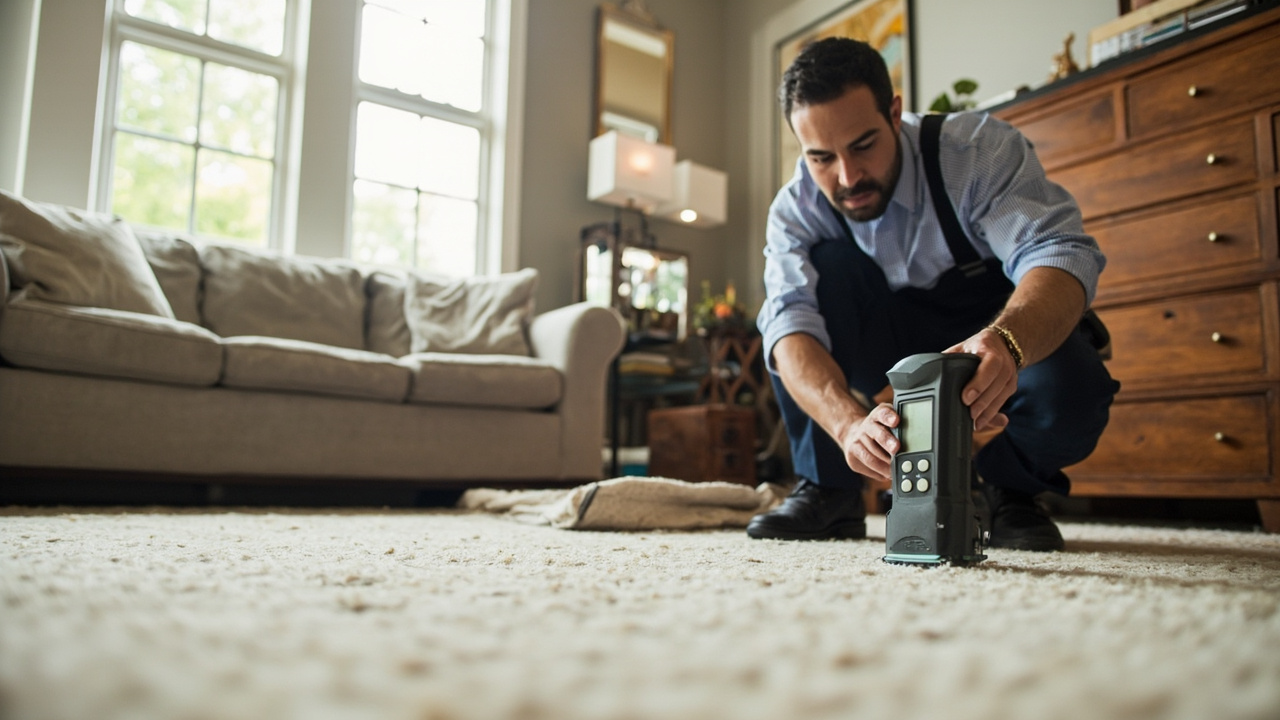
We deploy truck-mounted extraction units capable of removing 150 gallons per minute. These systems generate negative pressure that pulls water from carpet padding, subfloors, and wall cavities. Portable extractors cannot match this capacity. We also use infrared moisture meters to scan behind walls and under floors. These tools detect trapped water that visual inspection misses.

Structural drying requires calculated airflow. We position axial air movers to create laminar flow patterns across wet surfaces. This accelerates evaporation without spreading contaminants. Low-grain refrigerant dehumidifiers capture moisture from the air, preventing it from condensing on cooler surfaces like windows and exterior walls.

We document everything with thermal imaging and moisture readings logged every 12 hours. This data proves to insurance adjusters that we followed IICRC S500 standards for water damage restoration. It also protects you from future claims if hidden moisture causes problems months later.

Atlanta's building codes require professional assessment for any water intrusion affecting structural members. We coordinate with licensed engineers when floor joists, wall studs, or roof decking show signs of compromise. This ensures your home meets code after repairs and maintains its resale value.

Elite Plumbing Atlanta does not subcontract demolition or reconstruction. Our crews handle pipe repair, water extraction, structural drying, mold remediation, and rebuild under one roof. This eliminates finger-pointing and keeps your project on schedule.

What Happens During Emergency Burst Pipe Response

Burst Pipe Water Damage in Atlanta – 24/7 Emergency Response When Every Minute Counts
01

Immediate Water Shutdown

Our technician locates your main shutoff valve and stops water flow to the damaged pipe. If the rupture is on a branch line, we isolate that section using gate valves or compression stops. This prevents additional gallons from flooding your home while we assess the damage. We then test remaining lines for pressure loss that indicates other weak points in your plumbing system.
02

Water Extraction and Containment

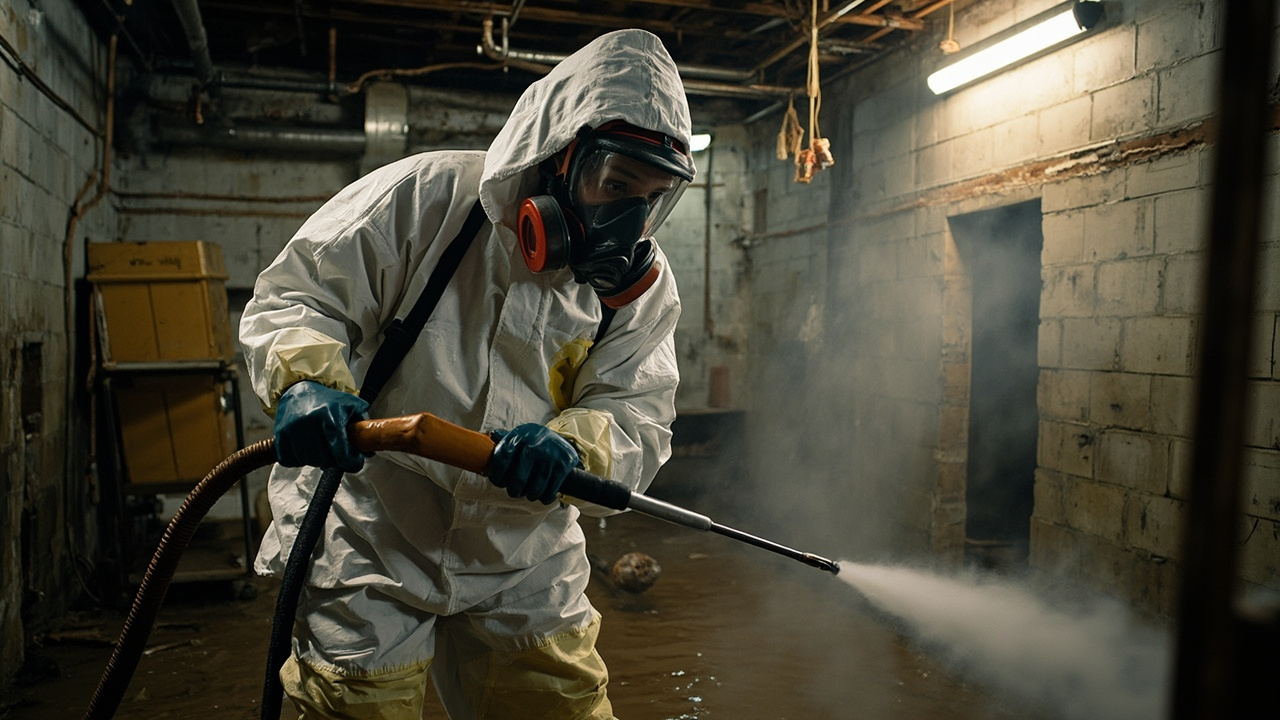
Truck-mounted extractors remove standing water from floors, carpets, and subflooring. We set up containment barriers using polyethylene sheeting to prevent cross-contamination between affected and clean areas. Air scrubbers with HEPA filtration capture airborne particulates. Moisture meters map the extent of water migration through walls and ceilings, guiding our drying equipment placement for maximum efficiency.
03

Structural Drying and Repair

Industrial dehumidifiers and air movers run continuously until moisture content in building materials returns to normal levels. We monitor readings daily and adjust equipment as needed. Once drying is complete, our plumbers repair or replace the damaged pipe section using copper, PEX, or CPVC materials appropriate to your system. We pressure test the repair, then restore walls, ceilings, and flooring to pre-loss condition.

Why Atlanta Homeowners Choose Elite Plumbing for Ruptured Pipe Emergencies

Atlanta's neighborhoods range from historic Inman Park bungalows with galvanized steel pipes to new construction in Brookhaven with PEX manifold systems. Elite Plumbing Atlanta services every plumbing configuration across the metro. Our technicians know the difference between repairing a 1950s cast iron stack in Virginia Highland and a modern CPVC system in Sandy Springs.

Local expertise matters when dealing with broken pipe water damage. Atlanta's water utility adds corrosion inhibitors to manage pH levels, but older homes in Grant Park and Ormewood still have pipe interiors coated with decades of mineral deposits. These pipes fail differently than newer installations. We adjust our repair techniques based on the pipe material, age, and local water chemistry.

We maintain relationships with insurance adjusters who work Atlanta metro claims daily. They know our documentation meets Xactimate standards and our pricing aligns with local labor rates. This smooths the claims process and reduces your out-of-pocket costs. Many restoration companies from outside the area submit inflated estimates that trigger disputes and payment delays.

Elite Plumbing Atlanta operates from our Decatur facility, not a national call center. When you call our emergency line, you reach a local dispatcher who knows Atlanta geography. We route the closest available crew to your address, whether you are in Buckhead, College Park, or Dunwoody. Response time directly affects damage severity, so proximity matters.

Our trucks carry parts for common Atlanta plumbing systems. We stock copper fittings, PEX crimping tools, SharkBite connectors, and pipe insulation rated for Georgia's climate. This eliminates trips to supply houses that add hours to your emergency repair. We fix the pipe and start drying immediately, not after a parts run.

You also get honest assessments. If your broken pipe water damage is minor and you can handle cleanup with a shop vacuum and fans, we tell you. We do not upsell unnecessary services. But if we see evidence of long-term moisture issues or code violations, we explain the risks clearly so you can make informed decisions.

What You Can Expect During Your Water Damage Restoration Project

Emergency Response Timeline

We answer emergency calls 24/7/365, including holidays. Our dispatch system routes the nearest crew to your location within 60 minutes for most Atlanta metro addresses. Techs arrive with extraction equipment, moisture meters, and emergency pipe repair materials. Initial water removal begins within the first hour. Full structural drying setup completes within four hours of arrival. You get hourly updates during the first day, then daily progress reports until drying is complete. Most residential burst pipe flooding projects require three to five days of active drying before reconstruction can begin.

Damage Assessment Process

Our lead technician documents the burst pipe location, water source category, and affected materials using digital photography and thermal imaging. We measure moisture content in walls, ceilings, and floors using pin-type and non-invasive meters. This data maps the full extent of water migration, including hidden damage behind cabinets or inside wall cavities. We classify water as clean, gray, or black based on contamination level. This determines disposal requirements for porous materials like carpet padding and drywall. You receive a written scope of work within 24 hours that breaks down extraction, drying, demolition, and repair tasks with projected timelines.

Quality Standards for Finished Work

Elite Plumbing Atlanta follows IICRC S500 standards for water damage restoration and S520 for mold remediation when needed. All plumbing repairs meet current Georgia codes for materials and installation methods. We pressure test repaired sections at 150 PSI for copper lines and 100 PSI for PEX systems. Moisture content in structural materials must read below 15% on our meters before we begin reconstruction. Drywall seams receive three coats of joint compound, sanded smooth between applications. Paint color matching uses spectrophotometry to blend new sections with existing walls. Flooring transitions receive proper thresholds and underlayment to prevent future squeaks or separation.

Post-Restoration Support

All plumbing repairs include a one-year warranty against leaks or failure at the repair site. We provide written moisture reports showing final readings in all affected areas. These documents prove proper drying occurred and protect you if insurance questions arise later. Our team explains how to prevent future burst pipe incidents, including recommended insulation upgrades for vulnerable pipes and shut-off valve locations. We offer annual plumbing inspections that check for corrosion, pressure irregularities, and aging components before they fail. If you experience any issues with our restoration work, a supervisor returns to address concerns at no additional charge within the warranty period.

Frequently Asked Questions

You Have Questions,
We Have Answers

Does insurance cover water damage from a burst pipe? +

Most homeowner policies cover sudden and accidental water damage from burst pipes. This includes pipes that freeze and rupture or fail due to age or defect. Coverage typically includes structural repairs, damaged belongings, and temporary housing if needed. However, policies exclude damage from neglect or lack of maintenance. If you leave your Atlanta home unheated during a cold snap and pipes freeze, the insurer may deny your claim. Always document the damage immediately with photos and contact your carrier within 24 hours to start the claims process and protect your coverage.

How many hours below freezing to freeze pipes? +

Pipes can freeze when temperatures drop to 20 degrees Fahrenheit or lower for at least six consecutive hours. In Atlanta, where freezing weather is less common, homes often lack proper insulation in crawl spaces and attics. This makes pipes vulnerable even during brief cold snaps. Exterior walls, unheated garages, and areas near foundation vents are high-risk zones. Wind chill and exposure increase freeze risk. If forecasts predict prolonged freezing conditions, take preventive action immediately. Open cabinet doors, run faucets at a trickle, and maintain indoor heat to protect your plumbing.

Who is responsible for burst water pipes? +

Responsibility depends on property ownership and the pipe location. Homeowners own pipes inside their property lines, including those in walls, ceilings, and under slabs. You pay for repairs and resulting water damage. In rental properties, landlords handle structural plumbing repairs, but tenants may be liable if neglect caused the burst. For condos in Atlanta, the HOA manages common area pipes, while unit owners handle interior lines. If a city water main bursts on public property, the municipality responds. Always check your deed, lease, or HOA documents to confirm responsibility before paying for repairs.

What to do immediately after a pipe bursts? +

Shut off your main water supply immediately to stop flooding. The shutoff valve is usually near your water meter or where the main line enters your home. Next, turn off electricity to affected areas to prevent shock hazards. Move valuables and furniture away from standing water. Document all damage with photos and videos for insurance claims. Contact a licensed plumber to repair the pipe and call a water damage restoration company to extract water, dry structures, and prevent mold growth. In Atlanta's humid climate, mold can develop within 24 to 48 hours if moisture remains.

What is the average insurance payout for water damage? +

Average payouts for water damage claims range from $2,000 to $15,000, depending on the extent of damage and your policy limits. A small burst pipe affecting one room costs less than a catastrophic failure flooding multiple floors. Payouts cover structural repairs, damaged belongings, and sometimes temporary housing. Your deductible reduces the final amount you receive. Coverage limits and exclusions also impact payouts. For example, if your policy caps contents coverage at $50,000 but you lost $75,000 in belongings, you absorb the difference. Review your policy annually and adjust limits to match your home's current value.

Do insurance companies pay out for burst pipes? +

Yes, insurance companies typically pay for burst pipe damage if the failure was sudden and accidental. Covered scenarios include pipes that freeze and rupture, corroded pipes that fail without warning, or pipes damaged by external impact. Insurers deny claims when damage results from neglect, deferred maintenance, or gradual leaks you ignored. If you knew about a slow drip for months and did nothing, expect a denial. Atlanta homeowners should inspect exposed pipes regularly, especially before winter. File claims promptly, provide thorough documentation, and cooperate with adjusters to maximize your payout and avoid disputes.

At what temperature should you let your faucets drip? +

Let faucets drip when temperatures fall to 28 degrees Fahrenheit or lower, especially if conditions persist overnight. A slow trickle relieves pressure inside pipes and keeps water moving, reducing freeze risk. Focus on faucets connected to pipes in exterior walls, crawl spaces, attics, or unheated garages. In Atlanta homes built without extensive insulation in these areas, even brief freezes can cause problems. Open both hot and cold taps slightly. The small water waste is far cheaper than repairing burst pipes and flood damage. Drip faucets until temperatures rise above freezing for several hours.

What are signs of pipe damage after freezing? +

Look for visible cracks, bulges, or frost on exposed pipes after freezing temperatures pass. Reduced water pressure or discolored water signals internal damage. Listen for hissing or dripping sounds inside walls or ceilings. Strange odors or damp spots on drywall indicate hidden leaks. If you turn on a faucet and nothing comes out, a pipe may be frozen or cracked. In Atlanta's older neighborhoods with galvanized or copper plumbing, freeze damage often appears at joints and bends. Inspect your crawl space and attic after cold snaps. Call a plumber immediately if you notice these warning signs.

What type of pipes burst most easily? +

Copper and PEX pipes resist freezing better than older galvanized steel or PVC. Galvanized pipes corrode over time, weakening walls and making them prone to rupture. PVC becomes brittle in extreme cold and cracks easily. Pipes in uninsulated exterior walls, crawl spaces, and attics freeze first. In Atlanta, many homes built before modern energy codes have limited insulation in these areas, increasing risk. Smaller diameter pipes also freeze faster than larger mains. Homes with older plumbing systems or pipes routed through unconditioned spaces face the highest burst risk during winter weather events.

How much does a plumber cost to fix a burst pipe? +

Plumbers in Atlanta charge $150 to $450 per hour for emergency burst pipe repairs, depending on time of day and complexity. A simple accessible pipe replacement may cost $300 to $800, while repairs inside walls or under slabs run $1,000 to $3,000 or more. Costs include labor, materials, and any necessary drywall or flooring removal. Weekend and after-hours calls add premium fees. These figures cover plumbing repairs only. You still need water damage restoration to dry structures, treat mold, and restore finishes. Always get written estimates and verify licensing before authorizing work.

How Atlanta's Clay Soil and Freeze Cycles Create Burst Pipe Risks

Atlanta sits on Piedmont red clay with high plasticity. This soil expands when wet and contracts during drought, creating constant pressure shifts against foundation walls and underground supply lines. When combined with sudden temperature drops during winter months, pipes in crawl spaces and exterior walls face stress from multiple directions. Water inside these pipes freezes, expands, and ruptures the weakest point in the line. Homes in older Atlanta neighborhoods like Candler Park and Kirkwood often have supply lines running through uninsulated rim joists or attached to exterior walls, making them especially vulnerable during January and February cold snaps.

Georgia does not require plumbing contractors to carry separate water damage restoration licenses, but proper burst pipe water cleanup demands IICRC certification in applied structural drying and water damage restoration. Elite Plumbing Atlanta maintains these credentials and follows protocols developed specifically for humid southeastern climates where mold amplification occurs faster than in arid regions. Our familiarity with Atlanta's building stock, from Craftsman bungalows in East Atlanta to mid-century ranches in North Druid Hills, means we know where pipes typically fail and how water migrates through these specific construction styles. This local knowledge speeds diagnosis and prevents oversight of hidden damage.
Water Damage Restoration Services in The Atlanta Area

While we provide rapid mobile water damage restoration services directly to your doorstep throughout the Atlanta metropolitan area, you can also view our primary service location on the map below. This helps visualize our operational reach and assures you that expert assistance is always within your vicinity. We are always ready to deploy our dedicated teams to your precise location, ensuring swift and effective service whenever you need us, guaranteeing peace of mind.

Address:
Victory Water Damage Restoration Atlanta, 1055 Howell Ml Rd, Atlanta, GA, 30318

Additional Services We Offer

Our news updates

Latest Articles & News from The Blogs

Risks of Buying a House with Water Damage in Mableton and How to Protect Your Investment Buying a house represents…

Risks of Buying a House with Water Damage in Mableton and How to Protect Your Investment

Risks of Buying a House with Water Damage in Mableton and How to Protect Your Investment Buying a house represents…

Getting the right City of Atlanta building permits for major water damage repairs

Getting the right City of Atlanta building permits for major water damage repairsMajor water damage in your Atlanta home often…

Identifying chimney water leaks in Candler Park homes before they ruin your walls

Living in the historic Candler Park neighborhood offers unique architectural charm but the older masonry systems require constant attention. In…

Contact Us

Every hour you wait allows more water to saturate your home's structure. Elite Plumbing Atlanta dispatches emergency crews 24/7 across the metro. Call (678) 397-3666 now for immediate response. Our technicians arrive equipped to stop flooding, extract water, and begin drying within 60 minutes.