


Johns Creek sits in the Chattahoochee River basin where heavy clay soils, severe thunderstorms, and high water tables create perfect conditions for water intrusion. Homes near the Chattahoochee River and Nancy Creek flood during Georgia's spring storm season. The clay-heavy soil common throughout neighborhoods like Country Club of the South and St. Ives holds water against foundations instead of draining away, pushing moisture through basement walls and crawl spaces.
Georgia's humidity compounds every water event. What starts as a supply line leak or roof failure becomes a mold colonization site within 48 hours if not dried properly. Homes built in the 1990s and 2000s across Newberry and Abbotts Bridge often have finished basements with drywall and carpet that act like sponges during flooding events. The combination of clay soil drainage issues, seasonal flooding, and high humidity means Johns Creek properties need aggressive water extraction and commercial-grade dehumidification to prevent secondary damage that insurance won't cover.
Victory Water Damage Restoration Atlanta built our reputation responding to Johns Creek water emergencies while other companies sleep. We maintain dispatch crews 24 hours a day because water damage doesn't wait for business hours. When a pipe bursts at 2 AM in Rivermont or a sump pump fails during a storm in Ocee, you get a certified technician at your door within 60 minutes, not a voicemail.
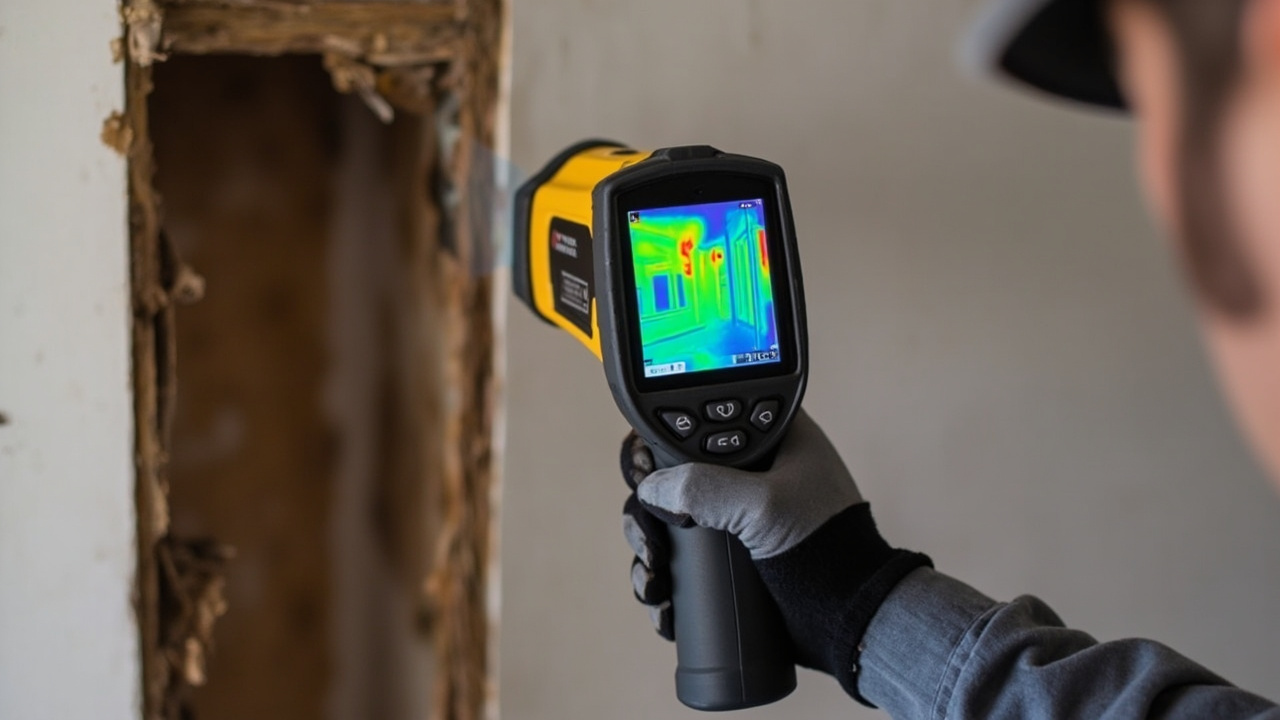
Our technicians carry IICRC Water Damage Restoration certification and train specifically on Georgia's humid climate challenges. We don't just extract water and leave. We map moisture in walls and subfloors using thermal imaging, then monitor drying progress with daily readings until your structure meets industry standards for safe occupancy. Most companies guess. We measure.
We work as your advocate with insurance companies, not against you. Our estimators document every inch of damage with photos, moisture readings, and detailed scope reports that match exactly what your adjuster needs. We've processed hundreds of claims with State Farm, Allstate, and Nationwide. We know what they require, we speak their language, and we fight for full coverage of your restoration costs. You shouldn't pay out of pocket because a restoration company doesn't know how to document a claim.
Johns Creek families choose us because we combine fast emergency response with thorough structural drying and insurance expertise. We don't create more stress. We eliminate it.

We maintain crews on call across Johns Creek 24 hours a day. When you call with active water damage, a certified technician arrives at your property within 60 minutes with truck-mounted extraction equipment and begins damage mitigation immediately. Speed saves your home and your insurance claim.

We document every aspect of your water damage with the detail your insurance carrier requires. Our estimates match adjuster expectations because we've worked hundreds of claims. We handle communication with your carrier, provide documentation they request, and fight for complete coverage of your restoration costs.
Every technician on your property holds Institute of Inspection Cleaning and Restoration Certification in water damage restoration. We follow strict protocols for extraction, drying, and antimicrobial treatment. We don't guess about moisture levels. We measure them daily with calibrated meters until your structure is certifiably dry.
We've restored hundreds of Johns Creek homes and understand the specific challenges of clay soil drainage, Chattahoochee basin flooding, and Georgia humidity. We know which neighborhoods flood during storms, which home ages have vulnerable plumbing, and how to dry structures in this climate before mold grows.
Victory Water Damage Restoration Atlanta handles every category of water intrusion from clean water supply line breaks to contaminated sewage backups. We provide emergency water extraction, structural drying, mold remediation, content restoration, and full reconstruction services. Our crews respond to residential and commercial properties across Johns Creek with truck-mounted extraction equipment, industrial dehumidifiers, air movers, and thermal imaging cameras that locate hidden moisture.
We structure our services around the three phases every water damage event requires: immediate emergency response to stop ongoing damage, thorough structural drying to prevent mold growth, and complete restoration to return your property to pre-loss condition. Some jobs need only extraction and drying. Others require antimicrobial treatment, drywall replacement, and flooring installation. We handle projects from start to finish so you work with one company, not three subcontractors who don't communicate.
When water floods your home, every minute increases damage and cost. Our emergency extraction crews arrive within 60 minutes with truck-mounted pumps that remove thousands of gallons per hour from basements, crawl spaces, and living areas. We extract standing water, remove soaked materials that can't be saved, and begin air circulation immediately to slow microbial growth while we set up drying equipment.
Removing standing water is just the first step. Georgia's humidity requires commercial dehumidification to pull moisture from walls, subfloors, and framing before mold colonizes. We place industrial dehumidifiers and air movers based on psychrometric calculations, then monitor moisture daily with calibrated meters. We don't remove equipment until moisture readings meet IICRC dry standards for your specific building materials.
Once your structure is dry, we rebuild what water destroyed. Our construction crews replace drywall, install new flooring, repaint walls, and restore your property to pre-loss condition. We handle everything from minor repairs to complete room renovations so you don't coordinate multiple contractors. One company, one point of contact, one project completed right.
Johns Creek's location in the Chattahoochee basin and Georgia's humid subtropical climate create specific water damage risks. Heavy clay soils prevent drainage and push groundwater against foundations. Summer thunderstorms dump inches of rain in hours, overwhelming gutters and French drains. Winter freeze events crack supply lines in attics and crawl spaces. High humidity turns small leaks into mold colonization sites within 48 hours.
Homes near waterways like the Chattahoochee River, Nancy Creek, and Shakerag Creek face flooding during Georgia's March through May storm season. Properties built in the 1990s and 2000s often have finished basements vulnerable to sump pump failures and foundation seepage. Understanding these local challenges helps you recognize water damage early and call for professional extraction before damage spreads.
Johns Creek's heavy clay soil holds water against foundations instead of draining away. During storms, hydrostatic pressure forces groundwater through basement walls and floor cracks. Finished basements with carpet and drywall absorb this moisture quickly, creating mold growth conditions within 48 hours if not extracted and dried professionally.
When Johns Creek receives heavy rainfall, municipal sewer systems and septic drain fields become overwhelmed. Sewage backs up through floor drains and toilets in lower levels, contaminating basements with category 3 blackwater. This requires immediate extraction, antimicrobial treatment, and disposal of porous materials that can't be safely cleaned.
Many Johns Creek homes have water heaters and HVAC systems in attic spaces. When supply lines fail or condensate drains clog, water floods through ceilings into living spaces below. These hidden leaks often go unnoticed until drywall stains appear or ceilings collapse from water weight, requiring extensive demolition and reconstruction.
Washing machine supply hoses, dishwasher connections, and refrigerator ice maker lines fail without warning. A single broken washing machine hose can release hundreds of gallons into your home while you're at work. Water spreads under flooring, through walls, and into adjacent rooms, causing damage far beyond the immediate leak area.
Water damage creates panic. Your home is flooding, your possessions are soaking, and you need help now. When you call Victory Water Damage Restoration Atlanta, you get a calm, capable response team that takes control immediately. We answer our phones 24 hours a day with a real person, not a voicemail system. We dispatch a certified crew to your Johns Creek property within 60 minutes and begin damage mitigation while coordinating your insurance claim.
You shouldn't have to manage multiple companies, chase documentation, or fight with your insurance carrier while your home is underwater. We handle the entire restoration process from emergency extraction through final reconstruction. Here's exactly what happens when you work with us.
Within 60 minutes of your call, a certified technician arrives with extraction equipment and performs a complete damage assessment. We locate all affected areas using thermal imaging, photograph damage for insurance documentation, explain what needs to happen next, and begin water extraction immediately. You get a written scope and estimate before we start work.
We don't extract water and disappear. Our crews visit your property daily to monitor drying progress, adjust equipment placement, and take moisture readings in walls and subfloors. You receive daily updates on drying progress and timeline. We communicate directly with your insurance adjuster and provide any documentation they request so your claim stays on track.
We don't remove drying equipment until moisture readings meet IICRC standards for your specific building materials. Once your structure is certifiably dry, our construction crews begin restoration work. We replace drywall, install flooring, repaint walls, and return your property to pre-loss condition. You get one final invoice, one warranty, and one point of contact throughout the entire project.
We follow strict IICRC protocols for water damage restoration. Every project moves through three critical phases designed to stop ongoing damage, dry your structure completely, and restore your property to pre-loss condition.
Our crew arrives within 60 minutes and begins extracting standing water with truck-mounted pumps. We remove soaked materials that can't be saved, move furniture to dry areas, and photograph all damage for your insurance claim. We place air movers and dehumidifiers to begin the drying process immediately and prevent mold growth during the critical first 48 hours.
We place commercial dehumidifiers and air movers based on the moisture load in your structure. Our technicians visit daily to take moisture readings in walls, subfloors, and framing using calibrated meters. We adjust equipment placement and run times based on these readings. Georgia's humidity requires aggressive dehumidification to prevent mold colonization.
Once your structure meets IICRC dry standards, we begin restoration work. Our construction crews replace damaged drywall, install new flooring, repaint affected areas, and restore your property to pre-loss condition. We handle everything from minor repairs to complete room renovations. You work with one company from emergency extraction through final walkthrough.
The IICRC S500 Standard for Water Damage Restoration defines three categories of water contamination and four classes of water intrusion based on evaporation load. Category 1 clean water from supply lines requires different treatment than Category 3 sewage contamination. Class 1 small leaks dry faster than Class 4 flooding that saturates hardwood and concrete. Johns Creek's humid climate affects drying times for every category and class.
We follow strict psychrometric drying protocols that account for Georgia's average relative humidity of 65 to 75 percent. Our technicians calculate grain depression, vapor pressure, and specific humidity to determine proper dehumidifier placement and run times. We can't simply set equipment and leave. We must monitor moisture content in affected materials daily and adjust our approach based on actual readings, not assumptions.
Georgia building codes require proper ventilation during water damage restoration to prevent cross-contamination between affected and unaffected areas. We establish containment barriers with negative air pressure when treating Category 2 or 3 water. Our crews wear appropriate personal protective equipment based on contamination level. We dispose of contaminated materials according to EPA and OSHA guidelines.
Insurance carriers in Georgia require detailed documentation of drying progress. We provide daily moisture logs, thermal imaging photos, and psychrometric readings that prove your structure dried to industry standards. This documentation protects your claim and ensures you don't face mold problems six months later because a restoration company rushed the drying process.
We measure moisture in structural materials using both penetrating pin meters and non-invasive radio frequency meters. IICRC standards require moisture content below 15 percent in wood framing and below 1 percent in concrete before materials are considered dry. We document readings daily and maintain logs that prove your structure dried completely.
Restoration costs depend on water category, affected square footage, and materials damaged. Category 3 sewage requires antimicrobial treatment and disposal of porous materials. Hardwood flooring and plaster walls absorb more water than vinyl and drywall, requiring longer drying times. Most insurance policies cover water damage restoration costs minus your deductible.
Georgia's humidity extends drying times compared to arid climates. Small leaks affecting single rooms typically dry in three to five days with proper dehumidification. Whole-home flooding can require seven to ten days. We monitor moisture daily and don't remove equipment until readings confirm complete drying, regardless of time required.
Georgia insurance carriers require detailed documentation of water damage scope, mitigation efforts, and drying progress. We photograph all affected areas, document moisture readings daily, provide detailed estimates that match Xactimate pricing, and communicate directly with adjusters. Proper documentation prevents claim disputes and ensures full coverage of restoration costs.
Victory Water Damage Restoration Atlanta maintains rapid response coverage across all Johns Creek neighborhoods and the greater North Fulton area. We dispatch crews to properties throughout the Country Club of the South, where custom homes near the Chattahoochee River face flooding during spring storms. We serve families in St. Ives and Rivermont, where finished basements built in the 1990s require professional extraction and drying when sump pumps fail.
Our teams respond to water emergencies in Newberry and Abbotts Bridge, neighborhoods with high water tables and clay soil that pushes groundwater through foundation walls during heavy rainfall. We handle commercial water damage at businesses along Medlock Bridge Road and residential flooding in Ocee, where properties near Nancy Creek and Shakerag Creek flood when the Chattahoochee basin receives excessive rainfall.
We serve the north side of Johns Creek near the Forsyth County line, where newer construction and HVAC systems in attic spaces create risk for condensate drain failures and supply line breaks. Properties along State Bridge Road and McGinnis Ferry Road receive the same 60-minute emergency response as homes in central Johns Creek. We maintain equipment and crews positioned to reach any address in Johns Creek within the hour.
Our coverage extends throughout North Fulton County including Alpharetta, Duluth, and Suwanee. We understand the specific challenges of this region including the Chattahoochee River basin hydrology, clay soil drainage problems, Georgia's humid climate, and the mix of older homes with finished basements and newer construction with complex mechanical systems. Our technicians know which neighborhoods flood during storms, which home ages have vulnerable plumbing, and how to dry structures in this climate before mold takes hold.
When water damage strikes your Johns Creek property, you need a restoration company that knows your neighborhood and can reach you fast. We've restored hundreds of North Fulton homes and respond to your address within 60 minutes, 24 hours a day.
While we provide rapid mobile water damage restoration services directly to your doorstep throughout the Atlanta metropolitan area, you can also view our primary service location on the map below. This helps visualize our operational reach and assures you that expert assistance is always within your vicinity. We are always ready to deploy our dedicated teams to your precise location, ensuring swift and effective service whenever you need us, guaranteeing peace of mind.
Address:
Johns Creek, GA, 30022
Water damage happens quickly and often without warning in the Atlanta metro area. Whether a pipe burst in a Buckhead high-rise or a basement flooded after a heavy storm in Decatur, the resulting mess is…
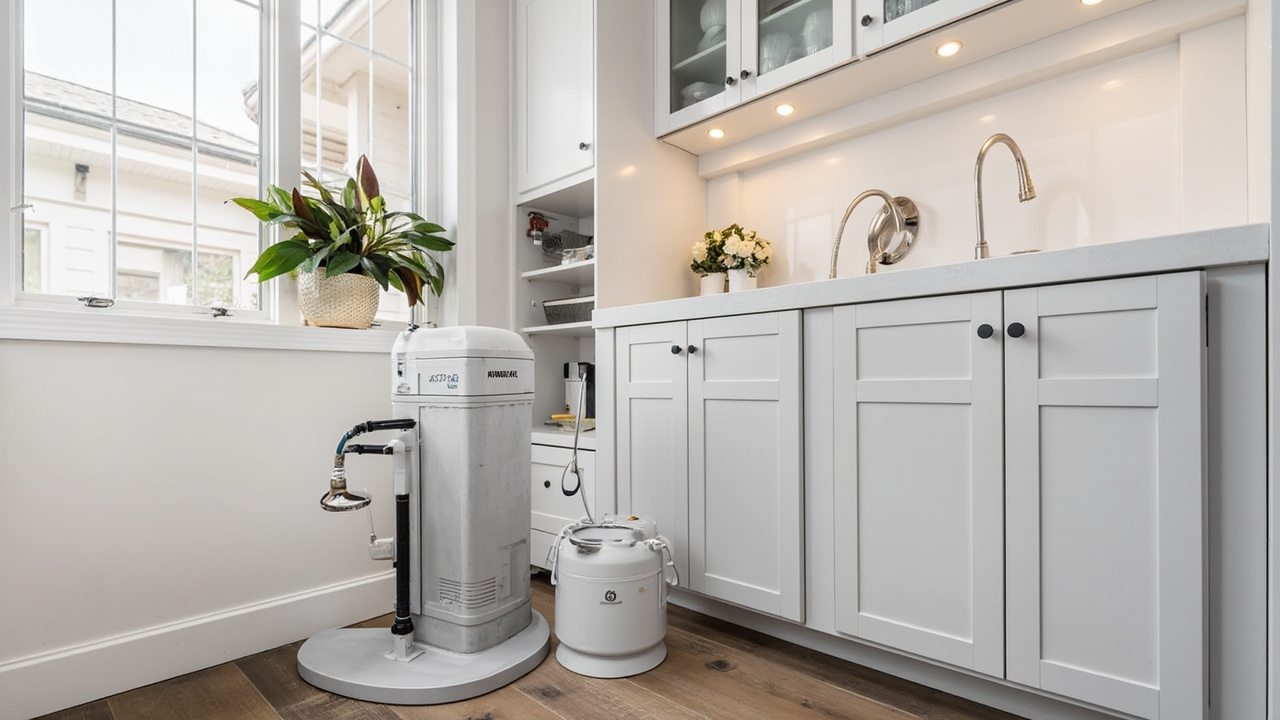
Alpharetta Water Damage Specialists for Fast Mold Prevention and Drying in North FultonWater emergencies in…
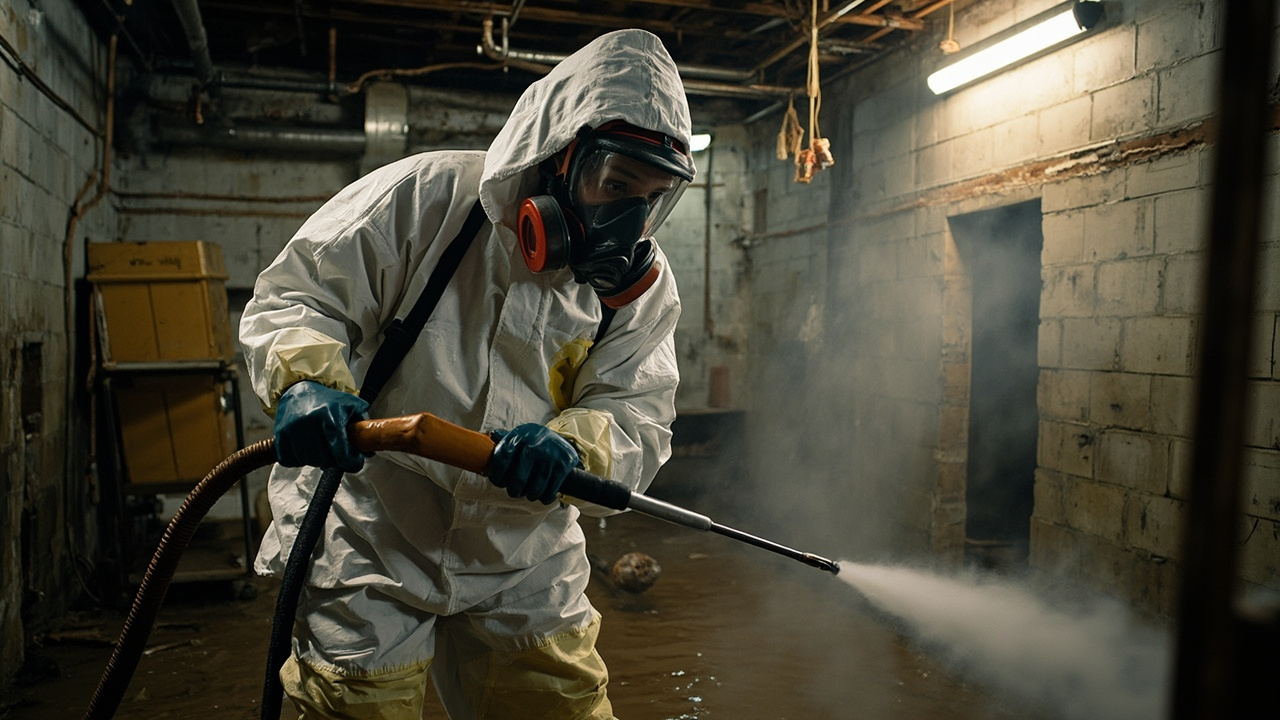
Professional Sewage Backup Cleanup and Restoration in Atlanta GeorgiaA sewage backup in your Atlanta home…

Water damage in an Edgewood home creates an immediate crisis that requires fast decision making.…
Water damage spreads every minute you wait. Call Victory Water Damage Restoration Atlanta now at (678) 397-3666 for immediate dispatch. Our certified crews arrive within 60 minutes and begin extraction and drying while coordinating your insurance claim.