menu

Water Bug & Pest Infestations in Atlanta – Expert Moisture Control Stops Roach & Insect Problems at the Source

Elite Plumbing Atlanta eliminates water bugs and pest infestations by fixing the hidden moisture problems that attract them, protecting your property from ongoing sewer roach issues and damp environment insects.

Slider Image 1
Slider Image 2
Slider Image 3
Slider Image 4
Slider Image 5
Slider Image 7
Slider Image 8
Slider Image 9
Slider Image 10
Slider Image 11

Why Atlanta Homes Become Breeding Grounds for Water Bugs and Moisture-Loving Pests

You spray. You set traps. The water bugs keep coming back.

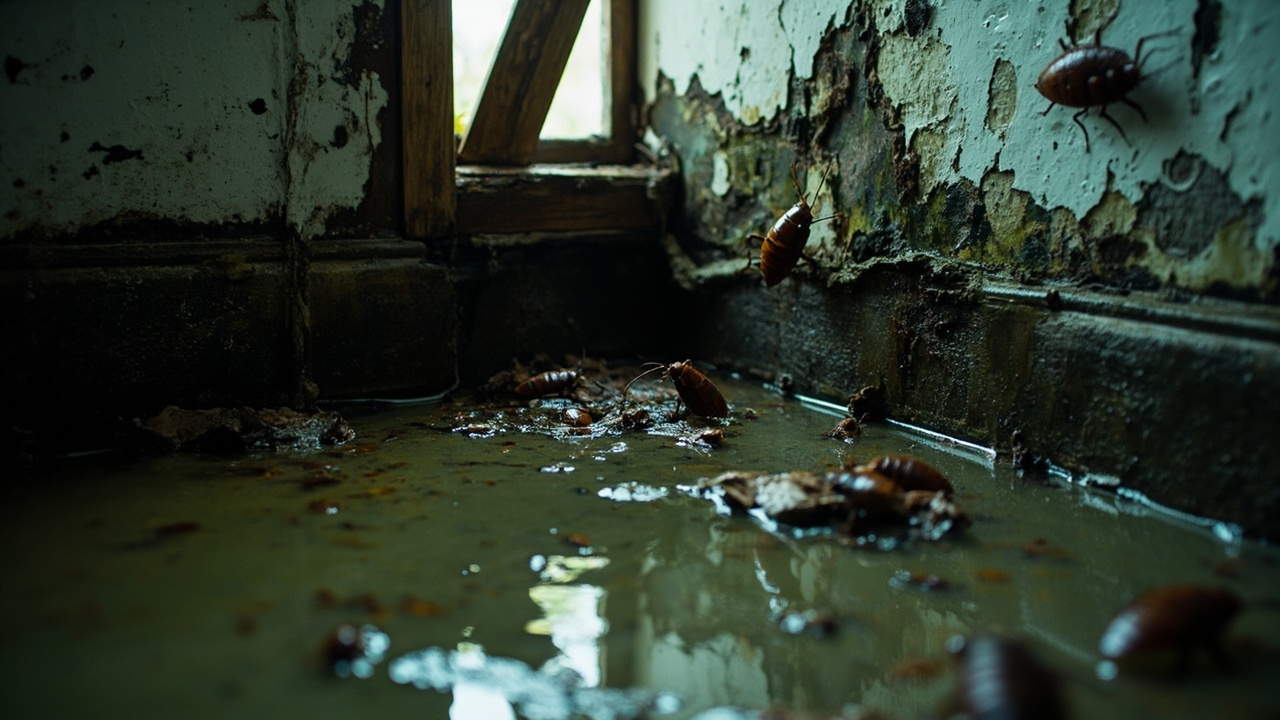
Atlanta's humid subtropical climate creates perfect conditions for moisture-related pest infestations. When humidity levels hit 70-90% for weeks at a stretch, basements stay damp, crawl spaces turn into swamps, and slab foundations develop condensation. That moisture draws oriental cockroaches, American cockroaches, and other damp environment insects straight to your home.

The problem is not the bugs. The problem is the water.

Water damage roaches do not invade dry homes. They need moisture to survive. A slow leak under your slab, a cracked sewer line in your crawl space, or poor grading around your foundation creates the damp conditions these pests require. Neighborhoods near the Chattahoochee River or low-lying areas in East Atlanta see this constantly. Clay soil here holds water against foundations, and older homes with galvanized pipes develop pinhole leaks that feed sewer roach infestations for months before you notice.

You can kill the bugs you see, but new ones will keep arriving until you eliminate the moisture source. A water bug problem is a water problem. Pest control treats the symptom. Water damage restoration fixes the cause.

If you see oriental cockroach problems in your basement or garage, or if you notice an increase in insect activity after heavy rain, you have a moisture intrusion issue that needs professional attention.

Why Atlanta Homes Become Breeding Grounds for Water Bugs and Moisture-Loving Pests
How We Eliminate Pest Problems by Removing the Moisture They Need

How We Eliminate Pest Problems by Removing the Moisture They Need

We do not spray chemicals. We remove the water source.

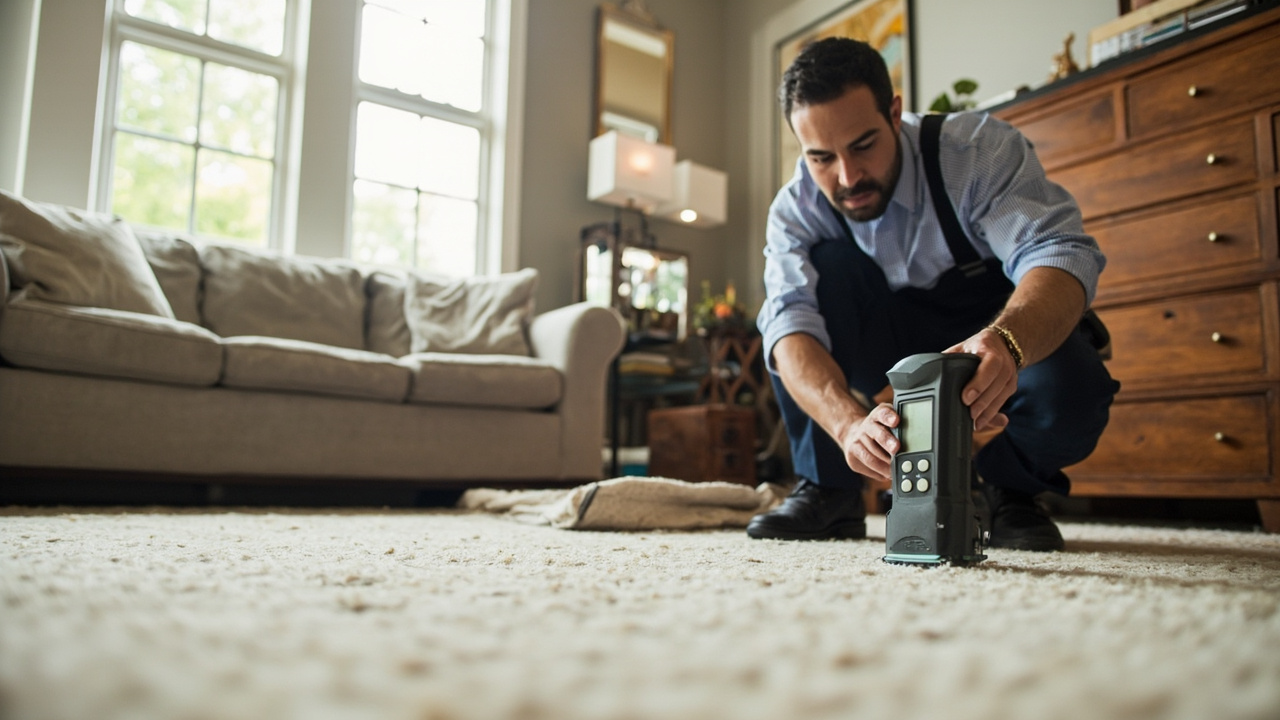
Elite Plumbing Atlanta uses moisture detection equipment to find hidden leaks, standing water, and damp zones that attract pests. We start with a thermal imaging scan to identify temperature differentials that indicate moisture behind walls or under flooring. We use moisture meters to measure relative humidity levels in your crawl space, basement, and wall cavities.

Once we map the moisture intrusion, we trace it back to the source. Common culprits include failed wax rings under toilets, sweating pipes in unconditioned spaces, cracked drain lines under slabs, and foundation cracks that let groundwater seep inside. In older Atlanta homes, we often find galvanized supply lines with corrosion and pinhole leaks that create slow, steady moisture buildup.

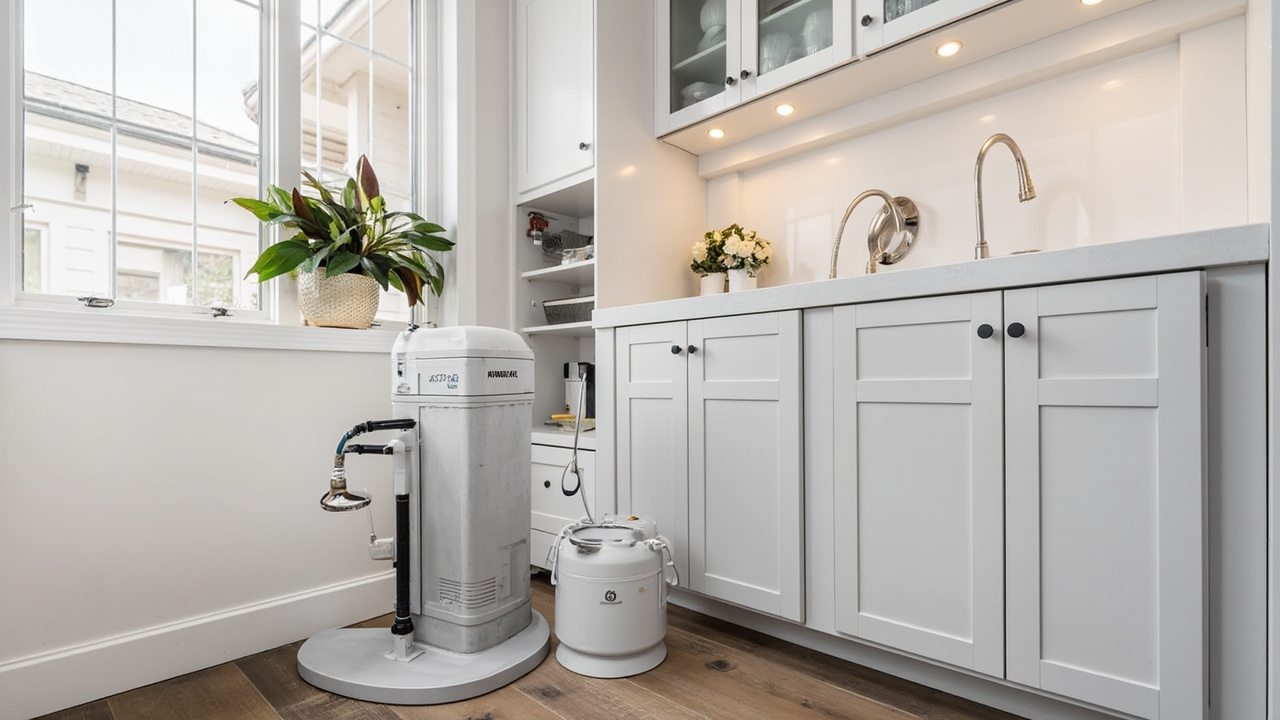
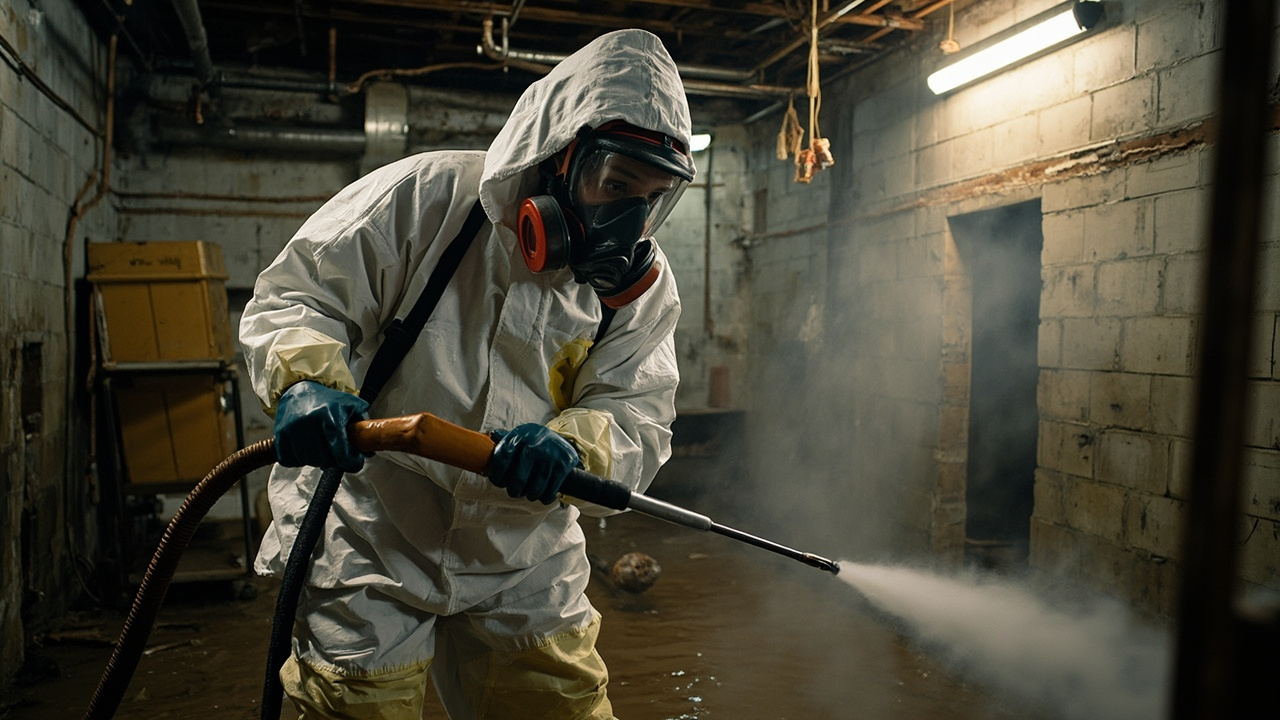
We repair the plumbing failure, dry out affected areas using commercial dehumidifiers and air movers, and treat structural components to prevent mold colonization. If your crawl space has standing water, we extract it, repair the drainage issue, and install vapor barriers to block future moisture intrusion.

This approach eliminates the habitat. Without moisture, water damage roaches leave or die. You do not need monthly pest control visits when the environment no longer supports their survival.

We also address secondary moisture sources like poor gutter drainage, HVAC condensate line failures, and improperly vented bathroom exhaust fans. Each one contributes to the damp conditions that sustain sewer roach infestations and other moisture-dependent pests.

What Happens When You Call Us About Water Bugs

Water Bug & Pest Infestations in Atlanta – Expert Moisture Control Stops Roach & Insect Problems at the Source
01

Moisture Assessment

We inspect all areas where you have seen pests, using thermal cameras and moisture meters to detect hidden water intrusion. We check crawl spaces, basements, under sinks, around toilets, and along exterior foundation walls. This diagnostic phase identifies every moisture source feeding the infestation.
02

Source Repair

We fix the plumbing failure causing the moisture problem. This might mean replacing a leaking supply line, repairing a cracked drain pipe, re-sealing a toilet base, or waterproofing a foundation crack. We address the root cause, not the symptom. The goal is permanent elimination of the water source.
03

Drying and Prevention

We dry out affected areas using industrial equipment, treat materials to prevent mold growth, and install preventive measures like vapor barriers or improved drainage. Once the environment is dry and stays dry, pest activity stops. You get long-term relief instead of temporary suppression.

Why Atlanta Property Owners Choose Elite Plumbing for Pest-Related Moisture Problems

Most pest control companies spray pesticides and leave. The bugs come back because the moisture remains.

Elite Plumbing Atlanta solves the underlying issue. We are licensed plumbers who specialize in water damage restoration, which means we can diagnose and repair the plumbing failures and moisture intrusions that create habitats for water bugs. We understand how Atlanta's clay soil shifts foundations, how galvanized pipes fail in older neighborhoods like Grant Park and Kirkwood, and how poor lot grading in subdivisions built during the housing boom creates chronic drainage problems.

We know the building stock in Atlanta. Homes built before 1980 often have cast iron drain lines that corrode from the inside out, creating slow leaks that feed oriental cockroach problems for years. Ranch homes on slabs develop moisture issues when HVAC condensate lines clog and overflow under the foundation. Split-level homes in North Druid Hills trap moisture in lower-level family rooms due to poor vapor barrier installation during original construction.

This local knowledge matters. A plumber from outside the metro area will not recognize these patterns. We have repaired moisture intrusion issues in every Atlanta neighborhood, and we understand the specific failure points common to local construction practices and regional environmental conditions.

We also work directly with homeowners insurance carriers when water damage is involved. If your policy covers the underlying leak, we handle documentation and coordination to streamline your claim process.

You get expertise, local knowledge, and a solution that actually works long-term.

What You Can Expect When We Handle Your Moisture and Pest Problem

Response Time and Availability

We respond to moisture assessment requests within 24 hours. If you have active water damage causing a pest emergency, we can often arrive the same day. Our assessment takes 60-90 minutes depending on property size. You will receive a detailed moisture report with thermal images showing exactly where water intrusion is occurring and what repairs are needed to eliminate it. We prioritize projects based on severity and can often start remediation within 48 hours of your approval.

How the Moisture Inspection Works

We use non-invasive diagnostic tools to map moisture without damaging your property. Thermal imaging shows temperature differences that indicate hidden leaks or damp materials. Moisture meters measure the water content in wood, drywall, and concrete. We inspect all plumbing fixtures, check drain lines with video cameras when needed, and evaluate exterior drainage and grading. You get a written report explaining what we found, why it is causing pest activity, and what specific repairs will solve it.

Results You Can Measure

Once we repair the moisture source and dry out affected areas, pest activity drops rapidly. Water bugs leave within days because the environment no longer supports them. You will notice fewer insects, less musty odor, and improved air quality in previously damp spaces. We verify our work with follow-up moisture readings to confirm humidity levels are below the threshold that attracts damp environment insects. The result is a dry, pest-resistant environment that stays that way.

Ongoing Protection

We provide maintenance recommendations to keep moisture problems from returning. This might include annual crawl space inspections, gutter cleaning schedules, or HVAC condensate line maintenance. If we install vapor barriers or drainage improvements, we explain how to monitor them. We also offer annual moisture audits for properties with a history of water intrusion issues. Our goal is to keep your home dry year-round so pests never have a reason to return.

Frequently Asked Questions

You Have Questions,
We Have Answers

How to get rid of a waterbug infestation? +

Start by eliminating moisture sources. Fix leaky pipes, seal cracks around plumbing, and use a dehumidifier in damp basements or crawl spaces. Atlanta's high humidity creates perfect breeding conditions, so proper ventilation matters. Remove food debris, clean drains with enzyme cleaners, and seal entry points around doors and windows. Apply boric acid powder in dry areas like behind appliances where water bugs travel. Set sticky traps to monitor activity. For active infestations, professional treatment with residual insecticides and targeted baiting often works best because water bugs hide in wall voids and sewers that DIY methods cannot reach.

What causes water bugs in your house? +

Water bugs enter Atlanta homes searching for moisture and food. Leaking pipes, clogged gutters, and poor drainage create entry opportunities. They travel through sewer lines, floor drains, and gaps around plumbing fixtures. Homes near creeks or with damp crawl spaces attract them. Standing water in basements, condensation on pipes, and overwatered landscaping close to foundations all contribute. Atlanta's clay soil shifts foundations over time, creating new cracks. Water bugs also follow light at night through gaps under doors. Once inside, they stay if they find water sources like pet bowls, leaky faucets, or humid bathrooms.

How do you know if you have a waterbug infestation? +

You will see large brown or black insects, typically one to two inches long, in bathrooms or kitchens at night. They scatter quickly when lights turn on. Check for oval-shaped droppings near baseboards, under sinks, or behind appliances. You might notice a musty odor in severe infestations. Water bugs often appear after heavy rain in Atlanta when they flee flooded areas. Look for shed exoskeletons in dark corners, inside cabinets, or near drains. If you spot one, assume more hide nearby. They reproduce quickly, so early detection matters. Inspect under refrigerators and washing machines where moisture collects.

What is the hardest bug infestation to get rid of? +

Bed bugs rank as the hardest infestation to eliminate. They hide in microscopic cracks, survive months without feeding, and resist many pesticides. German cockroaches also prove difficult because they reproduce rapidly and develop chemical resistance. Termites require extensive treatment because colonies nest deep in structures. Water bugs are easier to control than these pests because they do not reproduce as quickly indoors and respond to moisture elimination. However, water bugs that enter through sewer systems can reinfest if entry points remain unsealed. Pharaoh ants also challenge professionals because improper treatment splits colonies, making the problem worse.

What kills waterbugs instantly? +

Commercial insecticide sprays containing cypermethrin or bifenthrin kill water bugs on contact. Soapy water sprayed directly on them disrupts their protective coating and suffocates them within minutes. Boric acid powder causes dehydration when they walk through it. Diatomaceous earth works similarly by damaging their exoskeleton. For immediate results, you can physically crush them, though they are large and fast. Insecticidal dusts applied in wall voids provide longer control. Remember that killing one water bug does not solve an infestation. You must address moisture problems and seal entry points, or more will arrive through drains and foundation cracks.

Does pouring bleach down the drain get rid of roaches? +

Bleach temporarily kills roaches in drains but does not eliminate an infestation. It may kill insects on contact if poured in high concentration, but drains contain traps and bends where pests hide beyond the bleach's reach. Bleach also dissipates quickly and does not leave residual protection. Worse, it can damage pipes, especially older plumbing common in Atlanta's historic neighborhoods. Instead, use enzyme-based drain cleaners to remove organic buildup that attracts pests. Mechanical cleaning with a drain brush works better. For persistent drain activity, professionals apply residual insecticides designed for plumbing systems that provide longer control.

What time of year are water bugs most active? +

Water bugs peak in activity from May through September in Atlanta when heat and humidity increase. They breed faster in warm weather and search for water during dry spells. Heavy summer thunderstorms flush them from sewers and outdoor habitats into homes. You will also notice more activity in early spring as temperatures warm and they emerge from winter hiding spots. Indoor sightings happen year-round in heated homes, especially in basements and bathrooms. Cooler fall months reduce outdoor populations, but indoor infestations persist if moisture and entry points remain. September often brings a second wave as pests seek shelter before winter.

What smell do water bugs hate? +

Water bugs avoid strong scents like peppermint oil, cedar, eucalyptus, and bay leaves. They dislike citrus smells from lemon or orange peels. However, repellents alone will not eliminate an infestation. These scents may temporarily deter them from treated areas, but they will find alternative routes if moisture and food sources remain available. For practical control in Atlanta homes, focus on eliminating water sources, sealing cracks, and improving ventilation rather than relying on scent deterrents. Professional treatments target hiding spots and breeding areas that essential oils cannot reach. Use scents as a supplemental measure after addressing structural and moisture issues.

Are water bugs as bad as roaches? +

Water bugs and roaches are equally problematic but differ in behavior. Water bugs, often American cockroaches, grow larger and prefer damp environments like basements and sewers. They bite occasionally, unlike most roaches. Both carry bacteria and trigger allergies. German cockroaches infest kitchens, reproduce faster, and prove harder to eliminate. Water bugs typically appear in smaller numbers but signal moisture problems that can lead to mold or structural damage. In Atlanta's humid climate, both thrive if conditions allow. Neither pest belongs in your home. Both require prompt treatment, but German roach infestations typically demand more aggressive intervention.

Where do water bugs hide during the day? +

Water bugs hide in dark, damp spaces during daylight hours. Check behind refrigerators, under washing machines, and inside cabinets beneath sinks where plumbing leaks occur. They squeeze into cracks along baseboards, behind wall outlets, and inside floor drains. In Atlanta homes, crawl spaces and damp basements provide ideal daytime shelter. They rest in gaps around water heater connections and inside sump pump areas. Outside, they hide under mulch, landscape timbers, and inside water meter boxes. They prefer tight spaces that retain moisture and stay cool. At night, they emerge to forage for food and water.

How Atlanta's Humidity and Clay Soil Create Persistent Water Bug Problems

Atlanta averages 89% relative humidity in the morning during summer months. That moisture condenses on cold surfaces, soaks into crawl spaces, and keeps basements damp even without active leaks. The heavy clay soil common throughout the metro area compounds the problem by trapping water against foundation walls and preventing proper drainage. When soil stays saturated after storms, hydrostatic pressure forces groundwater through foundation cracks and slab joints. This creates the consistently damp conditions that sustain sewer roach infestations and attract oriental cockroaches into living spaces.

Elite Plumbing Atlanta has worked in this climate for years. We understand how seasonal humidity fluctuations affect moisture control, how local building practices from different eras create specific failure points, and how to engineer drainage solutions that account for Atlanta's clay soil and heavy rainfall patterns. We are familiar with the older homes in Virginia Highland and Inman Park where cast iron drain stacks fail, and we know the common slab leak issues in newer subdivisions built during rapid expansion. Local expertise matters when solving moisture problems that feed pest infestations.
Water Damage Restoration Services in The Atlanta Area

While we provide rapid mobile water damage restoration services directly to your doorstep throughout the Atlanta metropolitan area, you can also view our primary service location on the map below. This helps visualize our operational reach and assures you that expert assistance is always within your vicinity. We are always ready to deploy our dedicated teams to your precise location, ensuring swift and effective service whenever you need us, guaranteeing peace of mind.

Address:
Victory Water Damage Restoration Atlanta, 1055 Howell Ml Rd, Atlanta, GA, 30318

Additional Services We Offer

Our news updates

Latest Articles & News from The Blogs

Risks of Buying a House with Water Damage in Mableton and How to Protect Your Investment Buying a house represents…

Risks of Buying a House with Water Damage in Mableton and How to Protect Your Investment

Risks of Buying a House with Water Damage in Mableton and How to Protect Your Investment Buying a house represents…

Getting the right City of Atlanta building permits for major water damage repairs

Getting the right City of Atlanta building permits for major water damage repairsMajor water damage in your Atlanta home often…

Identifying chimney water leaks in Candler Park homes before they ruin your walls

Living in the historic Candler Park neighborhood offers unique architectural charm but the older masonry systems require constant attention. In…

Contact Us

Call Elite Plumbing Atlanta at (678) 397-3666 for a professional moisture assessment. We will identify the water source attracting pests to your property and provide a clear solution that eliminates the problem for good.