


Sandy Springs sits in the Chattahoochee River basin where heavy rainfall and aging infrastructure create constant flood threats. The area receives 52 inches of annual rainfall, well above the national average, putting homes near Nancy Creek, North Fork Peachtree Creek, and Long Island Creek at risk during storm events. Many properties in Riverside, Chatham Oaks, and Heritage Sandy Springs were built in the 1960s and 1970s with outdated plumbing systems that fail without warning.
Georgia's red clay soil expands when wet and contracts when dry, creating foundation shifts that crack pipes and allow groundwater seepage into basements and crawl spaces. Properties along Roswell Road and near the Perimeter Center deal with high water tables that push moisture through concrete slabs during extended rain periods. Multi-level homes common to the area experience cascading water damage when second-floor bathrooms or HVAC systems leak, saturating drywall and insulation as water travels downward through wall cavities. Quick action matters because Georgia's humidity accelerates mold colonization within 24 to 48 hours of water exposure.
Victory Water Damage Restoration Atlanta has served Sandy Springs and North Fulton County for over a decade, responding to flood emergencies in every neighborhood from Dunwoody Springs to Windsor Estates. Our technicians know which streets flood first during heavy rain, which buildings have chronic plumbing issues, and how to navigate insurance claims with the carriers most common in this area.
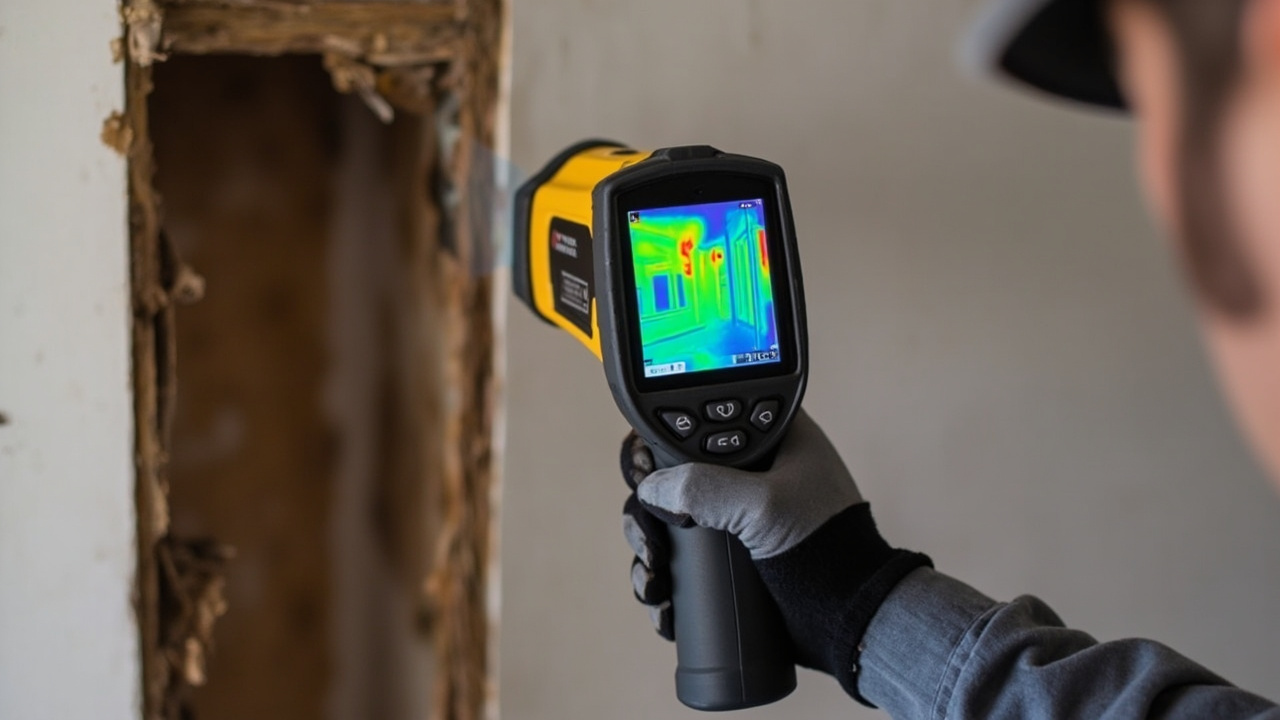
We maintain equipment staging near GA-400 and I-285 for rapid deployment across Sandy Springs. When you call our emergency line at (678) 397-3666, you reach a live person who dispatches a crew immediately, not an answering service that delays response by hours. Our trucks carry industrial extractors, commercial dehumidifiers, thermal imaging cameras, and moisture meters so we arrive prepared to start work the moment we assess your damage.
We hold IICRC certifications in water damage restoration and applied structural drying, meaning our crews follow science-based protocols that insurance companies recognize and trust. This matters when filing claims because proper documentation and methodology prevent disputes over coverage. We photograph everything, track moisture readings daily, and provide detailed reports that adjusters accept without argument.
Our relationships with local contractors, plumbers, and electricians mean we coordinate repairs efficiently once drying completes. We understand Sandy Springs building codes and permit requirements, ensuring all reconstruction work meets city standards. You get one team managing the entire restoration process from emergency response through final rebuild, eliminating the confusion of dealing with multiple companies who blame each other when problems arise.

Our emergency crews dispatch to Sandy Springs locations within one hour of your call, 24 hours a day, 365 days a year. We stage equipment strategically across North Fulton County so travel time never delays damage mitigation. Fast response stops water from spreading to unaffected areas and prevents secondary damage that multiplies repair costs.

We bill your insurance company directly and handle all claim documentation, so you never pay out of pocket for covered damage. Our estimators speak the language adjusters understand and provide the detailed moisture logs, thermal images, and drying reports that prevent claim denials. You focus on your family while we handle the paperwork.
Every crew member holds current IICRC certification in water damage restoration and applied structural drying. We follow industry-standard protocols for moisture detection, extraction, and dehumidification that insurance companies trust and building science validates. Our methods prevent mold growth and ensure complete drying to pre-loss moisture levels every time.
We have restored hundreds of homes and businesses across Sandy Springs, from historic properties near Heritage Sandy Springs to new construction in Riverside. Our technicians know local building types, understand which neighborhoods flood during storms, and maintain relationships with city inspectors that streamline permit approvals for reconstruction work.
Victory Water Damage Restoration Atlanta handles every type of water emergency affecting Sandy Springs properties. We respond to burst pipes, overflowing toilets, failed water heaters, roof leaks, appliance malfunctions, sewage backups, and storm flooding. Our process always starts with rapid water extraction to stop damage progression, followed by structural drying using commercial dehumidifiers and air movers positioned based on moisture meter readings and thermal imaging analysis.
We categorize water damage by contamination level. Clean water from supply lines requires different treatment than gray water from washing machines or black water from sewage backups. Each category demands specific safety protocols and antimicrobial treatments. Our crews assess contamination levels on arrival and implement appropriate remediation procedures that protect your health and meet insurance requirements.
Water damage restoration goes beyond drying wet materials. We remove unsalvageable items, treat salvageable contents, apply antimicrobial solutions to prevent microbial growth, and monitor moisture levels daily until structures return to normal dryness. The services below represent our three core capabilities that address different aspects of water damage events affecting residential and commercial properties throughout Sandy Springs.
Standing water destroys flooring, saturates drywall, and seeps into wall cavities within minutes. Our emergency extraction service deploys industrial truck-mounted extractors and submersible pumps that remove thousands of gallons per hour from flooded basements, crawl spaces, and living areas. We extract water first, then position air movers and dehumidifiers to start the drying process immediately. Fast extraction prevents water from wicking up walls, protects subflooring from delamination, and stops contamination from spreading to unaffected rooms. We respond to extraction emergencies 24/7 across Sandy Springs.
Visible water disappears quickly but moisture trapped inside walls, ceilings, and floors causes hidden damage for weeks. Our structural drying service uses thermal imaging to locate trapped moisture, then positions commercial dehumidifiers and air movers in patterns that maximize evaporation from affected materials. We monitor moisture levels twice daily using calibrated meters, adjust equipment placement based on readings, and continue drying until all building materials return to normal moisture content. Proper structural drying prevents mold growth, eliminates musty odors, and ensures insurance adjusters approve your claim without disputes over methodology.
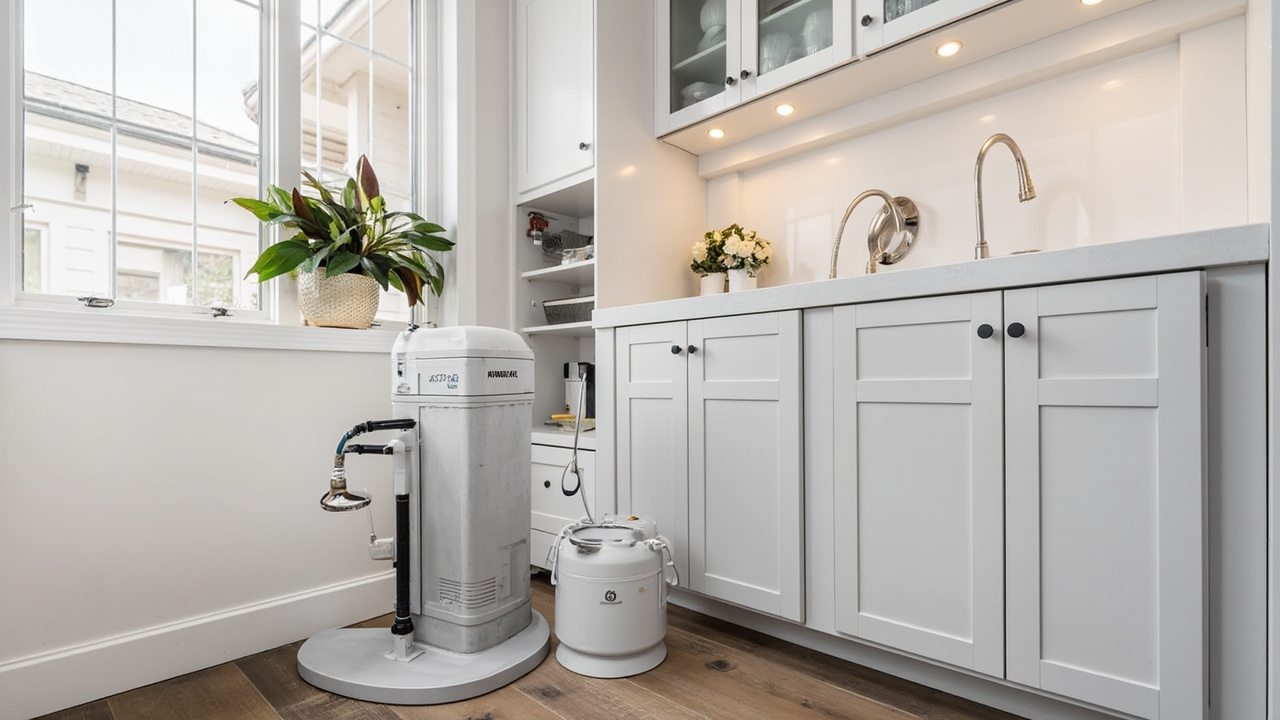
Georgia's humidity creates perfect conditions for mold colonization within 24 hours of water exposure. Our mold prevention service applies EPA-registered antimicrobial treatments to all affected surfaces immediately after extraction. We remove porous materials like carpet padding and insulation that cannot be adequately disinfected, treat hard surfaces with hospital-grade antimicrobials, and use HEPA air scrubbers to capture airborne spores released during demolition. This prevents mold from establishing colonies during the drying process. Proactive treatment costs less than mold remediation and protects your family from respiratory irritants and allergens.
Sandy Springs properties face water damage from multiple sources throughout the year. Summer thunderstorms drop heavy rainfall that overwhelms gutters and floods basements. Winter freezes burst exposed pipes in crawl spaces and attics. Aging infrastructure fails without warning when galvanized pipes corrode or polybutylene supply lines crack under pressure. Understanding these common problems helps property owners recognize warning signs before minor leaks become major flooding events.
The issues below represent the most frequent water damage scenarios we address in Sandy Springs. Each creates unique challenges that require immediate professional response. Ignoring early warning signs like ceiling stains, musty smells, or higher water bills leads to extensive structural damage and mold contamination that multiplies repair costs. Quick action when you notice these problems protects your property investment and prevents health hazards.
Aging copper pipes and outdated polybutylene plumbing fail suddenly, flooding homes with hundreds of gallons before anyone notices. Pipes in exterior walls and unheated crawl spaces burst during freezes. Corrosion weakens galvanized pipes in older Sandy Springs homes until water pressure causes catastrophic failures. Supply line leaks flood finished spaces quickly because pressurized water sprays continuously until someone shuts off the main valve.
Water heaters fail after 10 to 15 years, dumping 40 to 80 gallons across garage or basement floors. Washing machine hoses crack and spray water during spin cycles. Dishwasher supply lines leak behind cabinets for weeks before anyone notices damage. Refrigerator ice makers develop slow leaks that rot subflooring underneath. These gradual leaks cause more structural damage than sudden floods because moisture saturates materials over extended periods.
Heavy rainfall overwhelms gutters and sends water sheeting down exterior walls into crawl spaces and basements. Clogged downspouts dump water next to foundations where it seeps through cracks and gaps. Properties near Nancy Creek and North Fork Peachtree Creek experience flooding during major storm events. Poor yard grading directs rainwater toward homes instead of away, creating chronic moisture problems in lower levels.
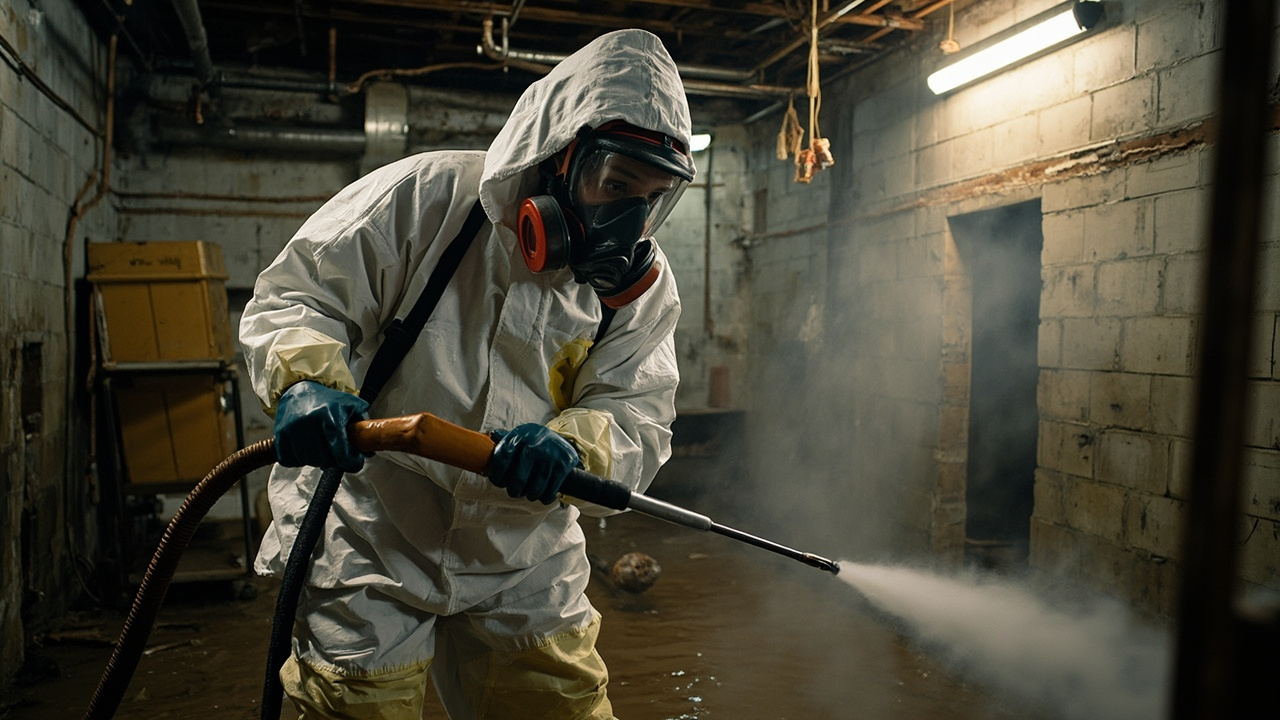
Tree roots infiltrate aging sewer laterals and create blockages that cause toilets and drains to back up into homes. Heavy rainfall overwhelms city sewer systems, forcing contaminated water back through floor drains in basements. Failed septic systems on older properties leak sewage into yard soil that migrates to crawl spaces. Sewage backups require immediate professional remediation because contaminated water contains dangerous pathogens and bacteria.
Water damage creates panic. Your home floods, possessions get soaked, and you need help fast. When you call Victory Water Damage Restoration Atlanta at (678) 397-3666, you reach a live person who stays on the line until help arrives. We ask questions about the damage source, affected areas, and safety concerns, then dispatch the nearest crew to your Sandy Springs location immediately.
Our process eliminates confusion during a stressful situation. You get clear communication about arrival times, work scope, and next steps. We explain everything in plain language without industry jargon that creates more questions. Our crews arrive in marked vehicles with all necessary equipment so work starts the moment we complete damage assessment. You never wonder what happens next because we update you throughout the restoration process. The expectations below describe exactly what happens when you choose Victory Water Damage Restoration Atlanta for your water damage emergency.
Our emergency line connects you to a live dispatcher who takes your call seriously and gathers information while help travels to your location. We provide accurate arrival time estimates and call if delays occur. You receive the crew leader's direct phone number so questions get answered immediately. We explain our assessment findings in clear terms, outline the restoration plan, and discuss timeline expectations before starting work. Our crews wear uniforms and ID badges so you know exactly who enters your property.
We photograph all damage before touching anything, document moisture readings throughout the property, and create detailed written reports that insurance adjusters trust. You receive copies of everything for your records. Our estimators prepare thorough claim documentation using Xactimate software that insurance companies recognize as industry standard. We communicate directly with your adjuster, answer technical questions about our methodology, and provide the scientific justification insurers require to approve claims without disputes. You never get caught between conflicting information from restoration company and insurance carrier.
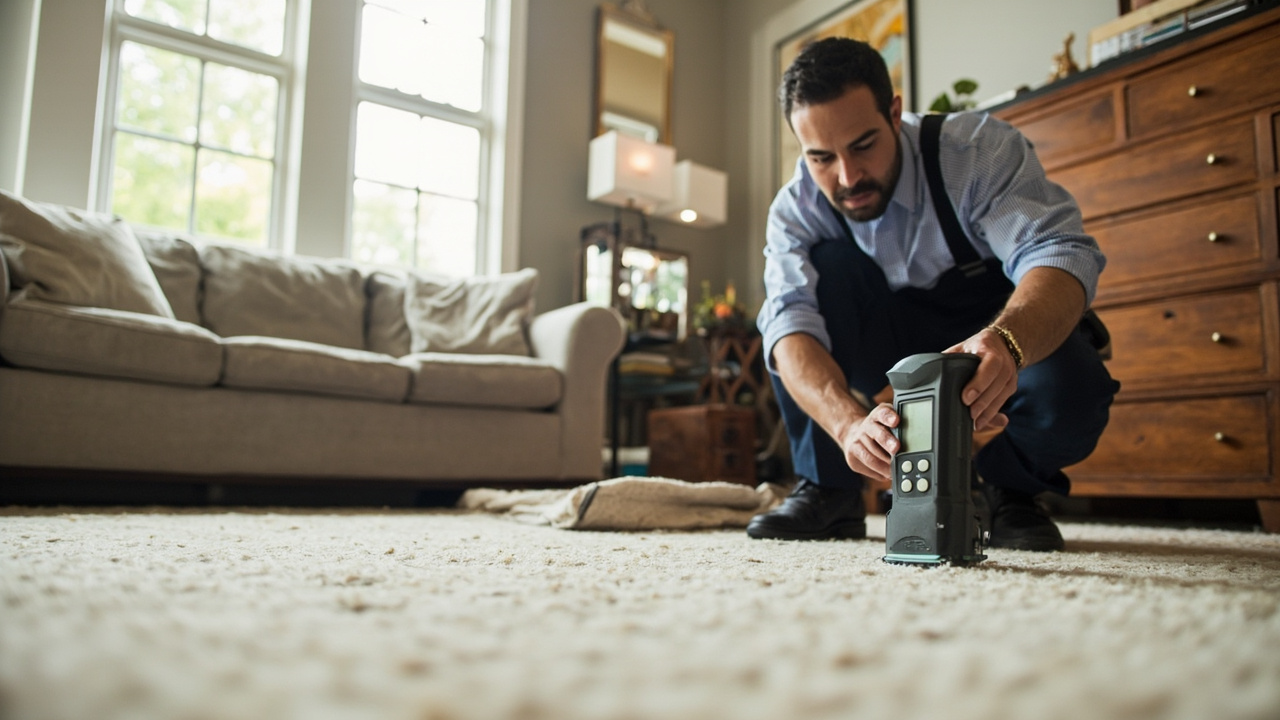
We monitor moisture levels twice daily and adjust drying equipment based on readings until all materials return to normal moisture content. You receive daily updates on drying progress with actual moisture measurements, not vague assurances. Once drying completes, we conduct final moisture verification testing and provide written certification that your property meets industry standards for dryness. We coordinate reconstruction work with trusted local contractors, manage the entire project, and ensure all repairs meet Sandy Springs building codes. Your property returns to pre-loss condition or better.
We follow a systematic approach refined through thousands of successful restorations. This process ensures nothing gets missed and drying completes properly every time.
Our crew arrives at your Sandy Springs property within 60 minutes and conducts a room-by-room assessment using moisture meters and thermal imaging cameras. We identify all affected areas including hidden moisture in wall cavities and ceiling spaces. We document everything with photographs and written notes, classify water contamination level, and develop a detailed restoration plan. You receive a clear explanation of required work, estimated timeline, and cost before we start. We locate the water source and stop active flooding if possible.
We extract standing water using industrial pumps and truck-mounted extractors, then position commercial dehumidifiers and air movers based on moisture readings and airflow patterns. We remove unsalvageable materials like soaked carpet padding and damaged drywall to expose wet framing for faster drying. Our crews monitor moisture levels twice daily, adjust equipment placement as needed, and continue drying until all building materials reach normal moisture content. Antimicrobial treatments prevent mold growth during the drying process.
Once moisture readings confirm complete drying, we conduct final verification testing and document results for insurance purposes. We coordinate reconstruction work including drywall replacement, painting, flooring installation, and finish carpentry. Our project managers supervise all repair work to ensure quality meets our standards and Sandy Springs building codes. We conduct a final walkthrough with you to confirm satisfaction before closing the project. You receive written certification that restoration work completes properly and your property returns to pre-loss condition.
Proper water damage restoration follows scientific principles established by the Institute of Inspection, Cleaning and Restoration Certification and documented in the IICRC S500 Standard for Professional Water Damage Restoration. These protocols guide every decision we make about equipment placement, drying time, and material removal. Insurance companies across Georgia recognize IICRC standards as the benchmark for proper restoration work.
Water damage gets classified into three contamination categories that determine handling requirements. Category 1 involves clean water from supply lines or rainwater that has not contacted contaminated surfaces. Category 2 includes gray water from washing machines, dishwashers, or toilet overflow with urine but no feces. Category 3 covers black water from sewage backups, flooding from rivers or streams, or any water that has contacted contaminated surfaces. Each category requires specific safety protocols, disposal procedures, and antimicrobial treatments.
Drying follows psychrometric principles that measure temperature, humidity, and moisture content relationships in air and materials. We use commercial dehumidifiers rated by grain depression capacity to remove specific quantities of moisture per day. Air movers create airflow patterns across wet surfaces that accelerate evaporation rates. Our technicians calculate air changes per hour requirements based on room volume and adjust equipment quantity to achieve proper drying conditions. We target specific equilibrium moisture content levels for different building materials using moisture meters calibrated to IICRC standards.
Georgia's humid climate complicates water damage restoration because ambient moisture slows evaporation rates. We often seal affected areas and create controlled drying chambers that maintain lower humidity levels than surrounding spaces. This requires understanding vapor pressure differentials and how to manipulate them using dehumidification equipment. Proper methodology prevents secondary damage from over-drying or under-drying building materials. Sandy Springs properties built on concrete slabs require different drying approaches than homes with crawl space foundations because moisture migration patterns differ based on construction type.
All Victory Water Damage Restoration Atlanta technicians hold current IICRC certification in Water Damage Restoration and Applied Structural Drying. We follow IICRC S500 protocols for damage assessment, moisture detection, extraction procedures, and drying verification. Insurance adjusters across Georgia recognize IICRC methodology as the industry standard, which prevents claim disputes over our restoration approach and ensures full coverage approval for properly documented damage.
Water damage restoration costs depend on affected square footage, water contamination category, material saturation levels, and required reconstruction scope. Clean water damage costs less to remediate than sewage contamination. Hardwood floor drying costs less than replacement. Drying time affects costs because equipment rental and labor extend over multiple days. Insurance typically covers sudden and accidental water damage but excludes gradual leaks or maintenance-related failures. Proper documentation determines coverage approval.
Structural drying typically requires three to seven days depending on affected materials, saturation levels, and weather conditions. Hardwood floors need longer drying times than carpet. Georgia's humidity extends drying duration compared to dry climates. We monitor moisture levels twice daily and adjust timelines based on actual readings. Rushing the process causes mold growth and material damage. Following psychrometric principles ensures complete drying without over-drying that cracks wood or causes other secondary damage.
Georgia requires water damage restoration companies to carry general liability insurance and workers compensation coverage. Victory Water Damage Restoration Atlanta maintains full insurance coverage that protects your property during restoration work. We provide certificates of insurance to property managers and insurance adjusters upon request. Our business license remains current with Sandy Springs and Fulton County. We follow all local building codes and obtain required permits for reconstruction work involving electrical or plumbing systems.
Victory Water Damage Restoration Atlanta serves every neighborhood across Sandy Springs, from the historic homes near Heritage Sandy Springs to new construction in the Riverside district. We respond to emergencies in Dunwoody Springs, where older properties face plumbing failures in aging infrastructure, and in Chatham Oaks, where basement flooding occurs during heavy rain events. Properties near the Perimeter Center deal with high water tables that push moisture through concrete slabs, requiring specialized drying techniques that address subsurface moisture migration.
Our crews know the streets that flood first during storms, including areas near Nancy Creek that overflow during major rainfall events. We have restored properties throughout Windsor Estates, Spalding Corners, and Huntcliff, understanding how different construction types in these neighborhoods respond to water damage. Homes along Roswell Road and near Mount Vernon Highway experience unique challenges based on elevation and proximity to natural waterways. We maintain equipment staging near the intersection of GA-400 and I-285 for rapid deployment across all Sandy Springs locations.
We extend service to adjacent communities including Dunwoody, where similar building types and water damage risks create demand for experienced restoration contractors. Properties in the greater Atlanta metro area benefit from our North Fulton County presence and strategic equipment positioning. Whether you live near the Chattahoochee River corridor or in neighborhoods surrounding Perimeter Mall, our response time remains under one hour because we understand local geography and traffic patterns.
Sandy Springs building codes require permits for significant reconstruction work following water damage. Our relationships with city inspectors and familiarity with permit requirements streamline approval processes and prevent delays in getting your property restored. We coordinate with local plumbers, electricians, and general contractors who understand Sandy Springs regulations and perform quality work that passes inspections on the first attempt. This local knowledge saves you time and eliminates the frustration of dealing with contractors unfamiliar with city requirements.
While we provide rapid mobile water damage restoration services directly to your doorstep throughout the Atlanta metropolitan area, you can also view our primary service location on the map below. This helps visualize our operational reach and assures you that expert assistance is always within your vicinity. We are always ready to deploy our dedicated teams to your precise location, ensuring swift and effective service whenever you need us, guaranteeing peace of mind.
Address:
Sandy Springs, GA, 30328
Water damage happens quickly and often without warning in the Atlanta metro area. Whether a pipe burst in a Buckhead high-rise or a basement flooded after a heavy storm in Decatur, the resulting mess is…
Alpharetta Water Damage Specialists for Fast Mold Prevention and Drying in North FultonWater emergencies in…
Professional Sewage Backup Cleanup and Restoration in Atlanta GeorgiaA sewage backup in your Atlanta home…
Water damage in an Edgewood home creates an immediate crisis that requires fast decision making.…
Water damage spreads fast. Every minute matters. Call Victory Water Damage Restoration Atlanta at (678) 397-3666 right now for immediate dispatch to your Sandy Springs property. Our crews respond 24/7 with equipment ready to stop damage and start restoration.