menu

Water Stains on Drywall in Atlanta – Expert Diagnosis and Permanent Moisture Control Solutions

Professional water stain diagnosis and remediation for Atlanta homeowners dealing with brown water spots, ceiling discoloration, and hidden moisture damage behind your walls.

Slider Image 1
Slider Image 2
Slider Image 3
Slider Image 4
Slider Image 5
Slider Image 7
Slider Image 8
Slider Image 9
Slider Image 10
Slider Image 11

Why Water Stains Keep Appearing on Your Atlanta Home's Drywall

You spot a yellow stain spreading across your bedroom ceiling. Or maybe brown water spots just appeared on your living room wall after last week's storm. Water stains on drywall are not cosmetic problems. They are visible symptoms of active moisture intrusion.

Atlanta's climate creates the perfect storm for drywall water damage. Our average annual rainfall exceeds 50 inches, with intense spring thunderstorms dumping water faster than aging roofs and gutters can handle. When you combine that precipitation with humidity levels that regularly hit 70 percent or higher, moisture does not just evaporate. It soaks into porous building materials and stays there.

The moisture discoloration on sheetrock you see today started days or weeks ago. Water travels along studs, through insulation, and across horizontal ceiling joists before it finally saturates the drywall paper facing enough to create visible wet patches on plasterboard. By the time you notice water marks on ceiling surfaces, the damage behind the wall is already significant.

Atlanta's red clay soil adds another layer of complexity. Clay expands when wet and contracts when dry, creating foundation movement that can crack exterior brick veneer and compromise window flashing. When flashing fails, water enters wall cavities during every rain event. The result is recurring brown water spots on walls that reappear even after you paint over them.

Yellow stains on drywall near bathrooms or kitchens often indicate slow plumbing leaks from supply lines or drain assemblies. In older Atlanta homes built before modern building codes, cast iron drain pipes corrode from the inside out, creating pinhole leaks that saturate wall cavities for months before you see surface evidence.

The stain you see is the warning light on your dashboard. The real problem is hidden moisture, and moisture creates mold growth within 24 to 48 hours.

Why Water Stains Keep Appearing on Your Atlanta Home's Drywall
How We Find and Fix the Source Behind Drywall Water Stains

How We Find and Fix the Source Behind Drywall Water Stains

Painting over water stains is like putting a bandaid on a broken bone. You need source identification, complete drying, and proper reconstruction. That requires diagnostic equipment and water damage expertise.

We start with moisture mapping using calibrated infrared thermal imaging cameras. These cameras detect temperature differentials caused by evaporative cooling, showing us the full extent of moisture saturation behind wall and ceiling surfaces. A small visible stain often indicates widespread hidden saturation across multiple stud bays or ceiling joist channels.

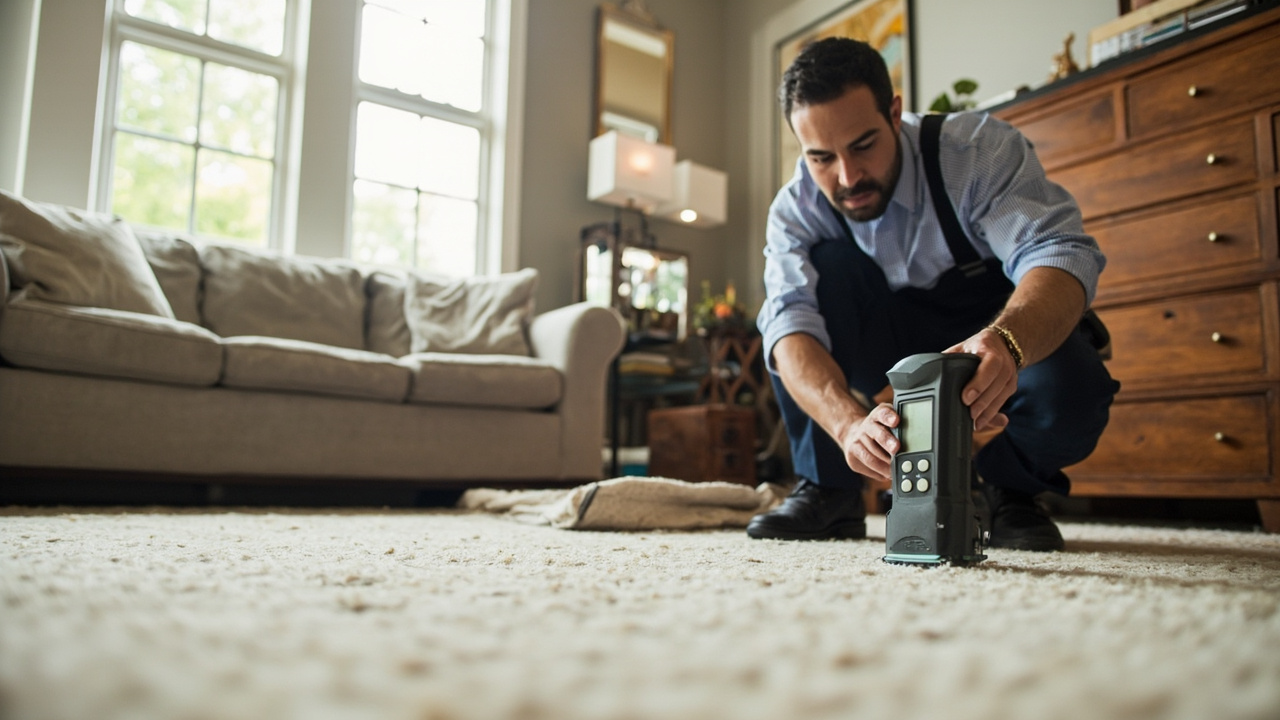
Next, we use penetrating moisture meters to quantify moisture content in wood framing, insulation, and drywall. Readings above 16 percent in wood indicate conditions favorable for mold growth. Readings above 1 percent in gypsum drywall mean the material has absorbed water beyond its normal equilibrium moisture content.

Once we map the moisture, we trace it back to the source. Roof leaks require attic inspection to identify failed shingle seals, damaged flashing, or ice dam damage on north-facing roof planes. Wall stains often trace back to failed exterior caulk joints around windows, missing kick-out flashing where roof planes meet vertical walls, or deteriorated brick mortar joints allowing wind-driven rain penetration.

Plumbing leaks require systematic isolation testing. We shut off individual fixture supply valves, monitor pressure gauges, and use acoustic leak detection equipment to pinpoint concealed pipe failures without destructive exploratory demolition.

After identifying and repairing the source, we establish controlled drying conditions using commercial dehumidifiers and air movers. Drywall must reach equilibrium moisture content below 1 percent before reconstruction begins. Rushing this phase traps residual moisture and creates future mold problems.

Finally, we remove damaged materials, treat framing with antimicrobial solutions, and reconstruct using mold-resistant drywall products and low-VOC primers designed for moisture-prone areas.

What Happens When You Call About Ceiling or Wall Water Stains

Water Stains on Drywall in Atlanta – Expert Diagnosis and Permanent Moisture Control Solutions
01

Emergency Moisture Assessment

We arrive within hours to evaluate active water intrusion and prevent additional damage. Our technicians use thermal imaging to map moisture extent, identify the entry point, and determine whether emergency water extraction or temporary containment is needed. You receive a detailed moisture map showing affected areas and a written scope of recommended repairs before any work begins.
02

Source Repair and Drying

Once the source is repaired, we establish proper drying conditions using industrial dehumidification equipment and focused airflow. We monitor moisture levels daily using penetrating meters and document progress with written logs. Structural drying typically takes three to seven days depending on material saturation levels and humidity conditions. We do not begin reconstruction until moisture readings confirm complete drying.
03

Restoration and Prevention

After drying verification, we remove unsalvageable materials, treat exposed framing with antimicrobial solutions, and reconstruct using moisture-resistant products. We match existing wall textures and apply stain-blocking primer before finish paint. You receive documentation of all moisture readings, photos of hidden damage, and recommendations for preventing future water intrusion. Most insurance claims include both emergency mitigation and complete restoration.

Why Atlanta Homeowners Choose Local Water Damage Specialists

Water damage restoration is not a DIY project. It requires specialized equipment, technical knowledge, and experience with insurance documentation. Choosing a local Atlanta company means working with technicians who understand regional construction methods and common failure points in homes built during different eras.

Elite Plumbing Atlanta has restored water-damaged homes in every Atlanta neighborhood, from historic Craftsman bungalows in Virginia Highland to modern construction in Buckhead. We know that homes built before 1980 often lack proper vapor barriers in crawlspaces, creating chronic moisture problems. We know that Atlanta's freeze-thaw cycles cause thermal expansion in brick veneer, leading to mortar joint failure and water penetration. We know which roofing contractors cut corners on flashing and which foundation companies properly address grading issues.

Local expertise matters when dealing with insurance claims. We document findings using industry-standard moisture mapping protocols recognized by all major insurance carriers. Our estimates include line-item pricing that matches Xactimate software used by insurance adjusters, reducing claim disputes and speeding approval timelines. We communicate directly with adjusters, provide supplemental documentation when needed, and advocate for complete repairs rather than temporary patches.

We also understand Atlanta building codes and permit requirements. Structural drying does not require permits, but reconstruction work involving electrical or plumbing modifications does. We pull necessary permits, coordinate inspections, and ensure all work meets current code standards even when repairing older homes built under previous code cycles.

Our equipment inventory includes truck-mounted extraction units, commercial-grade dehumidifiers, thermal imaging cameras, and moisture monitoring systems. We do not rent equipment or subcontract critical phases. Every technician on your project is a trained Elite Plumbing Atlanta employee, not a franchise contractor or day laborer.

You also get transparency. We explain findings, show you thermal images and moisture readings, and walk you through repair options before starting work.

What to Expect During Water Stain Remediation and Drywall Restoration

Response Time and Availability

Water damage worsens by the hour. We answer emergency calls 24 hours a day, seven days a week, including holidays. Most residential water stain assessments occur within two to four hours of your initial call during business hours, and within six hours for after-hours emergencies. Our technicians arrive in marked vehicles with diagnostic equipment ready to identify moisture sources and begin containment. Non-emergency consultations for older stains or chronic moisture problems can be scheduled within 24 hours. We understand that visible water stains create stress and uncertainty. You will speak with a knowledgeable team member on every call, not an answering service, and receive realistic timelines based on your specific situation.

Initial Evaluation and Moisture Mapping

The diagnostic phase determines the scope of hidden damage and identifies repair requirements. We use thermal imaging to scan wall and ceiling cavities, revealing moisture patterns invisible to the naked eye. Penetrating moisture meters quantify saturation levels in wood framing and drywall at multiple test points. You receive a written assessment explaining findings in plain language, not technical jargon. We identify the moisture source, explain how water traveled through building assemblies, and outline required repairs. Most assessments take 45 to 90 minutes depending on home size and damage extent. We provide upfront pricing for both emergency mitigation and complete restoration, allowing you to make informed decisions before authorizing work.

Quality of Repairs and Final Appearance

Proper restoration means you cannot tell where repairs occurred. We match existing wall textures using the same application techniques originally used in your home, whether that is smooth finish, orange peel, knockdown, or hand-troweled skip trowel. Drywall seams receive three-coat finishing with proper drying time between applications. We use stain-blocking primers that prevent tannin bleed-through and seal residual odors. Paint matching involves custom tinting to blend with aged existing paint, accounting for fading and color shift over time. Reconstruction includes insulation replacement in exterior walls and proper vapor barrier installation to prevent future condensation problems. You receive a finished surface ready for your final paint color or wallcovering, or we can coordinate final painting to ensure seamless integration.

Post-Restoration Support and Prevention Guidance

Water damage restoration is complete when moisture levels return to normal and repairs restore structural integrity and appearance. We provide final moisture readings documenting successful drying in all affected areas. You receive digital copies of all thermal images, moisture logs, and repair documentation for insurance records and future reference. We also provide maintenance recommendations to prevent recurrence, including gutter cleaning schedules, exterior caulk joint inspection intervals, and plumbing fixture monitoring tips. If you experience any issues with restored areas within the first year, we return to evaluate and address concerns. Many clients schedule annual moisture inspections in previously affected areas to catch problems before visible damage occurs. Prevention is always cheaper than restoration.

Frequently Asked Questions

You Have Questions,
We Have Answers

How do you get water stains out of drywall? +

First, fix the leak source. You cannot remove a water stain if moisture keeps feeding it. Once dry, scrape off any loose paint or texture with a putty knife. Spray the stained area with a bleach solution (one part bleach to three parts water) to kill surface mold, then let it dry completely. Apply a stain-blocking primer like Kilz or BIN to seal the discoloration. Without primer, the stain will bleed through your topcoat. Finish with two coats of matching paint. In Atlanta's humid climate, use a dehumidifier during drying to prevent mold growth behind the wall.

Can I paint over water stained drywall? +

You should not paint directly over water stained drywall. The tannins and minerals in the water will bleed through standard paint, even after multiple coats. You will see the stain reappear within days. Always apply a stain-blocking primer first. Use oil-based or shellac-based primers for the best seal. These products lock in the discoloration and prevent bleed-through. After priming, you can apply your finish paint. Skipping primer wastes time and money. Atlanta's high humidity makes this step even more critical, as moisture can reactivate old stains if not properly sealed.

How to tell if water is leaking behind drywall? +

Look for soft or spongy drywall when you press on it. Check for discoloration that spreads over time, especially yellowish or brown rings. Peel back baseboards or check behind furniture for hidden wet spots. Listen for dripping sounds inside walls. Smell for mustiness, which signals trapped moisture. In Atlanta homes, leaks often originate from roof damage after storms, failed window flashing, or sweating AC ducts in the attic. Use a moisture meter to confirm wetness if you suspect a hidden leak. Water always travels downward, so check below any visible stain for the true leak source.

Do I need to replace water stained drywall? +

It depends on how long the drywall stayed wet and the extent of damage. If the drywall is soft, crumbling, or warped, replacement is necessary. If mold has penetrated the paper face or gypsum core, you must cut it out. Drywall that dried quickly (within 48 hours) and remains structurally sound can often be saved with proper cleaning and repainting. Atlanta's humidity slows drying time, which increases mold risk. A professional can use moisture meters to check saturation levels in the core. When in doubt, replace it. Mold hidden inside drywall poses health risks you cannot paint over.

Is drywall ruined once it gets wet? +

Not always. Drywall can survive short-term exposure to water if dried quickly and completely. The key is speed. If you remove the water source and dry the material within 24 to 48 hours, you may avoid replacement. Use fans, dehumidifiers, and open windows to accelerate drying. However, if the drywall stays wet beyond two days, mold colonizes the porous gypsum and paper backing. Structural integrity also degrades. Atlanta's summer humidity complicates drying, often requiring professional extraction equipment. Inspect dried drywall carefully. If it feels weak, looks warped, or smells musty, it is ruined and must be replaced.

What do water stains on drywall look like? +

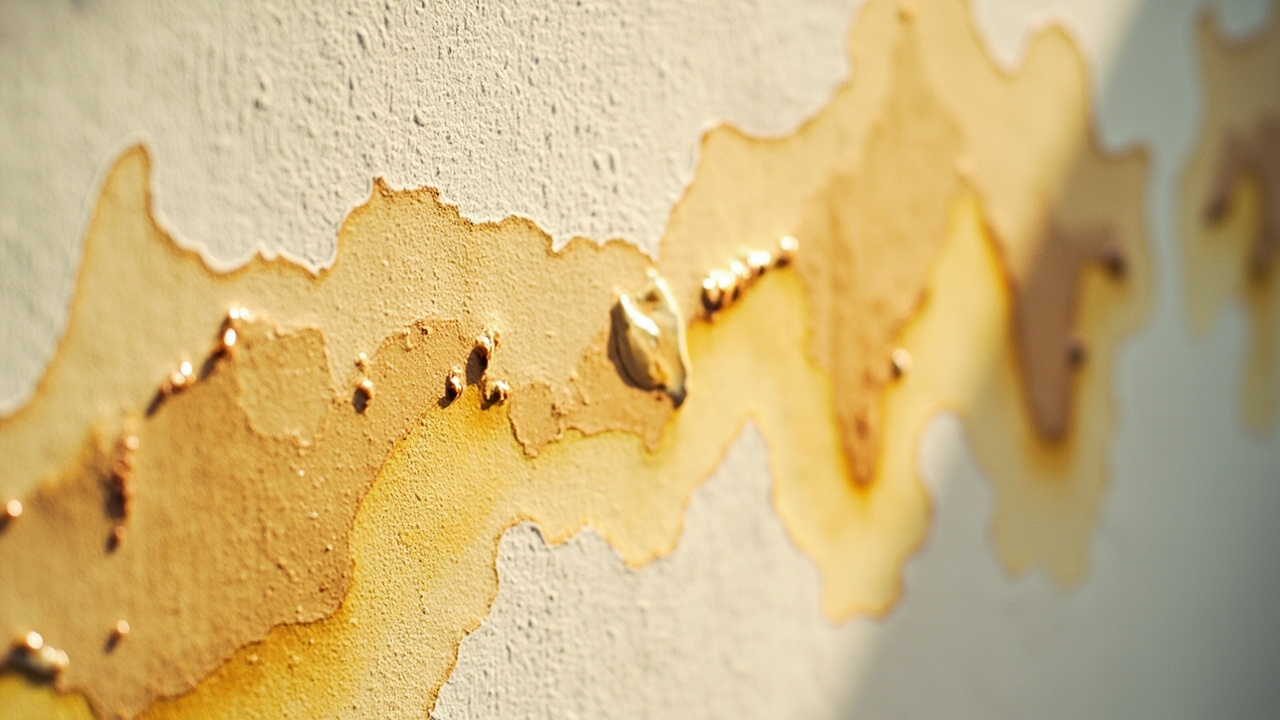
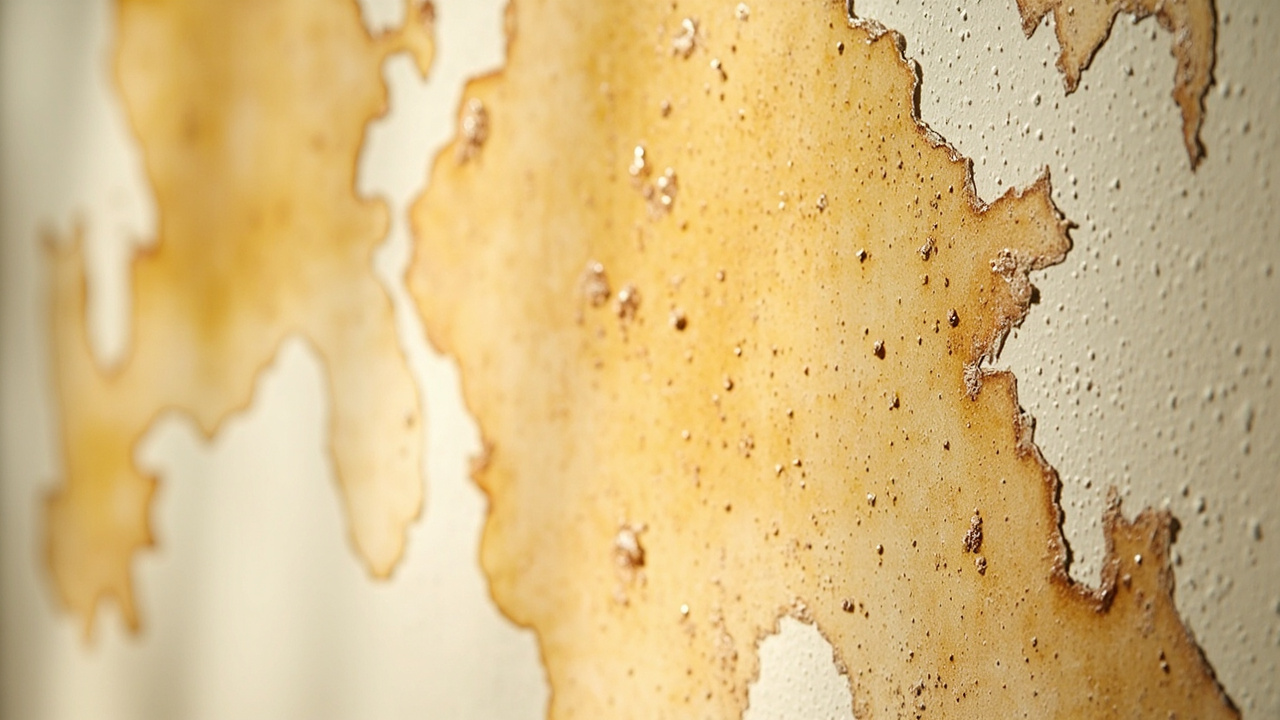
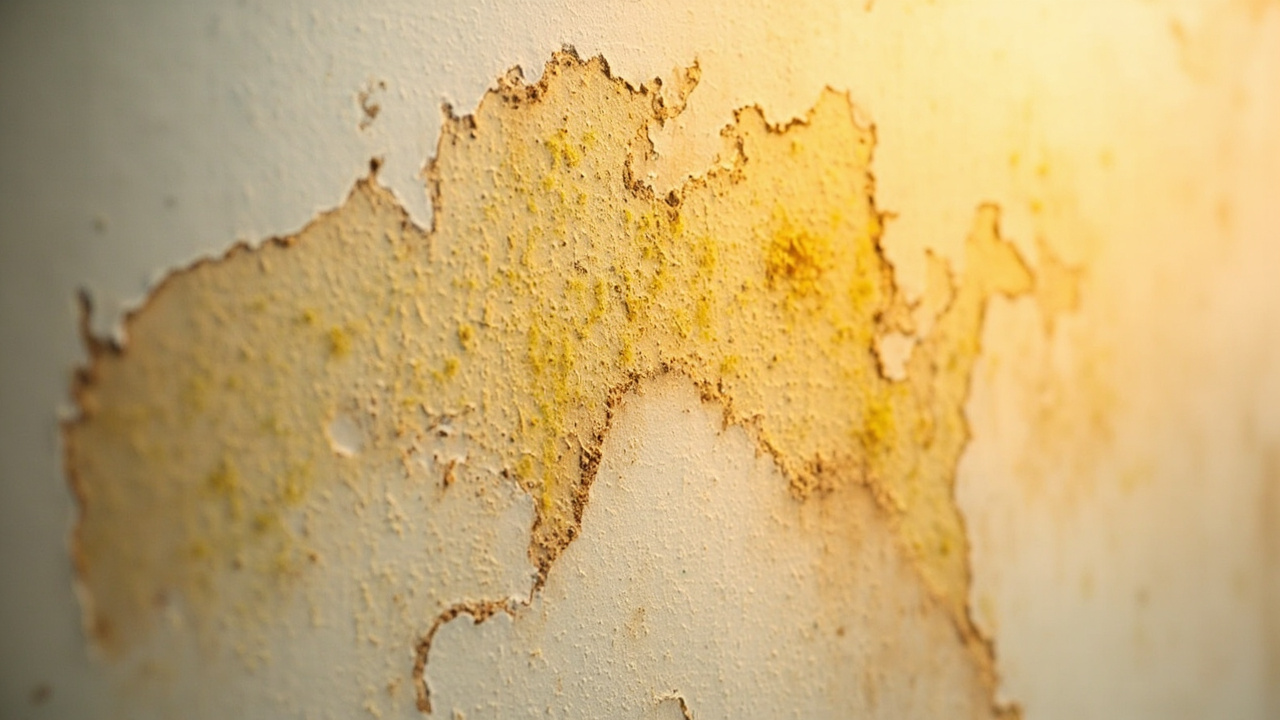
Water stains on drywall appear as discolored patches, usually yellow, brown, or tan. Fresh stains may look darker or wet, while old stains fade to a yellowish ring. The stain often has an irregular shape with defined edges where the water spread and stopped. Ceiling stains from roof leaks typically form circular or oblong patterns. Wall stains from plumbing leaks run vertically downward. In Atlanta homes, stains caused by high humidity or condensation may look blotchy and widespread rather than concentrated. Some stains also cause paint to bubble, peel, or crack as moisture loosens the adhesion between layers.

Can water stains be removed from walls? +

Surface water stains can be removed with the right process, but the stain itself is a symptom, not the problem. You must eliminate the moisture source first. Once dry, clean the area with a mild bleach solution to kill mold spores. Apply a stain-blocking primer to seal the discoloration. Then repaint with a matching topcoat. The stain will not vanish on its own. If moisture damaged the drywall core or mold penetrated deep, removal requires cutting out the affected section and patching with new material. Atlanta's humidity means stains left untreated often worsen and spread as trapped moisture migrates through the wall.

Can you fix water damaged drywall? +

Yes, if you catch it early. Water damaged drywall that dried quickly and retained structural integrity can be repaired. Cut away any soft, crumbling, or mold-covered sections using a utility knife. Replace those areas with new drywall patches, tape the seams, apply joint compound, and sand smooth. Prime and paint to match the existing wall. If damage is widespread or the drywall stayed wet for days, full replacement is safer. Atlanta's climate accelerates mold growth, so inspect thoroughly before deciding. A professional restoration company can assess moisture levels in hidden areas you cannot see to determine repairability.

Does Kilz cover water stains? +

Yes, Kilz stain-blocking primer effectively covers water stains on drywall. Kilz products contain sealers that prevent tannins and discoloration from bleeding through your topcoat. Use Kilz Original (oil-based) or Kilz Max (water-based) for water stains. Apply one to two coats directly over the cleaned, dry stain before painting. The primer locks in odors and prevents mold stains from showing through. Do not skip this step. Regular paint will not block water stains, even with multiple coats. In Atlanta's humid conditions, a quality primer also adds a moisture barrier that protects against future staining if minor condensation occurs.

How long can drywall be wet before mold? +

Mold can start growing on wet drywall within 24 to 48 hours. The timeline depends on temperature, humidity, and ventilation. Atlanta's warm, humid climate accelerates mold colonization. Spores are always present in the air. Once drywall absorbs water, the porous gypsum and paper backing create an ideal breeding ground. You must dry wet drywall completely within two days to prevent mold. Use fans, dehumidifiers, and increase airflow immediately. If the drywall stays wet beyond 48 hours, assume mold has started. Visible mold appears as black, green, or white fuzzy patches, but growth often begins inside the wall where you cannot see it.

How Atlanta's Humidity and Red Clay Soil Create Chronic Drywall Moisture Problems

Atlanta sits in USDA Hardiness Zone 7b with average relative humidity above 65 percent year-round. When outdoor humidity exceeds indoor levels during spring and fall shoulder seasons, moisture migrates through building envelopes and condenses on cooler interior surfaces. This vapor drive saturates drywall from behind, creating yellow stains on drywall and wet patches on plasterboard even without active roof or plumbing leaks. The problem intensifies in homes with poor crawlspace encapsulation or inadequate attic ventilation. Our expansive red clay soil compounds the issue by creating foundation movement during wet-dry cycles, cracking brick veneer and compromising window and door flashing systems that normally keep water out of wall cavities.

Elite Plumbing Atlanta technicians train specifically on moisture dynamics in Atlanta's climate zone and common construction defects in regional building styles. We understand that homes built during Atlanta's rapid expansion in the 1980s and 1990s often lack proper drainage planes behind brick veneer, creating pathways for water intrusion during wind-driven rain events. We recognize chronic moisture patterns in crawlspaces with insufficient vapor barriers and inadequate dehumidification. This local knowledge allows us to identify root causes quickly and recommend permanent solutions rather than temporary cosmetic repairs. When you work with local specialists, you get expertise earned through thousands of Atlanta-specific water damage projects, not generic training from a national franchise manual.
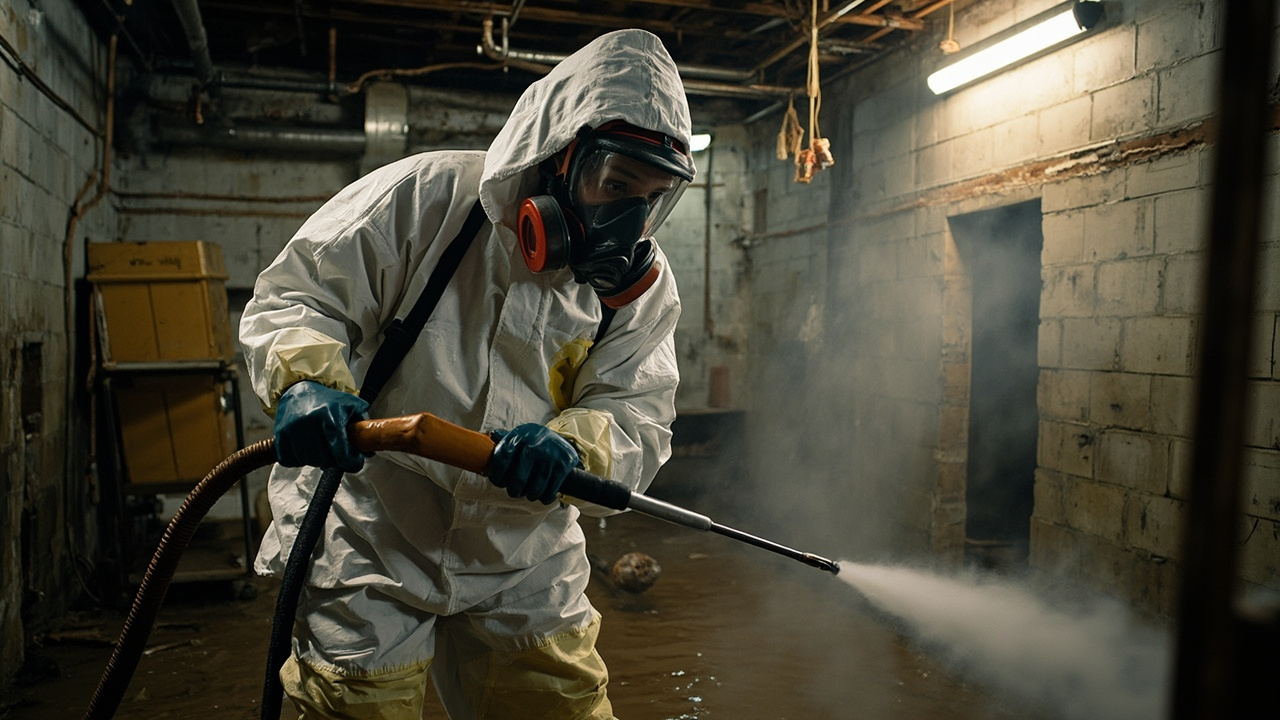
Water Damage Restoration Services in The Atlanta Area

While we provide rapid mobile water damage restoration services directly to your doorstep throughout the Atlanta metropolitan area, you can also view our primary service location on the map below. This helps visualize our operational reach and assures you that expert assistance is always within your vicinity. We are always ready to deploy our dedicated teams to your precise location, ensuring swift and effective service whenever you need us, guaranteeing peace of mind.

Address:
Victory Water Damage Restoration Atlanta, 1055 Howell Ml Rd, Atlanta, GA, 30318

Additional Services We Offer

Our news updates

Latest Articles & News from The Blogs

Risks of Buying a House with Water Damage in Mableton and How to Protect Your Investment Buying a house represents…

Risks of Buying a House with Water Damage in Mableton and How to Protect Your Investment

Risks of Buying a House with Water Damage in Mableton and How to Protect Your Investment Buying a house represents…

Getting the right City of Atlanta building permits for major water damage repairs

Getting the right City of Atlanta building permits for major water damage repairsMajor water damage in your Atlanta home often…

Identifying chimney water leaks in Candler Park homes before they ruin your walls

Living in the historic Candler Park neighborhood offers unique architectural charm but the older masonry systems require constant attention. In…

Contact Us

Water stains indicate active moisture problems that worsen daily. Call Elite Plumbing Atlanta at (678) 397-3666 for expert moisture mapping, source identification, and complete restoration. We answer 24/7 and provide upfront pricing before starting work.