menu

Sewage Backup Cleanup in Atlanta | 24/7 Emergency Response for Raw Sewage Disasters

Victory Water Damage Restoration Atlanta deploys certified crews within hours to contain Category 3 water damage, eliminate biohazards, and restore your property before sewage contamination spreads through walls and subfloors.

Slider Image 1
Slider Image 2
Slider Image 3
Slider Image 4
Slider Image 5
Slider Image 7
Slider Image 8
Slider Image 9
Slider Image 10
Slider Image 11

Why Sewage Backups Are a Growing Crisis in Metro Atlanta

Atlanta's aging sewer infrastructure, built decades before the metro area tripled in population, buckles under demand every time heavy rain hits. The combination of clay soil expansion during wet seasons and tree root intrusion into aging terracotta lines creates the perfect storm for sewer backup cleaning emergencies across Buckhead, Midtown, and East Atlanta.

When raw sewage floods your basement or backs up through floor drains, you face more than a mess. Category 3 water contains fecal coliform, E. coli, and hepatitis-causing pathogens that spread through porous materials within hours. The humidity in Atlanta accelerates bacterial growth, turning a contained problem into a structural contamination event if not addressed immediately.

Homeowners in older neighborhoods like Virginia-Highland and Grant Park deal with combined sewer systems that overflow during storms, sending sewage into crawl spaces and finished basements. Commercial properties near the BeltLine face grease trap failures and main line clogs that halt operations and threaten health code violations.

Sewage damage restoration requires immediate containment. Every hour delay allows contaminated water to wick into drywall, insulation, and subflooring. The longer raw sewage sits, the deeper the contamination spreads and the more aggressive the demolition required. Speed determines whether you save the structure or gut it to the studs.

Victory Water Damage Restoration Atlanta understands the urgency. Our crews know that sewage removal is not just extraction. It is about stopping cross-contamination, protecting occupants, and salvaging what can be saved before the entire affected zone becomes a biohazard.

Why Sewage Backups Are a Growing Crisis in Metro Atlanta
How Professional Sewage Remediation Protects Your Property and Health

How Professional Sewage Remediation Protects Your Property and Health

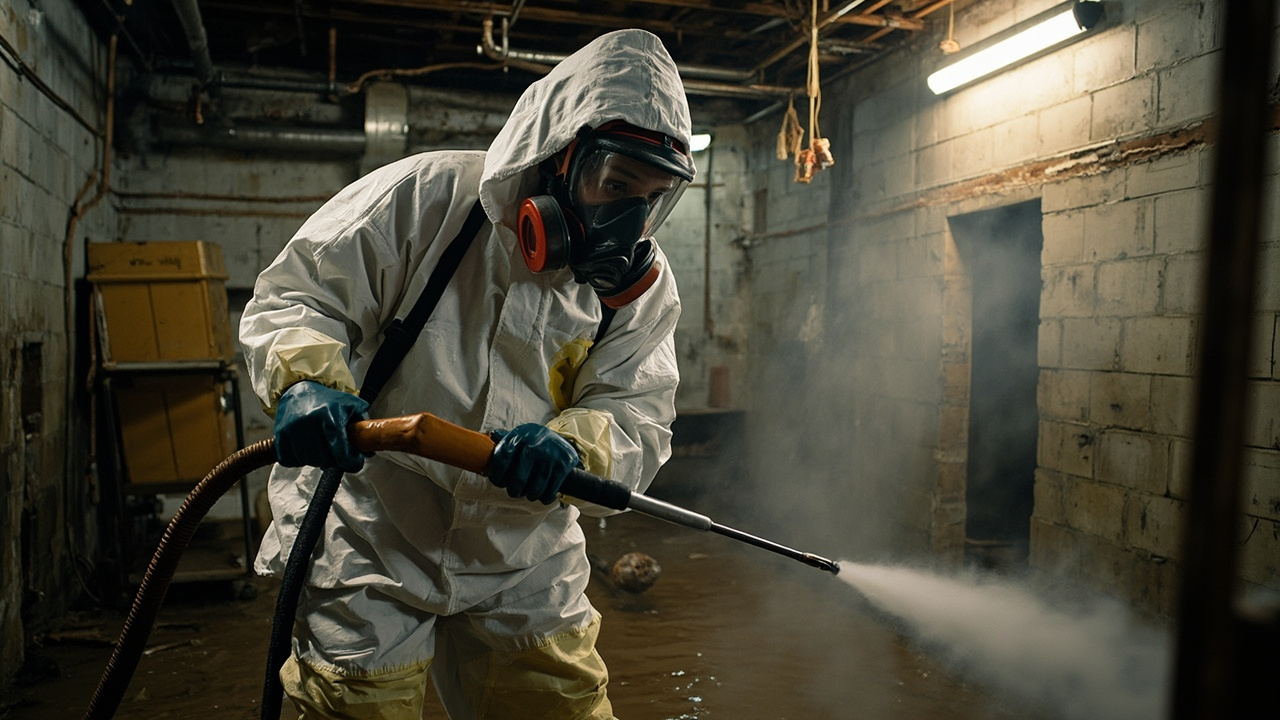
Sewage backup cleanup requires containment protocols identical to hazmat response. We establish negative air pressure in affected zones to prevent airborne pathogens from migrating to unaffected areas. HEPA filtration and antimicrobial air scrubbers run continuously during extraction to capture bacteria and mold spores released when we disturb contaminated materials.

Extraction begins with truck-mounted pumps capable of removing hundreds of gallons per minute. We do not use shop vacs or sump pumps. Raw sewage contains solid waste and debris that clogs residential equipment and spreads contamination. Our industrial extractors pull sewage from carpets, padding, and subflooring while technicians document moisture levels in framing and drywall using thermal imaging and penetrating moisture meters.

After extraction, we apply EPA-registered disinfectants formulated for Category 3 water. These quaternary ammonium compounds and hydrogen peroxide solutions kill bacteria, viruses, and parasites on contact. We do not spray and walk away. Multiple applications with dwell time ensure penetration into grout lines, floor joists, and wall cavities where sewage wicks during the initial flood.

Demolition decisions depend on material porosity and saturation depth. Drywall wicks sewage 12 to 18 inches above the waterline through capillary action. We cut contaminated sections two feet above visible damage to ensure complete removal. Hardwood floors require moisture testing in multiple locations. If subfloor moisture exceeds 20 percent, we remove flooring to prevent microbial growth between layers.

Structural drying uses commercial dehumidifiers and air movers positioned based on psychrometric calculations, not guesswork. We target specific vapor pressure deficits to pull moisture from framing without over-drying, which can cause cracking. Daily monitoring ensures materials return to baseline moisture levels before reconstruction begins.

What Happens During Emergency Sewage Backup Response

Sewage Backup Cleanup in Atlanta | 24/7 Emergency Response for Raw Sewage Disasters
01

Immediate Containment and Assessment

Our crew arrives with containment barriers, personal protective equipment, and extraction units ready to deploy. We isolate the affected area using polyethylene sheeting and establish negative air pressure to prevent cross-contamination. Technicians map the contamination zone using moisture meters and thermal cameras to identify hidden saturation in walls and subfloors before beginning extraction operations.
02

Sewage Extraction and Disinfection

Truck-mounted extractors remove standing sewage and embedded contamination from carpets, padding, and subflooring. After mechanical extraction, we apply EPA-registered antimicrobial treatments to all affected surfaces, including wall cavities and floor joists. HEPA air scrubbers run continuously to capture airborne pathogens. We document the disinfection process with application logs and dwell time verification for insurance and health department compliance.
03

Structural Drying and Verification

Industrial dehumidifiers and air movers run 24/7 to pull moisture from framing, concrete, and structural components. Daily moisture readings track drying progress in floors, walls, and ceilings. When materials return to baseline moisture levels, we conduct final antimicrobial fogging and provide detailed documentation for insurance claims. You receive a moisture map showing pre-loss and post-remediation readings for every affected area.

Why Atlanta Property Owners Choose Victory for Sewage Emergencies

Sewage backup cleanup is not a service you shop for price. The company you call determines whether your home becomes habitable in days or remains a biohazard site for weeks. Victory Water Damage Restoration Atlanta operates with IICRC-certified technicians trained in Category 3 water protocols, not general water damage response.

We know Atlanta's building stock. Homes in Ansley Park and Druid Hills have crawl spaces with limited access, requiring specialized extraction equipment and vapor barriers to prevent soil contamination. Commercial properties in the Old Fourth Ward and Ponce City Market deal with concrete slab construction where sewage migrates laterally through expansion joints, requiring pressure washing and antimicrobial injection into subsurface voids.

Our relationship with local plumbing contractors means we coordinate main line repairs while handling contamination cleanup. You do not wait days for a plumber to clear the blockage before remediation starts. We work simultaneously to stop the source and contain the damage, cutting your total downtime in half.

Insurance coordination separates professional restoration from fly-by-night operators. We document every step with photos, moisture logs, and antimicrobial application records. Your adjuster receives a detailed scope of work with line-item pricing before demolition begins. No surprises, no supplement battles, no claim denials because documentation was incomplete.

Atlanta's health department requires proof of proper sewage remediation for rental properties and commercial spaces. Our final reports include microbial clearance testing and third-party verification that affected areas meet CDC guidelines for reoccupancy. You get documentation that protects you from liability and proves the space is safe.

We operate 24/7 because sewage does not wait for business hours. Our dispatch center answers calls directly, not an answering service. A project manager is assigned to your job within 30 minutes of your call, and crews deploy from our Chamblee facility within two hours for metro Atlanta emergencies.

What You Can Expect During Sewage Backup Restoration

Emergency Response Timeline

Sewage backup cleanup begins the moment you call. Our dispatch team answers 24/7, and a project manager contacts you within 30 minutes to assess the situation. Crews deploy from our Chamblee facility within two hours for Atlanta metro locations. Upon arrival, technicians establish containment, begin extraction, and create a detailed remediation plan. Most residential sewage backups require three to five days for complete extraction, disinfection, and structural drying. Commercial projects depend on square footage and contamination depth, but we provide a firm timeline within four hours of initial assessment.

Contamination Assessment and Documentation

Our initial assessment maps contamination using thermal imaging cameras and penetrating moisture meters. We test moisture levels in walls, subfloors, and framing to identify hidden saturation that standard visual inspection misses. You receive a digital contamination map showing affected areas color-coded by severity. This documentation drives the scope of work and insurance claim. We photograph every stage of remediation and provide daily progress reports with updated moisture readings. Final documentation includes pre-loss and post-remediation moisture levels, antimicrobial application logs, and third-party microbial clearance testing for insurance and health department compliance.

Restoration Quality and Material Salvage

Sewage damage does not automatically mean total loss. Our goal is maximum salvage without compromising safety. Non-porous materials like tile, metal, and solid wood receive antimicrobial treatment and pass clearance testing. Porous materials like drywall, insulation, and carpet padding are removed if saturation exceeds safe thresholds. We make demolition decisions based on material science and moisture data, not assumptions. When reconstruction begins, affected areas are rebuilt to match existing finishes. You receive a space that meets current building codes and health standards, with no visible evidence of the contamination event. Final walkthrough includes verification that all moisture levels have returned to baseline.

Post-Remediation Monitoring and Prevention

After remediation, we provide a 30-day moisture monitoring plan for high-risk areas like crawl spaces and basements. Follow-up inspections ensure no secondary moisture issues develop from residual humidity. We install humidity monitors in enclosed spaces and provide maintenance recommendations to prevent future backups. This includes drainage system inspection, backflow preventer installation, and sump pump redundancy planning. You receive a detailed report outlining vulnerabilities in your plumbing system and grading that could cause repeat events. Our team coordinates with licensed plumbers for main line camera inspections and root barrier installation to address the source problem, not just the symptom.

Frequently Asked Questions

You Have Questions,
We Have Answers

How to clean up after sewer back up? +

Stop the water source immediately and avoid all contact with the sewage. Do not attempt DIY cleanup. Raw sewage contains bacteria, viruses, and pathogens that require professional disinfection. Turn off HVAC systems to prevent airborne contamination spread. Remove unaffected belongings from the area. A professional restoration team will extract standing water, remove contaminated materials like drywall and carpeting, apply antimicrobial treatments, and use HEPA filtration to sanitize air. Atlanta's high humidity accelerates mold growth after sewage events, making rapid professional response critical. Document everything with photos for insurance claims before cleanup begins.

How much does sewage backup cleanup cost? +

Sewage backup cleanup costs vary based on contamination severity, affected square footage, and structural damage. Minor incidents confined to one room may start around lower ranges, while basement floods or multi-level contamination escalate significantly. Costs include water extraction, disposal of porous materials, antimicrobial treatments, deodorization, and reconstruction. Atlanta homes with older clay sewer lines or properties near mature tree roots face higher risk of recurring backups, which impacts pricing. Insurance coverage depends on your policy's sewer backup endorsement. Get detailed written estimates from licensed restoration companies that itemize extraction, sanitization, and rebuild costs separately.

Is it safe to clear a sewer line clog myself? +

No. Clearing a sewer line clog yourself exposes you to dangerous pathogens including E. coli, hepatitis A, and parasites found in raw sewage. You lack proper protective equipment, containment protocols, and diagnostic tools to identify the clog location or cause. Atlanta's aging sewer infrastructure and clay soil conditions often mean clogs indicate bigger problems like root intrusion, pipe collapse, or bellied lines that require camera inspection. DIY attempts can worsen damage or push contamination deeper into your home. Licensed plumbers have powered augers, hydro-jetting equipment, and safety gear. The health risk is not worth the savings.

How to unclog a backed up sewer? +

Call a licensed plumber immediately. Professionals use sewer cameras to locate the blockage, then clear it with motorized augers or hydro-jetting equipment that blasts high-pressure water through the line. For Atlanta properties, root intrusion from oak and pine trees is a common culprit, requiring cutting attachments. If the backup already caused indoor flooding, you need a restoration company in addition to a plumber. The plumber fixes the drain, but contaminated water requires specialized extraction and sanitization. Never pour chemical drain cleaners into a backed-up sewer. They create toxic fumes when mixed with standing sewage.

Is it safe to live in a house after sewage backup? +

Not until professional cleanup and testing confirm the space is safe. Sewage contamination leaves invisible bacteria, viruses, and mold spores on surfaces and in HVAC systems. Exposure causes severe illness, especially in children, elderly, or immunocompromised individuals. Porous materials like drywall, insulation, and carpeting must be removed and replaced. All hard surfaces require antimicrobial treatment. Air quality testing should confirm no airborne pathogens remain. Atlanta's humidity makes post-sewage mold growth rapid. Expect to vacate for 3-7 days minimum during professional restoration. Do not return until you receive written clearance from your restoration contractor.

How long do sewage bacteria last on surfaces? +

Sewage bacteria survive on surfaces for hours to months depending on conditions. E. coli lives 1-2 weeks on hard surfaces. Salmonella persists up to four weeks. Hepatitis A remains infectious for months in optimal conditions. Atlanta's warm, humid climate extends bacterial survival times on porous materials like wood, drywall, and fabric. Standard household cleaners do not kill sewage pathogens. EPA-registered antimicrobial agents and proper dwell times are required. This is why DIY cleanup fails. Professional restoration uses hospital-grade disinfectants with documented kill times for specific pathogens. Surface contamination is invisible. Assume all exposed areas are hazardous.

Does homeowners insurance cover sewer back ups? +

Standard homeowners insurance typically excludes sewer backups unless you purchased a separate sewer backup endorsement or rider. This optional coverage costs extra but protects against backups caused by blocked municipal lines, heavy rainfall overwhelming systems, or tree root intrusion. Atlanta experiences intense thunderstorms and aging infrastructure, making this coverage valuable. The endorsement typically covers cleanup, damaged belongings, and repairs up to policy limits. Review your declarations page or call your agent to verify coverage. If you lack this coverage, you pay out-of-pocket. Flood insurance also excludes sewer backups unless caused by qualifying flood events.

Why is my sewer bill 200 dollars? +

This question confuses sewage cleanup with utility billing. High sewer bills in Atlanta typically result from increased water usage, leaks, or tiered rate structures based on consumption. Your sewer charge is calculated from water meter readings since wastewater volume mirrors water use. Check for running toilets, dripping faucets, or irrigation system leaks. Atlanta Department of Watershed Management uses tiered pricing where higher usage costs more per gallon. Seasonal increases from lawn watering or pool filling spike bills. Review your billing statement for usage history. If consumption seems normal, contact the utility to investigate meter accuracy or billing errors.

Do plumbers clean up sewage? +

Plumbers fix the drain problem but rarely perform full sewage cleanup. Their focus is clearing blockages and repairing sewer lines. Sewage cleanup requires specialized restoration companies with biohazard training, containment equipment, antimicrobial products, and disposal protocols for contaminated materials. In Atlanta, you need both services working together. The plumber stops the backup source. The restoration team extracts contaminated water, removes unsalvageable materials, disinfects all surfaces, controls odor, and rebuilds damaged areas. Mixing these roles creates liability issues and incomplete remediation. Use licensed professionals for each discipline to ensure proper sewage removal and structural drying.

How do plumbers unclog the main sewer line? +

Plumbers start with sewer camera inspection to locate the clog and assess pipe condition. For simple blockages, they use motorized drain augers with cutting heads sized to your line diameter. Stubborn clogs require hydro-jetting, which propels water at 3,000-4,000 PSI to scour pipe walls and blast through obstructions. Atlanta's clay sewer pipes and root intrusion often need specialized root-cutting attachments. If the camera reveals collapsed pipes, bellied sections, or severe corrosion, excavation and pipe replacement become necessary. Professional plumbers avoid chemical cleaners that damage pipes. The method depends on clog type, pipe material, and accessibility.

How Atlanta's Clay Soil and Aging Infrastructure Create Sewage Backup Risks

Atlanta sits on Piedmont clay soil that expands up to 10 percent during wet seasons and contracts during droughts. This expansion and contraction cycle shifts sewer laterals and main lines, creating separations where tree roots infiltrate and grease solidifies. Neighborhoods like Brookhaven and Decatur, built in the 1950s with terracotta sewer lines, experience chronic backflow during heavy rain as roots block flow and clay soil compresses aging pipes. Combined sewer systems in older areas overflow when storm runoff exceeds capacity, sending raw sewage through floor drains and cleanouts into basements and crawl spaces.

Victory Water Damage Restoration Atlanta has handled sewage remediation across every Atlanta neighborhood, from Buckhead high-rises to Kirkwood bungalows. We understand local building codes, know which areas have combined vs. separated sewer systems, and maintain relationships with city inspectors who verify our remediation work. Our technicians are trained on Atlanta-specific challenges like crawl space contamination common in Grant Park and Virginia-Highland, where homes sit on piers above clay soil. Choosing a local company means faster response, better insurance coordination, and crews who understand the structural quirks of Atlanta homes built before modern plumbing codes existed.
Water Damage Restoration Services in The Atlanta Area

While we provide rapid mobile water damage restoration services directly to your doorstep throughout the Atlanta metropolitan area, you can also view our primary service location on the map below. This helps visualize our operational reach and assures you that expert assistance is always within your vicinity. We are always ready to deploy our dedicated teams to your precise location, ensuring swift and effective service whenever you need us, guaranteeing peace of mind.

Address:
Victory Water Damage Restoration Atlanta, 1055 Howell Ml Rd, Atlanta, GA, 30318

Additional Services We Offer

Our news updates

Latest Articles & News from The Blogs

Alpharetta Water Damage Specialists for Fast Mold Prevention and Drying in North FultonWater emergencies in Alpharetta require immediate professional intervention…

Alpharetta Water Damage Specialists for Fast Mold Prevention and Drying in North Fulton

Alpharetta Water Damage Specialists for Fast Mold Prevention and Drying in North FultonWater emergencies in Alpharetta require immediate professional intervention…

Safe and Professional Sewage Backup Cleanup in Atlanta (Don't Handle This Alone)

Professional Sewage Backup Cleanup and Restoration in Atlanta GeorgiaA sewage backup in your Atlanta home or business is a serious…

Deciding to Clean or Replace Water Damaged Carpet in Your Edgewood Home

Water damage in an Edgewood home creates an immediate crisis that requires fast decision making. If you walk into your…

Contact Us

Every hour raw sewage sits in your home or business increases contamination depth and health risk. Call Victory Water Damage Restoration Atlanta now at (678) 397-3666 for immediate dispatch. Our crews deploy 24/7 with containment equipment and extraction units ready to stop the spread and begin remediation.