menu

Server Room Water Damage Atlanta – Minimize Downtime with Industrial-Scale Emergency Response

Victory Water Damage Restoration Atlanta deploys certified technicians and commercial-grade extraction systems to protect your IT infrastructure, salvage critical hardware, and restore operational capacity within hours, not days.

Slider Image 1
Slider Image 2
Slider Image 3
Slider Image 4
Slider Image 5
Slider Image 7
Slider Image 8
Slider Image 9
Slider Image 10
Slider Image 11

Why Atlanta Server Rooms Face Higher Water Intrusion Risk

Atlanta's climate creates unique vulnerabilities for data centers and IT environments. The metro area experiences an average of 50 inches of annual rainfall, significantly above the national average. This precipitation, combined with Georgia's red clay soil that channels water laterally rather than absorbing it, puts ground-floor and basement server facilities at constant risk.

Building age compounds the problem. Many commercial structures in Midtown, Buckhead, and the Perimeter Center house decades-old HVAC condensate lines and aging plumbing infrastructure directly above or adjacent to server rooms. A single pinhole leak in a condensate drain pan can release gallons of water onto sensitive hardware before detection systems trigger.

The regional humidity, which averages 69 percent year-round, accelerates corrosion on circuit boards and connections after water exposure. What begins as a small roof penetration during Atlanta's severe thunderstorm season can cascade into catastrophic equipment failure within 24 to 48 hours.

We handle data center water damage restoration differently than residential mitigation. Computer room water extraction requires low-grain refrigerant dehumidification, not just air movers. Server room flood cleanup demands cleanroom protocols to prevent particulate contamination during the drying process. IT room water mitigation involves coordinating with your network administrators to prioritize hardware salvage based on criticality, not convenience.

The cost of downtime for Atlanta businesses averages $5,600 per minute according to regional IT assessments. Every hour your servers remain offline compounds liability, erodes client trust, and threatens compliance with data protection requirements.

Why Atlanta Server Rooms Face Higher Water Intrusion Risk
Our Commercial Water Extraction Protocol for IT Environments

Our Commercial Water Extraction Protocol for IT Environments

Server room water removal services require surgical precision. We do not flood your facility with equipment or create secondary disruption to adjacent office space. Our protocol starts with rapid source isolation using infrared thermography to map moisture migration paths through raised flooring, ceiling plenums, and cable trays.

We deploy truck-mounted extraction units capable of removing 200 gallons per minute, directing discharge away from your building's electrical service and network trunk lines. For environments with UPS systems and backup generators, we coordinate power management to prevent voltage fluctuations during high-draw extraction cycles.

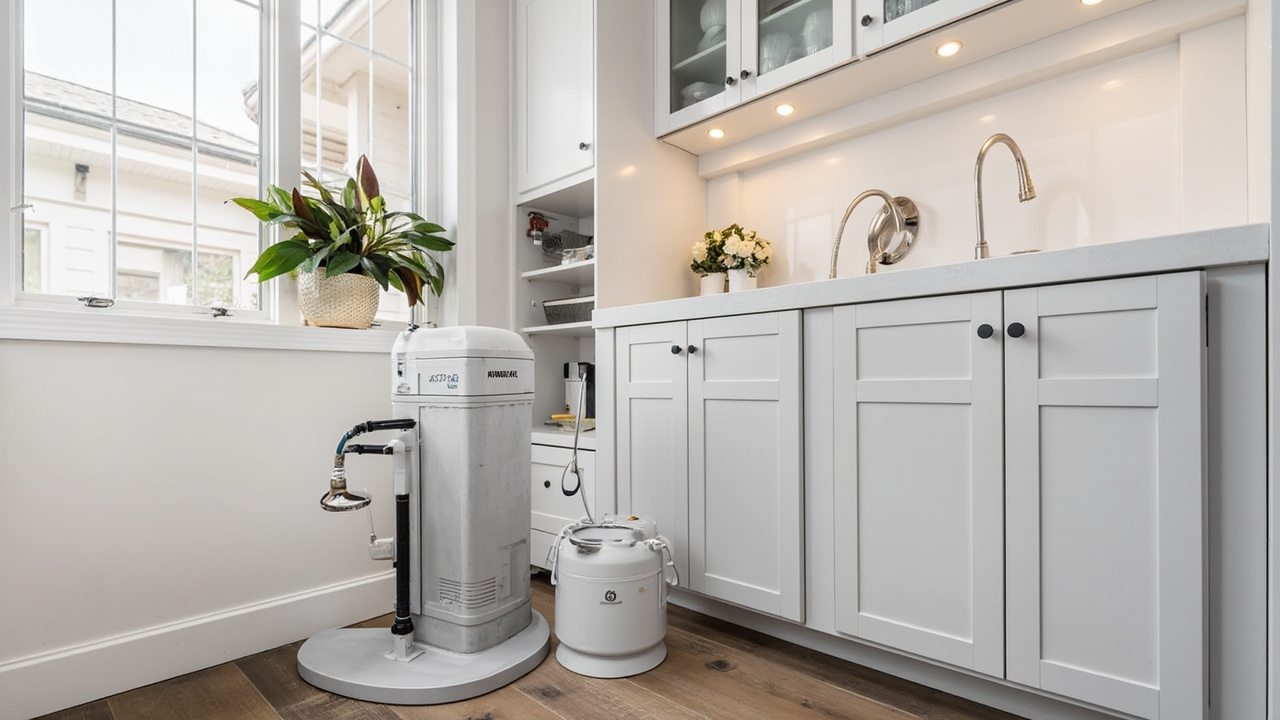
Desiccant dehumidification is non-negotiable for server rooms. Standard refrigerant units cannot achieve the sub-30 percent relative humidity levels required to prevent flash corrosion on motherboards and backplanes. We position low-profile desiccant units beneath raised floors and inside hot aisles to target moisture at the source without disrupting airflow patterns your cooling systems depend on.

Particle filtration follows extraction. Water introduces dust, insulation fibers, and ceiling tile debris into your server environment. We use HEPA-rated air scrubbers rated for cleanroom applications, creating negative pressure zones that prevent contaminated air from migrating into clean areas.

Documentation occurs in real time. We photograph serial numbers, document equipment positioning, and log moisture readings at each rack location. This creates the evidence trail your insurance carrier and auditors will demand. Our moisture mapping integrates with your existing facility management software to show drying progress against your business continuity timeline.

We do not leave until thermal imaging confirms all structural cavities, subfloor voids, and cable raceways register below 15 percent moisture content, the threshold where microbial growth and corrosion risks effectively cease.

What Happens During Emergency Server Room Recovery

Server Room Water Damage Atlanta – Minimize Downtime with Industrial-Scale Emergency Response
01

Immediate Containment and Assessment

Our dispatch team arrives within 90 minutes of your call to establish containment barriers using poly sheeting and negative air pressure. We assess which systems can remain operational, which require immediate shutdown, and where water has penetrated cable management infrastructure. Thermal cameras identify hidden moisture in wall cavities and beneath access floors before it reaches energized equipment.
02

Coordinated Extraction and Drying

Extraction begins at the lowest physical point to prevent wicking into rack-mounted equipment. We use low-profile extractors designed for raised floor environments, removing standing water without disturbing structured cabling or power distribution units. Desiccant dehumidifiers target airborne moisture while monitoring systems track humidity levels in real time. This prevents condensation from forming on cold surfaces as temperatures normalize.
03

Verification and Handoff

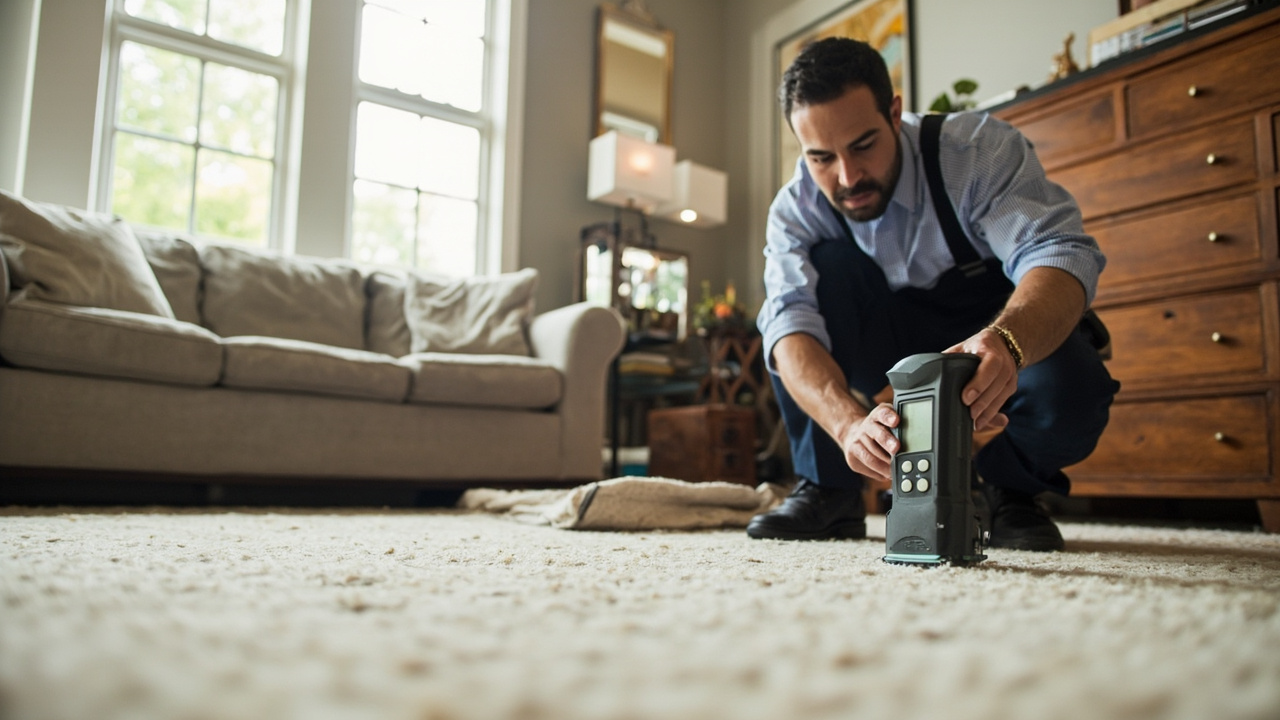
Final verification uses moisture meters calibrated for concrete, drywall, and the composite materials common in server room construction. We provide your facility manager with a complete moisture map, documentation of all affected equipment, and recommendations for hardware testing before re-energization. Our report includes timestamps and readings that satisfy insurance requirements and support business interruption claims.

Why Atlanta IT Managers Choose Victory Water Damage Restoration

We understand the operational realities of Atlanta's commercial corridors. The data centers along the GA-400 corridor, the financial institutions in downtown's Fairlie-Poplar district, and the healthcare networks in the Clifton Road medical complex cannot tolerate extended downtime or amateur mitigation efforts.

Our technicians hold IICRC certifications in commercial water damage restoration and receive annual training on the specific requirements of IT environments. This matters because server room water mitigation is not scaled-up residential work. The equipment, protocols, and risk tolerances are categorically different.

We maintain relationships with Atlanta's major insurance carriers and third-party administrators. When you file a commercial property claim, we provide the documentation formats your adjuster expects. This eliminates the back-and-forth that delays payment and extends your cash flow disruption.

Our equipment inventory includes specialized tools most restoration companies do not stock. Low-grain refrigerant dehumidifiers, injection drying systems for structural cavities, and trailer-mounted desiccant units capable of processing 2,000 cubic feet per minute give us capacity to handle large-scale commercial losses without mobilizing equipment from other markets.

We operate transparently with your internal stakeholders. Your IT director receives different information than your CFO or risk manager. We tailor communication to each role's concerns, whether that is RTO metrics, cost containment, or regulatory compliance.

Atlanta's building codes require commercial structures to meet specific moisture intrusion standards, particularly in the City of Atlanta's jurisdictional limits where the 2018 International Building Code applies. We document our work to support your code compliance and provide the records your facility engineer needs for future audits or tenant improvement projects.

Victory Water Damage Restoration Atlanta operates as an extension of your facilities team, not a vendor you manage during a crisis.

What Your Atlanta Business Can Expect

Response Time and Mobilization

We maintain a 90-minute response window for commercial emergencies within the I-285 Perimeter and two-hour response for locations in Marietta, Alpharetta, and Decatur. Our dispatch system prioritizes server room calls because we understand the financial impact of every offline minute. We arrive with commercial-grade extraction equipment already loaded, eliminating the delay while technicians return to the shop for specialized tools. For multi-site clients, we coordinate simultaneous deployment to your primary and disaster recovery locations.

Initial Assessment and Scope Development

Our site assessment documents the full extent of water intrusion using thermal imaging, moisture meters, and visual inspection of all affected zones. We identify contamination levels, classify the water source as clean, gray, or black water, and determine which building systems require inspection by licensed electricians or HVAC contractors. You receive a written scope within four hours of our arrival that outlines the mitigation strategy, estimated timeline, and equipment deployment plan. This scope integrates with your incident response procedures and provides the documentation your insurance carrier requires to open a claim.

Restoration Outcomes and Hardware Salvage

Our objective is operational continuity, not just dry space. We coordinate with your IT team to prioritize equipment salvage based on criticality and replacement cost. Servers, storage arrays, and network switches receive immediate attention while commodity hardware gets triaged based on available capacity. We document the condition of each affected device with photographs and serial number logs that support your property insurance claim and help your team make informed decisions about repair versus replacement. The final deliverable is a certified dry environment ready for equipment re-installation.

Post-Mitigation Support and Documentation

We provide a complete project closeout package that includes moisture readings, thermal images, equipment logs, and a certificate of completion. This documentation satisfies insurance requirements, supports your business interruption claim, and provides the records your facilities team needs for future reference. We remain available for 30 days after project completion to address any questions from your insurance adjuster or provide additional documentation your risk management team requires. For clients with ongoing exposure, we offer facility assessments to identify vulnerabilities before the next event occurs.

Frequently Asked Questions

You Have Questions,
We Have Answers

What is the cost of water leak detection system for server room? +

Water leak detection systems for server rooms in Atlanta range from basic point sensors at $50-$200 per unit to enterprise-grade monitored systems with remote alerts costing $2,000-$10,000 installed. Cost depends on square footage, number of detection points, integration with building management systems, and monitoring requirements. A typical 500-square-foot server room needs 4-8 detection points. Atlanta's high humidity and frequent summer storms make these systems critical. Budget for professional installation to ensure proper placement near HVAC units, raised floor drains, and pipe entry points. Monthly monitoring fees add $50-$150.

How to dehumidify a server room? +

Dehumidifying a server room after water intrusion requires immediate action. First, shut down affected equipment and document damage for insurance claims. Deploy commercial dehumidifiers rated for the square footage, targeting 40-50% relative humidity. Atlanta's subtropical climate demands high-capacity units, typically 150-pint commercial models for rooms under 1,000 square feet. Run units continuously while monitoring humidity with calibrated meters. Remove standing water with extractors before dehumidification begins. Inspect raised flooring, cable trays, and plenum spaces where moisture hides. Professional restoration teams use thermal imaging to locate hidden moisture in walls and subfloors, preventing secondary damage.

What are the risks of server rooms? +

Server rooms face three critical risks: water damage, thermal failure, and power disruption. Water intrusion from roof leaks, HVAC condensation, or plumbing failures destroys equipment and causes business interruption. Atlanta's aging commercial building stock increases pipe failure risk. Inadequate cooling leads to thermal shutdown and data loss. Humidity above 60% promotes corrosion and shorts. Fire suppression system accidental discharge causes catastrophic damage. Lack of redundancy multiplies these risks. Most businesses underestimate downtime costs, which average $5,600 per minute for enterprise operations. Regular inspections of roofing membranes, HVAC drainage, and emergency shutoffs reduce exposure.

Is water damage hard to fix? +

Water damage complexity depends on exposure duration and equipment sensitivity. Surface water on sealed server racks may require only drying and testing. Submersion or prolonged exposure demands full equipment replacement. Server rooms are harder to restore than standard commercial spaces because you must verify electrical safety, data integrity, and corrosion in sensitive components. Atlanta's humidity complicates drying, requiring professional-grade equipment and environmental controls. Raised flooring hides moisture, extending restoration time. Insurance claims add complexity through documentation requirements. Expect 3-7 days minimum for professional restoration with proper moisture mapping, not counting equipment replacement time.

Is leak detection covered by insurance? +

Commercial property insurance typically covers water leak detection system installation only if specified in the policy or added as a loss prevention endorsement. Standard policies cover damage from sudden and accidental leaks but rarely cover the detection equipment itself. Atlanta businesses should review property schedules and equipment breakdown coverage. Some insurers offer premium reductions for monitored leak detection systems, offsetting installation costs. After a loss, insurance covers detection costs incurred during restoration to locate hidden moisture. Document all leak detection investments and discuss coverage gaps with your broker. Prevention systems reduce claims history, improving renewal rates.

How much to charge for leak detection? +

Professional leak detection for server rooms in Atlanta costs $300-$800 for initial assessment using thermal imaging, moisture meters, and acoustic detection. Complex diagnostics involving pressurized testing or invasive inspection add $500-$2,000. Emergency after-hours service carries 50-100% surcharges. Commercial rates exceed residential because of liability exposure and specialized equipment requirements. Do not attempt DIY detection in server environments where water sources include chilled water systems, condensate lines, and overhead fire suppression. Professional detection includes moisture mapping documentation required for insurance claims and prevents costly misdiagnosis. Factor detection costs into your facility maintenance budget, not emergency response funds.

Can mold grow in 40% humidity? +

Mold cannot grow at 40% relative humidity. Mold requires sustained humidity above 60% and organic material to colonize. Server rooms maintained at 40-50% relative humidity remain mold-free even in Atlanta's humid climate. The risk comes from localized moisture intrusion creating microclimates where humidity exceeds safe thresholds. Water leaks, condensation on cold pipes, or poor HVAC maintenance create conditions for mold despite overall room humidity. After water damage, surface humidity near drywall or insulation can reach 80-90% even when room air measures 40%. Professional restoration includes moisture mapping to identify these hidden zones before mold establishes.

Is 80 degrees too hot for a server room? +

Yes, 80 degrees exceeds safe operating temperature for most server equipment. Manufacturers specify 64-80 degrees, but sustained operation above 75 degrees reduces hardware lifespan and increases failure rates. Atlanta summer temperatures make inadequate cooling a common risk when HVAC systems fail or operate at reduced weekend capacity. High temperatures compound water damage risk because emergency shutdowns prevent cooling during restoration. Implement temperature monitoring with alerts at 75 degrees. After water damage, verify HVAC function before re-energizing equipment. Temporary cooling may be required during restoration. Calculate cooling redundancy to handle peak Atlanta summer loads plus equipment heat output.

What humidity is too high for a server room? +

Server room humidity above 60% creates corrosion risk and promotes electrical shorts. Optimal range is 40-50% relative humidity. Atlanta's climate pushes humidity higher, making active dehumidification critical. After water damage, localized humidity can spike to 80-90% even when room air measures acceptable levels. This causes condensation on circuit boards and inside equipment enclosures. Professional restoration includes continuous humidity monitoring at multiple heights, since warm humid air rises and stratifies. Do not rely on single-point measurements. Humidity above 70% for 48 hours allows microbial growth on organic materials like cable insulation. Implement alerts at 55% for early intervention.

Do servers give off eMF? +

Yes, servers generate electromagnetic fields from power supplies, processors, and data transmission. EMF intensity is highest within 12 inches of equipment and dissipates rapidly with distance. Typical server room EMF levels are 2-10 milligauss, well below occupational exposure limits. EMF does not cause water damage but can interfere with certain moisture detection equipment using electronic sensors. After water damage, verify that restoration equipment like dehumidifiers and air movers do not interfere with active servers if partial operations continue. Atlanta data centers should maintain EMF documentation for compliance. EMF shielding is unnecessary for standard commercial server rooms.

How Atlanta's Data Center Boom Increased Server Room Flood Risk

Atlanta ranks as the fourth-largest data center market in North America, with over 1.2 million square feet of raised floor space concentrated in Fulton and DeKalb counties. This rapid expansion placed server infrastructure in repurposed industrial buildings and converted office space never designed for high-density computing loads. Many of these facilities sit in flood zones along the Chattahoochee River corridor or in areas where outdated stormwater management systems cannot handle the increased impervious surface coverage. The combination of aging building infrastructure and modern IT density creates conditions where a single plumbing failure can cause millions in equipment loss and business interruption.

Victory Water Damage Restoration Atlanta has responded to server room water damage incidents at facilities throughout the metro area, from Midtown's technology corridor to the logistics centers in South Fulton. We understand how Atlanta's building stock, climate patterns, and infrastructure age create specific vulnerabilities for IT environments. Our familiarity with local mechanical contractors, electrical service providers, and insurance adjusters active in the Atlanta commercial market allows us to coordinate complex restoration projects efficiently. When your business faces server room water intrusion, you need a mitigation partner who understands both the technical requirements of data center recovery and the operational realities of Atlanta's commercial real estate environment.
Water Damage Restoration Services in The Atlanta Area

While we provide rapid mobile water damage restoration services directly to your doorstep throughout the Atlanta metropolitan area, you can also view our primary service location on the map below. This helps visualize our operational reach and assures you that expert assistance is always within your vicinity. We are always ready to deploy our dedicated teams to your precise location, ensuring swift and effective service whenever you need us, guaranteeing peace of mind.

Address:
Victory Water Damage Restoration Atlanta, 1055 Howell Ml Rd, Atlanta, GA, 30318

Additional Services We Offer

Our news updates

Latest Articles & News from The Blogs

Risks of Buying a House with Water Damage in Mableton and How to Protect Your Investment Buying a house represents…

Risks of Buying a House with Water Damage in Mableton and How to Protect Your Investment

Risks of Buying a House with Water Damage in Mableton and How to Protect Your Investment Buying a house represents…

Getting the right City of Atlanta building permits for major water damage repairs

Getting the right City of Atlanta building permits for major water damage repairsMajor water damage in your Atlanta home often…

Identifying chimney water leaks in Candler Park homes before they ruin your walls

Living in the historic Candler Park neighborhood offers unique architectural charm but the older masonry systems require constant attention. In…

Contact Us

Every minute of server downtime costs your business money and credibility. Call Victory Water Damage Restoration Atlanta now at (678) 397-3666 for immediate dispatch. Our commercial response team is standing by 24 hours a day to protect your IT infrastructure and minimize business disruption.