
Water damage happens quickly and often without warning in the Atlanta metro area. Whether a pipe burst in a Buckhead high-rise or a basement flooded after a heavy storm in Decatur, the resulting mess is only half the battle. Dealing with insurance companies represents a significant hurdle for most homeowners. You need to know how to manage the claim process to ensure your home returns to its original state without unnecessary financial strain. Current 2026 insurance regulations in Georgia require specific steps for filing and documenting losses.
Immediate Actions After Discovering Water Damage in Your Home
The first 24 hours after a leak or flood are the most important. Georgia homeowners insurance policies usually include a clause about the duty to mitigate. This means you must take reasonable steps to stop further damage. If you fail to act, the insurance company might deny part of your claim. Turn off the main water valve if the source is a plumbing failure. If the water comes from a roof leak, move your furniture and valuables to a dry area. Call a professional service for 24/7 emergency water removal to start the extraction process immediately.
Document everything before you clean up. Take clear photos and videos of the standing water and the source of the leak. Do not throw away any damaged items yet. The insurance adjuster needs to see the physical evidence to verify the loss. For residents in neighborhoods like Virginia Highland or Inman Park, where historic homes often have older plumbing, documenting the exact point of failure is crucial for a successful claim. Use your smartphone to record the extent of the damage in every affected room. This evidence serves as the foundation for your insurance payout.
Understanding Georgia Homeowners Insurance Policies
Insurance coverage varies based on the type of policy you hold. Most Atlanta residents have either an HO-3 or an HO-5 policy. An HO-3 policy usually covers your home on an open perils basis but covers personal property on a named perils basis. This means if the cause of water damage is not specifically listed for your belongings, it might not be covered. An HO-5 policy is more comprehensive. You should review your policy or speak with your agent to understand your specific limits and deductibles. The Georgia Office of Commissioner of Insurance and Safety Fire provides resources to help consumers understand their rights in the state.
Different types of water damage require different coverage. Sudden and accidental water discharge from a plumbing system is typically covered. However, slow leaks that occur over months might be denied due to lack of maintenance. Flooding from rising groundwater or overflowing rivers like the Chattahoochee requires a separate flood insurance policy through the National Flood Insurance Program. If your basement floods due to a failing pump, you must have a specific sump pump failure rider on your policy. For more details on the differences, you can read about Water Mitigation vs Restoration.
Water Damage Categories and Insurance Implications
Insurance adjusters look at the category of water to determine the scope of work. Clean water from a broken supply line is easier to handle than water from a sewer backup. The table below outlines how these categories often affect claim approvals in 2026.
| Water Category | Source Example | Typical Insurance Status | Required Action |
|---|---|---|---|
| Category 1 | Broken supply line, faucet overflow | Highly likely to be covered | Extraction and standard drying |
| Category 2 | Dishwasher or washing machine drain | Usually covered with documentation | Antimicrobial treatment needed |
| Category 3 | Sewage backup, river flooding | Requires specific riders or flood policy | Full removal of porous materials |
The Documentation Process and Proof of Loss
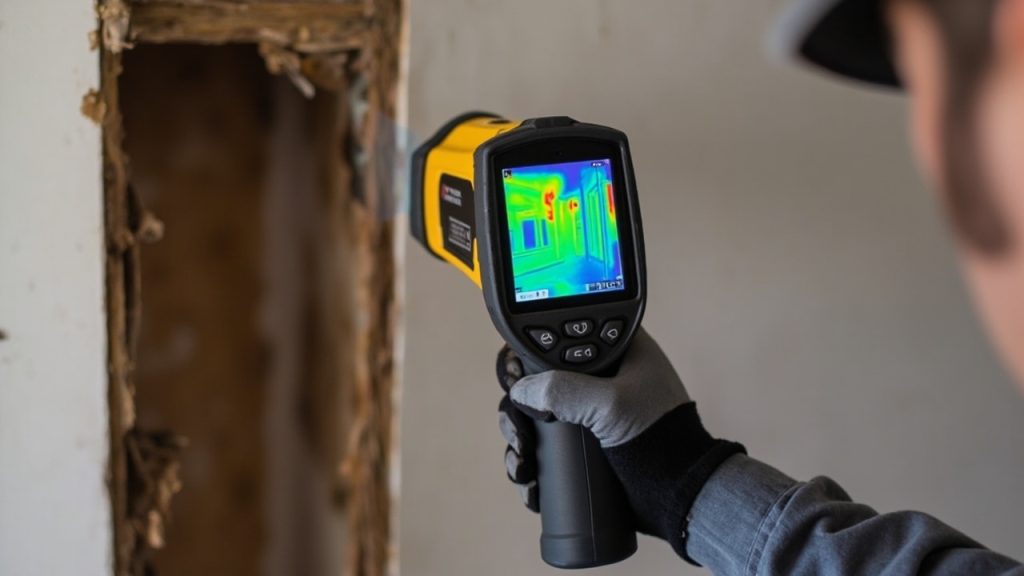
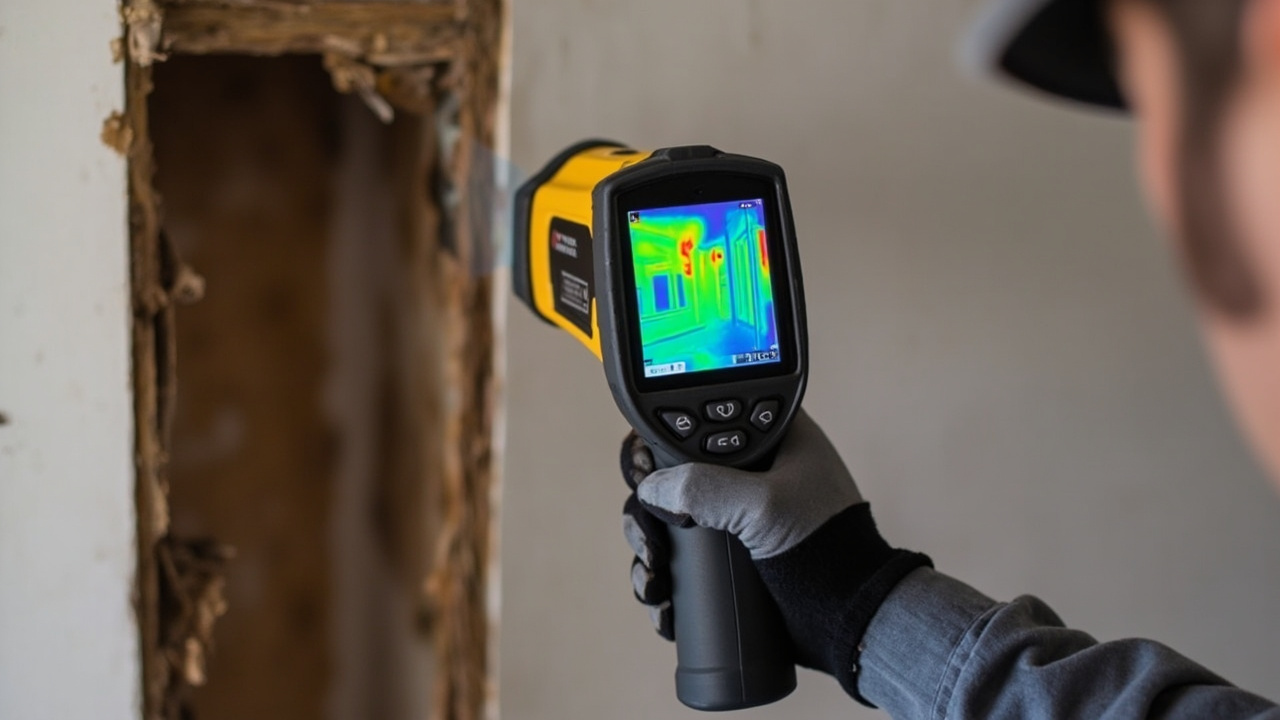
A successful claim relies on detailed proof. Professional restoration companies use tools like thermal imaging cameras and moisture meters to find water hidden behind walls. This data is essential for your claim. Without hidden moisture detection, the insurance company might only pay for visible damage. This leaves you at risk for future mold growth. Professional reports should include moisture maps that track the drying progress over several days. These reports prove to the adjuster that the work performed was necessary and met industry standards.
You will likely need to submit a Proof of Loss form. This is a formal document where you swear to the amount of money you are claiming. It includes a list of every damaged item and the cost to repair or replace it. In 2026, many carriers allow digital submissions through mobile apps to speed up the process. Make sure your list is exhaustive. Include the brand names and approximate ages of appliances or furniture. If you have hardwood floor water damage, specify the type of wood and whether the planks are cupping or buckling.
Working with Atlanta Insurance Adjusters
Once you file a claim, the insurance company will send an adjuster to inspect your property. This person works for the insurance company, not for you. Their job is to estimate the cost of repairs based on your policy limits. You should have your restoration contractor present during this inspection. A professional who understands how to handle insurance claims can point out damage the adjuster might miss. This ensures the initial estimate is accurate and reduces the need for supplemental claims later.
Communication should be professional and frequent. Ask the adjuster for their direct email and phone number. Keep a log of every conversation, including the date, time, and what was discussed. If the adjuster tells you that a specific repair is not covered, ask them to point to the exact language in your policy that supports their decision. This keeps everyone accountable. Residents in Sandy Springs or Alpharetta often deal with large claims due to higher property values, making these detailed logs even more important for a fair settlement.

Typical Restoration Timelines in the Atlanta Metro
The time it takes to settle a claim and finish repairs depends on the extent of the damage. Drying out a home usually takes three to five days. However, the rebuilding phase can take weeks. The table below shows a typical timeline for a standard water damage claim in 2026.
| Phase | Timeframe | Primary Goal |
|---|---|---|
| Emergency Mitigation | 1 to 24 hours | Stop the leak and extract standing water |
| Structural Drying | 3 to 5 days | Reach dry standards to prevent mold |
| Insurance Inspection | 2 to 7 days | Adjuster visits and reviews documentation |
| Claim Approval | 7 to 14 days | Settlement check issued for repairs |
| Reconstruction | 2 to 6 weeks | Replace drywall, flooring, and paint |
How Professional Restoration Companies Help with Claims
Choosing the right partner can make the entire process easier. Many companies offer direct insurance billing. This means they work directly with your carrier and submit invoices on your behalf. This reduces your out of pocket costs and prevents you from being stuck in the middle of a payment dispute. A company with IICRC certification knows the specific language and standards required by major insurance carriers like State Farm, Allstate, and Liberty Mutual. This expertise leads to faster approvals and fewer headaches.
Professional services also help you avoid common mistakes that lead to claim denials. One major error is starting permanent repairs before the adjuster sees the damage. Another is failing to address basement flood cleanup correctly, leading to secondary mold issues. Mold is often a point of contention in insurance claims. Many policies have a small cap on mold remediation costs. By ensuring the home is dried properly the first time, you avoid hitting those caps and facing expensive out of pocket bills. You can check the current water damage restoration cost 2026 to prepare your budget.
Managing Mold Concerns During the Claim
In the humid Atlanta climate, mold can start growing within 48 hours of a water loss. This adds another layer of difficulty to your insurance claim. If the water damage was caused by a covered peril, the resulting mold is often covered, but only up to a certain limit. You must act fast to keep costs within that limit. If you notice a musty smell or see dark spots on your walls, you should immediately look into mold remediation and removal. Waiting too long can give the insurance company a reason to deny the mold portion of the claim, citing owner negligence.
The adjuster will check if the mold is new or pre-existing. New mold is typically covered. Pre-existing mold caused by a lack of maintenance or high indoor humidity is usually not. Using high efficiency dehumidifiers and air movers is the best way to prevent this issue from the start. Your restoration team will use professional grade equipment to ensure the environment is no longer conducive to mold growth. This documentation is vital for your insurance file.
Key Documentation Checklist for Your Atlanta Water Claim
- Date and time the water damage was discovered.
- Photos and videos of the point of origin for the leak.
- A complete list of damaged personal belongings with estimated values.
- Copies of all receipts for emergency repairs or temporary housing.
- Initial moisture readings and daily drying logs from your contractor.
- Detailed estimates for both mitigation and reconstruction.
- Correspondence logs for every phone call and email with the insurance company.
Why Local Expertise Matters for Atlanta Homeowners
Atlanta has unique challenges that affect water damage claims. The high clay content in the soil in areas like Marietta or Kennesaw can cause drainage issues that lead to basement flooding. The frequent summer thunderstorms in Fulton County can lead to flash flooding that overwhelms gutters and drain systems. A local restoration company understands these regional issues and how they relate to your insurance policy. They know the difference between a roof leak caused by wind and one caused by age, which is a common point of debate during an insurance inspection.
Whether you live in a modern condo in Midtown or a sprawling estate in Alpharetta, the goal of an insurance claim is the same. You want your home returned to its pre-loss condition as quickly as possible. By following the correct steps, documenting every detail, and working with a professional team, you can manage the process with confidence. If you need immediate help with a new loss, contact us for professional assistance with your restoration and claim documentation. We serve the entire metro area, providing the expert care your home deserves during a stressful time.
Dealing with water damage is never easy, but you do not have to handle the insurance company alone. Focus on getting the water out and the structure dry. The rest will follow if you have the right evidence and the right partners by your side.
{
“@context”: “https://schema.org”,
“@type”: “BlogPosting”,
“headline”: “Managing Water Damage Insurance Claims in Atlanta Without the Stress”,
“description”: “Learn how to handle Atlanta water damage insurance claims. Get expert tips on documentation, working with adjusters, and direct billing for 2026.”,
“wordCount”: 1764,
“datePublished”: “2026-05-25T10:59:00.000Z”,
“dateModified”: “2026-05-25T10:59:00.000Z”,
“inLanguage”: “en-US”,
“mainEntityOfPage”: {
“@type”: “WebPage”,
“@id”: “https://victorywaterdamagerestorationatlanta.com”
},
“publisher”: {
“@type”: “LocalBusiness”,
“name”: “Victory Water Damage Restoration Atlanta”,
“url”: “https://victorywaterdamagerestorationatlanta.com”
},
“author”: {
“@type”: “Organization”,
“name”: “Victory Water Damage Restoration Atlanta”,
“url”: “https://victorywaterdamagerestorationatlanta.com”
},
“image”: {
“@type”: “ImageObject”,
“url”: “https://victorywaterdamagerestorationatlanta.com/wp-content/uploads/2026/03/navigating-water-damage-insurance-claims-in-atlant-1.jpg”
}
}
{
“@context”: “https://schema.org”,
“@type”: “LocalBusiness”,
“name”: “Victory Water Damage Restoration Atlanta”,
“url”: “https://victorywaterdamagerestorationatlanta.com”,
“address”: {
“@type”: “PostalAddress”,
“addressLocality”: “Atlanta”
},
“areaServed”: {
“@type”: “City”,
“name”: “Atlanta”
}
}
{
“@context”: “https://schema.org”,
“@type”: “BreadcrumbList”,
“itemListElement”: [
{
“@type”: “ListItem”,
“position”: 1,
“name”: “Home”,
“item”: “https://victorywaterdamagerestorationatlanta.com”
},
{
“@type”: “ListItem”,
“position”: 2,
“name”: “Blog”,
“item”: “https://victorywaterdamagerestorationatlanta.com/blog”
},
{
“@type”: “ListItem”,
“position”: 3,
“name”: “Managing Water Damage Insurance Claims in Atlanta Without the Stress”
}
]
}
{
“@context”: “https://schema.org”,
“@type”: “Service”,
“serviceType”: “Water Damage Restoration”,
“provider”: {
“@type”: “LocalBusiness”,
“name”: “Victory Water Damage Restoration Atlanta”,
“url”: “https://victorywaterdamagerestorationatlanta.com”
},
“areaServed”: {
“@type”: “City”,
“name”: “Atlanta”
},
“description”: “Learn how to handle Atlanta water damage insurance claims. Get expert tips on documentation, working with adjusters, and direct billing for 2026.”
}