menu

Water Damage Restoration in Atlanta – Fast Response, Complete Recovery, Zero Shortcuts

Victory Water Damage Restoration Atlanta delivers comprehensive water damage repair, cleanup, and mitigation across metro Atlanta using certified technicians, industrial-grade extraction equipment, and proven remediation protocols that stop secondary damage before it starts.

Slider Image 1
Slider Image 2
Slider Image 3
Slider Image 4
Slider Image 5
Slider Image 7
Slider Image 8
Slider Image 9
Slider Image 10
Slider Image 11

Why Atlanta Properties Face Constant Water Damage Threats

Atlanta sits in a humid subtropical climate zone where annual rainfall averages 50 inches. Heavy downpours overwhelm aging storm drains in neighborhoods like Buckhead and Midtown. Flash flooding hits low-lying areas near the Chattahoochee River within minutes.

The clay soil under most Atlanta foundations expands when wet and contracts when dry. This cycle cracks basement walls and foundation slabs. Water seeps through these cracks during storms. Homeowners wake up to standing water in finished basements.

Older homes in historic districts like Virginia-Highland have galvanized pipes installed decades ago. These pipes corrode from the inside. A pinhole leak behind a wall can spray water for days before you notice the ceiling stain.

Commercial properties face different risks. Flat roofs common on warehouses and office buildings in the Perimeter area pool water after storms. HVAC condensate lines in multi-story buildings clog and overflow. A burst supply line on the third floor floods every level below it.

Water damage remediation starts the moment you discover the problem. Every hour of delay allows mold spores to colonize drywall and insulation. Wood framing absorbs moisture and loses structural integrity. What starts as a cleanup job becomes a full gut and rebuild.

Victory Water Damage Restoration Atlanta responds to calls across Fulton, DeKalb, and Cobb counties. We extract standing water, dry structural materials, and document every step for your insurance claim. Water removal services must happen fast in this climate. Humidity accelerates every stage of decay.

Why Atlanta Properties Face Constant Water Damage Threats
How Professional Water Damage Mitigation Actually Works

How Professional Water Damage Mitigation Actually Works

Water damage cleanup is not mopping and running box fans. Professional water damage restoration follows strict protocols developed by the Institute of Inspection, Cleaning and Restoration Certification.

We classify the water source first. Category 1 is clean water from supply lines. Category 2 is gray water from washing machines or dishwashers. Category 3 is black water from sewage backups or flooding. Each category requires different safety protocols and disposal methods.

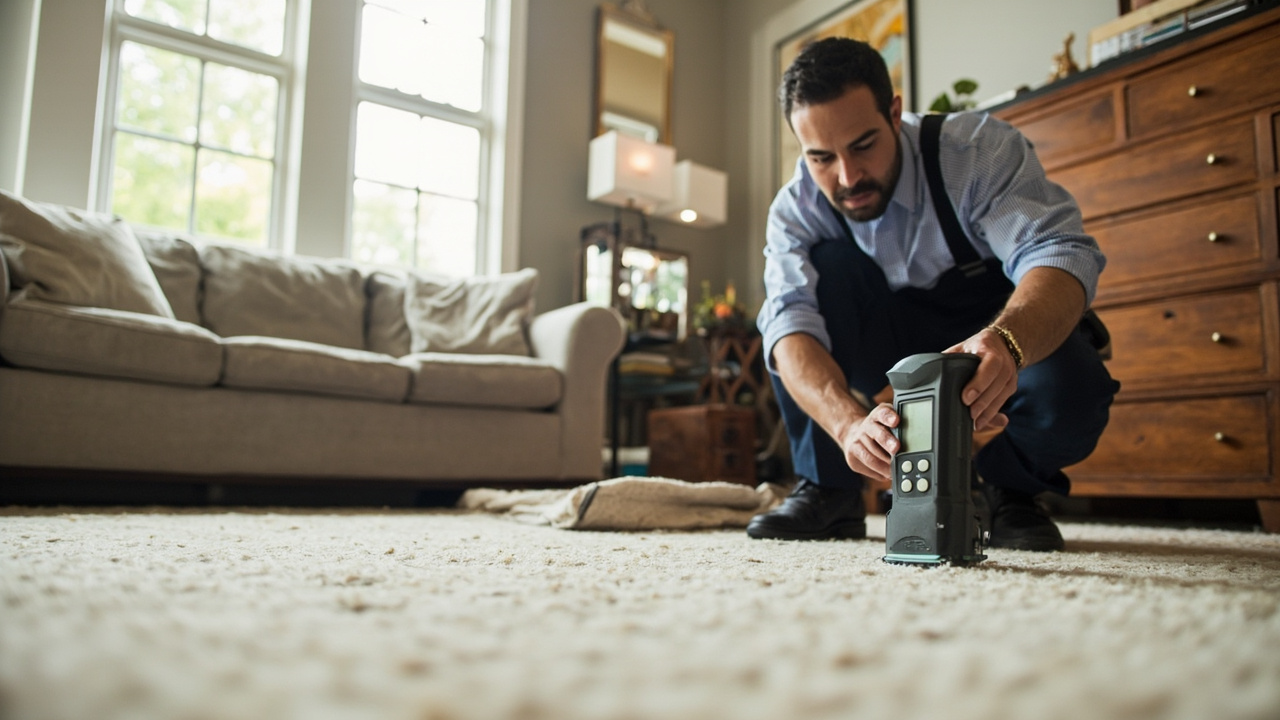
Then we assess the affected materials. Class 1 damage means minimal absorption in materials like concrete. Class 4 means deep saturation in hardwood, plaster, or specialty flooring. A moisture meter reads the water content in every surface. We map the damage room by room.

Extraction uses truck-mounted pumps that pull hundreds of gallons per minute. Weighted wands remove water from carpet padding. We pull baseboards to access wall cavities where water pools.

Air movers create rapid airflow across wet surfaces. Not the small fans you rent at hardware stores. Industrial blowers move 2,000 cubic feet per minute. We position them at precise angles based on psychrometric calculations.

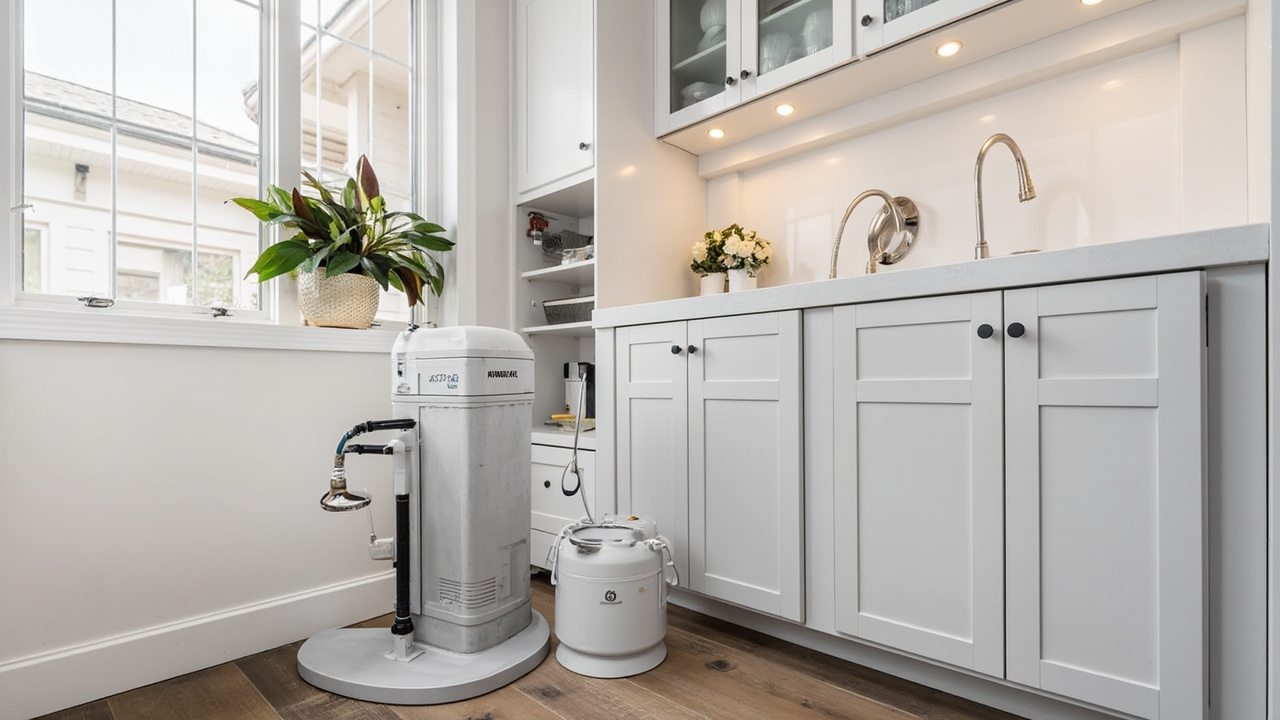
Dehumidifiers pull moisture from the air. Refrigerant units work like your AC. Desiccant units use silica gel that regenerates through heating cycles. We monitor humidity levels with hygrometers and adjust equipment daily.

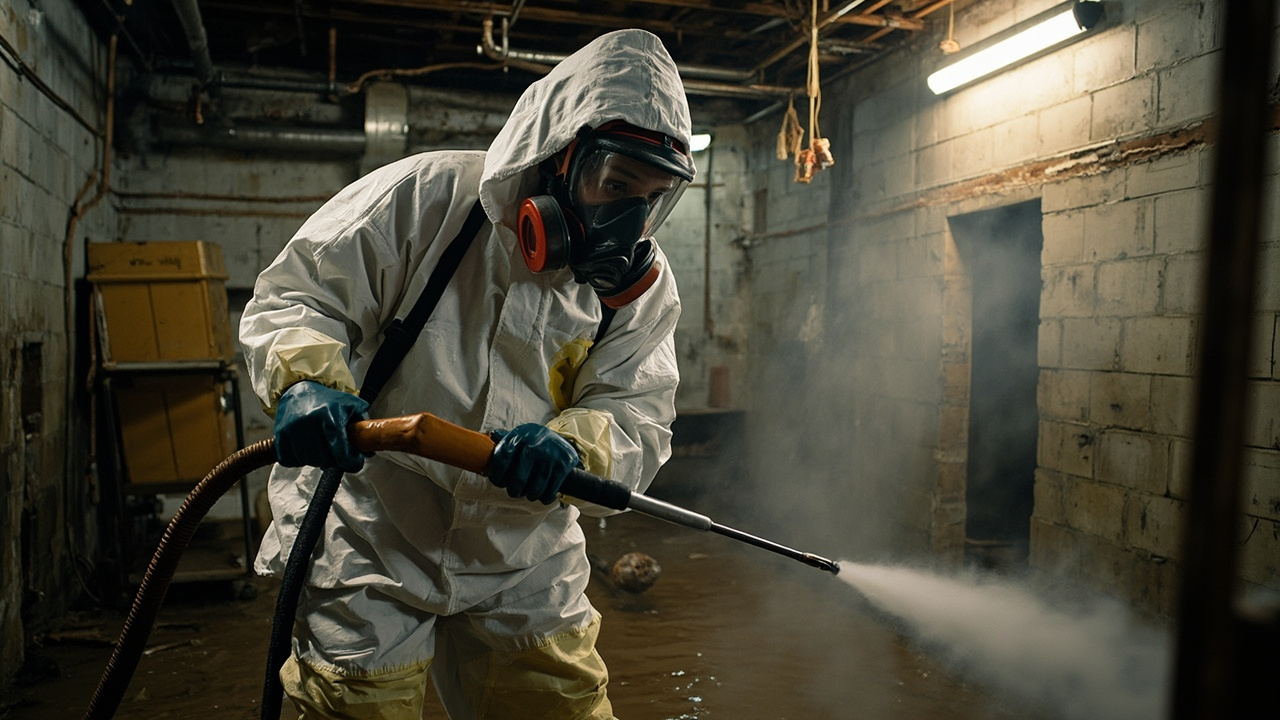
Antimicrobial treatments prevent mold growth during the drying process. We apply EPA-registered solutions to all affected surfaces. Some jobs require negative air pressure and containment barriers to prevent cross-contamination.

The final step is verification. We test moisture levels in all materials until they return to baseline. Then we document everything for your insurer. Water damage mitigation is engineering, not guesswork.

What Happens When You Call for Emergency Water Removal

Water Damage Restoration in Atlanta – Fast Response, Complete Recovery, Zero Shortcuts
01

Immediate Assessment and Containment

Our dispatch operator logs your call and assigns the nearest crew. A technician arrives within 90 minutes in metro Atlanta. We identify the water source and shut it off if possible. We photograph all damage before moving anything. Thermal imaging cameras locate hidden water in walls and ceilings. We establish containment barriers to prevent water from spreading to unaffected rooms. You get a verbal assessment before we start extraction.
02

Water Extraction and Drying

Truck-mounted extractors remove standing water in the first hour. We pull saturated carpet padding and move furniture to dry areas. Air movers and dehumidifiers run continuously for three to seven days depending on saturation levels. A project manager visits daily to check moisture readings and adjust equipment. We log temperature, humidity, and material moisture content on printed reports. You see measurable progress every 24 hours.
03

Restoration and Final Documentation

Once all materials reach dry standards, we remove equipment and begin repairs. This includes replacing drywall, installing new baseboards, and repainting. We sanitize all affected areas with antimicrobial treatments. You receive a complete project file with photos, moisture logs, and equipment records for your insurance adjuster. We walk through the restored space with you to confirm everything meets your standards before closing the claim.

Why Atlanta Properties Need Local Water Damage Specialists

National franchise operations staff their trucks with undertrained technicians who follow scripts. They push unnecessary services to inflate invoices. You become a claim number routed through a call center in another state.

Victory Water Damage Restoration Atlanta operates exclusively in the metro area. Our technicians live in the neighborhoods we serve. We know which streets flood during storms. We understand how homes built in different decades require different approaches.

A 1950s ranch in Decatur has different construction than a 2015 subdivision home in Alpharetta. Older homes have plaster walls that hold water differently than drywall. Crawl spaces under mid-century homes need different ventilation strategies than slab foundations.

We work directly with Atlanta-area insurance adjusters who know our reputation. Many recommend us by name when policyholders file claims. This relationship speeds approval for emergency services and mitigation work.

Our equipment stays in Atlanta warehouses, not a regional depot three states away. We stockpile extra air movers and dehumidifiers for multi-unit jobs. When an apartment building floods, we can deploy 40 units in one trip.

Georgia requires water damage contractors to carry specific liability coverage and workers compensation. We maintain both and provide certificates of insurance before starting work. Some out-of-state operators skip this requirement and leave you exposed to liability if a worker gets injured on your property.

We pull permits for structural repairs when required by Fulton or DeKalb county codes. We coordinate with your plumber or electrician if the damage exposed other issues. Local contractors communicate better than corporate chains managed from distant headquarters.

You get a local phone number answered by someone in Atlanta. Not a routing system that transfers you four times.

What to Expect During Your Water Damage Restoration Project

Response Time and Emergency Availability

We answer calls 24 hours a day, every day of the year. A live operator takes your information and dispatches the on-call crew immediately. Most Atlanta-area properties get a technician on-site within 90 minutes. We stock trucks with extraction equipment, so work starts the moment we assess the damage. You will not wait until the next business day while water soaks deeper into your floors and walls. Emergency water removal happens immediately. We understand that every hour of delay costs you more in structural damage and increases the likelihood of mold growth. Speed matters in water damage mitigation.

Damage Assessment and Insurance Coordination

The first technician on-site documents everything with photos and moisture readings. We provide a verbal estimate before starting emergency services. Most insurance policies cover sudden water damage from burst pipes or appliance failures. We work directly with your adjuster and provide all documentation they need to process your claim. You receive copies of moisture logs, equipment placement diagrams, and daily progress reports. We explain what your policy will likely cover and what might fall under your deductible. No surprises. If your claim gets denied, we provide the technical documentation you need to appeal the decision.

Final Results and Quality Standards

We dry your property to industry standards, not just until it looks dry. Moisture meters confirm that wood framing, drywall, and subfloors return to baseline moisture content. We do not remove equipment early to move on to the next job. Antimicrobial treatments prevent mold growth in all affected areas. Restoration work includes texture-matched drywall repairs and paint that blends with existing finishes. You should not be able to tell where the damage occurred once we complete the project. We guarantee our work meets the standards set by your insurance carrier and local building codes.

Post-Restoration Monitoring and Follow-Up

Water damage creates hidden problems that appear weeks later. We schedule a follow-up inspection 30 days after completing the project. This visit includes moisture testing in previously affected areas and a visual inspection for any signs of mold or material failure. If we find any issues related to our work, we return and fix them at no additional cost. You also get a detailed maintenance guide specific to your property. This explains how to prevent future water damage and what warning signs to watch for. Our office stays available to answer questions long after the project closes.

Frequently Asked Questions

You Have Questions,
We Have Answers

How much does restoration cost for water damage? +

Restoration costs vary based on the source, extent, and category of water damage. A small leak affecting one room may run several hundred dollars, while a flooded basement or sewage backup can reach thousands. Key cost factors include water extraction, drywall replacement, flooring repair, and mold remediation. Atlanta's high humidity accelerates secondary damage, which increases costs if you wait. Insurance often covers sudden events like burst pipes but may exclude gradual leaks or flooding without separate flood coverage. Get a professional inspection fast to understand your scope and avoid hidden moisture in crawl spaces.

What does water damage restoration include? +

Water damage restoration involves water extraction, structural drying, debris removal, sanitation, and repair. Technicians remove standing water with pumps and extractors, then place commercial dehumidifiers and air movers to dry walls, floors, and subflooring. Moisture meters confirm dryness before reconstruction begins. In Atlanta, humid conditions demand aggressive drying to prevent mold colonization within 48 hours. If sewage or contaminants are present, crews apply antimicrobial treatments. Restoration also includes repairing or replacing drywall, insulation, flooring, and cabinetry. The goal is to return your property to pre-loss condition while eliminating health hazards.

Can water damage be repaired? +

Yes, water damage can be repaired if addressed quickly. Clean water from a broken supply line is easiest to mitigate. Gray water from appliances or groundwater requires sanitation. Black water from sewage or flooding demands full removal of porous materials like drywall and carpet. Atlanta's clay soil and high water tables increase basement seepage risk, so prompt extraction and drying prevent structural rot and mold growth. Professionals use thermal imaging to detect hidden moisture in wall cavities and subflooring. Delaying repair worsens damage, raises costs, and complicates insurance claims.

Is water damage restoration worth it? +

Water damage restoration is worth it to protect your property value, health, and safety. Ignoring water intrusion leads to mold, wood rot, and compromised structural integrity. Atlanta's humidity accelerates microbial growth, turning a manageable issue into a health hazard within days. Insurance typically covers restoration for covered perils, so your out-of-pocket cost is often just the deductible. DIY efforts miss hidden moisture, causing long-term problems. Professional restoration prevents secondary damage, documents losses for insurers, and restores your home or business to safe, habitable condition. The alternative is declining property value and potential liability.

Does insurance pay for water restoration? +

Most homeowner policies cover water restoration for sudden, accidental events like burst pipes, roof leaks during storms, or appliance failures. Insurance may deny claims for gradual damage, lack of maintenance, or flooding without separate flood coverage. Atlanta's aging housing stock and frequent summer storms mean you need to understand your policy limits and exclusions. Restoration companies work directly with insurers, document the loss, and provide estimates to streamline approval. Review your policy annually and add flood insurance if you live near the Chattahoochee River or in a FEMA flood zone.

How long does Servpro take for water damage? +

Response times vary by company workload and damage severity. Many restoration firms, including national franchises, aim for a 24-hour response for emergencies. Drying typically takes three to five days for minor incidents and up to two weeks for severe flooding or saturated subfloors. Atlanta's humidity extends drying times compared to arid climates. Reconstruction follows once moisture levels normalize. When selecting a provider, prioritize local operators who understand Atlanta's building codes, climate challenges, and common foundation issues. Fast response matters more than brand name when mold colonization begins within 48 hours.

How likely is mold after water damage? +

Mold growth is likely if water damage is not dried within 24 to 48 hours. Atlanta's average relative humidity above 70 percent creates ideal conditions for spore germination. Drywall, carpet padding, and wood framing retain moisture, fostering colonies behind walls and under flooring. Category 2 and 3 water intrusions carry organic matter that feeds mold. Professional drying with dehumidifiers and air movers eliminates excess moisture before colonization starts. Visible mold signals delayed response or incomplete drying. If you see or smell mold, hire a certified remediation specialist to test and treat affected areas.

Will insurance pay out for water damage? +

Insurance pays for water damage if the cause is sudden and accidental, such as a burst pipe, storm damage, or appliance malfunction. Policies exclude gradual leaks, neglect, and surface flooding without separate flood coverage. Atlanta homeowners near creeks or in older neighborhoods with cast iron plumbing face higher claim frequency. Document damage immediately with photos, stop the water source if safe, and notify your insurer within the reporting window. Restoration contractors provide detailed estimates and moisture logs to support your claim. Denied claims can be appealed with professional documentation.

What does category 3 damage look like? +

Category 3 water damage involves grossly contaminated water from sewage backups, river flooding, or long-standing stagnant water. It appears dark, foul-smelling, and may contain solid waste, chemicals, or pathogens. In Atlanta, heavy rains overwhelm aging sewer systems, causing backups in basements. Affected materials like carpet, drywall, and insulation must be removed and discarded, not dried in place. Restoration requires full PPE, antimicrobial treatments, and EPA-registered disinfectants. Category 3 events pose serious health risks. Never attempt cleanup yourself. Hire a licensed restoration company experienced in biohazard handling and Atlanta building codes.

What not to do after water damage? +

Do not delay calling a professional or your insurer. Do not use household vacuums on standing water, which risks electrocution and equipment damage. Avoid entering rooms with sagging ceilings or standing water near electrical outlets. Do not overlook hidden moisture in wall cavities, crawl spaces, or under flooring. Atlanta's humidity means surface drying does not equal structural dryness. Skip the fan-only approach. It spreads moisture and mold spores without true dehumidification. Document everything with photos before cleanup, but do not wait days to start mitigation. Speed limits secondary damage and insurance disputes.

How Atlanta Humidity Complicates Every Water Damage Cleanup Job

Atlanta averages 69 percent relative humidity year-round. Summer months regularly hit 80 to 90 percent. This ambient moisture slows evaporation during water damage remediation projects. Materials that would dry in three days in Phoenix take five to seven days here. High humidity also creates ideal conditions for mold growth. Spores colonize wet drywall within 48 hours in this climate. Professional dehumidification is not optional in Atlanta. It is the only way to pull moisture from materials faster than the air can reabsorb it. We calculate grain depression and vapor pressure to set equipment precisely for local conditions.

Victory Water Damage Restoration Atlanta has worked in this climate for years. We know how humidity affects drying times in basement apartments in Grant Park versus upper floors in Buckhead high-rises. We stock refrigerant and desiccant dehumidifiers because different jobs require different approaches. Our technicians understand the psychrometric charts that account for Atlanta weather patterns. We do not use the same drying plan a company in Denver would use. Local expertise matters when you need water damage repair done right the first time. Choose a team that understands how this city works.
Water Damage Restoration Services in The Atlanta Area

While we provide rapid mobile water damage restoration services directly to your doorstep throughout the Atlanta metropolitan area, you can also view our primary service location on the map below. This helps visualize our operational reach and assures you that expert assistance is always within your vicinity. We are always ready to deploy our dedicated teams to your precise location, ensuring swift and effective service whenever you need us, guaranteeing peace of mind.

Address:
Victory Water Damage Restoration Atlanta, 1055 Howell Ml Rd, Atlanta, GA, 30318

Additional Services We Offer

Our news updates

Latest Articles & News from The Blogs

Risks of Buying a House with Water Damage in Mableton and How to Protect Your Investment Buying a house represents…

Risks of Buying a House with Water Damage in Mableton and How to Protect Your Investment

Risks of Buying a House with Water Damage in Mableton and How to Protect Your Investment Buying a house represents…

Getting the right City of Atlanta building permits for major water damage repairs

Getting the right City of Atlanta building permits for major water damage repairsMajor water damage in your Atlanta home often…

Identifying chimney water leaks in Candler Park homes before they ruin your walls

Living in the historic Candler Park neighborhood offers unique architectural charm but the older masonry systems require constant attention. In…

Contact Us

Water spreads every minute you wait. Call Victory Water Damage Restoration Atlanta at (678) 397-3666 for immediate dispatch. Our crews are ready 24 hours a day. Stop the damage now.