menu

Commercial Sewage Cleanup in Atlanta | Minimize Downtime, Restore Business Operations Fast

Elite Plumbing Atlanta delivers rapid commercial sewage remediation for Atlanta businesses, combining industrial-grade extraction systems with regulatory compliance protocols to get your facility operational in hours, not days.

Slider Image 1
Slider Image 2
Slider Image 3
Slider Image 4
Slider Image 5
Slider Image 7
Slider Image 8
Slider Image 9
Slider Image 10
Slider Image 11

Atlanta's Infrastructure Age Creates Critical Sewage Risks for Commercial Properties

Atlanta's aging municipal sewer infrastructure, combined with rapid commercial development across Midtown, Buckhead, and the Perimeter, creates elevated risk for catastrophic sewage backups in commercial facilities. The city's clay soil composition shifts during Georgia's freeze-thaw cycles, placing stress on aging underground pipes that serve office buildings, retail centers, and industrial warehouses.

Commercial sewer backup cleaning becomes urgent when black water containing raw sewage, industrial waste, or chemical contaminants floods your facility. Unlike residential incidents, commercial sewage removal involves significant liability exposure, regulatory compliance requirements, and immediate revenue loss from operational shutdown.

Atlanta commercial properties face specific vulnerabilities. Restaurants in the Ponce City Market corridor deal with grease trap failures. Medical facilities near Emory must address biohazard protocols. Manufacturing operations in the Northyette Industrial Corridor face industrial sewage cleanup challenges involving chemical contamination.

The financial impact compounds quickly. Every hour of downtime costs you in lost productivity, employee displacement, customer access, and potential lease violations. Commercial black water extraction requires immediate response because category three water damage spreads rapidly through HVAC systems, destroys inventory, and creates airborne pathogen risks that trigger OSHA reporting requirements.

Your commercial sewage remediation partner must understand Atlanta's Department of Watershed Management protocols, Georgia Environmental Protection Division requirements, and how to coordinate with your insurance adjuster while maintaining business continuity. Speed matters, but so does doing it right the first time to avoid recurring contamination or regulatory penalties.

Atlanta's Infrastructure Age Creates Critical Sewage Risks for Commercial Properties
Industrial-Grade Extraction Systems and Containment Protocols

Industrial-Grade Extraction Systems and Containment Protocols

Commercial sewage cleanup demands equipment and methodology that residential restoration companies cannot provide. Elite Plumbing Atlanta deploys truck-mounted extraction systems capable of removing thousands of gallons per hour, not the portable units designed for home bathrooms.

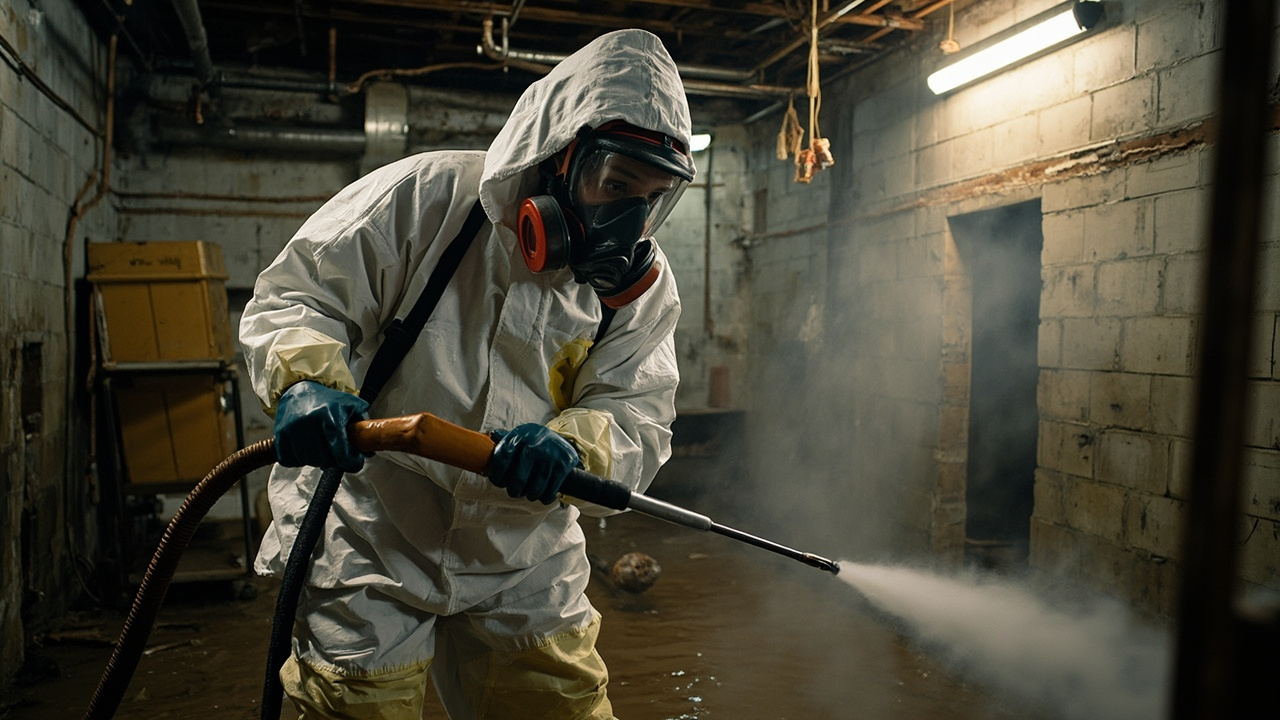
We establish containment zones using negative air pressure systems to prevent cross-contamination into unaffected areas of your facility. This allows you to maintain partial operations while we execute commercial sewage removal in isolated sections. Our technicians wear Level C personal protective equipment and follow decontamination protocols required for black water exposure.

The extraction phase addresses visible sewage, but commercial sewage remediation requires subsurface investigation. We use thermal imaging cameras to identify moisture migration behind walls, under flooring systems, and within insulation cavities. Concrete slab facilities require different approaches than elevated structures. We drill test holes in strategic locations to verify moisture levels before declaring areas dry.

Antimicrobial application follows extraction. We use EPA-registered disinfectants rated for sewage contamination, applied via electrostatic sprayers that coat all surfaces, including vertical walls and overhead areas where airborne pathogens settle. This is not a spray-and-wipe operation. We document dwell times and reapplication schedules required for pathogen elimination.

Industrial sewage cleanup often involves coordination with your facility maintenance team to identify the source failure point. We document the contamination event with photographic evidence, moisture mapping data, and air quality readings that your insurance carrier and legal team may require. Our reports include specific details about affected materials, disposal documentation for contaminated items, and verification that all work meets IICRC S500 standards for category three water damage.

How Commercial Facilities Get Back Online After Sewage Contamination

Commercial Sewage Cleanup in Atlanta | Minimize Downtime, Restore Business Operations Fast
01

Emergency Containment and Extraction

We arrive with truck-mounted extraction units and establish physical barriers to isolate contaminated zones. Our crew removes standing sewage, extracts subsurface moisture from flooring systems, and begins pathogen neutralization within the first hour. We coordinate with your facility manager to identify critical systems requiring protection and establish safe access routes for employees who must remain onsite during remediation.
02

Structural Drying and Decontamination

We deploy commercial dehumidification systems and air movers calibrated to your facility's square footage and construction type. Thermal imaging confirms moisture elimination from wall cavities and subfloor areas. We apply hospital-grade antimicrobial treatments to all affected surfaces, document air quality readings, and remove contaminated materials that cannot be salvaged. This phase typically requires 48 to 72 hours depending on the contamination extent and building materials involved.
03

Verification and Facility Clearance

We conduct final moisture readings, air quality testing, and visual inspection to verify complete remediation. You receive documentation packages that include before and after photos, equipment logs, moisture mapping data, and antimicrobial application records. We coordinate with your insurance adjuster and provide detailed scope documents for reconstruction contractors. Your facility receives clearance certification confirming the space meets safety standards for reoccupancy and normal business operations.

Atlanta Commercial Experience Across Property Types and Compliance Requirements

Elite Plumbing Atlanta has executed commercial sewage remediation for Atlanta office towers, medical facilities, restaurants, retail centers, and industrial warehouses. We understand that a sewage backup in a Buckhead law office requires different handling than contamination in a Doraville manufacturing plant.

Our technicians know Atlanta's building codes and how they vary across jurisdictions. A facility in the City of Atlanta jurisdiction faces different inspection requirements than properties in Sandy Springs or unincorporated Fulton County. We document our work to meet the strictest standards because your certificate of occupancy may depend on it.

We maintain relationships with Atlanta's commercial insurance adjusters and understand how to document claims for maximum recovery. You need detailed scope documents, photographic evidence, and moisture mapping data to support your claim. We provide that documentation in formats your adjuster expects, reducing claim processing time and potential disputes.

Commercial properties cannot afford the learning curve. When sewage contaminates your facility, you need a crew that has handled similar scenarios in similar buildings. We have worked in LEED-certified buildings where material disposal requires special handling, historic properties where preservation standards apply, and food service facilities where Health Department protocols govern the remediation process.

Our response time matters because your business cannot wait. We maintain equipment staging locations across metro Atlanta and dispatch crews directly to your facility, not from a single central warehouse. We understand that a sewage backup discovered at 6 PM on Friday creates different urgency than a Monday morning event, and we staff accordingly.

Atlanta businesses choose Elite Plumbing Atlanta because we treat commercial sewage cleanup as the business continuity emergency it represents, not just a cleaning job.

Commercial Sewage Cleanup Service Details and Response Protocols

Response Time and Operational Continuity

We dispatch crews within 60 minutes of your call across metro Atlanta. Our project managers arrive onsite to assess scope, establish containment zones, and develop a remediation timeline that considers your operational requirements. We work extended shifts and around your business hours to minimize disruption. For facilities that cannot shut down, we execute phased remediation that allows partial operations to continue. You receive hourly updates during active remediation and a dedicated project manager as your single point of contact for questions, insurance coordination, and timeline adjustments.

Site Assessment and Contamination Mapping

Our initial assessment identifies contamination extent, affected building systems, and source identification. We use moisture meters, thermal imaging cameras, and visual inspection to map the damage footprint. You receive a detailed scope document within four hours that outlines affected areas, recommended remediation approach, estimated timeline, and equipment deployment plan. This assessment includes identification of materials requiring disposal versus items that can be salvaged, critical for insurance documentation and cost control. We coordinate with your maintenance team to understand building systems and identify any upstream failures that contributed to the sewage event.

Certification and Documentation Standards

You receive comprehensive documentation that includes photographic evidence, moisture mapping data, equipment logs, antimicrobial application records, air quality readings, and disposal manifests for contaminated materials. Our final deliverable includes certification that the affected area meets IICRC S500 standards for category three water damage remediation. This documentation package supports your insurance claim, satisfies regulatory requirements, and provides legal protection if liability questions arise. We maintain these records for seven years and can provide duplicate copies to your legal team, insurance carrier, or facility management company.

Post-Remediation Monitoring and Prevention

We conduct follow-up inspections at 48 hours and seven days after project completion to verify no secondary moisture issues or recurring contamination. Our team provides recommendations for preventing future incidents, including maintenance schedules for backflow preventers, sump pump systems, and floor drain maintenance. For facilities with recurring risk, we offer monitoring programs that include quarterly inspections of vulnerable areas and priority response protocols. You receive direct contact information for emergency response that bypasses standard dispatch, reducing response time during future incidents.

Frequently Asked Questions

You Have Questions,
We Have Answers

How much does it cost to clean up sewage? +

Commercial sewage cleanup costs vary based on contamination category, affected square footage, and structural damage. Category 3 water (raw sewage) requires extensive decontamination, disposal protocols, and potential rebuilding. Expect costs to scale with scope: a small restroom backup differs vastly from a facility-wide drain failure. In Atlanta, clay soil shifts and aging infrastructure increase the risk of foundation penetration, which escalates remediation expenses. Most commercial policies cover sudden accidental discharge, but repeated maintenance failures may trigger exclusions. Document everything immediately. Professional assessment prevents cost overruns and liability exposure.

How much does it cost to unclog sewage? +

Unclogging a commercial sewer line typically costs less than full-scale sewage cleanup because you address the blockage before contamination spreads. Hydro-jetting or mechanical auguring ranges based on line length, access points, and blockage severity. In Atlanta, older buildings in Midtown and Downtown often have cast iron or clay pipes vulnerable to root intrusion and corrosion, which complicates clearing. If backflow already contaminated your facility, you face cleanup costs on top of clearance fees. Act fast when drains slow. Preventive maintenance costs far less than emergency decontamination and business interruption.

Does insurance cover sewage cleanup? +

Commercial insurance often covers sudden sewage backups under property or inland marine policies, but exclusions exist for gradual deterioration or neglected maintenance. Atlanta's high water table and frequent storms increase backup risk, so review your policy for sewer and drain endorsements. Coverage hinges on causation: a ruptured pipe during a rainstorm may qualify, but chronic overflow from deferred repairs likely will not. Document the incident immediately with photos, timestamps, and professional assessment. Insurers require proof of reasonable care. Work with a restoration firm experienced in commercial claims to maximize reimbursement and minimize downtime.

How often should sewage be cleaned? +

Commercial facilities should inspect sewer lines annually and schedule professional cleaning based on usage intensity and building age. High-traffic properties like restaurants, hotels, or medical offices may require quarterly or biannual cleanings due to grease, debris, and biofilm buildup. In Atlanta, clay soil movement and tree root intrusion accelerate pipe degradation, especially in older structures near historic districts. Reactive cleaning after backups costs more and risks contamination events. Establish a preventive maintenance schedule with hydro-jetting or camera inspections. Regular cleaning extends line lifespan, reduces emergency callouts, and protects tenant health and your liability exposure.

Is sewer jetting worth it? +

Sewer jetting is worth it for commercial properties facing recurring clogs, slow drains, or grease accumulation. Hydro-jetting uses high-pressure water to scour pipe walls, removing biofilm, roots, and mineral deposits that mechanical snakes miss. In Atlanta, older commercial buildings with cast iron or clay lines benefit significantly because jetting clears debris without damaging fragile pipes. The upfront cost pays off through extended intervals between cleanings and reduced emergency backup risk. For high-volume facilities like restaurants or multi-tenant buildings, jetting prevents costly contamination events and business interruption. It is a liability mitigation tool, not just a maintenance expense.

Why is my sewer bill 200 dollars? +

A 200-dollar sewer bill for commercial properties in Atlanta typically reflects base fees, volumetric charges, and stormwater management fees. The City of Atlanta bills based on water consumption as a proxy for wastewater discharge, so high usage drives costs up. Commercial rates exceed residential due to higher discharge volumes and infrastructure strain. If your bill spiked suddenly, check for leaks, irrigation system cross-connections, or meter errors. Atlanta's combined sewer system requires businesses to contribute to overflow mitigation, which adds fees. Compare your usage against prior periods. Anomalies may indicate hidden leaks that also risk contamination and property damage.

Will insurance pay for sewer line replacement? +

Insurance may cover sewer line replacement if failure results from a covered peril like sudden pipe collapse or external damage, but most commercial policies exclude wear-and-tear or gradual deterioration. In Atlanta, clay soil expansion and tree root intrusion cause chronic line degradation, which insurers classify as maintenance issues. Review your policy for equipment breakdown or sewer backup endorsements. Some carriers offer limited coverage for external lines if damage is accidental and documented. If a backup contaminates your facility before replacement, cleanup may qualify separately. Consult your broker and document all evidence to strengthen your claim.

Why is my sewer bill 100 dollars? +

A 100-dollar sewer bill for smaller commercial spaces in Atlanta reflects base service fees and moderate water usage. The City of Atlanta charges tiered volumetric rates, so lower-volume users like small offices or retail spaces pay less than industrial facilities. Stormwater fees also apply based on impervious surface area. If your bill seems high, verify your meter readings and check for leaks or running toilets. Atlanta's aging infrastructure sometimes causes billing errors. Compare against similar properties in your area. Unexplained increases may indicate hidden plumbing issues that risk future contamination events and costly emergency cleanups.

What are the three types of sewage? +

The three types of sewage are Category 1 (clean water from supply lines), Category 2 (gray water from appliances or fixtures containing contaminants), and Category 3 (black water from toilets, sewers, or flooding with pathogens). Commercial facilities must treat Category 3 as a biohazard requiring professional decontamination, disposal, and disinfection. In Atlanta, backups during heavy rains or infrastructure failures often introduce Category 3 water into basements and ground floors. Exposure risks include E. coli, hepatitis, and mold proliferation. Never attempt DIY cleanup. Proper handling protects occupants, limits liability, and ensures code compliance.

What is the average lifespan of a sewer line? +

Commercial sewer lines average 40 to 100 years depending on material. Cast iron and clay pipes, common in older Atlanta buildings, degrade faster due to corrosion and root intrusion. PVC and HDPE lines installed since the 1980s last longer but still require monitoring. Atlanta's expansive clay soil accelerates joint separation and cracking. High-traffic facilities with grease or chemical discharge shorten line life. Regular camera inspections and hydro-jetting extend functionality. Budget for replacement as lines approach 50 years in historic districts like Inman Park or Virginia-Highland. Proactive replacement prevents catastrophic failures, contamination events, and business interruption.

How Atlanta's Combined Sewer System Increases Commercial Sewage Backup Risk

Atlanta's aging combined sewer system, particularly in older commercial districts like Downtown, Sweet Auburn, and portions of Midtown, creates elevated risk during heavy rain events. These systems carry both sewage and stormwater in the same pipes. When Georgia's intense thunderstorms overwhelm capacity, the backflow pressure pushes sewage into commercial buildings through floor drains and lower-level plumbing fixtures. The Department of Watershed Management has documented this vulnerability across hundreds of commercial properties, making preventive measures and rapid commercial sewage removal protocols critical for Atlanta businesses operating in these zones.

Elite Plumbing Atlanta maintains working relationships with the city's Department of Watershed Management and understands how Atlanta's infrastructure limitations affect commercial properties. We know which commercial corridors face highest risk, how seasonal factors influence backup probability, and what building-specific vulnerabilities exist based on construction era and elevation. Our crews have executed industrial sewage cleanup across every major commercial district in metro Atlanta, from the airport corridor to Perimeter Center, giving us facility-specific knowledge that reduces response time and improves remediation outcomes for your business.
Water Damage Restoration Services in The Atlanta Area

While we provide rapid mobile water damage restoration services directly to your doorstep throughout the Atlanta metropolitan area, you can also view our primary service location on the map below. This helps visualize our operational reach and assures you that expert assistance is always within your vicinity. We are always ready to deploy our dedicated teams to your precise location, ensuring swift and effective service whenever you need us, guaranteeing peace of mind.

Address:
Victory Water Damage Restoration Atlanta, 1055 Howell Ml Rd, Atlanta, GA, 30318

Additional Services We Offer

Our news updates

Latest Articles & News from The Blogs

Alpharetta Water Damage Specialists for Fast Mold Prevention and Drying in North FultonWater emergencies in Alpharetta require immediate professional intervention…

Alpharetta Water Damage Specialists for Fast Mold Prevention and Drying in North Fulton

Alpharetta Water Damage Specialists for Fast Mold Prevention and Drying in North FultonWater emergencies in Alpharetta require immediate professional intervention…

Safe and Professional Sewage Backup Cleanup in Atlanta (Don't Handle This Alone)

Professional Sewage Backup Cleanup and Restoration in Atlanta GeorgiaA sewage backup in your Atlanta home or business is a serious…

Deciding to Clean or Replace Water Damaged Carpet in Your Edgewood Home

Water damage in an Edgewood home creates an immediate crisis that requires fast decision making. If you walk into your…

Contact Us

Every hour of sewage contamination increases damage severity and extends your downtime. Call Elite Plumbing Atlanta at (678) 397-3666 for immediate dispatch. Our commercial sewage cleanup crews are standing by with industrial extraction systems and regulatory compliance protocols ready to restore your facility.