menu

Black Mold Symptoms in Atlanta – Expert Diagnosis and Safe Remediation When Your Health Is at Risk

Victory Water Damage Restoration Atlanta identifies black mold symptoms fast and removes stachybotrys chartarum before long-term health effects take hold in your home.

Slider Image 1
Slider Image 2
Slider Image 3
Slider Image 4
Slider Image 5
Slider Image 7
Slider Image 8
Slider Image 9
Slider Image 10
Slider Image 11

Why Black Mold Thrives in Atlanta Homes and How It Attacks Your Health

You wake up with a headache that will not quit. Your throat feels scratchy. You cough more often than you should. You blame allergies or the weather, but the real culprit might be growing inside your walls.

Atlanta's average humidity sits above 70 percent most of the year. Add in our frequent thunderstorms and aging housing stock built before modern vapor barriers became standard, and you have the perfect breeding ground for stachybotrys chartarum. This is the black mold that releases mycotoxins into the air you breathe.

Signs of black mold exposure start subtly. You might notice a musty odor in your basement or bathroom. Dark spots appear on drywall or grout lines. Then the health symptoms escalate. Chronic fatigue sets in. Respiratory issues worsen. Some people develop skin rashes or nosebleeds. Children and elderly family members show symptoms first because their immune systems react faster to toxic mold health effects.

The danger is not just what you see on the surface. Black mold colonizes inside wall cavities where water intrusion from leaky pipes or roof damage creates constant moisture. Historic neighborhoods like Grant Park and Inman Park have homes with crawl spaces that trap humidity year-round. Modern townhomes in Midtown and Buckhead deal with HVAC condensation issues that feed mold growth behind finished walls.

Black mold poisoning symptoms mimic other conditions, which is why so many Atlanta residents live with contamination for months before connecting their health problems to their home environment. The longer stachybotrys chartarum symptoms go unaddressed, the more extensive the remediation becomes and the higher the black mold health risks climb for everyone under your roof.

Why Black Mold Thrives in Atlanta Homes and How It Attacks Your Health
How We Identify and Remove Black Mold Without Spreading Contamination

How We Identify and Remove Black Mold Without Spreading Contamination

Most homeowners make the problem worse by trying to clean visible mold with bleach or household cleaners. Surface treatment does nothing to kill the root structure, and disturbing mold colonies releases thousands of spores into your HVAC system. Within hours, contamination spreads to rooms that were previously clean.

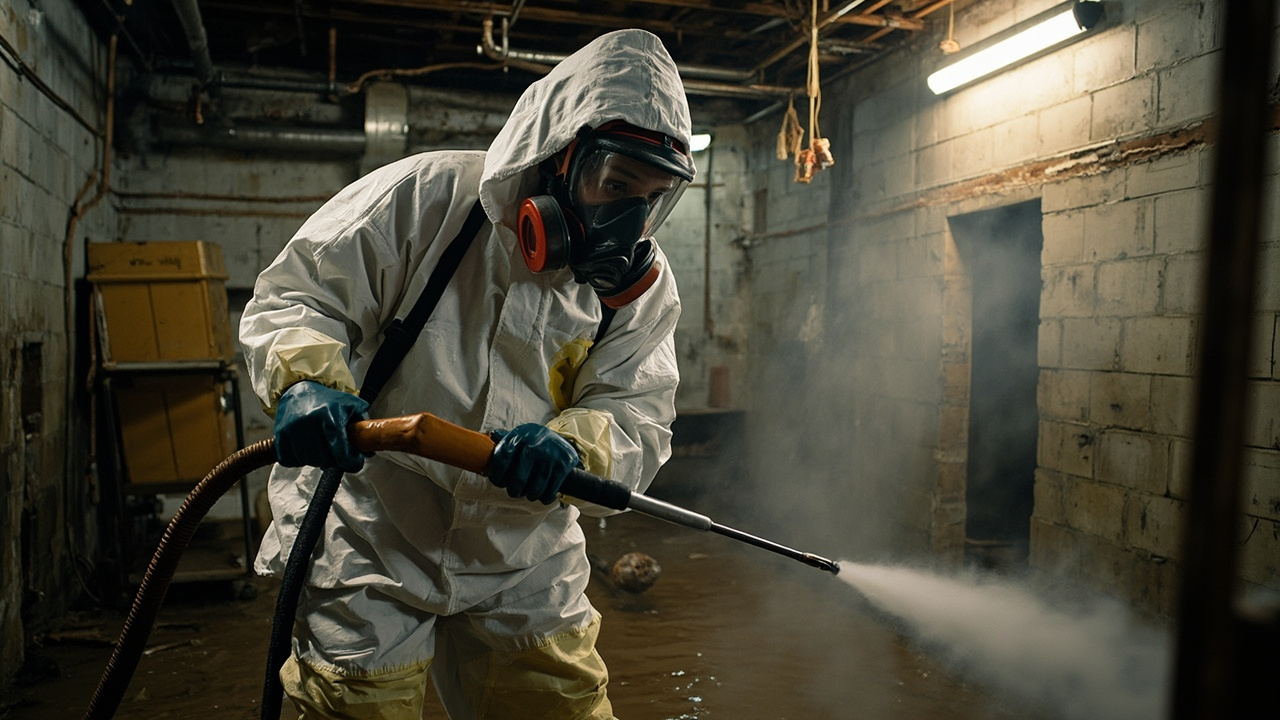
Victory Water Damage Restoration Atlanta uses containment protocols before we touch a single mold colony. We establish negative air pressure zones using HEPA-filtered air scrubbers that prevent cross-contamination. Our technicians wear full respiratory protection and sealed suits because we treat every job as if mycotoxin levels are elevated.

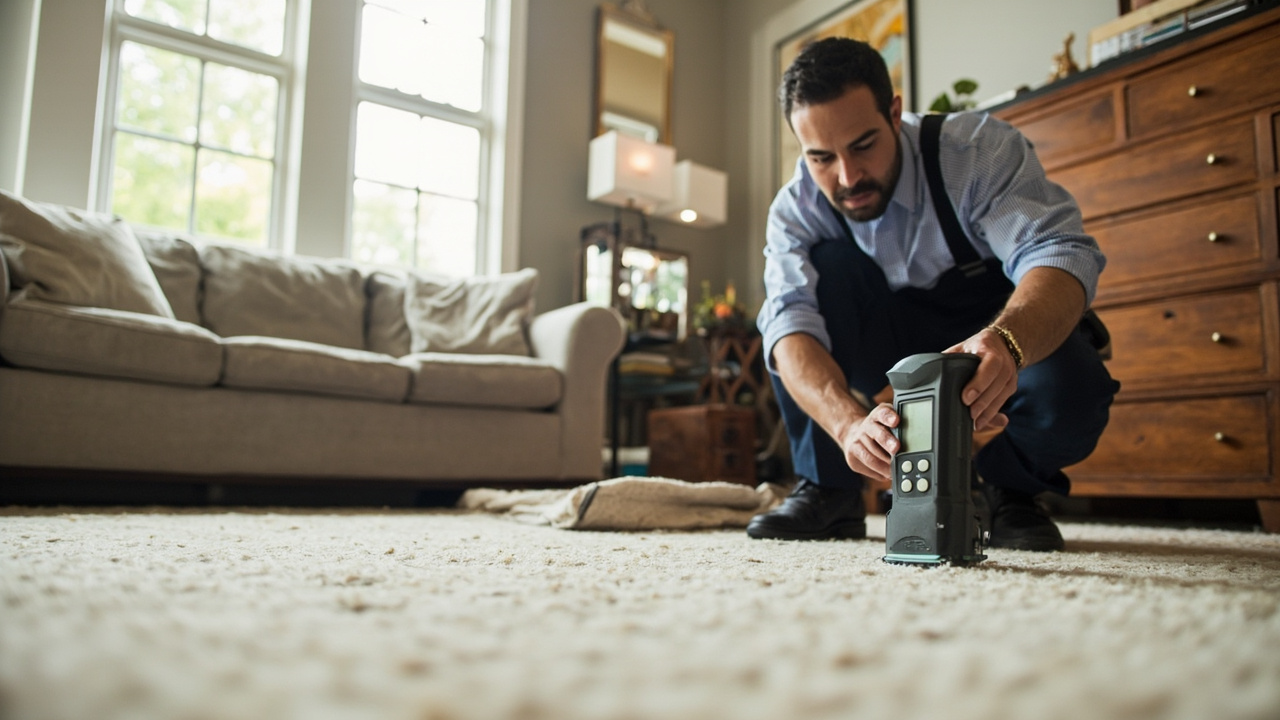
We start with moisture mapping using thermal imaging cameras and pin-type meters. Black mold needs water, so we trace the source. That might be a slow leak from a second-floor bathroom, condensation from ductwork in your attic, or groundwater seeping through foundation cracks common in Atlanta's red clay soil. If we only remove visible mold without fixing the moisture problem, you will see regrowth within weeks.

Sample collection comes next. We take air samples and surface swabs to identify the specific mold species and measure spore concentration. Not all black-colored mold is stachybotrys chartarum, but when lab results confirm its presence, we escalate the remediation protocol.

Removal involves cutting out contaminated materials. Drywall, insulation, and subflooring cannot be saved once mold penetrates porous surfaces. We bag and seal all debris before it leaves the containment zone. After physical removal, we apply antimicrobial treatments to framing and concrete surfaces, then verify clearance with post-remediation testing. You get documentation that proves your home is safe before we rebuild.

What Happens During Your Black Mold Assessment and Remediation

Black Mold Symptoms in Atlanta – Expert Diagnosis and Safe Remediation When Your Health Is at Risk
01

Emergency Inspection and Testing

We arrive within hours of your call to assess visible mold growth and test air quality. Our technicians use moisture meters and thermal cameras to find hidden water damage behind walls and under flooring. You receive a detailed scope of work that identifies contaminated areas and explains the remediation strategy before any work begins.
02

Containment and Safe Removal

We seal off affected rooms with plastic sheeting and create negative air pressure to prevent spore migration. All contaminated materials get removed and bagged inside the containment zone. HEPA filtration runs continuously during demolition. We treat all structural surfaces with EPA-registered antimicrobials and verify clearance through independent lab testing before moving to reconstruction.
03

Restoration and Prevention

After clearance testing confirms safe spore levels, we rebuild with mold-resistant materials. We install vapor barriers where needed and address the underlying moisture issue that caused the growth. You receive a final walkthrough with documentation showing before and after air quality results. We also provide maintenance recommendations to prevent future contamination.

Why Atlanta Homeowners Trust Victory Water Damage Restoration for Mold Remediation

Black mold remediation is not a DIY project, and it is not something you should trust to a general handyman. Improper handling turns a contained problem into whole-house contamination. You need a team that understands how mold behaves in Atlanta's climate and housing types.

Victory Water Damage Restoration Atlanta specializes in water damage and mold remediation across the metro area. We know that homes in Virginia Highland have different ventilation challenges than new construction in Sandy Springs. We understand how Atlanta's clay soil shifts and cracks foundation walls, creating entry points for groundwater that feeds mold growth in basements and crawl spaces.

Our technicians complete IICRC-certified training in applied microbial remediation. That means we follow industry protocols for containment, removal, and verification. We do not cut corners or skip steps to save time. Every job gets treated as if it were our own home because we know the health risks you face when stachybotrys chartarum takes hold.

We also coordinate directly with your insurance company. Most homeowners policies cover mold remediation if it results from a covered water damage event like a burst pipe or storm damage. We document everything with photos and moisture readings so your claim has the evidence it needs. You should not pay out of pocket for damage that insurance should cover.

Atlanta families choose us because we communicate clearly throughout the process. You will know what we find, what needs to be removed, and how long remediation will take. No surprises. No upselling. Just straightforward expertise from a local team that has seen every type of mold problem this city throws at us.

What You Can Expect During Black Mold Remediation in Atlanta

Response Time and Availability

We operate 24 hours a day because mold exposure is a health emergency. You can reach us any time at (678) 397-3666. Most inspections happen within four hours of your initial call. If you have visible black mold or family members showing respiratory symptoms, we prioritize your job. Emergency containment can start the same day to stop spore spread while we prepare the full remediation plan. Weekend and evening appointments are standard, not an upcharge.

Comprehensive Testing and Assessment

Our inspection includes visual assessment, moisture mapping, and air quality sampling. We collect surface samples from suspected mold colonies and send them to an independent lab for species identification. You receive a written report that explains spore counts, moisture levels, and contamination extent. We also identify the water source feeding the mold, whether that is a plumbing leak, roof damage, or condensation issue. This assessment determines the scope of work and gives you a clear remediation timeline before we start.

Complete Remediation and Clearance

Remediation timelines depend on contamination severity. Small bathroom mold might take two days. Whole-house contamination from long-term water damage can take a week or more. We remove all affected materials, treat structural surfaces, and run air scrubbers until post-remediation testing confirms safe spore levels. You get lab-certified documentation proving your home meets clearance standards. We then rebuild with mold-resistant drywall and materials that prevent future growth. The job is not done until air quality testing shows your home is safe.

Prevention and Long-Term Protection

After remediation, we provide a detailed report explaining what caused the mold and how to prevent recurrence. That might mean fixing a foundation crack, rerouting drainage away from your home, or upgrading bathroom ventilation. We install vapor barriers in crawl spaces and recommend dehumidification solutions for basements prone to moisture. You also receive maintenance guidance on monitoring humidity levels and spotting early warning signs. If you discover new water damage in the future, we respond immediately to prevent mold from reestablishing.

Frequently Asked Questions

You Have Questions,
We Have Answers

What are the symptoms of black mold poisoning? +

Black mold exposure can trigger respiratory issues like coughing, wheezing, and throat irritation. You may experience headaches, fatigue, and difficulty concentrating. Some people develop skin rashes or eye irritation. In Atlanta's humid climate, prolonged exposure in poorly ventilated spaces can worsen symptoms. Severe reactions include chronic sinus infections, chest tightness, and persistent congestion. Immune-compromised individuals and children face higher risks. If you notice these symptoms alongside visible mold growth or musty odors in your home, you need professional mold testing and removal. Do not attempt to clean large black mold colonies yourself, as disturbing spores increases exposure.

How long does it take to recover from mold toxicity? +

Recovery time depends on exposure duration and your overall health. Mild symptoms often resolve within days to weeks after you remove yourself from the contaminated environment. Atlanta residents dealing with persistent humidity issues may take longer if the mold source remains active. Severe toxicity can require months of medical treatment, including detoxification support and respiratory therapy. Your body needs time to clear mycotoxins. Recovery accelerates once professional remediation eliminates the source completely. Continued exposure delays healing. Most people see significant improvement within two to four weeks after proper mold removal and medical intervention. Consult your doctor for persistent symptoms.

How to get rid of black mold in a house? +

Do not handle extensive black mold growth yourself. Small patches under 10 square feet can be cleaned with detergent and water, but you must fix the moisture source first. Atlanta's high humidity and summer storms create persistent moisture problems that fuel regrowth. For larger infestations, you need professional remediation. Certified technicians use containment barriers, HEPA filtration, and antimicrobial treatments to remove mold safely. They identify hidden growth behind walls and in crawl spaces common to Atlanta homes. Attempting DIY removal on large colonies spreads spores throughout your house and increases health risks. Address leaks, improve ventilation, and control indoor humidity below 60 percent.

How do you tell if you have mold sickness? +

Mold sickness shows up as persistent respiratory problems, chronic fatigue, and brain fog that do not respond to normal treatment. You may notice symptoms worsen at home but improve when you leave. Pay attention to unexplained sinus infections, frequent headaches, and skin irritation. Atlanta's humid climate means mold thrives in basements, crawl spaces, and bathrooms. Check for visible mold growth, water stains, or musty odors. If multiple family members experience similar symptoms simultaneously, suspect mold. Medical testing can detect mold-related antibodies or mycotoxin levels. A professional mold inspection identifies hidden growth and confirms whether your home has contamination.

What are the 10 warning signs of mold toxicity? +

Ten warning signs include chronic respiratory issues, persistent headaches, unexplained fatigue, difficulty concentrating, memory problems, skin rashes, eye irritation, digestive issues, joint pain, and mood changes. Atlanta homeowners should watch for symptoms that worsen indoors, particularly in older homes with poor ventilation or past water damage. Basements and crawl spaces with moisture problems breed mold in Georgia's humid climate. You might notice multiple symptoms appearing together. Children and pets may show signs first. If you smell musty odors or see water stains, inspect for mold immediately. These symptoms overlap with other conditions, so get professional mold testing and medical evaluation for accurate diagnosis.

How quickly will black mold make you sick? +

Reaction time varies by individual sensitivity and spore concentration. Some people develop symptoms within hours of exposure, experiencing immediate respiratory irritation, coughing, or headaches. Others may take days or weeks before noticing effects, particularly with low-level chronic exposure. Atlanta's humidity accelerates mold growth after water damage, increasing spore counts rapidly. Immune-compromised individuals, children, and those with asthma react faster. A significant colony can trigger symptoms quickly in enclosed spaces with poor airflow. If you discover black mold, limit exposure immediately. Sleeping near active growth causes prolonged overnight exposure. Act fast when you find contamination.

How do I test myself for mold toxicity? +

Schedule an appointment with a physician experienced in environmental medicine or mold-related illness. Blood tests can detect mold-specific antibodies and inflammatory markers. Urine mycotoxin testing measures toxin levels in your system. Some doctors use visual contrast sensitivity testing to assess neurological impact. In Atlanta, find providers familiar with regional mold issues related to humidity and water damage. You can also conduct environmental testing at home through professional mold inspection services. Air quality samples and surface testing identify contamination levels. Medical testing combined with home inspection provides the complete picture. Do not rely solely on symptoms, as they mimic other conditions.

How do I get black mold out of my body? +

Your body naturally eliminates mycotoxins once you stop exposure. Support detoxification by removing yourself from the contaminated environment first. Drink plenty of water to help flush toxins through your kidneys. Eating foods high in antioxidants supports liver function. Some physicians recommend binders like activated charcoal or bentonite clay under medical supervision. Improve air quality in your Atlanta home with HEPA filtration. Sweating through exercise or sauna use may help, but consult your doctor first. Professional mold remediation must eliminate the source, or you continue reintroducing toxins. Medical treatment accelerates recovery, but source removal is essential for healing.

What happens if you breathe in black mold? +

Breathing black mold spores irritates your respiratory system immediately. Your lungs may react with coughing, wheezing, or tightness. Mycotoxins released by mold enter your bloodstream through lung tissue, potentially causing systemic effects. Short-term exposure triggers allergic reactions in sensitive individuals. Prolonged inhalation leads to chronic respiratory infections, persistent inflammation, and immune system stress. Atlanta's humid climate means homes with poor ventilation trap spores in concentrated areas. People with asthma or existing lung conditions face severe complications. You may develop hypersensitivity pneumonitis, a serious inflammatory lung condition. Immediate removal from the contaminated space prevents further damage. Seek medical attention for breathing difficulties.

What kills mold permanently? +

Effective mold removal requires eliminating the moisture source feeding it. Surface cleaning kills visible mold, but regrowth occurs if humidity and water problems persist. Professional remediation uses antimicrobial treatments and removes contaminated materials like drywall or insulation. In Atlanta homes, fix leaky roofs, improve crawl space ventilation, and maintain indoor humidity below 50 percent. HEPA vacuuming captures spores before applying EPA-registered fungicides. Porous materials often require disposal. Prevention stops regrowth through moisture control, proper ventilation, and quick water damage response. Mold needs moisture to survive. Remove the water source, and you eliminate future growth. Professional remediation ensures complete removal.

How Atlanta's Humidity and Housing Age Increase Black Mold Risk

Atlanta averages 77 percent relative humidity during summer months. Combine that with afternoon thunderstorms that dump inches of rain in minutes, and you have conditions where black mold colonizes fast. Older homes built before 1980 often lack proper vapor barriers in crawl spaces and attics. Many historic bungalows in neighborhoods like Candler Park and East Atlanta have poor ventilation and outdated plumbing that leaks inside wall cavities. Even newer construction faces challenges. Subdivisions built on cleared land with poor grading see foundation settling and drainage problems within five years. When water finds its way into your home, stachybotrys chartarum follows within 48 hours if conditions are right.

Victory Water Damage Restoration Atlanta has spent years working with the specific construction types and climate challenges across the metro area. We know which neighborhoods have chronic drainage issues. We understand how Atlanta's red clay soil expands and contracts with moisture, cracking foundation walls and basement floors. We work directly with local insurance adjusters who trust our documentation and remediation protocols. When you choose a local team instead of a national franchise, you get technicians who have seen your exact problem in homes just like yours. That local knowledge means faster diagnosis, accurate scoping, and remediation done right the first time.
Water Damage Restoration Services in The Atlanta Area

While we provide rapid mobile water damage restoration services directly to your doorstep throughout the Atlanta metropolitan area, you can also view our primary service location on the map below. This helps visualize our operational reach and assures you that expert assistance is always within your vicinity. We are always ready to deploy our dedicated teams to your precise location, ensuring swift and effective service whenever you need us, guaranteeing peace of mind.

Address:
Victory Water Damage Restoration Atlanta, 1055 Howell Ml Rd, Atlanta, GA, 30318

Additional Services We Offer

Our news updates

Latest Articles & News from The Blogs

Risks of Buying a House with Water Damage in Mableton and How to Protect Your Investment Buying a house represents…

Risks of Buying a House with Water Damage in Mableton and How to Protect Your Investment

Risks of Buying a House with Water Damage in Mableton and How to Protect Your Investment Buying a house represents…

Getting the right City of Atlanta building permits for major water damage repairs

Getting the right City of Atlanta building permits for major water damage repairsMajor water damage in your Atlanta home often…

Identifying chimney water leaks in Candler Park homes before they ruin your walls

Living in the historic Candler Park neighborhood offers unique architectural charm but the older masonry systems require constant attention. In…

Contact Us

Do not wait for symptoms to worsen. Call Victory Water Damage Restoration Atlanta now at (678) 397-3666. We provide same-day inspections and start containment immediately. Protect your family and your property before contamination spreads.