menu

Basement Flood Cleanup in Atlanta – Emergency Water Extraction and Full Restoration Available 24/7

When your basement floods, you need immediate basement water extraction to prevent structural damage and mold growth. Our crews respond to basement flood cleanup emergencies across metro Atlanta around the clock, equipped with industrial pumps and certified drying systems.

Slider Image 1
Slider Image 2
Slider Image 3
Slider Image 4
Slider Image 5
Slider Image 7
Slider Image 8
Slider Image 9
Slider Image 10
Slider Image 11

Why Atlanta Basements Flood and Why Speed Matters

Atlanta sits on dense red clay soil that swells when wet and shrinks when dry. This constant expansion and contraction creates hydrostatic pressure against basement walls and foundation slabs. When we get summer thunderstorms that drop two inches of rain in thirty minutes, that clay soil cannot absorb water fast enough. The water finds your basement instead.

Add aging sewer infrastructure in neighborhoods like Grant Park and Candler Park, and you face another risk. Sanitary backups push sewage into finished basements through floor drains. A flooded basement in Atlanta is not just about water damage. It is about what that water carries: bacteria, mold spores, and potential structural failure.

Every hour you wait increases the damage. Drywall wicks moisture three feet up from the floor. Carpet padding becomes a mold incubator within 48 hours. Wood framing begins to rot. Flooded basement water removal must start immediately to salvage your property.

Our basement water extraction teams operate across Fulton, DeKalb, and Cobb counties. We handle everything from clean water heater leaks to category three sewage backups. Basement flood restoration is not a DIY project when you are dealing with contaminated water and structural concerns. You need professionals who understand Atlanta's unique soil conditions and building methods.

If you smell mildew or see standing water pooling near your foundation, you already have a problem. The question is whether you act now or pay for it later.

Why Atlanta Basements Flood and Why Speed Matters
Our Basement Flood Cleanup Process Stops Damage Fast

Our Basement Flood Cleanup Process Stops Damage Fast

We do not just pump water and leave. Professional basement flood cleanup requires controlled extraction, structural drying, and contamination removal. Our process follows IICRC S500 standards for water damage restoration, adapted for Atlanta's high humidity climate.

First, we assess the water category. Clean water from a supply line break requires different treatment than gray water from a washing machine overflow or black water from a sewer backup. Category three water contains pathogens and requires antimicrobial treatment and disposal protocols.

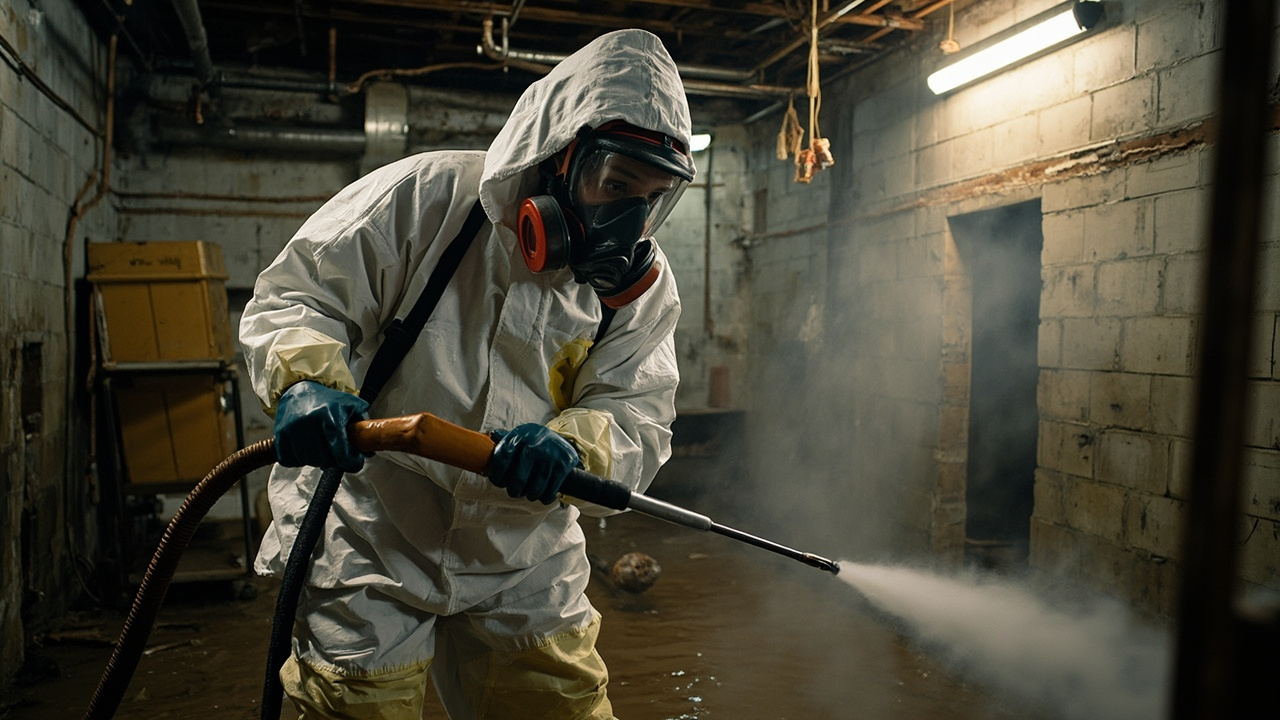
Next comes basement water extraction using truck-mounted pumps that move thousands of gallons per hour. We remove bulk water first, then switch to weighted extractors that pull moisture from carpet and padding. For concrete slab floors, we use specialized drying mats that create negative pressure zones to draw water from within the slab itself.

Drying comes next. Atlanta's 70 percent average humidity means moisture does not evaporate naturally. We deploy commercial dehumidifiers rated for basement environments and position air movers to create controlled airflow patterns. This prevents secondary damage and mold colonization.

For flooded basement remediation involving sewage, we remove all porous materials that contacted contaminated water. Drywall gets cut two feet above the high water mark. We treat studs and concrete with EPA-registered disinfectants before reconstruction begins.

We monitor moisture levels daily using thermal imaging cameras and moisture meters. Your basement is not dry when it looks dry. It is dry when moisture readings return to normal ranges for Atlanta baselines. That precision prevents callbacks and protects your investment.

What Happens During Your Basement Flood Emergency

Basement Flood Cleanup in Atlanta – Emergency Water Extraction and Full Restoration Available 24/7
01

Emergency Water Removal

Our crew arrives with truck-mounted extraction equipment and portable pumps. We start flooded basement pumping immediately to remove standing water and reduce hydrostatic pressure on your foundation walls. For deep water, we use submersible pumps rated for solids handling. We document pre-loss conditions and water levels for your insurance claim while extraction continues.
02

Structural Drying Setup

After bulk water removal, we position commercial dehumidifiers and air movers strategically throughout your basement. We focus on hidden moisture pockets behind finished walls and under flooring materials. Our equipment runs continuously while we monitor humidity levels and adjust airflow patterns. This controlled drying prevents mold growth and warping in structural materials common to Atlanta homes.
03

Final Verification and Clearance

We do not pull equipment until moisture readings confirm your basement has returned to normal dry standards. You receive documentation showing before and after moisture levels in all affected materials. For sewage backups, we provide clearance testing confirming antimicrobial treatment effectiveness. Your basement is ready for reconstruction or immediate use, depending on damage severity and your insurance scope.

Why Atlanta Homeowners Choose Victory Water Damage Restoration Atlanta for Basement Floods

We have cleaned flooded basements in every Atlanta neighborhood from Buckhead to East Point. We know the difference between a 1950s pier and beam foundation in Virginia Highland and a modern poured slab in Brookhaven. That knowledge changes how we approach basement flood restoration.

Atlanta's building codes have evolved significantly over decades. Older homes often lack proper foundation drainage and waterproofing membranes. Newer construction in areas like Sandy Springs includes French drain systems and sump pumps, but those systems fail during power outages or when maintenance gets ignored. We have seen both scenarios hundreds of times.

Our response time averages under 90 minutes across the metro area. We keep equipment staged throughout Fulton and DeKalb counties so we are not driving from one central location. When your basement floods at 2 AM, you do not have time to wait for a crew to load trucks and fight traffic on I-285.

We work directly with every major insurance carrier operating in Georgia. We know what State Farm, Allstate, and Travelers require for documentation. We photograph everything, measure moisture levels in multiple locations, and provide detailed estimates that match insurance industry software. That prevents disputes and speeds your claim.

Victory Water Damage Restoration Atlanta employs IICRC-certified technicians, not subcontractors learning on your property. Our team leader has handled basement flood cleanup in Atlanta for over a decade. He understands how Georgia red clay behaves, how Atlanta's humidity affects drying times, and which local contractors do quality reconstruction work.

You get one company from emergency call through final clearance. No handoffs, no confusion about who is responsible for what.

What to Expect When You Call for Basement Flood Cleanup

Immediate Emergency Response

We answer calls 24 hours a day, seven days a week, including holidays. You speak directly with a project coordinator who dispatches the nearest crew to your location. Most customers in central Atlanta see our trucks within 60 to 90 minutes. We start basement water extraction the moment we arrive, not after paperwork. Our trucks carry everything needed for initial flood response, so we do not waste time making equipment runs. Emergency service means emergency action.

Detailed Damage Assessment

After we stabilize the emergency, we conduct a complete moisture assessment using thermal imaging and penetrating moisture meters. We check wall cavities, subfloors, and structural members you cannot see. You receive a written scope of damage that identifies all affected materials and explains why each item needs treatment or removal. We take photos and measurements that satisfy insurance adjuster requirements. You know exactly what needs to happen before work continues.

Professional Drying and Restoration

Your basement receives daily monitoring visits while drying equipment runs. We adjust dehumidifier settings and air mover positions based on measured progress, not guesswork. When moisture levels reach acceptable targets, we remove equipment and provide certification documentation. If reconstruction is needed, we coordinate that work or provide detailed specifications for your chosen contractor. You get a basement that is genuinely dry and ready for use.

Insurance Coordination and Documentation

We work with your insurance company from first contact through final billing. Our estimates use Xactimate software that adjusters recognize and accept. We provide all documentation required for your claim, including moisture logs, equipment placement diagrams, and photo evidence of damage progression. If disputes arise, we have the technical data to support our findings. Many customers never speak with their adjuster because we handle those conversations directly.

Frequently Asked Questions

You Have Questions,
We Have Answers

How to clean up after a flooded basement? +

First, shut off the power to the basement at your breaker panel. Safety comes first. Remove standing water using a submersible pump or wet vac. Document everything with photos for your insurance claim. Pull out damaged items like cardboard boxes and wet carpet. Do not touch drywall or insulation yet. Atlanta's high humidity accelerates mold growth, so speed matters. Call a professional water damage restoration company within 24 hours. They use industrial dehumidifiers and air movers to dry hidden moisture in walls and subfloors. Attempting cleanup without proper equipment often leads to hidden mold problems down the road.

How much does it cost to clean up a flooded basement? +

Basement flood cleanup in Atlanta typically ranges from $3,000 to $10,000, depending on water volume, contamination level, and structural damage. Clean water from a broken pipe costs less than sewage backups, which require hazmat protocols. The size of your basement matters. Cost factors include water extraction, structural drying, antimicrobial treatment, and debris removal. Insurance often covers sudden internal failures but excludes groundwater seepage or neglected maintenance. Get multiple quotes from licensed restoration companies. Delays increase costs because moisture spreads through porous materials like drywall and insulation. Act within 48 hours to minimize expense and prevent secondary damage.

How much does Servpro cost to clean a basement? +

Servpro pricing for basement cleanup in Atlanta varies by job scope, but expect costs comparable to other licensed restoration companies. They typically charge for water extraction, drying equipment rental, antimicrobial application, and labor hours. Servpro operates on a franchise model, so pricing differs between locations. They work directly with insurance companies, which streamlines claims but does not guarantee lower out-of-pocket costs. Request an itemized estimate before work begins. Compare their quote against local Atlanta restoration companies. Focus on scope of services, drying equipment used, and timeline rather than brand name alone. Insurance adjusters are familiar with their pricing structure.

Will insurance pay for a flooded basement? +

It depends on the water source. Homeowners insurance typically covers sudden internal failures like burst pipes, water heater leaks, or appliance malfunctions. It excludes groundwater seepage, sewer backups (unless you have a rider), and gradual leaks from poor maintenance. Atlanta's clay soil expands when wet, causing foundation cracks that allow seepage. That is usually not covered. Read your policy's water damage exclusions carefully. Take photos immediately and file your claim within 48 hours. Insurance adjusters look for proof of sudden occurrence. Flood insurance through FEMA covers rising water from storms, but it is a separate policy with a 30-day waiting period.

How do I prevent mold after a basement flood? +

Remove standing water immediately. Atlanta's humidity creates ideal mold conditions within 24 to 48 hours. Use industrial dehumidifiers and air movers to dry all surfaces, including hidden cavities behind drywall and under flooring. Remove wet porous materials like carpet padding, drywall, and insulation that cannot be salvaged. Spray antimicrobial solutions on affected studs and concrete. Open windows only if outdoor humidity is below 60 percent, otherwise you add moisture. Monitor moisture levels with a meter. Basements stay damp longer than upper floors. Professional restoration companies use thermal imaging to find trapped moisture you cannot see. Do not just clean surfaces and hope.

How long does it take for mold to grow after flooding? +

Mold spores begin colonizing within 24 to 48 hours after water exposure in Atlanta's humid climate. Visible growth appears within 3 to 5 days if conditions stay wet. Basements are darker and cooler, which slows visible growth slightly, but microscopic colonization starts immediately. Porous materials like drywall, carpet, and insulation grow mold faster than hard surfaces. You cannot see mold growing inside wall cavities or under flooring until it spreads. That is why professionals use moisture meters and thermal imaging. If your basement stayed wet for more than 48 hours, assume mold started. Speed is everything. Dry it completely within 72 hours to stop growth.

How long does it take to dry out a basement after a flood? +

Professional drying takes 3 to 7 days with industrial equipment running continuously. Atlanta's humidity slows the process compared to drier climates. Concrete slabs and block foundations hold moisture longer than wood framing. The drying timeline depends on water volume, materials affected, and airflow. Wet insulation and drywall extend drying time. Restoration companies use dehumidifiers that pull 100+ pints per day and high-velocity air movers to create airflow. They monitor moisture levels daily with meters. Do not rely on fans alone. That takes weeks and risks mold growth. Proper drying requires controlled conditions and professional-grade equipment to reach hidden moisture in subfloors and wall cavities.

What is the most expensive part of finishing a basement? +

Waterproofing and moisture control are the most expensive parts of finishing an Atlanta basement. You must address hydrostatic pressure from clay soil and high groundwater. That includes exterior or interior drainage systems, sump pumps, vapor barriers, and foundation sealing. Skipping this step leads to repeated flooding and mold. After waterproofing, framing and drywall are straightforward. Bathrooms add plumbing costs, especially if you need to break concrete to install drains. Egress windows for code compliance are expensive but required for bedrooms. Do not finish a basement that has flooded without fixing the water source first. You will waste money tearing it out later.

Does flood insurance pay for clean up? +

Flood insurance through FEMA's National Flood Insurance Program covers cleanup costs related to rising water from storms or overland flooding. It pays for debris removal, structural drying, and necessary demolition. It does not cover mold remediation if you delay cleanup beyond a reasonable timeframe. Standard homeowners policies exclude flood coverage, so most Atlanta basements affected by storm surge or heavy rain are not covered unless you bought separate flood insurance. Sewer backup riders cover cleanup from drain backups. Read your policy declarations page. Flood insurance has a 30-day waiting period, so buy it before storm season. File claims immediately with documentation and photos.

How much does it cost to finish a 2000 sq ft basement? +

Finishing a 2,000-square-foot basement in Atlanta costs between $30,000 and $75,000, depending on finishes and moisture control investments. Basic drywall, flooring, and lighting fall on the lower end. Adding bathrooms, wet bars, or home theaters increases costs significantly. Waterproofing and vapor barriers add $5,000 to $15,000 but are non-negotiable in Atlanta's clay soil conditions. Permit fees, egress windows for bedrooms, and HVAC extensions also increase costs. This question often arises after flood damage. Do not refinish a basement that flooded without addressing the root cause. You will pay twice. Invest in proper drainage and waterproofing before cosmetic upgrades.

How Atlanta's Clay Soil and Storm Patterns Make Basement Flooding a Constant Threat

Georgia red clay contains high percentages of kaolin and iron oxides that create an almost impermeable barrier when saturated. During Atlanta's intense summer thunderstorms, rainfall has nowhere to go except laterally along the surface until it finds a crack in your foundation or overwhelms your exterior drainage system. Older neighborhoods built before modern waterproofing standards face the highest risk. Homes in Druid Hills, Morningside, and Ansley Park often have stone foundations with lime mortar that deteriorates over time, creating pathways for water entry. Basement flood cleanup becomes necessary not from catastrophic failure but from chronic water intrusion that finally exceeds your basement's capacity to manage moisture.

Professional flooded basement remediation in Atlanta requires understanding local construction methods and soil mechanics. We have worked with structural engineers and foundation specialists throughout the metro area. We know which waterproofing contractors do legitimate work and which ones apply useless coatings that fail within months. Our basement flood restoration approach accounts for Atlanta's specific challenges rather than applying generic solutions designed for different climates. When you hire local experts who have cleaned hundreds of Atlanta basements, you get solutions that actually work in Georgia conditions.
Water Damage Restoration Services in The Atlanta Area

While we provide rapid mobile water damage restoration services directly to your doorstep throughout the Atlanta metropolitan area, you can also view our primary service location on the map below. This helps visualize our operational reach and assures you that expert assistance is always within your vicinity. We are always ready to deploy our dedicated teams to your precise location, ensuring swift and effective service whenever you need us, guaranteeing peace of mind.

Address:
Victory Water Damage Restoration Atlanta, 1055 Howell Ml Rd, Atlanta, GA, 30318

Additional Services We Offer

Our news updates

Latest Articles & News from The Blogs

Risks of Buying a House with Water Damage in Mableton and How to Protect Your Investment Buying a house represents…

Risks of Buying a House with Water Damage in Mableton and How to Protect Your Investment

Risks of Buying a House with Water Damage in Mableton and How to Protect Your Investment Buying a house represents…

Getting the right City of Atlanta building permits for major water damage repairs

Getting the right City of Atlanta building permits for major water damage repairsMajor water damage in your Atlanta home often…

Identifying chimney water leaks in Candler Park homes before they ruin your walls

Living in the historic Candler Park neighborhood offers unique architectural charm but the older masonry systems require constant attention. In…

Contact Us

Standing water damages your home every minute it sits there. Call Victory Water Damage Restoration Atlanta at (678) 397-3666 for immediate basement water extraction. Our crews are standing by across metro Atlanta with the equipment and expertise to stop the damage tonight.