menu

Warehouse Flood Restoration in Atlanta – Industrial-Grade Recovery That Keeps Your Operations Running

Victory Water Damage Restoration Atlanta delivers rapid warehouse flood restoration with commercial-grade equipment, minimizing downtime and protecting your inventory, infrastructure, and bottom line across the metro area.

Slider Image 1
Slider Image 2
Slider Image 3
Slider Image 4
Slider Image 5
Slider Image 7
Slider Image 8
Slider Image 9
Slider Image 10
Slider Image 11

Why Atlanta Warehouses Face Unique Flood Risks

Atlanta's climate creates persistent challenges for warehouse and distribution center operators. The metro area receives 50+ inches of rain annually, with intense summer thunderstorms dumping multiple inches in hours. Combine that with aging stormwater infrastructure in Fulton and DeKalb counties, and you have a recipe for catastrophic flooding in low-lying industrial zones along I-85 and I-20.

The problem extends beyond weather. Atlanta's red clay soil has poor drainage characteristics. When heavy rain saturates the ground, water has nowhere to go except into your facility through foundation cracks, loading dock thresholds, and floor drains. Many warehouses in older industrial parks near Marietta, Hapeville, and College Park sit in flood-prone zones that were developed before current drainage standards.

Your facility likely houses temperature-sensitive inventory, electronics, or machinery that cannot tolerate water exposure. A six-inch flood can contaminate thousands of square feet of product, corrode metal racking systems, and create slip hazards that shut down operations. Insurance claims drag on for weeks while your business bleeds revenue. Industrial water damage cleanup requires specialized equipment and expertise that standard janitorial services cannot provide. Commercial flood remediation must happen immediately, or secondary damage from humidity and microbial growth will multiply your losses. Distribution center water removal demands coordination, capacity, and speed that only experienced industrial flood recovery teams can deliver.

Why Atlanta Warehouses Face Unique Flood Risks
How We Execute Large-Scale Warehouse Flood Restoration

How We Execute Large-Scale Warehouse Flood Restoration

Victory Water Damage Restoration Atlanta approaches warehouse water mitigation differently than residential restoration. We deploy truck-mounted extraction units capable of removing thousands of gallons per hour, not portable shop vacs. Our teams stage industrial dehumidifiers and air movers in strategic zones based on psychrometric readings and moisture mapping. We do not guess. We measure relative humidity, vapor pressure, and grains per pound to create documented dry-down curves that satisfy insurance adjusters and risk managers.

We coordinate with your operations team to section off affected areas so undamaged zones remain operational. If you store pharmaceuticals, food products, or sensitive electronics, we establish containment barriers with negative air pressure to prevent cross-contamination. Our technicians understand cold storage requirements, rack system load limits, and forklift traffic patterns. We extract water without damaging floor coatings or creating trip hazards in active work zones.

Structural drying in warehouses requires understanding building envelope physics. Concrete slab foundations in Atlanta warehouses often lack vapor barriers. Water wicks up through the slab and migrates into wall cavities. We use thermal imaging to track moisture movement and place drying equipment accordingly. We remove wet insulation from dock seals, extract water from expansion joints, and monitor subfloor conditions if you have raised flooring systems. Our process documentation includes moisture content logs, equipment placement diagrams, and daily progress photos that your insurance carrier requires for claim approval. We execute warehouse flood restoration with the precision and accountability your business demands.

What Happens During Commercial Flood Remediation

Warehouse Flood Restoration in Atlanta – Industrial-Grade Recovery That Keeps Your Operations Running
01

Emergency Response and Assessment

We arrive on-site within hours of your call, not days. Our team conducts a facility walk-through to identify water sources, assess structural risks, and document affected zones with photos and moisture readings. We provide an immediate verbal briefing to your operations manager with a written scope of work within 24 hours, including square footage estimates and equipment deployment plans.
02

Water Extraction and Containment

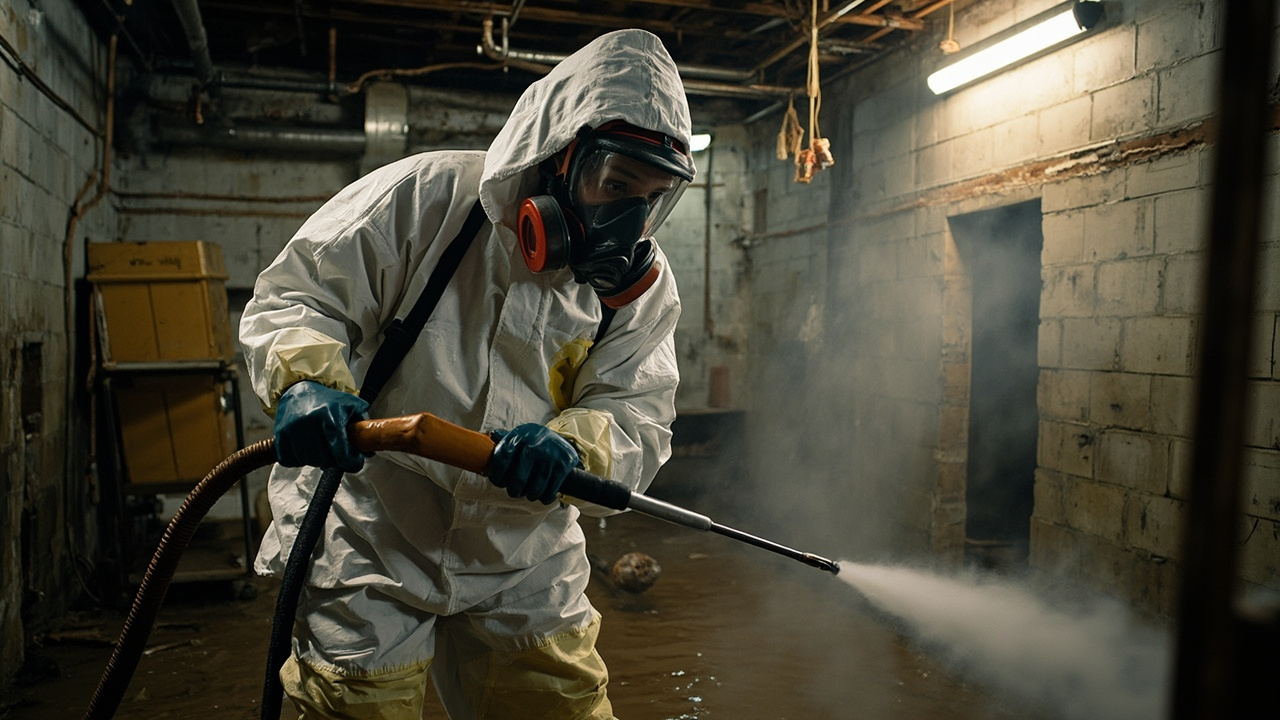
We deploy truck-mounted extractors and submersible pumps to remove standing water from your facility. Containment barriers isolate damaged areas from active operations. Our crew extracts water from floor drains, removes soaked pallet wrap and cardboard debris, and salvages inventory when possible. We coordinate with your team to relocate high-value goods to dry zones and maintain facility security throughout the process.
03

Structural Drying and Verification

We place industrial dehumidifiers and air movers based on moisture meter readings and building layout. Daily monitoring tracks drying progress until moisture content reaches industry standards. We provide final documentation with before-and-after readings, equipment logs, and completion certificates. Your facility returns to full operational status with minimal business interruption and comprehensive records for insurance and compliance purposes.

Why Atlanta Businesses Trust Victory for Industrial Flood Recovery

Atlanta's industrial corridor spans multiple counties, each with different building codes and flood zone classifications. Victory Water Damage Restoration Atlanta understands the nuances that matter. We know which areas near the Chattahoochee River require special permitting for structural modifications. We understand how Fulton County flood plain regulations affect restoration work in South Fulton industrial parks. Our team has worked in LEED-certified distribution centers where restoration methods must meet green building standards.

Local expertise translates to faster claim resolution. We communicate directly with major commercial carriers that insure Atlanta warehouses. Our documentation meets their specific requirements for loss verification and mitigation compliance. We provide itemized estimates that align with Xactimate pricing, the industry standard most adjusters use. You will not fight with your insurance company over coverage disputes because our paperwork is thorough and defensible.

We maintain relationships with Atlanta-area mechanical contractors, electricians, and structural engineers who respond quickly when flood damage requires coordinated repairs. If your HVAC system flooded or electrical panels got wet, we bring in licensed specialists who understand commercial building systems. You get a single point of contact instead of coordinating multiple vendors yourself.

Our equipment inventory includes backup generators, because Atlanta thunderstorms often cause power outages during active restoration projects. We carry liability coverage that meets the requirements for work in occupied commercial facilities. Our teams pass background checks required for secure warehouses and restricted-access distribution centers. We take industrial flood recovery seriously because your business continuity depends on it.

What to Expect During Your Warehouse Restoration Project

Response Time and Availability

We dispatch crews 24/7 for emergency warehouse flooding. You will receive a callback within 30 minutes of contacting us, and our team arrives on-site within two to four hours for metro Atlanta locations. We maintain sufficient equipment inventory to handle projects exceeding 50,000 square feet without delays. Weekend and holiday response carries no premium charges. Our project managers provide direct cell phone numbers so you can reach decision-makers immediately, not answering services. We understand that every hour of downtime costs you revenue, so we mobilize resources quickly and scale crews to match your facility size and urgency level.

Initial Evaluation and Project Planning

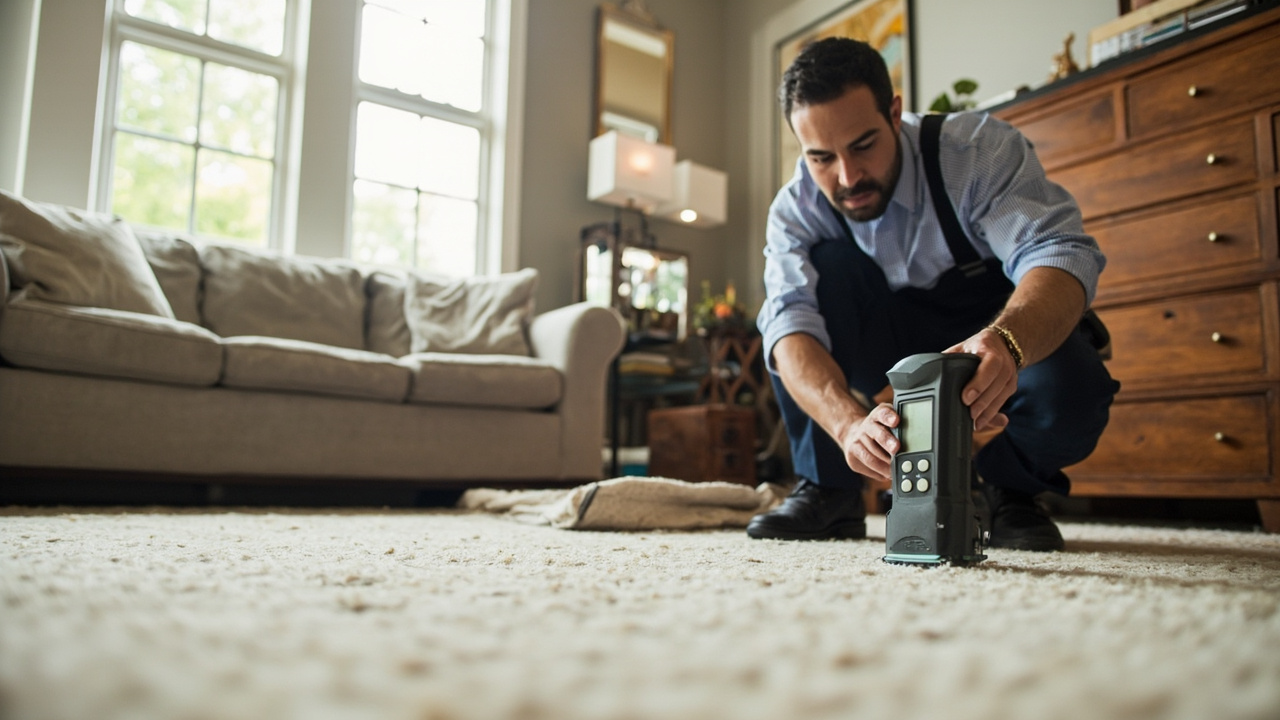
Our assessment includes moisture mapping with thermal imaging cameras and penetrating moisture meters. We measure ambient conditions, document affected materials, and identify safety hazards like electrical risks or structural instability. You receive a detailed scope of work that breaks down phases, equipment requirements, and estimated timelines. We coordinate with your operations team to schedule work around shift changes, delivery schedules, and peak activity periods. Our project managers explain technical findings in clear terms and answer questions about insurance coverage, claim procedures, and business interruption documentation. The evaluation is thorough but efficient because we know you need answers quickly.

Quality Standards and Completion

We dry your facility to industry standards defined by the Institute of Inspection, Cleaning and Restoration Certification. Completion requires documented proof that moisture content in all affected materials has returned to normal levels. You receive a comprehensive project file including moisture logs, equipment placement diagrams, daily progress reports, and final verification readings. We conduct a walk-through with your team to confirm work meets your standards before demobilizing equipment. The facility is clean, safe, and ready for full operations. Our documentation package satisfies insurance requirements and provides records for your facility management files.

Follow-Up and Prevention Planning

After completing warehouse flood restoration, we provide a written assessment identifying vulnerabilities that contributed to the flooding event. This may include recommendations for improved drainage, dock seal upgrades, or floor drain maintenance protocols. We offer annual inspection services to identify potential water intrusion points before they cause damage. If you need emergency contact protocols or staff training on water damage response procedures, we provide those resources at no additional cost. Our goal is to help you prevent future flooding events, not just respond to them. You gain a long-term partner who understands your facility and responds faster when problems occur.

Frequently Asked Questions

You Have Questions,
We Have Answers

What is the average cost of remediation? +

Warehouse flood restoration costs vary based on water category, affected square footage, structural damage, and contamination level. Clean water extraction in a 10,000-square-foot warehouse differs significantly from category 3 water with sewage backup. Atlanta's high humidity extends drying times, increasing labor and equipment costs. Structural repairs, mold remediation, and compliance with Georgia building codes add variables. Insurance coverage impacts your out-of-pocket expense. Request a detailed scope of work and itemized estimate before work begins. Most restoration firms provide free inspections to assess damage and determine accurate pricing for your facility.

What's the difference between restoration and remediation? +

Restoration returns your warehouse to pre-loss condition through extraction, drying, cleaning, and structural repairs. It addresses the physical damage and rebuilds affected areas. Remediation removes specific hazards like mold, asbestos, or contaminated materials that threaten occupant health or violate safety codes. A warehouse flood often requires both: restoration handles water removal and drying, while remediation tackles mold growth or sewage contamination. In Atlanta's humid climate, mold remediation frequently follows water events if moisture lingers. Think of restoration as fixing the building and remediation as eliminating health hazards.

How do restoration companies get paid? +

Most restoration companies bill insurance carriers directly after you file a claim. You pay your deductible upfront, then the restoration firm invoices your insurer for covered work. Some accept assignment of benefits, allowing them to negotiate directly with your carrier. For uninsured losses or out-of-pocket work, companies accept credit cards, checks, or financing options. Commercial clients often receive net-30 payment terms. Atlanta firms typically provide detailed documentation for your insurance adjuster, including photos, moisture readings, and itemized invoices. Confirm payment terms and insurance procedures during your initial consultation to avoid surprises.

Is water damage restoration worth it? +

For commercial warehouse owners in Atlanta, professional restoration protects your investment and limits liability. Unaddressed water damage leads to structural deterioration, mold growth, and code violations that halt operations. Georgia's high humidity accelerates microbial growth, creating health risks for employees and contaminating inventory. Delayed restoration compounds damage, increasing costs exponentially. Professional drying prevents foundation issues, roof decay, and electrical hazards. If you lease, your contract likely mandates prompt repairs. If you own, restoration maintains property value and insurability. The cost of inaction far exceeds professional intervention. Document everything for insurance and regulatory compliance.

Does insurance pay for water restoration? +

Commercial property insurance typically covers sudden, accidental water damage like burst pipes, roof leaks from storms, or sprinkler malfunctions. Policies exclude gradual damage from poor maintenance or ground flooding without separate flood insurance. Your coverage depends on your specific policy, endorsements, and cause of loss. Atlanta warehouse owners should verify whether their policy includes business interruption coverage for lost revenue during restoration. Insurers require prompt notification and documentation. Most restoration companies work directly with adjusters and provide detailed estimates. Review your policy annually and photograph your facility pre-loss to streamline claims. Flood insurance requires separate NFIP or private policies.

What are the three types of remediation? +

The three primary remediation categories address different contamination levels. Environmental remediation removes hazardous substances like lead, asbestos, or chemical spills from your warehouse. Mold remediation eliminates fungal growth and contaminated materials following water intrusion. Biohazard remediation handles sewage, bloodborne pathogens, or other infectious materials. Each type follows specific protocols and requires specialized training. Atlanta warehouses frequently need mold remediation after flooding due to persistent humidity and slow drying. The remediation type determines equipment, containment procedures, disposal requirements, and regulatory oversight. Your restoration contractor assesses contamination and deploys the appropriate remediation strategy for your facility.

What does restoration include? +

Warehouse restoration includes water extraction, structural drying, demolition of damaged materials, cleaning, sanitizing, and rebuilding. Technicians remove standing water with pumps and extractors, then deploy industrial dehumidifiers and air movers to dry concrete slabs, walls, and structural components. They remove unsalvageable drywall, insulation, or flooring, treat for microbial growth, and sanitize affected areas. Restoration includes odor removal, HVAC system cleaning, and content pack-out if inventory requires off-site storage. Final steps involve reconstruction, repainting, and flooring replacement. Atlanta projects often include humidity control measures to prevent secondary damage during Georgia's humid months.

What are the 3 R's of recovery? +

The three R's of recovery are Remove, Reduce, and Restore. Remove involves extracting standing water and eliminating damaged materials that cannot be salvaged. Reduce focuses on lowering moisture levels through dehumidification and airflow to prevent secondary damage and microbial growth. Restore rebuilds the warehouse to pre-loss condition through repairs, replacement, and cleaning. For Atlanta warehouses, the Reduce phase requires extended attention due to high ambient humidity that slows evaporation. Each phase requires documentation for insurance claims and regulatory compliance. Following this sequence minimizes downtime, controls costs, and ensures thorough recovery for your facility.

What are some successful remediation examples? +

Successful warehouse remediation examples include a 50,000-square-foot distribution center in metro Atlanta that experienced a sprinkler malfunction. The restoration team extracted 30,000 gallons within four hours, deployed 40 dehumidifiers, and documented moisture readings for insurance. The facility reopened in six days. Another case involved a refrigerated warehouse with roof damage during a summer storm. Rapid structural drying prevented mold in insulation and maintained cold storage integrity. A third example addressed sewage backup in a fulfillment center, requiring biohazard remediation, concrete sanitizing, and air quality testing. Each project prioritized business continuity and regulatory compliance.

Do you need a license for restoration? +

Georgia requires restoration contractors to hold appropriate licenses for specific work. Water extraction and drying often fall under general contracting, but mold remediation requires Georgia Department of Public Health certification. Asbestos or lead remediation demands EPA accreditation. Structural repairs need contractor licenses based on scope. Reputable Atlanta restoration companies carry IICRC certifications demonstrating industry training in water damage restoration, applied structural drying, and mold remediation. Verify your contractor holds valid Georgia licenses, workers' compensation insurance, and liability coverage. Unlicensed work voids insurance claims and creates liability. Request proof of credentials before signing contracts for your warehouse project.

How Atlanta's Clay Soil Complicates Warehouse Drainage and Recovery

Atlanta warehouses sit on expansive red clay that shrinks during dry periods and swells during wet seasons. This constant soil movement creates foundation cracks and separates joints in concrete slabs. When heavy rain saturates the ground, hydrostatic pressure forces water up through these openings into your facility. Many industrial buildings in Hapeville, Forest Park, and South Fulton were constructed in the 1970s and 1980s before vapor barriers became standard practice. Water migrates through unprotected slabs and accumulates under floor coatings, causing delamination and creating slip hazards. Industrial water damage cleanup in Atlanta requires understanding these subsurface conditions. We use moisture meters to check concrete slabs at depth, not just surface readings, because water hides in the substrate long after surface areas appear dry.

Atlanta warehouse owners face specific requirements when filing commercial flood claims with carriers licensed in Georgia. Insurance adjusters expect documentation that follows industry protocols defined by the Institute of Inspection, Cleaning and Restoration Certification. Claims require moisture content logs showing progressive drying, not just before-and-after photos. Victory Water Damage Restoration Atlanta maintains the credentials and documentation standards that satisfy local adjusters. We have worked extensively in Fulton County industrial parks, DeKalb distribution centers, and Clayton County logistics facilities. Our teams understand local building department requirements for permits when restoration work involves structural modifications. You get a contractor who knows Atlanta's commercial restoration landscape and can navigate the regulatory and insurance requirements efficiently.
Water Damage Restoration Services in The Atlanta Area

While we provide rapid mobile water damage restoration services directly to your doorstep throughout the Atlanta metropolitan area, you can also view our primary service location on the map below. This helps visualize our operational reach and assures you that expert assistance is always within your vicinity. We are always ready to deploy our dedicated teams to your precise location, ensuring swift and effective service whenever you need us, guaranteeing peace of mind.

Address:
Victory Water Damage Restoration Atlanta, 1055 Howell Ml Rd, Atlanta, GA, 30318

Additional Services We Offer

Our news updates

Latest Articles & News from The Blogs

Risks of Buying a House with Water Damage in Mableton and How to Protect Your Investment Buying a house represents…

Risks of Buying a House with Water Damage in Mableton and How to Protect Your Investment

Risks of Buying a House with Water Damage in Mableton and How to Protect Your Investment Buying a house represents…

Getting the right City of Atlanta building permits for major water damage repairs

Getting the right City of Atlanta building permits for major water damage repairsMajor water damage in your Atlanta home often…

Identifying chimney water leaks in Candler Park homes before they ruin your walls

Living in the historic Candler Park neighborhood offers unique architectural charm but the older masonry systems require constant attention. In…

Contact Us

Every hour your warehouse stays flooded costs you money. Victory Water Damage Restoration Atlanta responds immediately with industrial-grade equipment and experienced crews. Call (678) 397-3666 now for emergency warehouse flood restoration.