menu

Choosing a Restoration Company in Atlanta – Your Guide to Vetting the Right Water Damage Contractor

Selecting a water damage contractor in Atlanta requires knowledge of local conditions, certification standards, and response capabilities. This guide walks you through exactly how to pick a restoration company that protects your property and your insurance claim.

Slider Image 1
Slider Image 2
Slider Image 3
Slider Image 4
Slider Image 5
Slider Image 7
Slider Image 8
Slider Image 9
Slider Image 10
Slider Image 11

Why Choosing the Wrong Restoration Company Costs Atlanta Property Owners Thousands

Atlanta's humid subtropical climate creates a breeding ground for secondary water damage. When a pipe bursts or a roof leaks, you have 24 to 48 hours before mold colonizes drywall and studs. Choosing a water damage contractor during this window determines whether you face a covered insurance claim or a denied payout.

The problem is not every restoration company operates the same way. Some lack proper drying equipment. Others fail to document losses correctly for insurance adjusters. A few take days to respond, turning a simple Category 1 clean water loss into a Category 2 gray water contamination event.

Atlanta's clay soil adds another layer of complexity. Hydrostatic pressure from saturated soil pushes groundwater through basement foundations, especially in neighborhoods like Buckhead and Druid Hills where older homes lack modern waterproofing. Hiring a water mitigation service that understands local soil composition prevents recurring flooding.

You also face licensing confusion. Georgia requires contractors to hold specific trade licenses, but water damage restoration falls into a gray area. Some companies operate without proper credentials, leaving you liable if workers get injured on your property.

Finding a reputable water damage company means vetting restoration contractors for IICRC certification, insurance carrier partnerships, and documented response times. The difference between a professional mitigation service and an unlicensed crew is the difference between full insurance reimbursement and paying out of pocket for botched work.

Why Choosing the Wrong Restoration Company Costs Atlanta Property Owners Thousands
The Five Non-Negotiable Criteria When Selecting a Water Damage Contractor

The Five Non-Negotiable Criteria When Selecting a Water Damage Contractor

First, verify IICRC certification. The Institute of Inspection Cleaning and Restoration Certification sets industry standards for water damage restoration. Certified technicians understand psychrometric charts, moisture mapping, and proper drying protocols. They know the difference between surface drying and structural drying. Ask to see individual technician certifications, not just company membership.

Second, confirm direct insurance billing relationships. Elite Plumbing Atlanta works directly with major carriers like State Farm, Allstate, and USAA. This matters because direct billing means the restoration company submits documentation in the format adjusters expect. We photograph every stage of mitigation, log moisture readings daily, and provide itemized estimates using Xactimate software. You avoid claim denials from incomplete paperwork.

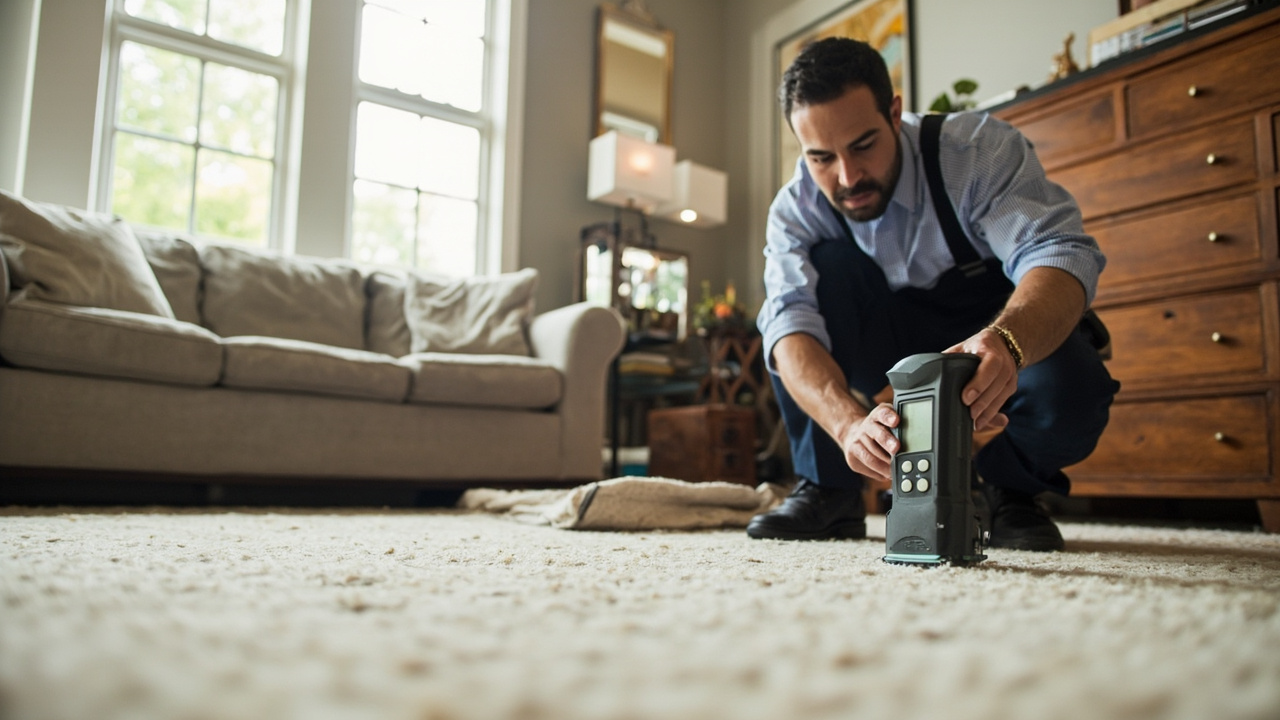
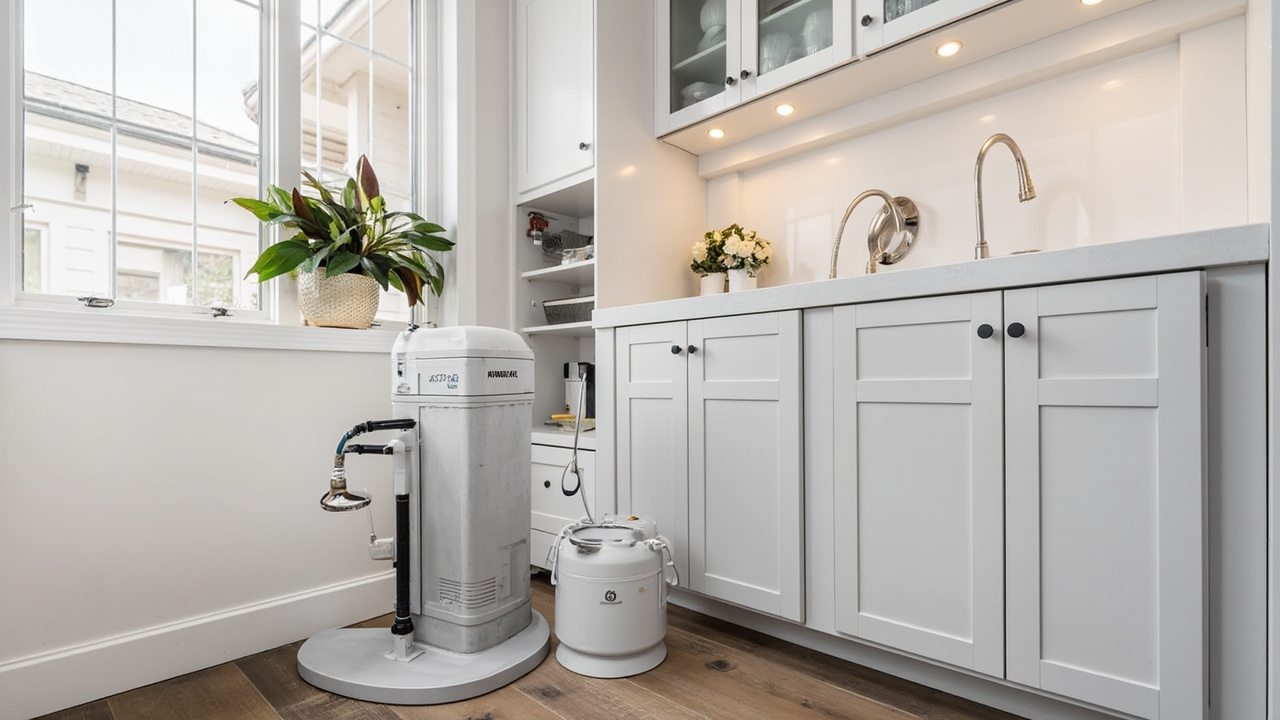
Third, assess equipment inventory. Professional water mitigation requires truck-mounted extractors, low-grain refrigerant dehumidifiers, and air movers calibrated for CFM output. Thermal imaging cameras detect hidden moisture in wall cavities. Moisture meters measure wood and drywall to 0.1% accuracy. Companies renting equipment from Home Depot cannot achieve structural drying standards.

Fourth, evaluate response infrastructure. Atlanta floods during hurricane remnants and afternoon thunderstorms. A legitimate restoration company maintains on-call crews 24/7, not answering services that route to voicemail. We dispatch within 60 minutes inside the Perimeter and 90 minutes to suburbs like Marietta or Decatur.

Fifth, review documentation practices. Proper mitigation requires daily moisture logs, photo documentation at every stage, and detailed scope notes. This protects your insurance claim and provides proof of professional standards if disputes arise.

How to Vet a Restoration Company Before Water Damage Strikes

Choosing a Restoration Company in Atlanta – Your Guide to Vetting the Right Water Damage Contractor
01

Request Proof of Certification

Ask for copies of IICRC Water Restoration Technician certifications and Applied Structural Drying credentials. Verify certifications through the IICRC online database. Check that individual technicians hold current credentials, not expired cards from years ago. Request proof of general liability insurance and workers compensation coverage. Georgia law allows you to verify coverage directly with insurance carriers before signing contracts.
02

Test Response Time Claims

Call the emergency line during off-hours to see if a live person answers or if you reach voicemail. Ask how quickly crews can arrive at your specific address in Atlanta. Request references from recent clients in your neighborhood. Check Google reviews for complaints about slow response or missed appointments. A company claiming 24/7 availability should demonstrate it during your vetting call, not after water is pooling in your living room.
03

Review Sample Documentation

Ask to see redacted copies of moisture logs, photo documentation, and insurance estimates from past jobs. Professional contractors use consistent formats that insurance adjusters recognize. Look for daily moisture readings, thermal imaging reports, and detailed equipment placement diagrams. If a company cannot produce sample documentation, they lack the systems to protect your claim. Elite Plumbing Atlanta provides transparency before you commit, showing exactly how we document every phase of restoration.

Why Atlanta Property Owners Trust Local Restoration Expertise

Atlanta presents unique water damage challenges that national franchise operators often miss. Our city sits at the intersection of Piedmont clay soil and humid coastal weather patterns. Basement flooding in Virginia-Highland differs from roof leak damage in Sandy Springs because soil permeability and building codes vary across Fulton, DeKalb, and Cobb counties.

Elite Plumbing Atlanta has restored properties through every scenario Atlanta throws at us. We have mitigated burst pipe flooding in historic Grant Park bungalows where knob-and-tube wiring limits equipment placement. We have dried out Midtown high-rises where HOA rules restrict access hours. We understand that Buckhead estates require discrete service entries and that Kirkwood renovations often uncover pre-existing moisture problems.

Local expertise extends to insurance relationships. We work daily with adjusters who cover the Atlanta metro. They know our documentation standards and trust our moisture readings. When we submit an estimate, adjusters approve it faster because they recognize our thoroughness. This speeds your claim settlement and gets you back to normal faster.

We also understand Atlanta building codes. The city updated flood zone maps in 2018, changing mitigation requirements for properties near Peachtree Creek and the Chattahoochee River. We know which neighborhoods require backflow preventers and where французский drains must meet new depth standards.

You get technicians who live in Atlanta, not contractors driving in from Alabama. We respond faster because our crews are already inside the Perimeter. We stock equipment locally, so we do not wait on shipments from regional warehouses. When severe weather hits and every restoration company is slammed, we prioritize existing clients in our service area.

What Professional Water Damage Restoration Looks Like in Practice

Emergency Response and Initial Assessment

We arrive within 60 minutes for in-town calls and 90 minutes for suburb locations. The first hour determines whether you face a minor mitigation job or extensive reconstruction. Our technicians perform moisture mapping with thermal imaging cameras to identify hidden saturation in wall cavities and under flooring. We categorize water loss by contamination level, classify the damage rate, and photograph all affected areas before moving furniture. You receive a verbal assessment on-site, followed by a written scope within four hours. We never start work without explaining exactly what needs to happen and why.

Daily Monitoring and Adjustment Protocols

Drying a structure requires constant monitoring and equipment adjustment. We measure moisture levels twice daily using penetrating and non-penetrating meters. Readings go into daily logs that track drying progress room by room. Dehumidifier settings change based on grain depression measurements. Air mover placement adjusts as materials dry to prevent over-drying or case hardening in wood floors. You receive text updates every morning with current moisture levels and projected completion dates. Most mitigation jobs in Atlanta complete in three to five days, but high humidity can extend timelines. We base completion on science, not arbitrary schedules.

Final Verification and Clearance Documentation

We do not remove equipment until moisture readings match pre-loss conditions. Final verification includes moisture meter readings in all affected materials, thermal imaging to confirm uniform drying, and relative humidity measurements to ensure the environment will not reintroduce moisture. You receive a complete documentation package with before and after photos, daily moisture logs, equipment placement diagrams, and a certificate of completion. This package goes directly to your insurance adjuster in the format they require. If reconstruction is needed, we provide detailed estimates and coordinate with licensed contractors who understand Atlanta building codes.

Post-Mitigation Follow-Up and Prevention Planning

Water damage often reveals underlying issues. After mitigation completes, we provide a written assessment of vulnerabilities we discovered during the process. This might include inadequate crawl space ventilation, missing vapor barriers, or plumbing that is nearing end of service life. We offer recommendations specific to your property and Atlanta's climate. For properties prone to basement seepage from clay soil saturation, we explain французский drain installation and sump pump upgrades. We also provide maintenance reminders for dehumidifier filter changes and seasonal plumbing inspections. Our goal is preventing the next water loss, not just cleaning up the current one.

Frequently Asked Questions

You Have Questions,
We Have Answers

How Atlanta's Clay Soil and Humidity Complicate Restoration Company Selection

Atlanta sits on Piedmont clay, which expands when saturated and contracts during dry periods. This soil movement creates hydrostatic pressure against basement foundations, forcing groundwater through cracks and compromising waterproofing membranes. Homes in Ansley Park, Morningside, and other established neighborhoods face chronic seepage that amateur restoration companies misdiagnose as simple leaks. Selecting a water damage contractor who understands soil-related flooding prevents recurring losses. We assess whether water intrusion stems from surface runoff, rising groundwater, or failed perimeter drainage before starting mitigation. This matters because treating symptoms without addressing clay soil pressure leads to repeat flooding every spring.

Atlanta's average relative humidity hovers between 65% and 85% year-round. This ambient moisture slows structural drying and accelerates mold growth after water damage. Finding a reputable water damage company means hiring contractors who compensate for local humidity with commercial-grade dehumidification. Elite Plumbing Atlanta calculates grain depression daily, adjusting equipment to overcome Atlanta's moisture-laden air. We also understand that Fulton County requires mold remediation protocols to follow Georgia Department of Public Health guidelines, which differ from federal EPA standards. Local expertise protects your health and keeps your insurance claim compliant with state regulations that out-of-town contractors often miss.
Water Damage Restoration Services in The Atlanta Area

While we provide rapid mobile water damage restoration services directly to your doorstep throughout the Atlanta metropolitan area, you can also view our primary service location on the map below. This helps visualize our operational reach and assures you that expert assistance is always within your vicinity. We are always ready to deploy our dedicated teams to your precise location, ensuring swift and effective service whenever you need us, guaranteeing peace of mind.

Address:
Victory Water Damage Restoration Atlanta, 1055 Howell Ml Rd, Atlanta, GA, 30318

Additional Services We Offer

Our news updates

Latest Articles & News from The Blogs

Alpharetta Water Damage Specialists for Fast Mold Prevention and Drying in North FultonWater emergencies in Alpharetta require immediate professional intervention…

Alpharetta Water Damage Specialists for Fast Mold Prevention and Drying in North Fulton

Alpharetta Water Damage Specialists for Fast Mold Prevention and Drying in North FultonWater emergencies in Alpharetta require immediate professional intervention…

Safe and Professional Sewage Backup Cleanup in Atlanta (Don't Handle This Alone)

Professional Sewage Backup Cleanup and Restoration in Atlanta GeorgiaA sewage backup in your Atlanta home or business is a serious…

Deciding to Clean or Replace Water Damaged Carpet in Your Edgewood Home

Water damage in an Edgewood home creates an immediate crisis that requires fast decision making. If you walk into your…

Contact Us

Do not wait until water is pooling to start vetting contractors. Call Elite Plumbing Atlanta at (678) 397-3666 now for a free consultation on selecting the right water mitigation service for your property.