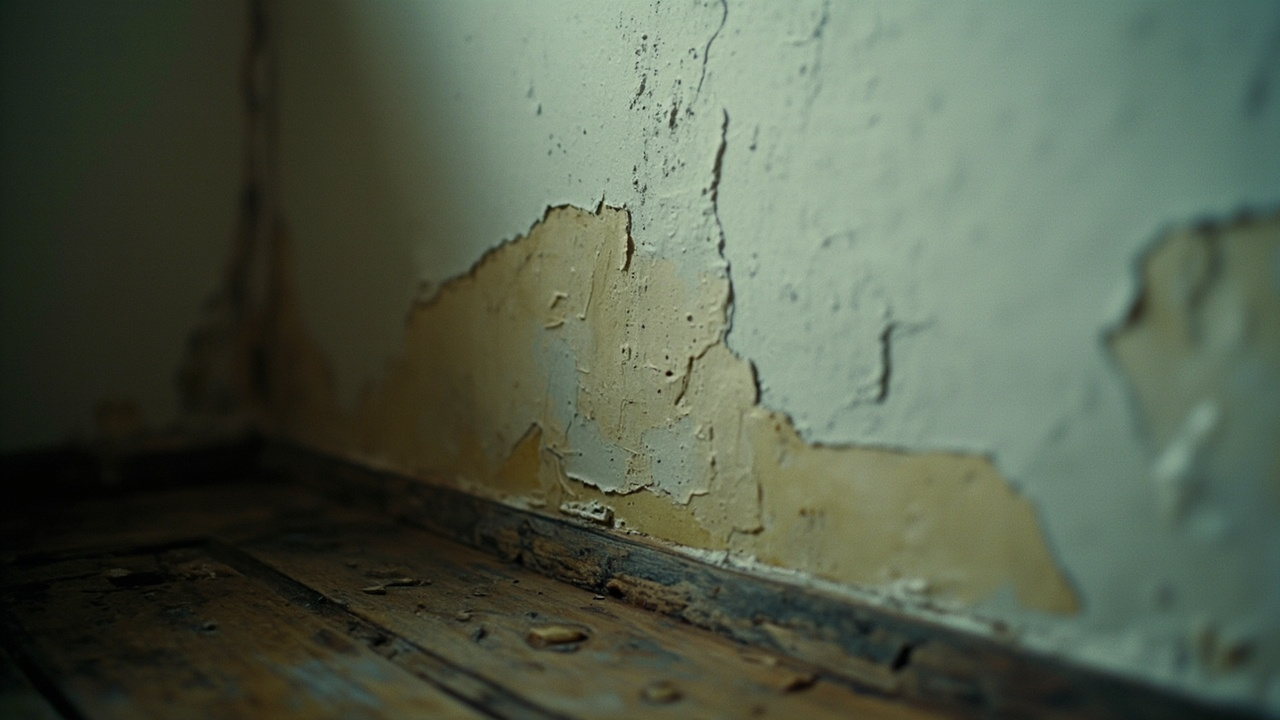
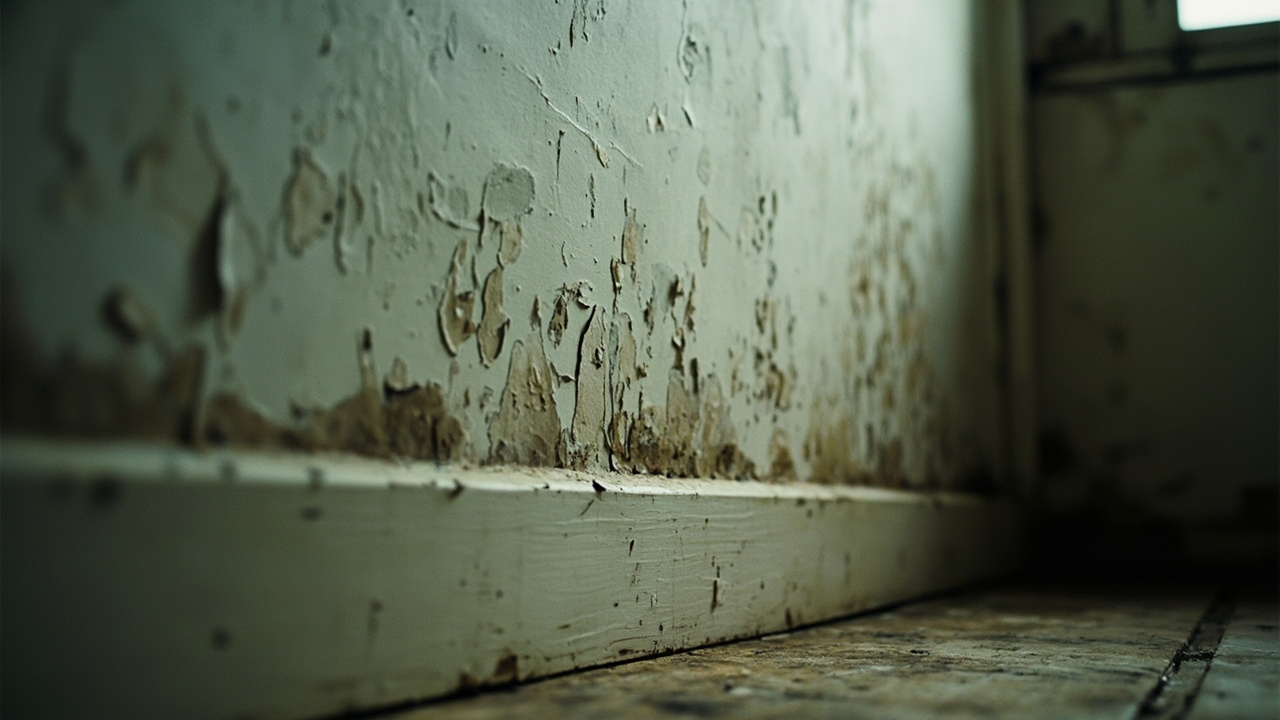
Atlanta sits at the intersection of subtropical humidity and expansive clay soil, creating a perfect storm for hidden mold. Summer dew points regularly exceed 70 degrees, meaning indoor surfaces cool below ambient temperature and condensation forms on walls, ducts, and windows. Clay soil absorbs water during spring rains and releases it during dry months, shifting foundations and creating cracks that channel groundwater into basements and crawl spaces. This combination drives moisture into building materials year-round, feeding mold colonies behind finishes where you cannot see them until health symptoms or structural damage appear.
Properties throughout the metro, from older bungalows in East Atlanta to newer builds in Sandy Springs, face unique moisture risks tied to construction methods and local weather patterns. Homes without proper crawl space vapor barriers or adequate attic ventilation trap humidity, accelerating mold growth. Victory Water Damage Restoration Atlanta has worked throughout Fulton, DeKalb, Gwinnett, and Cobb counties, giving us insight into the specific vulnerabilities of Atlanta housing stock. We know how to detect hidden mold in the building types and climate conditions unique to this region.