menu

Understanding Categories of Water in Atlanta – Expert Guide to IICRC Water Contamination Levels

Learn how IICRC water categories determine restoration strategy, health risks, and proper cleanup protocols for Atlanta homes and businesses. Understanding water quality classifications protects your property and your family.

Slider Image 1
Slider Image 2
Slider Image 3
Slider Image 4
Slider Image 5
Slider Image 7
Slider Image 8
Slider Image 9
Slider Image 10
Slider Image 11

Why Water Categories Matter for Atlanta Property Owners

Not all water damage is the same. The water soaking your carpet could be clean supply line water, gray water from your washing machine, or black water from a sewage backup. Each carries different health risks and requires specific protocols.

The Institute of Inspection Cleaning and Restoration Certification (IICRC) defines three water damage categories based on contamination levels. Category 1 is clean water from broken pipes or supply lines. Category 2 is gray water containing contaminants from appliances, sinks, or washing machines. Category 3 is black water, grossly contaminated with sewage, soil, or floodwater. These water quality classifications determine everything from required safety equipment to disposal methods.

Atlanta's humid subtropical climate accelerates water contamination. Clean water left standing for 48 hours in our summer heat becomes gray water as bacteria multiply. Gray water degrades to black water even faster when temperatures hover in the 90s. The clay soil common throughout metro Atlanta compounds flooding risks during our frequent thunderstorms, increasing the chance of Category 3 contamination entering crawl spaces and basements.

Types of water contamination affect your health differently. Category 1 water poses minimal threat. Category 2 water can cause discomfort or illness if ingested. Category 3 water contains pathogenic bacteria, fungi, viruses, and toxic chemicals. Understanding these water contamination levels helps you make informed decisions when disaster strikes.

The category determines whether your carpet can be saved or must be discarded. It affects which surfaces need antimicrobial treatment. It dictates whether your drywall requires removal or can be dried in place.

Why Water Categories Matter for Atlanta Property Owners
How Restoration Professionals Assess Water Categories

How Restoration Professionals Assess Water Categories

Professional assessment begins before technicians enter your property. The source matters. A burst washing machine supply line differs dramatically from an overflowing toilet. Water from a clean source starts as Category 1 but can degrade based on what it contacts and how long it sits.

Technicians evaluate the origin point, duration of exposure, affected materials, and temperature conditions. A supply line leak discovered within hours remains Category 1. That same water sitting for three days in Atlanta's heat becomes Category 2 as it absorbs contaminants from building materials and bacteria proliferate.

The IICRC standards require visual inspection and material assessment. Porous materials like carpet padding and drywall absorb contaminants faster than non-porous surfaces like tile or metal. Water flowing across a dirty floor picks up contaminants and elevates in category even if the source was clean.

Temperature plays a major role. Water above 75 degrees accelerates bacterial growth. Atlanta homes often exceed 80 degrees during summer power outages or when HVAC systems fail during floods. This temperature factor shortens the window before water category degradation occurs.

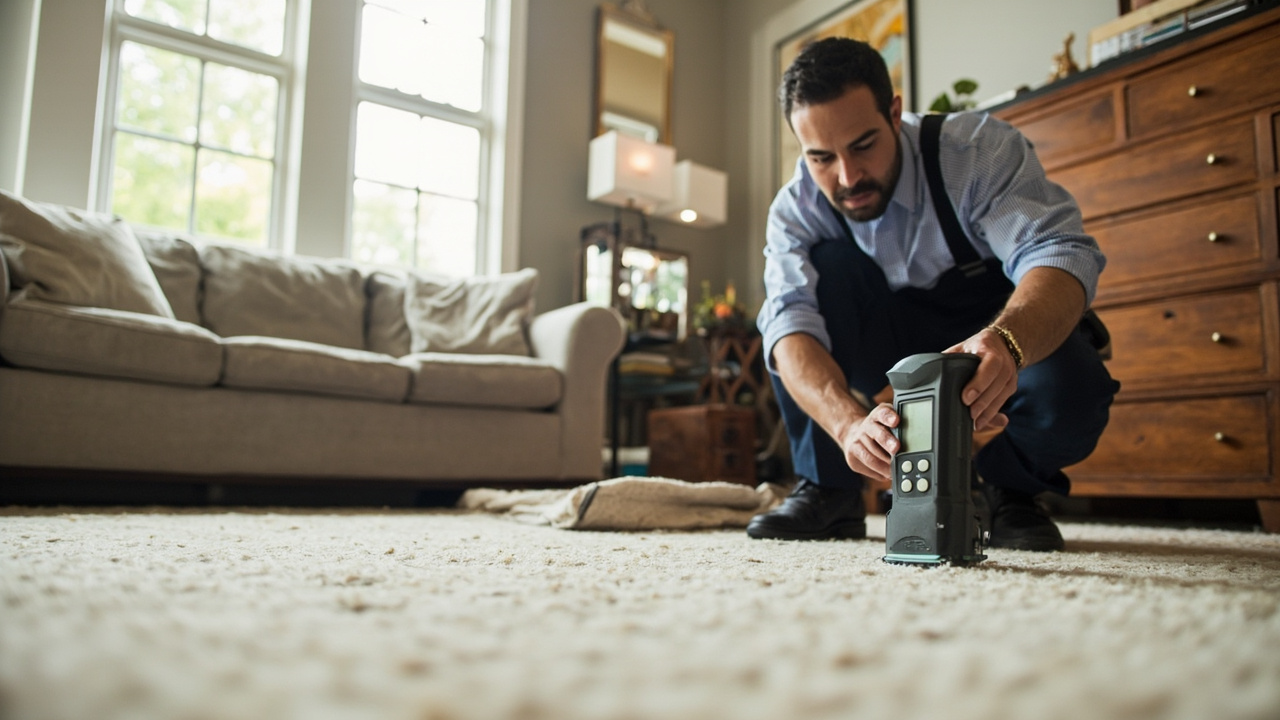
Professional moisture meters and thermal imaging cameras map the extent of water migration. Contaminated water wicking up walls or spreading under flooring requires different extraction methods than surface water. The assessment determines which materials need removal, which can be cleaned, and what protective equipment the restoration crew requires.

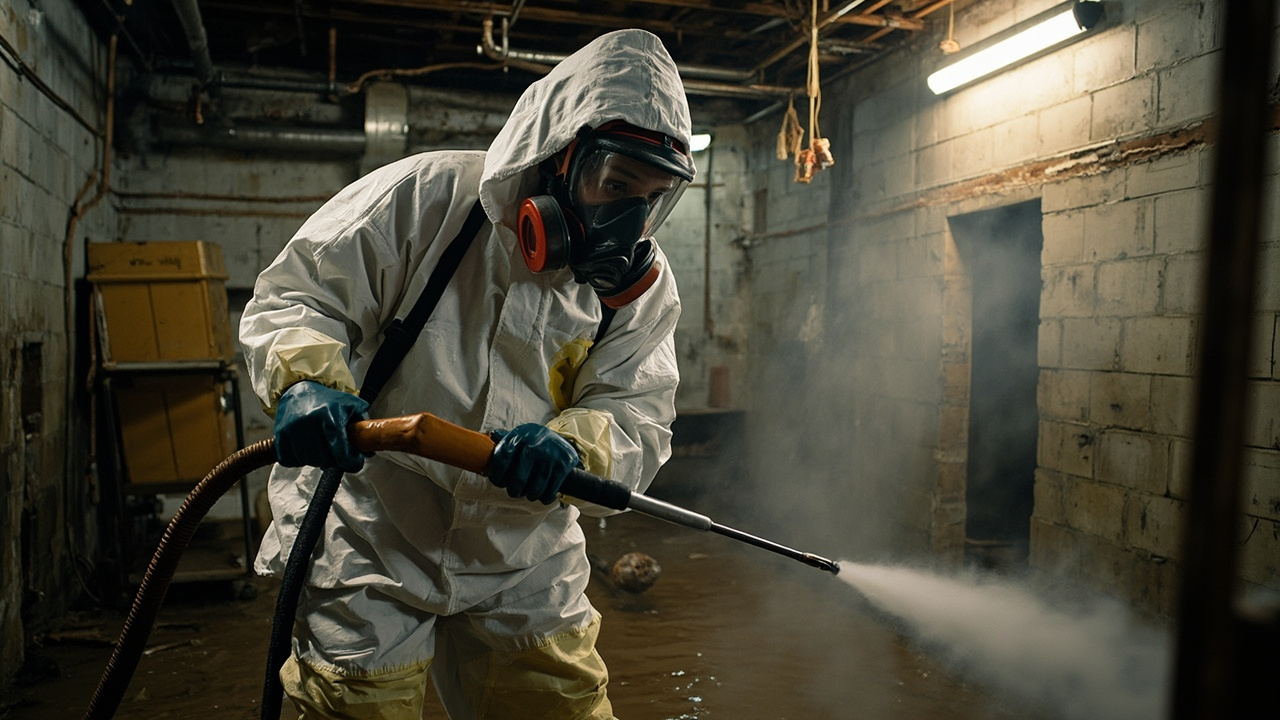
Category 3 water demands full personal protective equipment including respirators, gloves, and protective suits. Affected materials go straight to disposal. No attempting to save carpet or padding exposed to sewage or floodwater. The health risks are too severe.

What Happens During Water Category Assessment

Understanding Categories of Water in Atlanta – Expert Guide to IICRC Water Contamination Levels
01

Source Identification

Technicians locate the water origin to establish initial category classification. Clean water supply lines, contaminated drain lines, and sewage backups each require different safety protocols. The source determines whether water started clean and degraded or began contaminated. Understanding origin points prevents cross-contamination during extraction and helps establish proper disposal procedures for affected materials.
02

Material and Duration Evaluation

Restoration specialists assess how long water has been present and what materials it contacted. Porous materials like insulation and drywall absorb contaminants quickly. Non-porous surfaces resist contamination longer. Time and temperature affect bacterial growth rates. Atlanta's climate accelerates degradation from Category 1 to Category 2 within 48 hours. This evaluation determines salvageability and required cleaning methods.
03

Protocol Implementation

Based on final category determination, crews implement appropriate safety measures, extraction techniques, and disposal protocols. Category 1 allows standard extraction and drying. Category 2 requires antimicrobial treatment. Category 3 demands full protective gear, immediate material removal, and specialized disinfection. Proper protocol implementation protects occupants and restoration workers while preventing secondary contamination throughout your property.

Why Atlanta Property Owners Trust Local Water Damage Expertise

Water category assessment requires understanding local conditions that affect contamination rates. Atlanta's humid climate and temperature extremes create unique challenges for water damage classification. A technician from a dry climate might not recognize how quickly our summer heat degrades clean water into gray water.

Victory Water Damage Restoration Atlanta trains specifically on IICRC water categories and how Georgia's climate affects contamination timelines. Our teams understand that water sitting in a Buckhead basement during July degrades faster than the same scenario in November. We account for seasonal factors when determining salvageability and required protocols.

Local soil composition matters for flood-related Category 3 events. The red clay throughout DeKalb, Fulton, and Cobb counties carries specific contaminants when floodwater enters structures. Our teams recognize these regional factors and adjust cleaning protocols accordingly. We understand which neighborhoods face higher flood risks during storm events and how that affects water quality classifications.

Familiarity with Atlanta building types helps us assess contamination spread patterns. Older homes in Virginia Highland or Grant Park have different construction materials than newer builds in Sandy Springs. Pier and beam foundations common in historic neighborhoods allow different water migration patterns than slab foundations in newer developments. We adjust assessment techniques based on these structural differences.

Insurance companies require proper documentation of water categories to process claims correctly. Our detailed reports photograph source points, document affected materials, and justify category classifications. We communicate directly with adjusters who handle Atlanta claims regularly, speaking their language and providing documentation they need to approve appropriate scope.

Local expertise means faster response when category degradation threatens your property. We know Atlanta traffic patterns and can reach you quickly regardless of which neighborhood you call home.

What to Expect During Professional Water Category Assessment

Rapid Response Timeline

Water category can change by the hour in Atlanta's climate. We respond to assessment requests within 60 minutes for emergency situations. Our teams arrive equipped with moisture detection equipment, protective gear for all three categories, and extraction tools to begin mitigation immediately. Speed matters because Category 1 water becomes Category 2 water if left standing for 48 hours. During summer months when temperatures exceed 85 degrees inside affected structures, degradation happens even faster. Our rapid response prevents category escalation that increases restoration costs and health risks.

Thorough Assessment Process

Initial category assessment takes 30 to 90 minutes depending on property size and damage extent. Technicians document the source, measure moisture levels in affected materials, photograph damage, and determine preliminary category classification. We test multiple areas because water category can vary within a single property. Clean supply line water flowing across a bathroom floor picks up contaminants and elevates to Category 2. Our assessment identifies these variations and maps contamination spread patterns. You receive a detailed report explaining category determination and required protocols before restoration work begins.

Accurate Category Documentation

Professional category assessment produces documentation insurance companies require for claims processing. Our reports include source photos, moisture readings, affected material lists, and category justification based on IICRC standards. We explain why materials are salvageable or require disposal according to water quality classifications. This documentation prevents claim denials based on insufficient evidence or improper categorization. You receive digital copies immediately and physical copies for your records. Accurate categorization from the start prevents disputes later when insurance adjusters review restoration scope and costs.

Category-Specific Protocols

Each water category requires different safety measures and restoration techniques. Category 1 assessment leads to standard extraction and drying protocols. Category 2 assessment triggers antimicrobial treatment requirements. Category 3 assessment demands immediate material removal, full protective equipment, and specialized disinfection protocols. We explain exactly what your category determination means for timeline, cost factors, and required steps. You understand which materials we can save and which must go to protect your health. Our teams follow IICRC protocols strictly, ensuring proper safety measures regardless of category.

Frequently Asked Questions

You Have Questions,
We Have Answers

What are the 5 types of water? +

In water damage restoration, professionals classify water into three main categories, not five. Category 1 is clean water from supply lines or rain. Category 2 is gray water with contaminants from appliances like dishwashers or washing machines. Category 3 is black water from sewage or flooding. Atlanta homes face all three types due to aging plumbing, high humidity, and storm events. Restoration teams assess the category first because it dictates safety protocols, equipment needs, and demolition scope. Misidentifying water type leads to incomplete cleanup and health risks.

What is category 1, 2, and 3 water? +

Category 1 water is clean and poses no immediate health threat. It comes from broken supply lines, overflowing sinks, or rainwater before ground contact. Category 2 water contains contaminants that cause discomfort or illness. Sources include washing machine overflows, toilet bowls without feces, or aquarium spills. Category 3 water is highly contaminated and unsanitary. It originates from sewage backups, flooding from rivers or creeks, or Category 1 water left standing over 72 hours. Atlanta properties often escalate from Category 1 to Category 3 fast in our humid climate if not addressed immediately.

What are the three categories of water? +

The three categories of water in restoration work are Category 1, 2, and 3. Category 1 is clean water from sanitary sources. Category 2 is gray water with chemical or biological contamination. Category 3 is black water containing sewage, harmful bacteria, or floodwater. Atlanta homes and businesses must identify the category before starting cleanup because each requires different safety measures, equipment, and disposal methods. High humidity in our area accelerates category escalation. Water that starts clean can become grossly contaminated within hours if materials stay wet.

What is category 3 water? +

Category 3 water is grossly contaminated and unsafe for human contact. It contains pathogenic bacteria, fungi, viruses, and toxic chemicals. Common sources include sewage backups, toilet overflows with feces, flooding from rivers or storm surge, and standing water that sat for over 72 hours. Atlanta properties face Category 3 events from sewer line failures in older neighborhoods and flash flooding during severe storms. Cleanup requires full personal protective equipment, antimicrobial treatments, and disposal of porous materials like drywall, insulation, and carpet. Never attempt Category 3 restoration without professional help.

What are the 7 types of water? +

Water damage professionals use three official categories, not seven types. The IICRC, the industry standard-setting body, defines Category 1 as clean water, Category 2 as gray water, and Category 3 as black water. These categories address contamination levels and health risks. Some confusion arises from mixing water categories with water classes, which describe evaporation rates and material saturation. In Atlanta, you need to understand categories first because contamination dictates whether materials get cleaned or removed. Humidity affects how fast water escalates from one category to the next.

What are the 10 forms of water? +

Water exists in three physical states: solid, liquid, and gas. In scientific contexts, you might encounter terms like saline water, freshwater, distilled water, and others based on mineral content or use. Water damage restoration does not use ten forms. The industry focuses on three contamination categories and four water classes based on evaporation difficulty. Atlanta property owners should focus on understanding Categories 1, 2, and 3 because contamination level determines safety, cost, and restoration time. Mixing scientific water types with restoration classifications creates confusion during emergencies when clarity matters most.

What is category 4 water? +

Category 4 water does not exist in professional water damage restoration. The IICRC recognizes only three official categories based on contamination. Category 3 is the most severe classification, covering black water from sewage and flooding. You might confuse categories with classes. Water classes 1 through 4 describe evaporation rates and affected materials, not contamination. Class 4 involves specialty drying situations with low-porosity materials like hardwood or concrete. Atlanta properties often require Class 4 techniques due to our clay soil and masonry construction. Always verify terminology with certified restoration professionals to avoid miscommunication.

What are the 4 types of drinking water? +

Drinking water types vary by source and treatment. Tap water comes from municipal systems treating surface or groundwater. Bottled water includes spring water, purified water, and mineral water. Distilled water removes minerals through evaporation. Well water comes from private groundwater sources. Atlanta residents primarily use municipally treated tap water from the Chattahoochee River watershed. For water damage purposes, drinking water from broken supply lines starts as Category 1. Once it contacts building materials or sits stagnant, contamination increases. Drinking water classification differs completely from restoration water categories.

Who uses class C water? +

Class C water refers to wastewater reclamation categories in some municipal systems, not restoration terminology. In water reuse frameworks, Class C typically designates reclaimed water suitable for irrigation of food crops not commercially processed. This classification relates to public health regulations, not water damage restoration. Atlanta follows Georgia Environmental Protection Division standards for water reuse. If you encountered Class C in a restoration context, clarify whether the discussion involves water categories (contamination levels) or water classes (evaporation rates). Restoration professionals use Categories 1-3 and Classes 1-4 as standard terminology.

What are the 5 classification of water? +

Water damage restoration uses three contamination categories, not five classifications. Category 1 is clean water from sanitary sources. Category 2 is gray water with contaminants causing discomfort. Category 3 is black water with sewage or pathogens. These categories determine safety protocols and restoration methods. Separately, four water classes exist based on evaporation difficulty and material absorption. Atlanta properties require accurate category assessment because our humid climate accelerates microbial growth and category escalation. Proper classification ensures you get appropriate treatment, protects occupant health, and prevents secondary damage from incomplete drying or sanitization.

How Atlanta's Climate and Infrastructure Affect Water Categories

Atlanta's combination of high humidity, frequent thunderstorms, and aging infrastructure creates unique water category challenges. Summer humidity above 70 percent accelerates bacterial growth in standing water. Afternoon thunderstorms dump two to three inches of rain in hours, overwhelming storm drains and causing sewer backups that introduce Category 3 water into basements and crawl spaces. Older neighborhoods like Inman Park, Candler Park, and West End have aging cast iron sewer lines that crack and leak, increasing Category 3 exposure risks. Clay soil throughout the metro area swells when saturated and contracts when dry, shifting foundations and cracking water lines that lead to Category 1 events. Understanding these local factors helps property owners recognize water category risks specific to Atlanta.

Victory Water Damage Restoration Atlanta maintains relationships with local plumbers, municipal water departments, and insurance adjusters who handle Atlanta claims daily. We understand Fulton County building codes for water damage remediation and DeKalb County requirements for Category 3 disposal. Our teams train on Atlanta-specific scenarios like Chattahoochee River flood patterns affecting Vinings and Buckhead or how Peachtree Creek overflow impacts Brookhaven and Garden Hills. Local expertise means accurate category assessment that accounts for regional factors other restoration companies might miss. When you need water category assessment in Atlanta, choose a team that understands how our unique climate, soil, and infrastructure affect contamination risks.
Water Damage Restoration Services in The Atlanta Area

While we provide rapid mobile water damage restoration services directly to your doorstep throughout the Atlanta metropolitan area, you can also view our primary service location on the map below. This helps visualize our operational reach and assures you that expert assistance is always within your vicinity. We are always ready to deploy our dedicated teams to your precise location, ensuring swift and effective service whenever you need us, guaranteeing peace of mind.

Address:
Victory Water Damage Restoration Atlanta, 1055 Howell Ml Rd, Atlanta, GA, 30318

Additional Services We Offer

Our news updates

Latest Articles & News from The Blogs

Alpharetta Water Damage Specialists for Fast Mold Prevention and Drying in North FultonWater emergencies in Alpharetta require immediate professional intervention…

Alpharetta Water Damage Specialists for Fast Mold Prevention and Drying in North Fulton

Alpharetta Water Damage Specialists for Fast Mold Prevention and Drying in North FultonWater emergencies in Alpharetta require immediate professional intervention…

Safe and Professional Sewage Backup Cleanup in Atlanta (Don't Handle This Alone)

Professional Sewage Backup Cleanup and Restoration in Atlanta GeorgiaA sewage backup in your Atlanta home or business is a serious…

Deciding to Clean or Replace Water Damaged Carpet in Your Edgewood Home

Water damage in an Edgewood home creates an immediate crisis that requires fast decision making. If you walk into your…

Contact Us

Water category determines your health risk and restoration strategy. Do not guess. Call Victory Water Damage Restoration Atlanta at (678) 397-3666 for immediate assessment. Our IICRC-trained technicians respond within 60 minutes to prevent category degradation that increases costs and dangers.