menu

Water Mitigation vs Restoration in Atlanta – Expert Guidance to Make the Right Decision Fast

Understanding the difference between water mitigation and restoration helps Atlanta homeowners and businesses stop damage from escalating, control insurance costs, and get back to normal faster after floods, pipe bursts, or storm surges.

Slider Image 1
Slider Image 2
Slider Image 3
Slider Image 4
Slider Image 5
Slider Image 7
Slider Image 8
Slider Image 9
Slider Image 10
Slider Image 11

Why the Difference Between Water Mitigation and Restoration Matters in Atlanta

When water invades your property, the clock starts ticking. You call a professional. They show up. But what exactly are they doing? The answer determines how much damage you prevent, how much your insurance pays, and how quickly your life returns to normal.

Atlanta's weather makes this distinction critical. Our subtropical climate brings intense summer thunderstorms, flash flooding in areas like Midtown and Buckhead, and winter freeze events that crack pipes in older neighborhoods like Inman Park and Virginia-Highland. High humidity means standing water does not evaporate quickly. It seeps deeper into drywall, subflooring, and insulation. Every hour you wait, the damage compounds.

Water mitigation stops the bleeding. Water restoration rebuilds what was damaged. These are not the same process, and you need both done correctly to protect your property and your wallet.

The difference between water mitigation and restoration is simple but often misunderstood. Mitigation happens first. It is the emergency response. Crews extract standing water, remove wet materials, set up dehumidifiers and air movers, and stabilize your property to prevent mold growth and structural decay. Water cleanup is the initial extraction. Water repair is the rebuilding that comes later.

Water damage mitigation vs restoration is not an either-or choice. You do mitigation immediately to stop further loss. Then you assess. Then you restore. Mixing up the timeline or skipping mitigation can turn a manageable insurance claim into a denied claim and a five-figure nightmare.

Atlanta homeowners often ask about water remediation vs restoration. Remediation typically refers to mold cleanup, which is part of mitigation if mold has already started. Restoration is reconstruction. Mitigation vs reconstruction is the clearest way to think about the sequence. First you stabilize. Then you rebuild.

Why the Difference Between Water Mitigation and Restoration Matters in Atlanta
How Water Mitigation and Restoration Work Together to Save Your Property

How Water Mitigation and Restoration Work Together to Save Your Property

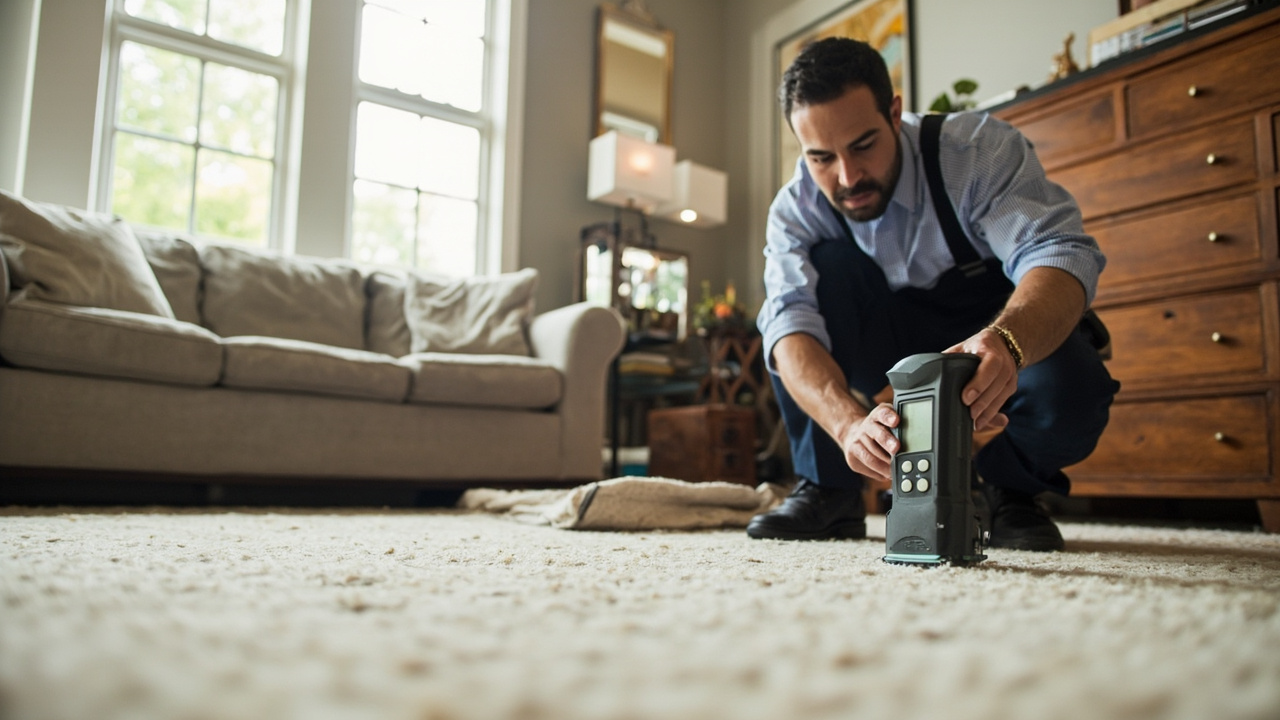
Mitigation is damage control. The goal is containment and prevention. When our team arrives at a water-damaged property in Atlanta, we start by stopping the water source. Shut off the valve. Cap the broken pipe. Tarp the roof if a storm ripped off shingles. Then we extract standing water using truck-mounted pumps and portable extractors. We remove soaked carpet, padding, drywall, and insulation that cannot be saved. We document moisture levels using thermal imaging cameras and moisture meters to identify hidden saturation behind walls and under floors.

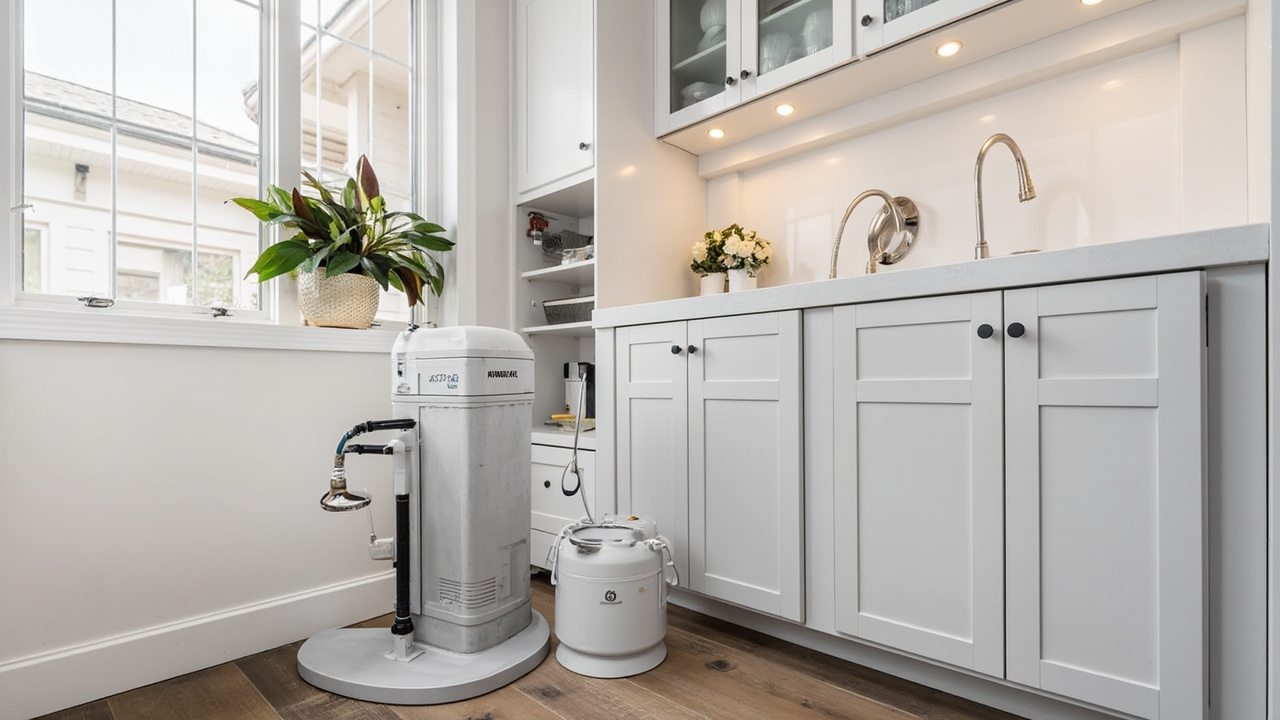
Next comes drying. We place commercial-grade dehumidifiers and high-velocity air movers throughout the affected area. We monitor humidity and temperature daily. The goal is to bring moisture content below 15 percent to prevent microbial growth. This phase takes three to seven days depending on the extent of saturation and the materials involved. Hardwood floors dry slower than tile. Plaster holds moisture longer than drywall.

Restoration begins after mitigation is complete and the structure is certified dry. This is where water cleanup vs water repair becomes clear. Cleanup is mitigation. Repair is restoration. Restoration means rebuilding. We replace drywall, install new flooring, repaint, and restore your property to pre-loss condition or better.

Victory Water Damage Restoration Atlanta coordinates both phases seamlessly. We handle mitigation immediately to stop the damage, then we manage restoration to bring your home or business back to life. You get one point of contact, one timeline, and one coordinated approach.

Separating the two phases creates delays. Some companies only do mitigation. They dry your property, then you scramble to find a contractor to rebuild. By the time you get estimates and schedule work, mold starts growing again or secondary damage sets in. We eliminate that gap.

What Happens When You Call Us About Water Damage

Water Mitigation vs Restoration in Atlanta – Expert Guidance to Make the Right Decision Fast
01

Immediate Emergency Response

We answer your call 24/7 and dispatch a crew to your Atlanta property within 60 minutes. Our technicians arrive with extraction equipment, moisture meters, and thermal cameras. We stop the water source, assess the damage zone, and begin water removal immediately. Speed matters because every hour of standing water increases restoration costs and the risk of permanent damage.
02

Controlled Drying and Documentation

We set up industrial dehumidifiers and air movers, remove unsalvageable materials, and monitor moisture levels daily. Our team documents everything with photos, moisture readings, and detailed notes for your insurance claim. This is the mitigation phase. It typically takes three to seven days. We do not move forward until your property is certified dry and stable.
03

Restoration and Rebuild

Once mitigation is complete, we transition to restoration. We replace drywall, install new flooring, repaint, and repair any structural damage. You do not need to hire a separate contractor. We manage the entire project from start to finish, coordinating with your insurance adjuster and keeping you updated every step of the way until your property is fully restored.

Why Atlanta Property Owners Trust Victory Water Damage Restoration Atlanta

Atlanta's water damage challenges are unique. Our clay soil expands and contracts with moisture, cracking foundations and allowing groundwater seepage in areas like Druid Hills and Decatur. Summer storms dump inches of rain in minutes, overwhelming drainage systems in low-lying neighborhoods near the Chattahoochee River. Older homes in historic districts like Grant Park and Candler Park have aging plumbing that fails without warning.

We know this city. We have dried out flooded basements in Brookhaven, extracted water from burst pipe incidents in Sandy Springs, and restored storm-damaged properties in East Atlanta. We understand how Atlanta's humidity slows drying times and how quickly mold colonizes in our warm climate.

Our team includes IICRC-certified water restoration technicians who follow industry protocols for mitigation and restoration. We use moisture mapping to find hidden water pockets. We apply antimicrobial treatments to prevent mold. We document every phase of the process to support your insurance claim.

You do not want a company that only does mitigation or only does restoration. Handoffs create delays, miscommunication, and gaps in accountability. When Victory Water Damage Restoration Atlanta handles your project, you get one team, one timeline, and one guaranteed outcome.

We work directly with your insurance carrier. We provide detailed estimates, photo documentation, and moisture logs. We know what adjusters look for. We speak their language. This speeds up your claim approval and gets you paid faster.

Local expertise matters. A national chain does not understand Atlanta's building codes, climate patterns, or neighborhood-specific challenges. We do. We have worked in every zip code in the metro area. We know which basements flood during heavy rain and which pipe materials fail first in older homes.

What to Expect When You Hire Us for Water Mitigation and Restoration

Response Time and Availability

We operate 24 hours a day, seven days a week, including holidays. When you call our emergency line, you reach a live person, not a voicemail. We dispatch a crew to your Atlanta property within 60 minutes. Our trucks carry extraction equipment, drying tools, and moisture detection devices. We start mitigation immediately. Water damage does not wait, and neither do we. Speed during the first 24 hours determines whether your floors, walls, and belongings can be saved or need replacement.

Assessment and Inspection Process

Our technicians conduct a thorough inspection using thermal imaging cameras and moisture meters. We identify all affected areas, including hidden moisture behind walls and under flooring. We classify the water damage by contamination level (clean water, gray water, or black water) and assess structural risks. You receive a written mitigation plan and a restoration estimate. We explain the difference between water mitigation and restoration so you understand what happens next and why each step matters for your insurance claim.

Quality of Final Restoration

We do not cut corners during restoration. We replace damaged materials with equal or better quality products. Drywall is installed correctly, taped, and finished smooth. Flooring is leveled and sealed. Paint matches your existing color. We rebuild your property to pre-loss condition or better, depending on your insurance coverage. You get a finished space that looks and functions exactly as it did before the water damage, or even better if you choose upgrades during the restoration phase.

Follow-Up and Prevention Planning

After restoration is complete, we conduct a final walkthrough and moisture check to confirm everything is dry and structurally sound. We provide guidance on preventing future water damage, including maintenance tips for plumbing, drainage, and humidity control. If your property experienced foundation seepage or recurring leaks, we can recommend drainage solutions or plumbing upgrades. Our goal is to prevent you from calling us again for the same problem.

Frequently Asked Questions

You Have Questions,
We Have Answers

What is the difference between water restoration and mitigation? +

Water mitigation is the immediate response to stop ongoing damage. This includes extracting standing water, removing wet materials, and placing drying equipment. Think of it as emergency triage. Water restoration comes after mitigation and involves rebuilding what was damaged. This includes replacing drywall, flooring, and painting. In Atlanta, where humidity slows drying, mitigation must happen fast to prevent mold growth within 24 to 48 hours. Restoration brings your property back to pre-loss condition. Most projects require both services in sequence.

What is the difference between restoration and remediation of water? +

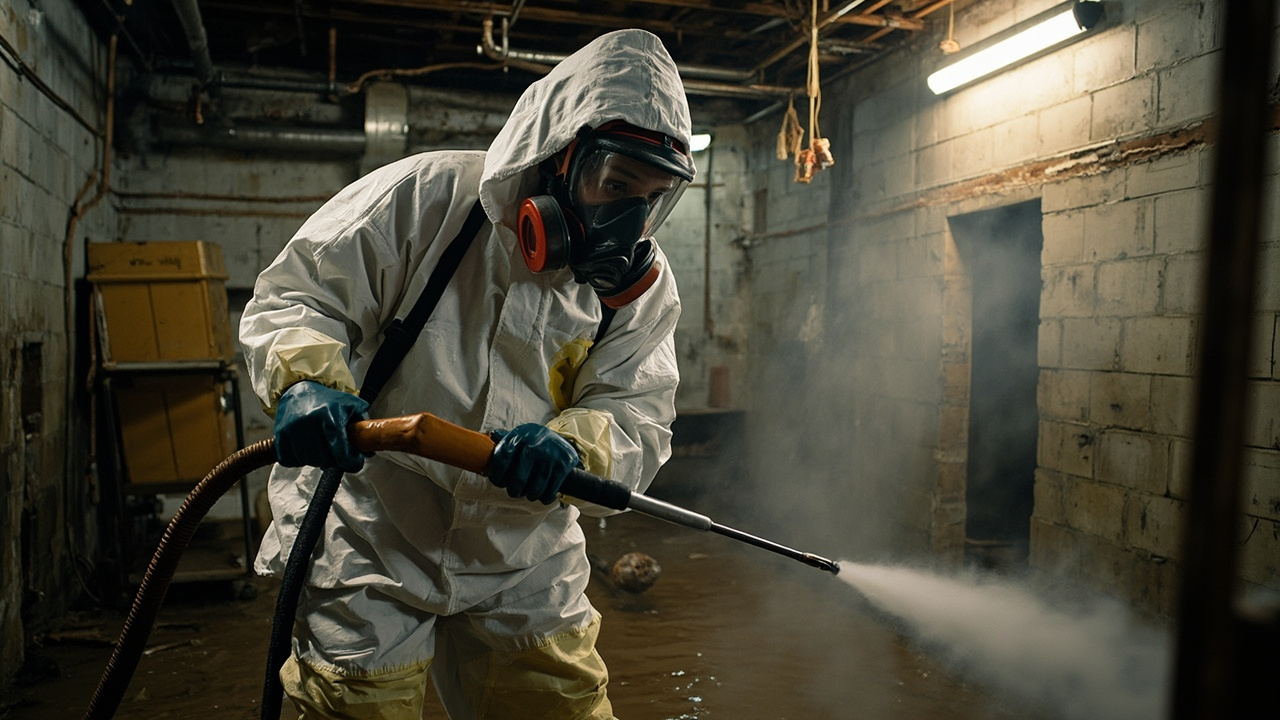
Water remediation and restoration are often used interchangeably, but remediation typically refers to addressing contamination or hazards like mold or sewage. Restoration is the broader process of repairing and rebuilding damaged structures. In Atlanta, homes affected by basement flooding or sewer backups need remediation first to address health risks. After contaminated materials are removed and sanitized, restoration begins. Remediation focuses on safety and cleaning. Restoration focuses on reconstruction. Both are needed when water damage involves category 2 or category 3 water containing bacteria or sewage.

What is mitigation and restoration? +

Mitigation means reducing or preventing further damage. In water damage scenarios, this involves water extraction, dehumidification, and removing wet materials before mold sets in. Restoration means returning the property to its original condition through repairs and rebuilding. Atlanta's humid climate makes mitigation time-sensitive. Delayed mitigation leads to structural damage, mold colonization, and higher restoration costs. Mitigation is reactive and fast. Restoration is planned and methodical. Together, they form the complete recovery process from water damage events like pipe bursts or storm flooding.

What does water restoration mean? +

Water restoration means repairing and rebuilding structures damaged by water. This includes replacing drywall, insulation, flooring, cabinetry, and repainting affected areas. Restoration happens after mitigation removes the water and dries the structure. In Atlanta, where older homes in neighborhoods like Druid Hills or Virginia-Highland may have plaster walls and hardwood floors, restoration requires matching original materials. The goal is to make your home look and function as it did before the water event. Restoration brings things back to pre-loss condition, not just dry.

What is the average cost of water mitigation? +

Water mitigation costs vary based on damage extent, water category, and affected square footage. Minor kitchen leaks may run a few hundred dollars for extraction and drying. Basement floods or multi-room events can reach several thousand dollars. Atlanta's high humidity requires longer drying times, which increases equipment rental and labor costs. Insurance often covers mitigation if the damage results from a covered peril like burst pipes. Most companies provide free inspections and work directly with your insurance adjuster. Get a detailed estimate before work begins to avoid surprises.

What are the three types of mitigation? +

The three types of mitigation in water damage are structural mitigation, content mitigation, and environmental mitigation. Structural mitigation addresses the building itself through water removal, drying walls, floors, and framing. Content mitigation involves removing and drying furniture, documents, and personal items. Environmental mitigation controls humidity and temperature to prevent mold growth. In Atlanta, where summer humidity exceeds 70 percent, environmental controls like dehumidifiers are critical. All three types often run simultaneously. Structural drying takes priority, but protecting your belongings and controlling the environment prevents secondary damage and mold colonization.

Does homeowners insurance cover water restoration? +

Homeowners insurance typically covers water restoration if the damage is sudden and accidental, like a burst pipe or appliance malfunction. Gradual leaks, poor maintenance, or flooding from external sources usually are not covered. Atlanta homeowners need separate flood insurance for rising water from storms or the Chattahoochee River. Review your policy declarations page and endorsements carefully. Most policies cover mitigation and restoration costs minus your deductible. Document everything with photos and keep all receipts. Insurance adjusters need proof of damages. File claims immediately after discovering water damage for the best outcome.

Is restoration the same as remediation? +

Restoration and remediation are not the same. Remediation focuses on removing hazards like mold, sewage, or contaminated materials. It addresses health and safety risks. Restoration focuses on repairing and rebuilding structures damaged by water. Remediation often precedes restoration when dealing with category 3 water or mold contamination. In Atlanta, where humidity accelerates mold growth, remediation becomes necessary if mitigation is delayed beyond 48 hours. Remediation sanitizes and removes dangers. Restoration replaces drywall, flooring, and finishes. Both may be needed, but they serve different purposes in the recovery process.

What are the three types of remediation? +

The three types of remediation in water damage contexts are mold remediation, sewage remediation, and structural contamination remediation. Mold remediation removes fungal growth and treats affected surfaces with antimicrobial agents. Sewage remediation addresses category 3 water containing bacteria and pathogens through removal and sanitization. Structural contamination remediation involves treating wood, insulation, and framing exposed to contaminated water. Atlanta's climate creates ideal mold conditions within 24 to 48 hours of water exposure. Each remediation type requires specific protocols, containment measures, and disposal methods. Remediation protects occupants from health hazards before restoration begins.

Can I do water restoration myself? +

You can handle minor water cleanup yourself if the damage is small, clean water, and limited to one room. Mopping up a small sink overflow is manageable. However, larger events, category 2 or 3 water, or anything affecting subflooring and wall cavities requires professionals. Atlanta's humidity makes thorough drying difficult without commercial equipment. Hidden moisture in walls leads to mold and structural rot. Insurance may not cover DIY restoration if it fails or causes additional damage. Professionals have moisture meters, thermal cameras, and industrial dryers. Save DIY for small, surface-level spills only.

How Atlanta's Humidity and Clay Soil Complicate Water Mitigation and Restoration

Atlanta's subtropical climate creates a perfect environment for water damage to worsen quickly. Our average relative humidity sits between 60 and 70 percent year-round. When water infiltrates your property, it does not evaporate easily. It soaks deeper into porous materials like drywall, insulation, and wood framing. This makes the difference between water mitigation and restoration even more critical. If you skip professional mitigation or delay drying, mold colonies can establish within 48 hours. The clay soil common across Atlanta expands when wet and shrinks when dry, creating foundation movement that cracks slabs and allows groundwater seepage in basements and crawl spaces, particularly in older neighborhoods.

Atlanta homeowners need professionals who understand local building construction and climate challenges. Many homes in areas like Virginia-Highland, Candler Park, and Grant Park were built before modern waterproofing standards. Basements were not designed to handle the groundwater pressure that comes with heavy rain. Victory Water Damage Restoration Atlanta has worked extensively throughout the metro area and knows how to dry structures built on clay soil, how to identify foundation cracks that allow water intrusion, and how to restore historic properties without compromising original materials. Local expertise ensures your mitigation and restoration are done right the first time.
Water Damage Restoration Services in The Atlanta Area

While we provide rapid mobile water damage restoration services directly to your doorstep throughout the Atlanta metropolitan area, you can also view our primary service location on the map below. This helps visualize our operational reach and assures you that expert assistance is always within your vicinity. We are always ready to deploy our dedicated teams to your precise location, ensuring swift and effective service whenever you need us, guaranteeing peace of mind.

Address:
Victory Water Damage Restoration Atlanta, 1055 Howell Ml Rd, Atlanta, GA, 30318

Additional Services We Offer

Our news updates

Latest Articles & News from The Blogs

Risks of Buying a House with Water Damage in Mableton and How to Protect Your Investment Buying a house represents…

Risks of Buying a House with Water Damage in Mableton and How to Protect Your Investment

Risks of Buying a House with Water Damage in Mableton and How to Protect Your Investment Buying a house represents…

Getting the right City of Atlanta building permits for major water damage repairs

Getting the right City of Atlanta building permits for major water damage repairsMajor water damage in your Atlanta home often…

Identifying chimney water leaks in Candler Park homes before they ruin your walls

Living in the historic Candler Park neighborhood offers unique architectural charm but the older masonry systems require constant attention. In…

Contact Us

Do not let water damage turn into a catastrophe. Call Victory Water Damage Restoration Atlanta at (678) 397-3666 right now. We respond in 60 minutes, handle mitigation and restoration under one roof, and work directly with your insurance. Stop the damage before it spreads.