menu

Visible Mold Growth on Walls in Atlanta – Expert Diagnosis and Safe Remediation

Victory Water Damage Restoration Atlanta identifies the moisture source behind visible mold growth on walls, removes fungal contamination safely, and prevents recurrence through proper drying protocols and vapor barrier solutions.

Slider Image 1
Slider Image 2
Slider Image 3
Slider Image 4
Slider Image 5
Slider Image 7
Slider Image 8
Slider Image 9
Slider Image 10
Slider Image 11

Why Atlanta Homes Develop Black Mold Spots on Drywall and Wall Surfaces

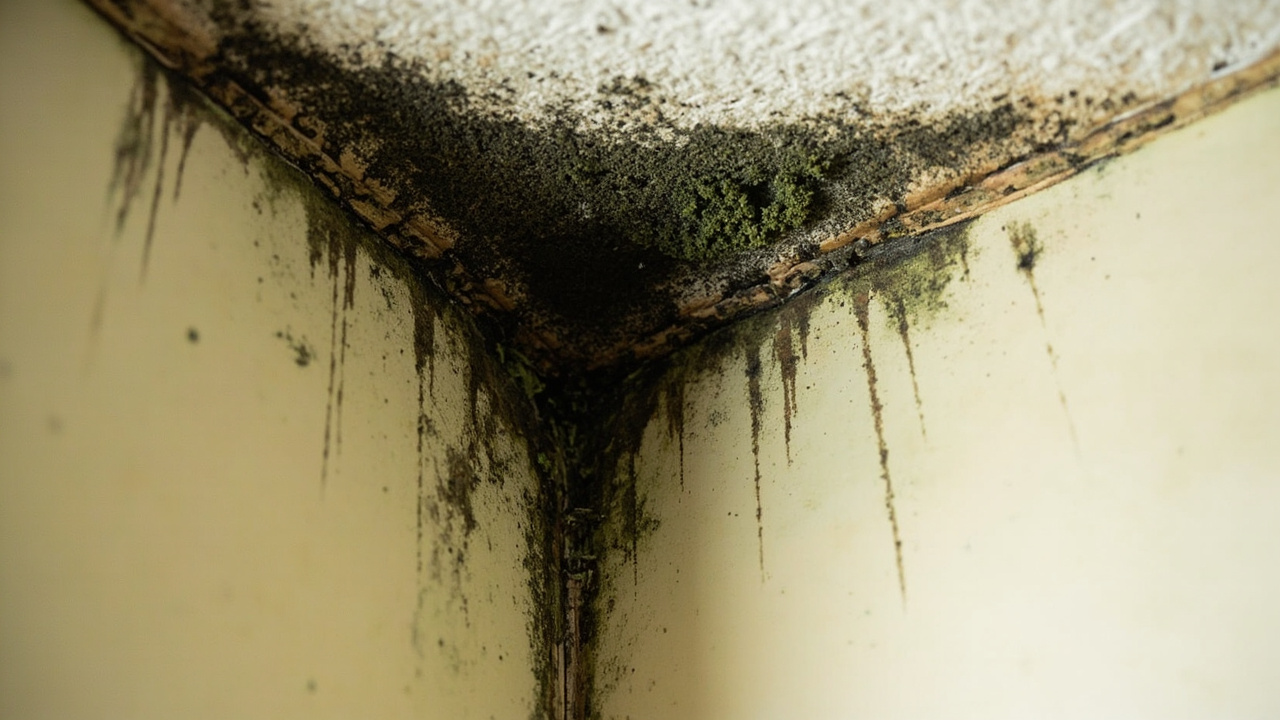
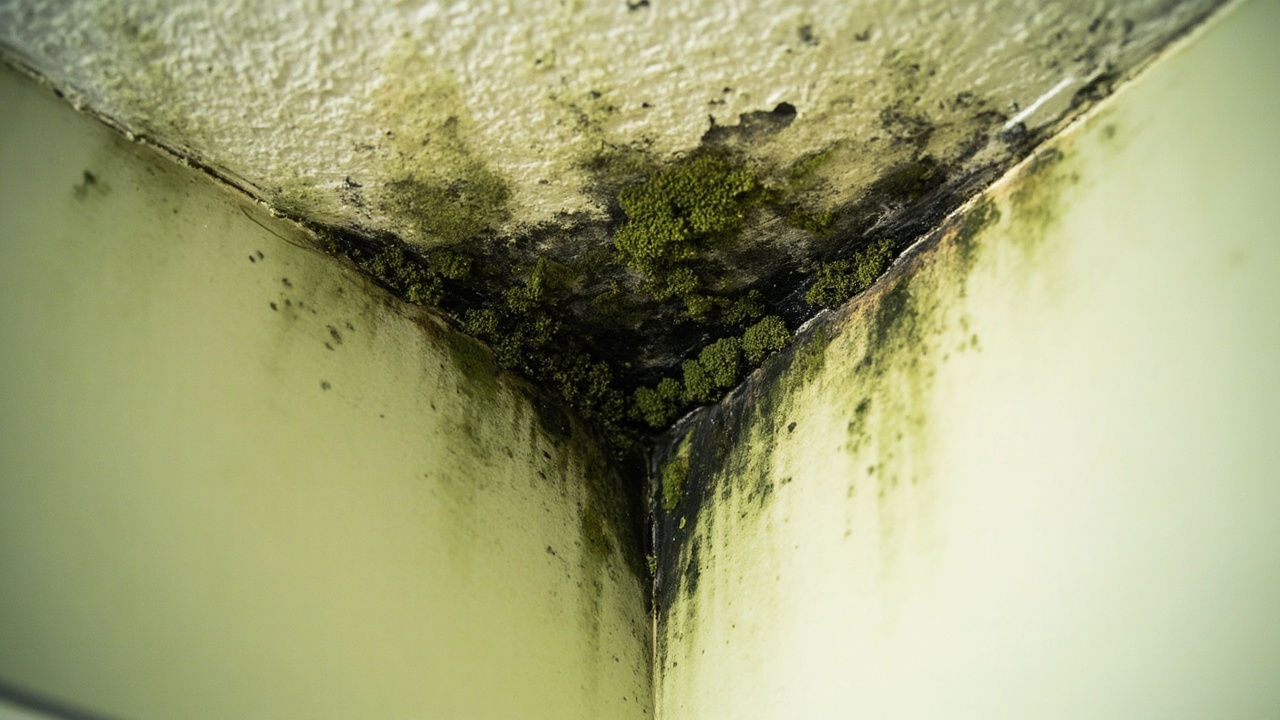
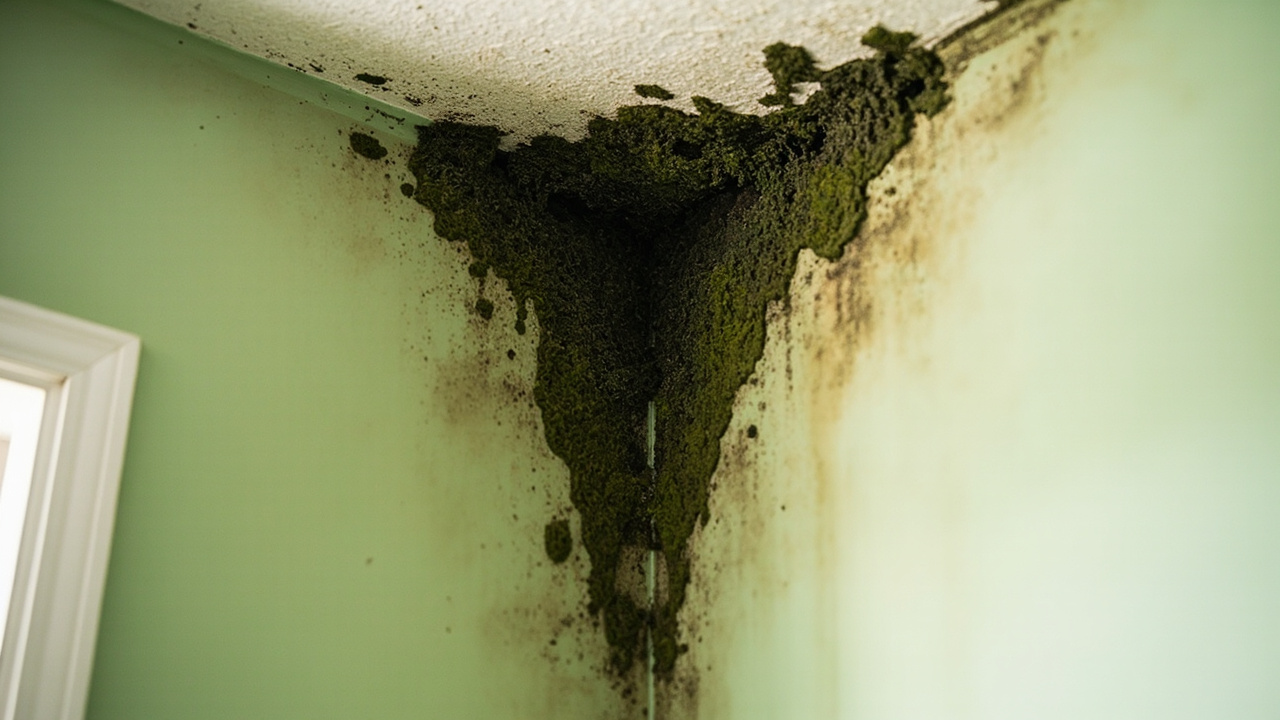
You walk into your bedroom and notice dark patches spreading across the corner where the exterior wall meets the ceiling. Those black mold spots on drywall did not appear overnight. They grew because moisture has been accumulating behind your wall surfaces for weeks or months.

Atlanta's climate creates the perfect conditions for fungal growth on wall surfaces. Our average humidity hovers around 70 percent year-round. When you combine that humidity with poor attic ventilation, leaking windows, or inadequate insulation in older homes, moisture condenses inside wall cavities. The drywall stays damp. Mold spores land on those damp surfaces and colonize within 24 to 48 hours.

The visible mildew on painted walls you see represents only a fraction of the actual contamination. Mold grows in layers. The surface bloom you can wipe away with a rag often extends deep into the paper backing of the sheetrock. In many Atlanta homes built before 1980, the original kraft-faced insulation traps moisture against the drywall, creating a breeding ground for mold patches on sheetrock.

You cannot fix this problem with bleach and a sponge. Surface cleaning kills visible spores but leaves the root structure intact. The fungal network continues to feed on cellulose in the drywall paper. Within weeks, you see new growth in the same spot. Proper remediation requires removing contaminated materials, drying the wall cavity, and addressing the moisture source that started the wall mold infestation in the first place.

Why Atlanta Homes Develop Black Mold Spots on Drywall and Wall Surfaces
How We Remove Fungal Growth and Restore Wall Integrity

How We Remove Fungal Growth and Restore Wall Integrity

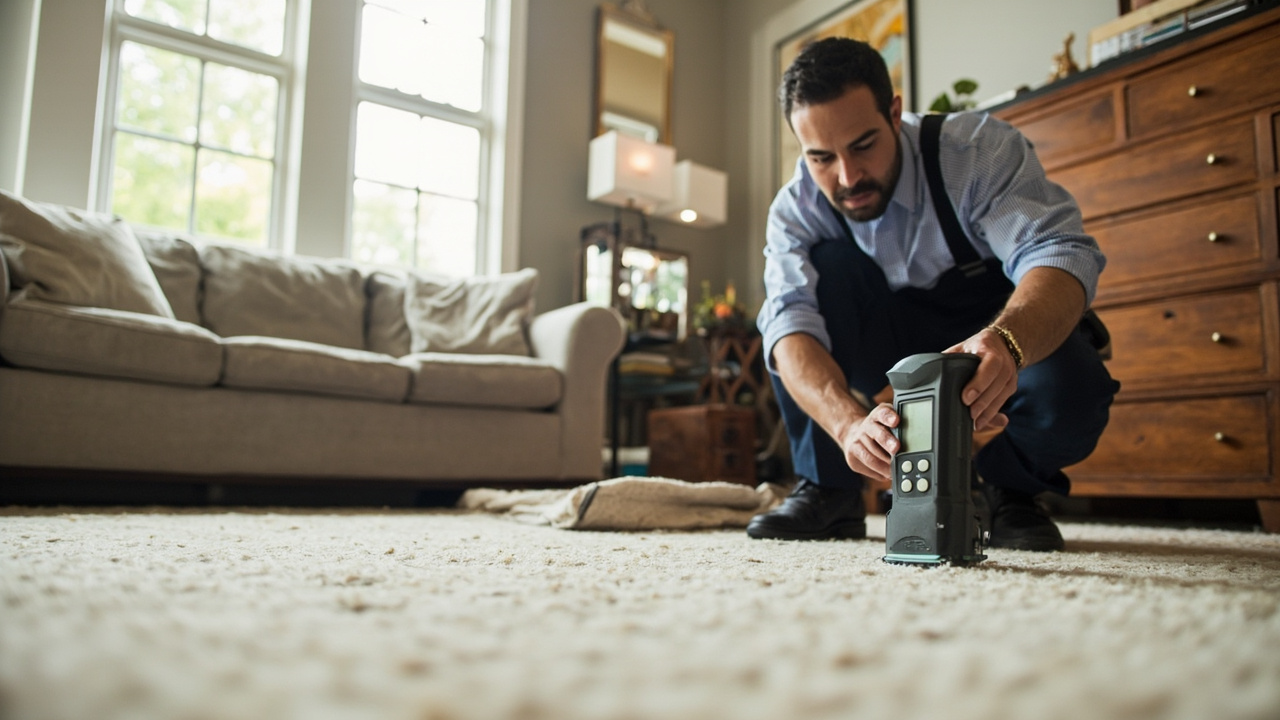
We do not treat mold like a cleaning problem. We treat it as a moisture problem with a biological symptom. Our process starts with moisture mapping using thermal imaging cameras and pin-type moisture meters. We scan the entire wall assembly to identify wet zones that are not yet visible. This tells us how far the contamination has spread and where the water is entering.

Once we map the affected area, we establish containment. We seal off the work zone with polyethylene sheeting and create negative air pressure using HEPA-filtered air scrubbers. This prevents airborne spores from spreading to unaffected rooms during demolition. We remove contaminated drywall in controlled sections, cutting back to clean framing. Any insulation that shows visible growth or moisture damage gets bagged and removed.

After demolition, we treat exposed framing with antimicrobial solutions rated for porous materials. We run commercial dehumidifiers and air movers to bring wood moisture content below 15 percent. This is the threshold where mold cannot grow. We verify dryness with moisture meter readings before any reconstruction begins.

Reconstruction is not just replacing drywall. We address the root cause. If the mold grew because of a roof leak, we coordinate with roofers to fix the penetration. If condensation caused the problem, we add vapor barriers or improve insulation. If a plumbing leak fed the growth, we verify the repair and test for residual moisture in adjacent wall cavities. We install mold-resistant drywall in high-risk areas and use low-VOC primers that inhibit future fungal colonization.

You get a dry, clean wall assembly that will not support mold growth as long as you maintain normal indoor humidity levels.

What Happens During Your Mold Inspection and Remediation

Visible Mold Growth on Walls in Atlanta – Expert Diagnosis and Safe Remediation
01

Moisture Source Investigation

We start by identifying where the moisture is coming from. Our technicians use infrared cameras to detect temperature differentials in wall cavities and pin moisture meters to quantify water content in drywall and framing. We check attic ventilation, inspect window flashing, and examine plumbing penetrations. Finding the source prevents recurrence after remediation is complete.
02

Containment and Controlled Removal

We isolate the contaminated area with plastic barriers and negative air machines equipped with HEPA filters. This creates a vacuum that pulls air into the work zone and prevents spore migration. We remove affected drywall in sections, cutting one foot beyond visible contamination to ensure we capture hidden growth. All materials go into sealed bags before leaving your home.
03

Drying and Reconstruction

We dry the wall cavity using dehumidifiers and air movers until moisture readings drop below 15 percent. Exposed framing gets treated with antimicrobial coatings. We install mold-resistant drywall, seal seams with mold-inhibiting compounds, and apply primers designed to resist future fungal growth. You receive documentation of moisture readings and photos showing the completed repair.

Why Atlanta Residents Trust Victory Water Damage Restoration for Wall Mold Problems

Atlanta's building stock ranges from 1920s bungalows in Virginia-Highland to new construction in Buckhead. Each era presents different mold challenges. Older homes have minimal insulation and leaky single-pane windows. Newer homes have better envelopes but often suffer from improper vapor barrier installation or HVAC systems that are oversized and do not dehumidify properly. We have worked in every type of home across the metro area. We know how these structures fail and where moisture hides.

We understand the local code requirements for mold remediation. The Georgia Department of Public Health sets guidelines for containment, disposal, and post-remediation verification. We follow those protocols on every job. Our crews are trained in IICRC S520 standards for mold remediation. That is the national benchmark for proper containment, removal, and cleaning procedures. We document our work with moisture readings, photos, and material disposal records. If you need that documentation for insurance claims or real estate transactions, you have it.

You also get technicians who understand the difference between cosmetic mold and structural contamination. Not every mold patch requires full wall demolition. Sometimes we can treat surface growth if the underlying drywall is dry and the mold has not penetrated the paper backing. We use moisture data to make that call, not guesswork. If removal is necessary, we explain why and show you the readings that support that decision.

We work directly with Atlanta-area insurance adjusters. We know what documentation they need and how to photograph damage for claim substantiation. We can bill your carrier directly in most cases, which eliminates the stress of paying upfront and waiting for reimbursement.

What You Can Expect During the Mold Remediation Process

Response Time and Availability

We dispatch a technician to your property within four hours of your call. Mold does not grow overnight, but the sooner we identify the moisture source, the less damage spreads through your wall assembly. Our inspection takes 45 to 90 minutes depending on the size of the affected area. We provide a written scope of work before any demolition begins. Most residential mold remediation projects take two to five days from containment setup to final reconstruction, depending on the extent of contamination and drying time required.

Diagnostic Process and Scope Development

Our initial assessment includes thermal imaging, moisture meter readings at multiple depths, and visual inspection of adjacent areas. We check attic spaces, crawl spaces, and exterior drainage around the affected wall. You receive a detailed report showing moisture levels, contaminated square footage, and the identified water source. We explain whether the problem stems from condensation, leaks, or vapor drive. You understand what caused the mold before we start removing materials. We do not upsell unnecessary demolition.

Quality of Final Result

You get walls that are dry, clean, and resistant to future mold growth. We use mold-resistant drywall products in any area that experienced contamination. Seams get sealed with products containing antimicrobial additives. We verify final moisture content with meter readings documented in your project file. The reconstructed wall matches your existing texture and is ready for paint. We do not leave you with a patchwork repair. The finished surface blends seamlessly with surrounding areas.

Post-Remediation Support

We provide written documentation of all moisture readings, antimicrobial products used, and disposal records for contaminated materials. You receive guidance on maintaining indoor humidity below 60 percent to prevent recurrence. If the mold returned because of a structural defect we repaired, we address it at no additional charge. We are available to answer questions about your HVAC system, ventilation, or other factors that influence indoor moisture levels. You have a resource for preventing future problems.

Frequently Asked Questions

You Have Questions,
We Have Answers

What to do if I see mold on my wall? +

Stop using the area immediately. Mold spreads fast in Atlanta's humid climate. Do not touch or disturb the growth. Open windows if safe, turn off HVAC systems to prevent spores from circulating, and document the damage with photos. If the affected area exceeds 10 square feet, or if you smell a musty odor throughout your home, call a licensed mold remediation specialist. They will test for toxic species, contain the area, and remove contaminated materials safely. Never paint over mold or use bleach on porous surfaces like drywall. Address the moisture source immediately.

Can mold make a baby cough? +

Yes. Mold releases spores and mycotoxins that irritate developing airways. Babies and toddlers breathe faster than adults, inhaling more airborne contaminants per body weight. Symptoms include persistent coughing, wheezing, congestion, and respiratory distress. Atlanta's year-round humidity creates ideal conditions for mold growth inside homes, especially in nurseries with poor ventilation. If your baby develops unexplained respiratory symptoms, inspect walls, carpets, and HVAC vents for visible growth or musty odors. Remove the child from the environment and consult a pediatrician. Professional mold testing identifies species and contamination levels before remediation.

Can mold cause twitching? +

Some mold species produce mycotoxins that affect the nervous system. Prolonged exposure to black mold or other toxigenic species can cause muscle twitching, tremors, numbness, and tingling. Neurological symptoms often appear after respiratory issues develop. Atlanta residents living in older homes with hidden moisture problems face higher risk. If you experience unexplained twitching alongside headaches, fatigue, or memory problems, check for mold in crawl spaces, attics, and behind walls. Document symptoms and timing. See a doctor familiar with mold-related illness. Professional air quality testing confirms exposure levels and guides treatment.

Is a little mold on walls okay? +

No. Any visible mold signals a moisture problem that will worsen. What you see on the surface represents a fraction of the total growth. Mold roots penetrate drywall, insulation, and framing. Atlanta's humidity accelerates spread. Even small patches release spores into your air system. Residents often dismiss corner spots or ceiling discoloration as cosmetic issues. That approach fails. Mold damages building materials, decreases property value, and triggers health reactions in sensitive individuals. Address the water source immediately. Small areas under 10 square feet may qualify for DIY cleaning if non-porous, but call professionals for anything larger.

What kills mold permanently on walls? +

Nothing kills mold permanently if moisture remains. Effective removal requires eliminating the water source, removing contaminated porous materials like drywall and insulation, and treating non-porous surfaces with antimicrobial solutions. Bleach only works on hard surfaces and does not penetrate porous materials. Atlanta's clay soil and high water tables create chronic foundation moisture issues that fuel regrowth. Professional remediation includes HEPA vacuuming, negative air pressure containment, and encapsulation. After treatment, you must control indoor humidity below 60 percent, fix leaks immediately, and improve ventilation. Prevention beats treatment every time.

Will mold go away if it dries out? +

No. Mold enters dormancy when dry but reactivates instantly when moisture returns. Spores remain viable for years. Dead mold still triggers allergic reactions and releases mycotoxins. Atlanta experiences sudden humidity spikes, afternoon thunderstorms, and seasonal flooding that reintroduce moisture to dried colonies. Simply drying out a moldy wall does not solve the problem. You must physically remove contaminated materials. Dormant spores embedded in drywall, wood, and insulation will bloom again during the next leak or humid spell. Professional remediation removes the source completely rather than gambling on temporary drying.

What are the first signs of mold sickness? +

Respiratory symptoms appear first. Watch for persistent coughing, sinus congestion, throat irritation, wheezing, and shortness of breath that worsens at home and improves when you leave. Headaches, fatigue, and skin rashes follow. Atlanta residents often mistake mold sickness for seasonal allergies because symptoms overlap. Pay attention to timing. If multiple household members develop unexplained respiratory issues simultaneously, inspect your home for visible growth, musty odors, and water stains. Children, elderly individuals, and people with asthma react faster and more severely. Document symptom patterns and consult a doctor familiar with environmental illness.

Can kids live in a house with mold? +

Not safely. Children breathe faster, spend more time on floors where spore concentrations are highest, and have developing immune systems vulnerable to mycotoxins. Exposure causes asthma, chronic bronchitis, and developmental problems. Atlanta's humidity creates year-round mold risk in homes with poor ventilation or water damage. If you discover mold, relocate children immediately, especially infants and kids with respiratory conditions. Professional testing identifies species and contamination levels. Remediation must include complete removal of affected materials, HEPA filtration, and moisture control. Do not allow children back until clearance testing confirms safe air quality and spore counts.

Is it safe to clean black mold yourself? +

No. Black mold releases toxic spores when disturbed. Scrubbing spreads contamination throughout your home via air currents and HVAC systems. Protective equipment requires fit-tested respirators, not hardware store dust masks. Atlanta homeowners who attempt DIY cleanup often worsen the problem by cross-contaminating clean areas. Black mold grows on porous materials like drywall and insulation that must be removed, not cleaned. Professional remediators use negative air pressure containment, HEPA vacuums, and antimicrobial treatments. If growth exceeds one square foot, involves HVAC systems, or returns after cleaning, call licensed specialists immediately.

What are the mental symptoms of mold poisoning? +

Mold exposure affects brain function. Symptoms include memory problems, difficulty concentrating, confusion, mood swings, anxiety, and depression. Mycotoxins cross the blood-brain barrier and trigger inflammation. Atlanta residents living in water-damaged homes report brain fog, irritability, and emotional instability that doctors misdiagnose as stress or mental illness. If cognitive symptoms coincide with respiratory issues or appear only at home, test for mold immediately. Neurological effects worsen with prolonged exposure. Remove yourself from the contaminated environment. Professional air quality testing and remediation restore safe conditions. Mental symptoms often improve after successful mold removal and detoxification.

How Atlanta's Humidity and Housing Stock Create Persistent Wall Mold Issues

Atlanta receives 50 inches of rain annually, and our summer dew points regularly exceed 70 degrees. That combination drives moisture into wall cavities through air leakage and vapor diffusion. Homes built before modern building codes lack continuous air barriers and proper vapor retarders. The original kraft-faced fiberglass insulation in these homes absorbs moisture and holds it against the drywall. When you add window AC units that cool without dehumidifying, or oversized HVAC systems that short-cycle, indoor humidity stays high enough to support mold growth on any organic surface. The black mold spots on drywall you see in older Atlanta neighborhoods are a direct result of this moisture load combined with inadequate drying capacity.

Victory Water Damage Restoration Atlanta has worked in every neighborhood from Grant Park to Sandy Springs. We understand the construction methods used in each era and how they fail under our climate conditions. We know which homes have crawl space moisture problems and which have attic condensation issues. That local knowledge allows us to identify moisture sources faster and recommend permanent solutions. When you call a national franchise, you get a technician reading from a manual. When you call us, you get someone who has seen your exact problem in a dozen other homes within three miles of your address.
Water Damage Restoration Services in The Atlanta Area

While we provide rapid mobile water damage restoration services directly to your doorstep throughout the Atlanta metropolitan area, you can also view our primary service location on the map below. This helps visualize our operational reach and assures you that expert assistance is always within your vicinity. We are always ready to deploy our dedicated teams to your precise location, ensuring swift and effective service whenever you need us, guaranteeing peace of mind.

Address:
Victory Water Damage Restoration Atlanta, 1055 Howell Ml Rd, Atlanta, GA, 30318

Additional Services We Offer

Our news updates

Latest Articles & News from The Blogs

Alpharetta Water Damage Specialists for Fast Mold Prevention and Drying in North FultonWater emergencies in Alpharetta require immediate professional intervention…

Alpharetta Water Damage Specialists for Fast Mold Prevention and Drying in North Fulton

Alpharetta Water Damage Specialists for Fast Mold Prevention and Drying in North FultonWater emergencies in Alpharetta require immediate professional intervention…

Safe and Professional Sewage Backup Cleanup in Atlanta (Don't Handle This Alone)

Professional Sewage Backup Cleanup and Restoration in Atlanta GeorgiaA sewage backup in your Atlanta home or business is a serious…

Deciding to Clean or Replace Water Damaged Carpet in Your Edgewood Home

Water damage in an Edgewood home creates an immediate crisis that requires fast decision making. If you walk into your…

Contact Us

Call Victory Water Damage Restoration Atlanta at (678) 397-3666 right now. We will send a trained technician to your property within four hours to identify the moisture source and map the contamination. You get answers today, not next week.