menu

High Indoor Humidity Levels in Atlanta – Expert Diagnosis and Permanent Solutions for Your Home

Victory Water Damage Restoration Atlanta identifies the root cause of high indoor humidity levels, preventing structural damage, mold growth, and health risks before they spiral out of control in your home.

Slider Image 1
Slider Image 2
Slider Image 3
Slider Image 4
Slider Image 5
Slider Image 7
Slider Image 8
Slider Image 9
Slider Image 10
Slider Image 11

Why Atlanta Homes Struggle with Elevated Humidity Year-Round

Atlanta sits in a humid subtropical climate zone where outdoor relative humidity regularly exceeds 70 percent. When your home cannot shed this excess moisture fast enough, you end up with indoor moisture problems that manifest as condensation on windows, musty smells, and warped trim.

The problem gets worse in neighborhoods like Druid Hills and Virginia Highland, where older homes lack modern vapor barriers. During summer, air conditioning pulls moisture from the air but dumps it into crawlspaces and attics where poor ventilation traps it. During winter, heating systems drive indoor humidity down temporarily, but the moisture migrates into wall cavities where it condenses against cold surfaces.

High relative humidity indoors creates the perfect breeding ground for mold, dust mites, and wood rot. You might notice peeling paint, soft drywall, or black spots creeping up baseboards. These are not cosmetic issues. Excessive indoor moisture degrades your home's structural integrity and triggers respiratory problems in children and adults with asthma.

Atlanta's red clay soil compounds the issue. Clay expands when wet and contracts when dry, which shifts foundations and cracks slab-on-grade homes. Those cracks allow soil moisture to wick into your living space, adding to the elevated home humidity you are already fighting. If your crawlspace smells like earth after rain, you have a moisture intrusion path that needs immediate attention.

Victory Water Damage Restoration Atlanta specializes in diagnosing excess humidity in house environments. We do not just treat symptoms. We find the source.

Why Atlanta Homes Struggle with Elevated Humidity Year-Round
How We Pinpoint and Eliminate Moisture at the Source

How We Pinpoint and Eliminate Moisture at the Source

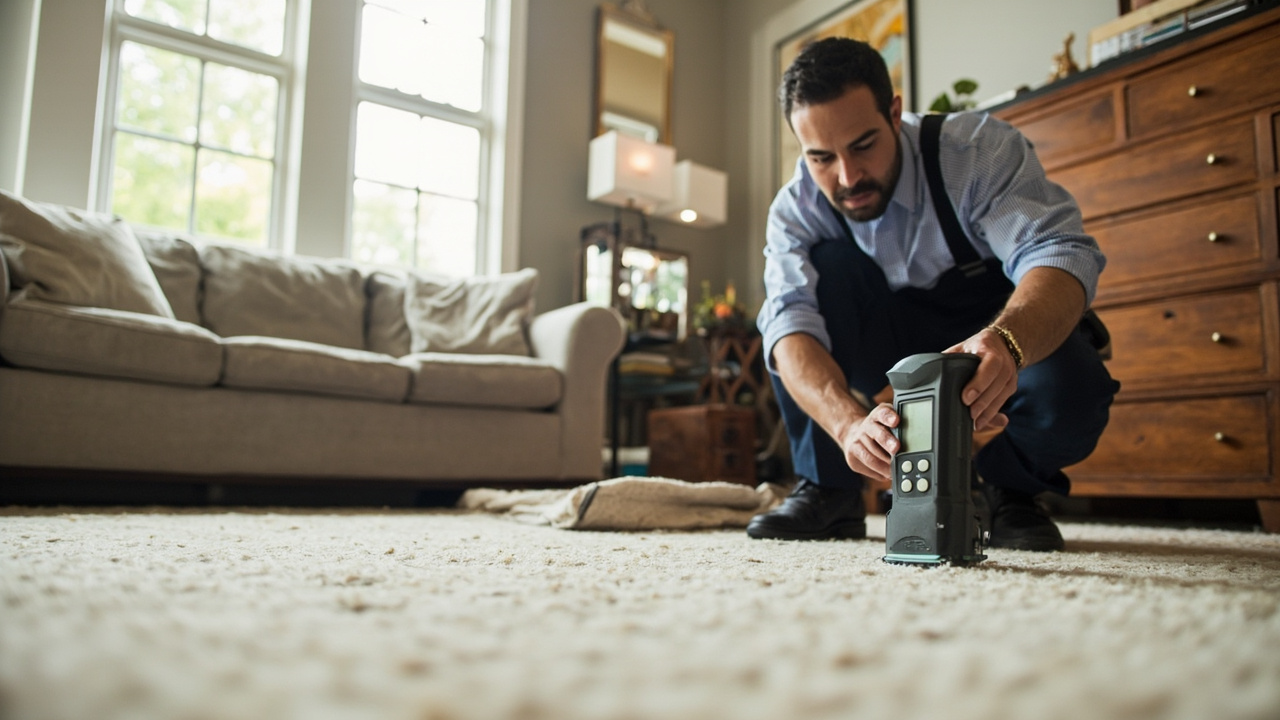
Most homeowners buy a dehumidifier and hope for the best. That approach masks the problem. We use calibrated hygrometers and thermal imaging cameras to measure moisture distribution across your home. We check crawlspaces, attics, wall cavities, and HVAC ductwork to map where humidity originates and where it accumulates.

Elevated home humidity often results from a combination of issues. A leaking condensate drain line in your air handler can dump gallons of water into the drip pan daily. A disconnected bathroom exhaust vent can pump humid air directly into your attic instead of outside. Poor grading around your foundation can direct rainwater toward your slab instead of away from it.

We test for capillary action in concrete slabs using moisture meters that measure vapor emission rates. If your slab is pulling groundwater up through microcracks, we identify it immediately. We inspect crawlspace encapsulation systems to verify vapor barriers are intact and properly sealed at seams and penetrations.

Once we understand the moisture pathways, we prioritize interventions based on severity. We repair plumbing leaks, reroute downspouts, install sump pumps in low-lying crawlspaces, and upgrade ventilation in bathrooms and kitchens. If your HVAC system is oversized for your square footage, it short-cycles and fails to dehumidify properly. We work with HVAC contractors to right-size equipment or add dedicated dehumidification systems.

Victory Water Damage Restoration Atlanta treats high indoor humidity levels as a systems problem. We address airflow, drainage, vapor barriers, and mechanical ventilation together to create a durable solution that lasts through Atlanta's sticky summers and damp winters.

What Happens When You Call Us About Indoor Humidity

High Indoor Humidity Levels in Atlanta – Expert Diagnosis and Permanent Solutions for Your Home
01

Comprehensive Moisture Assessment

We arrive with professional-grade moisture meters, thermal imaging cameras, and hygrometers to measure relative humidity in every zone of your home. We inspect crawlspaces, attics, and wall cavities to identify hidden moisture intrusion. You receive a detailed map showing where humidity exceeds safe thresholds and why. This diagnostic phase takes 60 to 90 minutes depending on home size and gives you a clear picture of what is driving your indoor moisture problems.
02

Targeted Remediation Plan

Based on our findings, we design a remediation plan that addresses root causes instead of symptoms. This might include crawlspace encapsulation, sump pump installation, vapor barrier upgrades, or improved ventilation in bathrooms and kitchens. We prioritize repairs by urgency and impact. You get a written scope of work with clear explanations for each intervention. We coordinate with your insurance company if water intrusion caused structural damage. Our goal is to eliminate excessive indoor moisture permanently, not temporarily.
03

Ongoing Monitoring and Verification

After remediation, we return to test humidity levels and verify that interventions are working as designed. We place data-logging hygrometers in problem areas to track trends over days or weeks. If humidity remains elevated, we adjust the plan. You receive a final report documenting pre-remediation and post-remediation moisture levels. This creates a baseline for future monitoring and proves to your insurance company that the problem is resolved. We also provide maintenance recommendations to keep indoor humidity stable year-round.

Why Atlanta Homeowners Trust Victory Water Damage Restoration

Victory Water Damage Restoration Atlanta has spent years diagnosing high indoor humidity levels in homes across Buckhead, Midtown, and East Atlanta. We understand how Atlanta's climate interacts with construction styles common to this region. Homes built before 1980 often lack proper crawlspace ventilation or vapor barriers. Homes built after 2000 in subdivisions like Brookhaven or Sandy Springs may have undersized HVAC systems that struggle to dehumidify open-concept floor plans.

We know that Atlanta's clay soil shifts with seasonal moisture cycles. This creates foundation movement that opens cracks in slabs and basement walls. We inspect for these pathways because ignoring them guarantees that humidity problems will return. We also understand local building codes and how they have evolved. Older homes were not built to the air-sealing standards we see today, which means they breathe differently and require different moisture management strategies.

Our technicians hold certifications from the Institute of Inspection, Cleaning and Restoration Certification. We use the same moisture mapping techniques that insurance adjusters rely on during claims inspections. When you hire us, you are not getting a handyman with a YouTube education. You are getting trained professionals who understand psychrometrics, vapor pressure differentials, and the material science of building envelopes.

We also respond quickly. High relative humidity indoors can accelerate mold growth within 48 hours if conditions are right. We prioritize diagnostic visits for homes showing visible mold, condensation, or musty odors. You do not wait a week for an appointment. You get answers and a plan within days.

Victory Water Damage Restoration Atlanta operates transparently. We explain what we find, why it matters, and what it takes to fix it. No upselling. No scare tactics. Just honest diagnostics and effective solutions for excess humidity in house environments.

What You Can Expect When We Address Your Humidity Problem

Rapid Response and Scheduling

We schedule diagnostic visits within 24 to 48 hours of your call. If you are dealing with visible mold or active water intrusion, we prioritize your appointment. Our technicians arrive on time with all necessary diagnostic equipment. The initial assessment takes 60 to 90 minutes depending on your home's size and layout. You receive a verbal summary of findings on-site and a written report within 24 hours. We understand that elevated home humidity can escalate quickly, so we move fast to prevent secondary damage like mold colonization or wood rot.

Thorough Diagnostic Evaluation

We measure indoor relative humidity in every room, plus crawlspaces, attics, and wall cavities. We use thermal imaging to detect temperature differentials that indicate air leaks or insulation failures. We inspect HVAC systems for condensate drain line blockages, duct leaks, and improper airflow. We check grading around your foundation and test for capillary action in concrete slabs. This comprehensive approach identifies all contributing factors instead of guessing at the cause. You get a clear explanation of what is driving your indoor moisture problems and why previous attempts to fix them may have failed.

Durable, Code-Compliant Solutions

Our remediation work meets or exceeds local building codes and industry standards. If we install vapor barriers, they are sealed at seams and penetrations according to IICRC S520 guidelines. If we encapsulate your crawlspace, we ensure proper ventilation or conditioning to prevent future moisture buildup. We use commercial-grade dehumidifiers rated for Atlanta's climate when mechanical dehumidification is required. All repairs are documented with photos and moisture readings so you have proof of work completed. The result is a home where indoor humidity stays between 30 and 50 percent year-round, which protects your health and your investment.

Follow-Up Testing and Documentation

After remediation, we return to verify that humidity levels have stabilized. We place data-logging hygrometers in previously problematic areas to track trends over days or weeks. If readings remain elevated, we adjust the plan at no additional diagnostic charge. You receive a final report with before-and-after moisture readings, photos of completed work, and maintenance recommendations. This documentation is critical if you are filing an insurance claim or selling your home. It proves that the problem was identified and resolved professionally. We also offer annual moisture inspections to catch new issues before they become expensive problems.

Frequently Asked Questions

You Have Questions,
We Have Answers

Is 70% humidity too high in a house? +

Yes, 70% indoor humidity is too high. You want to keep your home between 30-50% relative humidity year-round. In Atlanta's muggy summers, indoor levels above 60% promote mold growth, dust mites, and wood rot. Your HVAC system struggles to cool effectively when humidity climbs, and you'll feel sticky even when the thermostat reads 72°F. High humidity also damages hardwood floors, warps drywall, and creates that musty smell in basements. If your indoor humidity reads 70% or higher, you need a whole-home dehumidifier or professional moisture control to protect your home and health.

Can humidity cause nausea? +

Yes, high humidity can trigger nausea in some people. When moisture saturates the air, your body cannot cool itself through sweat evaporation. This heat stress disrupts your core temperature regulation and can cause dizziness, headaches, and nausea. Atlanta's summer humidity compounds the problem, especially indoors without proper ventilation. People with migraines, sinus issues, or heat sensitivity feel it worst. If you experience nausea alongside fatigue and clammy skin during humid days, you're likely overheating. Move to a cooler, drier space immediately. Chronic indoor humidity issues require professional assessment to prevent ongoing health symptoms.

What happens if indoor humidity is too high? +

High indoor humidity damages your home and health. Mold and mildew colonize damp surfaces within 24-48 hours, releasing spores that trigger allergies and asthma. Wood framing absorbs moisture and rots, compromising structural integrity. Drywall softens, paint peels, and insulation loses effectiveness. Dust mites thrive above 50% humidity, worsening respiratory issues. In Atlanta homes, high humidity often indicates poor ventilation, HVAC oversizing, or hidden water intrusion. You'll notice condensation on windows, musty odors, and warped flooring. Long-term exposure accelerates material degradation and creates expensive repair needs. Address the source immediately to avoid compounding damage.

What is the ideal humidity for a baby? +

The ideal humidity for a baby is 30-50%, same as adults. Newborns have sensitive respiratory systems, and Atlanta's humid climate makes control critical. Too much moisture promotes mold and allergens that trigger coughing and congestion. Too little dries out nasal passages and skin. Babies cannot regulate body temperature well, so humid air makes them overheat and sleep poorly. Use a hygrometer in the nursery to monitor levels. If you need a humidifier in winter, clean it daily to prevent bacterial growth. If summer humidity climbs above 60%, run a dehumidifier to protect your baby's breathing and comfort.

Will mold grow at 70 humidity? +

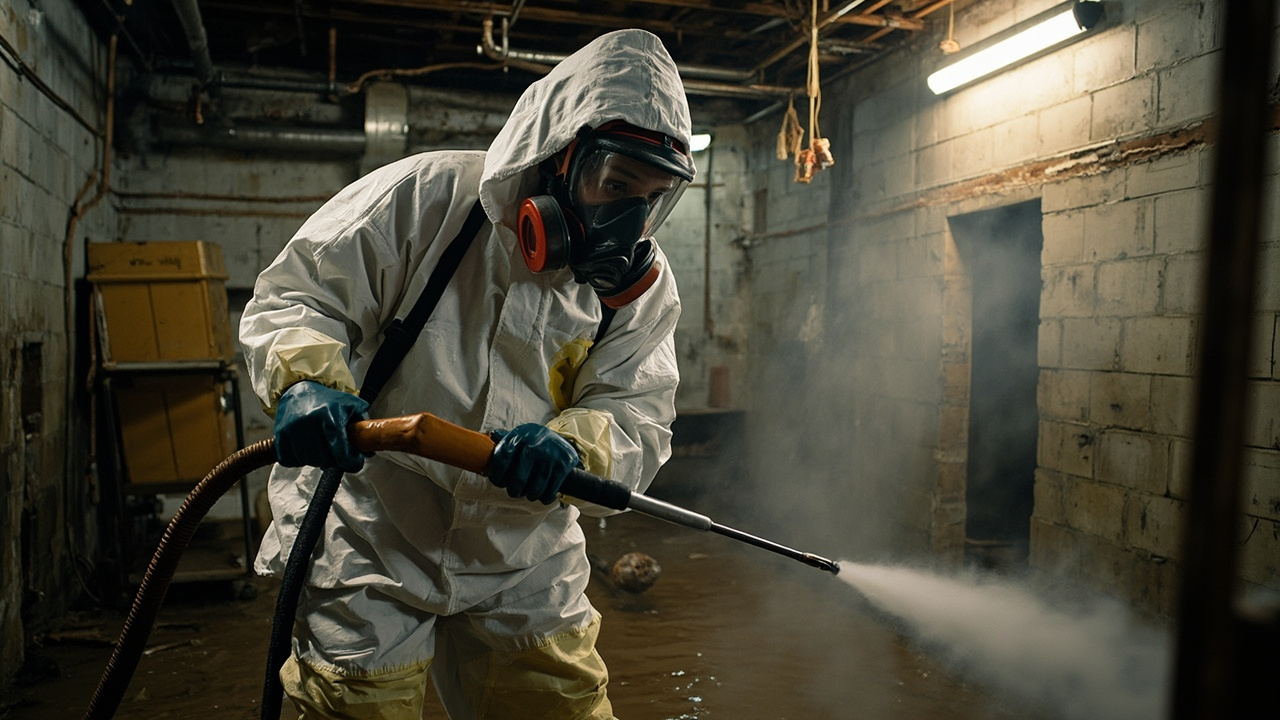
Yes, mold grows readily at 70% humidity. Most mold species need only 60% relative humidity and organic material to colonize. At 70%, spores germinate on wood, drywall, carpet, and even dust within 24-48 hours. Atlanta's warm temperatures accelerate growth, turning small spots into full infestations fast. You'll see visible mold on bathroom ceilings, basement walls, and window frames. Hidden mold thrives inside walls and crawl spaces where humidity concentrates. Reducing indoor humidity below 50% stops new growth and prevents spread. If you already see mold at 70% humidity, you need professional remediation and moisture control to eliminate the problem.

Does opening a window reduce humidity? +

Opening a window can reduce humidity, but only if outdoor air is drier than indoor air. In Atlanta, this rarely happens April through October when outside humidity exceeds 70%. Opening windows during humid months brings in more moisture, worsening the problem. Windows help in fall and winter when outdoor air is crisp and dry. Cross-ventilation pulls humid air out and replaces it with fresh, drier air. For year-round control, rely on your HVAC system, exhaust fans, and dehumidifiers. Check outdoor humidity levels before opening windows. If it feels muggy outside, keep them closed and run mechanical ventilation.

What are the symptoms of high humidity in a room? +

High humidity symptoms include condensation on windows, musty odors, clammy air, visible mold spots, and warped wood. You'll notice foggy glass during temperature drops, especially in Atlanta winters when indoor heat meets cold windows. Wallpaper peels, paint bubbles, and drywall feels soft to the touch. Allergies worsen with sneezing, itchy eyes, and congestion from mold spores and dust mites. Clothes in closets smell damp, and metal fixtures show rust. Your home feels stuffy even with AC running. These signs indicate humidity above 60%, requiring immediate action to prevent structural damage and health issues.

What are 5 signs of heat-related illness? +

Five signs of heat-related illness are heavy sweating, weakness, cold and clammy skin, fast pulse, and nausea or vomiting. Heat exhaustion progresses to heat stroke if untreated, adding confusion, red hot skin, and loss of consciousness. Atlanta's high humidity prevents sweat evaporation, trapping body heat and accelerating symptoms. Indoor humidity above 60% worsens the risk, especially for elderly residents and children. If you experience these symptoms, move to a cool space immediately, drink water, and apply cool cloths. Severe cases require emergency medical attention. Control indoor humidity to reduce heat stress during summer months.

Why do I feel awful in humidity? +

You feel awful in humidity because your body cannot cool itself. Sweat evaporation is your primary cooling mechanism, and humid air blocks evaporation. Your core temperature rises, triggering fatigue, headaches, irritability, and brain fog. Atlanta's persistent summer humidity compounds the effect indoors when HVAC systems cannot keep up. High moisture also increases airborne allergens and mold spores, worsening sinus pressure and respiratory discomfort. Some people experience joint pain and stiffness in humid conditions. If indoor humidity stays above 60%, you'll feel consistently drained. Professional moisture control restores comfort and energy levels year-round.

Do dehumidifiers really work for humidity? +

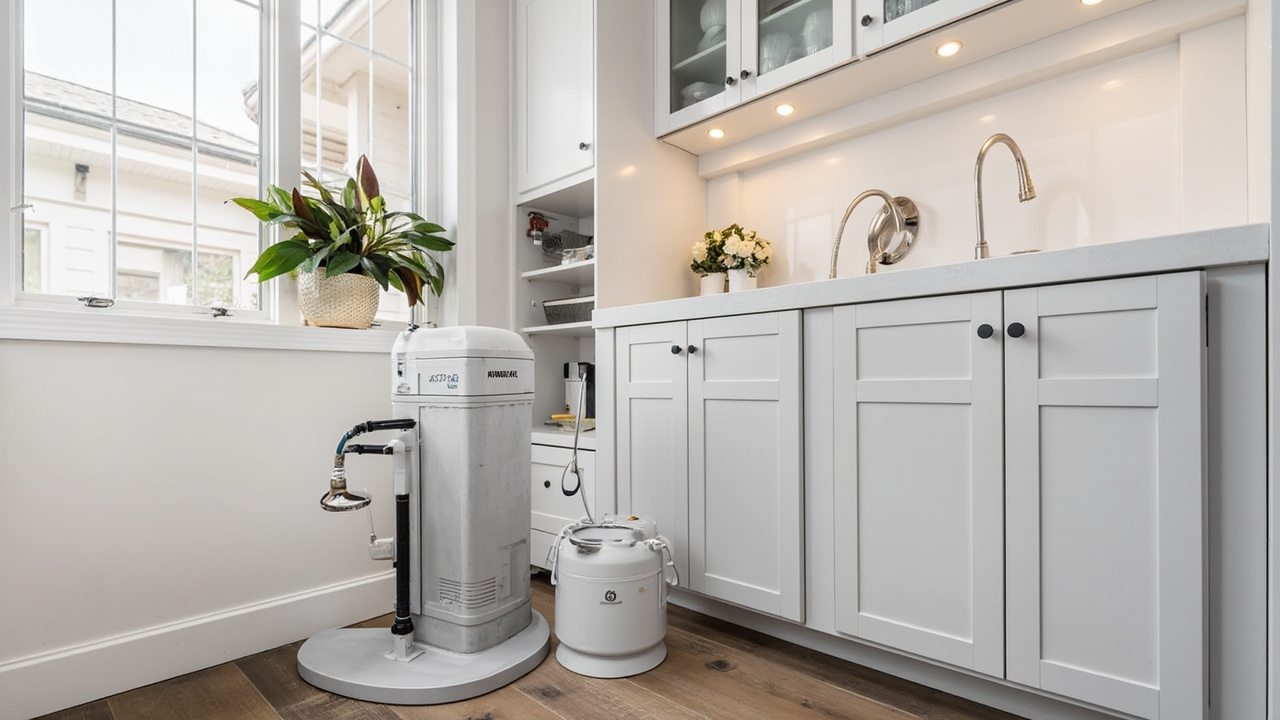
Yes, dehumidifiers work when sized and placed correctly. Portable units handle single rooms up to 1,500 square feet, pulling 30-70 pints daily depending on capacity. Whole-home dehumidifiers integrate with your HVAC system and control humidity throughout your entire house, which is ideal for Atlanta's climate. Units remove moisture through refrigeration or desiccant technology, draining into a bucket or plumbing line. You'll see measurable drops in humidity within hours. Choose capacity based on square footage and moisture load. Empty portable units daily or connect to continuous drainage. Professional installation ensures proper sizing and placement for maximum effectiveness and energy efficiency.

How Atlanta's Humidity and Clay Soil Create the Perfect Storm for Indoor Moisture

Atlanta averages 51 inches of rainfall annually, concentrated in summer thunderstorms that saturate the ground and spike outdoor humidity to 80 or 90 percent. When your home cannot expel this moisture fast enough, it condenses on cold surfaces like windows, ductwork, and uninsulated pipes. The red clay soil under your foundation absorbs this water and expands, which shifts your slab and opens cracks. Those cracks allow soil moisture to wick directly into your living space through capillary action. Homes in flood-prone areas like Peachtree Creek or the Chattahoochee River corridor face even higher risk because groundwater tables rise during heavy rain and push moisture into basements and crawlspaces.

Victory Water Damage Restoration Atlanta works exclusively in the metro area, so we understand how local construction methods contribute to elevated home humidity. Many homes in Inman Park and Candler Park were built before vapor barriers became standard practice. We have diagnosed hundreds of cases where excessive indoor moisture traced back to unencapsulated crawlspaces or improperly vented attics. Our technicians are trained in Georgia building codes and know how to retrofit older homes with modern moisture control systems without violating historic preservation guidelines. When you hire a local team, you get expertise that out-of-town contractors cannot replicate.
Water Damage Restoration Services in The Atlanta Area

While we provide rapid mobile water damage restoration services directly to your doorstep throughout the Atlanta metropolitan area, you can also view our primary service location on the map below. This helps visualize our operational reach and assures you that expert assistance is always within your vicinity. We are always ready to deploy our dedicated teams to your precise location, ensuring swift and effective service whenever you need us, guaranteeing peace of mind.

Address:
Victory Water Damage Restoration Atlanta, 1055 Howell Ml Rd, Atlanta, GA, 30318

Additional Services We Offer

Our news updates

Latest Articles & News from The Blogs

Risks of Buying a House with Water Damage in Mableton and How to Protect Your Investment Buying a house represents…

Risks of Buying a House with Water Damage in Mableton and How to Protect Your Investment

Risks of Buying a House with Water Damage in Mableton and How to Protect Your Investment Buying a house represents…

Getting the right City of Atlanta building permits for major water damage repairs

Getting the right City of Atlanta building permits for major water damage repairsMajor water damage in your Atlanta home often…

Identifying chimney water leaks in Candler Park homes before they ruin your walls

Living in the historic Candler Park neighborhood offers unique architectural charm but the older masonry systems require constant attention. In…

Contact Us

High indoor humidity levels destroy homes from the inside out. Call Victory Water Damage Restoration Atlanta today at (678) 397-3666 to schedule a diagnostic visit. We identify the source, fix it right, and document the results.