menu

Attic Water Damage Cleanup in Atlanta | Fast Response to Stop Structural Decay and Mold Growth

Elite Plumbing Atlanta specializes in attic water damage cleanup, addressing roof leaks, burst pipes, and HVAC condensation before hidden moisture compromises your insulation, framing, and indoor air quality throughout the greater Atlanta metro.

Slider Image 1
Slider Image 2
Slider Image 3
Slider Image 4
Slider Image 5
Slider Image 7
Slider Image 8
Slider Image 9
Slider Image 10
Slider Image 11

Why Atlanta Attics Are Vulnerable to Water Damage

Atlanta's humid subtropical climate creates the perfect storm for attic water damage. When summer humidity peaks above 70 percent and temperatures soar into the 90s, condensation forms on poorly insulated HVAC ducts running through your attic. Add in afternoon thunderstorms that dump several inches of rain in minutes, and you have water pooling around roof penetrations, chimneys, and aging flashing.

The clay soil common throughout Fulton and DeKalb Counties expands and contracts with moisture changes. This movement shifts your home's foundation, creating stress cracks in walls that allow water to migrate upward into attic spaces. Older homes in Virginia-Highland and Inman Park often have original roofing systems that were not designed for the intense UV exposure and thermal cycling Atlanta experiences.

When water enters your attic, it saturates blown-in cellulose or fiberglass insulation. Wet insulation loses R-value immediately, driving up cooling costs. Moisture then seeps into plywood sheathing and ceiling joists, creating conditions for mold colonization within 24 to 48 hours. You might notice ceiling stains in upstairs bedrooms or a musty odor near air vents before you realize attic water damage restoration is urgent.

Attic leak cleanup differs from basement flooding because the water often goes undetected longer. Homeowners rarely inspect their attics until damage becomes visible on ceilings below. By then, attic flood restoration involves not just water removal services but also structural drying, contamination control, and insulation replacement to prevent long-term health risks and property devaluation.

Why Atlanta Attics Are Vulnerable to Water Damage
Our Attic Water Damage Restoration Process

Our Attic Water Damage Restoration Process

Elite Plumbing Atlanta approaches attic water damage repair with a focus on source elimination and comprehensive drying. We begin with thermal imaging cameras to identify moisture migration patterns in ceiling joists, rafters, and sheathing that are invisible to the naked eye. Infrared technology reveals wet insulation pockets and structural saturation that would otherwise be missed during a visual inspection.

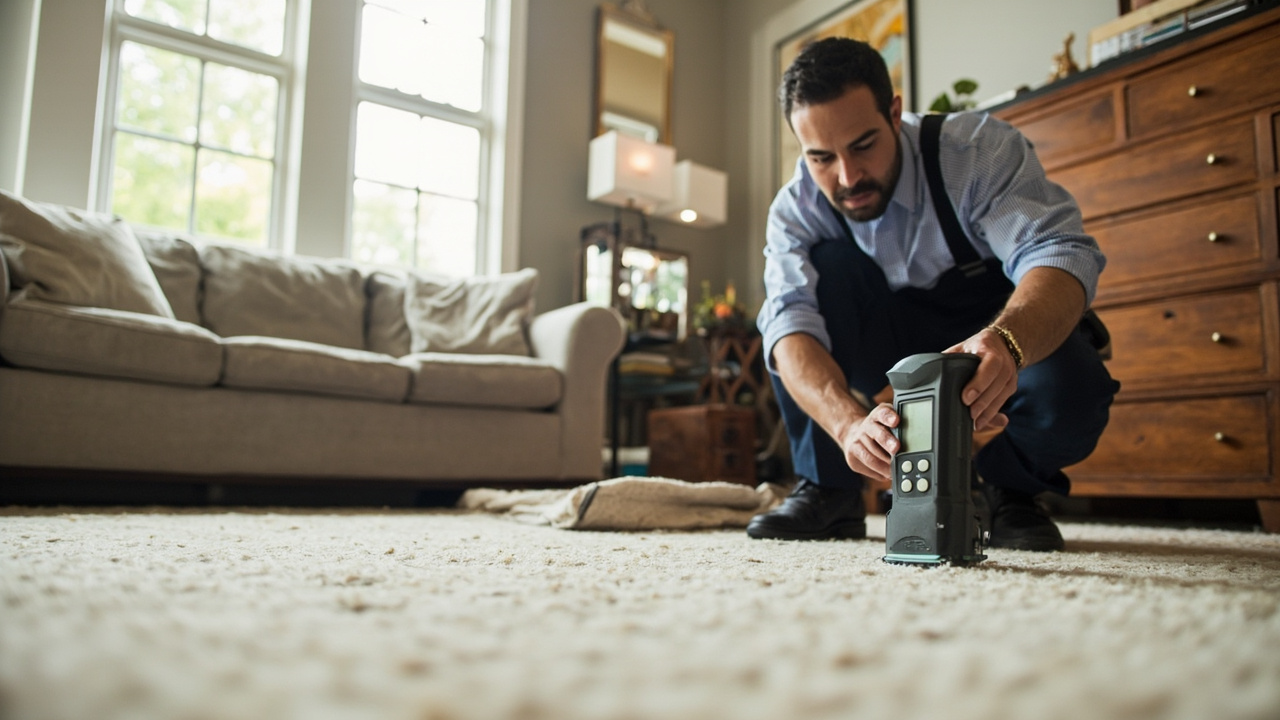
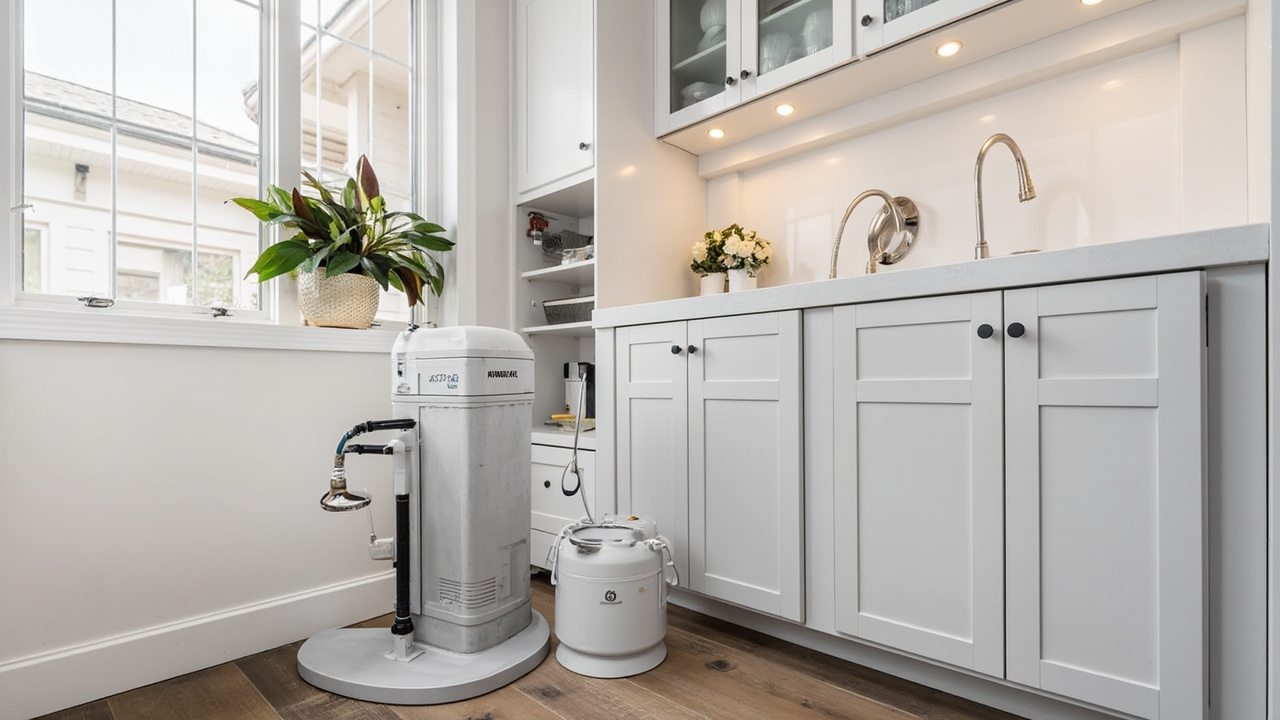
We deploy commercial-grade extractors to remove standing water, then position low-grain refrigerant dehumidifiers to pull moisture from building materials. Atlanta's high ambient humidity makes air movement critical, so we use axial fans to create directional airflow across wet surfaces. We measure moisture content in framing lumber using pin-type and non-invasive meters, targeting readings below 15 percent before closing up any space.

Contamination assessment determines whether water originated from a clean source like a roof leak or a Category 2 source like HVAC condensate drain pans. If insulation is wet, we remove and dispose of it rather than attempting to dry it in place. Wet insulation compresses, loses thermal performance permanently, and serves as a microbial reservoir even after drying.

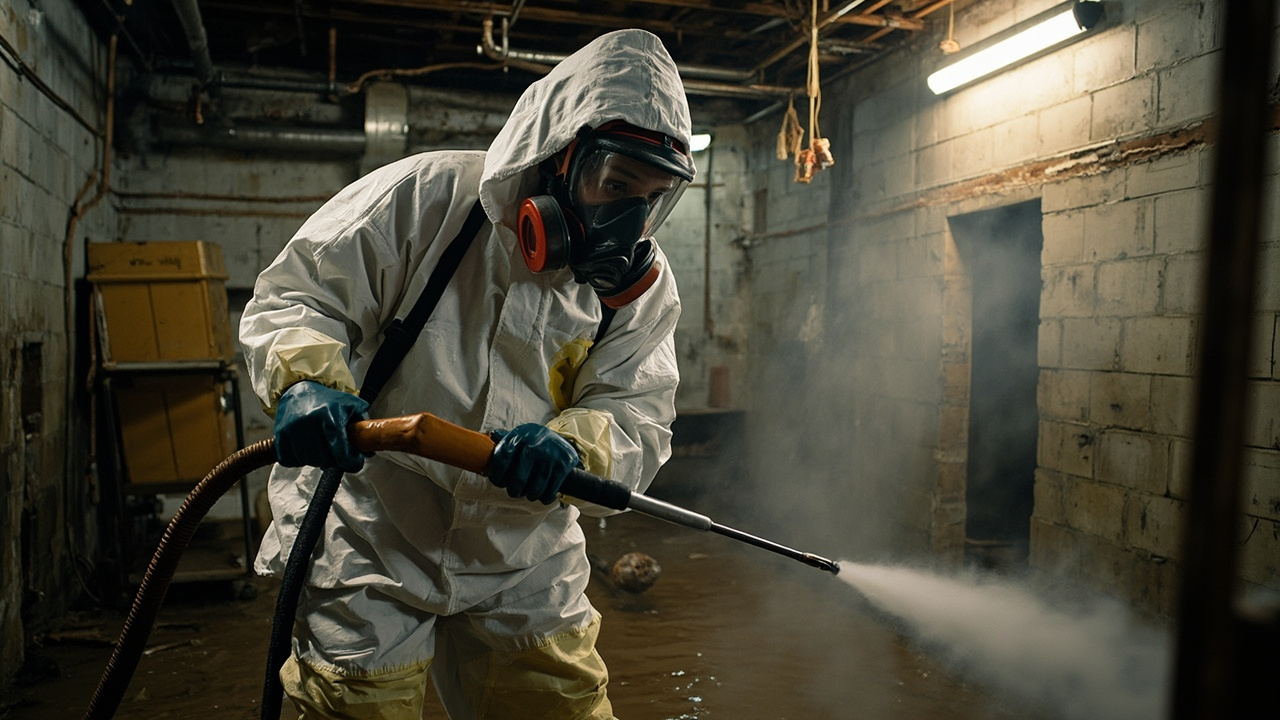
We treat affected wood framing with EPA-registered antimicrobial solutions to inhibit mold growth during the drying phase. Air scrubbers with HEPA filtration capture airborne mold spores released during demolition and material handling. Once moisture levels stabilize, we seal any roof penetrations or plumbing leaks that caused the original intrusion.

Our attic water removal services include documentation at every phase. We photograph damage, log moisture readings daily, and provide detailed estimates for reconstruction. This record proves essential when filing insurance claims for attic water damage cleanup.

What Happens During Your Attic Water Damage Cleanup

Attic Water Damage Cleanup in Atlanta | Fast Response to Stop Structural Decay and Mold Growth
01

Emergency Water Extraction

We arrive within hours of your call to assess the water source and begin extraction. Our technicians locate the entry point, whether a compromised roof valley or a ruptured supply line, and stop active water flow. We remove standing water using truck-mounted extractors, then document the affected area with moisture mapping to establish a drying baseline for your insurance adjuster.
02

Structural Drying and Monitoring

We position industrial dehumidifiers and air movers to create optimal drying conditions in your attic. Our technicians return daily to measure moisture content in framing, sheathing, and insulation using calibrated meters. This monitoring continues until all materials reach dry standards, typically three to five days depending on saturation levels. We adjust equipment placement based on readings to ensure uniform drying across the entire affected zone.
03

Restoration and Prevention

Once drying is complete, we remove compromised insulation and treat wood framing with antimicrobial coatings. We install new insulation that meets current energy code requirements and seal the roof penetration or repair the plumbing failure that caused the damage. You receive a moisture report showing pre-drying and post-drying readings, proving your attic is restored to safe, dry conditions before we close the project.

Why Atlanta Homeowners Choose Elite Plumbing Atlanta for Attic Water Damage Cleanup

Elite Plumbing Atlanta knows how water behaves in Atlanta's unique housing stock. Homes built in the 1920s through 1940s in neighborhoods like Candler Park and Grant Park often have uninsulated attics with original plumbing vent stacks that develop leaks at roof penetrations. Ranch homes from the 1960s in North Druid Hills frequently have undersized HVAC systems running through attics, creating condensation issues when humidity spikes.

We understand local building codes enforced by the City of Atlanta and surrounding municipalities. When attic water damage requires structural repairs, we pull the necessary permits and coordinate inspections. We work directly with your insurance carrier, providing detailed scope sheets and moisture logs that satisfy adjuster requirements for covered loss documentation.

Our technicians hold IICRC certifications in water damage restoration and applied structural drying. This training teaches the science of psychrometrics, the study of air and moisture interaction, which is critical when drying enclosed attic spaces in humid climates. We calculate grain depression and vapor pressure differentials to optimize drying times, reducing your out-of-pocket costs and business interruption.

We respond to calls throughout Buckhead, Midtown, East Atlanta, and Decatur. Our service vehicles carry moisture meters, thermal cameras, and drying equipment so we can start mitigation immediately upon arrival. When a thunderstorm causes multiple service calls, we prioritize based on severity and deploy additional crews to ensure no one waits days for attic water removal services.

You receive transparent communication throughout the restoration process. We explain what we find, what it means for your home, and what options you have for repair. We never upsell services you do not need, and we provide written estimates before starting any billable work beyond emergency water extraction.

What to Expect When You Call Elite Plumbing Atlanta for Attic Water Damage Cleanup

Rapid Response and Availability

We answer emergency calls 24 hours a day, seven days a week, because attic water damage does not wait for business hours. When you call (678) 397-3666, you speak with a dispatcher who logs your location and damage details, then assigns a crew based on proximity and specialization. Our average response time for emergency attic water damage cleanup in Atlanta is under two hours. We arrive with extraction equipment, moisture meters, and containment supplies to begin mitigation immediately. Fast response limits secondary damage like ceiling collapse and mold amplification, reducing your total restoration cost.

Thorough Damage Assessment

Our initial assessment includes a full attic inspection using thermal imaging to detect hidden moisture in insulation, framing, and sheathing. We test moisture content at multiple locations to map the extent of water migration. We photograph all damage and document pre-existing conditions to establish a clear scope of loss. You receive a written assessment within 24 hours that outlines affected materials, recommended repairs, and estimated timelines. This report serves as the foundation for your insurance claim and gives you a clear understanding of what attic water damage restoration entails for your specific situation.

Complete Drying and Restoration

We do not consider a job complete until moisture readings confirm your attic framing and sheathing meet industry dry standards. You receive daily updates on drying progress with documented moisture measurements. Once drying is verified, we remove damaged insulation, treat wood surfaces with antimicrobial coatings, and install new insulation that meets or exceeds current energy code. We repair or replace any compromised roof components or plumbing fixtures that caused the leak. The result is an attic that is dry, clean, and protected against future water intrusion and mold growth.

Insurance Coordination and Documentation

We work directly with your insurance carrier to streamline the claims process. Our detailed documentation includes moisture logs, equipment placement records, and photo evidence of damage progression and restoration. We provide itemized estimates using Xactimate software, the industry-standard platform insurers use for claims pricing. We can bill your insurance company directly after you pay your deductible, reducing your upfront financial burden. If your claim is disputed, we provide technical support and expert testimony based on our moisture data and IICRC protocols to help you receive fair coverage for necessary attic water damage repair.

Frequently Asked Questions

You Have Questions,
We Have Answers

How to fix water damage in an attic? +

First, stop the water source. If it's a roof leak, tarp the exterior if safe. Remove all wet insulation immediately, as it holds moisture and breeds mold in Atlanta's humid climate. Extract standing water with a wet vac or pump. Set up industrial dehumidifiers and air movers to dry the structure within 48 hours. Inspect all wood framing for rot or warping. Treat any mold growth with antimicrobial solutions. Replace damaged sheathing or rafters as needed. Install new insulation only after moisture readings confirm the attic is fully dry. Document everything for your insurance claim.

Does homeowners insurance cover attic remediation? +

Coverage depends on the cause. Most Atlanta homeowners policies cover sudden and accidental water damage, like burst pipes or storm damage. They typically exclude gradual leaks from poor maintenance or neglect. If your roof leak started from a recent storm, you're likely covered. If it's from years of missing shingles you ignored, expect denial. Mold remediation may have sub-limits or require a separate endorsement. Review your policy's water damage exclusions carefully. Document the timeline and damage source immediately. Contact your adjuster before starting work to avoid claim disputes.

Will water in the attic dry out? +

Rarely. Atlanta's humidity keeps attics damp for weeks or months without proper intervention. Wet insulation acts like a sponge, holding moisture against wood framing. This creates ideal conditions for mold growth within 24 to 48 hours. Passive ventilation alone cannot dry significant water intrusion. You need active drying equipment: dehumidifiers, air movers, and moisture monitoring. Waiting for natural evaporation allows structural rot, mold colonies, and insulation compression. The longer water sits, the more expensive the damage becomes. Professional extraction and drying prevent secondary damage and health risks.

How much does it cost to repair water damage in the attic? +

Costs vary widely based on damage extent. Minor leaks affecting small areas may run a few hundred dollars for drying and spot insulation replacement. Severe flooding requiring full insulation removal, structural repairs, and mold remediation can reach several thousand dollars. Atlanta's humidity often increases mold risk, adding remediation costs. Factors include attic size, insulation type, wood damage extent, and mold presence. Most professionals charge for water extraction, drying equipment rental, labor, disposal, and materials separately. Get a detailed written estimate. Insurance may cover most costs if the damage qualifies under your policy terms.

What is the 7 and 7 rule for attics? +

This ventilation rule says attics need one square foot of ventilation for every 150 square feet of attic space, split evenly between intake (soffit vents) and exhaust (ridge or gable vents). The seven inches refers to maintaining at least seven inches of clearance between insulation and roof sheathing to allow airflow. Proper ventilation prevents moisture buildup in Atlanta's humid climate. After water damage, verify your attic meets this standard. Poor ventilation traps moisture, accelerates mold growth, and shortens roof lifespan. Upgrading ventilation during repairs prevents future water damage issues.

Will homeowners insurance cover water damage from a roof leak? +

Usually, yes, if the leak results from covered perils like wind-driven rain, hail damage, or falling trees. Atlanta storm damage typically qualifies. However, policies exclude leaks from poor maintenance, like worn shingles you neglected to replace. The key question: was the leak sudden or gradual? Document storm dates and damage immediately. Take photos of the roof and interior damage. Insurance covers resulting water damage to ceilings, walls, and belongings, but may not cover the roof repair itself if it's wear-and-tear. Review your policy's roof coverage, as some depreciate older roofs.

How much does it cost to remediate an attic? +

Attic remediation costs depend on contamination type and scope. Mold remediation averages more for extensive growth requiring containment, air scrubbing, and disposal. Basic water damage cleanup with drying and insulation replacement costs less. Structural repairs add significantly if rafters or sheathing need replacement. Atlanta's climate often accelerates mold growth, increasing remediation complexity. Asbestos or rodent contamination raises costs further due to special handling requirements. Most companies charge per square foot plus equipment and disposal fees. Expect detailed estimates covering containment, removal, treatment, disposal, and restoration. Insurance may cover remediation if tied to a covered water damage event.

What not to say during a home insurance claim? +

Never speculate about damage timelines or causes. Avoid saying the leak has been ongoing, you ignored it, or you're unsure when it started. Do not exaggerate damage or mention pre-existing issues. Never admit you skipped roof maintenance or delayed repairs. Avoid phrases like "I think" or "maybe." Stick to facts: when you discovered the damage, what you observed, and immediate actions taken. Do not sign anything without reading carefully. Never let adjusters pressure you into quick settlements before full damage assessment. Document everything in writing. Answer questions directly, but do not volunteer information that could trigger coverage exclusions.

Does insurance cover black mold in the attic? +

Sometimes. If mold results from a covered peril like a sudden roof leak or pipe burst, most Atlanta policies cover remediation up to policy limits. However, mold from long-term neglect, humidity, or maintenance failures is typically excluded. Many policies cap mold coverage at a few thousand dollars unless you purchased additional mold endorsements. Black mold is not legally different from other mold types, despite common fears. The key is proving the mold resulted from a recent, covered water event. Document the water source and timeline immediately. Delayed reporting or obvious neglect can void coverage entirely.

Is insulation ruined if it gets wet? +

Yes, most insulation types lose effectiveness when wet. Fiberglass and cellulose compress, losing their air-trapping ability that provides R-value. They also hold moisture against wood framing, promoting rot and mold. Spray foam resists water better but can trap moisture behind it if the source is not fixed. In Atlanta's humidity, wet insulation rarely dries properly without removal. Trying to dry it in place risks mold growth within the material. Remove and replace all wet insulation during water damage cleanup. Leaving compromised insulation wastes energy, creates health risks, and allows hidden structural damage to worsen.

How Atlanta's Afternoon Thunderstorms Create Hidden Attic Water Damage

Atlanta receives an average of 50 inches of rain annually, much of it concentrated in intense afternoon thunderstorms from May through September. These storms produce wind-driven rain that penetrates roof systems at vulnerable points like ridge vents, soffit intersections, and chimney flashing. Homes in tree-dense neighborhoods like Druid Hills and Morningside face additional risk from falling branches that crack roof shingles during severe weather. Once water enters the attic, Atlanta's high humidity slows evaporation, allowing moisture to saturate insulation and framing for weeks before homeowners notice ceiling stains or odors. This extended exposure period makes professional attic water damage cleanup essential to prevent structural rot and mold colonization in the building envelope.

Elite Plumbing Atlanta has served the Atlanta metro for years, building relationships with insurance adjusters, building inspectors, and roofing contractors who refer clients needing specialized attic water damage restoration. We understand how local codes dictate insulation R-values, ventilation requirements, and moisture barrier specifications for attic reconstruction. Our familiarity with Atlanta's housing stock, from Craftsman bungalows in West End to modern construction in Brookhaven, allows us to anticipate common failure points and provide accurate restoration timelines. When you choose a local provider for attic flood restoration, you benefit from crews who know Atlanta's weather patterns, building practices, and permitting processes, ensuring your project moves forward efficiently without costly delays or code violations.
Water Damage Restoration Services in The Atlanta Area

While we provide rapid mobile water damage restoration services directly to your doorstep throughout the Atlanta metropolitan area, you can also view our primary service location on the map below. This helps visualize our operational reach and assures you that expert assistance is always within your vicinity. We are always ready to deploy our dedicated teams to your precise location, ensuring swift and effective service whenever you need us, guaranteeing peace of mind.

Address:
Victory Water Damage Restoration Atlanta, 1055 Howell Ml Rd, Atlanta, GA, 30318

Additional Services We Offer

Our news updates

Latest Articles & News from The Blogs

Alpharetta Water Damage Specialists for Fast Mold Prevention and Drying in North FultonWater emergencies in Alpharetta require immediate professional intervention…

Alpharetta Water Damage Specialists for Fast Mold Prevention and Drying in North Fulton

Alpharetta Water Damage Specialists for Fast Mold Prevention and Drying in North FultonWater emergencies in Alpharetta require immediate professional intervention…

Safe and Professional Sewage Backup Cleanup in Atlanta (Don't Handle This Alone)

Professional Sewage Backup Cleanup and Restoration in Atlanta GeorgiaA sewage backup in your Atlanta home or business is a serious…

Deciding to Clean or Replace Water Damaged Carpet in Your Edgewood Home

Water damage in an Edgewood home creates an immediate crisis that requires fast decision making. If you walk into your…

Contact Us

Water in your attic spreads quickly and causes expensive structural damage if left untreated. Call Elite Plumbing Atlanta at (678) 397-3666 right now for emergency attic water damage cleanup. Our crews are standing by 24/7 to protect your home and restore your peace of mind.