


Smyrna sits in the heart of Cobb County where red Georgia clay meets humid subtropical weather. This combination creates serious water problems for homeowners and businesses. The dense clay soil does not absorb water well. When heavy rains hit, water pools around foundations instead of draining away. This drives water into crawl spaces, basements, and through foundation cracks.
The Chattahoochee River runs just west of Smyrna, and Nickajack Creek cuts through the eastern side. Properties near these waterways face flood risk during spring storms and summer downpours. The area receives over 50 inches of rain annually, well above the national average.
Older homes in neighborhoods like Belmont Hills and Smyrna Village were built before modern waterproofing standards. Many have outdated plumbing systems that fail without warning. Commercial properties along South Cobb Drive and Atlanta Road deal with aging infrastructure that cannot handle today's water pressure demands.
Summer humidity in Smyrna regularly tops 70 percent. When water enters a structure, it does not dry on its own. Without proper extraction and dehumidification, moisture spreads through drywall, insulation, and wood framing. Mold colonies establish in 24 to 48 hours. What starts as a small leak becomes a health hazard and structural problem fast.
We built our reputation in Smyrna by showing up when others could not and finishing jobs correctly the first time. Water damage does not follow business hours. Our crews operate 24 hours a day because your emergency does not wait for morning. When you call at 2 AM with water pouring through your ceiling, we answer the phone and dispatch immediately.
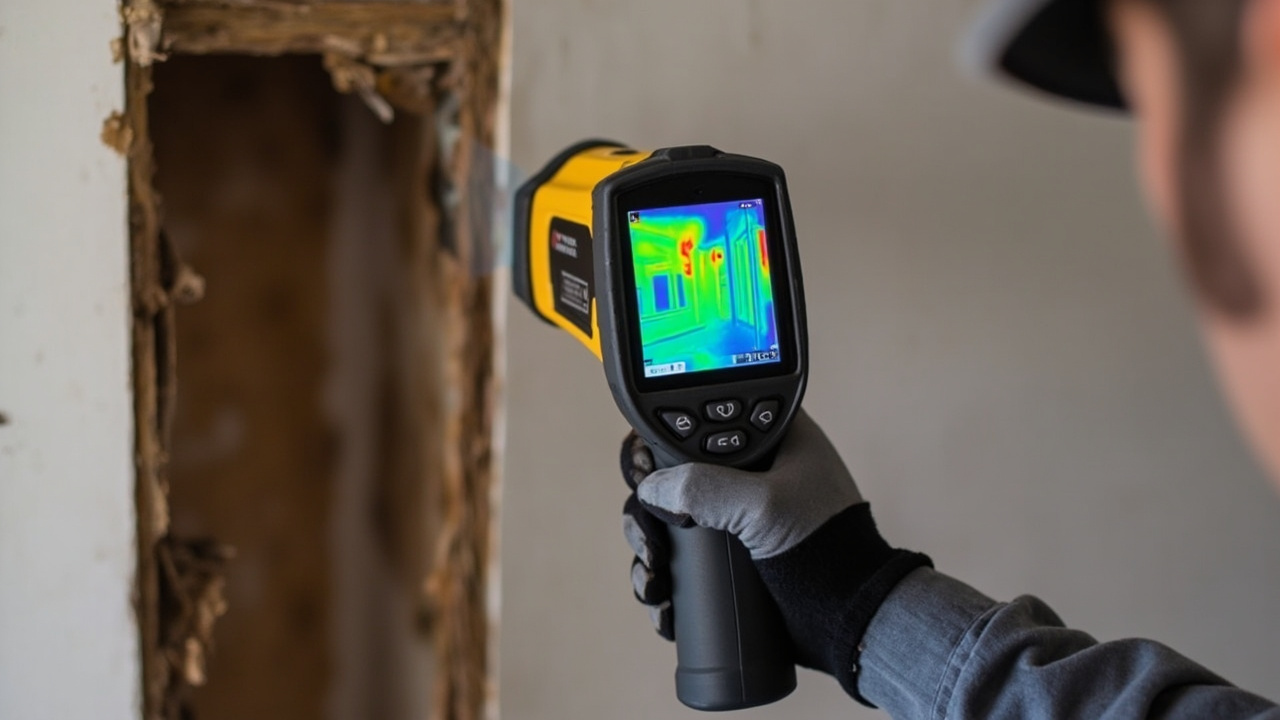
Our technicians carry IICRC certification in water damage restoration and applied structural drying. This is not optional training. It means our team understands moisture science, proper drying protocols, and how to prevent secondary damage. We use thermal imaging cameras to find hidden water behind walls and in ceilings. We document moisture levels at every stage so you have proof for insurance claims.
We own our extraction equipment, air movers, and commercial dehumidifiers. We do not rent equipment or wait for it to arrive. Our trucks carry everything needed to start emergency mitigation within minutes of arrival. This speed matters. The faster we extract standing water and begin drying, the less damage your property suffers.
Insurance paperwork confuses most people. We handle claims daily. Our team photographs damage, documents findings, and communicates directly with adjusters. We know what insurance companies require for approval. We submit detailed estimates and moisture reports so your claim moves forward without delays. You should not have to fight your insurance company while your property sits wet.
We serve Smyrna because we live here. Our technicians know the difference between homes in Benson Pointe and buildings along Windy Hill Road. We understand which properties have crawl spaces prone to flooding and which commercial structures have flat roofs that leak. This local knowledge helps us respond faster and work more efficiently than companies driving in from outside Cobb County.

When water floods your property, the clock starts immediately. We guarantee response within 60 minutes for emergency calls in Smyrna. Our crews stay ready around the clock with fully equipped trucks positioned throughout Cobb County. Fast response means less water damage, lower restoration costs, and better outcomes for your property.

We handle insurance claims every day. Our team documents damage with photos, thermal imaging, and moisture readings that adjusters need for approval. We submit detailed estimates, communicate directly with your insurance company, and fight for fair coverage. You focus on your family or business while we handle the paperwork and negotiations.
Our water damage technicians carry certification from the Institute of Inspection, Cleaning and Restoration Certification. This training covers moisture science, structural drying, and contamination protocols. Certified technicians know how to find hidden water, calculate proper drying time, and prevent mold growth. Experience matters when your property is at risk.
We work in Smyrna every week. Our crews know the older homes in Belmont Hills, the commercial buildings on Atlanta Road, and the apartments near SunTrust Park. We understand local construction styles, common plumbing problems, and which properties face flood risk. This knowledge helps us respond faster and work more efficiently than outside companies.
Water damage takes many forms. A burst pipe creates different problems than a flooded basement or roof leak. Victory Water Damage Restoration Atlanta handles every type of water emergency with specialized equipment and trained crews. We provide emergency water removal, structural drying, contamination cleanup, and complete restoration services.
Our approach starts with assessment. We locate all water sources, measure moisture levels throughout the structure, and classify the contamination level. Clean water from a supply line requires different handling than sewage backup or flood water. We follow IICRC S500 standards for water damage restoration, which means we use proven protocols for extraction, drying, and decontamination.
We break our services into three main categories based on what Smyrna property owners need most. Emergency mitigation stops damage immediately. Water removal and structural drying address the moisture itself. Restoration and reconstruction rebuild what water destroyed. Most projects require all three phases, moving from crisis response to full recovery. We handle the complete process so you work with one company from emergency call to final walkthrough.
Emergency mitigation begins the moment we arrive. Our crews shut off water sources, extract standing water, and remove saturated materials that cannot be saved. We pull wet carpets, cut out soaked drywall, and remove damaged insulation before moisture spreads to unaffected areas. Industrial air movers and dehumidifiers start drying immediately. This aggressive response prevents secondary damage and mold growth. We board up openings, tarp damaged roofs, and secure your property. Speed matters in mitigation. Every hour water sits increases repair costs and health risks.
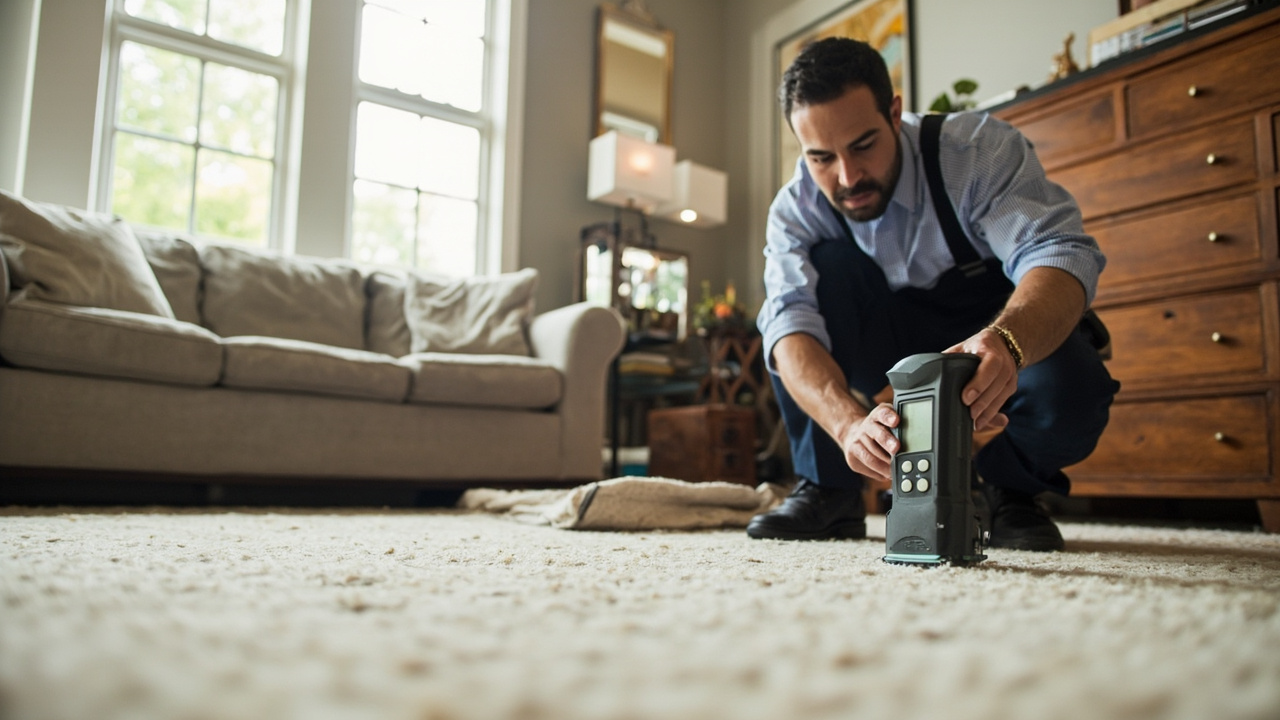
Removing visible water is not enough. Moisture hides in wall cavities, under flooring, and within building materials. Our structural drying process uses moisture meters and thermal imaging to track water you cannot see. We calculate exact drying times based on material types, humidity levels, and air temperature. Commercial dehumidifiers pull moisture from the air while air movers create circulation that speeds evaporation. We monitor progress daily, adjusting equipment placement until moisture readings return to normal. This prevents mold growth and structural rot that appear weeks after water events.
After drying completes, restoration begins. Our reconstruction crews replace drywall, install new flooring, and repaint damaged areas. We match existing finishes so repairs blend seamlessly. For larger projects, we handle full kitchen and bathroom rebuilds, structural repairs, and exterior work. We coordinate all trades including plumbers, electricians, and HVAC contractors. You receive one estimate, one timeline, and one point of contact throughout reconstruction. We stay on site until your property looks like water never touched it.
Smyrna properties face water threats from multiple sources. The combination of heavy rainfall, aging infrastructure, and humid climate creates perfect conditions for water damage. Most property owners do not realize they have a problem until water appears on floors or ceilings. By then, damage has already spread through hidden spaces.
Clay soil prevents proper drainage around foundations. When rain falls, water pools against basement walls and crawl space vents. Hydrostatic pressure forces water through foundation cracks and porous concrete. Older neighborhoods built before modern building codes face the worst problems. Many homes lack proper grading, functioning gutters, or exterior waterproofing.
Plumbing failures happen without warning. Supply line connections corrode. Water heater tanks rust through. Washing machine hoses burst under constant pressure. These failures dump hundreds of gallons per hour into living spaces. Most homeowners leave for work unaware that water is flooding their property. Commercial buildings face additional risks from rooftop HVAC condensate lines, sprinkler systems, and large-diameter supply pipes.
Heavy rain overwhelms exterior drainage in Smyrna. Water collects around foundations and seeps through cracks or porous block walls. Crawl spaces flood when ground saturation rises above floor joists. Standing water damages insulation, rots wood framing, and creates mold growth. Sump pumps fail during power outages when you need them most. Professional extraction and drying prevents structural damage and foundation problems.
Water supply lines operate under 50 to 70 PSI constant pressure. When pipes fail, water floods properties at hundreds of gallons per hour. Washing machine hoses burst without warning. Water heaters rust through and dump 40 to 80 gallons instantly. Frozen pipes during winter cold snaps crack and flood homes when they thaw. Quick shutoff and extraction minimizes damage to flooring, drywall, and personal belongings.
Smyrna receives over 50 inches of rain annually. Severe storms drop several inches in hours. Older roofs develop weak spots around chimneys, vents, and flashing. Water enters attics and spreads through insulation before appearing on ceilings. By the time you see stains, significant damage exists above. Wind-driven rain penetrates around windows and doors. Emergency tarping stops active leaks while roof repairs get scheduled.
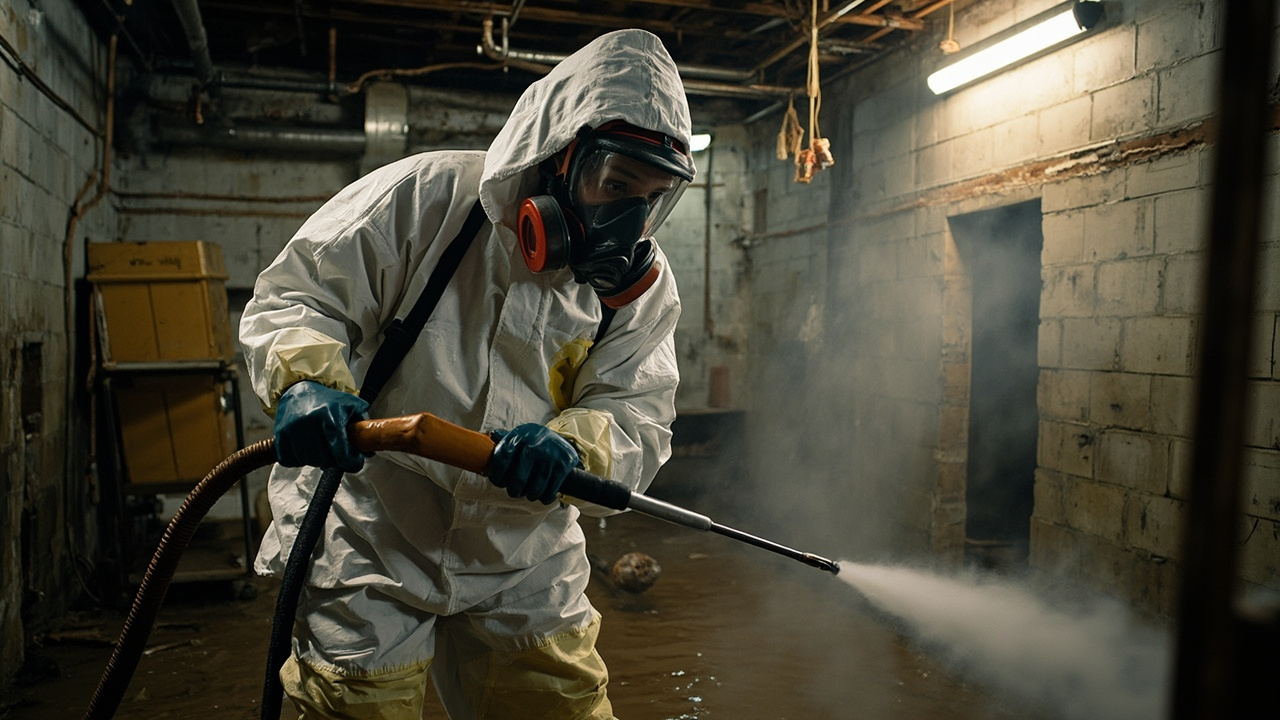
Sewer line blockages force waste water back through drains and toilets. Tree roots penetrate aging clay sewer pipes common in older Smyrna neighborhoods. Heavy rain overwhelms municipal systems and causes backflow. Sewage contains dangerous bacteria, viruses, and parasites. Contaminated water requires complete removal of porous materials including drywall, insulation, and carpeting. Professional cleanup and disinfection protects your health and prevents disease transmission.
Water emergencies create panic. You need someone who answers immediately, arrives fast, and takes control of the situation. When you call Victory Water Damage Restoration Atlanta, you reach a live person who understands water damage. We ask targeted questions about your emergency. Where is water coming from? How much water do you see? Is it still actively flooding? This information helps us dispatch the right equipment and crew size.
We provide an accurate arrival time during your initial call. Our crews do not show up hours late or reschedule. We commit to 60-minute response for emergencies because we know water keeps spreading every minute. You receive the technician's name and direct phone number so you can track arrival.
From the moment we enter your property, our focus is stopping damage and protecting what can be saved. We work fast but carefully. You get explanations about what we are doing and why. We document everything with photos and moisture readings for insurance purposes. Most importantly, we stay in communication throughout the entire process. You should never wonder what is happening with your property or when work will finish.
Our technician arrives and inspects your entire property, not just the obvious damage. We use moisture meters and thermal cameras to find hidden water in walls, ceilings, and flooring. We identify the water source and category of contamination. You receive a verbal assessment explaining damage extent, required work, and estimated timeline. We answer questions and address concerns before starting work. The assessment includes moisture mapping and photo documentation for your insurance claim.
You receive daily updates about drying progress and next steps. We explain what equipment is running and why. Our team takes moisture readings and shares results so you see measured progress. If we discover additional damage during mitigation, we notify you immediately and explain options. You receive written documentation at each phase including moisture logs, equipment lists, and work completion summaries. We stay accessible by phone throughout your project.
Insurance companies require specific documentation for water damage claims. We provide detailed photo records showing damage before, during, and after restoration. You receive moisture readings proving materials were wet and confirming drying completion. Our estimates break down labor, equipment, and materials using insurance industry standard pricing formats. We communicate directly with adjusters, answer their questions, and provide additional documentation when requested. This thorough approach gets claims approved faster.
We follow a proven system that moves from emergency response to complete restoration. Each phase has specific goals and completion standards. This structure keeps projects on schedule and ensures we address every aspect of water damage.
We arrive within 60 minutes and immediately stop the water source. Truck-mounted extractors remove standing water from floors and carpets. We pull saturated materials that cannot be saved including padding, wet insulation, and damaged drywall. Furniture and belongings move to dry areas or climate-controlled storage. We place containment barriers to prevent moisture from spreading to unaffected rooms. Air movers and dehumidifiers start running. The goal is removing all standing water and beginning structural drying within the first few hours.
Commercial dehumidifiers run continuously, pulling moisture from air and building materials. Air movers create circulation that speeds evaporation from wet surfaces. We monitor moisture levels daily using meters that measure water content in wood, drywall, and concrete. Equipment placement adjusts based on drying progress. This phase continues until moisture readings return to normal dry standards. Proper drying takes three to five days for most residential water damage. Rushing this phase causes mold growth and material failure later.
After complete drying confirmation, reconstruction begins. We install new drywall, replace flooring, and repaint affected areas. Trim, baseboards, and fixtures go back in place. We match existing finishes and materials so repairs blend seamlessly. For larger projects, we coordinate plumbing, electrical, and HVAC contractors. Final walkthrough confirms all work meets your approval. We do not consider a job complete until your property looks like water damage never happened.
Professional water damage restoration follows scientific principles and industry standards. The Institute of Inspection, Cleaning and Restoration Certification publishes the IICRC S500 Standard for Professional Water Damage Restoration. This document establishes protocols for water removal, structural drying, and contamination handling based on decades of research and field experience.
Water falls into three categories based on contamination level. Category 1 is clean water from supply lines or rainwater. Category 2 is gray water containing some contamination from washing machines, dishwashers, or toilet bowls without feces. Category 3 is black water from sewage backups, flooding, or standing water with bacterial growth. Each category requires different handling. Category 3 water demands removal of all porous materials including drywall, insulation, and carpeting because contamination cannot be fully removed through cleaning.
Structural drying calculations account for material types, surface areas, temperature, and humidity levels. We do not guess when drying is complete. Moisture meters measure water content in wood framing, drywall, and subfloors. These readings compare against established dry standards for each material type. Professional drying also requires proper air movement and dehumidification capacity. The industry standard calls for one air mover per 10 to 15 feet of wall space and enough dehumidification to remove moisture as fast as evaporation occurs.
Mold prevention depends on drying speed. Mold spores exist everywhere but need moisture and organic material to colonize. Research shows mold establishes within 24 to 48 hours when conditions allow. Fast water extraction and aggressive drying prevent mold from gaining a foothold. If mold appears, we follow IICRC S520 standards for mold remediation including containment, HEPA filtration, and proper disposal of contaminated materials.
Georgia requires no state licensing for water damage restoration companies. This means anyone can claim to handle water damage without training or certification. IICRC certification provides the only industry-recognized credential proving technicians received proper training. Our technicians complete classroom instruction and pass written exams covering moisture science, drying principles, and contamination protocols. This training matters when your property and health are at risk.
The IICRC S500 standard establishes protocols for water damage restoration based on scientific research. These standards define water categories, material removal requirements, drying goals, and completion criteria. Following S500 ensures water gets completely removed, structures dry properly, and contamination gets handled safely. Insurance companies recognize S500 compliance and trust estimates from certified companies who follow these standards.
Water damage costs vary based on water volume, contamination category, affected square footage, and material types. Emergency mitigation typically costs less than full restoration because it prevents additional damage. Clean water from supply lines costs less to remediate than sewage backup requiring disposal of all porous materials. Most homeowner insurance policies cover sudden water damage. Deductibles apply but policies usually pay for necessary mitigation and restoration work.
Most residential water damage takes three to five days to dry completely when proper equipment and protocols get used. Concrete and hardwood flooring need longer drying times than drywall and framing lumber. High humidity extends drying periods. Large losses affecting multiple rooms may need seven to ten days. We monitor moisture daily and provide progress updates. Rushing drying causes long-term problems including mold growth and material failure.
Georgia follows the International Residential Code for reconstruction after water damage. This includes requirements for insulation R-values, electrical code compliance, and plumbing standards. Cobb County requires permits for major repairs including electrical work, plumbing modifications, and structural changes. We handle permit applications and coordinate inspections. Code-compliant restoration protects your property value and ensures work passes inspection when you sell.
Victory Water Damage Restoration Atlanta serves all of Smyrna and surrounding communities in Cobb County. Our central location and multiple response vehicles mean fast arrival times regardless of where your property is located. We know the unique characteristics of different neighborhoods and how they affect water damage risk.
The historic Smyrna Village area near downtown features older homes built in the early to mid-1900s. These properties have charm but often lack modern waterproofing and updated plumbing. We respond frequently to basement flooding and burst pipes in this district. The raised cottage-style homes common here have crawl spaces that flood during heavy rain when gutters fail or grading directs water toward foundations.
Belmont Hills sits on rolling terrain with elevation changes that affect drainage patterns. Properties at the bottom of slopes receive runoff from higher ground. We see foundation seepage and crawl space flooding here after severe weather. The neighborhood has a mix of slab and crawlspace foundations. Each requires different mitigation approaches.
The areas along Atlanta Road and South Cobb Drive include commercial properties, apartments, and retail centers. These structures face different water damage risks than single-family homes. Flat roofs develop leaks around HVAC units and drainage points. Multi-unit buildings spread water damage across multiple tenants when supply lines fail. We handle large commercial losses requiring extensive equipment and crews.
Neighborhoods near SunTrust Park including the new mixed-use developments have modern construction but face water damage from rapid building and high-density occupancy. New construction often reveals plumbing defects during the first few years. Condo and apartment living means water from one unit damages properties below. We coordinate with property management and HOAs to handle multi-unit restoration projects.
East Smyrna near Concord Road and areas extending toward Vinings face different challenges. Proximity to the Chattahoochee River increases flood risk during spring storms. Properties in flood zones need specialized handling for insurance claims. We understand FEMA requirements and coordinate with flood insurance carriers.
Our response extends beyond Smyrna proper. We serve adjacent communities including Mableton to the south, Marietta to the north, and Vinings to the east. Cobb County properties receive the same 60-minute emergency response and quality service regardless of location. We maintain equipment and crews positioned throughout the region so no property waits for help while water spreads.
While we provide rapid mobile water damage restoration services directly to your doorstep throughout the Atlanta metropolitan area, you can also view our primary service location on the map below. This helps visualize our operational reach and assures you that expert assistance is always within your vicinity. We are always ready to deploy our dedicated teams to your precise location, ensuring swift and effective service whenever you need us, guaranteeing peace of mind.
Address:
Smyrna, GA, 30080
Water damage happens quickly and often without warning in the Atlanta metro area. Whether a pipe burst in a Buckhead high-rise or a basement flooded after a heavy storm in Decatur, the resulting mess is…
Alpharetta Water Damage Specialists for Fast Mold Prevention and Drying in North FultonWater emergencies in…
Professional Sewage Backup Cleanup and Restoration in Atlanta GeorgiaA sewage backup in your Atlanta home…
Water damage in an Edgewood home creates an immediate crisis that requires fast decision making.…
Every minute water sits in your property increases damage and repair costs. Call Victory Water Damage Restoration Atlanta right now at (678) 397-3666. We answer 24 hours a day and arrive in Smyrna within 60 minutes. Stop the damage before it gets worse.