menu

Carpet Water Extraction in Atlanta – 24/7 Emergency Response Stops Mold Before It Starts

Victory Water Damage Restoration Atlanta deploys truck-mounted extraction systems within hours of your call, removing standing water from carpets and pad layers before mold colonizes your subflooring in Atlanta's humid climate.

Slider Image 1
Slider Image 2
Slider Image 3
Slider Image 4
Slider Image 5
Slider Image 7
Slider Image 8
Slider Image 9
Slider Image 10
Slider Image 11

Why Atlanta's Humidity Turns Wet Carpets Into Mold Factories

Atlanta's subtropical climate creates the perfect breeding ground for mold after carpet flooding. With average humidity levels hovering between 65% and 85% year-round, moisture trapped in carpet fibers and padding begins feeding mold spores within 24 to 48 hours. The red clay soil common across Buckhead, Midtown, and East Atlanta slopes water toward foundation walls during heavy summer storms, creating basement flooding that saturates carpets from below.

When water soaks through carpet into padding and subflooring, surface cleaning does not fix the problem. The padding acts like a sponge, holding gallons of water against wood subflooring and creating hidden moisture pockets. Atlanta homeowners often discover musty odors weeks after a flood because water wicked into the carpet backing never fully dried. This trapped moisture feeds black mold, damages hardwood underneath, and creates health hazards for anyone with respiratory sensitivities.

Wet carpet extraction removes water at the source, pulling moisture from deep pad layers and subflooring before structural damage sets in. During Atlanta's tornado season and flash flood events, emergency carpet water removal prevents thousands of dollars in secondary damage. The key difference between DIY cleanup and professional flooded carpet extraction lies in the equipment. Truck-mounted extractors generate vacuum pressure that household wet-vacs cannot match, pulling water from subflooring through the carpet rather than just surface-cleaning the fibers.

Victory Water Damage Restoration Atlanta responds to water damage carpet extraction calls across Decatur, Sandy Springs, and the greater metro area because we understand how quickly Atlanta's climate accelerates mold growth.

Why Atlanta's Humidity Turns Wet Carpets Into Mold Factories
How Professional Extraction Saves Your Subflooring

How Professional Extraction Saves Your Subflooring

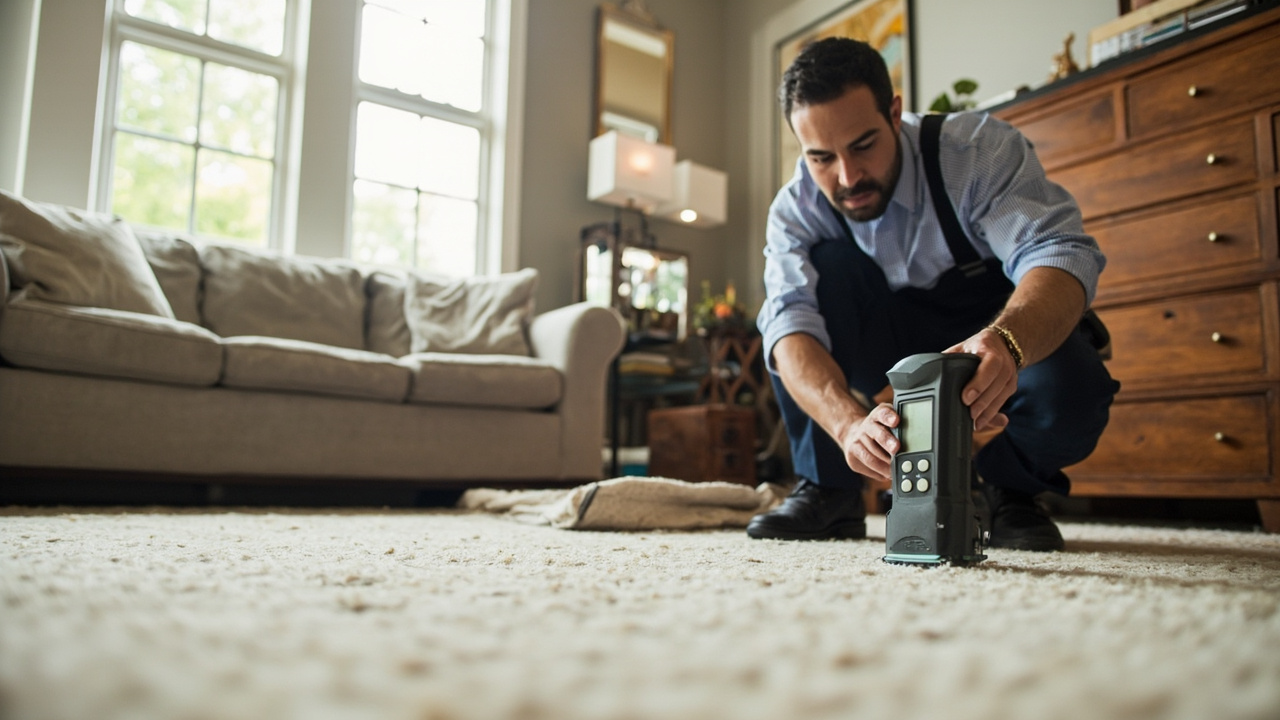
Professional carpet water removal starts with moisture mapping using thermal imaging cameras and penetrating moisture meters. We measure moisture content in the carpet backing, padding, and wood subflooring to determine extraction depth requirements. This diagnostic step separates professional services from rental equipment approaches that guess at moisture levels.

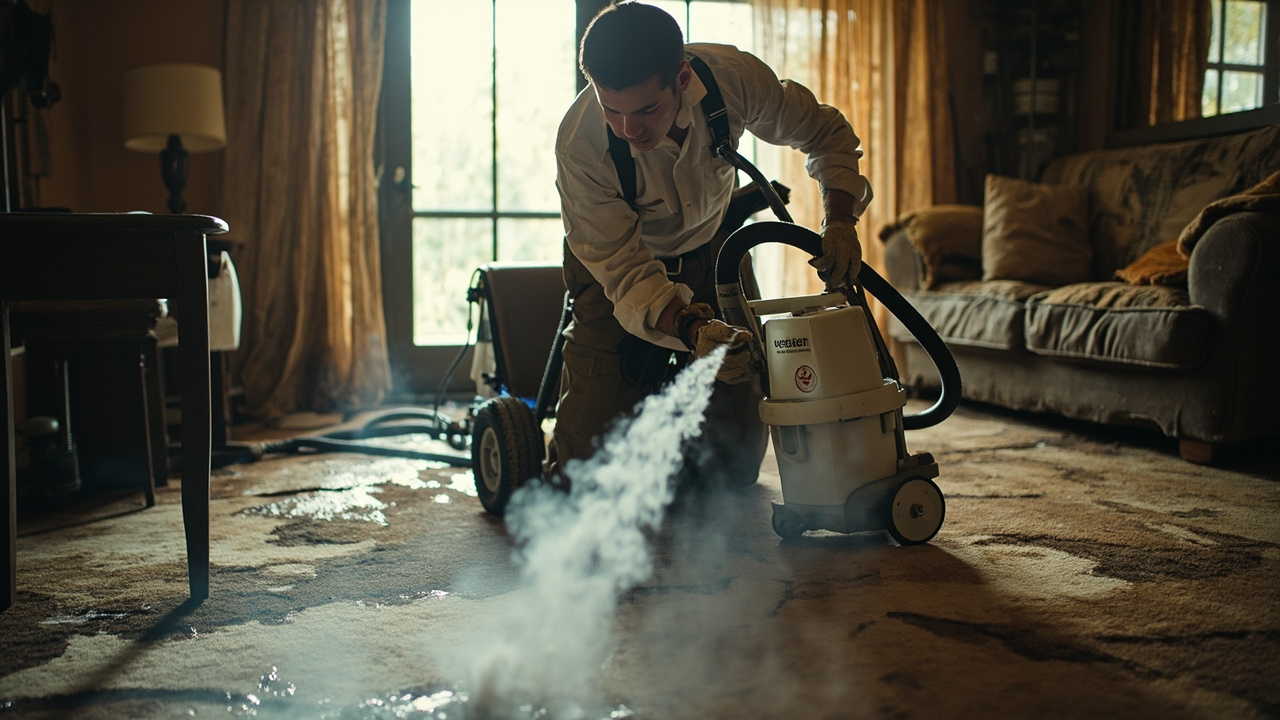
Our truck-mounted extraction units generate 500+ CFM (cubic feet per minute) of airflow and create negative pressure strong enough to pull water through multiple material layers. The wand applies controlled pressure to the carpet surface while the vacuum pulls water vertically through the pad and draws moisture from the subflooring pores. This dual-action process removes up to 95% of trapped water in a single pass.

After extraction, we measure subfloor moisture levels again. If readings exceed 15% moisture content, we inject drying air beneath the carpet using specialty floor mat systems. These inflatable mats create airflow channels between the carpet backing and subflooor, forcing warm, dry air across the wood surface to complete the drying process. We monitor moisture levels every 12 hours until readings drop below 12%, the threshold where mold growth stops.

For severe flooding where padding has compressed or delaminated, we remove and dispose of the pad entirely, then extract remaining moisture from bare subflooring. New padding installs after complete drying verification. This approach costs less than replacing rotted subflooring six months later when hidden moisture causes structural failure. Victory Water Damage Restoration Atlanta uses commercial-grade dehumidifiers and air movers to maintain proper drying conditions throughout the process, accounting for Atlanta's high ambient humidity that slows natural evaporation rates.

What Happens During Emergency Carpet Extraction

Carpet Water Extraction in Atlanta – 24/7 Emergency Response Stops Mold Before It Starts
01

Immediate Water Removal

We arrive with truck-mounted extractors and begin pulling standing water from carpet and padding within the first hour. Our technicians move furniture to access all affected areas, then use weighted extraction wands to compress carpet fibers and force water into the vacuum system. High-capacity pumps transfer extracted water directly into our truck tanks, removing hundreds of gallons from your property. We measure initial moisture readings to establish a baseline for tracking drying progress.
02

Subfloor Moisture Control

After surface extraction, we inject drying air beneath your carpet using floor mat systems or drill small relief holes to access the subfloor cavity. Commercial dehumidifiers pull moisture from the air while air movers create continuous airflow across wet surfaces. We position equipment to account for Atlanta's humidity, adjusting airflow patterns based on outdoor moisture levels. Thermal imaging confirms moisture migration patterns, showing us where water has wicked into wall cavities or baseboards.
03

Verification and Prevention

We monitor moisture levels every 12 hours using penetrating meters that measure wood moisture content at depth. Once subflooring reads below 12% and carpet backing drops under 15%, we verify complete drying with thermal scans. We apply antimicrobial treatments to padding and backing if bacteria or mold spores are present. Before leaving, we provide documentation of moisture readings and recommendations for preventing future flooding, including drainage improvements or sump pump installation.

Why Atlanta Properties Need Local Extraction Expertise

Atlanta's building stock presents unique challenges for water damage restoration. Homes in Virginia Highland, Inman Park, and other historic districts often have pier-and-beam foundations rather than concrete slabs. These crawl space foundations allow water to pool beneath flooring during heavy rains, saturating carpets from below through floor joists and subflooring. Standard extraction approaches miss this moisture source, leading to repeated flooding and chronic mold problems.

Victory Water Damage Restoration Atlanta understands how Atlanta's red clay soil affects drainage patterns. The soil's low permeability creates surface runoff that overwhelms French drains and foundation waterproofing during summer thunderstorms. We know which neighborhoods experience frequent basement flooding and adjust our extraction approach accordingly. Properties in flood-prone areas near Peachtree Creek or Nancy Creek require more aggressive subfloor drying because water intrusion often recurs.

Our technicians train specifically on Atlanta building codes and construction methods common to the metro area. We understand the difference between extracting water from carpet over concrete slab versus carpet over raised wood floors. We know when to pull permits for structural drying work and how to coordinate with insurance adjusters familiar with Georgia claim procedures. This local knowledge speeds up the restoration process and prevents complications that delay drying.

We stock equipment for Atlanta's climate conditions. Our dehumidifiers account for outdoor humidity levels that can reach 90% during summer months. We adjust drying protocols based on seasonal factors, running equipment longer during humid periods when natural evaporation slows. This attention to local environmental factors prevents the incomplete drying that leads to mold growth weeks after the initial flood event.

What to Expect From Our Extraction Service

Emergency Response Time

We dispatch trucks to Atlanta properties within 60 to 90 minutes of your call, 24 hours a day. Our technicians arrive with truck-mounted extraction equipment already heated and ready to deploy. You do not wait for equipment setup or travel time from distant locations. We maintain service vehicles throughout the metro area to ensure fast response across Buckhead, Brookhaven, Chamblee, and surrounding communities. Night and weekend calls receive the same priority as weekday requests because mold does not wait for business hours. Our goal is water removal within the first four hours after flooding to minimize secondary damage.

Detailed Moisture Assessment

Before extraction begins, we map moisture distribution using thermal cameras and moisture meters. You receive documentation showing where water has penetrated and how deep moisture extends into subflooring. This assessment identifies hidden water pockets behind baseboards or inside wall cavities that surface inspection misses. We test moisture content in wood framing, drywall, and insulation to determine the full scope of drying required. You get a written plan explaining equipment placement, expected drying time, and monitoring schedule. This transparency eliminates surprises and gives you accurate information for insurance claims.

Verified Dry Standards

We do not consider extraction complete until moisture meters confirm your subflooring reads below 12% moisture content. You receive documentation of final moisture readings showing exact measurements at multiple locations. This verification protects you from future mold growth and structural damage caused by incomplete drying. We guarantee our work meets IICRC S500 standards for water damage restoration, the industry benchmark for proper drying procedures. Your carpet, padding, and subflooring return to pre-loss moisture levels, not just surface-dry conditions that hide trapped water underneath.

Post-Extraction Monitoring

After initial extraction, we monitor drying progress every 12 hours until moisture readings stabilize. You receive daily updates on moisture levels and estimated completion time. If readings plateau above safe levels, we adjust equipment placement or add capacity to maintain drying momentum. We provide recommendations for preventing future flooding based on what we observed during extraction. This might include gutter improvements, grading corrections, or sump pump installation. You also receive information on maintaining proper indoor humidity to prevent condensation problems during Atlanta's humid summers.

Frequently Asked Questions

You Have Questions,
We Have Answers

How to extract water from carpet? +

Start by removing standing water with a wet vacuum or pump. Extract embedded moisture using a truck-mounted or portable water extraction unit with high suction power. Pull furniture away from wet areas and lift carpet edges to extract water from padding. Use weighted extraction tools to press moisture from deep fibers. In Atlanta's humid climate, extraction alone won't prevent mold. Follow up with commercial air movers and dehumidifiers to dry carpet and subfloor within 24-48 hours. If water came from sewage or flooding, professional sanitization is required before drying.

How much does it cost to get water out of carpet? +

Professional carpet water extraction in Atlanta typically ranges from affordable emergency service calls to higher costs for severe flooding. Pricing depends on affected square footage, water category (clean, gray, or black water), carpet type, and drying equipment needed. A single room may cost less than whole-home extraction after a pipe burst. Most restoration companies offer free inspection and insurance billing assistance. Atlanta's high humidity often requires extended drying time, which can affect total cost. Get multiple quotes and confirm the scope includes moisture testing and antimicrobial treatment if needed.

What draws urine out of carpet? +

Enzymatic cleaners break down uric acid crystals that cause urine odor in carpet fibers. These biological agents digest the organic compounds rather than just masking smell. For fresh urine, blot immediately and apply enzyme solution. Pet urine often penetrates padding and subfloor, especially in Atlanta's older homes with wood subflooring. Professional extraction uses UV lights to locate all contaminated areas, then injects enzyme treatments deep into padding. Severe contamination may require padding replacement. Avoid ammonia-based cleaners, which smell like urine to pets and encourage repeat marking.

How much is carpet extraction? +

Carpet extraction pricing in Atlanta varies based on water source, square footage, and damage severity. Emergency water removal after a burst pipe or storm flooding costs more than routine cleaning extraction. Professional services calculate rates per room or square foot, factoring in equipment type and drying duration. Atlanta's clay soil and high water tables can complicate basement flooding, adding to extraction costs. Most companies include moisture mapping, extraction, and initial drying setup. Request a detailed estimate that separates extraction from drying and any necessary antimicrobial treatment or padding replacement.

How long can carpet be wet before mold? +

Mold begins growing in wet carpet within 24-48 hours in Atlanta's humid climate. High indoor humidity accelerates spore colonization in fibers and padding. Temperature also matters. Summer heat combined with moisture creates ideal mold conditions in under 24 hours. Winter flooding may extend the window slightly but never beyond 48 hours. Once mold establishes, professional remediation is required. Immediate extraction and aggressive drying with dehumidifiers prevent mold growth. If carpet stays wet beyond 48 hours, padding almost always requires replacement, and carpet needs antifungal treatment or disposal.

How to get stagnant water out of carpet? +

Stagnant water in carpet breeds bacteria and emits foul odors fast. Remove standing water immediately using a wet vacuum or submersible pump. Extract remaining moisture with professional-grade equipment that applies suction while compressing fibers. Atlanta's older homes often have wood subfloors that absorb stagnant water, requiring floor drying too. Stagnant water usually indicates contamination, so apply antimicrobial treatment after extraction. Set up air movers and dehumidifiers to force-dry the area within 24 hours. Test moisture levels in padding and subfloor. If contamination is severe or water sat more than 48 hours, remove padding.

Can Stanley Steemer remove water from carpet? +

Stanley Steemer provides carpet cleaning services but focuses on maintenance cleaning rather than emergency water damage restoration. Water extraction after flooding or pipe bursts requires specialized equipment, moisture testing, structural drying, and often mold prevention. Atlanta has dedicated water damage restoration companies with IICRC-certified technicians, thermal imaging, industrial dehumidifiers, and insurance claim experience. For minor spills, Stanley Steemer works fine. For significant water events, contact a restoration specialist who can assess subfloor damage, extract water from padding, and monitor drying with moisture meters to prevent mold in Atlanta's humid climate.

Will damp carpet smell go away? +

Damp carpet smell disappears only if you eliminate the moisture source and dry the area completely. In Atlanta's humid environment, surface drying is not enough. Moisture trapped in padding or subfloor continues generating musty odors and mold growth. The smell indicates active bacterial or fungal activity. Professional drying with dehumidifiers and air movers removes deep moisture within 48 hours. If the smell persists after thorough drying, contamination has set in. You need antimicrobial treatment or padding replacement. Never mask odor with air fresheners. Address the moisture problem or the smell will worsen.

Can water soaked carpet be saved? +

Water-soaked carpet can be saved if you act within 24-48 hours and the water is clean (not sewage or floodwater). Extract all moisture using professional equipment, dry padding and subfloor completely, and apply antimicrobial treatment. Atlanta's humidity complicates drying, so use commercial dehumidifiers and air movers. Carpet soaked by contaminated water (toilet overflow, storm flooding) often requires disposal due to health risks. Padding almost always needs replacement after saturation. Expensive wool or specialty carpets justify aggressive restoration efforts. Cheap builder-grade carpet may cost more to restore than replace.

What do professional carpet cleaners use for urine? +

Professional cleaners use enzymatic treatments specifically formulated to break down uric acid and organic proteins in urine. These enzyme solutions digest odor-causing compounds at the molecular level rather than covering smells. Technicians inject enzymes deep into carpet padding using sub-surface tools. They also use UV blacklights to identify all contaminated areas invisible to the eye. For severe pet urine damage common in Atlanta rental properties, professionals may apply oxidizing agents after enzyme treatment. If urine has crystallized in padding or penetrated subflooring, padding replacement is necessary. Topical cleaning will not eliminate deep contamination or odor.

How Atlanta's Clay Soil Creates Basement Carpet Flooding

The red clay soil found throughout Fulton, DeKalb, and Cobb counties shrinks when dry and swells when saturated. This expansion-contraction cycle creates hydrostatic pressure against basement walls during heavy rain events. Water forced through foundation cracks pools on basement floors, saturating carpets from below. Properties built before 1990 often lack proper foundation waterproofing, making basement carpet flooding a recurring problem after summer thunderstorms. Emergency carpet water removal becomes critical because basement flooding in Atlanta typically introduces contaminated groundwater that carries bacteria and requires antimicrobial treatment during extraction.

Victory Water Damage Restoration Atlanta maintains relationships with local insurance adjusters, property managers, and contractors throughout the metro area. We understand Georgia insurance claim requirements and provide the documentation needed for smooth claim processing. Our technicians know which Atlanta neighborhoods experience frequent flooding and adjust extraction protocols accordingly. We work within local building permit requirements when structural drying requires opening walls or removing flooring materials. This local expertise speeds up restoration timelines and prevents the complications that occur when out-of-area companies misunderstand Atlanta-specific construction methods or environmental conditions.
Water Damage Restoration Services in The Atlanta Area

While we provide rapid mobile water damage restoration services directly to your doorstep throughout the Atlanta metropolitan area, you can also view our primary service location on the map below. This helps visualize our operational reach and assures you that expert assistance is always within your vicinity. We are always ready to deploy our dedicated teams to your precise location, ensuring swift and effective service whenever you need us, guaranteeing peace of mind.

Address:
Victory Water Damage Restoration Atlanta, 1055 Howell Ml Rd, Atlanta, GA, 30318

Additional Services We Offer

Our news updates

Latest Articles & News from The Blogs

Risks of Buying a House with Water Damage in Mableton and How to Protect Your Investment Buying a house represents…

Risks of Buying a House with Water Damage in Mableton and How to Protect Your Investment

Risks of Buying a House with Water Damage in Mableton and How to Protect Your Investment Buying a house represents…

Getting the right City of Atlanta building permits for major water damage repairs

Getting the right City of Atlanta building permits for major water damage repairsMajor water damage in your Atlanta home often…

Identifying chimney water leaks in Candler Park homes before they ruin your walls

Living in the historic Candler Park neighborhood offers unique architectural charm but the older masonry systems require constant attention. In…

Contact Us

Call Victory Water Damage Restoration Atlanta now at (678) 397-3666 for emergency carpet water extraction. Our trucks deploy immediately across the metro area with commercial extraction equipment ready to remove water from your carpets and subflooring before mold colonizes your home.