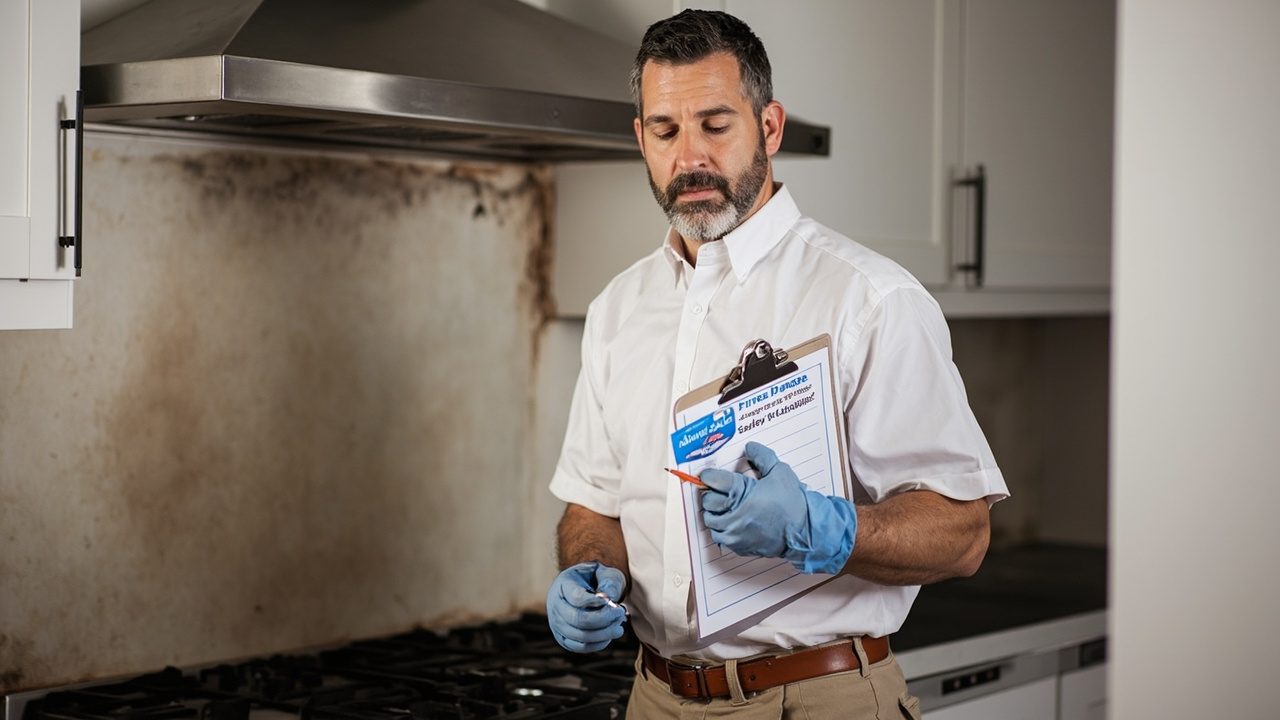
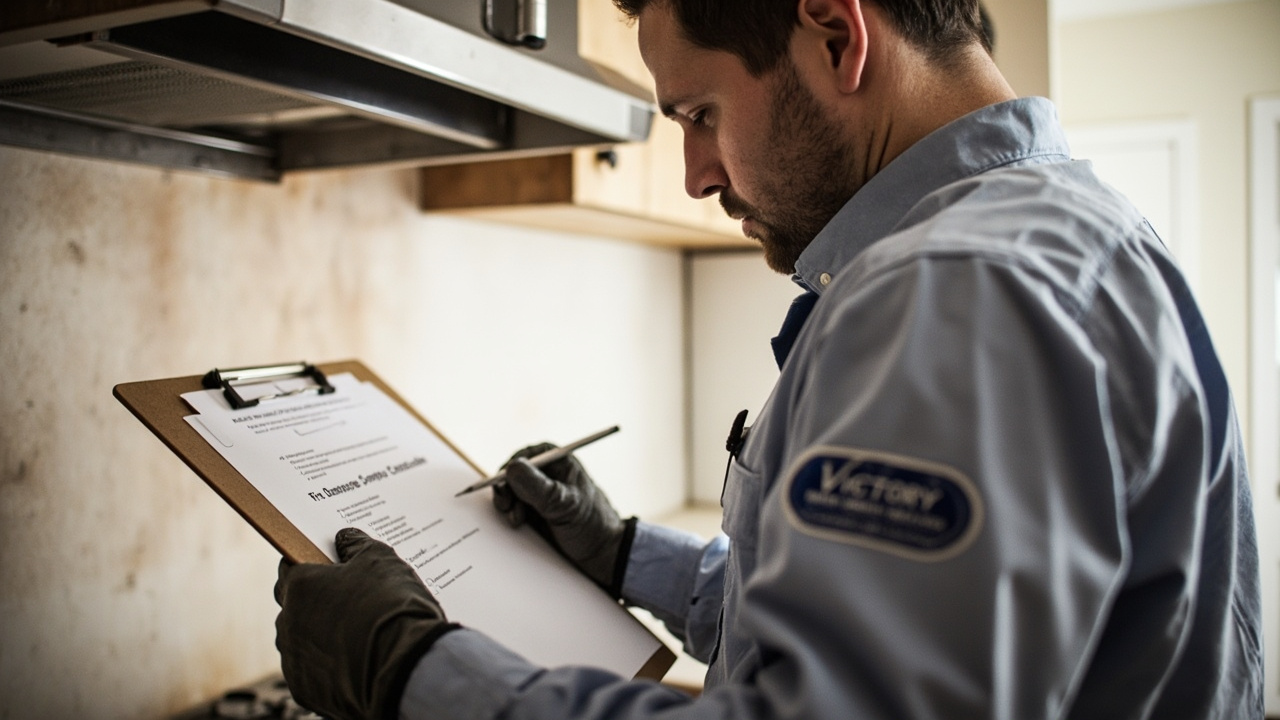
Atlanta's average summer humidity above 70 percent creates a critical window for mold colonization after fire damage. Wet drywall and subflooring from fire suppression efforts reach moisture content levels above 20 percent within hours. At this saturation point, mold spores colonize porous materials within 24 to 48 hours, far faster than in arid climates. The same high temperatures that stress our air conditioning systems also accelerate off-gassing from burned materials, releasing higher concentrations of volatile organic compounds into the air. Your post-fire hazard checklist must account for accelerated contamination timelines unique to our climate. Delayed action in Atlanta means fighting both fire damage and biological contamination simultaneously.
Atlanta fire restoration requires understanding local building practices and code enforcement patterns. The City of Atlanta and surrounding counties each maintain different permitting requirements for substantial fire damage repairs. DeKalb County requires engineered drawings for any structural repairs, while Fulton County may allow builder-certified plans for minor work. We maintain current relationships with plan reviewers in every metro jurisdiction and understand which fire damage scenarios trigger code upgrade requirements. Choosing a restoration partner unfamiliar with local regulations means permit delays that extend your displacement and increase carrying costs. Our knowledge of Atlanta-specific fire recovery protocols ensures your safety assessment addresses both immediate hazards and long-term compliance requirements.