


College Park sits at the confluence of climate and infrastructure factors that make water intrusion a constant threat. The area's red Georgia clay soil has extremely poor drainage characteristics, causing water to pool around foundations during the intense summer thunderstorms that dump 2-3 inches of rain in under an hour. Many properties near Camp Creek and the Flint River floodplain experience seasonal flooding, while neighborhoods around Hartsfield-Jackson airport deal with aging infrastructure and stressed municipal drainage systems.
The combination of humid subtropical climate and older housing stock in areas like Washington Park and Historic College Park creates perfect conditions for rapid mold colonization after water events. Within 24-48 hours of water intrusion, mold spores activate in the warm, moist environment. Properties built before 1980 often have galvanized steel pipes that corrode from the inside, causing unexpected ruptures. The freeze-thaw cycles that occasionally hit College Park during winter cold snaps burst pipes in crawl spaces and attics, flooding properties when temperatures rise. Water heaters in properties throughout the Conley Road corridor and along Main Street regularly fail after 10-12 years, releasing 40-50 gallons into homes and businesses.
Water damage requires immediate action and proven expertise. Victory Water Damage Restoration Atlanta has restored hundreds of College Park properties since establishing operations in the South Metro Atlanta region. Our technicians hold IICRC certifications in Water Damage Restoration and Applied Structural Drying, meaning they understand moisture migration patterns through Georgia clay subsoils and how to properly dry multi-level structures common in College Park neighborhoods.
We maintain relationships with every major insurance carrier operating in Fulton County and understand Georgia's specific requirements for water damage documentation and claim filing. Our estimators photograph damage using the same protocols insurance adjusters expect, reducing claim disputes and speeding payment. When we document a loss, it gets approved.
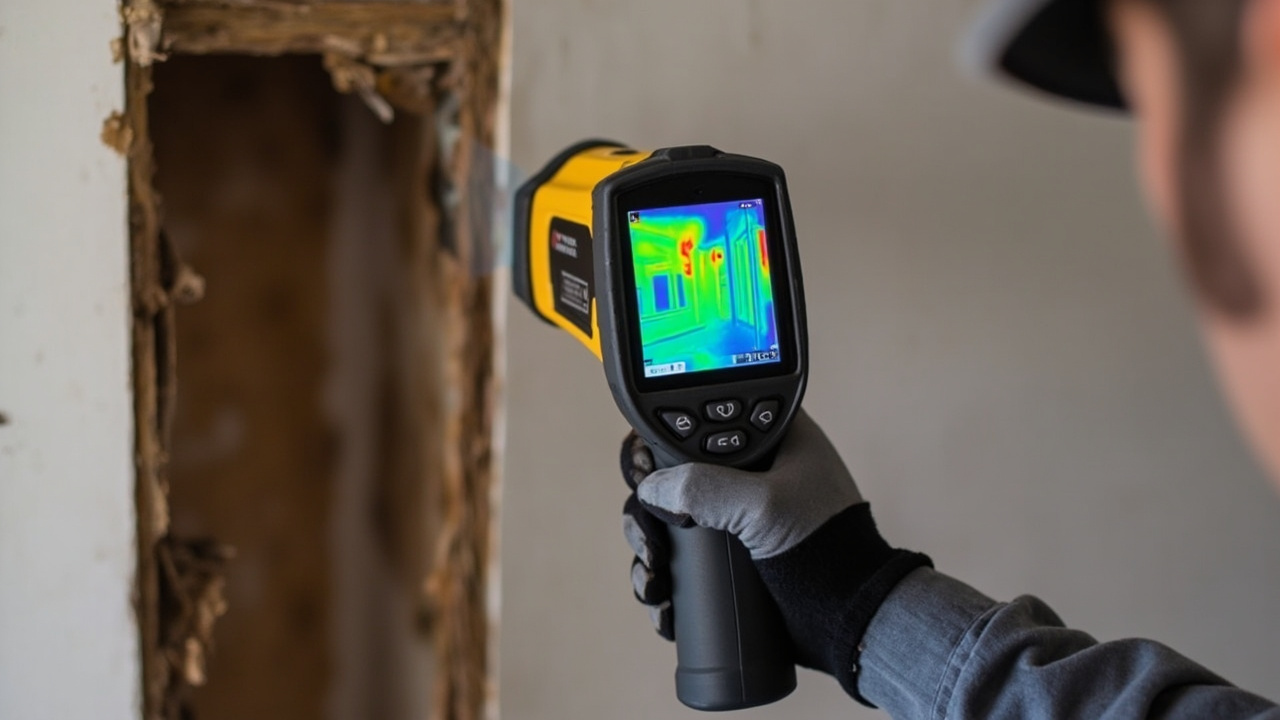
Unlike restoration companies that subcontract work to unknown crews, Victory Water Damage Restoration Atlanta employs our own technicians who live and work in South Metro Atlanta. They respond from nearby locations and arrive with truck-mounted extraction units, commercial dehumidifiers, and thermal imaging cameras to detect hidden moisture in walls and subfloors. We don't use residential-grade fans. Our equipment removes water fast and dries structures completely.
Our approach focuses on preventing secondary damage. Water wicks up drywall, saturates insulation, and penetrates subfloors where it creates conditions for mold and structural rot. We remove standing water within hours, set up drying chambers using plastic containment barriers, and monitor moisture levels daily until readings return to normal. Properties dried properly the first time avoid the expensive rebuild work that comes from incomplete drying.

Water damage spreads exponentially in the first hours. Our dispatch center operates 24/7 with crews stationed across South Metro Atlanta. When you call, a technician responds to College Park properties within 60 minutes with extraction equipment and moisture meters. We stop damage progression immediately, protecting your property and belongings from total loss.

We communicate directly with your insurance carrier and handle claim documentation from start to finish. Our estimators use Xactimate software, the same system adjusters use, eliminating pricing disputes. We photograph every stage of restoration, compile detailed scope documents, and coordinate with adjusters for inspection visits. You get the coverage your policy provides without fighting for it.
Every technician on our crews holds current IICRC certification in Water Damage Restoration and follows the Institute's science-based drying protocols. They understand psychrometrics, vapor pressure, and how to calculate proper dehumidifier placement for College Park's humid climate. This prevents the incomplete drying that leads to mold claims and structural problems months later.
We restore properties throughout College Park weekly and understand the specific challenges each neighborhood presents. From foundation drainage problems in Historic College Park to pipe failures in older Main Street buildings, our crews arrive knowing what to expect. Local knowledge means faster diagnosis and more complete restoration.
Victory Water Damage Restoration Atlanta provides complete water damage remediation services for College Park residential and commercial properties. Our service range covers every stage of water damage response, from emergency water extraction to final rebuild. We handle clean water losses from supply line failures, contaminated water from sewage backups, and storm flooding that brings exterior water into structures.
Our restoration process addresses both immediate water removal and the hidden moisture that causes long-term problems. Water migrates through building materials, traveling horizontally through walls and vertically through floor assemblies. Without proper extraction and structural drying, moisture remains trapped in cavities where it destroys materials and cultivates mold. We use thermal imaging to map water intrusion patterns and place drying equipment strategically to remove moisture from all affected materials.
The water damage cleanup process varies dramatically based on water source and contamination level. Clean water from broken supply lines requires extraction and drying. Gray water from appliance overflows needs sanitization. Black water from sewage backups demands complete removal of porous materials and antimicrobial treatment. Each category requires different protocols, equipment, and safety measures. Our technicians assess contamination levels and implement the appropriate response for your specific situation.
When water floods your property, immediate extraction prevents catastrophic damage. Our emergency water removal service deploys truck-mounted extractors that pull thousands of gallons per hour from carpets, padding, and subfloors. We extract standing water, remove saturated materials that can't be saved, and set up commercial dehumidifiers to begin the drying process. Response happens 24/7 including holidays. The faster we extract water, the more of your property we save from permanent damage.
Removing standing water is just the beginning. Structural drying eliminates moisture from walls, subfloors, framing, and insulation using industrial dehumidifiers and air movers positioned according to IICRC drying protocols. We monitor moisture readings daily with calibrated meters, tracking progress until materials return to dry standards. This process typically requires 3-5 days but varies based on materials affected and saturation levels. Proper structural drying prevents mold growth and eliminates the musty odors that indicate incomplete drying.
Sewage backups and toilet overflows require specialized handling due to harmful bacteria and pathogens in contaminated water. Our sewage cleanup service removes all contaminated water and materials, then sanitizes affected surfaces with EPA-registered antimicrobial treatments. Porous materials like drywall, insulation, and carpeting get removed and disposed of according to biohazard protocols. We protect your health and restore safe conditions to your property after sewage intrusion events.
College Park property owners face recurring water damage problems tied to the area's climate, infrastructure age, and soil conditions. The intense summer storm season brings flash flooding to low-lying areas, overwhelming drainage systems and sending water through foundation cracks and basement windows. Properties in flood-prone zones near Camp Creek experience this annually, but even elevated properties face water intrusion when storms dump rain faster than clay soil can absorb it.
Interior plumbing failures cause the majority of insurance claims in College Park. Water heaters typically last 10-12 years before the tank corrodes through, releasing their entire contents into homes. Supply line failures happen when galvanized pipes in older properties corrode from mineral buildup in College Park's moderately hard water. Washing machine hoses burst without warning after 5-7 years of use. These failures often happen when residents are away, allowing water to flow for hours and saturate multiple rooms. The combination of aging housing stock and hard water accelerates pipe deterioration throughout College Park neighborhoods.
Summer thunderstorms drop 2-3 inches of rain in under an hour, overwhelming drainage systems and pooling water around foundations. Georgia red clay prevents absorption, causing water to enter through cracks, crawl space vents, and basement windows. Properties near Camp Creek and low-lying areas flood seasonally. Victory Water Damage Restoration Atlanta responds immediately to extract floodwater and prevent mold growth in the humid conditions that follow storms.
When winter cold snaps push temperatures below freezing, water in pipes expands and ruptures supply lines in attics, crawl spaces, and exterior walls. The damage appears when temperatures rise and ice thaws, flooding properties with hundreds of gallons. Pipes in unheated spaces and older properties without proper insulation face highest risk. Our crews extract water immediately and dry wall cavities to prevent mold.
Water heaters in College Park homes typically fail between years 10-12 when tank corrosion creates pinhole leaks or complete ruptures. A failed 50-gallon water heater releases enough water to saturate multiple rooms, destroy flooring, and damage personal property. Mineral buildup from moderately hard water accelerates tank deterioration. Regular replacement prevents catastrophic failure, but when tanks rupture, immediate water extraction protects your property from total loss.
Small leaks from supply lines, toilet seals, and appliance connections often go unnoticed for weeks or months, saturating subfloors and wall cavities. By the time visible damage appears, extensive mold growth and wood rot have developed in hidden spaces. College Park's humidity accelerates mold colonization in damp materials. Thermal imaging detects hidden moisture before it destroys structural components, allowing targeted drying that prevents expensive rebuild work.
Water damage creates panic. Your property is flooding, belongings are at risk, and you need help now. When you call Victory Water Damage Restoration Atlanta, you reach a live dispatcher who immediately begins coordinating your emergency response. We ask specific questions about the water source, affected areas, and safety concerns to dispatch the right equipment and crew size. A technician calls within 10 minutes to confirm response time and provide initial guidance on stopping water flow and protecting belongings.
Our crews arrive within 60 minutes with extraction equipment loaded and ready to work. The first priority is stopping damage progression by extracting standing water and removing saturated materials that can't be saved. Technicians document everything with photographs and moisture readings for insurance purposes while explaining each step of the process. You'll understand what happened, what needs to be done, and how long restoration will take before any work begins.
Communication continues throughout the restoration process. You receive daily updates on drying progress with actual moisture readings showing materials returning to dry standards. We coordinate directly with your insurance adjuster, providing documentation they need and scheduling inspection visits at your convenience. When restoration is complete, you receive a final walkthrough explaining all work performed and confirming your property is dry and safe.
When you call our emergency line, a dispatcher answers immediately and begins coordinating your response. We collect essential information about your water damage situation and dispatch a crew to your College Park property within 60 minutes. A technician calls within 10 minutes to confirm response time and provide guidance on immediate actions you can take to minimize damage. We arrive with extraction equipment loaded and ready to stop water damage progression the moment we walk through your door.
Our technicians explain the entire restoration process before starting work. You'll understand what materials can be saved, what needs removal, and how long drying will take. We photograph damage extensively and document all moisture readings for insurance claims. Daily progress updates include actual moisture meter readings showing how drying is progressing. You're never left wondering what's happening with your property or when restoration will be complete.
Restoration is complete when moisture readings return to dry standards and your property is safe for reconstruction. We conduct a final walkthrough showing you all work performed and providing documentation of final moisture readings. If reconstruction is needed, we coordinate with qualified contractors or provide rebuild services ourselves. You receive copies of all documentation for your insurance company and records. Your property is returned to you dry, clean, and ready for the next phase of recovery.
Every water damage situation follows the same scientific principles of moisture removal and structural drying. Victory Water Damage Restoration Atlanta uses a systematic three-phase process that efficiently removes water and restores your College Park property to pre-loss condition.
Our crews arrive with truck-mounted extraction units that remove thousands of gallons per hour from your property. We extract standing water from all affected areas, pull water from carpet padding and subfloors using specialized tools, and remove any materials too saturated to save. Technicians photograph damage, document the water source, and measure moisture levels throughout your property. We identify the full scope of damage including hidden moisture in wall cavities and ceiling spaces using thermal imaging cameras.
After water extraction, we position commercial dehumidifiers and air movers according to IICRC protocols to dry remaining moisture from building materials. Drying chambers created with plastic containment barriers concentrate drying power where needed most. Technicians visit daily to monitor moisture levels with calibrated meters, adjust equipment placement, and document progress. This phase continues until all materials return to dry standards, typically 3-5 days depending on saturation levels and materials affected.
When materials reach dry standards, we clean and sanitize all affected surfaces to eliminate contaminants and odors. Antimicrobial treatments prevent microbial growth on surfaces exposed to water. We provide detailed documentation of all work performed including final moisture readings and photographs showing completed restoration. If reconstruction is needed, we coordinate with contractors or provide rebuild services directly. Your property is returned clean, dry, and safe for occupancy or reconstruction.
Professional water damage restoration follows scientific principles established by the Institute of Inspection, Cleaning and Restoration Certification. The IICRC S500 Standard guides water damage remediation with specific protocols for extraction, structural drying, and contamination control. These standards exist because water damage restoration done incorrectly leads to mold growth, structural failure, and health hazards.
Water behaves predictably in building assemblies. It migrates from wet areas to dry areas through capillary action and vapor diffusion. When water saturates drywall, it wicks upward 12-18 inches above the visible water line. Water travels horizontally through wall cavities, following electrical and plumbing penetrations to spread throughout structures. Without thermal imaging and moisture mapping, this hidden water goes undetected until mold appears or wood rot develops.
College Park's climate complicates drying because high humidity slows evaporation rates. The psychrometric principle governing structural drying states that air can only hold a specific amount of water vapor at any given temperature and pressure. When ambient air reaches saturation, evaporation from wet materials stops. Dehumidifiers remove water vapor from air, allowing continued evaporation from saturated materials. Air movers increase evaporation rates by moving dry air across wet surfaces. The combination of dehumidification and air movement creates the vapor pressure differential needed for efficient drying.
Proper equipment sizing matters. Undersized dehumidifiers can't overcome moisture vapor entering the air from saturated materials. Oversized equipment wastes energy without improving drying time. IICRC-certified technicians calculate proper dehumidifier capacity based on affected area size, materials saturated, and moisture content readings. They adjust equipment placement based on daily moisture monitoring until all materials reach dry standards defined in the S500 Standard. This is science-based restoration, not guesswork.
Water categories determine restoration protocols. Category 1 clean water from supply lines requires extraction and drying. Category 2 gray water from appliances contains contaminants requiring sanitization. Category 3 black water from sewage backups demands complete removal of porous materials and antimicrobial treatment. Attempting to save materials exposed to Category 3 water creates health hazards. Proper categorization protects occupant health and ensures thorough remediation.
The IICRC S500 Standard establishes specific moisture content levels that define dry materials. Wood framing should measure below 15% moisture content. Concrete slabs should read below 4% on a calcium carbide test. Technicians use calibrated moisture meters to verify materials meet these standards before removing drying equipment. Insurance carriers require documentation of IICRC compliance for claim approval. Restoration performed outside these standards risks claim denial and future mold problems.
Water damage restoration costs depend on water volume, affected area size, contamination level, and materials damaged. Clean water extraction and drying costs less than sewage cleanup requiring material removal and antimicrobial treatment. Hardwood floor drying differs from carpet extraction. Insurance typically covers sudden water damage from pipe failures but excludes gradual leaks and flood damage without separate flood insurance. Detailed documentation and proper categorization ensure maximum insurance coverage for your loss.
Emergency water extraction begins within 60 minutes of your call and takes 2-4 hours depending on water volume. Structural drying requires 3-5 days for most residential water losses, longer for commercial properties or severe saturation. Contaminated water cleanup adds time for material removal and antimicrobial treatment. Reconstruction timing varies based on damage extent and contractor availability. Complete restoration from water damage to finished repair typically takes 2-4 weeks for most College Park properties.
Professional water damage equipment differs dramatically from consumer rental units. Our truck-mounted extractors remove 10 times more water than portable units. Commercial dehumidifiers process 100-200 pints daily versus 50 pints for residential models. Thermal imaging cameras detect moisture invisible to the eye, preventing hidden water damage. Moisture meters provide quantitative readings showing exact moisture content in materials. This technology gap explains why professional restoration succeeds where homeowner attempts fail.
Victory Water Damage Restoration Atlanta provides emergency water damage services throughout College Park and the surrounding South Metro Atlanta region. Our crews respond to properties in Historic College Park, where homes built in the early 1900s face unique challenges from aging plumbing systems and foundation settling common to structures over a century old. The tree-lined streets near the College Park Municipal Complex contain a mix of renovated bungalows and original construction, all vulnerable to the supply line failures that plague older housing stock.
We regularly serve commercial properties along Main Street and Virginia Avenue, where water damage from roof leaks and plumbing failures threatens retail operations and office spaces. The shopping centers and business districts near Camp Creek Marketplace face particular challenges during severe weather when roof drainage systems overflow and send water into tenant spaces. Response time matters in commercial losses because every hour of downtime costs revenue.
Properties in the neighborhoods surrounding Hartsfield-Jackson Atlanta International Airport, including areas near Washington Road and Godby Road, deal with a combination of older infrastructure and high water table conditions that make basement flooding a recurring problem. The single-family homes and apartment complexes in these areas require fast response when water intrusion occurs because the humid climate creates ideal conditions for rapid mold growth in saturated materials.
Our service area extends throughout Fulton County including East Point to the north, Hapeville to the east, and Union City to the southwest. We understand the geographic and infrastructure challenges specific to South Metro Atlanta. Properties near the Flint River floodplain require different restoration approaches than elevated structures in residential neighborhoods. Commercial buildings with flat roofs face different water intrusion points than pitched-roof residential construction.
College Park's position just south of downtown Atlanta means our crews navigate I-85, I-285, and the Camp Creek Parkway corridor regularly, allowing efficient response regardless of traffic conditions. We maintain equipment and supply staging in South Metro Atlanta specifically to ensure 60-minute response times to College Park properties. Local presence means local knowledge, from understanding which neighborhoods flood during storms to knowing which insurance adjusters serve the area and how they prefer documentation.
While we provide rapid mobile water damage restoration services directly to your doorstep throughout the Atlanta metropolitan area, you can also view our primary service location on the map below. This helps visualize our operational reach and assures you that expert assistance is always within your vicinity. We are always ready to deploy our dedicated teams to your precise location, ensuring swift and effective service whenever you need us, guaranteeing peace of mind.
Address:
College Park, GA, 30337
Water damage happens quickly and often without warning in the Atlanta metro area. Whether a pipe burst in a Buckhead high-rise or a basement flooded after a heavy storm in Decatur, the resulting mess is…
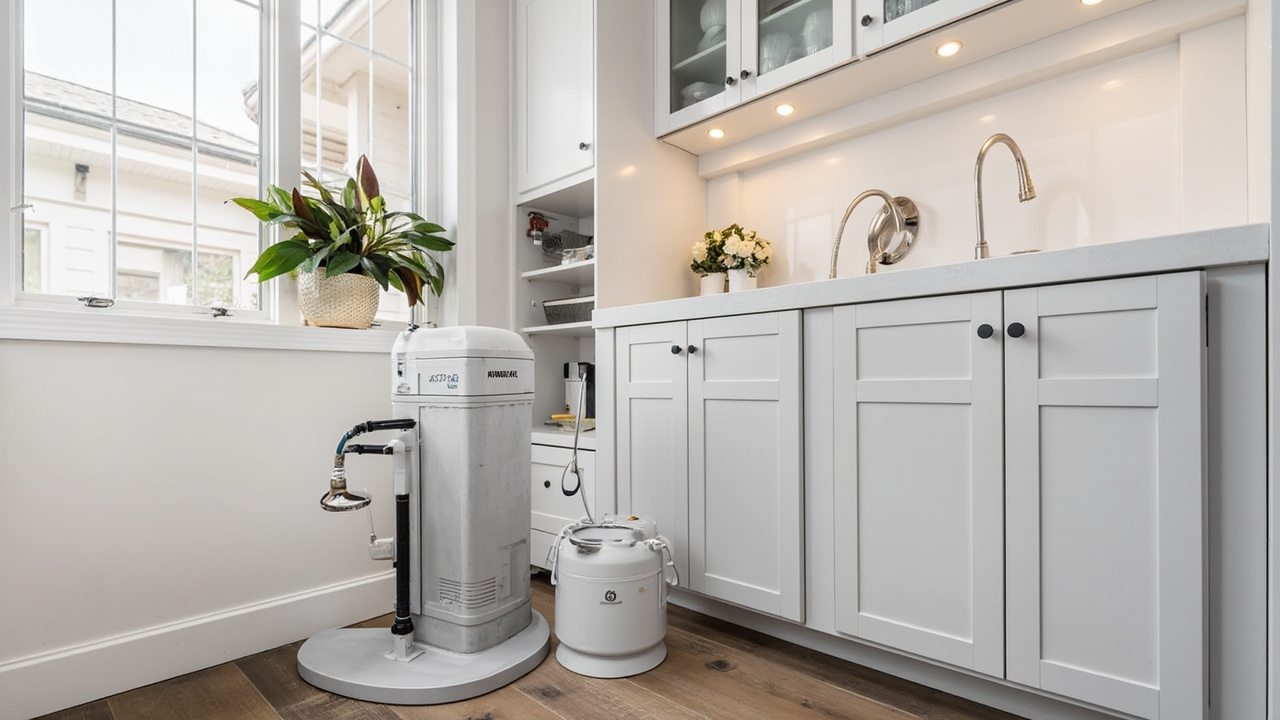
Alpharetta Water Damage Specialists for Fast Mold Prevention and Drying in North FultonWater emergencies in…
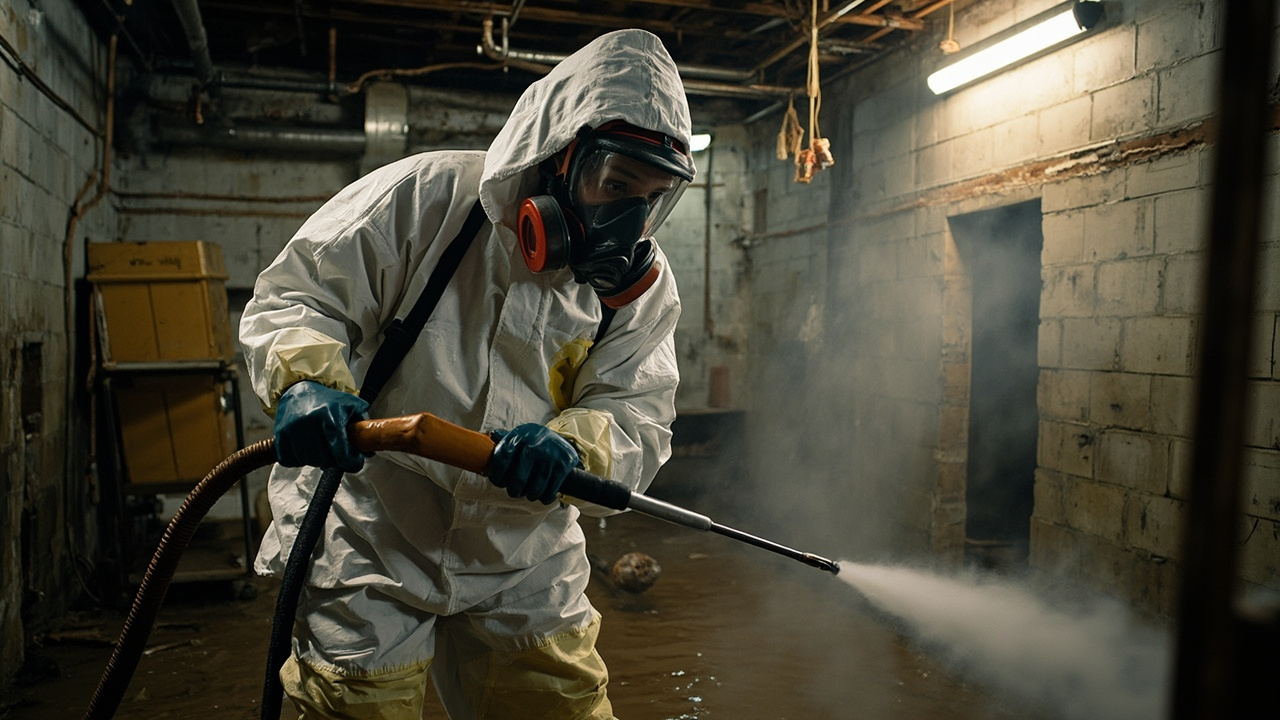
Professional Sewage Backup Cleanup and Restoration in Atlanta GeorgiaA sewage backup in your Atlanta home…
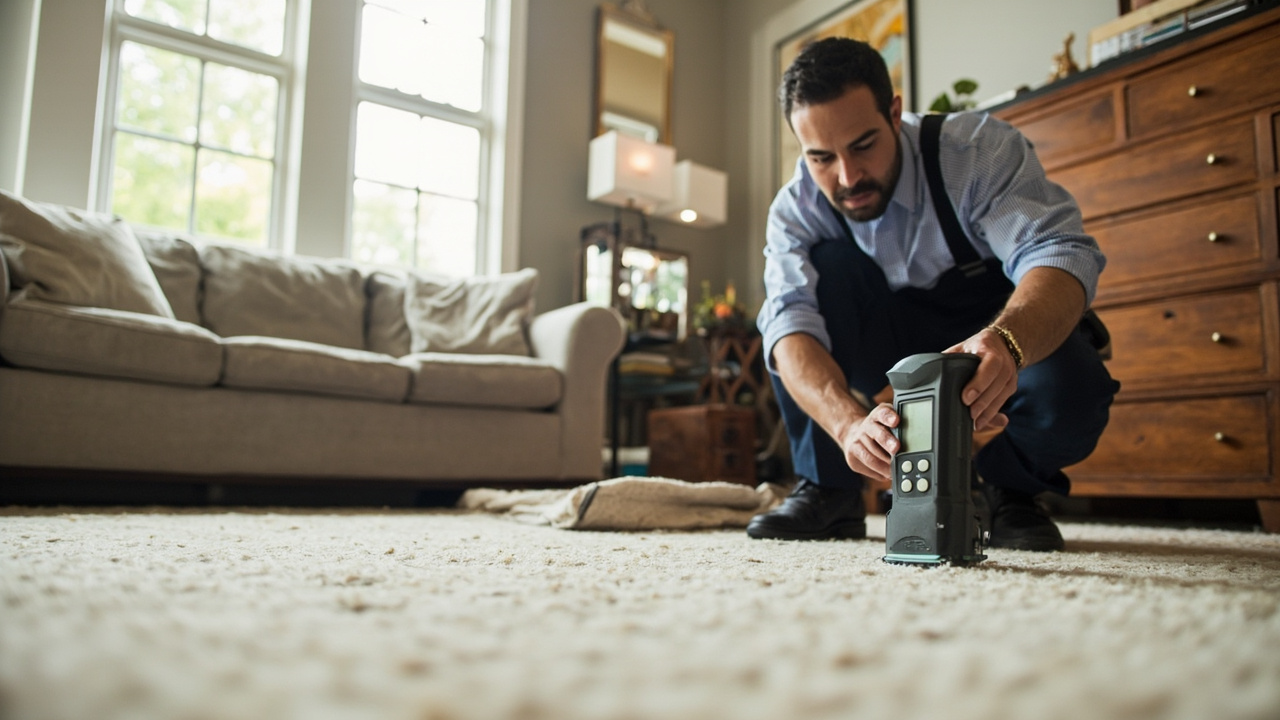
Water damage in an Edgewood home creates an immediate crisis that requires fast decision making.…
Water damage spreads every minute you wait. Call Victory Water Damage Restoration Atlanta now at (678) 397-3666 for immediate dispatch to your College Park property. Our crews respond 24/7 with extraction equipment and drying technology to stop damage and begin restoration. Don't let water destroy your property.