menu

Steps to Take After a Flood in Atlanta – Your Complete Recovery Checklist from Water Extraction to Documentation

Navigate the critical first 24-72 hours after flooding with a proven post-flood recovery checklist designed for Atlanta's humidity, building codes, and insurance requirements to minimize long-term structural damage and mold growth.

Slider Image 1
Slider Image 2
Slider Image 3
Slider Image 4
Slider Image 5
Slider Image 7
Slider Image 8
Slider Image 9
Slider Image 10
Slider Image 11

Why Atlanta Floods Create Urgent Structural Risks

Atlanta sits in the Piedmont region where clay soil prevents water from draining naturally. When your home floods, water does not just sit on the surface. It penetrates foundation cracks, seeps into crawl spaces, and saturates subflooring. The combination of Georgia's year-round humidity and poor soil drainage creates a perfect environment for secondary damage within 24 to 48 hours.

Immediate actions after flooding determine whether you face a manageable cleanup or structural failure. Floodwater carries sediment, sewage, and organic material that fuel microbial growth. Atlanta's average 52-inch annual rainfall means your home never fully dries between storms unless you remove standing water and run commercial dehumidification equipment.

The guide to handling flood damage starts with understanding the timeline. Category 3 water, which includes river flooding and sewer backups common in older Atlanta neighborhoods like Grant Park and Old Fourth Ward, requires professional extraction and antimicrobial treatment. You cannot dry this type of contamination with household fans.

Your post-flood recovery checklist must address hidden moisture. Water migrates through drywall cavities, insulation, and rim joists. Without thermal imaging and moisture meters, you miss pockets of saturation that rot framing lumber and create respiratory hazards. Atlanta's building stock includes many homes built before modern vapor barriers existed, which makes them vulnerable to moisture intrusion you cannot see.

What to do after a house flood depends on the water source, the duration of exposure, and your home's construction type. The clock starts the moment water enters your property.

Why Atlanta Floods Create Urgent Structural Risks
The Three-Phase Water Damage Clean Up Process

The Three-Phase Water Damage Clean Up Process

Water damage clean up steps follow a strict sequence. You cannot skip phases without compromising structural integrity and indoor air quality.

Phase one is source elimination and water extraction. You must stop the inflow, whether that means sandbagging exterior doors during flash flooding or shutting off the main water supply if a pipe burst caused the flood. Truck-mounted extraction units remove standing water faster than wet vacuums. Every hour water sits increases the depth of material saturation and the likelihood of delamination in hardwood floors and cabinetry.

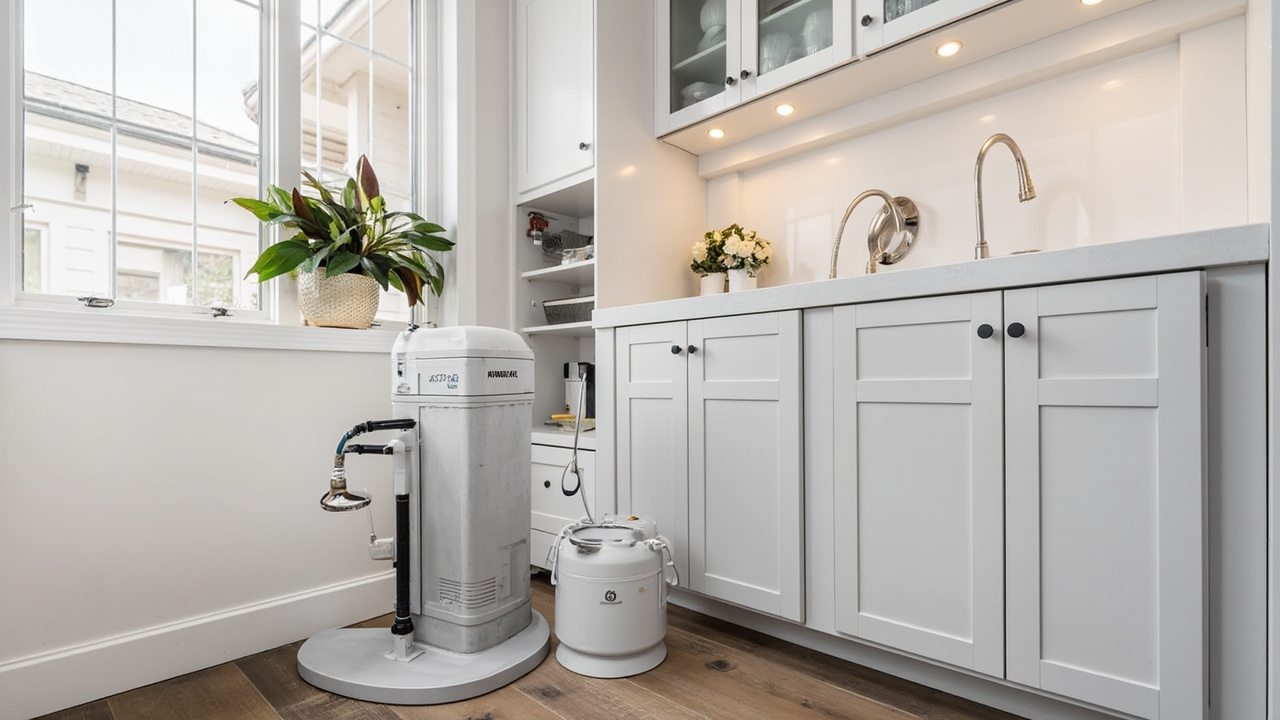
Phase two is structural drying and dehumidification. This requires air movers positioned to create laminar airflow across wet surfaces and low-grain refrigerant dehumidifiers that pull moisture from the air. Atlanta's ambient humidity hovers between 60 and 80 percent, which means you cannot rely on natural evaporation. Professional drying equipment runs continuously for three to seven days depending on the affected square footage and the materials involved. We monitor progress with daily moisture readings until materials reach equilibrium moisture content.

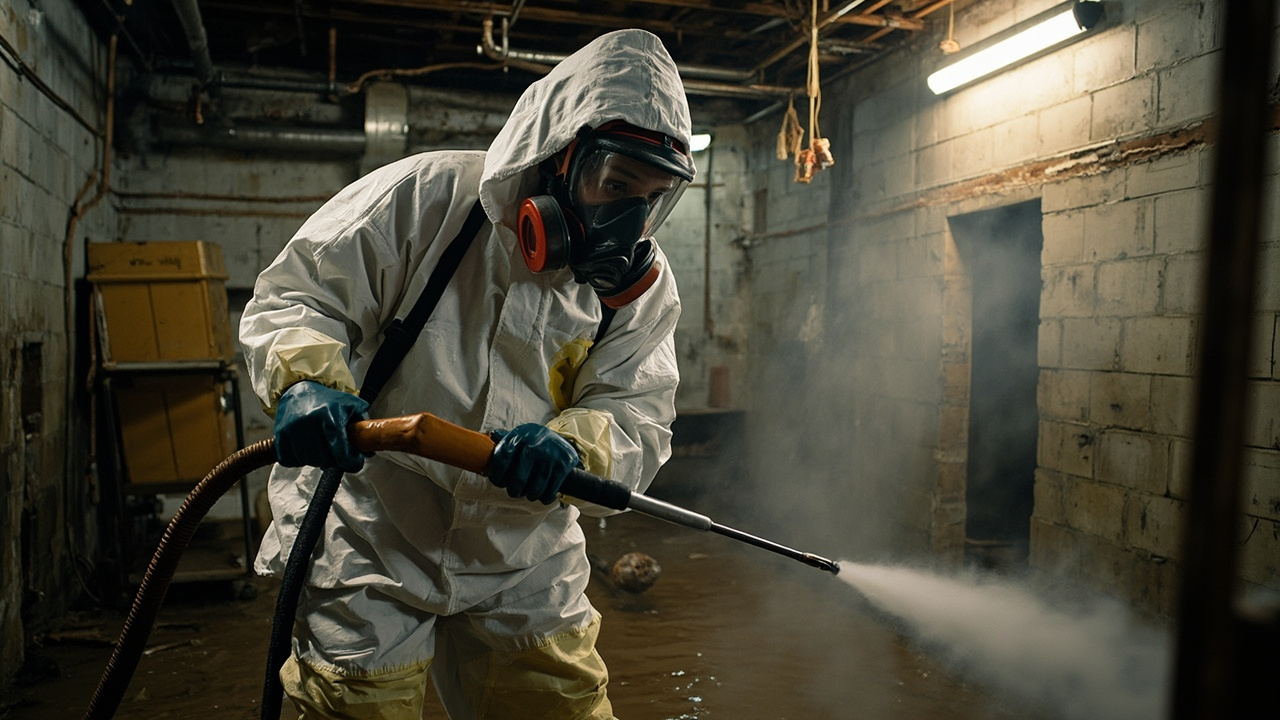
Phase three is cleaning, sanitizing, and reconstruction. Porous materials exposed to Category 2 or Category 3 water get removed and discarded. This includes drywall, insulation, and carpeting. We apply EPA-registered antimicrobials to framing and subfloors before reconstruction begins. Non-porous surfaces like tile and metal get cleaned with detergent and disinfected.

Victory Water Damage Restoration Atlanta follows IICRC S500 standards, which define water damage clean up steps based on contamination level, evaporation rate, and material porosity. We do not guess. We measure, document, and verify.

What Happens During Your Flood Recovery

Steps to Take After a Flood in Atlanta – Your Complete Recovery Checklist from Water Extraction to Documentation
01

Emergency Water Removal

We deploy truck-mounted extractors within hours of your call to remove standing water before it saturates subflooring and wall cavities. This first step prevents secondary damage and reduces drying time. Our team documents the water category, measures affected areas, and photographs damage for your insurance claim before extraction begins.
02

Controlled Structural Drying

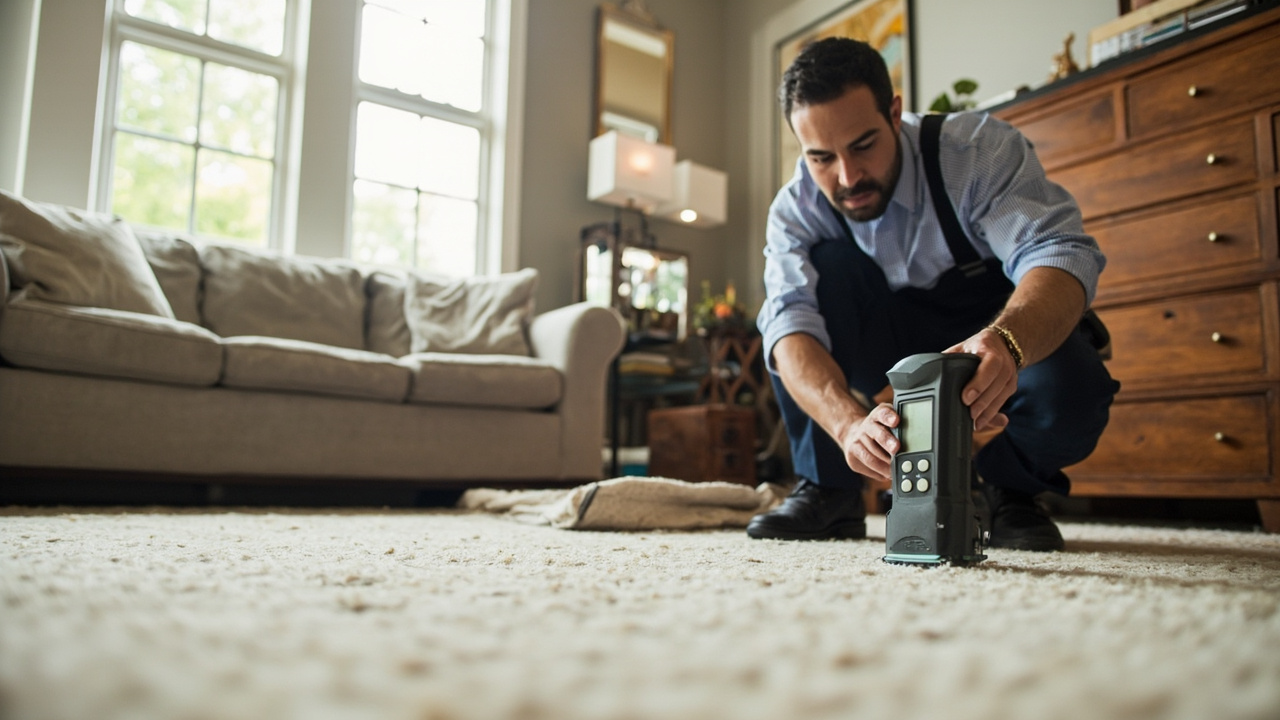
We position commercial air movers and dehumidifiers to create optimal drying conditions, targeting hidden moisture in framing and insulation. Technicians monitor drying progress with thermal cameras and moisture meters, adjusting equipment placement daily. This phase runs continuously until materials reach dry standard, which typically takes three to five days depending on saturation depth and ambient conditions.
03

Sanitization and Reconstruction Prep

After drying verification, we remove unsalvageable materials, apply antimicrobial treatments to all affected surfaces, and prepare your home for reconstruction. You receive a detailed scope of work with material moisture readings and photographic documentation showing your property is dry and safe for rebuilding. This documentation satisfies insurance requirements and contractor liability concerns.

Why Atlanta Homeowners Choose Local Flood Recovery Experts

Atlanta's flood risks are location-specific. Homes near Peachtree Creek, the Chattahoochee River, and South River face different challenges than properties in Buckhead or Druid Hills. We understand the drainage patterns, soil composition, and building practices that affect how your neighborhood responds to heavy rainfall.

Local knowledge matters when you need immediate water damage clean up steps. We know which neighborhoods flood during thunderstorms, which streets lose power first, and which insurance adjusters work your zip code. This familiarity speeds response time and claim processing.

Atlanta enforces the 2020 International Residential Code with local amendments. Post-flood reconstruction must meet current code even if your home was built decades earlier. We navigate permit requirements, inspection schedules, and variance procedures so you do not face delays or compliance issues. Out-of-town contractors often miss local code nuances that trigger failed inspections.

Victory Water Damage Restoration Atlanta operates 24 hours a day because floods do not wait for business hours. Flash flooding from summer thunderstorms and winter ice dam failures happen without warning. You need a team that answers the phone at 2 AM and arrives with extraction equipment while water is still rising.

We work directly with major insurance carriers common in the Atlanta market, including State Farm, Allstate, and Georgia Farm Bureau. Our documentation meets adjuster requirements for water intrusion claims, which reduces the back-and-forth that delays payment. We provide detailed moisture maps, equipment logs, and material inventories formatted for insurance submission.

Choosing local means choosing accountability. We live and work in the same communities we serve. Your neighbor's flooded basement matters because we see the same risks in our own homes.

What You Can Expect During Flood Recovery

Rapid Response Timeline

We answer emergency calls 24/7 and typically arrive within 60 to 90 minutes anywhere in the Atlanta metro. Our trucks carry extraction equipment, air movers, and dehumidifiers so we start mitigation immediately. You do not wait days for equipment rental or scheduling. The faster we extract water, the less damage occurs. Emergency response includes temporary power if your electrical panel flooded, tarp installation if roof damage caused the intrusion, and initial moisture documentation for insurance purposes. Speed during the first six hours determines whether you save hardwood floors, cabinetry, and personal belongings.

Comprehensive Damage Assessment

Our technicians use thermal imaging cameras and penetrating moisture meters to map water migration through walls, ceilings, and floors. This assessment identifies hidden saturation you cannot see or feel. We classify water by contamination category, measure affected square footage, and document pre-existing conditions. You receive a written scope of work detailing what gets dried, what gets removed, and what requires replacement. This assessment forms the foundation of your insurance claim. We photograph every affected area and create floor plans showing moisture readings. The evaluation takes one to two hours depending on property size and complexity.

Verified Dry Standard

We do not guess when materials are dry. Our technicians measure moisture content daily and compare readings to industry dry standards for each material type. Wood framing must reach 15 percent moisture content or lower. Concrete must drop below 4 percent on a moisture meter scale. Drywall cannot exceed 1 percent. You receive a completion certificate with final moisture readings proving your home meets dry standard before we remove equipment. This documentation protects you from future mold claims and satisfies insurance closure requirements. Most drying projects reach completion in three to seven days.

Post-Mitigation Support

After mitigation completes, we provide referrals to licensed general contractors for reconstruction and help you navigate the insurance claim process. Our detailed documentation package includes all photos, moisture logs, equipment placement diagrams, and material inventories your adjuster needs. We remain available to answer questions during reconstruction and conduct final walk-throughs to verify work quality. If you experience any moisture-related issues within 30 days of project completion, we return to reassess at no charge. We also provide guidance on preventing future flooding, including grading recommendations, sump pump installation, and foundation waterproofing options specific to Atlanta soil conditions.

Frequently Asked Questions

You Have Questions,
We Have Answers

What steps to take after a flood? +

First, ensure everyone is safe and stay out of standing water. Document all damage with photos and video for insurance claims. Contact your insurance company immediately. Turn off electricity at the breaker if you can do so safely. Remove standing water using pumps or wet vacuums. Move undamaged items to a dry area. Contact a professional water damage restoration company within 24 hours to prevent mold growth. Atlanta's high humidity accelerates secondary damage, so speed matters. Do not attempt major cleanup until a professional assesses structural safety and contamination risks.

What should I do after the flood? +

After a flood, prioritize safety and documentation. Wear protective gear including rubber boots and gloves before entering your home. Take extensive photos and videos for your insurance adjuster. Extract standing water quickly using professional-grade equipment. Remove wet materials like carpet padding, drywall, and insulation that cannot be salvaged. Set up dehumidifiers and air movers to dry out the structure. In Atlanta's humid climate, proper ventilation is critical to prevent mold colonization. Contact a licensed restoration company to handle structural drying and microbial remediation professionally.

What precautions should be taken after a flood? +

Avoid electrical hazards by keeping power off in flooded areas. Wear protective equipment including N95 masks, gloves, and boots, as floodwater often contains sewage and contaminants. Discard porous materials that absorbed floodwater, including drywall, insulation, and carpeting. Disinfect hard surfaces with EPA-registered antimicrobial solutions. Monitor indoor humidity levels, keeping them below 50 percent to prevent mold growth. Atlanta's warm, humid conditions create ideal mold environments, so aggressive dehumidification is essential. Never mix cleaning chemicals. Ventilate work areas thoroughly and watch for structural damage before entering rooms.

How quickly does mold grow after a flood? +

Mold can begin growing within 24 to 48 hours after flooding in Atlanta's humid climate. Spores need only moisture, organic material, and temperatures above 40 degrees to colonize. Given Atlanta's average humidity levels and warm temperatures, mold growth often starts faster than the national average. You may see visible growth within 72 hours on porous materials like drywall, wood, and fabric. This is why immediate water extraction and structural drying are critical. Professional restoration teams use moisture meters and thermal imaging to find hidden water before mold takes hold.

What to spray on walls after a flood? +

Use an EPA-registered antimicrobial solution designed for flood remediation on non-porous surfaces like sealed concrete or tile. For drywall and porous materials, spraying is ineffective because mold roots penetrate deep into the material. These materials must be removed and replaced. Bleach is not recommended for porous surfaces and can damage materials without killing mold roots. Professional restoration companies in Atlanta use hospital-grade disinfectants and HEPA air scrubbers to address airborne spores. Always wear respiratory protection when applying any treatment. Proper ventilation and dehumidification must accompany any antimicrobial application.

What are the 5 steps of disaster recovery? +

The five disaster recovery steps are assessment, stabilization, cleanup, restoration, and reconstruction. Assessment involves documenting damage and identifying safety hazards. Stabilization includes water extraction, board-up services, and temporary power. Cleanup removes damaged materials and disinfects surfaces. Restoration returns salvageable materials to pre-loss condition through drying, deodorization, and antimicrobial treatment. Reconstruction rebuilds structural elements like framing, drywall, and flooring. In Atlanta, humidity control is critical during each phase to prevent secondary damage. Professional restoration companies coordinate these steps, working directly with insurance adjusters to streamline claims and minimize business or living disruption.

Do you have to throw everything away after a flood? +

No, not everything must be discarded after a flood. Hard, non-porous items like metal, glass, and solid wood furniture can often be cleaned and disinfected. Electronics may be salvageable if dried professionally before power is restored. However, porous materials that absorbed contaminated floodwater, including carpet, padding, upholstered furniture, drywall, and insulation, typically cannot be saved. Mattresses and pillows should be discarded. In Atlanta, high humidity makes it harder to dry porous materials completely, increasing contamination and mold risk. A professional restoration company can help you determine what is salvageable and what poses health risks.

How long to dry out a house after a flood? +

Structural drying typically takes three to five days with professional equipment, but Atlanta's humidity can extend this timeline. Factors include the extent of water intrusion, building materials, and outdoor conditions. Hardwood floors may take two weeks to dry properly. Concrete foundations can hold moisture for months without proper drying protocols. Professional restoration teams use industrial dehumidifiers, air movers, and moisture meters to track progress. Drying too quickly can cause cracking and warping. Waiting too long invites mold growth. Professionals balance speed with material integrity, adjusting equipment daily based on moisture readings.

What are 5 ways to prepare for a flood? +

Keep gutters and downspouts clear to direct water away from your foundation, especially important given Atlanta's clay soil and heavy spring rains. Install a sump pump with battery backup in your basement or crawl space. Seal foundation cracks and ensure proper grading around your home. Store important documents and valuables on upper floors or in waterproof containers. Create an emergency kit with flashlights, batteries, first aid supplies, and contact information for your insurance agent and a local restoration company. Know your flood zone and consider flood insurance, as standard homeowners policies exclude flood damage.

What should be avoided after floods? +

Avoid entering floodwater without protective gear, as it often contains sewage, chemicals, and sharp debris. Do not turn on electricity in flooded areas until a licensed electrician inspects the system. Never use gasoline-powered equipment indoors due to carbon monoxide risk. Avoid walking on wet floors above flooded basements, as structural damage may cause collapse. Do not attempt to dry out your home without professional dehumidification, especially in Atlanta's humid climate where surface drying masks hidden moisture. Avoid mixing cleaning chemicals. Do not delay contacting your insurance company or a restoration professional, as delays worsen damage.

How Atlanta's Clay Soil and Drainage Systems Complicate Flood Recovery

Atlanta sits on Piedmont clay soil that expands when wet and contracts when dry. This soil does not drain water efficiently, which means floodwater pools around foundations and seeps through cracks rather than percolating away. Homes in East Atlanta, Decatur, and south of I-20 face higher groundwater intrusion risks during heavy rainfall because the clay layer sits close to the surface. Your immediate actions after flooding must include foundation assessment because hydrostatic pressure from saturated clay can crack block walls and shift pier-and-beam supports. What to do after a house flood in Atlanta requires understanding that water does not just flow away naturally like it does in sandy or loamy soil regions.

Atlanta's combined sewer and stormwater system, still present in older neighborhoods like Midtown and West End, increases flood contamination risk. During heavy storms, sewage can back up through floor drains and toilets, introducing Category 3 water that requires professional remediation. Local contractors familiar with Atlanta's infrastructure know which streets flood predictably and which homes need backflow preventers. Victory Water Damage Restoration Atlanta maintains relationships with Fulton County and DeKalb County building inspectors, which expedites permit approval when post-flood reconstruction involves electrical or plumbing work. Choosing a local team means working with professionals who understand Atlanta's unique challenges and regulatory environment.
Water Damage Restoration Services in The Atlanta Area

While we provide rapid mobile water damage restoration services directly to your doorstep throughout the Atlanta metropolitan area, you can also view our primary service location on the map below. This helps visualize our operational reach and assures you that expert assistance is always within your vicinity. We are always ready to deploy our dedicated teams to your precise location, ensuring swift and effective service whenever you need us, guaranteeing peace of mind.

Address:
Victory Water Damage Restoration Atlanta, 1055 Howell Ml Rd, Atlanta, GA, 30318

Additional Services We Offer

Our news updates

Latest Articles & News from The Blogs

Risks of Buying a House with Water Damage in Mableton and How to Protect Your Investment Buying a house represents…

Risks of Buying a House with Water Damage in Mableton and How to Protect Your Investment

Risks of Buying a House with Water Damage in Mableton and How to Protect Your Investment Buying a house represents…

Getting the right City of Atlanta building permits for major water damage repairs

Getting the right City of Atlanta building permits for major water damage repairsMajor water damage in your Atlanta home often…

Identifying chimney water leaks in Candler Park homes before they ruin your walls

Living in the historic Candler Park neighborhood offers unique architectural charm but the older masonry systems require constant attention. In…

Contact Us

Do not wait for mold growth and structural damage to worsen. Call Victory Water Damage Restoration Atlanta at (678) 397-3666 for immediate water extraction and drying. We answer 24/7 and arrive ready to work.