menu

Fire Damage Safety Checklist in Atlanta – Protect Your Family from Hidden Post-Fire Hazards

Your complete fire damage safety protocol to identify toxic residues, structural weaknesses, and electrical hazards before your family returns home after a fire.

Slider Image 1
Slider Image 2
Slider Image 3
Slider Image 4
Slider Image 5
Slider Image 7
Slider Image 8
Slider Image 9
Slider Image 10
Slider Image 11

Why Post-Fire Safety Steps Matter More in Atlanta Homes

You survived the fire. The flames are out. But the danger is not over.

Most Atlanta homeowners make a critical mistake after a fire. They assume once the fire department leaves, the property is safe. It is not. Fire creates a cascade of hidden hazards that persist for days or weeks.

Atlanta's high humidity accelerates soot absorption into drywall and subflooring. What looks like surface residue is actually acidic contamination eating through porous materials. The same moisture that makes our summers unbearable also turns charred wood into a breeding ground for mold spores within 48 hours.

Structural damage is harder to spot in older Atlanta homes built with balloon framing, common in neighborhoods like Virginia-Highland and Inman Park. Fire weakens load-bearing studs invisibly. You cannot see compromised joists until someone steps through the floor.

Electrical systems suffer silent failures. Wiring insulation melts at low temperatures, creating short risks even in rooms untouched by flames. Water from fire suppression seeps into junction boxes and breaker panels, corroding connections that will arc weeks later.

Your after fire safety precautions must address what you cannot see. Smoke migrates through HVAC ductwork, depositing carcinogens in every room. Soot particles embed in carpets, releasing toxins when disturbed. You need a systematic post-fire hazard checklist before anyone sleeps in that structure again.

The fire recovery safety guide you follow in the first 72 hours determines whether your home becomes safe or stays hazardous for months.

Why Post-Fire Safety Steps Matter More in Atlanta Homes
How Professional Fire Damage Assessment Prevents Secondary Disasters

How Professional Fire Damage Assessment Prevents Secondary Disasters

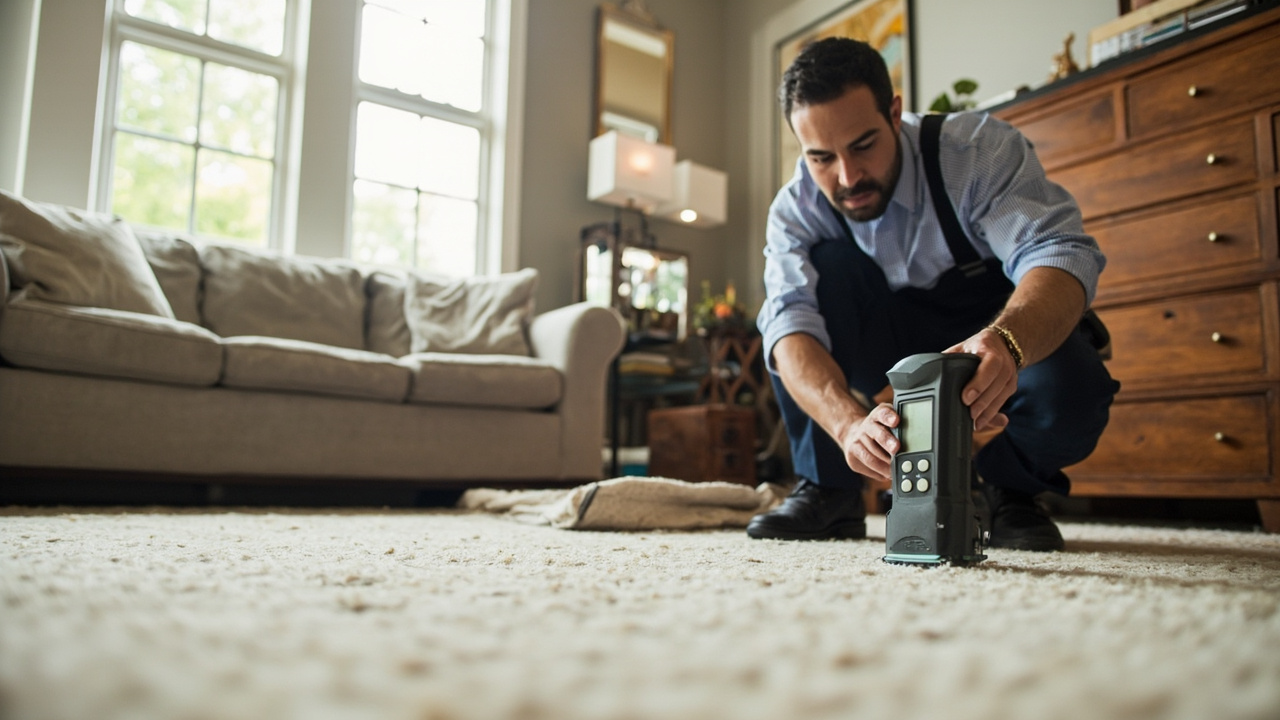
A real fire damage safety protocol starts with air quality testing, not cleaning. You cannot scrub away what you cannot measure. We use particle counters to detect volatile organic compounds and particulate matter below 2.5 microns. These particles lodge in lung tissue and trigger long-term respiratory damage.

Thermal imaging reveals heat signatures in wall cavities where smoldering continues unseen. Atlanta homes with cellulose insulation are especially vulnerable. The material holds heat and reignites hours after suppression. We map every thermal anomaly before clearing the structure.

Structural integrity assessment goes beyond visual inspection. We test joist deflection with load meters and inspect foundation anchor bolts for heat stress. Fire weakens steel fasteners at temperatures below visible deformation points. A compromised connection will fail under normal live loads.

Moisture mapping identifies water damage patterns from fire suppression. We use invasive probes to measure moisture content in subflooring and wall studs. Readings above 17 percent guarantee mold colonization within 48 hours in Atlanta's climate. Dehumidification must begin immediately, not after cleanup.

Electrical system evaluation requires a licensed electrician with thermal scanning equipment. We trace every circuit from the panel to the endpoint, testing insulation resistance and ground fault integrity. Any circuit that carried load during the fire gets replaced, not repaired.

HVAC system quarantine prevents cross-contamination. We seal all supply and return vents before demolition begins. Ductwork gets cleaned with HEPA-filtered negative air machines or replaced entirely if soot contamination exceeds cleanable levels.

This is not restoration. This is forensic safety analysis that happens before restoration begins.

Your Post-Fire Safety Protocol Timeline

Fire Damage Safety Checklist in Atlanta – Protect Your Family from Hidden Post-Fire Hazards
01

Immediate Site Stabilization

Within two hours of your call, we secure the property against weather intrusion and unauthorized entry. Emergency board-up prevents rain damage to exposed interiors while our team performs the initial safety assessment. We establish negative air pressure zones to contain airborne contaminants and mark all structurally questionable areas with barrier tape. You receive a preliminary hazard map identifying no-entry zones before nightfall.
02

Comprehensive Hazard Documentation

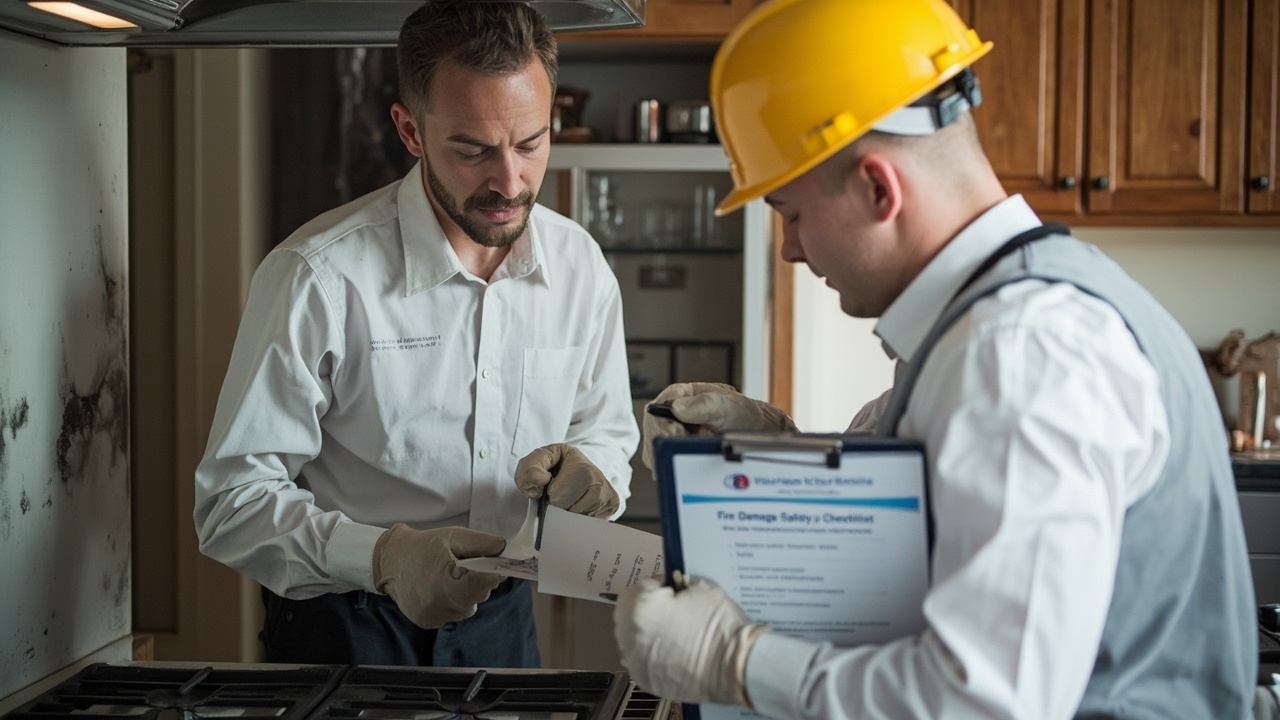
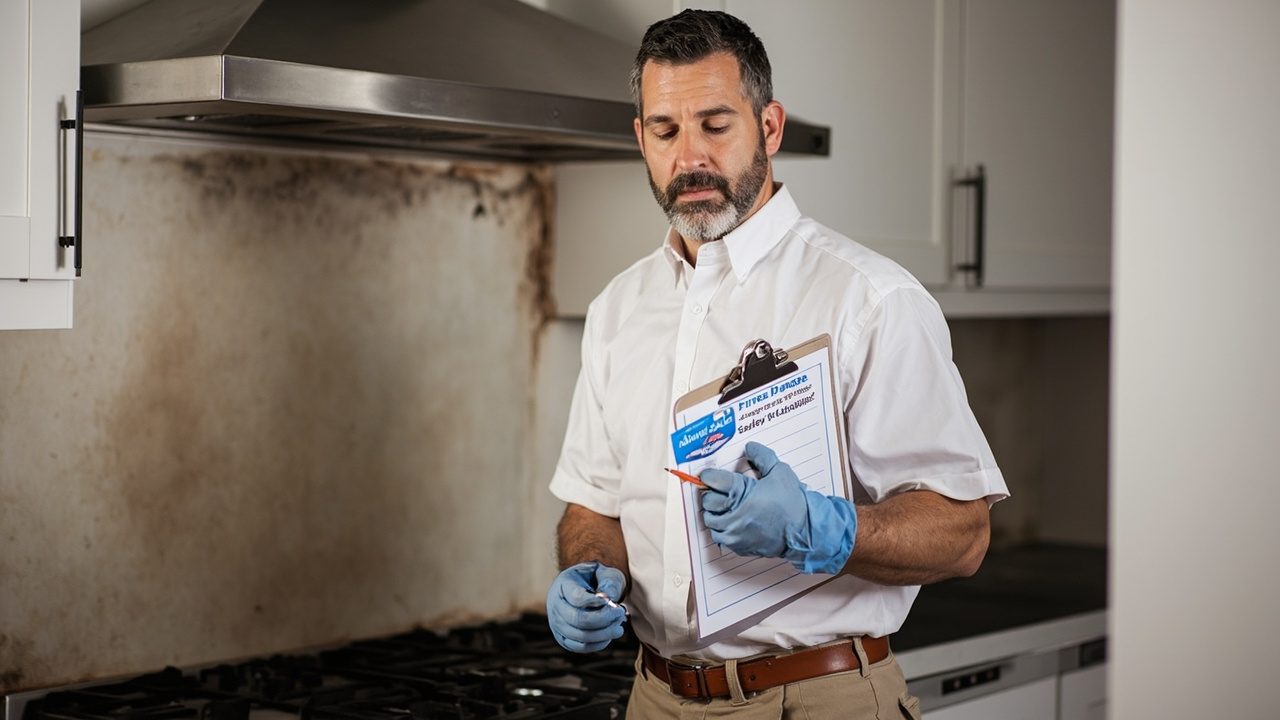
Our certified technicians spend eight to twelve hours documenting every safety concern using thermal imaging, moisture meters, and air quality monitors. We photograph structural damage from multiple angles for insurance documentation while collecting air samples from each affected room. You receive a detailed post-fire safety report within 24 hours that includes contamination maps, structural red flags, and recommended remediation sequences. This report becomes your roadmap for safe recovery.
03

Clearance Testing and Certification

After remediation completes, we conduct final clearance testing to verify the property meets residential safety standards. Air quality must show particle counts below 300 per cubic foot. Moisture readings must fall below 12 percent. Structural repairs must pass load testing. We provide written certification that your home is safe for occupancy, a document many insurance companies require before releasing final claim payments. You get peace of mind backed by data.

Why Atlanta Homeowners Trust Victory Water Damage Restoration for Fire Recovery

Fire damage assessment requires understanding how Atlanta's built environment responds to thermal stress. We have worked in every neighborhood from Buckhead to East Atlanta Village, and we know how different construction types fail under fire conditions.

Homes built before 1980 in neighborhoods like Morningside and Druid Hills often contain asbestos insulation and lead-based paint. Fire makes these materials friable, releasing regulated contaminants that require specialized abatement protocols. We coordinate with certified asbestos contractors and handle all Georgia EPD reporting requirements.

Atlanta's clay soil creates foundation challenges that worsen after fire damage. When fire weakens floor joists and subflooring, the existing settlement cracks in your foundation become structural liabilities. We assess the interaction between fire damage and pre-existing foundation movement to prevent catastrophic failure during restoration.

Local building codes require specific fire safety upgrades during substantial renovation. If fire damage exceeds 50 percent of your home's value, you must bring the entire structure up to current code, including modern egress windows and interconnected smoke detectors. We handle all permit coordination with Atlanta's Department of Planning and Community Development.

Our relationships with Atlanta-based industrial hygienists and structural engineers mean you get expert consultation without delay. When we identify a concern beyond our scope, you have same-day access to licensed professionals who understand local conditions.

We also understand Atlanta's insurance landscape. We document everything to support your claim and provide detailed estimates that match the format your adjuster expects. You get the advocacy you need when dealing with claim disputes.

Victory Water Damage Restoration Atlanta has managed over 200 fire recovery projects in the metro area. We know what Atlanta homes hide, and we know how to make them safe again.

What Your Fire Safety Assessment Includes

Rapid Response Availability

We dispatch a safety assessment team within two hours of your call, 24 hours a day. Fire damage worsens by the hour, especially in Atlanta's humid climate where mold colonization begins within 48 hours. Our team arrives with thermal imaging cameras, moisture meters, and air quality monitors to begin documentation immediately. You receive a preliminary safety briefing on-site so you understand which areas are safe to enter and which require professional clearance. Emergency stabilization happens the same day to prevent secondary damage from weather or intrusion.

Multi-Discipline Safety Inspection

Your assessment covers six critical safety categories including air quality, structural integrity, electrical systems, plumbing contamination, HVAC integrity, and hazardous materials. We use laboratory-grade air sampling to detect carbon monoxide residue, volatile organic compounds, and particulate contamination. Structural inspection includes load testing on questionable joists and beams. Electrical evaluation traces every circuit for insulation failure and ground faults. You receive quantitative data for each category, not subjective opinions. The inspection takes eight to twelve hours depending on property size and includes detailed photography for insurance documentation.

Detailed Safety Roadmap

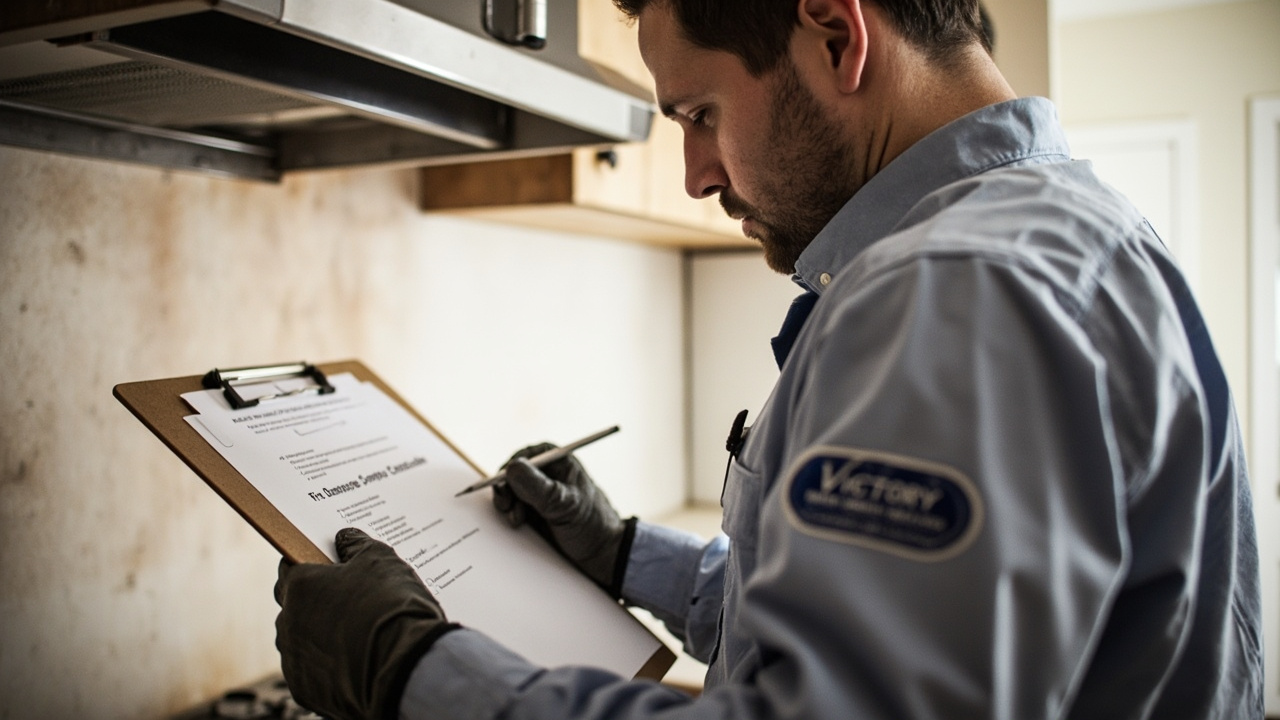
You receive a written post-fire safety report within 24 hours that prioritizes hazards by severity and provides specific remediation steps. The report includes color-coded floor plans showing contamination zones, structural red flags, and safe areas. We provide material-specific cleaning protocols for salvageable items and disposal requirements for contaminated materials. You also get a sequenced restoration timeline that prevents cross-contamination during demolition and rebuilding. This document becomes your blueprint for safe recovery and serves as supporting evidence for your insurance claim. We explain every finding in plain language during a follow-up consultation.

Post-Remediation Clearance Testing

After remediation completes, we conduct independent clearance testing to verify your home meets residential safety standards. Air quality testing confirms particle counts below EPA thresholds. Moisture readings verify all materials are below 12 percent to prevent mold growth. We provide written certification that the property is safe for occupancy, a document often required by insurance companies and mortgage lenders before releasing funds. If any area fails clearance testing, we identify the deficiency and retest after correction at no additional charge. You get objective confirmation that your home is truly safe, not just visually clean.

Frequently Asked Questions

You Have Questions,
We Have Answers

What are the 5 E's of fire safety? +

The 5 E's of fire safety are Education, Engineering, Enforcement, Emergency Response, and Evaluation. Education trains people to recognize and prevent fire hazards. Engineering focuses on designing safer buildings with proper fire-rated materials and suppression systems. Enforcement ensures compliance with fire codes and safety regulations. Emergency Response prepares teams to act quickly during a fire incident. Evaluation reviews past incidents to improve future prevention and response strategies. Atlanta property owners benefit from understanding these principles, especially given the city's mix of historic and modern structures that require different fire safety approaches.

What are the 4 P's of fire safety? +

The 4 P's of fire safety are Prevention, Planning, Practice, and Performance. Prevention stops fires before they start through hazard identification and risk management. Planning develops clear evacuation routes and emergency protocols for your property. Practice involves regular fire drills and training to ensure everyone knows their role during an emergency. Performance measures how well your fire safety systems and procedures work when tested. For Atlanta homes and businesses, these four principles form the foundation of effective fire preparedness, reducing injury risk and property damage during fire emergencies.

What are the 5 basic fire safety practices? +

Five basic fire safety practices include installing working smoke detectors on every floor, keeping fire extinguishers accessible and inspected, creating and practicing evacuation plans, never leaving cooking or candles unattended, and storing flammable materials properly away from heat sources. Atlanta residents should test smoke detectors monthly and replace batteries twice yearly. Keep exit paths clear of clutter and ensure everyone in your household knows at least two ways out of every room. These simple practices prevent most residential fires and save lives when fires do occur.

What are the 10 fire safety rules? +

Ten essential fire safety rules: install smoke detectors on every level, test alarms monthly, never leave cooking unattended, keep flammables away from heat, inspect electrical cords for damage, practice escape plans twice yearly, sleep with bedroom doors closed, keep exits clear, maintain fire extinguishers, and never re-enter a burning building. Atlanta's humid climate can affect detector sensitivity, so regular testing matters. Multi-story homes and older properties in neighborhoods like Inman Park or Virginia Highland require extra attention to exit planning due to architectural layouts that may limit escape routes.

What does 5 5 5 mean to a firefighter? +

The 5-5-5 rule means firefighters have approximately five minutes to don equipment, five minutes to arrive on scene, and five minutes to rescue occupants before conditions become fatal. This timeline emphasizes why early detection and immediate evacuation matter so much. Atlanta's traffic congestion can extend response times in areas like downtown or during rush hour on the Connector, making the first five minutes critical for occupant self-rescue. Property owners should focus on early warning systems and practiced evacuation procedures rather than relying solely on firefighter arrival.

What is a take 5 checklist? +

A Take 5 checklist is a brief safety assessment completed before starting any task with fire risk. Workers identify five key hazards, evaluate controls, and confirm safe conditions before proceeding. The five steps typically include: stop and think, look for hazards, assess risks, identify controls, and monitor conditions throughout the task. Atlanta commercial properties use Take 5 checklists for hot work permits, maintenance activities, and restoration projects. This proactive approach prevents workplace fires by forcing teams to pause and evaluate risks before acting.

What are the 4 golden rules of fire safety? +

The four golden rules of fire safety are: if you discover fire, raise the alarm immediately. If the alarm sounds, evacuate without delay. Never use elevators during a fire. Once out, stay out and call 911. These rules save lives by prioritizing immediate action over property concerns. Atlanta high-rise residents and office workers must understand elevator danger during fires, as smoke can fill shafts quickly. Multi-tenant buildings downtown require clear communication about alarm protocols. The golden rules apply universally but need reinforcement through regular practice and posted signage.

What is the 4 triangle of fire? +

The fire triangle consists of three elements needed for combustion: heat, fuel, and oxygen. Remove any one element and the fire dies. This principle guides fire suppression strategies. Water removes heat, fire blankets remove oxygen, and clearing brush removes fuel. Atlanta firefighters apply this science when battling structure fires or controlling wildfires in wooded areas near the Chattahoochee. Understanding the fire triangle helps property owners make better prevention decisions, like maintaining defensible space around buildings and storing combustibles properly to eliminate fuel sources.

What are the 3 A's of fire safety? +

The 3 A's of fire safety are Activate, Assist, and Attempt. Activate the alarm system immediately when you discover fire. Assist others by alerting occupants and helping those who need evacuation support. Attempt to extinguish only if the fire is small, contained, and you have proper equipment and training. If conditions worsen, evacuate immediately. Atlanta property owners should prioritize the first two A's over fighting fires themselves. Attempting suppression without training causes injuries and delays professional response. Focus on getting everyone out safely and letting trained firefighters handle suppression.

What is the 30/30/30 rule for fire? +

The 30/30/30 rule guides safe campfire practices: clear a 30-foot diameter area around the fire, keep flames under 30 inches tall, and extinguish fires at least 30 minutes before leaving or sleeping. While primarily for outdoor fires, this spacing principle applies to Atlanta properties with fire pits or outdoor cooking areas. The 30-foot clearance prevents fire spread to structures, vegetation, or combustibles. Many Atlanta neighborhoods have ordinances restricting open burning, so check local regulations before using outdoor fire features. Proper clearance and size control prevent uncontrolled fires.

How Atlanta's Heat and Humidity Accelerate Post-Fire Contamination

Atlanta's average summer humidity above 70 percent creates a critical window for mold colonization after fire damage. Wet drywall and subflooring from fire suppression efforts reach moisture content levels above 20 percent within hours. At this saturation point, mold spores colonize porous materials within 24 to 48 hours, far faster than in arid climates. The same high temperatures that stress our air conditioning systems also accelerate off-gassing from burned materials, releasing higher concentrations of volatile organic compounds into the air. Your post-fire hazard checklist must account for accelerated contamination timelines unique to our climate. Delayed action in Atlanta means fighting both fire damage and biological contamination simultaneously.

Atlanta fire restoration requires understanding local building practices and code enforcement patterns. The City of Atlanta and surrounding counties each maintain different permitting requirements for substantial fire damage repairs. DeKalb County requires engineered drawings for any structural repairs, while Fulton County may allow builder-certified plans for minor work. We maintain current relationships with plan reviewers in every metro jurisdiction and understand which fire damage scenarios trigger code upgrade requirements. Choosing a restoration partner unfamiliar with local regulations means permit delays that extend your displacement and increase carrying costs. Our knowledge of Atlanta-specific fire recovery protocols ensures your safety assessment addresses both immediate hazards and long-term compliance requirements.
Water Damage Restoration Services in The Atlanta Area

While we provide rapid mobile water damage restoration services directly to your doorstep throughout the Atlanta metropolitan area, you can also view our primary service location on the map below. This helps visualize our operational reach and assures you that expert assistance is always within your vicinity. We are always ready to deploy our dedicated teams to your precise location, ensuring swift and effective service whenever you need us, guaranteeing peace of mind.

Address:
Victory Water Damage Restoration Atlanta, 1055 Howell Ml Rd, Atlanta, GA, 30318

Additional Services We Offer

Our news updates

Latest Articles & News from The Blogs

Risks of Buying a House with Water Damage in Mableton and How to Protect Your Investment Buying a house represents…

Risks of Buying a House with Water Damage in Mableton and How to Protect Your Investment

Risks of Buying a House with Water Damage in Mableton and How to Protect Your Investment Buying a house represents…

Getting the right City of Atlanta building permits for major water damage repairs

Getting the right City of Atlanta building permits for major water damage repairsMajor water damage in your Atlanta home often…

Identifying chimney water leaks in Candler Park homes before they ruin your walls

Living in the historic Candler Park neighborhood offers unique architectural charm but the older masonry systems require constant attention. In…

Contact Us

Your family's safety depends on professional evaluation, not guesswork. Call Victory Water Damage Restoration Atlanta at (678) 397-3666 right now for same-day safety assessment. We answer 24 hours a day and dispatch within two hours. Get the answers you need before anyone enters that structure again.