menu

Emergency Mold Containment in Atlanta – 24/7 Rapid Response Teams Dispatched in Under 60 Minutes

Victory Water Damage Restoration Atlanta delivers immediate mold mitigation with certified containment crews on-site fast, stopping airborne spores before they spread through your HVAC system or compromise structural integrity.

Slider Image 1
Slider Image 2
Slider Image 3
Slider Image 4
Slider Image 5
Slider Image 7
Slider Image 8
Slider Image 9
Slider Image 10
Slider Image 11

Why Atlanta's Climate Makes Mold Growth a True Emergency

Atlanta's subtropical humidity creates perfect conditions for explosive mold growth. When indoor humidity stays above 60 percent for more than 48 hours, mold colonies double every 24 to 48 hours. A small patch behind your drywall becomes a health hazard in less than a week.

You might see black staining on bathroom grout or smell that musty odor near your HVAC return vents. Those are warning signs. What you cannot see is worse. Mold releases airborne spores that travel through ductwork, spread to clean rooms, and embed in porous materials like insulation and wood framing.

Summer storms dump inches of rain in hours across metro Atlanta. Basement seepage, roof leaks, and failed sump pumps create standing water. That water soaks into drywall and subfloors. Within 72 hours, you have active mold growth. The longer you wait, the more invasive the remediation becomes.

Urgent mold isolation stops the spread. Immediate mold mitigation protects your family from respiratory irritants. Emergency mold abatement prevents structural damage that costs tens of thousands to repair. Rapid mold containment services seal off affected zones using negative air pressure chambers and HEPA filtration. You need 24/7 mold damage containment because mold does not wait for business hours.

Atlanta's clay soil shifts with moisture changes, causing foundation cracks that let groundwater seep in. Crawl spaces flood during heavy rain. That creates hidden mold factories under your feet. You need professionals who understand local construction methods and know where moisture hides in older Craftsman homes and newer subdivisions alike.

Why Atlanta's Climate Makes Mold Growth a True Emergency
How Victory Water Damage Restoration Atlanta Stops Mold Spread Fast

How Victory Water Damage Restoration Atlanta Stops Mold Spread Fast

We isolate the contaminated zone within the first hour. Our crews build physical barriers using 6-mil polyethylene sheeting, sealing all doorways, vents, and openings. We establish negative air pressure using commercial-grade air scrubbers with HEPA filters rated to capture 99.97 percent of particles down to 0.3 microns. This prevents cross-contamination into unaffected areas.

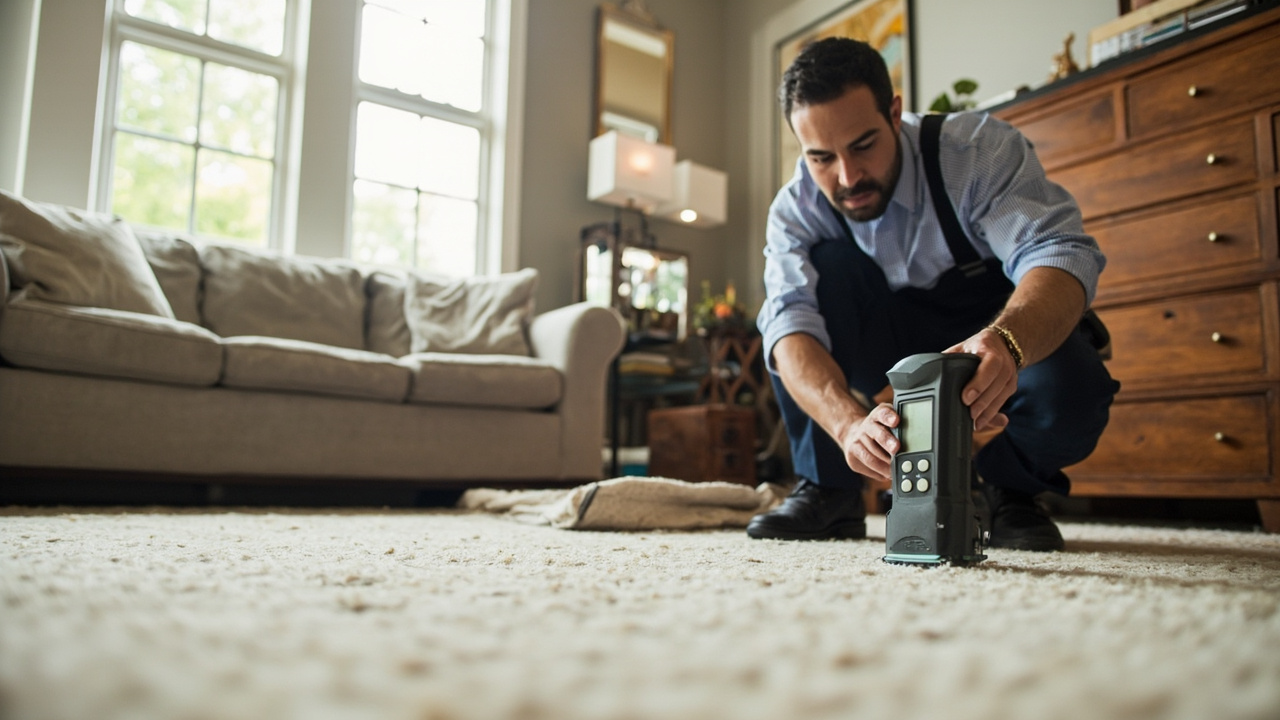
We map moisture levels using thermal imaging cameras and penetrating moisture meters. Mold follows water. We trace the source, whether it is a leaking supply line inside your wall cavity, condensation from an oversized AC unit, or groundwater wicking up through your slab foundation. Stopping the moisture source is the only way to prevent regrowth.

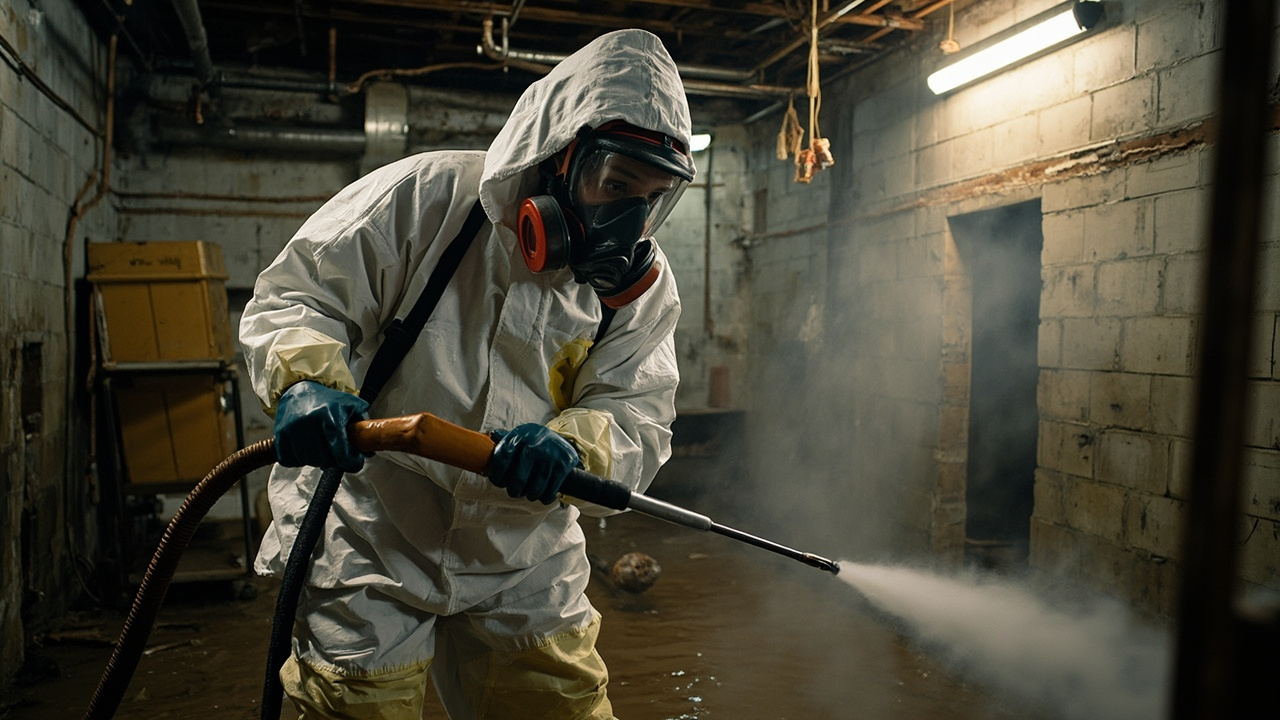
Our technicians wear full PPE, including respirators with P100 filters, to protect themselves and prevent spore transfer. We bag and remove all porous materials that cannot be salvaged, like drywall, insulation, and carpet padding. Non-porous surfaces get treated with antimicrobial solutions that kill mold at the root structure.

We document everything with photos, moisture readings, and air sample data. Insurance adjusters need proof of both the damage and the scope of work. We communicate directly with your carrier to expedite claims processing, so you get reimbursed faster.

Atlanta's older homes often have knob-and-tube wiring and cast iron plumbing. We work around these systems carefully, coordinating with licensed electricians and plumbers when needed. Newer homes have oriented strand board sheathing that holds moisture longer than plywood. We adjust our drying protocol based on your building materials.

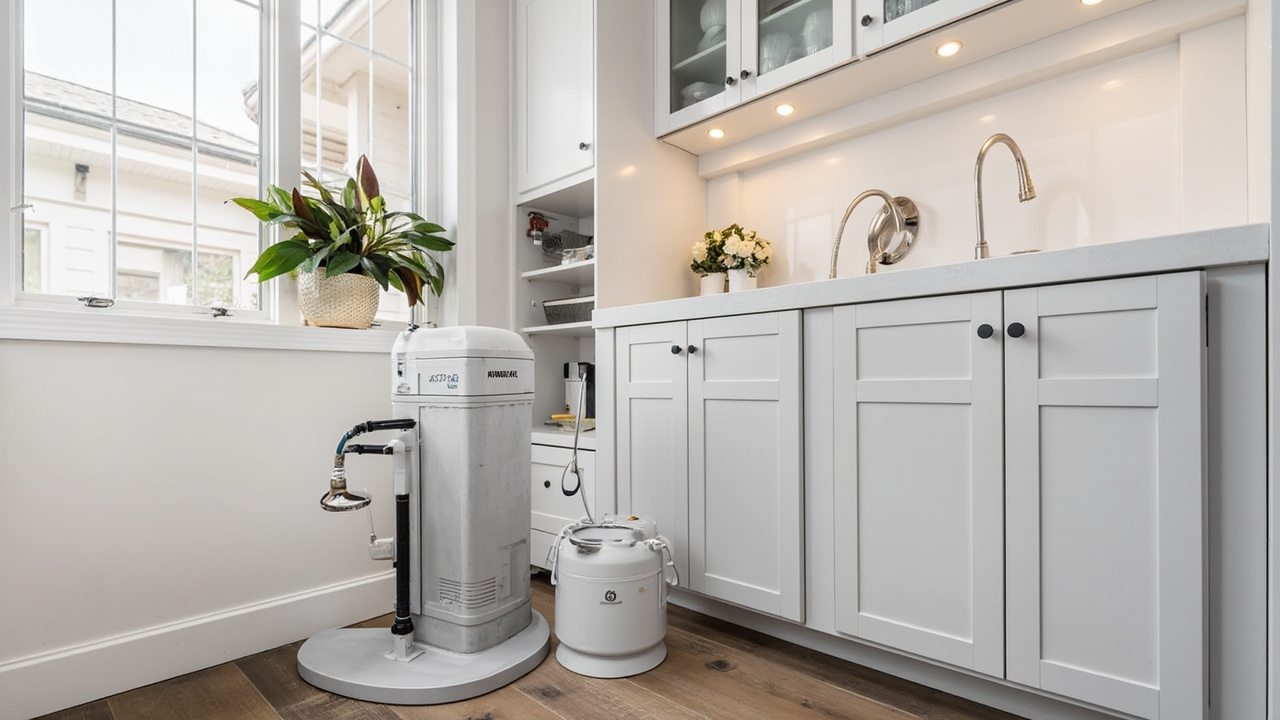
Victory Water Damage Restoration Atlanta uses truck-mounted extraction units and industrial dehumidifiers to pull moisture out of structural cavities. We monitor daily until moisture content drops below 15 percent, the threshold where mold cannot survive.

What Happens When You Call for Emergency Mold Containment

Emergency Mold Containment in Atlanta – 24/7 Rapid Response Teams Dispatched in Under 60 Minutes
01

Immediate Dispatch and Assessment

You call our 24/7 emergency line. We dispatch a certified crew to your location immediately, with arrival guaranteed in under 60 minutes for most metro Atlanta addresses. Our lead technician conducts a visual inspection, maps the affected area using moisture detection equipment, and identifies the contamination level. We classify the mold situation using IICRC S520 standards to determine containment protocol.
02

Containment Zone Construction

We seal off the contaminated area using critical barriers and negative air machines. Plastic sheeting covers all openings. HEPA-filtered air scrubbers create negative pressure, pulling air inward so spores cannot escape. We turn off your HVAC system to prevent distribution through ductwork. All workers enter and exit through an airlock chamber. This isolation prevents mold from spreading to clean areas while we work.
03

Source Elimination and Verification

We remove all contaminated materials and treat surfaces with EPA-registered antimicrobials. After removal, we run air quality tests to verify spore counts have returned to normal background levels. We provide a post-remediation verification report that documents clearance. Only after testing confirms safe conditions do we remove containment barriers. You get a safe, certifiably clean space backed by laboratory analysis.

Why Atlanta Residents Trust Victory Water Damage Restoration for Mold Emergencies

We operate 365 days a year because mold emergencies do not take holidays. When your basement floods at 2 AM on a Sunday, we answer the phone and roll trucks. That immediate response makes the difference between containment and catastrophic spread.

Our technicians hold IICRC certifications in water damage restoration and applied microbial remediation. They understand the science of mold growth, airflow dynamics, and moisture mapping. This is not a side service for us. It is our core expertise.

We know Atlanta's building stock. Homes in Virginia Highland have different ventilation challenges than new construction in Alpharetta. Brick veneer on older homes traps moisture differently than fiber cement siding. We have worked in Buckhead high-rises, Decatur bungalows, and Marietta split-levels. That local experience means we diagnose faster and contain more effectively.

Insurance companies trust our documentation. We photograph everything, log moisture readings, and provide detailed scope-of-loss reports. Our estimates align with Xactimate pricing, the industry standard most carriers use. We can bill your insurance directly, reducing your out-of-pocket expense and administrative headache.

Atlanta's humid summers create condensation on cold AC ducts in unconditioned attics. We see this constantly. Most homeowners do not know they have a problem until the ceiling stains. We educate you on the root cause and recommend permanent fixes, not just surface cleanup. That prevents callbacks and protects your investment long-term.

Victory Water Damage Restoration Atlanta maintains relationships with environmental testing labs, structural engineers, and industrial hygienists. For severe contamination, we bring in third-party experts to validate our work. You get independent verification that your home is safe.

What to Expect During Emergency Mold Containment

Arrival Time and Availability

Our emergency response teams are stationed throughout metro Atlanta. We guarantee arrival within 60 minutes for urgent calls. You speak directly with a project manager, not an answering service. We provide a two-hour arrival window, then call 15 minutes out so you are not waiting. Our crews work around the clock, including nights, weekends, and holidays. When you have an emergency, we treat it like one. Speed matters because every hour of delay allows more spores to become airborne and settle on clean surfaces.

Initial Assessment and Scope Definition

We conduct a room-by-room inspection using thermal cameras and moisture meters. You see the readings in real time. We explain what we found, why it happened, and what needs to happen next. We classify the contamination level and define the containment zone boundaries. You receive a written scope of work and estimate before we start demolition. We answer every question. This is your home. You deserve to understand exactly what we are doing and why each step matters for your safety.

Clean, Safe Results

You get a space that passes third-party air quality testing. We do not call a job complete until lab results confirm spore counts are at or below normal outdoor levels. All contaminated materials are double-bagged and disposed of according to EPA guidelines. Surfaces are treated with antimicrobial solutions. You receive a post-remediation report that documents the entire process, including before and after photos, air sample results, and moisture readings. This report protects your home value and provides proof for future buyers.

Ongoing Monitoring and Prevention

We provide a 30-day follow-up inspection at no charge. Mold problems recur if the moisture source was not fully eliminated. We verify that humidity levels remain stable and no new growth has appeared. We also educate you on prevention strategies specific to your home, like adjusting your dehumidifier settings, redirecting downspouts, or improving attic ventilation. If you ever see suspicious staining or smell that musty odor again, we come back out for a free reassessment. Your peace of mind matters.

Frequently Asked Questions

You Have Questions,
We Have Answers

What are the 10 warning signs of mold toxicity? +

Watch for persistent coughing, wheezing, or shortness of breath. Headaches, brain fog, and memory issues often appear. You may experience chronic fatigue that does not improve with rest. Skin rashes, itching, or watery eyes signal exposure. Sinus congestion and nosebleeds happen frequently. Muscle aches and joint pain develop without explanation. Digestive issues like nausea or diarrhea persist. Mood changes including anxiety or depression emerge. Sensitivity to light or sound increases. In Atlanta's humid climate, mold grows fast after water damage. If you notice three or more symptoms, evacuate the area and call a professional immediately for emergency containment.

Can a mold-infested house be saved? +

Yes. Most mold-infested homes can be saved with professional remediation. The key is speed. In Atlanta's high humidity, mold spreads fast once it starts. A certified restoration company will contain the affected area using negative air pressure chambers to prevent cross-contamination. They remove damaged materials, treat surfaces with antimicrobial solutions, and use HEPA filtration to capture airborne spores. Structural components like framing can often be saved if caught early. However, porous materials like drywall and insulation usually require replacement. The longer you wait, the more extensive and costly the damage becomes. Do not attempt DIY removal on areas larger than 10 square feet.

What plant removes 78% of airborne mold? +

English ivy removes 78% of airborne mold in 12 hours according to NASA research. This plant absorbs mold spores through its leaves and breaks them down naturally. However, do not rely on houseplants for mold remediation. English ivy helps with prevention in clean spaces but cannot address active infestations. In Atlanta homes with existing mold growth, you need professional containment and removal first. High humidity levels here create ideal conditions for mold to spread faster than any plant can filter. Once remediation is complete, English ivy can be part of your prevention strategy alongside proper ventilation and dehumidification.

What does Servpro use to kill mold? +

Servpro uses antimicrobial and antifungal treatments to kill mold. Their standard protocol includes HEPA vacuums to capture spores, followed by application of EPA-registered biocides. They apply these solutions to non-porous surfaces and structural materials after removing contaminated materials. The specific products vary based on the mold type and surface. However, any professional restoration company in Atlanta should follow similar IICRC standards. The key is not just killing visible mold but addressing the moisture source. Without fixing leaks or humidity issues, mold returns within weeks. Professional containment prevents spores from spreading to clean areas during treatment.

What kills mold spores instantly? +

Nothing kills mold spores instantly in all situations. Bleach kills surface mold on non-porous materials within minutes but does not penetrate porous surfaces like drywall or wood. Hydrogen peroxide at 3% concentration works faster on porous materials but still needs 10-15 minutes of contact time. Heat above 140 degrees kills spores but can damage building materials. The problem in Atlanta homes is not just killing visible mold but removing hidden growth inside walls and under floors. Professional remediation uses multiple methods including HEPA filtration, antimicrobial fogging, and material removal. Speed matters less than thoroughness when your health is at risk.

What does sickness from mold feel like? +

Mold sickness feels like a persistent flu that never fully resolves. You wake up with headaches and congestion that worsens at home. Your throat feels scratchy and you cough frequently without having a cold. Fatigue hits hard, making simple tasks exhausting. Brain fog makes concentration difficult and you forget things easily. Your eyes water and burn, especially in certain rooms. Skin may itch or develop unexplained rashes. Some people experience nausea or dizziness. Atlanta's humidity amplifies these symptoms because mold thrives here. If symptoms improve when you leave home but return within hours of coming back, mold exposure is likely. Seek medical attention and call for emergency containment.

What kills mold permanently? +

Mold dies permanently when you eliminate the moisture source and remove contaminated materials. Professional remediation kills active mold with antimicrobial treatments, but prevention stops future growth. Fix all leaks immediately. Control indoor humidity below 50% using dehumidifiers, which is challenging in Atlanta's climate. Improve ventilation in bathrooms, kitchens, and crawl spaces. Replace water-damaged materials like drywall and insulation rather than just cleaning them. Apply mold-resistant paint and use mold-inhibiting products on surfaces. Regular inspections catch problems early. The truth is mold spores exist everywhere. You cannot eliminate them completely, but you can create conditions where they cannot colonize and grow.

How long can mold live in a house? +

Mold can live indefinitely in a house if moisture is present. Spores remain dormant for years in dry conditions and activate within 24-48 hours of water exposure. Active mold colonies continue growing as long as they have moisture, oxygen, and organic material to feed on. In Atlanta homes, humidity alone can sustain mold growth year-round without visible water damage. Mold behind walls or under floors can thrive undetected for months or years. The longer mold grows, the more structural damage occurs and the higher your exposure risk. Once you discover mold, assume it has been growing longer than visible signs suggest. Emergency containment prevents further spread.

What to do if you can't afford mold remediation? +

If you cannot afford professional mold remediation, document everything and contact your insurance company immediately. Many homeowners policies cover mold resulting from sudden water damage. For uninsured situations, prioritize safety first. Evacuate if symptoms appear. You can tackle small areas under 10 square feet yourself using proper PPE, but anything larger risks spreading spores. Some Atlanta nonprofits offer assistance for low-income homeowners facing health hazards. Local health departments may issue violation notices that force landlords to remediate. Payment plans exist with many restoration companies. Fix the moisture source first, even if full remediation waits. Running a dehumidifier stops growth temporarily.

What eats mold spores? +

Nothing safely eats mold spores inside your home. Some bacteria and microorganisms consume mold in nature, but introducing biological agents indoors creates new problems. Contrary to internet myths, vinegar and baking soda do not eat mold. They kill surface growth on non-porous materials but leave roots alive in porous surfaces. HEPA filters trap spores mechanically but do not destroy them. Professional remediation physically removes contaminated materials where mold has penetrated. This is the only reliable method in Atlanta homes where humidity allows deep colonization. Air scrubbers capture airborne spores during containment. Focus on removal and prevention rather than looking for biological shortcuts that do not exist.

How Atlanta's Humidity and Summer Storms Make Mold Containment Critical

Atlanta averages 52 inches of rain annually, with summer thunderstorms dropping two to three inches in a single afternoon. That overwhelms gutters, saturates soil, and drives groundwater into basements and crawl spaces. When outdoor humidity stays above 70 percent for weeks at a time, your AC runs constantly. Cold ductwork in hot attics creates condensation. That dripping water soaks insulation and ceiling drywall. Immediate mold mitigation prevents that hidden moisture from turning into a full remediation project. Rapid mold containment services stop the problem before it spreads through your HVAC system and contaminates every room.

Victory Water Damage Restoration Atlanta has served homeowners and businesses across Fulton, DeKalb, Cobb, and Gwinnett counties for years. We understand local building codes and work directly with Atlanta inspectors when structural repairs require permits. Our crews recognize the moisture challenges unique to Atlanta's mix of 1920s bungalows, 1970s ranch homes, and new mixed-use developments. We hold certifications from the Institute of Inspection, Cleaning and Restoration Certification, the national standard for water damage and mold remediation. Choosing a local team means faster response, better communication, and expertise shaped by thousands of Atlanta-specific mold containment projects.
Water Damage Restoration Services in The Atlanta Area

While we provide rapid mobile water damage restoration services directly to your doorstep throughout the Atlanta metropolitan area, you can also view our primary service location on the map below. This helps visualize our operational reach and assures you that expert assistance is always within your vicinity. We are always ready to deploy our dedicated teams to your precise location, ensuring swift and effective service whenever you need us, guaranteeing peace of mind.

Address:
Victory Water Damage Restoration Atlanta, 1055 Howell Ml Rd, Atlanta, GA, 30318

Additional Services We Offer

Our news updates

Latest Articles & News from The Blogs

Risks of Buying a House with Water Damage in Mableton and How to Protect Your Investment Buying a house represents…

Risks of Buying a House with Water Damage in Mableton and How to Protect Your Investment

Risks of Buying a House with Water Damage in Mableton and How to Protect Your Investment Buying a house represents…

Getting the right City of Atlanta building permits for major water damage repairs

Getting the right City of Atlanta building permits for major water damage repairsMajor water damage in your Atlanta home often…

Identifying chimney water leaks in Candler Park homes before they ruin your walls

Living in the historic Candler Park neighborhood offers unique architectural charm but the older masonry systems require constant attention. In…

Contact Us

Do not wait for mold to spread. Call Victory Water Damage Restoration Atlanta at (678) 397-3666 right now. Our certified crews are standing by 24/7 to dispatch immediately. Stop the damage before it gets worse.