menu

Office Building Water Restoration in Atlanta – Minimize Downtime and Protect Your Commercial Asset

Elite Plumbing Atlanta delivers industrial-grade office building water restoration that prioritizes business continuity, rapid water extraction, and compliance with Atlanta commercial building codes to keep your operations running.

Slider Image 1
Slider Image 2
Slider Image 3
Slider Image 4
Slider Image 5
Slider Image 7
Slider Image 8
Slider Image 9
Slider Image 10
Slider Image 11

Why Atlanta Office Buildings Face Elevated Water Damage Risk

Atlanta's humid subtropical climate creates persistent moisture challenges for commercial properties. When you combine 50 inches of annual rainfall with aging infrastructure in Midtown and Downtown office corridors, water intrusion becomes a liability issue, not a possibility.

Commercial building water extraction demands a different approach than residential work. Your tenants expect uninterrupted access. Your property manager needs documentation for insurance claims. Your building must meet International Building Code standards enforced by the City of Atlanta.

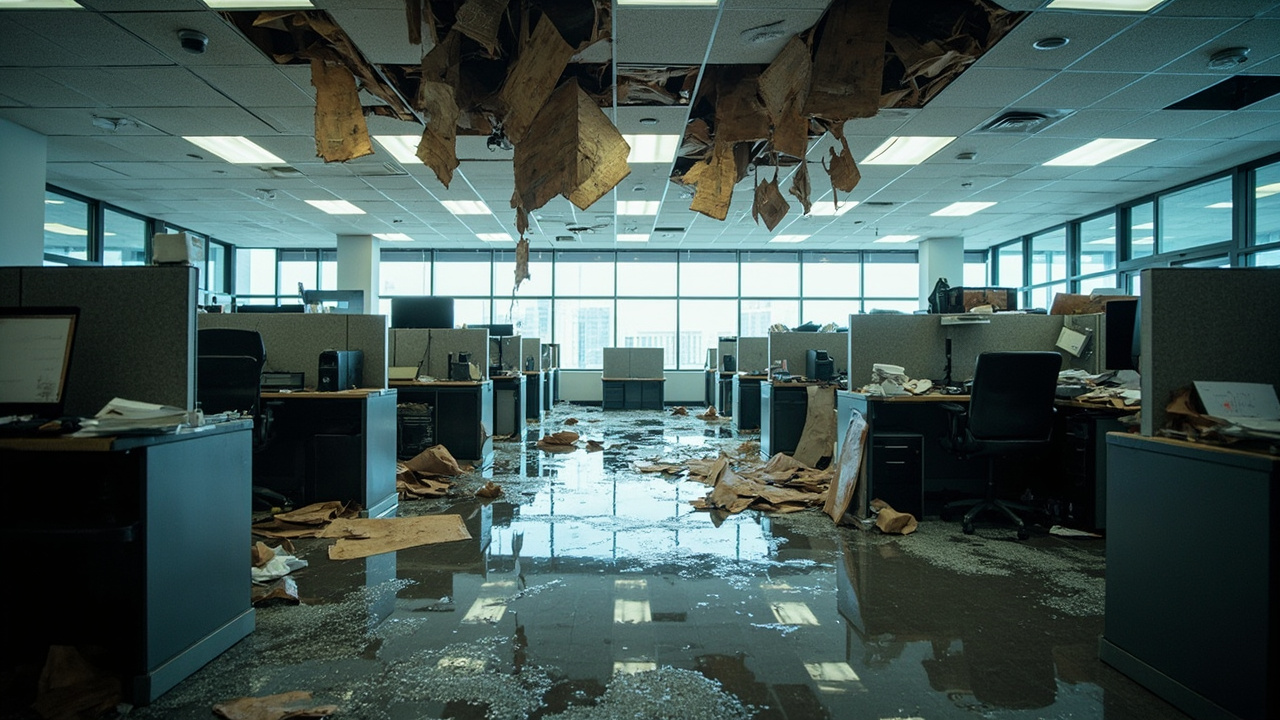
Delayed response to water damage in an office building compounds the problem. Within 24 hours, moisture migrates through HVAC systems, soaks into drywall, and compromises electrical systems. Within 48 hours, mold colonization begins on porous surfaces. Your building's indoor air quality deteriorates, creating potential health code violations and tenant complaints.

The clay soil common throughout Fulton and DeKalb counties shifts with moisture changes, stressing foundation walls and creating entry points for water. Older office buildings in Historic Districts like Inman Park or Virginia-Highland often have outdated plumbing systems and inadequate waterproofing, making commercial property water mitigation more complex.

Business water damage repair requires coordination you will not find in residential-focused contractors. You need crews that work outside business hours, understand commercial insurance documentation requirements, and can scale resources to match your building's square footage. Office water damage cleanup affects your revenue stream, tenant retention, and property value. The stakes are higher.

Why Atlanta Office Buildings Face Elevated Water Damage Risk
How We Execute Commercial Water Damage Restoration

How We Execute Commercial Water Damage Restoration

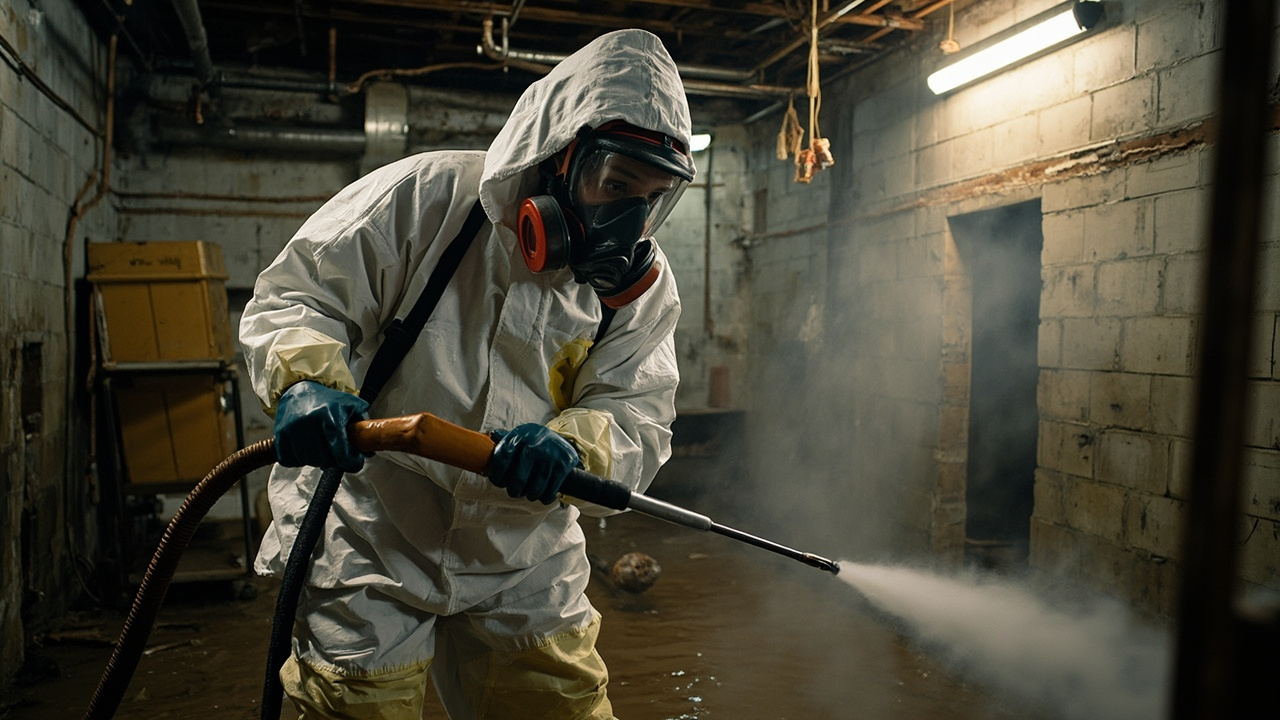
Elite Plumbing Atlanta approaches office building water restoration with business continuity as the primary objective. We deploy truck-mounted extraction units capable of removing thousands of gallons per hour, reducing downtime and limiting affected square footage.

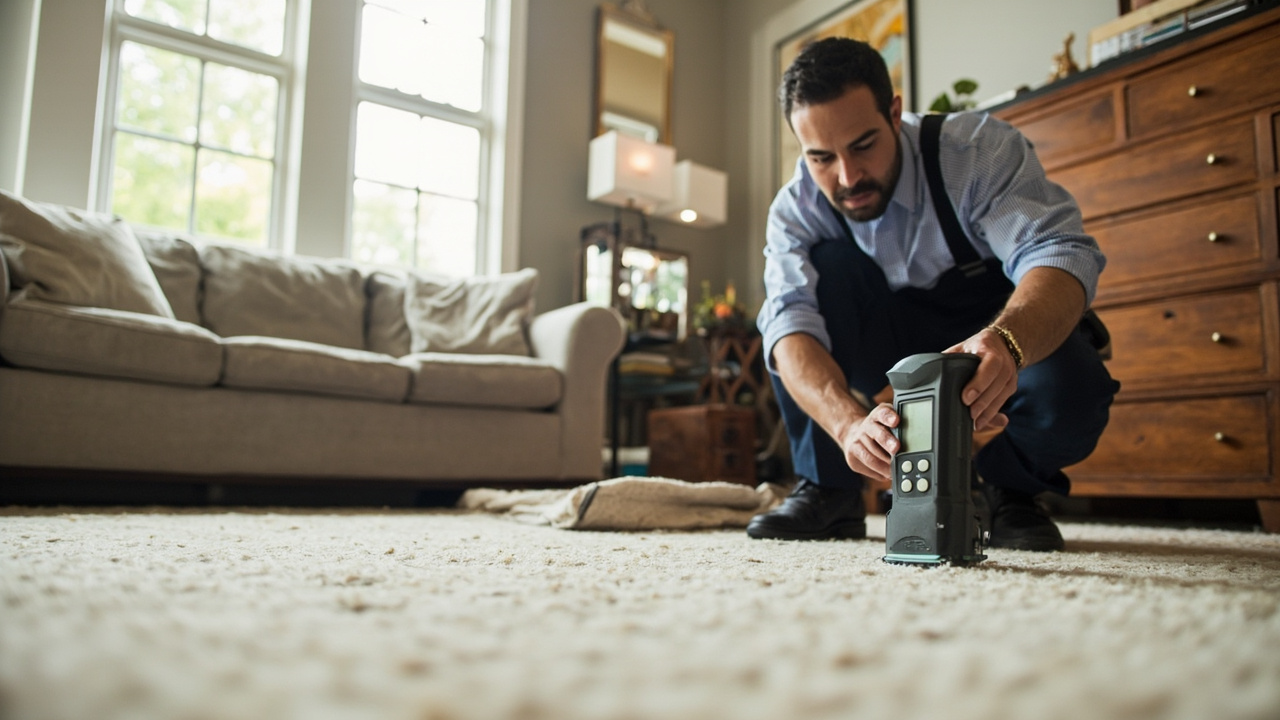
Our process starts with thermal imaging to map moisture intrusion without destructive testing. We document moisture readings in floor assemblies, wall cavities, and ceiling plenums using calibrated hygrometers. This data supports your insurance claim and provides baseline metrics for drying progress.

We isolate affected zones using containment barriers and negative air pressure, allowing unaffected areas to remain operational. Our commercial-grade dehumidifiers process air volume appropriate for large floor plates common in Buckhead and Perimeter Center office buildings. We monitor psychrometric conditions continuously, adjusting equipment placement to achieve structural drying within industry-standard timeframes.

For commercial property water mitigation, we coordinate with your building engineer to shut down affected HVAC zones without disrupting climate control in occupied spaces. We extract standing water from elevator pits, mechanical rooms, and below-grade parking structures using submersible pumps rated for commercial applications.

Material removal follows a documented scope of work. We photograph existing conditions, remove only what moisture testing confirms as non-salvageable, and maintain chain of custody for contents requiring pack-out and storage. Our crews understand that your tenant improvement work represents significant capital investment.

We provide daily progress reports with moisture readings, equipment logs, and photographic documentation. Your property manager receives updates that support communication with tenants, insurers, and ownership groups. We coordinate with your preferred contractors for reconstruction, or manage the rebuild using our licensed trade partners.

What Happens During Emergency Office Building Water Extraction

Office Building Water Restoration in Atlanta – Minimize Downtime and Protect Your Commercial Asset
01

Immediate Site Assessment

Our dispatch team arrives within two hours of your call. We identify the water source, shut off supply lines if needed, and evaluate electrical hazards. We photograph affected areas, measure moisture levels in structural components, and determine equipment requirements. You receive a preliminary scope and timeline before extraction begins. This assessment drives our mobilization plan and resource allocation.
02

Water Removal and Containment

We position truck-mounted extractors and deploy portable pumps for standing water removal. Containment barriers isolate affected zones to maintain operations in undamaged areas. Air movers and commercial dehumidifiers establish drying conditions while negative air machines prevent cross-contamination. We extract water from carpeting, padding, and subfloor assemblies. Moisture mapping continues every 12 hours to track drying progress and adjust equipment placement.
03

Documentation and Clearance

After moisture readings reach acceptable levels, we document final conditions with thermal imaging and hygrometer readings. You receive a complete report with before and after photos, equipment logs, and moisture data supporting insurance claims. We coordinate with your reconstruction team or provide turnkey rebuild services. The space is released for occupancy only after meeting IICRC S500 drying standards and local code requirements.

Why Atlanta Property Managers Choose Elite Plumbing Atlanta

Commercial water damage restoration requires more than equipment. You need a contractor who understands Atlanta's commercial real estate environment, works within your operational constraints, and delivers documentation that satisfies insurance adjusters and ownership groups.

Elite Plumbing Atlanta has restored office buildings throughout the Atlanta metro, from renovated warehouses in West Midtown to Class A towers in the Central Business District. We know the building stock. The older structures along Peachtree Street have cast iron drain lines prone to failure. The newer construction in Atlantic Station uses lightweight concrete floor systems that require specialized drying techniques.

We coordinate with City of Atlanta building inspectors when structural elements are affected. We understand the permit requirements for office building water restoration work in commercial zones. Our crews carry commercial general liability coverage appropriate for high-value properties and complete background checks required for access to secured buildings.

Our response capacity scales to your needs. A single-suite water loss receives a focused crew. A multi-floor event gets multiple crews working in shifts to compress the timeline. We maintain relationships with equipment rental partners throughout Metro Atlanta, allowing us to deploy additional resources within hours.

You receive direct communication with the project manager assigned to your building. No phone trees. No offshore call centers. Your tenants deserve answers, and your ownership group expects transparency. We provide both.

Elite Plumbing Atlanta works with the insurance carriers common in Atlanta commercial real estate. We provide line-item estimates using Xactimate software, photograph all affected materials, and maintain detailed daily logs. Our documentation reduces claim disputes and accelerates payment, protecting your cash flow during restoration.

What to Expect from Our Office Building Water Restoration Service

Response Time and Availability

We dispatch crews 24 hours per day, 365 days per year. Water damage does not respect business hours. When a supply line fails at 2 AM or a roof leak floods your top floor during a weekend storm, you need immediate response. Our average arrival time for commercial properties in Atlanta is under two hours from initial contact. We maintain staged equipment throughout Metro Atlanta, allowing rapid deployment without waiting for third-party rental deliveries. Emergency calls route directly to our operations manager, who coordinates crew dispatch, equipment mobilization, and communication with your property management team.

Initial Assessment Process

Your assessment includes thermal imaging, moisture mapping, and source identification. We evaluate structural components, building systems, and tenant improvements. You receive a written scope detailing affected square footage, recommended equipment, estimated timeline, and preliminary budget. We photograph all areas before beginning extraction. This assessment takes 30 to 90 minutes depending on building size and damage extent. We identify potential code compliance issues, hazardous materials concerns, and structural considerations that affect the restoration timeline. Your property manager receives this documentation within two hours of completing the assessment.

Restoration Quality Standards

We follow IICRC S500 standards for water damage restoration and document compliance at every phase. Structural drying continues until moisture readings match unaffected reference areas. We do not release spaces for reconstruction until psychrometric conditions support safe occupancy. Material removal follows documented testing, not assumptions. You receive final clearance documentation including moisture readings, thermal images, and air quality data if mold concerns existed. Our work meets Atlanta building code requirements for commercial properties. Reconstruction work performed by our licensed trade partners carries appropriate permits and undergoes required inspections.

Post-Restoration Support

After completing structural drying, we provide referrals to qualified reconstruction contractors or manage the rebuild using our trade partners. We remain available to address questions from your insurance adjuster, answer tenant concerns, and provide additional documentation supporting your claim. If reconstruction reveals additional hidden damage, we return to assess the new conditions and modify the scope accordingly. Our project files remain accessible for insurance audits or ownership reviews. We recommend periodic moisture monitoring in buildings with recurring water intrusion issues and can schedule preventive inspections to identify vulnerable plumbing systems or building envelope deficiencies.

Frequently Asked Questions

You Have Questions,
We Have Answers

How much does a water restoration company charge? +

Commercial water restoration costs vary based on damage severity, square footage, and water category. Typical factors include extraction volume, structural drying time, contamination level, and affected materials. Clean water incidents cost less than sewage backups. Larger office buildings require more equipment and labor. Most Atlanta restoration firms charge per room or square foot, with emergency service premiums for after-hours response. Insurance often covers the expense, minus your deductible. Request a detailed estimate that itemizes extraction, drying, antimicrobial treatment, and reconstruction. Compare quotes from licensed contractors familiar with Atlanta commercial building codes.

Is water damage restoration worth it? +

Yes. Delayed water damage leads to structural failure, mold colonization, and business interruption costs that far exceed restoration expenses. Standing water compromises drywall, flooring systems, and electrical components within 24 hours. In Atlanta's humid climate, mold growth accelerates rapidly. Professional restoration prevents liability issues, protects your lease obligations, and maintains property value. The cost of replacing entire flooring systems or remediating widespread mold contamination is exponentially higher than immediate extraction and drying. Factor in lost productivity and tenant complaints. Fast response minimizes downtime and protects your investment in the property.

Do you need a license for water restoration? +

Georgia requires proper business licensing and insurance, though no state-specific water restoration license exists. Reputable contractors hold IICRC certifications in Water Damage Restoration and Applied Structural Drying. These credentials demonstrate training in extraction protocols, psychrometry, and drying science. Check for general contractor licenses if reconstruction is involved. Verify liability insurance and workers' compensation coverage before hiring. Atlanta commercial property managers should request proof of bonding. Certification matters because improper drying creates hidden moisture pockets that spawn mold. Ask about technician credentials and equipment calibration records.

What is the difference between restoration and remediation of water? +

Restoration returns your property to pre-loss condition through extraction, drying, and reconstruction. Remediation specifically addresses contamination removal, primarily mold or sewage pathogens. Water restoration is the broader process. Remediation is a specialized subset. If a pipe bursts in your Atlanta office, you need restoration to dry the structure. If mold colonizes because drying was delayed, you need remediation to remove contaminated materials and treat affected surfaces. Category 3 water (sewage) requires both immediate extraction and antimicrobial remediation. The terms overlap but serve distinct functions in commercial water damage response.

Does insurance pay for water restoration? +

Most commercial property policies cover sudden and accidental water damage, including burst pipes, HVAC malfunctions, and roof leaks. Coverage depends on your policy terms and the water source. Flood damage requires separate flood insurance. Gradual damage from deferred maintenance is typically excluded. Document everything immediately with photos and moisture readings. File your claim within the reporting window specified in your policy. Atlanta commercial restoration contractors work directly with adjusters and provide detailed scope documentation. Your deductible applies. Review your business interruption coverage, which may compensate for lost revenue during restoration.

Is the subfloor ruined if it gets wet? +

Not always. Plywood and OSB subfloors can survive wetting if dried within 48 hours. Extended exposure causes swelling, delamination, and fastener failure. Engineered wood products deteriorate faster than solid lumber. Category 3 water (sewage) requires subfloor removal regardless of drying timeframe due to contamination. Moisture meters determine retention levels. If readings exceed 16 percent after drying attempts, replacement is necessary. Atlanta's humidity complicates drying. Leaving wet subfloors creates mold reservoirs and structural weakness. Professional assessment with thermal imaging identifies hidden saturation that visual inspection misses.

Can mold be completely remediated? +

Yes, when executed correctly. Mold remediation involves physical removal of contaminated materials, HEPA vacuuming, antimicrobial application, and source moisture elimination. Surface mold on non-porous materials can be cleaned. Porous materials like drywall and insulation require removal. Containment prevents cross-contamination during the process. Post-remediation clearance testing confirms spore counts return to normal levels. The key is fixing the moisture source. Without addressing the underlying leak or humidity problem, mold returns. Atlanta's climate demands aggressive humidity control in commercial buildings. Proper remediation eliminates the existing colony and prevents recurrence through environmental controls.

How much does it cost to remove moisture from walls? +

Commercial moisture removal costs depend on wall construction, saturation depth, and square footage. Drywall dries faster than masonry. Surface moisture is less expensive than water trapped in insulation cavities. Thermal imaging identifies hidden moisture patterns. Desiccant dehumidifiers and air movers run continuously for 3 to 7 days in typical cases. Costs increase if wall cavities require flood cuts for airflow access. Atlanta's brick veneer construction complicates drying because moisture wicks through mortar joints. Expect higher costs for exterior walls. Request moisture mapping documentation that tracks drying progress with calibrated meters.

When to call a water restoration company? +

Call immediately when you discover standing water, ceiling stains, or moisture intrusion in your office building. Waiting increases damage exponentially. Category 3 water from sewage backups requires emergency response due to health hazards. If water affects electrical systems, server rooms, or sensitive equipment, speed is critical. Atlanta's humidity accelerates secondary damage. Mold colonization begins within 24 to 48 hours. Insurance policies require prompt mitigation to minimize loss. Document the source, take photos, and contact a commercial restoration contractor before attempting cleanup. Fast response reduces business interruption and limits structural compromise.

Can I do water restoration myself? +

No. Commercial water damage requires industrial extraction equipment, structural drying knowledge, and liability management you cannot replicate. Wet vacuums and fans are insufficient for office buildings. Improper drying creates hidden moisture reservoirs that spawn mold in wall cavities and subfloors. You risk violating lease terms, building codes, and insurance requirements. Atlanta's commercial properties have complex HVAC interactions and moisture dynamics. Professional restoration contractors use psychrometric calculations, thermal imaging, and calibrated meters to verify complete drying. Attempting DIY restoration exposes you to liability if tenants develop health issues or structural failure occurs later.

How Atlanta's Storm Patterns Impact Office Building Water Damage

Atlanta receives intense thunderstorms during spring and summer months, with localized rainfall exceeding two inches per hour. These events overwhelm roof drainage systems on flat commercial roofs common in office buildings. When scuppers clog with debris or interior drains back up, water ponds on the roof membrane and finds entry through HVAC penetrations, parapet walls, and aging flashings. Buildings constructed before 2000 often lack adequate secondary drainage, creating catastrophic interior flooding during severe weather. The rapid onset of these storms gives property managers little warning, making pre-positioned emergency response relationships critical for minimizing damage.

Elite Plumbing Atlanta maintains relationships with property management firms throughout Midtown, Buckhead, and the Perimeter Center office markets. We understand Atlanta's commercial building stock and the unique challenges presented by converted warehouse spaces in West Midtown versus purpose-built office towers Downtown. Our familiarity with local insurance adjusters, building inspectors, and code requirements streamlines the restoration process. When you work with a contractor embedded in Atlanta's commercial real estate community, you avoid delays caused by unfamiliar procedures, unknown permit requirements, and misunderstanding of local construction standards.
Water Damage Restoration Services in The Atlanta Area

While we provide rapid mobile water damage restoration services directly to your doorstep throughout the Atlanta metropolitan area, you can also view our primary service location on the map below. This helps visualize our operational reach and assures you that expert assistance is always within your vicinity. We are always ready to deploy our dedicated teams to your precise location, ensuring swift and effective service whenever you need us, guaranteeing peace of mind.

Address:
Victory Water Damage Restoration Atlanta, 1055 Howell Ml Rd, Atlanta, GA, 30318

Additional Services We Offer

Our news updates

Latest Articles & News from The Blogs

Alpharetta Water Damage Specialists for Fast Mold Prevention and Drying in North FultonWater emergencies in Alpharetta require immediate professional intervention…

Alpharetta Water Damage Specialists for Fast Mold Prevention and Drying in North Fulton

Alpharetta Water Damage Specialists for Fast Mold Prevention and Drying in North FultonWater emergencies in Alpharetta require immediate professional intervention…

Safe and Professional Sewage Backup Cleanup in Atlanta (Don't Handle This Alone)

Professional Sewage Backup Cleanup and Restoration in Atlanta GeorgiaA sewage backup in your Atlanta home or business is a serious…

Deciding to Clean or Replace Water Damaged Carpet in Your Edgewood Home

Water damage in an Edgewood home creates an immediate crisis that requires fast decision making. If you walk into your…

Contact Us

Water damage in your office building demands immediate professional response. Call Elite Plumbing Atlanta now at (678) 397-3666. Our crews deploy within two hours, equipped to extract water, document damage, and begin structural drying before business interruption compounds your losses.