menu

Emergency Roof Leak Tarping in Atlanta – 24/7 Response Within 60 Minutes

When your roof fails in the middle of a storm, you need emergency roof tarp installation now, not tomorrow. Victory Water Damage Restoration Atlanta deploys trained crews around the clock to stop water intrusion before it destroys ceilings, insulation, and belongings.

Slider Image 1
Slider Image 2
Slider Image 3
Slider Image 4
Slider Image 5
Slider Image 7
Slider Image 8
Slider Image 9
Slider Image 10
Slider Image 11

Why Roof Leaks in Atlanta Escalate Fast

Atlanta's spring and summer thunderstorms produce sudden torrential rain and high winds that can rip shingles off in minutes. When your roof deck is exposed, water does not wait. It pours through compromised areas into your attic, saturating insulation, seeping through drywall, and pooling on ceilings. Within hours, what started as a small breach becomes structural damage, mold growth, and thousands in repair costs.

The humid subtropical climate here accelerates microbial activity. A wet attic in Atlanta can develop visible mold colonies in 24 to 48 hours if the moisture is not controlled immediately. Wood framing absorbs water quickly, leading to rot and compromised load-bearing capacity. If you see ceiling stains, hear dripping, or notice a sagging bulge, your home is actively taking on water.

Waiting until morning or hoping the rain stops is a mistake. Every minute of exposure increases the damage footprint. Emergency roof leak tarp service exists to stop the bleeding. A properly installed temporary roof covering seals the breach, sheds water away from vulnerable areas, and buys you time to schedule permanent repairs without further destruction. Urgent roof tarping services are not optional when your home is under siege. You need a professional emergency roof tarp installation crew on-site fast, with commercial-grade materials and the training to work safely in adverse conditions.

Why Roof Leaks in Atlanta Escalate Fast
How We Stop the Damage in Its Tracks

How We Stop the Damage in Its Tracks

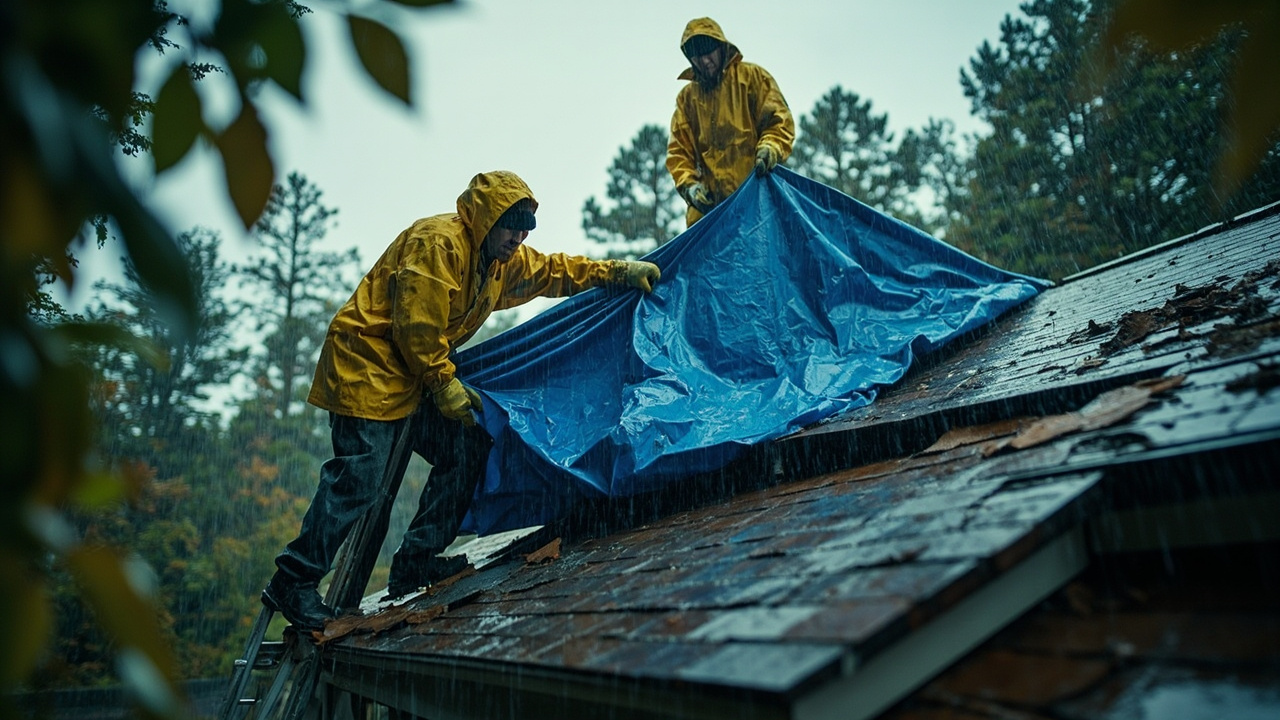
Victory Water Damage Restoration Atlanta does not just throw a tarp over the problem and hope for the best. Our 24 hour roof tarping protocol involves a methodical approach designed to contain water intrusion and protect your property until permanent repairs can be completed.

We begin with a rapid damage assessment. Our crew inspects the affected area from inside and outside to identify all points of water entry. We document the scope with photos for your insurance adjuster. We measure the compromised section to determine the correct tarp size and anchoring strategy. Underlayment condition, deck integrity, and the presence of secondary leaks all inform our installation plan.

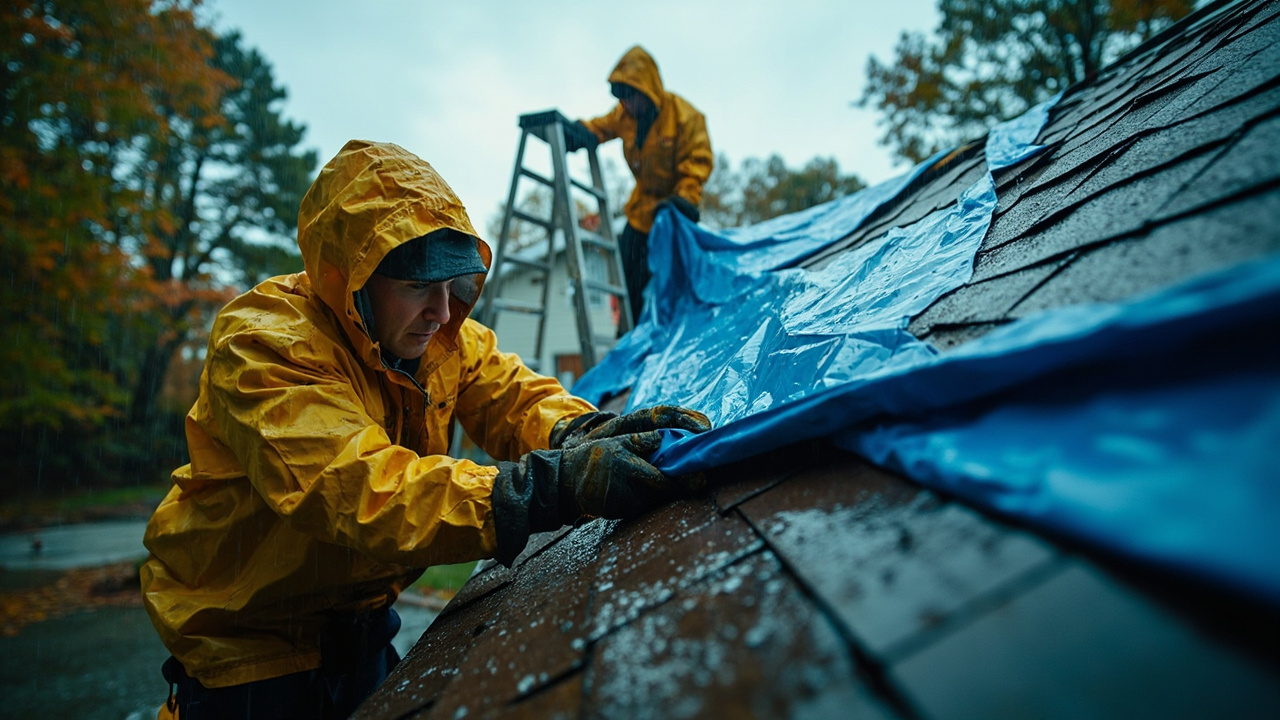
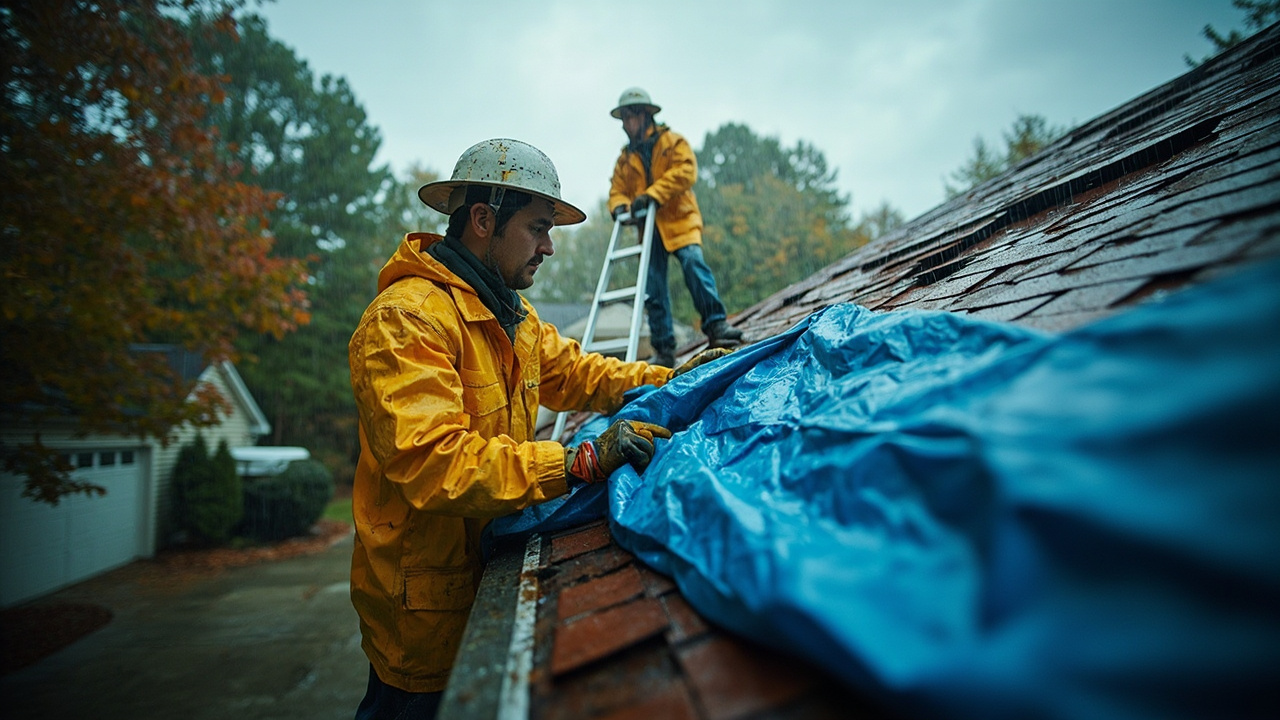
We use reinforced polyethylene tarps rated for high wind and UV exposure. These are not hardware store tarps. They are commercial-grade barriers designed to withstand weeks of weather if necessary. We anchor the tarp using wood battens screwed directly into sound roof decking, not just weighted down with sandbags. This creates a watertight seal and prevents wind from getting underneath and tearing the covering loose.

We extend the tarp past the ridge line and down the opposite slope when possible, creating a continuous watershed that channels rain away from the damaged zone. We inspect flashing, valleys, and penetrations near the repair area to confirm we are not creating new leak points. Our goal is to convert your roof back into a functional barrier against the elements, even if it is temporary. This buys you time to file claims, get quotes, and schedule permanent roofing work without ongoing destruction inside your home.

What Happens When You Call for Emergency Tarping

Emergency Roof Leak Tarping in Atlanta – 24/7 Response Within 60 Minutes
01

Immediate Dispatch and Assessment

You call our emergency line, and we deploy a crew immediately. We ask key questions about the leak location, visible damage, and safety concerns. Our team arrives with tarps, fasteners, and safety equipment. We conduct a visual inspection from the ground and attic to pinpoint the breach. If it is safe to access the roof, we go up to assess the full scope and plan the installation.
02

Tarp Installation and Anchoring

We position the tarp to cover the damaged area with at least three feet of overlap on all sides. We anchor it using wood battens screwed into solid decking, creating a mechanical bond that resists wind uplift. We seal edges and seams to prevent wind-driven rain from penetrating. The tarp extends over the ridge when possible, turning your roof into a functional water barrier again.
03

Documentation and Next Steps

We photograph the damage and the completed tarp installation for your insurance claim. We provide a written summary of what we found and what we did. We explain the expected lifespan of the temporary covering and help you understand the timeline for permanent repairs. If interior water damage is present, we discuss extraction, drying, and mitigation services to prevent secondary damage like mold.

Why Atlanta Homeowners Call Us First

Victory Water Damage Restoration Atlanta is not a roofing company that dabbles in emergency services. We are a water damage mitigation firm that understands roof leaks are the leading cause of interior water emergencies. Our crews are trained in both temporary roof covering installation and the interior damage control that follows. When you call us, you get a unified response that addresses both the breach and the destruction it caused inside your home.

We know the building stock in Atlanta. Many homes in neighborhoods like Virginia-Highland, Decatur, and East Atlanta feature older roofing systems with clay tile, slate, or aged asphalt shingles. These materials fail differently. Clay tiles crack under impact. Slate can delaminate. Aged asphalt shingles lose granules and become brittle. Our crews recognize these failure modes and adjust our tarping approach accordingly. We do not use the same installation method on a 1920s Craftsman bungalow that we would on a 2010 vinyl-sided tract home.

We also understand the insurance process. Most homeowners in Georgia carry wind and hail coverage, but they do not know how to document emergency mitigation efforts for claims. We provide the photos, written reports, and itemized invoices your adjuster needs to approve tarping costs. We work directly with major carriers and know what documentation triggers approval versus denial.

Our dispatch is local. We do not route calls to a national call center in another state. You speak to someone in Atlanta who knows the weather patterns, the neighborhoods, and the local contractors. When a severe thunderstorm rolls through Buckhead at 2 a.m., we already have crews staged and ready. We are not scrambling to find a truck. This is why our average response time is under 60 minutes.

What You Can Expect from Start to Finish

Rapid Dispatch and Arrival

We answer emergency calls 24 hours a day, 365 days a year. When you describe the situation, we dispatch a crew immediately. Most jobs in the metro Atlanta area receive a response within 60 minutes, even during overnight hours or active weather. Our trucks carry multiple tarp sizes, anchoring hardware, and safety equipment so we can handle most scenarios without a return trip. We do not make you wait until business hours while water pours into your home.

Thorough Damage Evaluation

Before we install a tarp, we assess the damage from multiple vantage points. We enter the attic to trace the water path and identify all affected areas. We inspect the exterior to determine if the problem is isolated or part of a larger failure. We check for compromised decking, damaged flashing, and secondary vulnerabilities. This evaluation informs our installation strategy and ensures we are not missing hidden damage that could cause problems later. You receive a verbal summary on-site and a written report afterward.

Professional-Grade Installation

We use commercial tarps, not consumer-grade plastic sheeting. We anchor with wood battens screwed into the deck, not sandbags or loose weights. The tarp extends well beyond the damaged area to ensure full coverage. We inspect our work before leaving to confirm the installation will hold under wind and rain. The result is a temporary roof covering that performs like a real roof until permanent repairs are completed. Your interior stays dry, and further damage stops immediately.

Insurance Coordination and Follow-Up

We document everything for your insurance claim. You receive photos of the damage, photos of the completed tarp installation, and an itemized invoice. If interior water damage is present, we can provide a mitigation estimate that includes extraction, drying, and reconstruction. We work with all major carriers and understand the claims process. We do not offer warranties on temporary tarping because it is an emergency stopgap, not a permanent repair. However, we do follow up to confirm the tarp is holding and to discuss the next steps for permanent roofing work and interior restoration.

Frequently Asked Questions

You Have Questions,
We Have Answers

Can I put a tarp on my roof to stop leaks? +

Yes, but only if you can do it safely. During Atlanta's severe storms, getting on a wet roof is dangerous. If you can access the roof safely, use a heavy-duty polyethylene tarp, not a cheap hardware store version. Secure it with 2x4 boards screwed into solid decking, not just shingles. Extend the tarp at least four feet past the damaged area and overlap the ridge. If your roof is steep, has active water intrusion, or you're uncertain, call a professional immediately. Atlanta's humidity accelerates mold growth within 24 to 48 hours after water penetration.

How to emergency tarp a roof? +

Stop the interior damage first. Place buckets under active leaks. Go into your attic if accessible and locate the entry point. Mark it. From the roof, clear debris around the damaged section. Unroll a reinforced tarp large enough to cover the damage plus four feet in every direction. Position the tarp to overlap the roof peak if possible. Use 2x4 boards as battens along the tarp edges and secure with deck screws into rafters or solid sheathing. Avoid walking on wet or damaged sections. Atlanta's afternoon thunderstorms demand speed, but safety comes first. Call professionals for steep or multi-story homes.

How to temporarily cover a leaking roof? +

Stop active leaks inside first using buckets and towels. Access your attic to identify the water entry point and place a temporary patch from below if possible. Outside, use a heavy-duty reinforced tarp anchored with lumber and screws, not just sandbags or bricks that shift in Atlanta's strong winds. Cover the damaged area plus excess material. Overlap the roof ridge to prevent water from running underneath. If you lack proper equipment or the roof is unsafe during active rain, wait for a break in the weather or call emergency tarping services. Atlanta's high humidity makes quick action critical to prevent mold.

How much does emergency roof tarping cost? +

Emergency roof tarping in Atlanta typically ranges based on roof size, pitch, and damage extent. Expect basic tarping to start around a few hundred dollars for simple applications, while complex multi-story or severely damaged roofs cost more. Factors include tarp size, accessibility, safety equipment needed, and after-hours or storm surge pricing. Many restoration companies offer emergency tarping as part of insurance-covered water damage mitigation. Document everything with photos for your claim. Get written estimates, but during active storms, focus on stopping further damage. Delaying tarping to save money often results in far greater interior restoration costs.

How do you stop a leaking roof during heavy rain? +

First, place containers under active interior leaks and move valuables. Access your attic to locate the source and mark it. If safe, apply roofing cement or a rubberized sealant from inside as a temporary stop. Do not attempt roof access during active lightning or heavy downpours. Wait for a break in the weather, then apply an emergency tarp from outside. Atlanta's severe thunderstorms often come in waves, giving you brief windows. For steep roofs or ongoing torrential rain, call emergency tarping professionals with safety equipment. Stopping water immediately prevents compounding damage to insulation, drywall, and framing.

Why are people putting blue tarps on their roof? +

Blue tarps signal emergency roof damage after storms. The bright blue color makes damage visible to insurance adjusters, contractors, and relief agencies. After Atlanta's severe weather events, you will see entire neighborhoods with blue tarps covering missing shingles, fallen trees, or hail damage. Homeowners use them as temporary waterproofing while waiting for insurance approvals and contractor availability. The polyethylene material resists water but degrades under UV exposure within months. Blue tarps are not permanent repairs. They simply prevent further interior water damage during the claims and repair process. Replace them with proper roofing as soon as possible.

Will Fema put a tarp on my roof? +

FEMA does not directly tarp roofs. After presidentially declared disasters, FEMA may contract the U.S. Army Corps of Engineers to deploy Operation Blue Roof, which provides free temporary roof coverings in affected areas. This program applies to specific large-scale disasters like hurricanes. Atlanta residents affected by localized storms or standard severe weather must arrange their own tarping. Your homeowner's insurance typically covers emergency mitigation, including tarping, as part of your claim. Contact your insurer immediately after damage occurs. Do not wait for federal assistance that may not apply to your situation. Document all emergency measures taken.

Can I apply roof Maxx myself? +

Roof Maxx is a soybean oil-based treatment designed to restore asphalt shingle flexibility, not stop active leaks. It requires specific application equipment, roof surface preparation, and correct weather conditions. Applying it yourself voids any potential warranty and may damage your roof if done incorrectly. More importantly, Roof Maxx does not address emergency leak situations. If you have active water intrusion during an Atlanta storm, you need immediate tarping or sealing, not a rejuvenation treatment. Focus on stopping the leak first. Roof treatments come later, after professional assessment. Emergency situations demand emergency solutions, not preventive maintenance products.

What can I use instead of tarping my roof? +

Alternatives depend on damage severity and location. Small punctures can take rubberized roof sealant or peel-and-stick flashing tape as temporary fixes. Missing shingles may accept emergency shingle replacements if you have matching materials and safe access. Roof cement works for small cracks. For larger damage, rigid materials like plywood screwed over the breach provide more durability than tarps in Atlanta's wind. However, tarps remain the most versatile emergency solution for significant damage. Metal flashing, spray foam, or commercial roof coatings require professional application. Evaluate your specific damage, safety, and skill level before attempting alternatives. When uncertain, tarp and call professionals.

How to patch a roof leak quickly? +

Identify the leak source from your attic. For small holes, apply roofing cement or rubberized sealant directly over the breach from inside or outside. Peel-and-stick flashing tape works for cracks and seams. Missing shingles need immediate replacement or a tarp cover. Apply sealant in dry conditions when possible, as moisture prevents adhesion. For emergency situations during Atlanta rain, push roofing cement into the hole from below and place a board over it temporarily. Apply a tarp from outside when weather permits. Quick patches stop immediate water flow but are not permanent repairs. Schedule professional inspection and proper repair immediately.

Why Atlanta's Storm Season Demands Immediate Roof Protection

Atlanta sits in the foothills of the Appalachian Mountains, which creates a unique weather pattern. Warm, moist air from the Gulf collides with cooler air masses, producing severe thunderstorms from March through September. These storms generate high winds, large hail, and intense rainfall rates that can exceed two inches per hour. When shingles are torn off or flashing is compromised, the volume of water entering your home is staggering. A single two-hour storm can deposit hundreds of gallons into your attic. Emergency roof tarp installation is not optional in this climate. It is the only way to stop catastrophic interior damage while you wait for permanent repairs.

Atlanta homeowners also face insurance complications when emergency mitigation is not performed immediately. Georgia law requires policyholders to take reasonable steps to prevent further damage after a covered loss. If you wait three days to tarp a leaking roof and mold develops in the meantime, your carrier can reduce or deny the mold claim. We understand these requirements because we work with adjusters every week. Our crews are trained to document the emergency response in a way that satisfies claims requirements. This local knowledge protects your coverage and ensures you get the full benefit of your policy.
Water Damage Restoration Services in The Atlanta Area

While we provide rapid mobile water damage restoration services directly to your doorstep throughout the Atlanta metropolitan area, you can also view our primary service location on the map below. This helps visualize our operational reach and assures you that expert assistance is always within your vicinity. We are always ready to deploy our dedicated teams to your precise location, ensuring swift and effective service whenever you need us, guaranteeing peace of mind.

Address:
Victory Water Damage Restoration Atlanta, 1055 Howell Ml Rd, Atlanta, GA, 30318

Additional Services We Offer

Our news updates

Latest Articles & News from The Blogs

Alpharetta Water Damage Specialists for Fast Mold Prevention and Drying in North FultonWater emergencies in Alpharetta require immediate professional intervention…

Alpharetta Water Damage Specialists for Fast Mold Prevention and Drying in North Fulton

Alpharetta Water Damage Specialists for Fast Mold Prevention and Drying in North FultonWater emergencies in Alpharetta require immediate professional intervention…

Safe and Professional Sewage Backup Cleanup in Atlanta (Don't Handle This Alone)

Professional Sewage Backup Cleanup and Restoration in Atlanta GeorgiaA sewage backup in your Atlanta home or business is a serious…

Deciding to Clean or Replace Water Damaged Carpet in Your Edgewood Home

Water damage in an Edgewood home creates an immediate crisis that requires fast decision making. If you walk into your…

Contact Us

Your roof is leaking right now, and every minute increases the damage. Call Victory Water Damage Restoration Atlanta at (678) 397-3666 for immediate dispatch. We answer 24/7, and our crews can be on-site in under an hour to stop the water and protect your home.