


Roswell sits in North Fulton County where the Chattahoochee River creates moisture problems year-round. Heavy clay soil common to neighborhoods like Historic Roswell and Mimosa Boulevard holds water against foundations instead of draining properly. Spring storms dump inches of rain in minutes, overwhelming gutters and flashing on older homes near Canton Street and Alpharetta Highway. Summer humidity climbs past 80 percent, creating condensation inside walls and attics. Winter freeze-thaw cycles split pipes in crawlspaces under homes in Horseshoe Bend and Willeo Creek.
Georgia building codes require proper drainage systems, but homes built before 2000 often lack vapor barriers and modern waterproofing. When water enters a Roswell home through roof penetrations, failed sump pumps, or HVAC condensate line breaks, it saturates drywall, subflooring, and insulation within hours. Mold spores activate in 24 to 48 hours under these humid conditions. The combination of clay soil preventing exterior drainage and high ambient humidity accelerating interior moisture damage makes Roswell properties especially vulnerable to water intrusion events that require immediate professional extraction and drying.
Victory Water Damage Restoration Atlanta operates with IICRC-certified water damage technicians who understand how Georgia's climate affects drying protocols. We maintain commercial-grade truck-mount extraction systems and low-grain refrigerant dehumidifiers that remove moisture faster than portable equipment competitors use. Our crews arrive in Roswell within 60 minutes of your call, not the 3 to 4 hour windows other companies promise.
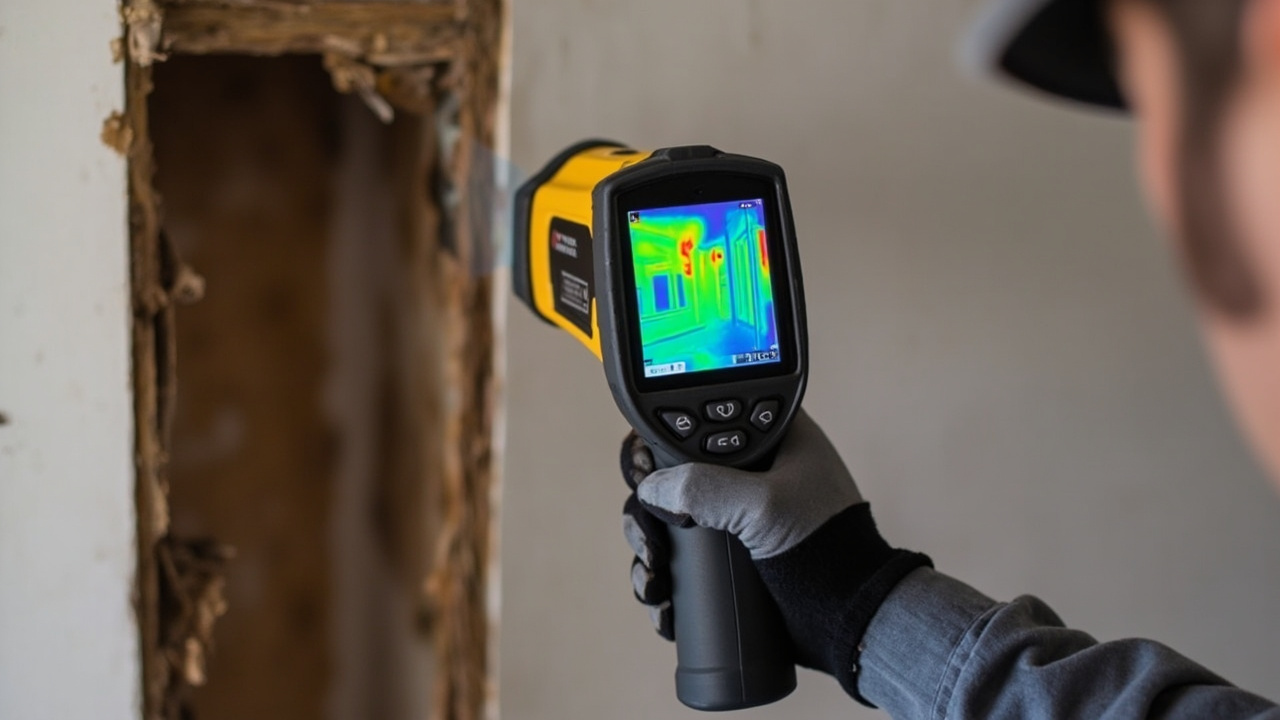
We work directly with every major insurance carrier operating in Fulton County. Our estimators document damage with thermal imaging and moisture meters that satisfy adjuster requirements, eliminating claim disputes that delay your repairs. You get a detailed scope of work within hours, not days. We coordinate with local plumbers and roofers to stop active leaks while our teams extract standing water and position air movers to prevent secondary damage.
Our approach focuses on salvaging materials instead of automatic replacement. We inject drying chambers into wall cavities to save framing lumber and preserve original hardwoods common in older Roswell homes. This saves you thousands in replacement costs and preserves your home's character. We track moisture levels daily and provide documentation proving materials meet EPA dry standards before closing the project.
Victory Water Damage Restoration Atlanta operates 24/7 dispatch because water emergencies follow no schedule. Our technicians carry keys to access your property if you're traveling, and we communicate progress through text updates with photos. We protect your Roswell home like it's our own.

Victory Water Damage Restoration Atlanta stations crews across North Fulton County to reach Roswell homes within one hour of your call. We dispatch immediately, not after business hours callbacks. Faster arrival means less water migration, less structural damage, and lower restoration costs for your property.

We handle insurance paperwork and bill your carrier directly after you pay your deductible. Our estimates meet Xactimate pricing standards that adjusters approve without negotiation. You avoid fighting claim denials or waiting for reimbursement checks. We advocate for full coverage of necessary water damage mitigation work.
Every Victory Water Damage Restoration Atlanta crew member holds current IICRC Water Damage Restoration certification. We follow Institute standards for extraction, drying, and antimicrobial application. Our technicians pass annual recertification to stay current on protocols for Roswell's climate and construction methods.
We know which Roswell neighborhoods have crawlspace construction versus slab foundations, where clay soil creates drainage problems, and how humidity affects drying times in different property types. This local expertise ensures we bring the right equipment and apply appropriate drying techniques for your specific home.
Victory Water Damage Restoration Atlanta provides the full spectrum of water damage mitigation and remediation services required for Roswell properties. Water emergencies range from catastrophic flooding that displaces families to slow leaks that create hidden mold growth. Each situation requires different equipment, techniques, and timelines. We categorize our services based on water source and contamination level to ensure proper safety protocols and restoration methods.
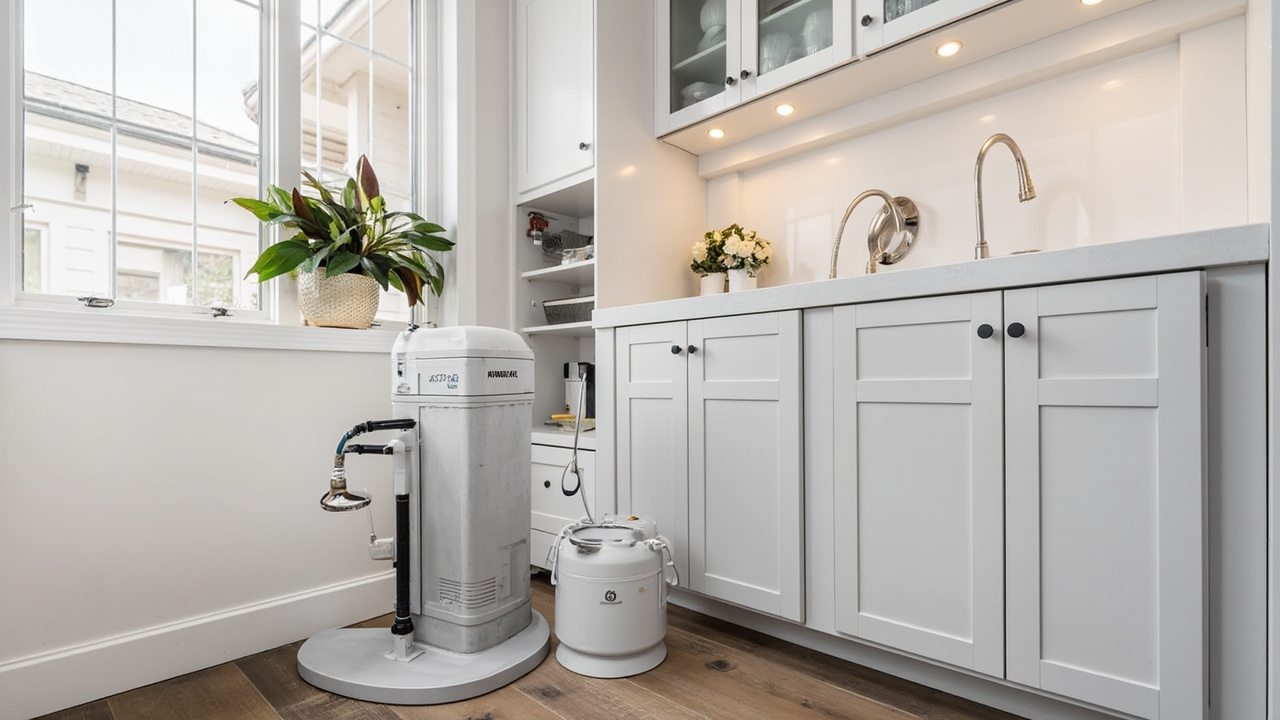
Clean water from supply line breaks requires different handling than gray water from appliance overflows or black water from sewage backups. We assess water category on arrival and apply appropriate extraction methods, antimicrobial treatments, and disposal procedures. Our truck-mount systems remove thousands of gallons per hour from flooded basements and crawlspaces. Desiccant dehumidifiers dry structural cavities in homes where traditional refrigerant units prove insufficient.
We handle emergency water removal that stops active damage, structural drying that prevents mold colonization, and reconstruction services that restore your home to pre-loss condition. This comprehensive approach means you work with one company from emergency call through final walkthrough instead of coordinating multiple contractors. Our project managers oversee every phase and ensure work meets Georgia building codes and manufacturer specifications for materials we install.
Victory Water Damage Restoration Atlanta deploys truck-mount extraction systems and portable pumps to remove standing water from Roswell homes within minutes of arrival. We extract water from carpets, padding, hardwoods, and subflooring before it migrates to unaffected areas. Our crews move furniture to prevent staining, pull wet baseboards, and drill weep holes in wall cavities to release trapped moisture. Emergency extraction prevents secondary damage that multiplies restoration costs.
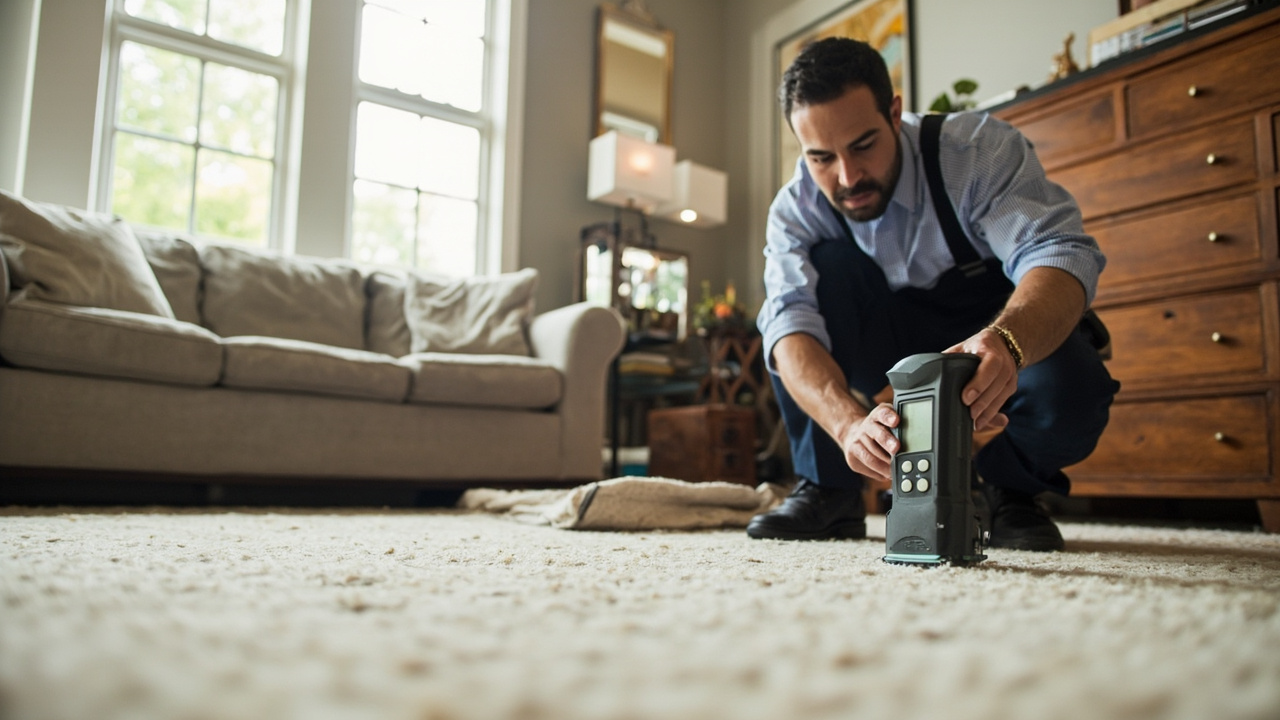
Removing visible water represents only the first step in proper water damage restoration. Victory Water Damage Restoration Atlanta positions commercial air movers and low-grain refrigerant dehumidifiers to dry structural materials to EPA standards. We monitor moisture levels in framing lumber, drywall, and subflooring with penetrating meters. Daily readings track drying progress. We adjust equipment placement based on material response. Proper structural drying prevents mold growth and wood rot that appear weeks after flooding.
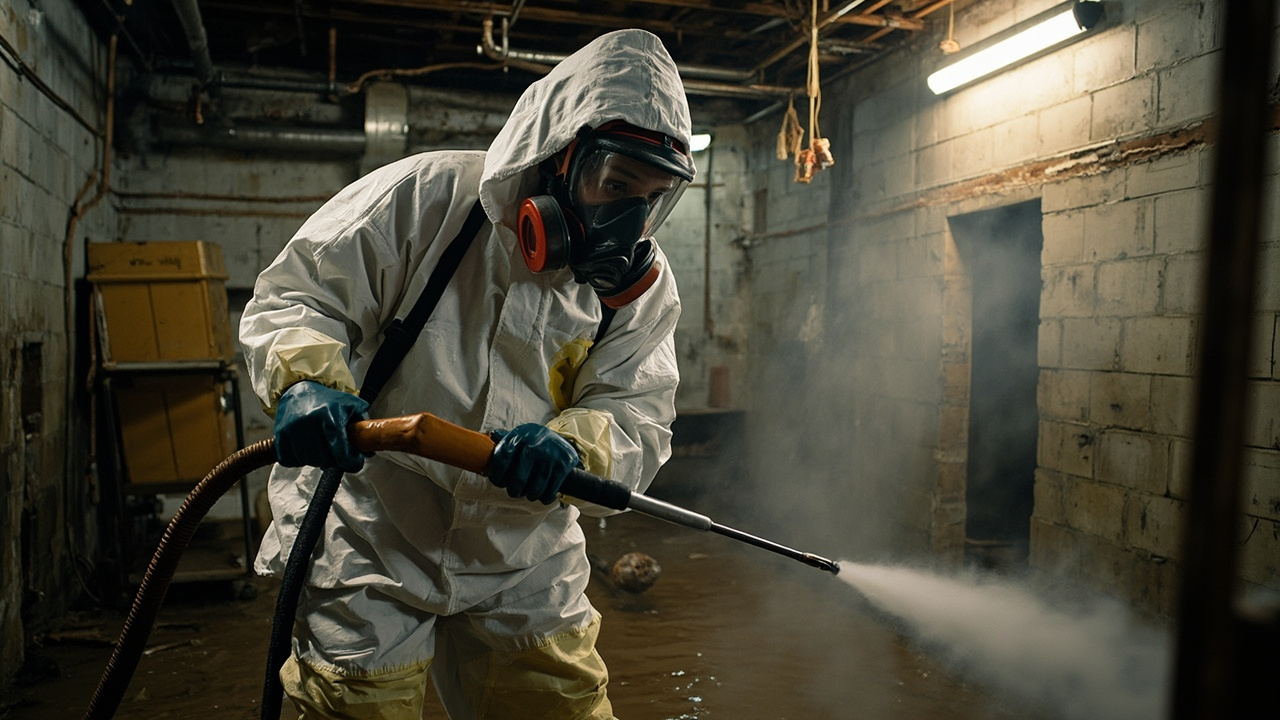
Sewage backups and toilet overflows require specialized handling due to bacterial contamination and health hazards. Victory Water Damage Restoration Atlanta technicians wear protective equipment and follow IICRC S500 standards for category 3 water removal. We extract contaminated water, remove porous materials that cannot be sanitized, and apply EPA-registered antimicrobials to affected surfaces. Black water cleanup protects your family from pathogens like E. coli and hepatitis while restoring sanitary conditions to your Roswell home.
Roswell homeowners face predictable water damage scenarios based on local climate patterns and construction methods common to North Fulton County. Spring storms overwhelm drainage systems. Summer humidity creates condensation problems. Winter cold snaps burst pipes. Older homes near the Chattahoochee River corridor and Historic Roswell district face foundation seepage from high water tables. Newer construction in areas like Crabapple and Martins Landing experience HVAC condensate problems and appliance supply line failures.
Understanding these common water damage triggers helps homeowners recognize warning signs before minor leaks become major restoration projects. Victory Water Damage Restoration Atlanta responds to these recurring issues across Roswell neighborhoods every week. Early intervention during the first hours of water intrusion prevents mold contamination and structural deterioration that force expensive demolition. Recognizing these common problems and calling for professional water extraction immediately protects your investment and health.
Frozen pipes rupture in Roswell crawlspaces and attics when temperatures drop below 20 degrees. Water pressure forces hundreds of gallons into wall cavities and living spaces before homeowners locate shut-off valves. Burst pipe flooding saturates insulation, drywall, and flooring. Immediate extraction and drying prevent structural damage and mold growth in affected building materials.
Missing shingles and failed flashing allow rainwater into Roswell attics during severe weather. Water travels along rafters and soaks ceiling insulation before dripping into living spaces. Roof leaks create hidden moisture problems in attic decking and framing that require thermal imaging to locate. Undetected roof leaks cause wood rot and mold colonization within wall assemblies.
Air conditioning systems in Roswell homes produce gallons of condensate daily during humid summers. Clogged drain lines cause overflow pans to spill water into ceilings and walls surrounding air handler units. HVAC leaks create chronic moisture problems that promote mold growth. These slow leaks often go unnoticed until water stains appear or musty odors develop.
Clay soil around Roswell foundations swells when saturated and forces groundwater through cracks and cold joints. Basements and crawlspaces flood during heavy rain when exterior drainage systems fail. Foundation seepage creates standing water that requires pump extraction. Chronic moisture in crawlspaces promotes mold growth on floor joists and subflooring above.
Water damage creates chaos and panic. You need clear communication and fast action. Victory Water Damage Restoration Atlanta follows structured protocols that deliver predictable results during unpredictable emergencies. Our dispatch takes your call 24 hours a day and sends the nearest crew immediately. You receive a text with technician names, truck number, and estimated arrival time within minutes. No waiting for callbacks or business hour responses.
Our crews arrive with extraction equipment, moisture detection tools, and safety gear needed to assess damage and begin mitigation work immediately. We walk you through the restoration process, explain what we find, and answer questions before starting work. You know what happens next, how long it takes, and what it costs. This transparency eliminates surprises and gives you control during a stressful situation. Victory Water Damage Restoration Atlanta treats every Roswell home like family property and communicates like we're working on our own house.
Our technicians inspect your entire Roswell property with thermal cameras and moisture meters to map water migration. We identify the water source, affected materials, and contamination category. You receive a detailed explanation of damage extent and recommended restoration steps. We photograph everything for insurance documentation. This assessment takes 20 to 30 minutes and provides the foundation for accurate project estimates.
Victory Water Damage Restoration Atlanta sends text message updates with photos showing drying progress each day we work on your property. You see moisture meter readings that prove materials are reaching dry standards. Our project managers explain any changes to timeline or scope before proceeding. You stay informed without needing to visit the property or make repeated phone calls.
We schedule a final inspection when moisture readings confirm all materials meet EPA dry standards. You walk through affected areas with our project manager who explains completed work and provides documentation for insurance claims. We test the air quality if mold concerns existed. You sign off only when satisfied the restoration meets your expectations and industry standards.
Victory Water Damage Restoration Atlanta follows a systematic approach that addresses water emergencies efficiently. This process ensures nothing gets missed and your Roswell home returns to safe, dry conditions.
Call Victory Water Damage Restoration Atlanta at (678) 397-3666 any time day or night. Our dispatcher collects information about your water damage situation and sends the nearest crew to your Roswell address. We text you technician details and arrival time. If water is actively flowing, we provide instructions to minimize damage while our team travels to your property.
Our crew extracts standing water with truck-mount systems and portable pumps. We remove saturated materials that cannot be dried and position air movers and dehumidifiers throughout affected areas. Technicians monitor moisture levels daily and adjust equipment to ensure proper drying rates. This phase continues until all structural materials reach EPA moisture content standards.
After drying completes, Victory Water Damage Restoration Atlanta rebuilds removed materials to restore your Roswell home to pre-loss condition. We install drywall, baseboards, flooring, and paint to match existing finishes. Our reconstruction crews follow Georgia building codes and manufacturer specifications. You approve all work before we close the project and collect final payment.
Professional water damage restoration in Roswell requires adherence to industry standards that protect occupant health and preserve structural integrity. The Institute of Inspection Cleaning and Restoration Certification publishes the S500 Standard and Reference Guide for Professional Water Damage Restoration. This document establishes protocols for water removal, drying, and antimicrobial treatment based on contamination category and affected material types.
Georgia follows International Residential Code requirements for moisture control in building assemblies. Wood framing members must reach 19 percent moisture content or less before enclosure. Drywall requires below 12 percent. These thresholds prevent microbial growth that begins when materials stay wet beyond 48 hours in Georgia's humid climate. Professional-grade moisture meters with deep-reading probes measure moisture in lumber cores and behind wall surfaces where handheld units cannot reach.
Thermal imaging cameras detect hidden moisture in wall cavities and ceiling assemblies that visual inspection misses. Infrared technology shows temperature differentials caused by evaporation, revealing wet insulation and structural members. This technology guides proper air mover placement and identifies areas requiring invasive drying techniques like injectidry systems.
Category 3 water from sewage backups requires different handling than clean water from supply line breaks. IICRC S500 mandates removal of all porous materials contacted by black water, including drywall, insulation, and carpeting. Non-porous surfaces receive cleaning with EPA-registered antimicrobials. Victory Water Damage Restoration Atlanta follows these standards to ensure proper remediation that protects Roswell families from bacterial and viral pathogens present in sewage contamination events.
Industry standards require specific temperature, humidity, and air movement parameters for effective structural drying. Air movers create circulation across wet surfaces. Dehumidifiers lower ambient humidity to increase evaporation rates. Temperature above 70 degrees accelerates drying. Technicians adjust these variables based on moisture meter readings that track material response. Proper protocol prevents mold growth.
Restoration costs depend on water volume, contamination category, affected square footage, and material types saturated. Clean water extraction costs less than sewage cleanup requiring disposal and antimicrobial treatment. Hardwood floor drying costs differ from carpet extraction. Insurance covers most water damage if reported promptly. Deductibles typically range from $500 to $2,500 on homeowner policies.
Most Roswell water damage projects reach dry standard in three to five days with proper equipment deployment. Severe flooding or humid conditions extend timelines to seven days. Hardwood floors require longer drying periods than carpeting. Crawlspace flooding takes additional time due to limited air circulation. Your Victory project manager provides specific timeline estimates based on moisture readings.
Georgia requires water damage restoration companies to hold General Contractor licenses for reconstruction work exceeding $2,500. IICRC certification demonstrates technical competency in water damage restoration methods. Insurance companies prefer working with IICRC-certified firms because training ensures industry-standard practices. Victory Water Damage Restoration Atlanta maintains all required Georgia licenses and technician certifications.
Victory Water Damage Restoration Atlanta serves every neighborhood in Roswell and the greater North Fulton County area. Our rapid response extends from Historic Roswell near the Chattahoochee River east to the Fulton County line, and from the Cobb County border south through Alpharetta Highway neighborhoods. We maintain equipment and crews positioned to reach properties in Horseshoe Bend, Willeo Creek, and Martins Landing within minutes of dispatch.
Homes in the Historic Roswell district face unique challenges from older construction methods and proximity to the Chattahoochee River floodplain. These properties often feature crawlspace foundations vulnerable to groundwater intrusion during heavy rain. We respond frequently to basement flooding in the Riverside Road corridor when storm systems overwhelm aging sump pump systems. Our crews understand the architectural characteristics of these older homes and apply restoration techniques that preserve original materials.
The Crabapple area north of Holcomb Bridge Road features newer construction with modern HVAC systems that create different water damage scenarios. Condensate line clogs and air handler overflow pans cause ceiling water damage in these two-story homes. We extract water from living spaces below attic air handlers and dry insulated ceiling assemblies without removing drywall when possible.
East Roswell neighborhoods along Mimosa Boulevard and Birmingham Road sit on heavy clay soil that prevents proper foundation drainage. We handle frequent crawlspace flooding in these areas where French drains fail during sustained rain events. Our truck-mount extraction systems remove standing water from crawlspaces and position drying equipment to prevent mold growth on floor joists and subflooring.
Properties near Alpharetta Highway and Highway 92 experience water damage from commercial property roof runoff and parking lot drainage that overwhelms residential systems. We work with homeowners associations in these areas to coordinate water damage restoration after severe weather events affect multiple properties. Our capacity to handle large-loss situations means we can deploy equipment to multiple homes simultaneously when neighborhoods flood.
Victory Water Damage Restoration Atlanta also serves adjacent communities including Alpharetta, Sandy Springs, and Milton where Roswell residents frequently own investment properties. Our service area extends throughout North Fulton County because water emergencies require immediate local response regardless of jurisdiction boundaries.
While we provide rapid mobile water damage restoration services directly to your doorstep throughout the Atlanta metropolitan area, you can also view our primary service location on the map below. This helps visualize our operational reach and assures you that expert assistance is always within your vicinity. We are always ready to deploy our dedicated teams to your precise location, ensuring swift and effective service whenever you need us, guaranteeing peace of mind.
Address:
Roswell, GA, 30075
Water damage happens quickly and often without warning in the Atlanta metro area. Whether a pipe burst in a Buckhead high-rise or a basement flooded after a heavy storm in Decatur, the resulting mess is…
Alpharetta Water Damage Specialists for Fast Mold Prevention and Drying in North FultonWater emergencies in…
Professional Sewage Backup Cleanup and Restoration in Atlanta GeorgiaA sewage backup in your Atlanta home…
Water damage in an Edgewood home creates an immediate crisis that requires fast decision making.…
Water destroys your Roswell home every minute you wait. Victory Water Damage Restoration Atlanta responds 24/7 with certified technicians and commercial extraction equipment. Call (678) 397-3666 now for emergency water removal and professional drying. We bill insurance directly and stop damage immediately.