

Living in the historic Candler Park neighborhood offers unique architectural charm but the older masonry systems require constant attention. In 2026 many homeowners struggle with mystery moisture that appears near fireplaces. You might see a faint yellow stain on your ceiling or notice a damp smell in your living room during a typical Atlanta thunderstorm. These issues often stem from a failing chimney system rather than a standard roof leak. Water follows the path of least resistance and your chimney provides a direct vertical highway into the structural heart of your home. Understanding the signs of a chimney leak allows you to act before the damage requires extensive restoration.
Water intrusion through masonry is a slow process that often goes unnoticed until the interior drywall begins to fail. In the humid climate of Atlanta the moisture trapped behind your walls creates a breeding ground for organic growth. If you ignore the small signs you might eventually need fast emergency water damage restoration in Atlanta to save your property. The high clay content in our local soil causes foundations to shift slightly which can crack old mortar joints in Candler Park chimneys. These cracks are almost invisible from the ground but they act like sponges during heavy rain events. You must look for specific visual cues on both the exterior and interior of your home to catch these leaks early.
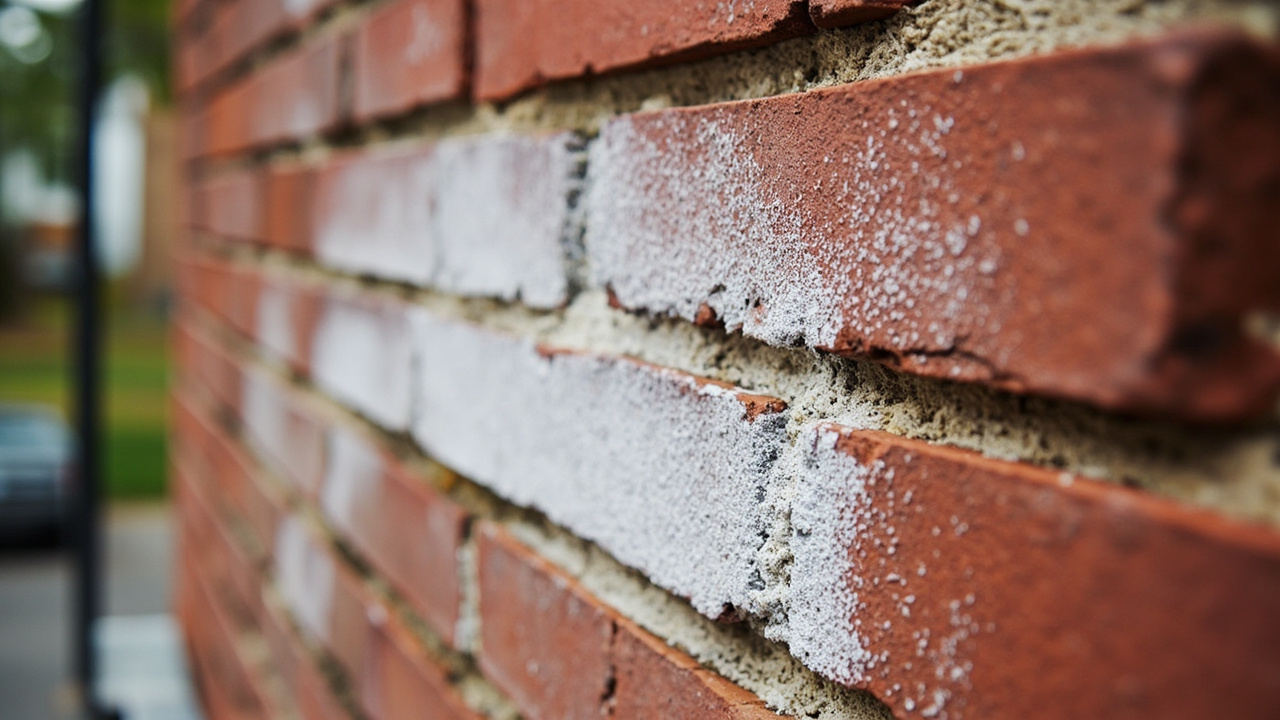
Visual indicators of masonry moisture penetration
The first sign of a chimney leak is often found on the bricks themselves. You may notice a white powdery substance known as efflorescence. This occurs when water moves through the masonry and dissolves natural salts within the brick or mortar. As the water evaporates on the surface it leaves the salt behind. While efflorescence itself is not a structural failure it proves that water is moving through your chimney. If you see this white staining you already have a moisture problem that needs professional evaluation. In 2026 we see many historic homes in Atlanta where the homeowner ignored efflorescence only to face major masonry repairs later.
Spalling is another critical sign that your chimney is failing. Spalling happens when water enters the pores of a brick and then undergoes a freeze and thaw cycle. Even in the relatively mild Atlanta winters the temperature fluctuations in early 2026 caused significant masonry stress. The expanding ice pushes the face of the brick off causing it to flake or crumble. When you find bits of brick or mortar on your roof or in your yard you have a serious leak. This indicates the masonry is saturated and can no longer protect your interior walls from water damage. Professional restoration often starts with identifying these exterior failure points to stop the source of the intrusion.
Cracked chimney crowns are perhaps the most common entry point for water in the Candler Park area. The crown is the concrete or mortar slab at the very top of the chimney that sheds water away from the flue. Over time the sun and wind cause the crown to shrink and crack. Once a crack forms water pours directly into the chimney chase. This water does not just stay in the chimney. It often tracks down the outside of the flue liner andaks into the wood framing of your attic or the drywall of your upper floors. Regular inspections are the only way to catch a failing crown before it ruins your interior finishes.
Interior symptoms of a failing chimney system
Interior damage often shows up in ways that look like a roof leak. You might see water stains on the ceiling or walls adjacent to the fireplace. These stains usually have a dark brown or yellowish ring around the edges. If the stain grows larger after a heavy rain it is a clear indicator that your chimney flashing or crown has failed. Because the chimney sits in the middle of the roof line water can travel far from the actual leak point. For those living in large estates you might need professional water damage restoration for luxury homes in Buckhead or Candler Park to ensure the high end finishes are properly dried and restored.
A rusted damper or a wet firebox is another undeniable symptom. If you see water dripping into your fireplace or notice that the metal damper is difficult to move because of rust you have a leak. This usually means your chimney cap is missing or damaged. The cap is the metal umbrella that sits over the flue opening. Without a functional cap rain falls straight down the chimney. This water mixes with soot and creosote to create an acidic sludge that eats away at your mortar and creates a foul odor. If you smell a musty or smoky scent when the humidity rises in Atlanta you likely have moisture trapped in your chimney system.
The smell of mold is often the first thing people notice before they see a stain. Chimney leaks often saturate the insulation in your attic or the wall cavities behind the fireplace. Because these areas are dark and lack airflow they are perfect for mold colonies. If you notice a persistent earthy smell in your living room you should suspect a hidden leak. Waiting too long can turn a simple masonry repair into a full scale mold remediation project. Acting quickly when you smell moisture can prevent the need for more invasive extraction services.

Comparing chimney leak severity and repair needs
The following table outlines the different stages of chimney water damage and the typical actions required for each. This helps you understand the progression of the problem.
| Damage Stage | Visual Symptoms | Required Action | Potential Risk |
|---|---|---|---|
| Early Stage | Efflorescence and hairline crown cracks | Masonry sealing and crown repair | Minor aesthetic issues |
| Moderate Stage | Spalling bricks and rusted dampers | Partial chimney rebuild and cap replacement | Attic insulation saturation |
| Advanced Stage | Ceiling stains and sagging drywall | Full interior restoration and masonry repair | Structural rot and mold growth |
| Emergency Stage | Active dripping and collapsed masonry | Emergency water extraction and structural support | Complete chimney failure |
If you find yourself in the emergency stage you must seek help immediately. Dealing with an active leak is much like dealing with emergency help for a burst pipe in Atlanta and how to find fast cleanup. The water must be removed and the materials dried before the structural integrity of your home is compromised. Many homeowners in Candler Park assume the fireplace is solid masonry but most chimneys are actually surrounded by wood framing that is highly susceptible to rot.
Common causes of chimney leaks in Atlanta homes
Atlanta weather is particularly hard on chimneys because of our high annual rainfall and intense summer sun. The thermal expansion caused by the sun beating down on the masonry followed by a sudden cooling afternoon shower can cause mortar to crack. Furthermore the high humidity means that once masonry gets wet it stays wet for a long time. This constant state of dampness accelerates the decay of both the brick and the interior wood framing. If you have noticed water pooling near your foundation you might also need Sandy Springs flood cleanup and professional water extraction services if the chimney leak is combined with ground level drainage issues.
- Failed Flashing. The metal transition between the roof and the chimney often pulls away or rusts through.
- Worn Mortar Joints. Old mortar becomes porous and allows water to seep into the center of the chimney wall.
- Missing Chimney Caps. Without a cap the flue acts like a drain for every rainstorm.
- Porosity of Older Bricks. The soft bricks used in historic Candler Park homes absorb more water than modern materials.
- Foundation Shifting. Our local clay soil moves with moisture levels causing cracks in the masonry structure.
According to the Chimney Safety Institute of America water is the biggest enemy of a masonry chimney. Even a small leak can lead to thousands of dollars in damage if left unaddressed. In 2026 it is vital to have a professional check your flashing and crown at least once a year. This is especially true for commercial properties or rental units in the city. If you own a business near the park you should prioritize minimizing business downtime with Atlanta commercial water damage restoration by catching these leaks before they impact your operations.
Professional moisture detection and restoration tools
When a restoration expert arrives at your home they use advanced tools to find the exact source of the leak. You cannot always see water damage with the naked eye. Professionals use technology to see behind the walls and determine how far the moisture has spread. This ensures that every bit of damp material is identified and treated. The IICRC sets the standards for these inspections to ensure your home is returned to a safe and dry condition.
| Tool Type | Purpose | Benefit for Homeowner |
|---|---|---|
| Thermal Imaging Camera | Detects temperature differences caused by moisture | Finds leaks without tearing down drywall |
| Moisture Meter | Measures the exact percentage of water in wood or drywall | Confirms when a material is truly dry | Measures air humidity and dew point | Ensures the environment will not support mold growth |
| Borescope | A tiny camera inserted into small holes | Inspects the chimney chase and wall cavities |
Using these tools helps prevent secondary damage. If a restoration company only dries the surface the moisture trapped inside the wall will cause the wood to rot over time. You want a team that uses a scientific approach to drying. In 2026 the best companies use these sensors to monitor the drying process in real time. This guarantees that your Candler Park home is protected from long term structural issues. Thermal imaging is particularly helpful for chimney leaks because it can track the water path from the roof line down to the basement.

The danger of waiting to fix a chimney leak
A small leak in your chimney is never a static problem. It will always get worse. In the spring and summer of 2026 we have seen how quickly a minor drip can turn into a collapsed ceiling. When water saturates drywall the material loses its structural strength and becomes very heavy. This can lead to a sudden collapse which creates a much larger mess and potential safety hazards. Beyond the physical damage the health risks of mold cannot be ignored. Mold spores can circulate through your HVAC system and affect the air quality of your entire home.
Wood rot is another major concern. The structural framing that supports your chimney and your roof is usually made of timber. When this timber stays wet it attracts wood destroying organisms and fungi. Over a few months the wood can become soft and lose its ability to support the weight of the masonry. This leads to sagging roof lines and leaning chimneys. Fixing a leaning chimney is a massive undertaking compared to simply replacing a piece of flashing or sealing a crown. You should check your attic for damp rafters near the chimney after every major storm.
Insurance companies also look for signs of neglect. If you have a leak that has been active for years they may deny your claim. They expect homeowners to maintain their property and address visible issues promptly. By documenting your annual chimney inspections and taking immediate action when you see a stain you protect your financial interests. Keep records of all repairs and professional assessments to show that you have been proactive in maintaining your home. This is especially important in historic districts where repair costs are higher due to specific building codes.
Maintaining your Candler Park chimney in 2026
Preventing water damage is always cheaper than restoring it. You should start by ensuring your chimney has a high quality stainless steel cap. This keeps rain out of the flue and prevents birds or squirrels from nesting in your chimney. You should also have a professional apply a breathable masonry water repellent. Unlike paint a breathable sealer allows moisture vapor to escape while preventing liquid water from soaking into the bricks. This is a vital step for the older bricks found in our neighborhood which are often more porous than modern varieties.
Check your gutters and downspouts as well. If your gutters are clogged they can overflow and pour water directly against the base of your chimney. This can lead to foundation erosion and moisture wicking up into the lower levels of your masonry. Keep the area around your chimney clear of overhanging tree branches as these can trap moisture against the bricks and prevent them from drying out after a rain. In the high humidity of an Atlanta summer airflow is your best friend for keeping masonry healthy.
If you suspect that your chimney is leaking water into your interior walls you need a professional assessment. Do not wait for the next big storm to confirm your fears. A professional can identify the entry point and provide a plan to dry out your home and repair the damage. Whether you need simple masonry sealing or full scale water damage restoration acting now will save your Candler Park home from the devastating effects of hidden moisture.
{
“@context”: “https://schema.org”,
“@type”: “BlogPosting”,
“headline”: “Identifying chimney water leaks in Candler Park homes before they ruin your walls”,
“description”: “Spot hidden chimney water leaks in Candler Park. Learn how Atlanta rain damages masonry and interior walls and when to call restoration experts in 2026.”,
“wordCount”: 2189,
“datePublished”: “2026-04-03T09:41:00.000Z”,
“dateModified”: “2026-04-03T09:41:00.000Z”,
“inLanguage”: “en-US”,
“mainEntityOfPage”: {
“@type”: “WebPage”,
“@id”: “https://victorywaterdamagerestorationatlanta.com”
},
“publisher”: {
“@type”: “LocalBusiness”,
“name”: “Victory Water Damage Restoration Atlanta”,
“url”: “https://victorywaterdamagerestorationatlanta.com”
},
“author”: {
“@type”: “Organization”,
“name”: “Victory Water Damage Restoration Atlanta”,
“url”: “https://victorywaterdamagerestorationatlanta.com”
},
“image”: {
“@type”: “ImageObject”,
“url”: “https://victorywaterdamagerestorationatlanta.com/wp-content/uploads/2026/03/signs-your-candler-park-chimney-is-actually-leakin-1.jpg”
}
}
{
“@context”: “https://schema.org”,
“@type”: “LocalBusiness”,
“name”: “Victory Water Damage Restoration Atlanta”,
“url”: “https://victorywaterdamagerestorationatlanta.com”,
“address”: {
“@type”: “PostalAddress”,
“addressLocality”: “Atlanta”
},
“areaServed”: {
“@type”: “City”,
“name”: “Atlanta”
}
}
{
“@context”: “https://schema.org”,
“@type”: “BreadcrumbList”,
“itemListElement”: [
{
“@type”: “ListItem”,
“position”: 1,
“name”: “Home”,
“item”: “https://victorywaterdamagerestorationatlanta.com”
},
{
“@type”: “ListItem”,
“position”: 2,
“name”: “Blog”,
“item”: “https://victorywaterdamagerestorationatlanta.com/blog”
},
{
“@type”: “ListItem”,
“position”: 3,
“name”: “Identifying chimney water leaks in Candler Park homes before they ruin your walls”
}
]
}
{
“@context”: “https://schema.org”,
“@type”: “Service”,
“serviceType”: “Water Damage Restoration”,
“provider”: {
“@type”: “LocalBusiness”,
“name”: “Victory Water Damage Restoration Atlanta”,
“url”: “https://victorywaterdamagerestorationatlanta.com”
},
“areaServed”: {
“@type”: “City”,
“name”: “Atlanta”
},
“description”: “Spot hidden chimney water leaks in Candler Park. Learn how Atlanta rain damages masonry and interior walls and when to call restoration experts in 2026.”
}