
Attic Water Damage Restoration in Inman Park Atlanta
Surface moisture hides the real danger after an attic leak in an Inman Park home. Many homeowners near Elizabeth Street or Springvale Park climb into their attics after a heavy Atlanta rainstorm and feel the floorboards. If the wood feels dry to the hand they assume the crisis passed. This is a mistake that leads to structural rot and mold growth. Moisture often traps itself inside structural beams and deep within layers of insulation. Professional restoration requires more than a sense of touch. It requires advanced tools to measure the moisture content deep within the building materials. You need to understand the science of drying to protect a historic Victorian or Craftsman property in the 30307 zip code.
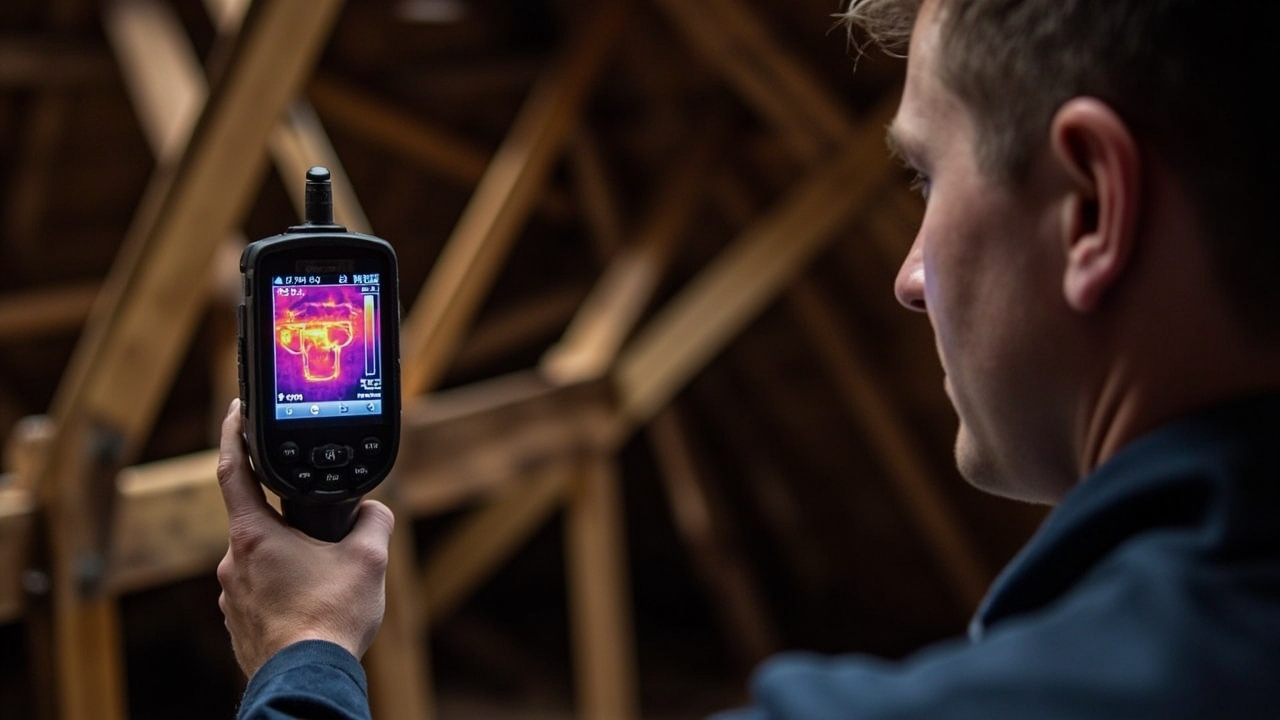
Historic homes in Inman Park often feature complex rooflines and multiple layers of building materials. When a leak occurs water follows the path of least resistance. It may travel down a rafter and settle behind a plaster ceiling or inside a wall cavity. By the time the surface feels dry the internal moisture level could still be well above the threshold for mold growth. Our 2026 restoration protocols prioritize deep structural drying over surface appearances. We use moisture meters and infrared cameras to see what the human eye misses. This is especially important for fast emergency water damage restoration in Atlanta when a summer thunderstorm hits suddenly.
Hidden Moisture in Historic Inman Park Attic Structures
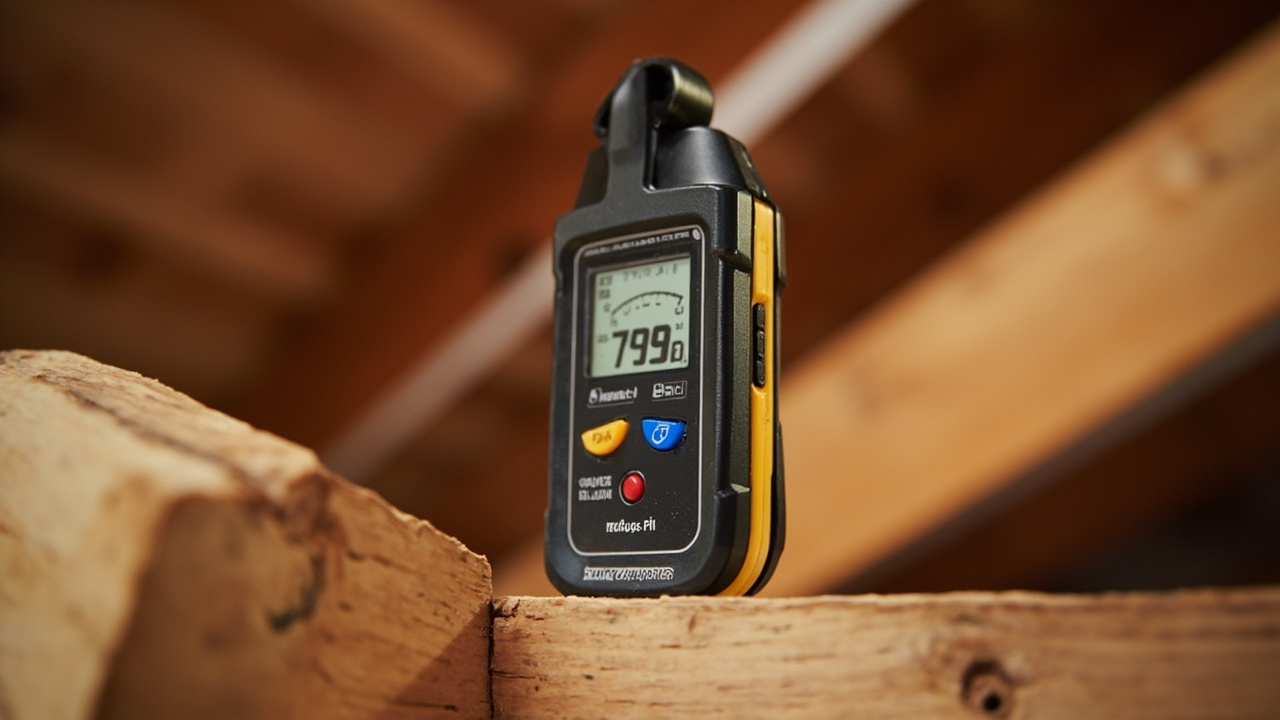
Attics in the Inman Park neighborhood often contain old growth lumber. This wood is denser than modern pine but it still absorbs water through capillary action. When water sits on a beam it moves inward. If you only dry the surface the core of the beam remains wet. This trapped moisture eventually causes the wood to warp or lose its load-bearing capacity. We use penetrative moisture probes to check the percentage of moisture inside these beams. In the humid 2026 Atlanta climate wood should typically stay below 15 percent moisture content to prevent fungal growth. Anything higher requires active mechanical drying.
Plaster and lath ceilings are common in the historic district. Unlike modern drywall plaster holds water for a long time. It acts as a reservoir. If you do not address the moisture sitting on top of the plaster in the attic the ceiling below will eventually sag or collapse. This is why we often recommend professional water damage restoration for high value properties. The goal is to save the original architectural details rather than replacing them. We use specialized air movers that direct high velocity air across the surface of the lath to pull moisture out of the plaster without causing it to crack.
The Role of Psychrometry in Atlanta Humidity
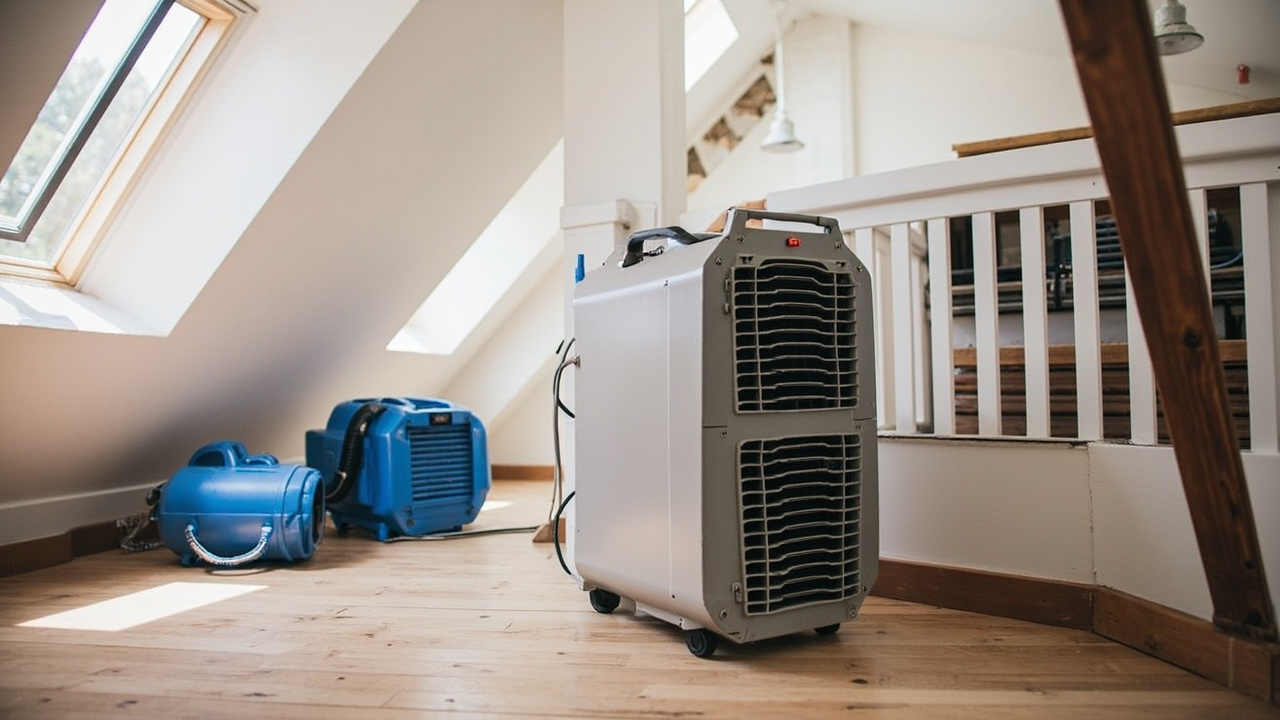
Psychrometry is the study of air and water vapor. In Atlanta the outdoor humidity often exceeds 80 percent during the summer months. This high humidity makes it difficult for water to evaporate naturally from an attic. If you open the windows in your attic thinking it will help you are actually bringing more moisture into the space. We use industrial grade dehumidifiers to create a controlled environment. These machines lower the vapor pressure in the attic. This forces the moisture out of the wood and into the air where the dehumidifier can collect it. This process is essential for emergency help for a burst pipe in Atlanta or a major roof failure.
| Material Type | Typical Porosity | Drying Difficulty | Required Tooling |
|---|---|---|---|
| Old Growth Oak | Low | High | Structural Dehumidification |
| Cellulose Insulation | High | Extreme | Extraction or Removal |
| Plaster and Lath | Medium | Moderate | Targeted Airflow |
| Modern Drywall | High | Low | High Volume Air Movers |
Insulation Saturation and Thermal Imaging Technology
Insulation is the biggest hurdle in attic restoration. Whether you have blown-in cellulose or fiberglass batts insulation acts as a sponge. Once it gets wet it loses its R-value or insulating power. More importantly it stays wet for weeks. Wet insulation sitting against wood rafters creates a perfect environment for mold. Many Inman Park residents try to dry insulation with a household fan. This does not work. If the insulation is saturated we usually have to remove it to dry the wood underneath. This is a standard part of Sandy Springs flood cleanup and Inman Park restoration projects alike.
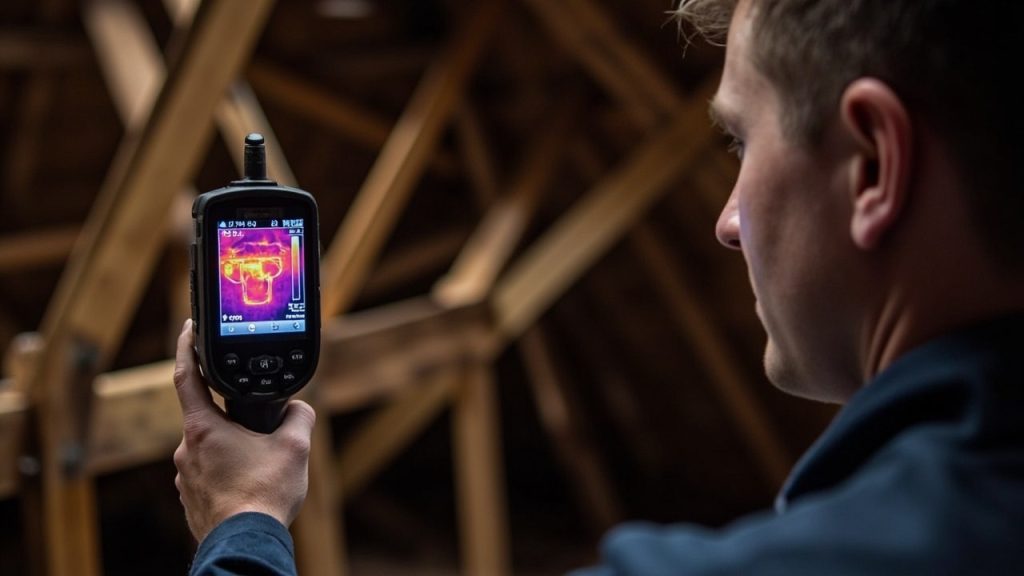
We use thermal imaging cameras to find the exact footprint of the water. Water cools as it evaporates. This creates a temperature difference that the infrared camera can detect. When we scan your attic we can see exactly where the water traveled behind the walls or under the floorboards. This allows us to be surgical in our demolition. We only remove what is absolutely necessary. This saves time and reduces the cost of repairs for your property. It also ensures that we do not miss a single pocket of moisture that could lead to a mold outbreak next month.
Restoration Process for Victorian and Craftsman Attics
Working in a historic attic requires a different approach than a modern suburban home. Access is often tight. We frequently work around knob and tube wiring or old gas lines that were deactivated decades ago. Safety is our primary concern. We ensure that the workspace is stable before bringing in heavy equipment. Our technicians are trained in the specific needs of IICRC certified restoration which involves a multi-step process to ensure the home is returned to a pre-loss condition.
- Initial site safety inspection and structural assessment.
- Moisture mapping using infrared technology and moisture meters.
- Water extraction from flat surfaces using high powered vacuums.
- Removal of saturated insulation and non-salvageable materials.
- Application of antimicrobial treatments to prevent mold spores from germinating.
- Installation of LGR dehumidifiers and axial air movers.
- Daily monitoring of moisture readings until drying goals are met.
The 2026 standard for attic drying emphasizes the use of Low Grain Refrigerant (LGR) dehumidifiers. These units are capable of pulling moisture out of the air even in the low humidity conditions required for deep structural drying. Standard household dehumidifiers cannot reach these levels. If you are dealing with a commercial property near the Atlanta BeltLine Eastside Trail we use even larger desiccant dehumidifiers to ensure business continuity. This is a key part of minimizing business downtime with Atlanta commercial water damage restoration services.
Insurance Claims for Attic Water Damage
Filing an insurance claim for an attic leak in Inman Park can be complicated. Adjusters look for proof that the damage was sudden and accidental. They also want to see that the homeowner took immediate steps to mitigate the damage. This is where professional documentation is vital. We provide detailed moisture logs and thermal images that prove the extent of the water intrusion. This data makes it much harder for an insurance company to deny a claim or argue that the damage was pre-existing.
We work directly with most major insurance carriers in the Atlanta area. We use the same estimating software that the adjusters use. This ensures that our pricing is transparent and within industry standards for 2026. We document every step of the drying process. This includes the initial moisture readings the daily progress and the final clearance report. This documentation protects the value of your home when you eventually decide to sell. Buyers in Inman Park are savvy. They will check for past water damage. Having a professional restoration certificate shows that the job was done correctly.
| Drying Phase | Expected Duration | Primary Goal |
|---|---|---|
| Stabilization | 12 to 24 Hours | Stop the spread of water and lower humidity |
| Bulk Evaporation | 24 to 48 Hours | Remove surface water and moisture from air |
| Structural Drying | 3 to 5 Days | Pull moisture from deep inside wood and masonry |
| Final Verification | 24 Hours | Confirm all materials reached dry standards |
Why Local Expertise Matters for Inman Park Residents
Inman Park is not a cookie-cutter neighborhood. The houses here have character and unique structural challenges. You cannot apply a generic drying plan to a 100-year-old home. Local experts understand the local climate and the specific building techniques used in Atlanta at the turn of the century. We know how the high humidity near the Piedmont Park area affects drying times. We know how to navigate the narrow streets of Inman Park with our equipment trailers without causing a neighborhood traffic jam.
If you find a leak in your attic do not wait for the wood to feel dry. The clock starts ticking the moment water enters the building. Mold can begin to grow in as little as 24 hours in the warm Atlanta air. By the time you smell a musty odor the damage is already extensive. Professional moisture detection is the only way to ensure your home is safe. We have seen many cases where a small roof leak turned into a full-scale mold remediation project because the homeowner waited too long to call for a professional inspection.
When you choose a restoration partner look for someone who understands the science of drying and the value of your property. Our team brings over 15 years of experience to every job in the Atlanta metro area. We are committed to thoroughness and precision. We do not just dry your attic. We restore your peace of mind by ensuring that your home is structurally sound and free from hidden moisture. Contact us today for a comprehensive moisture assessment of your Inman Park attic.
{
“@context”: “https://schema.org”,
“@type”: “BlogPosting”,
“headline”: “Why dry to the touch is not enough for your Inman Park attic after a roof leak”,
“description”: “Learn why surface drying fails in historic Inman Park attics. Discover how professional moisture mapping and structural drying prevent mold in 2026.”,
“wordCount”: 1548,
“datePublished”: “2026-03-05T09:42:00.000Z”,
“dateModified”: “2026-03-05T09:42:00.000Z”,
“inLanguage”: “en-US”,
“mainEntityOfPage”: {
“@type”: “WebPage”,
“@id”: “https://victorywaterdamagerestorationatlanta.com”
},
“publisher”: {
“@type”: “LocalBusiness”,
“name”: “Victory Water Damage Restoration Atlanta”,
“url”: “https://victorywaterdamagerestorationatlanta.com”
},
“author”: {
“@type”: “Organization”,
“name”: “Victory Water Damage Restoration Atlanta”,
“url”: “https://victorywaterdamagerestorationatlanta.com”
},
“image”: {
“@type”: “ImageObject”,
“url”: “https://victorywaterdamagerestorationatlanta.com/wp-content/uploads/2026/03/why-dry-to-the-touch-isn-t-enough-for-your-inman-p-1.jpg”
}
}
{
“@context”: “https://schema.org”,
“@type”: “LocalBusiness”,
“name”: “Victory Water Damage Restoration Atlanta”,
“url”: “https://victorywaterdamagerestorationatlanta.com”,
“address”: {
“@type”: “PostalAddress”,
“addressLocality”: “Atlanta”
},
“areaServed”: {
“@type”: “City”,
“name”: “Atlanta”
}
}
{
“@context”: “https://schema.org”,
“@type”: “BreadcrumbList”,
“itemListElement”: [
{
“@type”: “ListItem”,
“position”: 1,
“name”: “Home”,
“item”: “https://victorywaterdamagerestorationatlanta.com”
},
{
“@type”: “ListItem”,
“position”: 2,
“name”: “Blog”,
“item”: “https://victorywaterdamagerestorationatlanta.com/blog”
},
{
“@type”: “ListItem”,
“position”: 3,
“name”: “Why dry to the touch is not enough for your Inman Park attic after a roof leak”
}
]
}
{
“@context”: “https://schema.org”,
“@type”: “Service”,
“serviceType”: “Water Damage Restoration”,
“provider”: {
“@type”: “LocalBusiness”,
“name”: “Victory Water Damage Restoration Atlanta”,
“url”: “https://victorywaterdamagerestorationatlanta.com”
},
“areaServed”: {
“@type”: “City”,
“name”: “Atlanta”
},
“description”: “Learn why surface drying fails in historic Inman Park attics. Discover how professional moisture mapping and structural drying prevent mold in 2026.”
}