

Why Atlanta home insurance often excludes floods while covering water damage
Atlanta homeowners often face a harsh reality after a heavy storm or a plumbing failure. You might assume your standard homeowners insurance policy covers any type of liquid entering your living room. In 2026, the distinction between water damage and flood damage remains one of the most misunderstood parts of property ownership in Georgia. If you live in neighborhoods like Virginia-Highland or Peachtree Hills, knowing these details saves you from massive out-of-pocket expenses when the next line of thunderstorms rolls through the metro area.
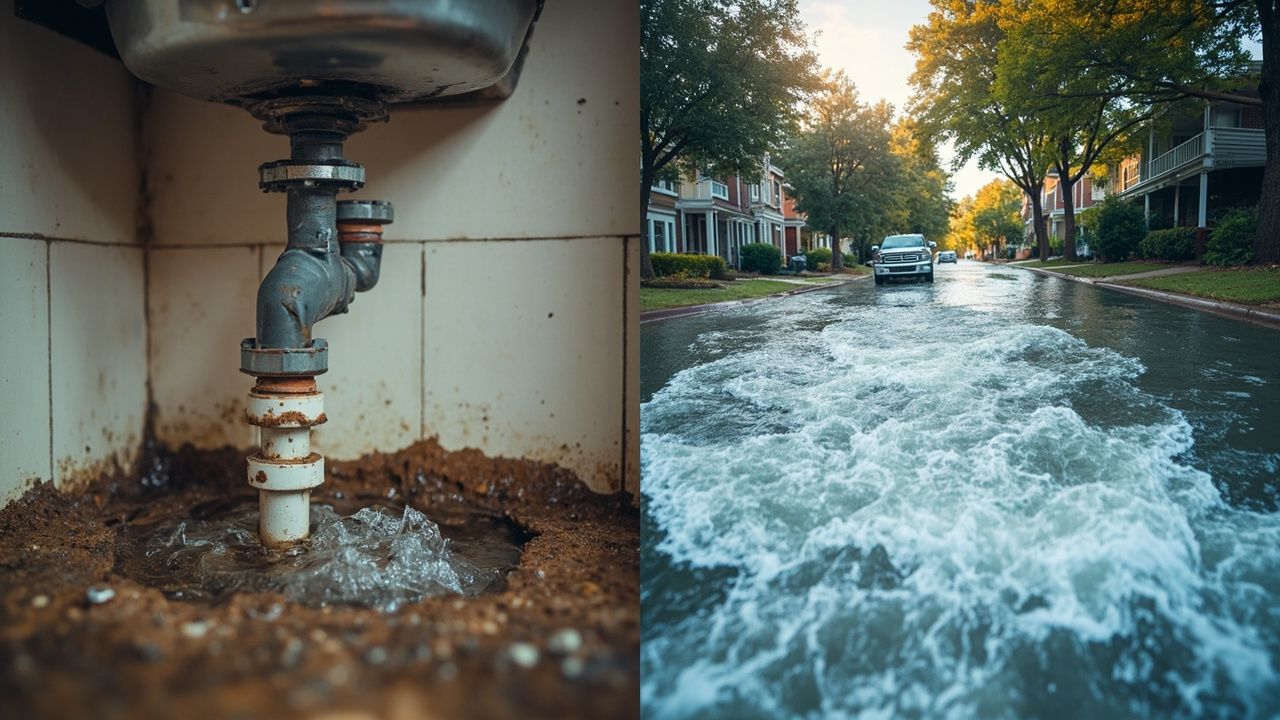
The source of the water determines who pays the bill. Insurance companies use a simple rule to decide if a claim falls under a standard policy or a separate flood policy. If the water comes from the top down or from inside the house, it is usually considered water damage. If the water comes from the ground up or from an external natural body of water, it is classified as a flood. This technicality affects every resident from the high rises in Midtown to the historic estates in Cascade Heights.

The source of the water makes the difference
Standard homeowners insurance in Atlanta covers events that are sudden and accidental. This includes a washing machine hose snapping or a water heater failing in your basement. These incidents originate from your home systems. They are internal problems that your basic policy is designed to handle. If you experience a sudden failure, you should seek emergency help for a burst pipe in Atlanta to prevent structural rot and mold growth.
Flood damage is different because it involves surface water. According to the National Flood Insurance Program, a flood is a general and temporary condition where two or more acres of normally dry land or two or more properties are inundated by water. In Atlanta, this happens frequently during the humid summer months when the ground cannot absorb rapid rainfall. The red clay soil common across Georgia acts like a sponge that has reached its limit. When the soil is saturated, water sits on the surface and pushes against your foundation. This is rising water, and your standard policy will almost never cover it.
| Type of Water Intrusion | Typical Insurance Category | Coverage Source |
|---|---|---|
| Burst Kitchen Pipe | Water Damage | Standard Homeowners Policy |
| Overflowing Bathtub | Water Damage | Standard Homeowners Policy |
| Chattahoochee River Overflow | Flood Damage | Separate Flood Insurance |
| Heavy Rain Pooling in Yard | Flood Damage | Separate Flood Insurance |
| Dishwasher Leak | Water Damage | Standard Homeowners Policy |
| Storm Surge or Flash Flood | Flood Damage | Separate Flood Insurance |
Atlanta specific risks and the role of topography
Atlanta sits on the Piedmont plateau, which gives the city its beautiful rolling hills. These hills create natural funnels for rainwater. Areas near Peachtree Creek or the South River are especially prone to flash flooding. When a storm dumps three inches of rain in an hour over Buckhead or Sandy Springs, the drainage systems often struggle to keep up. This creates a situation where water enters homes through garage doors or basement windows. Even if the water only rises an inch, the damage to drywall and flooring is severe.
Many residents in newer developments in areas like West Midtown or Old Fourth Ward assume modern drainage protects them. However, urban runoff is a major factor in 2026. Concrete and asphalt do not absorb water. This forces the rain into lower-lying properties. If this water touches the ground before entering your home, it is a flood. You would need specialized Sandy Springs flood cleanup services to handle the silt and contaminants that come with ground water.
Understanding the sewer backup rider
One common area of confusion involves sewer backups. This is neither a standard water damage claim nor a traditional flood claim in many cases. If the city sewer lines in DeKalb or Fulton County become overwhelmed, the excess can back up through your floor drains. Most standard policies require a specific endorsement or rider for this coverage. Without this rider, you might be left paying for a very expensive and unsanitary cleanup on your own. This is a critical addition for older homes in areas like Kirkwood or Grant Park where the infrastructure is aging.
Property owners managing larger buildings should be particularly aware of this. Maintaining business continuity requires specialized knowledge of these policy limits. We often help local companies by minimizing business downtime with Atlanta commercial water damage restoration when these complex insurance situations arise. It is much easier to verify your coverage before a storm hits than to argue with an adjuster while your lobby is under water.
Comparing policy features and requirements
The 2026 insurance market in Georgia has become more stringent about documentation. If you have a standard policy, you are expected to maintain your home. If a pipe leaks for six months and causes rot, the insurance company might deny the claim because it was not sudden. They view this as a maintenance issue. Conversely, flood insurance through the NFIP or private carriers has a waiting period. You cannot buy a policy today and expect it to cover a storm hitting tomorrow. Most policies have a 30 day waiting period before they become active.
| Feature | Standard Policy | Flood Policy (NFIP) |
|---|---|---|
| Average Waiting Period | 0 to 24 Hours | 30 Days |
| Coverage for Mold | Limited if caused by covered leak | Rarely covered unless direct result |
| Replacement Cost Value | Often included for contents | Often Actual Cash Value for contents |
| Sewer Backup | Optional Rider Needed | Sometimes included if caused by flood |
| Basement Coverage | Full coverage for finished areas | Very limited coverage for basement items |
Hydrostatic pressure and foundation issues
A specific problem in Atlanta involves hydrostatic pressure. When the ground around your home becomes soaked, the water exerts thousands of pounds of pressure against your foundation walls. This can force water through tiny cracks in the concrete. Since this water is coming from the ground, insurance adjusters often categorize this as seepage or a flood. It is a frustrating grey area for homeowners. Regular gutter cleaning and ensuring your downspouts move water at least ten feet away from your foundation can help mitigate this risk. In 2026, many homeowners are also installing exterior French drains to manage the heavy runoff seen in the metro area.
The importance of fast mitigation for any water event
Regardless of who pays for the claim, the physical damage to your home starts immediately. Water ruins materials through direct contact and by raising the relative humidity in the building. High humidity in Georgia leads to secondary damage like mold growth on furniture and ceilings. For those with high value properties, specialized care is needed to save custom finishes and hardwood floors. We provide professional water damage restoration for luxury homes in Buckhead to ensure that these assets are dried correctly using advanced psychrometry techniques.
Timing is everything in 2026. The longer the water sits, the more likely the category of the water will change. Clean water from a pipe (Category 1) can quickly turn into grey water (Category 2) or black water (Category 3) as it mixes with contaminants or sits stagnant. Black water requires significantly more aggressive cleaning and often requires the removal of structural elements that could have been saved if addressed sooner. This is why you must know how to get fast emergency water damage restoration in Atlanta the moment you spot a leak.
Immediate steps to take during a water crisis
- Shut off the main water valve if the leak is internal.
- Turn off the electricity to the affected areas if there is any risk of contact with water.
- Take photos and videos of the water source and all damaged belongings.
- Move high value items like electronics and heirlooms to a dry floor.
- Contact a professional restoration company to begin extraction and drying.
- Call your insurance agent to start the claim process and clarify your coverage.
- Keep a log of all communications with your insurance company and restoration team.
Documenting your losses for the insurance adjuster
In 2026, digital documentation is your best friend. Use your phone to record the path the water took. If it came through the ceiling, show the sagging drywall. If it came under the baseboards, show the wet carpet. Do not throw away any damaged items until an adjuster has seen them or you have been given explicit permission to dispose of them. For flood claims, you will need to provide a Proof of Loss statement within a specific timeframe, usually 60 days. This document outlines the total amount you are claiming and provides supporting evidence for every item.
The Georgia Office of Commissioner of Insurance provides resources for residents who feel their claims are being handled unfairly. In a city as large as Atlanta, mistakes happen during the claims process. Being informed about the difference between a pipe burst and a flood allows you to speak the same language as the adjuster. It prevents you from using the word flood when you actually mean water damage, which can sometimes lead to an accidental and immediate claim denial.
Why professional drying is non negotiable in 2026
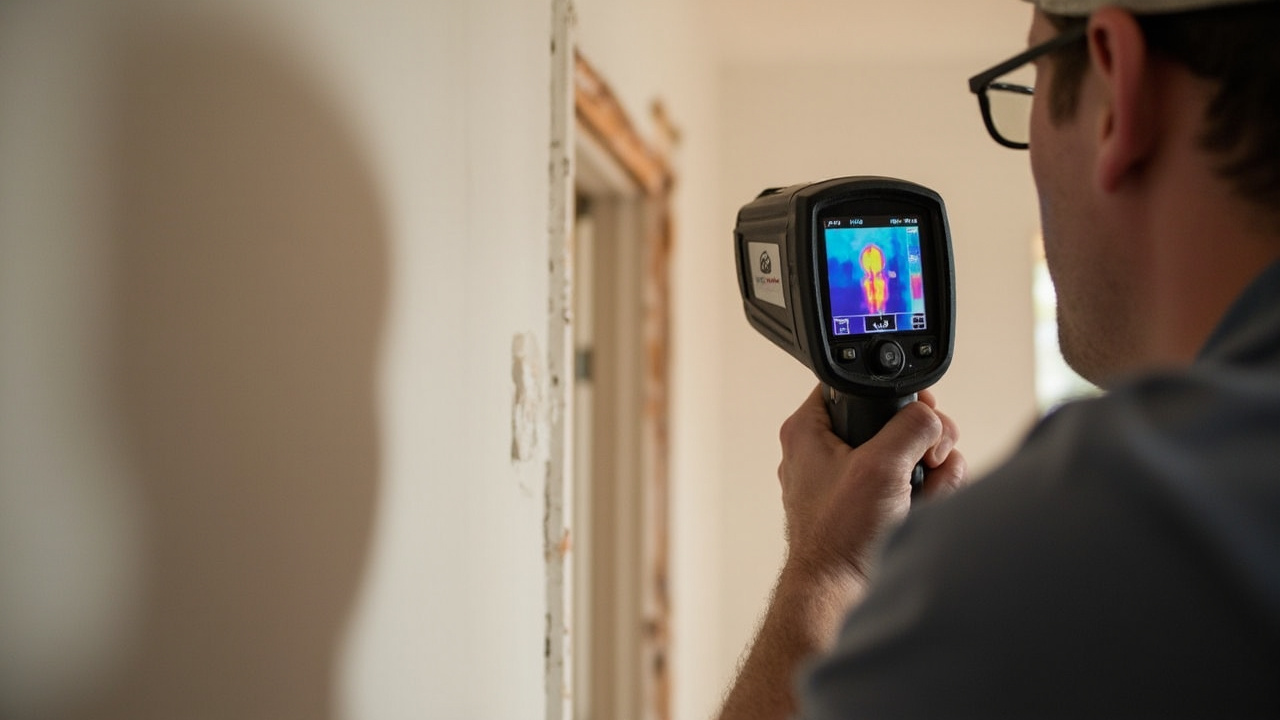
Modern homes in Atlanta are built with tight seals for energy efficiency. While this is great for your power bill, it is terrible for drying out a home. Trapped moisture leads to structural instability and health hazards. Using a shop vacuum and a household fan is not enough to pull moisture out of wall studs and subfloors. Professional restoration teams use LGR dehumidifiers and high velocity air movers that are monitored daily. We track the drying progress with infrared cameras and moisture meters to ensure no hidden pockets of water remain. This thoroughness is what prevents the musty smell and mold issues that often plague homes months after a water event.
If you are facing water intrusion in your Atlanta home, do not wait for the insurance company to tell you what to do. You have a responsibility to mitigate the damage immediately to prevent further loss. Contact our local team to get an expert on site who understands the nuances of Georgia weather and the complexities of property restoration. We work with you to navigate the process and return your home to its pre loss condition as quickly as possible.
{
“@context”: “https://schema.org”,
“@type”: “BlogPosting”,
“headline”: “Why Atlanta home insurance often excludes floods while covering water damage”,
“description”: “Understand the critical differences between flood and water damage insurance in Atlanta to protect your home from rising ground water and pipe bursts.”,
“wordCount”: 1707,
“datePublished”: “2026-02-11T09:31:00.000Z”,
“dateModified”: “2026-02-11T09:31:00.000Z”,
“inLanguage”: “en-US”,
“mainEntityOfPage”: {
“@type”: “WebPage”,
“@id”: “https://victorywaterdamagerestorationatlanta.com”
},
“publisher”: {
“@type”: “LocalBusiness”,
“name”: “Victory Water Damage Restoration Atlanta”,
“url”: “https://victorywaterdamagerestorationatlanta.com”
},
“author”: {
“@type”: “Organization”,
“name”: “Victory Water Damage Restoration Atlanta”,
“url”: “https://victorywaterdamagerestorationatlanta.com”
},
“image”: {
“@type”: “ImageObject”,
“url”: “https://victorywaterdamagerestorationatlanta.com/wp-content/uploads/2026/03/why-your-atlanta-home-insurance-might-not-cover-a-1.jpg”
}
}
{
“@context”: “https://schema.org”,
“@type”: “LocalBusiness”,
“name”: “Victory Water Damage Restoration Atlanta”,
“url”: “https://victorywaterdamagerestorationatlanta.com”,
“address”: {
“@type”: “PostalAddress”,
“addressLocality”: “Atlanta”
},
“areaServed”: {
“@type”: “City”,
“name”: “Atlanta”
}
}
{
“@context”: “https://schema.org”,
“@type”: “BreadcrumbList”,
“itemListElement”: [
{
“@type”: “ListItem”,
“position”: 1,
“name”: “Home”,
“item”: “https://victorywaterdamagerestorationatlanta.com”
},
{
“@type”: “ListItem”,
“position”: 2,
“name”: “Blog”,
“item”: “https://victorywaterdamagerestorationatlanta.com/blog”
},
{
“@type”: “ListItem”,
“position”: 3,
“name”: “Why Atlanta home insurance often excludes floods while covering water damage”
}
]
}
{
“@context”: “https://schema.org”,
“@type”: “Service”,
“serviceType”: “Water Damage Restoration”,
“provider”: {
“@type”: “LocalBusiness”,
“name”: “Victory Water Damage Restoration Atlanta”,
“url”: “https://victorywaterdamagerestorationatlanta.com”
},
“areaServed”: {
“@type”: “City”,
“name”: “Atlanta”
},
“description”: “Understand the critical differences between flood and water damage insurance in Atlanta to protect your home from rising ground water and pipe bursts.”
}